




We recently had the chance to connect with Michael Desposito and have shared our conversation below.
Good morning Michael, it’s such a great way to kick off the day – I think our readers will love hearing your stories, experiences and about how you think about life and work. Let’s jump right in? What is something outside of work that is bringing you joy lately?
One area that I have been exploring outside of work is a bit of a personal hobby I got into in late 2025, buying and incorporating fragrances into my everyday life. Early in 2025, I began incorporating different grounding tools within my mindfulness practices and was interested in the use of olfactory senses as a way to improve emotional and cognitive outcomes. Since I already was quite knowledgeable on essential oils, I was curious what could have a longer performance when doing longer forms of mindfulness. Interestingly, I discovered through some colleagues and friends their use of fragrances (e.g., perfumes and colognes) and how it made them feel more confident and open to new experiences. This was especially helpful as I have been trying to find ways to improve my outcomes in the gym as I often suffer from “gymtidation” or the anxiety of being “judged” at the gym. It felt refreshing to discover different fragrances that people use to improve their performance and dedication to the task at hand from their work in the gym, their performance at the office, to feeling confident on date nights. I was shown by a friend his gym “scents” and many of the “notes” used in the fragrances shown were similar to what I already utilized when using essential oils. Over time, I noticed less anxiety sensation for myself and began to experiment with different fragrances at different domains. I can successfully report that as of the date of this published article, I have been able to reduce some holiday weight, increase my performance at the gym for longer durations, and feel more confident around others. While some of this I chalk up to placebo effect, I appreciate pairing the behavior of a positive smelling fragrance to my workout and other behaviors due to my overall improvement of performance. There was just one thing that was a bit uncomfortable for me when I started down this path and that was the price of many designer fragrances.
If you are someone who likes the smell of different fragrance notes, you likely have noticed the prices can be a bit overwhelming, especially for designer fragrances. I recommend the same advice I was given and that is to go to fragrance stores where you are allowed to smell different styles and see what you notice you like. It should be noted that fragrances smell different on paper than on skin and many fragrances often open with top notes but will dry down to different base notes. It is also important to make sure you are not allergic to different notes as a safety precaution before using any fragrance and make sure to read the labels to feel confident in your decision. Over time I began noticing the differences in top notes versus basenotes of fragrances and how different scent profiles smelled that I appreciated versus others (I am quite partial to fresh scents like bergamot, citruses, patchouli, peppery, lavender, and cardamom). Once you begin to notice what you like, you can begin to research different fragrances from different “fragrance houses” and purchase your signature smells for different occasions. You may notice some scent profiles do better for summer or spring while others have a better take to colder months. A final word of advice, is make sure you spray yourself correctly so that you do not overpower your surroundings!
Can you briefly introduce yourself and share what makes you or your brand unique?
My name is Michael Desposito, and I am a Licensed Professional Clinical Counselor with supervisory designation (LPCC-S), certified professional coach, and certified Dialectical Behavioral Therapy (DBTC). I am the clinical director and co-owner of The Wellife, LLC, a counselor, coaching, and community care business rooted in wellness or the belief that mental health is deeply rooted to creativity, community, and whole-person care. I have spent over a decade working in the mental health field serving individuals, couples, and other professionals through various mental health concerns, emotion regulation, life transitions, identity development and affirmative therapy for LGBTGEQIAP+ populations. I also have an extensive history of teaching and consulting with counselors and small business owners with building sustainable, strategic, and ethical business practices of their own.
What makes The Wellife unique is our integrative approach to care. We blend evidence-based practice (EBP) while intentionally designing our physical and digital spaces to be mindful, calming, accessible, and organically human. Our use of technology integrated into our work allows clients 24/7 access to their chart, billing, and scheduling to support their autonomy through transparency and respect in their decision-making. While counseling is where our business started, our work also extends beyond traditional therapy into consulting, professional coaching, community collaboration, and creating an ecosystem of interdependent providers rather than a single-service model often pursued by other businesses. My partner and I can successfully state as of the publishing of this article that we have helped over 16 businesses in our county and have consulted with a variety of other counselors across the state to improve the business practices of clinicians and experiences for clients. Finally, The Wellife functions as a training center as we work with several supervisees to promote evidence-based practice and quality clinical care in the community. At this stage in my career, I am focused on expanding wellness through mental health, education, policy advocacy, and mentorship. Whether through therapy, teaching, community partnerships, my goal is to imagine new creative possibilities to cultivate environments where people feel seen, supported, and empowered to achieve their goals.
Amazing, so let’s take a moment to go back in time. What did you believe about yourself as a child that you no longer believe?
As a child from a divorced home, I learned that I often had to minimize myself to survive potential difficulties from my biological parents due to their heated exchanges during their separation. I witnessed and was the recipient of many physical, emotional, and verbal indignities growing up further making it difficult for me to feel connected to others. During this time I grew increasingly inward and developed a strong imaginative sense as I often found solace in my room wishing for better days. For many years, I would often minimize my knowledge, experience, or space to protect myself from the judgement of others. Not only was it safe, but it allowed me space to think, feel, and observe others while staying safe. Better to be safe than sorry was a mantra I often lived by growing up.
This belief began to change in 2015 when my current partner notified me in a brief conversation over coffee that I should not “entomb my knowledge” as the world would be better off experiencing the fullness of my “self” than to not experience it at all. It felt like a new paradigm even though for many people it’s probably considered “normal” for their daily lives. It still took me several years and deep work on myself to better understand my own reactive drivers, triggers, and true feelings behind my behaviors. Today, I can safely say that I am much farther along than I have ever been and do not apologize for my existence. This work has translated to my work with others because I now believe that someone should not have to sacrifice their dignity to make someone else happy.
What fear has held you back the most in your life?
Probably one of the most deeply rooted fears is that the work I do does not matter. Early in my career in mental health I worked as a caseworker for the adult transitional youth program where I would help clients 17-30 years olds with severe and pervasive mental illness (SPMI) navigate their lives. As a community psychiatric support treatment (CPST) team member or caseworker, I often would drive clients to various appointments whether it was therapy, food banks, medical evaluations, or court. While the population was difficult simply due to the sheer adversity and traumas many of the clients experienced, what was difficult was I would often feel like the “connecter” to many of these clients appointments but I did not see much change when I would drive them home because clients would be stuck back in the same circumstances they were trying to escape. I remember a mentor of mine said that “if you can get 1% positive change or even .01% change then you made progress for the day.” While I appreciated the sentiment, I often struggled to have clients move so slowly when they would say during our drives how much they wish they could change. I decided to go back to school and become a clinical mental health counselor so that I could better address many of the psychological issues I was seeing in the field, so I could be the one who helped clients change in the office versus driving them to the “change agents.”
Over time I realized that this fear was based on the desire to help but was flawed in action because it eliminates the choice of the person. To truly adhere to ethical medical intervention, clients have to consent to the treatment they are being given for best results. This is why the therapeutic relationship developed between client and therapist is the most statistically significant aspect of helping. This reframed many of those early beliefs because what I learned is that I was one of the only people many of those casework clients trusted when we would go to their appointments and likely why they felt they could tell me their true feelings. No matter what way of helping someone decides to pursue, a strong and ethical relationship is the foundation to any counseling, coaching, or community care intervention as the client’s dignity and choice are honored at the onset so they can feel empowered throughout the experience.
Sure, so let’s go deeper into your values and how you think. What are the biggest lies your industry tells itself?
One of the biggest lies that the counseling industry tells itself is to care for others but not the counselor. This can be seen in the current professional literature around perception of “self-care” because most of the interventions and direction focuses on continuing the current course without addressing the deeper meaning behind the stress and burnout in the field. This is ironic given that “self-care” was originally from the healthcare literature as a way for people to take care of themselves if they did not have healthcare. Self-care was also historically a collective process where the community supported those who could not meet their own needs. I have presented and worked for several years at the local, state, and national levels to improve professional counseling and continue to see the field “missing the boat” around what “actually” supports the professional counselor. Now before I continue, I need to contextualize that I am not suggesting to care for the counselor and in so doing, harm or reduce client welfare. What I am advocating for is that counselor welfare is integral to the welfare of our clients and communities. There continues to be a dearth of literature on actual evidence-based leadership theory, wellness, and advocacy for counselors and in fact many of the current models of advocacy utilized do not address counselors as a subject but objectify counselors by specifically advocating for others. This poses a problem for several reasons. First, public policies are designated by their stakeholders. While we continue to promote clients (an admirable goal) excluding how counselors can support these policies, risks having other helping professionals take the place of counselors in the practical sense. As a colleague once shared with me, that was a common saying among the politicians he worked with, you are either at the table or on the menu. A good example of this was in 2019, Michigan counselors almost lost the ability to diagnose and treat mental and emotional disorders due to the state’s LARA board’s proposed rule changes. This could have led to devastating the counseling field in Michigan, gutting counselor salaries, and harming clients due to counselors being unable to support themselves. I am glad to say this did not occur and Michigan supported counselors with legislation that codified counselor roles. However, the lesson to take away here is if policy-makers do not understand what you do, they can easily modify your role to reduce costs. Second, to become a professional counselor, one must complete a 60-credit hour accredited program, a 100 hour practicum experience (often unpaid), and typically an additional unpaid 600 hour internship before taking a standardized exam and becoming licensed in their respective state. This does not include the additional time after graduation that many states require of supervised training to be independently licensed. This is a lot of training when considering that 2023 estimates that the average counselor makes about $35,642 per year. If you look at similar practitioners, such as nurse practitioners or physician assistants that have close to similar training requirements, counselors are significantly underpaid for their knowledge and skills. Without considering reimbursement commensurate to the knowledge and training required, counselors risk burnout and leaving the field for better paid professions. Third, counselor education and counselor standards should incorporate evidence-based practices (EBP) when training the next generation of clinicians. I often see this concern when providing supervision as many new students have a gap in knowledge from translating knowledge and skills into practice experience. While it is not uncommon for young professionals to struggle with imposter syndrome and general difficulties due to starting out in the field, this is not the same thing as foundational knowledge needed to work with the diverse challenges. I have often found foundational tools such as case conceptualization, understanding and translating EBP into practice, and focusing on what works in therapy are often neglected in current counselor programs and often leave many early counselors feeling isolated and lost in their early years, which could lead to students dropping out before completing their programs. Finally, the medical field continues to evolve to the point where the counseling field is coming to a crossroads: how does it respond to the increased integration of medicine and how will the field be reimbursed for their services? Integrated systems host the ability to negotiate better rates with 3rd-party providers as they can host larger employee numbers or interdisciplinary teams than smaller businesses. These systems are also moving away from fee-for service (FFS) models towards valued-based care (VBC) as demonstrated value (e.g., a successful heart transplant with a statistically longer life expectancy) would be paid more over seeing a higher volume of patients per day.
These decisions require professional counselors to move away from the platitudes coming from the ivory tower, become more proactive in policy work, and focus on practitioner “boots-on-the-ground” experiences so we can evolve towards better outcomes. Self-care requires counselors acknowledging themselves for the hard work they do and recognize that “well” counselors has a relational effect on the people and systems they interact with in their lives. This would strengthen our profession and help professional counselors have a longer tenure in the field given the current mental health crisis across the nation. Client welfare would also improve if we focused on these goals.
Okay, so let’s keep going with one more question that means a lot to us: What do you think people will most misunderstand about your legacy?
I laugh at this question because I am not so sure I have a legacy. If I could speculate, I would think that many people who do not know me would think that my legacy was about productivity, credentials, or output. That I measured my life based on the number of clients I helped, programs and businesses I built, or what initiatives I led. What I hope is understood is that real work is often much quieter, in moments of stillness where I was able to feel deeply in a hurried world. What mattered most to me is helping my clients encounter themselves more fully and well. To recognize their freedom, their limits, and the weight of choosing how to live with both. For me, that was finding my own creative imaginative spark and fostering it to become more alive in my life.
If there is a legacy at all, I hope it is not found in what I built but in the courage I endured to face my own life the same way I teach others to do the same. As I often say to my clients, “I practice all the same tools I give you” because the truth is we are all trying to navigate the same problems of the world, we may just have different starting points. To face one’s own life without turning away or distracting oneself, to create meaning where none is guaranteed, and to remain present in an ever changing world are the foundations to find hope in a difficult world. My invitation for those reading this is to find their own creative imaginative spark inside themselves and to be present with it. May this presence be an orienting companion that can be trusted and help guide you on your path towards your next steps.
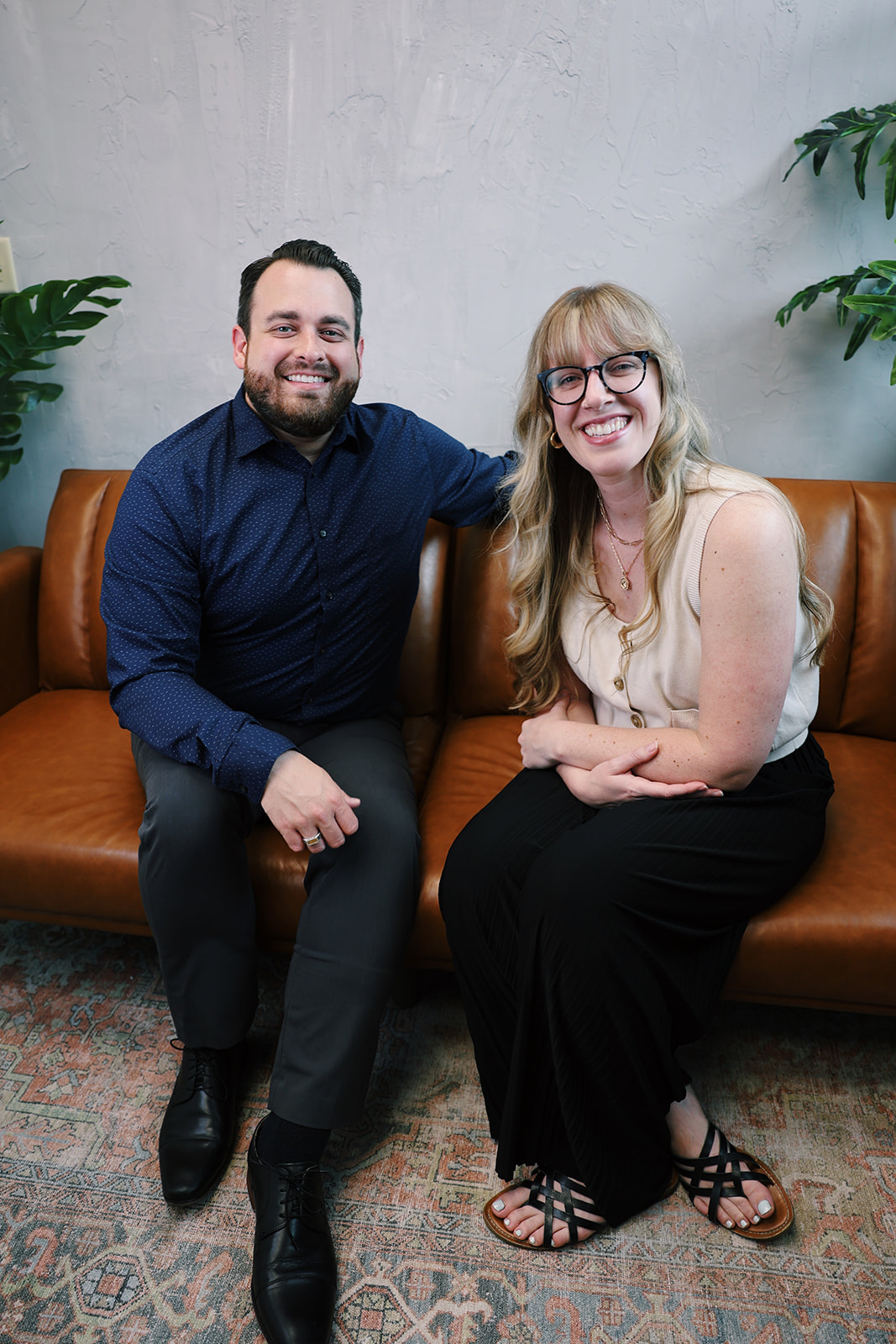
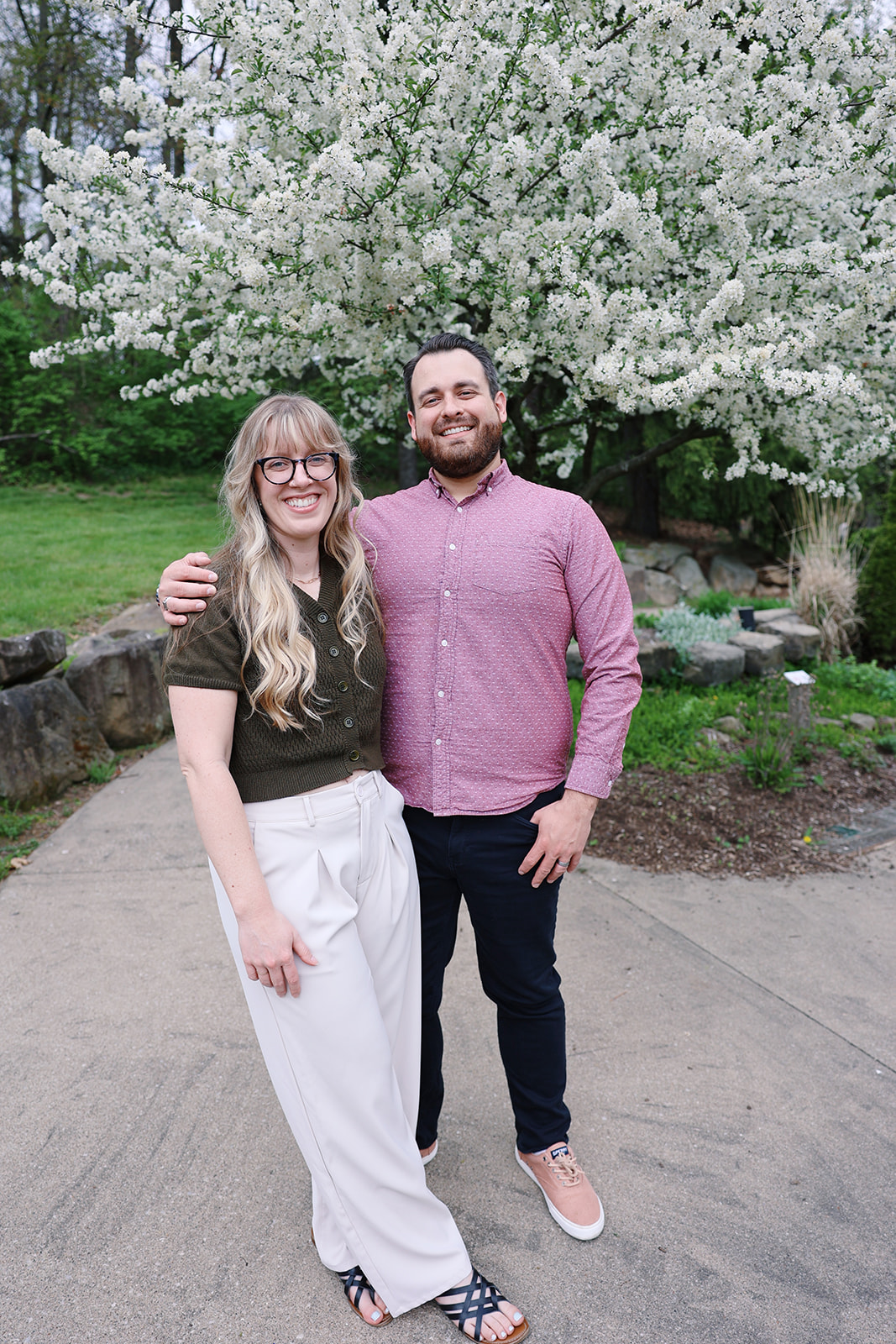
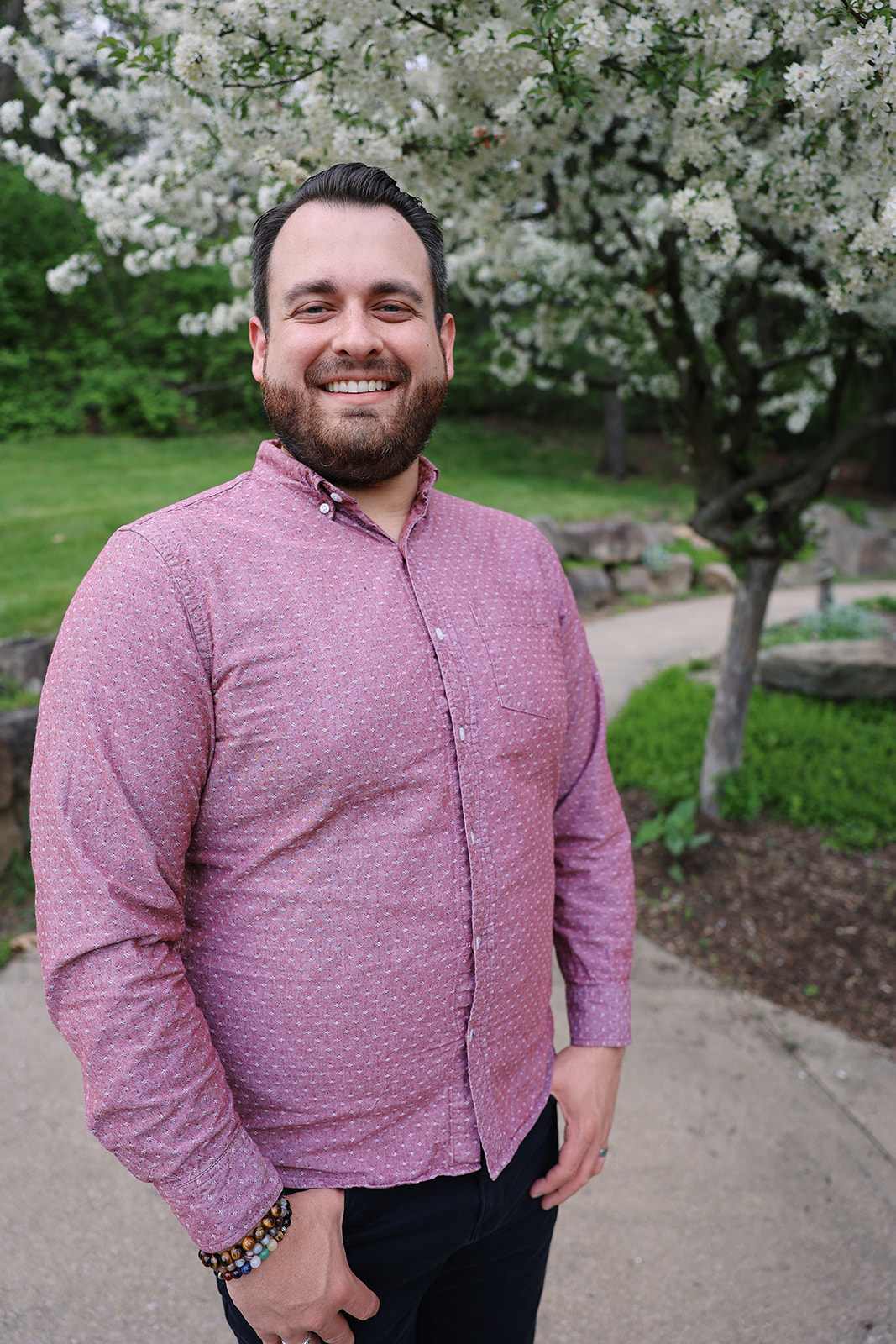
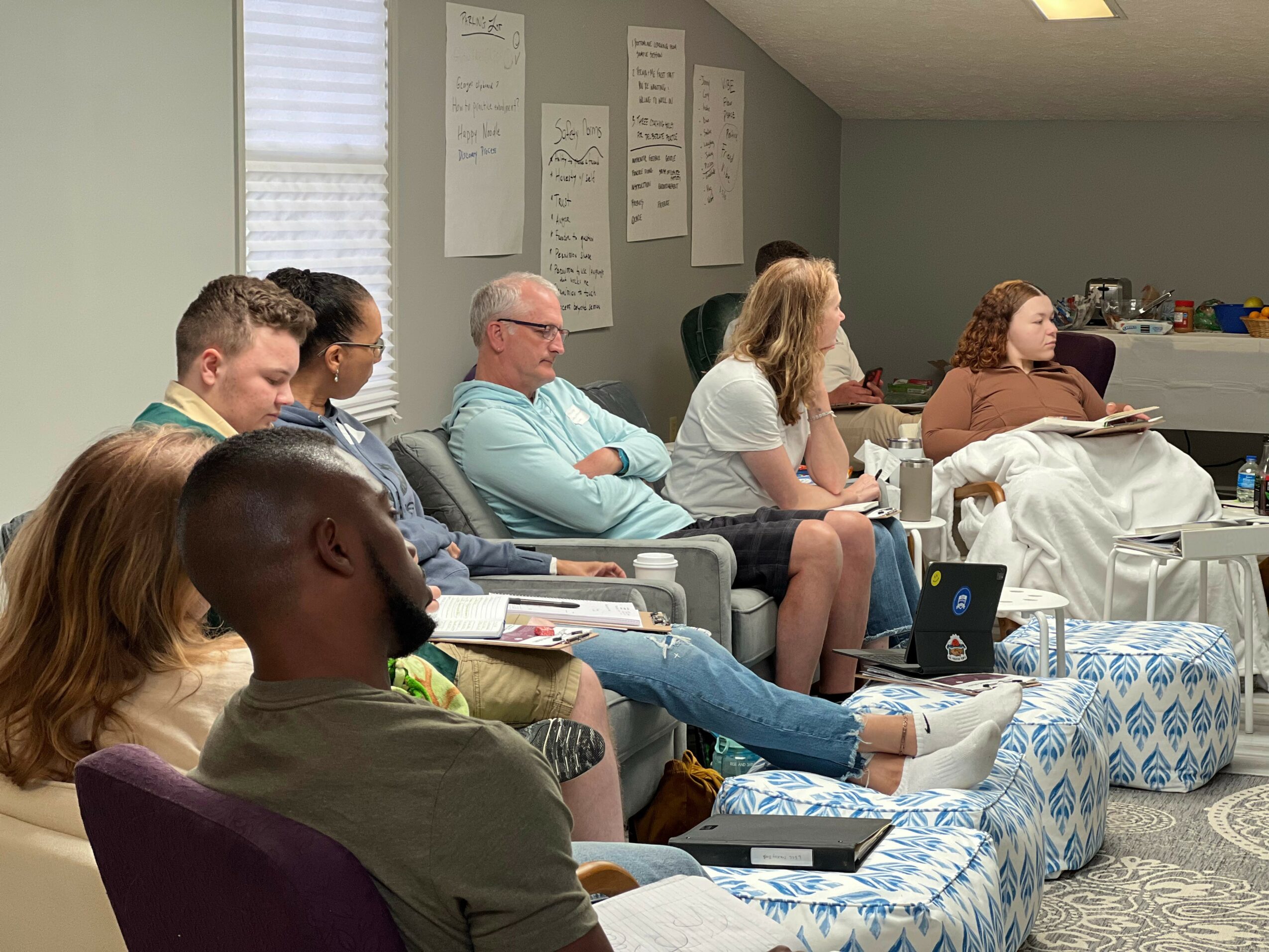
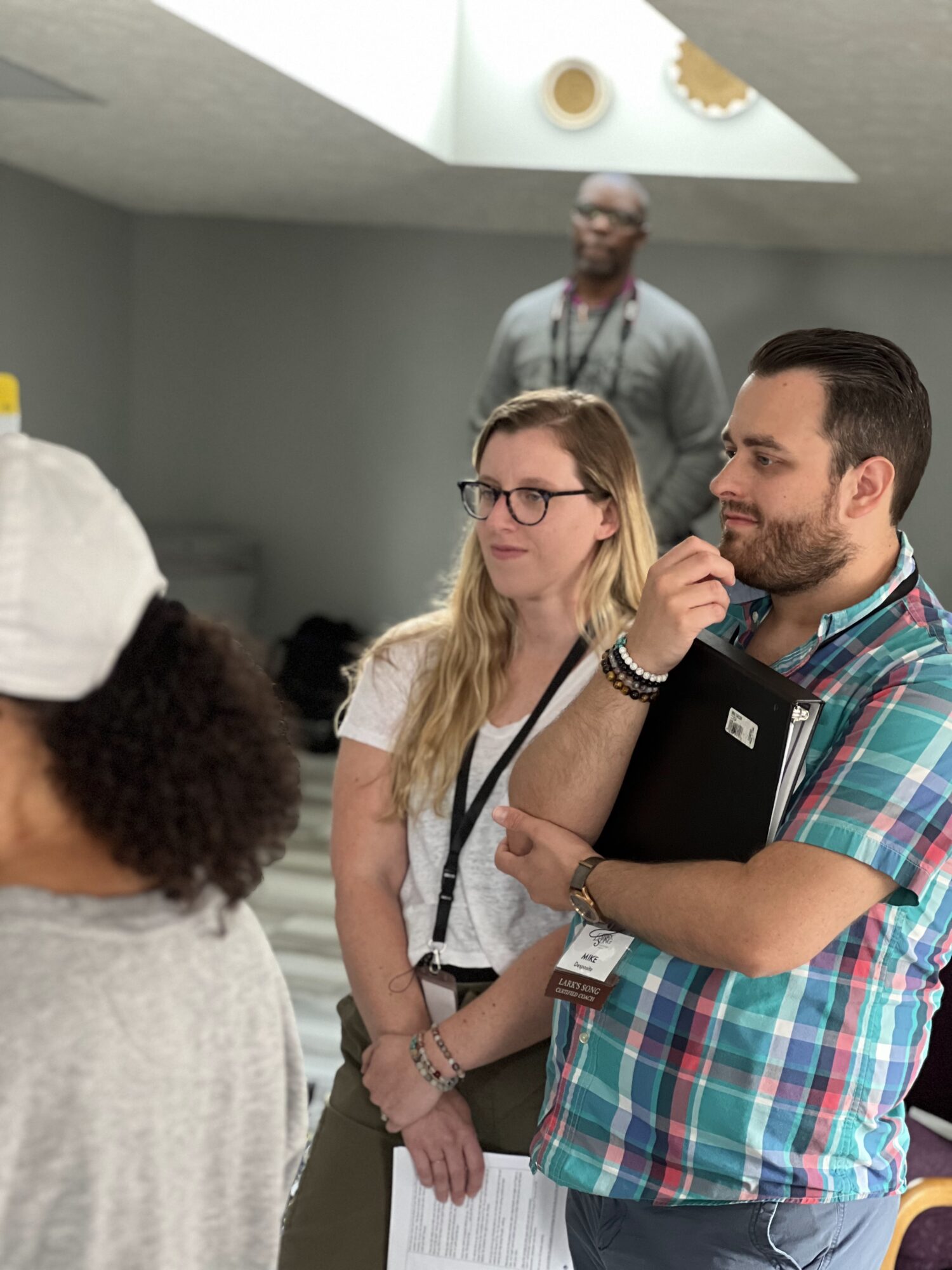
Image Credits
Dr. Katie Gamby
Popular
-

Hidden Gems: Local Businesses & Creatives You Should Know
-

The Change-Makers: stories that inspire
-

Portraits of Ohio
-

Take Flight: Lamar Thomas on Building an Inclusive Brand Rooted in Youth, Community, and Purpose
-

Cultivating Inner Clarity: Angel Inspires on Thought, Healing, and Purpose
-

Local Highlighter Series