



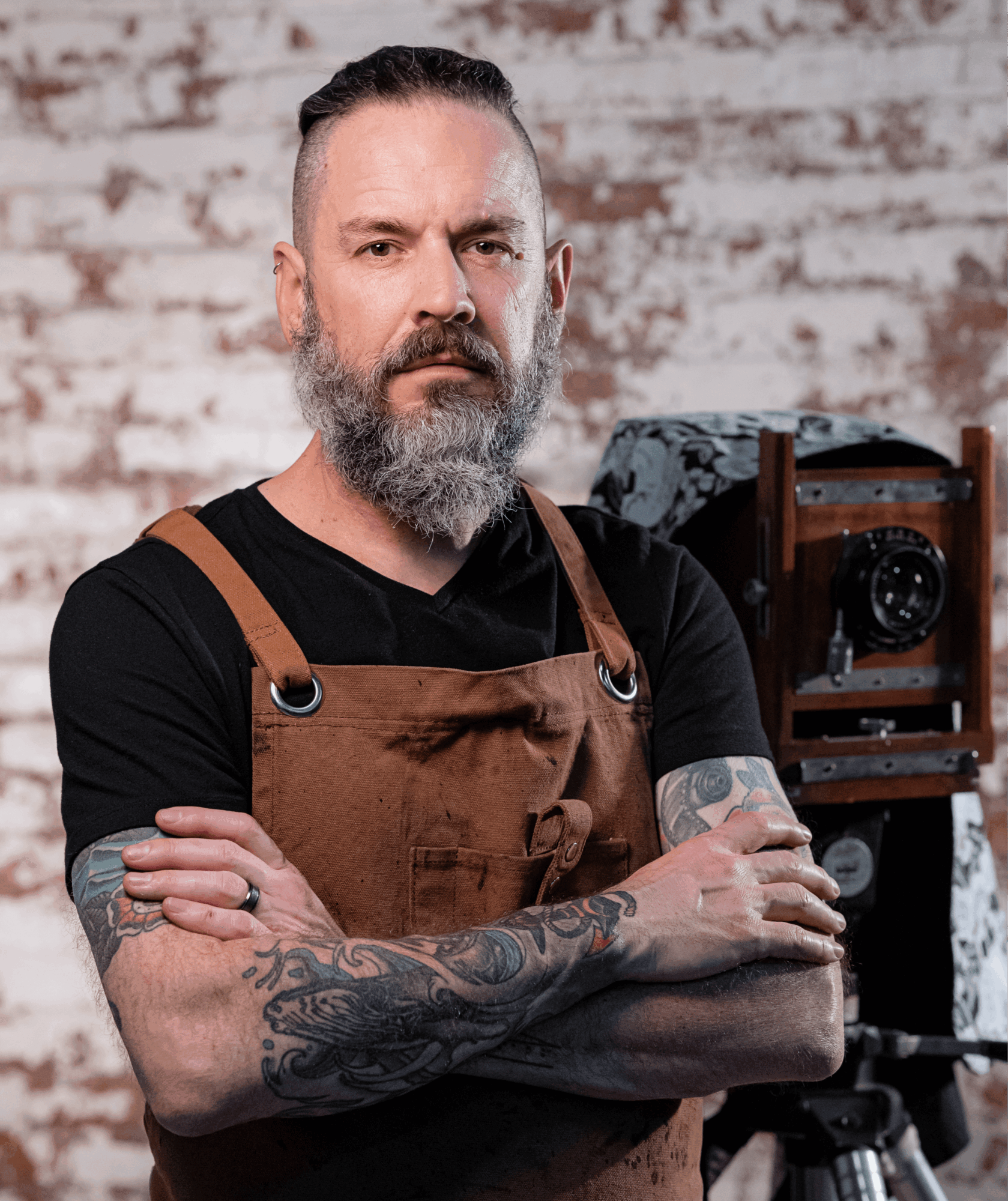
Today we’d like to introduce you to Paul Lender
Hi Paul, we’d love for you to start by introducing yourself.
I think the first “modern” tintype I came across were done by Victoria Will at the Sundance Film Festival back in 2014. I’d been a big fan of black and white photography but her portraits had this extra essence to them that made me start looking into how they were photographed. At the time, the chemistry for the process seemed overwhelming to learn. I had no idea where to source what would need but I kept on talking about those photos and finding other examples of current day photographers doing to the process. Eventually, I did acquire a 4×5 large format camera that I could use to make portraits. As the years passed, the wet plate collodion process was growing among a dedicated group of photographers.
Then the CoVID epidemic happened. Once the shut down set in, the newly gained free time provided an opportunity to spend more time learning wet plate. That now available time and the growth that had been happening in the wet plate community meant that supplies had become fairly easy to get from suppliers like Bostick and Sullivan or UV Photographics. I ordered a starter kit in April of 2020 and made my first tintypes that Spring.
Can you talk to us a bit about the challenges and lessons you’ve learned along the way. Looking back would you say it’s been easy or smooth in retrospect?
Learning the wet plate collodion process probably isn’t a smooth road for anybody. Every image is created by pouring the collodion onto a aluminum or glass plate. Once that thin collodion layer begins to dry, it gets placed into a bath of silver nitrate and a chemical reaction occurs that creates the photosensitive film. There are so many moving parts around maintaining the chemistry, cleaning plate holders, hand pouring varnish to protect the finished images. Then there is understanding the actual image exposure and development. Collodion isn’t sensitive to visible light the way modern films or a digital sensor are. It’s more sensitive to the UV light spectrum. Colloidion is also slow to expose. Modern films have ISO speeds from 100-6400. Collodion is maybe ISO 1 on a good day and only gets slower over time as the chemistry ages. That means long exposures. A typical daylight lit exposure for a portrait or landscape can be 2-15 seconds. It’s a exercise in patience for both the photographer and the portrait subject.
A good summery of the process for every single image made – pouring collodion, sensitizing the plate, loading the plate, exposing the photo, developing the plate, fixing the plate, drying the plate, varnishing the plate.
Start to finish, I tell portrait clients to expect each image to take 10-15 minutes. In the end you will have a physical photo that should last for 100’s of years if properly cared for.
Can you tell our readers more about what you do and what you think sets you apart from others?
I’ve been focusing my wet plate collodion work on weddings, maternity portraits and family portraits. That’s what most clients are hiring me to take. I find these types of portraits lend themselves well to the process of slowly creating an image that is going to capture a meaningful moment that will last for the rest of your life.
I also do a lot of personal work with the collodion process and for that, I’m collaborating with professional ballerinas primarily from the Cleveland area. My involvement in ballet begin with my daughter. She danced for many years, including as a member for the Cleveland Ballet’s Youth Company. Dancers understand their shape and line so well. It makes for fun and creative portrait session and really interested in continuing to build out this part of my wet plate collodion portfolio.
Are there any apps, books, podcasts, blogs or other resources you think our readers should check out?
I’m typically flipping through Instagram for inspiration. There is a large wet plate collodion community there and you can find folks doing very creative things with the process. Same can be said the the many ballerinas and dance photographers on that app. It’s a great resource for inspiration.
There is a wet plate collodion process called Tin Questions that I listen too. It’s always interesting to find out how others got into the process or hear what motivates them to make the photos they make.
Pricing:
- Tintype Sessions start at $225
- Tintype portraits available in 4″ x 5″, 5″ x 7, and 8″ x 10″
Contact Info:
- Website: https://clevelandtintype.com
- Instagram: https://www.instagram.com/clevelandtintype
- Facebook: https://www.facebook.com/ClevelandTintype/
- Youtube: https://www.youtube.com/paullender
- Other: https://linktr.ee/paullender
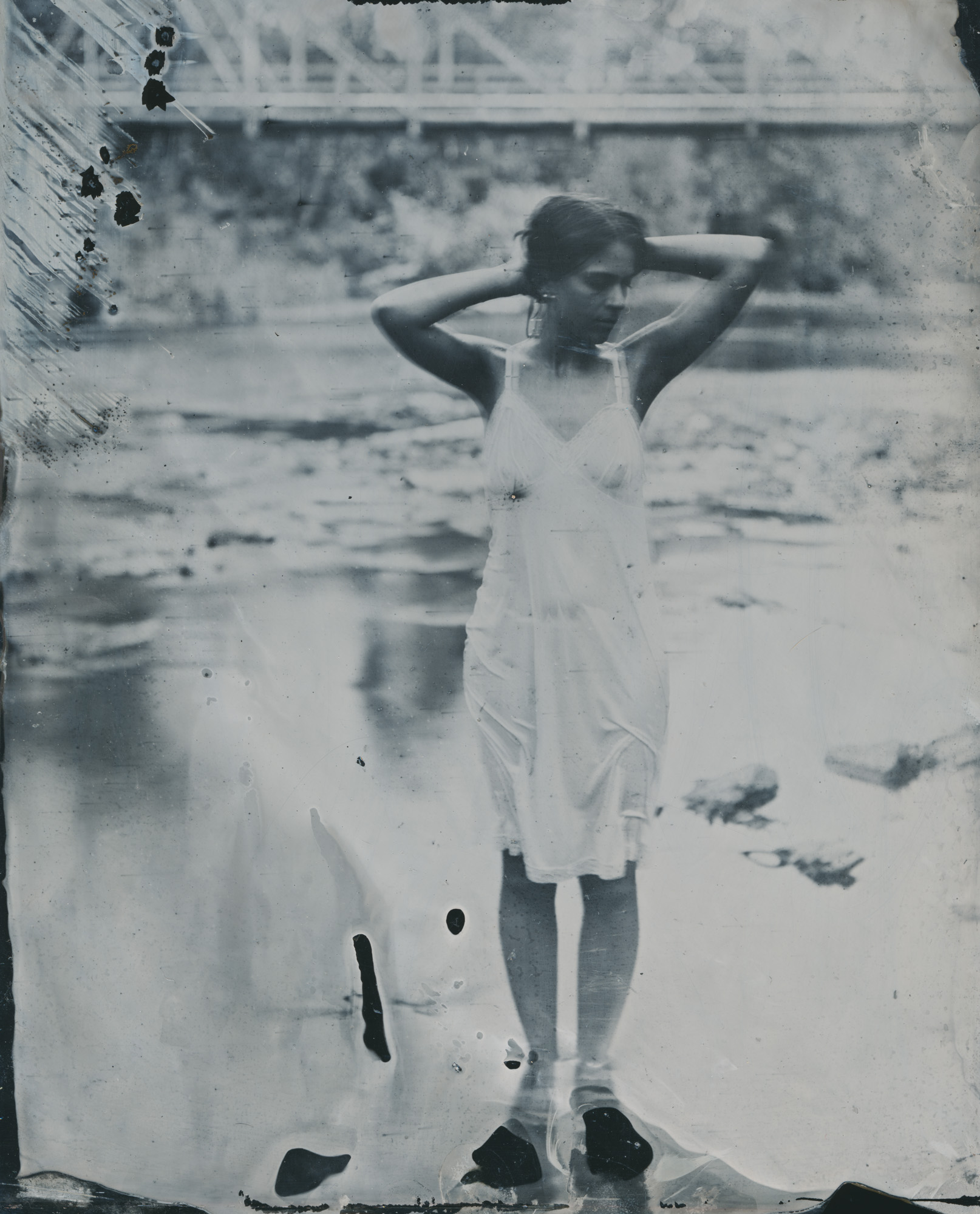
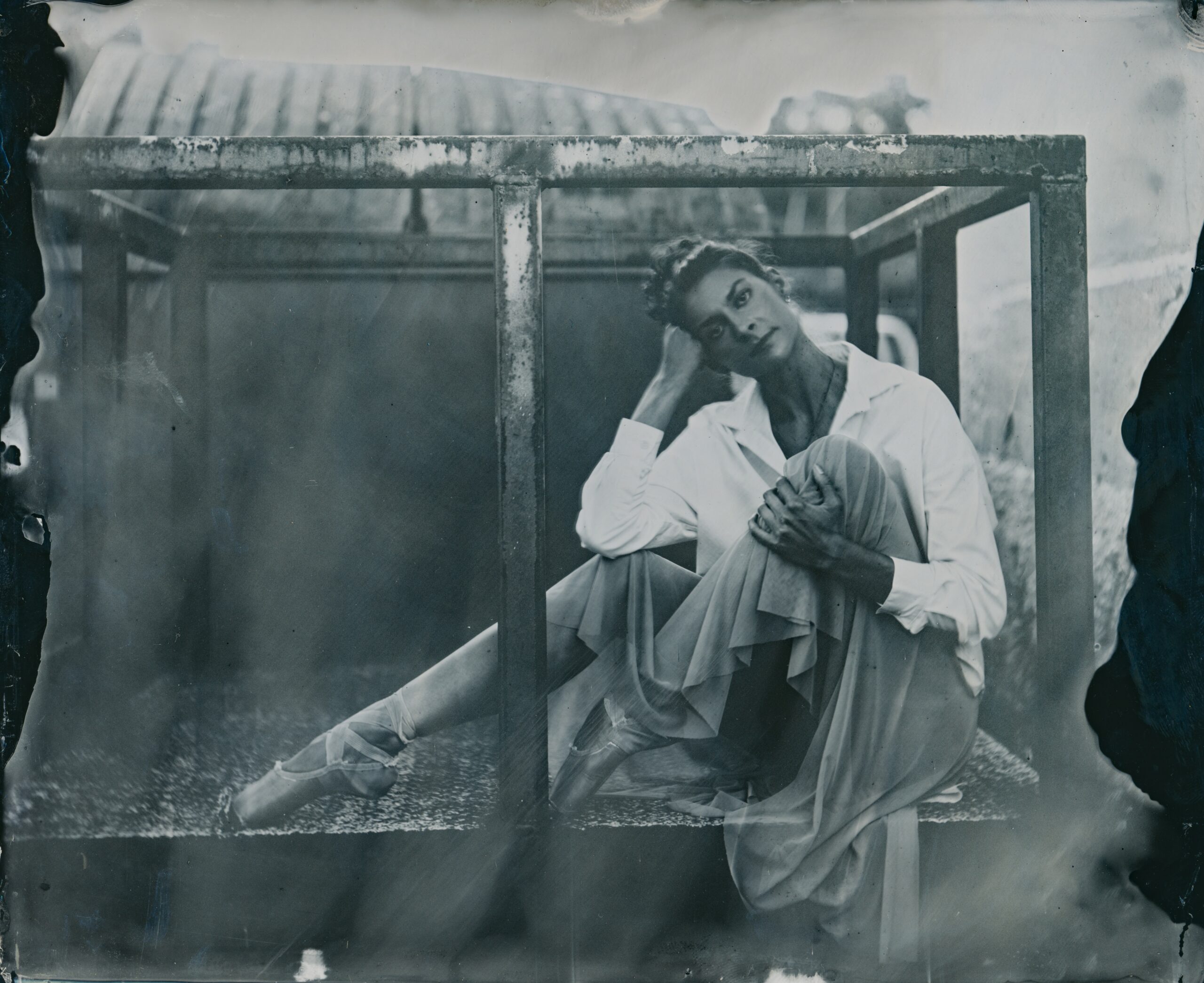
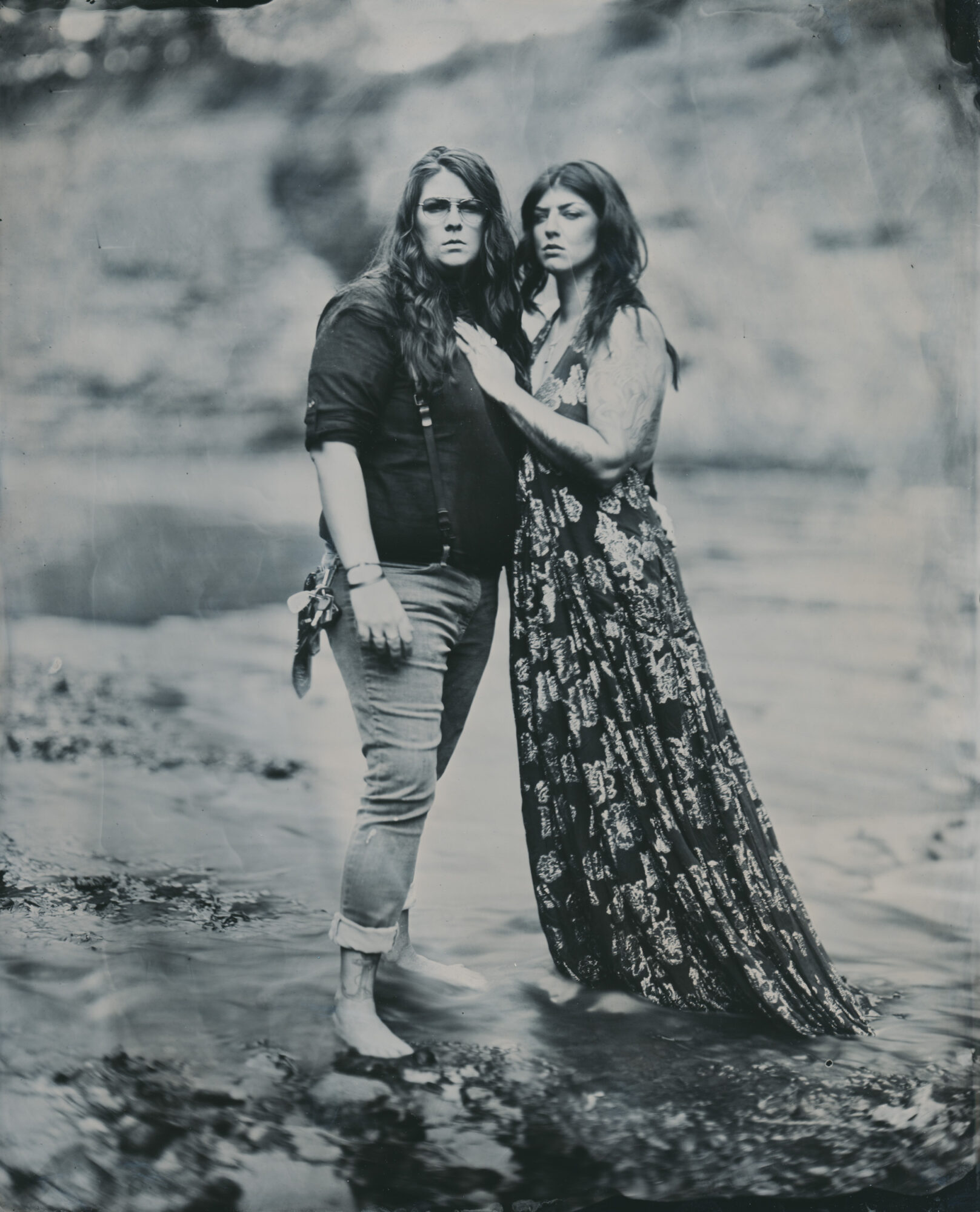
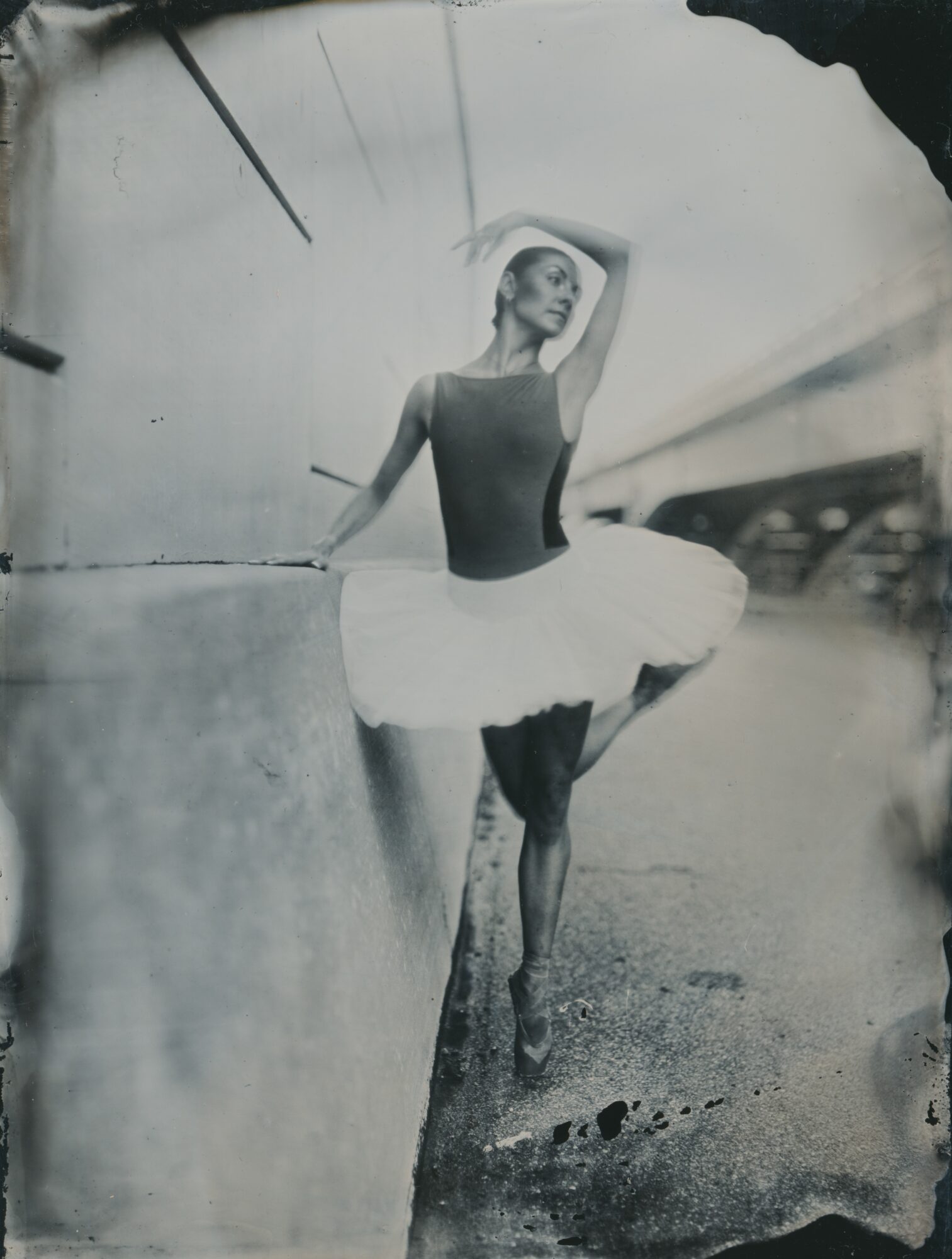
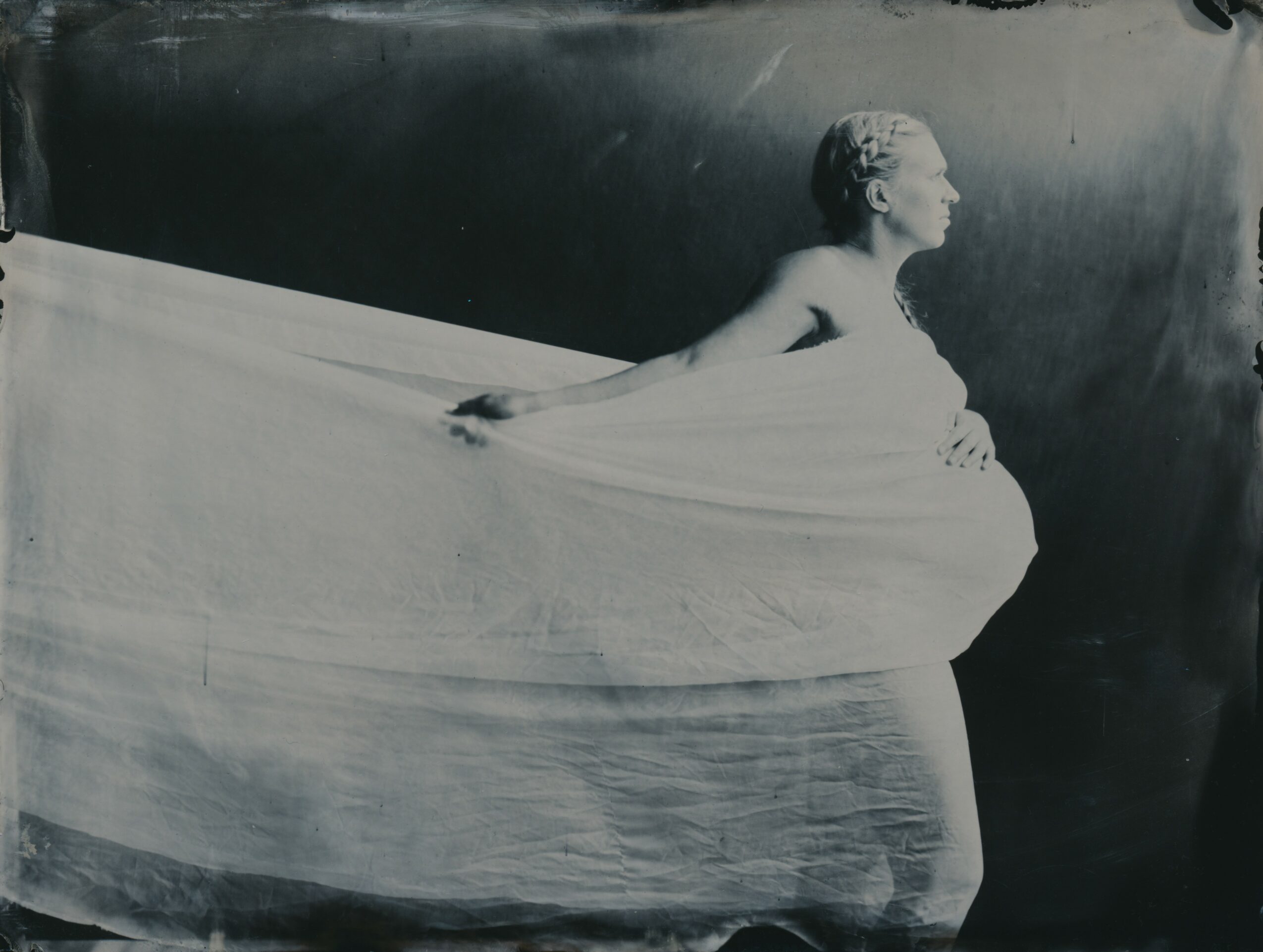
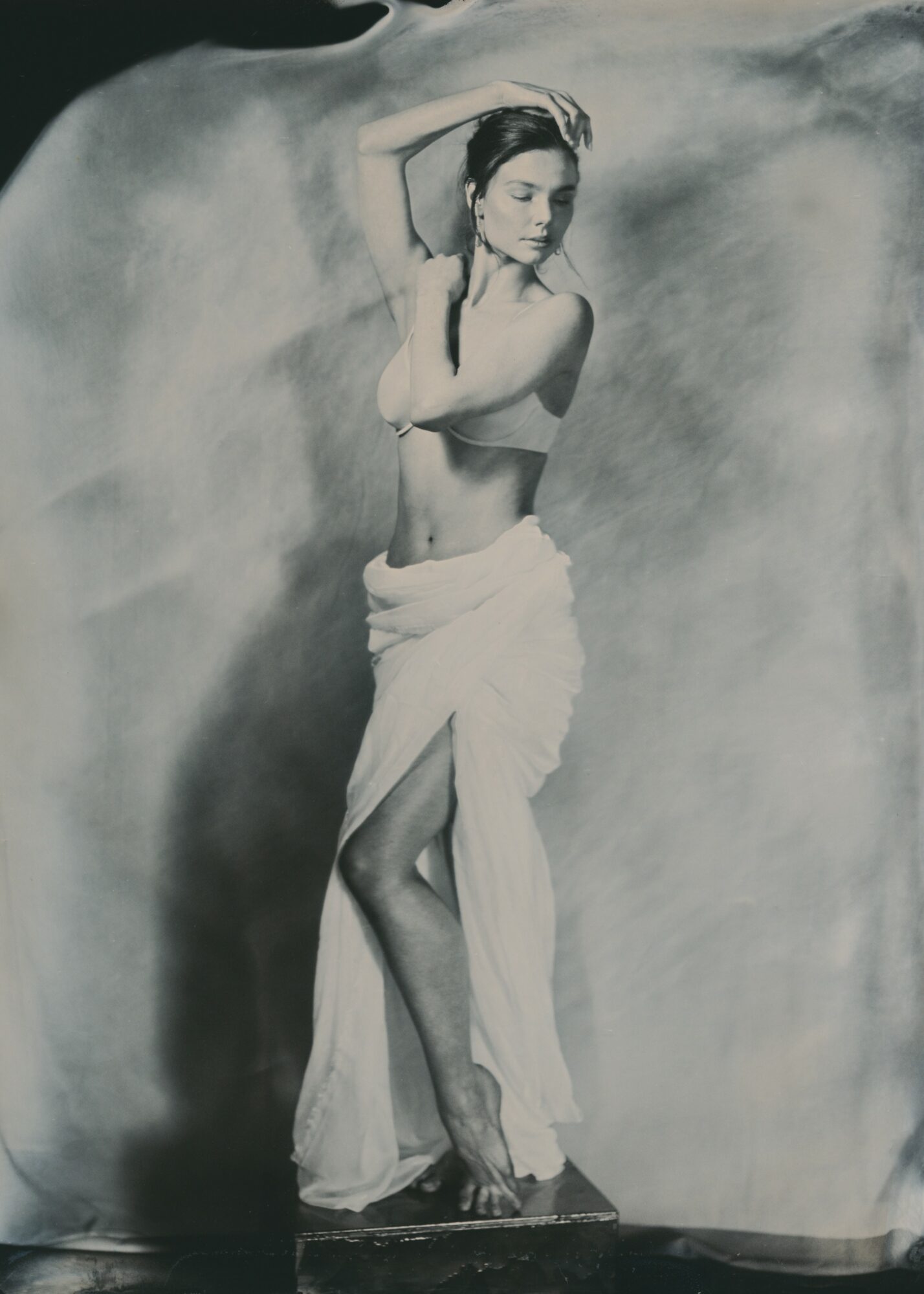
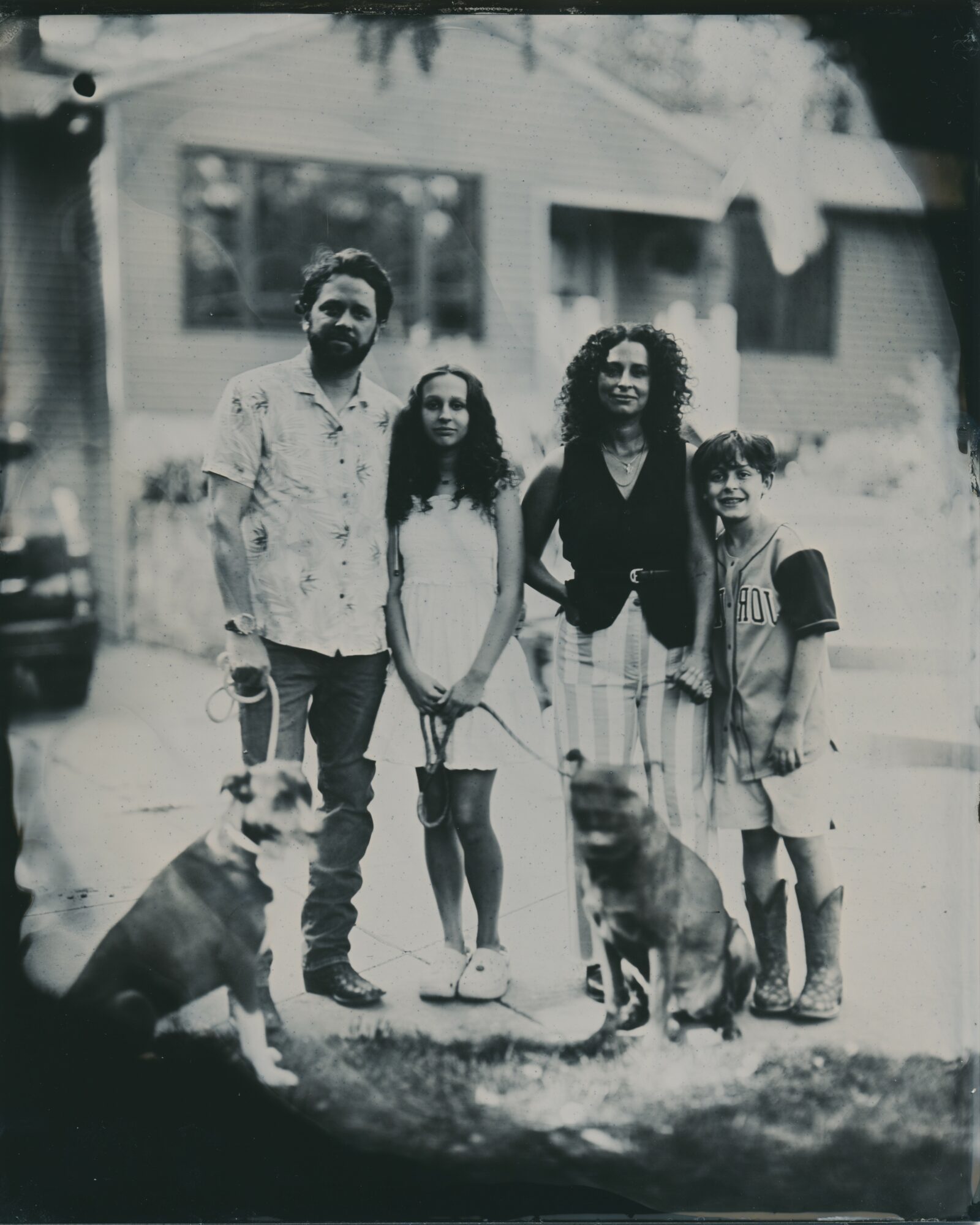
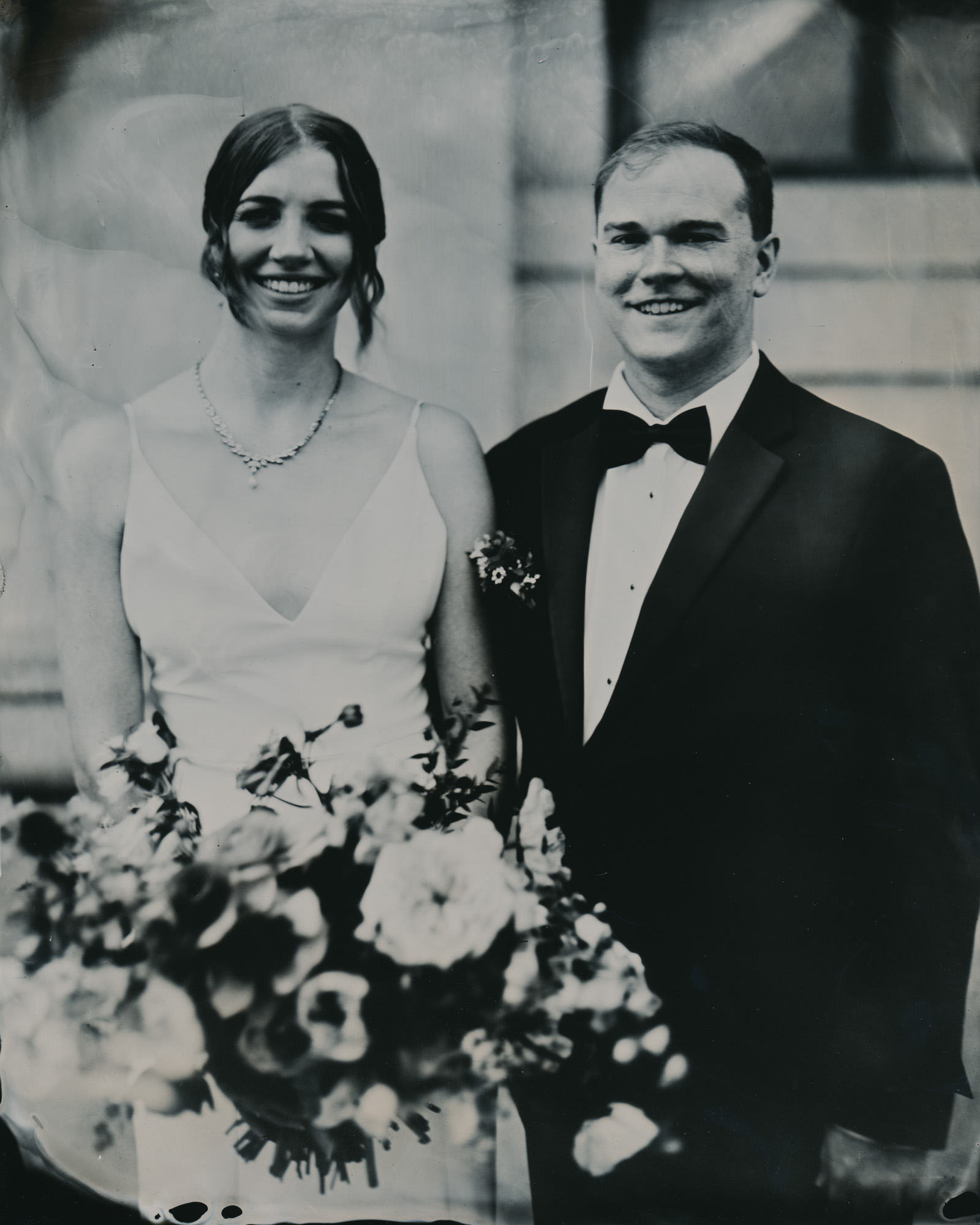
Image Credits
Headshot by Christiana Cacciato
Popular
-

The Change-Makers: stories that inspire
-

Hidden Gems: Local Businesses & Creatives You Should Know
-

Portraits of Ohio
-

Take Flight: Lamar Thomas on Building an Inclusive Brand Rooted in Youth, Community, and Purpose
-

Cultivating Inner Clarity: Angel Inspires on Thought, Healing, and Purpose
-

Local Highlighter Series