



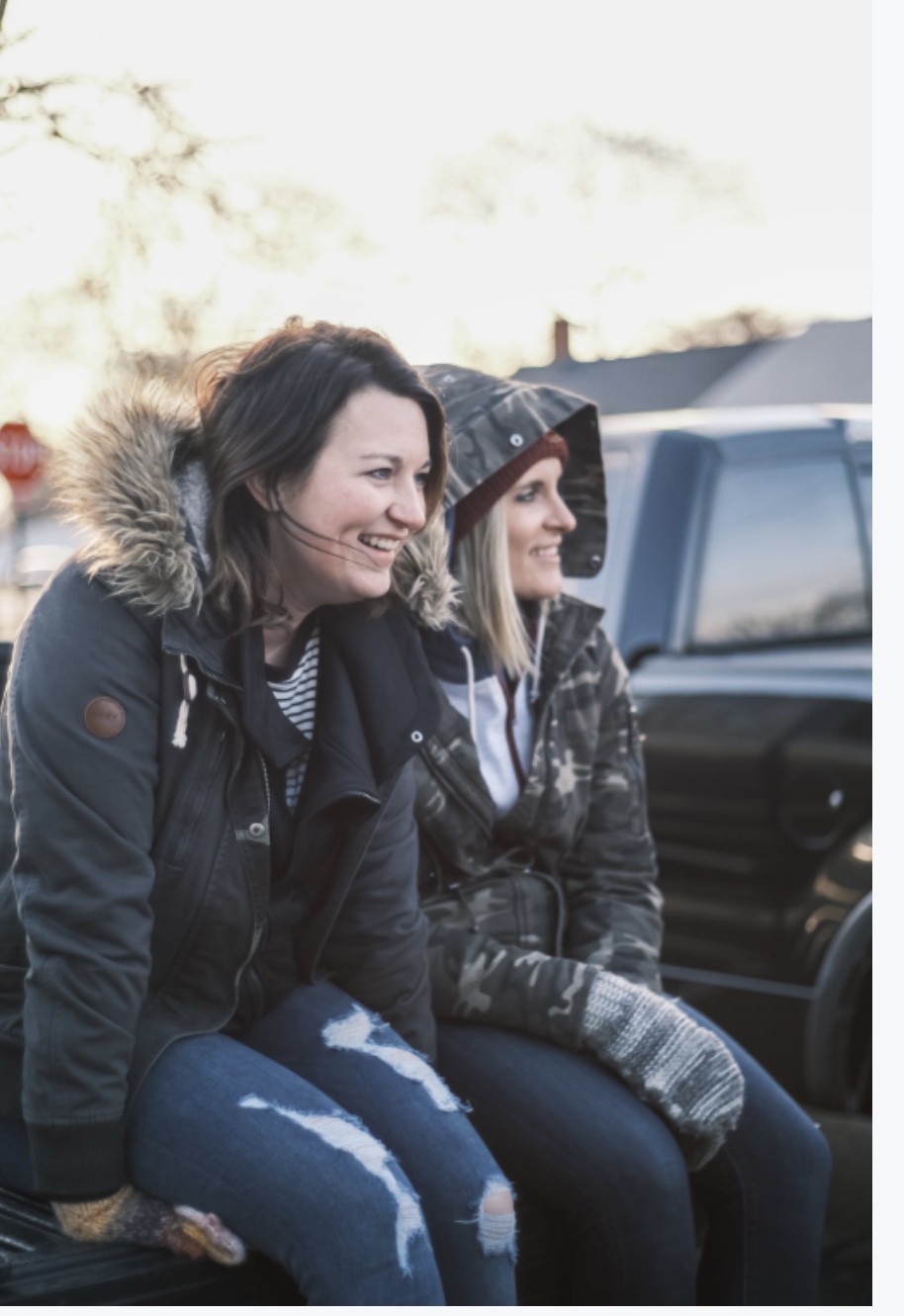
Today we’d like to introduce you to Christine Boesch.
Alright, so thank you so much for sharing your story and insight with our readers. To kick things off, can you tell us a bit about how you got started?
Teaching Kindergarten at the time, I noticed something I couldn’t ignore – more and more basic needs were going unmet. How could I expect the little girl in my class to run at recess in shoes two sizes too big? How could I ask a student to focus on subtraction while his stomach ached with hunger?
I loved my classroom, but I also knew there was more that could be done beyond it’s four walls.
Leaving my job was a risk – but it didn’t seem nearly as risky as doing nothing for the families who were already living in uncertainty.
My friend, Kendra, felt the same stirring. One late evening on my back patio, we had a deeper conversation about why the very families we hoped would benefit from the free programs and resources in our community weren’t attending. That night we started discussing the real barriers our community face: lack of transportation, chronic illness, grandparents raising grandkids, unpredictable work schedules.
“How do we reach those who can’t get to us?” Kendra asked.
What if we flipped the model? What if we converted trucks and buses into traveling libraries and grocery stores on wheels – bringing resources directly to those who needed them most? We had no idea what it would take. We had no experience starting a nonprofit. We had very little money. But we did have one powerful thing – a “yes”.
We left that patio saying, “We will go.” The very next morning, my husband – who was completing his Master’s degree online- opened his laptop to check his next six-week course. I overheard him mumble, “Nonprofit law? What does that have to do with what I’m learning??” I stopped. “What did you just say?”
His next class was nonprofit law, taught by an attorney who also ran a large nonprofit in Cleveland. It felt like a door swinging open. I told him about my conversation the night before, and we both knew that this was our next step. His professor offered to help us navigate the process. We didn’t feel ready, but we felt willing. And sometimes willingness is all you need to begin.
That night at dinner I sketched the OHgo logo on a napkin. Five weeks later, we had our nonprofit status. From there, doors continued to open. One after another. It felt as though the dots had been connecting long before we ever saw the picture.
I often think, What if we wouldn’t have said yes? What if we had waited until we felt fully prepared? For us, it started with a small corner of a willing heart. That willingness became eagerness. Eagerness led to learning. Learning shaped our plans. Action followed. And with every step forward, clarity came.
Today that small “yes” has grown into a mighty movement.
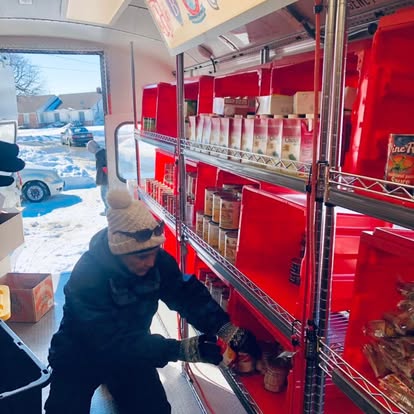
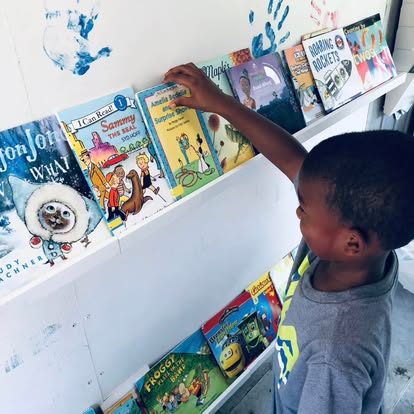
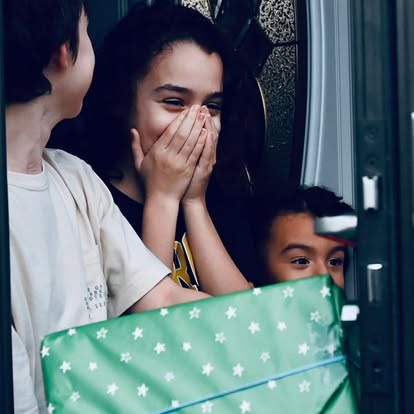
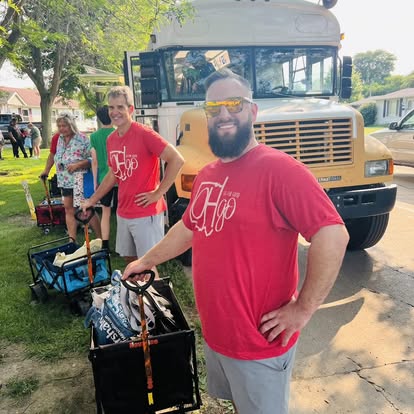
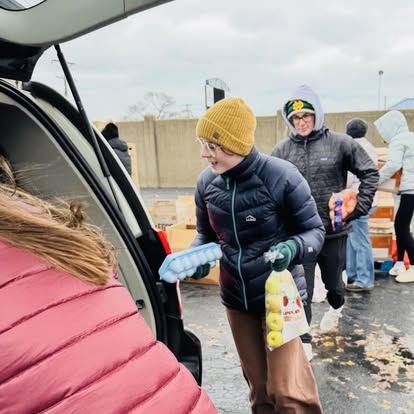
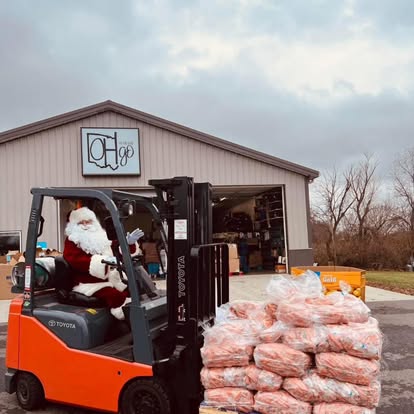
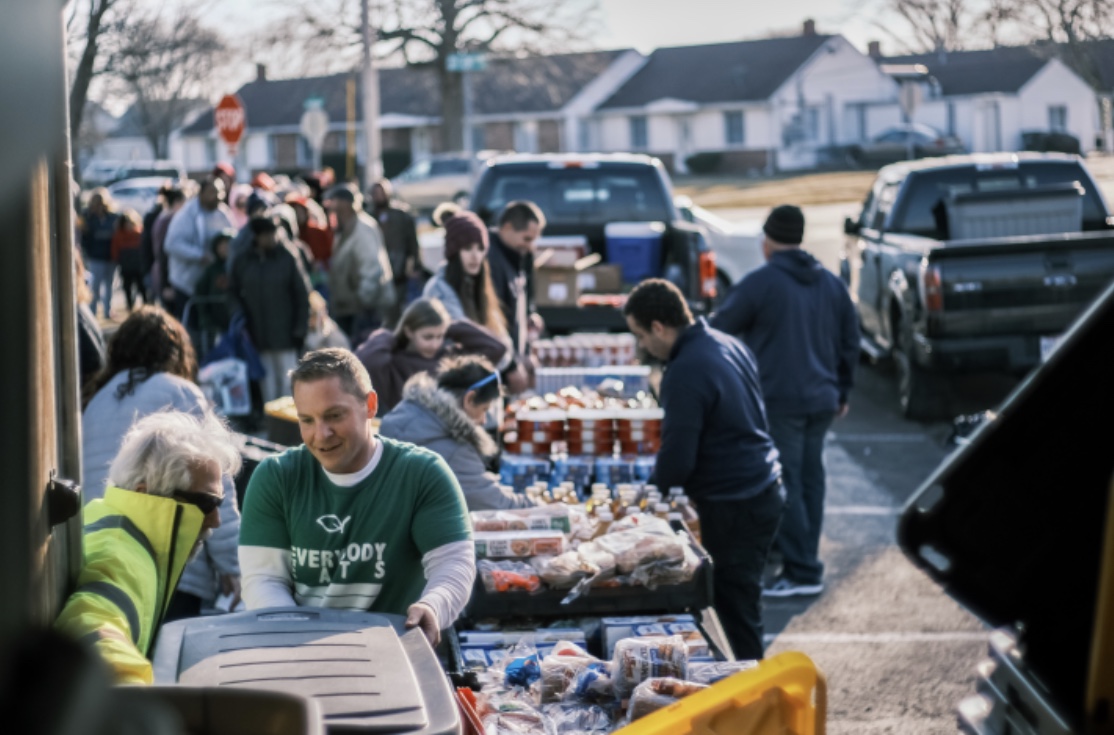
Around 60 dedicated volunteers serve each month, spreading love throughout the community. We partner with more than 70 local schools, clinics, churches, organizations, and foundations. We distribute enough food to provide 1.5 million meals yearly through- 42 school pantries, 800 monthly Senior and emergency food box deliveries, weekly traveling food pantries in the parks, and fresh markets. Additionally, thousands of books are gifted to children each Summer through our bookmobile, 3,000 Christmas gifts are delivered door-to door in December, and many other holiday events, field trips to our warehouse, and other programs continue to expand to meet emerging needs.
It all began with a simple question: How do we reach those who can’t get to us? And a simple answer:
We will go. You don’t have to have everything figured out today. Give yourself permission to start out a little messy, and just be willing.
We all face challenges, but looking back would you describe it as a relatively smooth road?
Building relationship and having real conversation with our community in need has been important. We can not pretend that we know what each other needs, when we all have such different experiences. We learn as much as we can, we listen, we adapt. One example: We noticed quite a few people not taking the canned foods at the pantry events. We assumed they didn’t like them. It wasn’t until we were talking, as they walked through the line, that we learned they weren’t taking the canned foods because they didn’t own a can opener. We began passing out can openers and other items that made food prep at home easier.
Thanks for sharing that. So, maybe next you can tell us a bit more about your work?
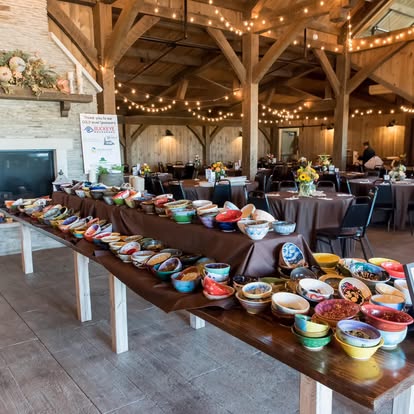
OHgo is a mobile food pantry, but both myself and the other CoFounder are creative individuals. Most do not know that almost every design you see- whether it be on one of our OHgo t-shirts, graphics on our brochures, or logos on the side of our trucks- are all hand drawn. We include art in a lot of our projects. Our largest fundraiser each year, Empty Bowls, features over 300 hand thrown and painted pottery bowls. The bowls represent the families unsure of where their next meal may come from, that we will be able to serve that year with support. The project is really a year-round labor of love as community potters and artists throw, paint, glaze and fire to make it a very unique event.
What were you like growing up?
I was a child who noticed everything, I felt it too. When a classmate went quiet, I wondered if they were overwhelmed and why. I always seemed tuned in to other people’s emotions. I wrote a lot of poems, drew and painted a lot of pictures, made a lot of friends. I was always curious about people, especially the ones who didn’t open up easily. I loved trying to understand people and the world a little better.
Contact Info:
- Website: https://www.ohgoreach.org
- Instagram: Wheresohgo
- Facebook: OHgo
Popular
-

The Change-Makers: stories that inspire
-

Take Flight: Lamar Thomas on Building an Inclusive Brand Rooted in Youth, Community, and Purpose
-

Cultivating Inner Clarity: Angel Inspires on Thought, Healing, and Purpose
-

Local Highlighter Series
-

Highlighting Local Gems
-

Hidden Gems: Local Businesses & Creatives You Should Know