



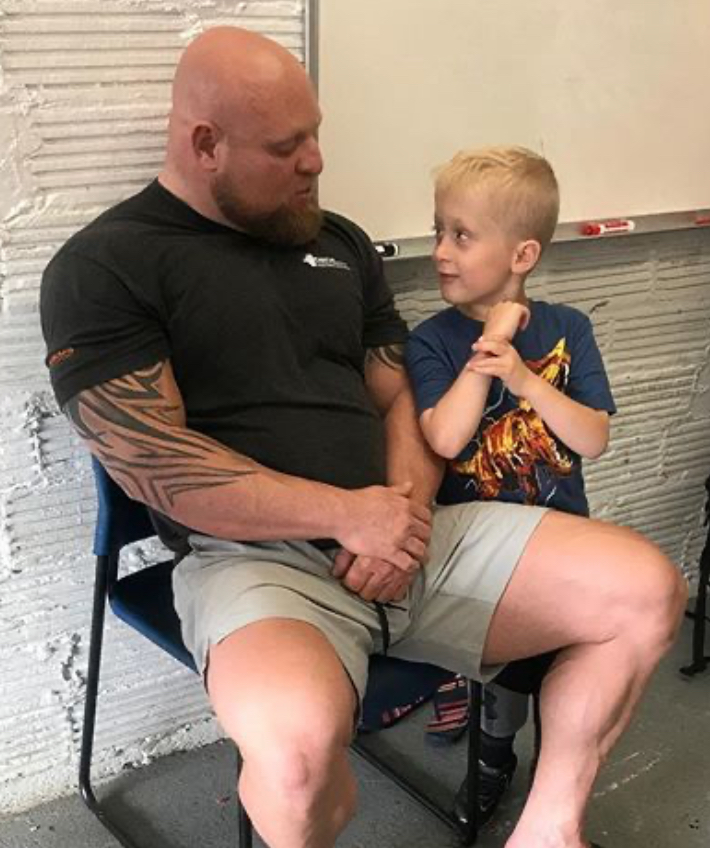
Today we’d like to introduce you to Matt Wenning.
Hi Matt, thanks for sharing your story with us. To start, maybe you can tell our readers some of your backstory.
Matt Wenning started Wenning Strength by applying high-level strength training to real-world performance problems.
What began as coaching powerlifters and athletes quickly evolved into a system focused on durability, work capacity, and injury reduction—not just chasing PRs. As his reputation grew, that approach translated naturally to the military, where performance under load, fatigue resistance, and resilience mattered more than gym numbers. From there, fire departments adopted his methods to reduce on-the-job injuries and improve return-to-duty readiness through stronger backs, shoulders, and conditioning that mirrored job demands. Wenning Strength later expanded into local businesses, including car dealerships, where the same principles were adapted into practical wellness programs designed to reduce missed work, improve energy and body composition, and keep people healthy without beating them up. Across every setting, Wenning Strength has remained centered on one goal: building strong, durable humans who can perform consistently and stay in the game long term.
Can you talk to us a bit about the challenges and lessons you’ve learned along the way. Looking back would you say it’s been easy or smooth in retrospect?
Matt Wenning built Wenning Strength by solving real performance and injury problems, but the path wasn’t linear or easy. Early on, as his work expanded from athletes into the military and fire departments, he ran head-first into administrative turnover, shifting leadership priorities, and budget constraints. Programs that showed clear reductions in injuries and improvements in readiness were often disrupted or paused when command staff or department leadership changed. In many cases, wellness and preventative training simply weren’t viewed as essential—especially compared to immediate operational demands—despite the long-term cost of injuries, lost workdays, and early retirements. Wenning Strength survived those challenges by staying results-driven, adaptable, and focused on practical outcomes rather than trends, continuing to refine a system that proved its value wherever leadership was willing to commit.
Thanks for sharing that. So, maybe next you can tell us a bit more about your work?
Wenning Strength starts with assessment, not assumptions. Before any program is written, Matt Wenning looks at an individual’s injury history, movement limitations, strength imbalances, and job or sport demands to identify where breakdowns are most likely to occur. Weak links—often the posterior chain, trunk, shoulders, or work capacity—are addressed first, rather than layered over with generic training. From there, programs are built to match the individual’s specific shortcomings, using targeted accessory work, controlled loading, and conditioning that improves resilience without aggravating existing injuries.
That same individualized approach extends beyond athletes and tactical populations. Wenning Strength has worked with children with disabilities by adapting exercises, equipment, and expectations to their unique physical and neurological needs, prioritizing safety, confidence, and long-term development over intensity. Whether the client is an elite lifter, a firefighter, or a child with special needs, the goal is the same: meet the individual where they are, strengthen what’s vulnerable, and build capacity in a way that supports health, independence, and sustained performance.
Networking and finding a mentor can have such a positive impact on one’s life and career. Any advice?
When it comes to finding a mentor, the biggest mistake people make is asking for help before they’ve done the work. The best advice is to study everything about the person you want to learn from—how they think, how they coach, how they structure their system, and why they make the decisions they do. Read their work, watch their content, listen to their interviews, and understand their framework well enough that you’re not asking surface-level questions.
When you finally reach out, come prepared. Show that you respect their time by asking thoughtful, specific questions and by understanding their language and priorities. Mentors are far more willing to help when they see effort, curiosity, and alignment—not entitlement. The goal isn’t to be taught from scratch, but to refine your understanding, challenge your thinking, and earn the opportunity to learn by proving you’ve already invested in the process.
Pricing:
- 1-1 training 120 /hr
- groud training 55/ hour
- online coaching 150/ a week
- apps 25/75.00 per month
Contact Info:
- Website: https://www.wenningstrength.com
- Instagram: @wenningstrength
- Facebook: Wenning Strength
- LinkedIn: Matt Wenning
- Youtube: Wenning Strength
Popular
-

The Change-Makers: stories that inspire
-

Take Flight: Lamar Thomas on Building an Inclusive Brand Rooted in Youth, Community, and Purpose
-

Cultivating Inner Clarity: Angel Inspires on Thought, Healing, and Purpose
-

Local Highlighter Series
-

Highlighting Local Gems
-

Hidden Gems: Local Businesses & Creatives You Should Know