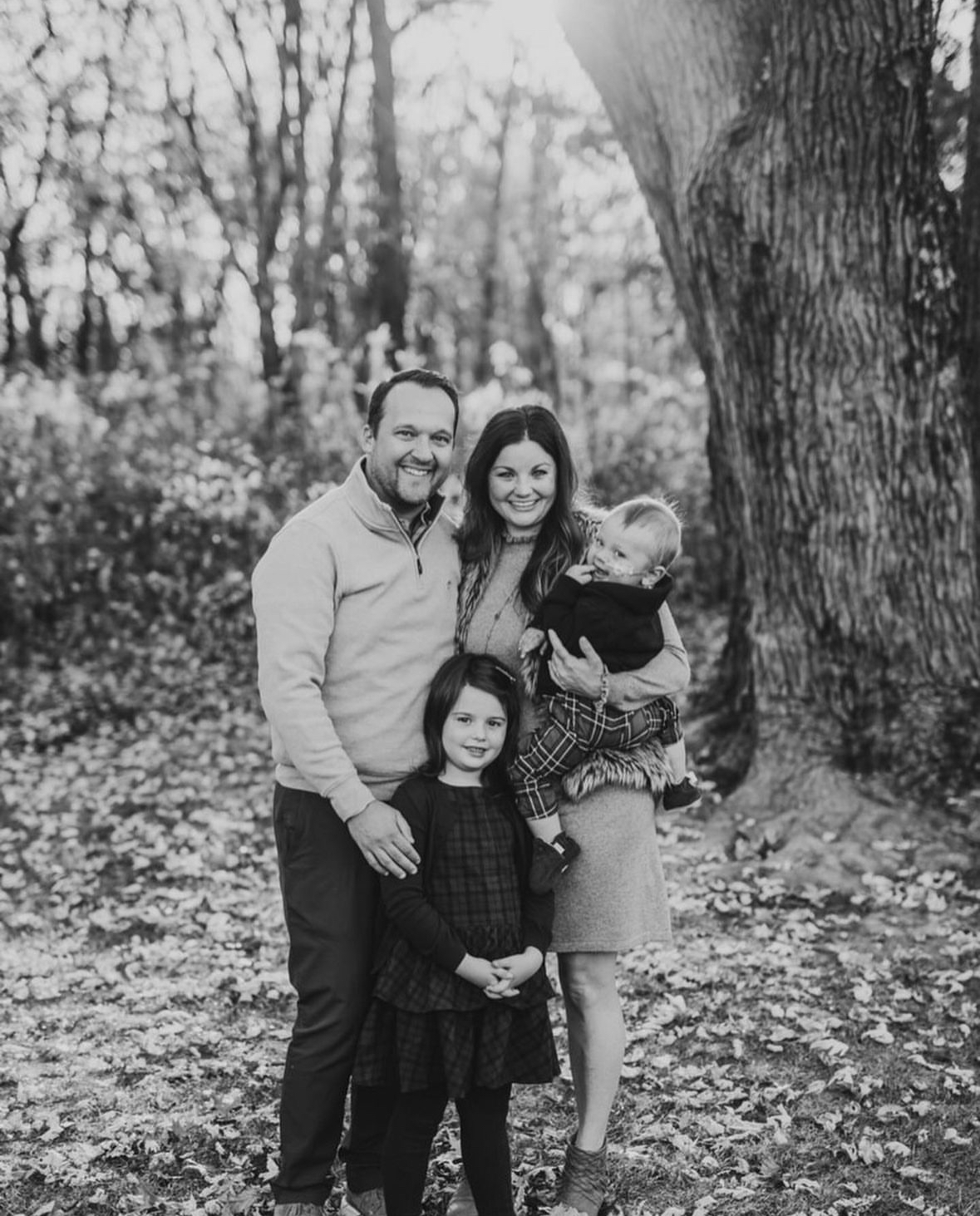
Today we’d like to introduce you to Kate Hare.
Hi Kate, we’re thrilled to have a chance to learn your story today. So, before we get into specifics, maybe you can briefly walk us through how you got to where you are today?
Organization Overview: My husband Matt and I founded the Callahan Murphy Hare Foundation (CMHF) in September 2021 following the diagnosis of our newborn son, Callahan, with infant acute lymphoblastic leukemia (ALL) and learning and living many of pediatric cancer’s harsh realities. Specifically, minimal funding for research, outdated treatments and poor long-term outcomes for many types of childhood cancer.
Driven to help fill the funding gap, while managing a 2-year treatment plan and continued long-term side effects for Callahan, we built a community of supporters who have helped us raise funds to donate over $320,000 during our first three years, predominately through grassroots efforts.
To date, CMHF has impacted 6 research projects at five leading children’s research hospitals in the U.S. that will benefit the thousands of children battling cancer today, and the ~17,000 new children that will be impacted every year.
How We Got Here:
In April 2021 I gave birth to my second child, Callahan at Riverside Hospital in Columbus, Ohio. It was a difficult deliver that reached a critical moment when a split second decision by our delivering doctor determined to utilize a vacuum extractor to deliver him. This one decision proved to be extremely critical in the events that followed.
Vacuum deliveries almost always give the newborn a subgaleal hemorrhage which requires a blood transfusion to help support the blood lose in the rest of the body that rushed to the suction site. Immediately after delivery Callahan was taken to the NICU for the blood transfusion. Within 30 minutes they had his complete blood count (CBC) back to determine which blood type he would need. His white blood cell count (WBC) was nearly 3x the high end of normal for a newborn. The NICU attending told my husband, Matt, there was a malignancy in Callahan’s blood. Being a blood cancer survivor (Multiple Myeloma), Matt understood what that meant.
By 6 hours old Callahan was transferred to Nationwide Children’s Hospital for further testing with Hematology/Oncology. The next day it was confirmed he had an incredibly rare type of pediatric leukemia that impacts infants. Approximately 90 babies (12 months and younger) in the U.S. receive this diagnosis each year and it often comes with a devastating gene mutation that makes the disease more aggressive and harder to treat. Callahan had the gene mutation. We learned we were staring down staggering survival odds. Our brand new baby’s prognosis was unfavorable, to put it mildly, with a roughly 20% chance of surviving 3 years.
Callahan’s incredibly dedicated team dug into any available trials or new work that might provide an improved outcome. A few days in, Callahan’s oncologist brought to the table a new protocol that hadn’t yet been done in the U.S. While it showed double the survival outcomes, it was also significantly more aggressive than the standard of care, making the risk of our teeny baby surviving the treatment itself, not even the cancer, even higher. We rolled the dice and committed to a consecutive 8-month inpatient stay (required of the intense trial) while he received this aggressive therapy that was to end with a stem cell transplant.
Coming from the perspective of already walking cancer with my husband over a decade earlier and also working alongside oncology brands in my career in healthcare marketing, I thought I understood the cancer space. It’s hard to put into words how gobsmacked we were at the reality of childhood cancer — not just our direct reality we were living, but the entire landscape as we were learning it in real time.
One piece of conversation after learning Callahan’s diagnosis that rings in my head was his oncologist explaining to us why his prognosis was so poor. “There’s not a lot of research, so not a lot of options available and the therapies are old and really hard for kids, worse for babies.” This didn’t come full circle for us related to our now realized cause until we learned a few months later that historically, ~4% of federal cancer research funding dollars goes to pediatric cancers. In very recent years, it is now closer to 8%, largely in large part to broadening the definition of “research.”
This was the moment we resolved to be part of the movement to help fill the massive funding gap for pediatric cancer research. While advances have been made in some areas, there are big gaps among the 112 types and subtypes of cancer that impact children. Even with advances, children predominantly receive outdated therapies that aren’t made for them. They are largely hand-me-downs from adults, and children are not little adults. Their cancers are different from adults and their growing bodies have completely different needs. This reality is nothing short of devastating for impacted families, both in the short and long-term of outcomes.
We launched the Callahan Murphy Hare Foundation (CMHF) in September 2021 during Childhood Cancer Awareness Month (a month we didn’t even knew existed before 2021). Putting further emphasis on our newfound mission, Callahan’s stem cell transplant was cancelled 2 days before it was scheduled in November 2021, when significant liver damage was found that put him at great risk for not surviving transplant.
His treatment plan pivoted into 16 additional months of maintenance therapy with the hope it would maintain his remission. Despite hitting a few more scary bumps along the way, he successfully completed treatment in April 2023. Today, a year and a half off treatment, we continue to manage long-term side effects, but the big picture: Callahan remains cancer-free.
Through CMHF, in three short, very chaotic years, we have raised funds through events and initiatives big and small, to donate over $320,000 to research projects we handpick and believe will have a broad impact across multiple childhood cancer types.
We are disease state and hospital agnostic, meaning we fund more than just a specific type of cancer and at multiple children’s research hospitals. While Nationwide Children’s is our largest benefactor, we learned through our journey that incredible work is happening all over the country at children’s research hospitals around the country that need funding, too. To date we have impacted 6 projects at 5 leading research hospitals.
We all face challenges, but looking back would you describe it as a relatively smooth road?
Launching and running this organization has been a layered experience both from an operational and emotional perspective, simply given our closeness to the cause and how our life was operating during the early years with a sick child. Ultimately, it’s been incredibly meaningful and a decision I wouldn’t change.
When challenges arose from an operational perspective, what kept us moving forward is that we were living the reality of why we were doing what we were doing. We often joke that what we’ve been through with Callahan is (hopefully) the hardest thing we will ever experience. If we could do that, we can do anything. Additionally, as our personal life has begun to settle this year and dare I say, “normalize,” we’ve been connecting with our peers in the space and have plans in the works to collaborate and amplify the effort. I have learned so much from others’ experiences and am grateful for the support, guidance and friendship so many in the space offer.
Can you tell our readers more about what you do and what you think sets you apart from others?
We pride ourselves on being truly grassroots and family-run. Taking a devastating personal experience and turning into something positive has been really important to us from day one. Our goal is to make the biggest impact possible both from a fundraising and awareness perspective, while still leading the organization from a personal and authentic perspective.
We have lived the reality of childhood cancer for the last 3.5 years and know it will always be a massive part of our life. Though we have been blessed that our child is surviving, this experience completely changed our life in many ways. Because of that it is incredibly important, and something we feel a deep responsibility for, to be part leading the conversation around the reality of childhood cancer and why research is so critical.
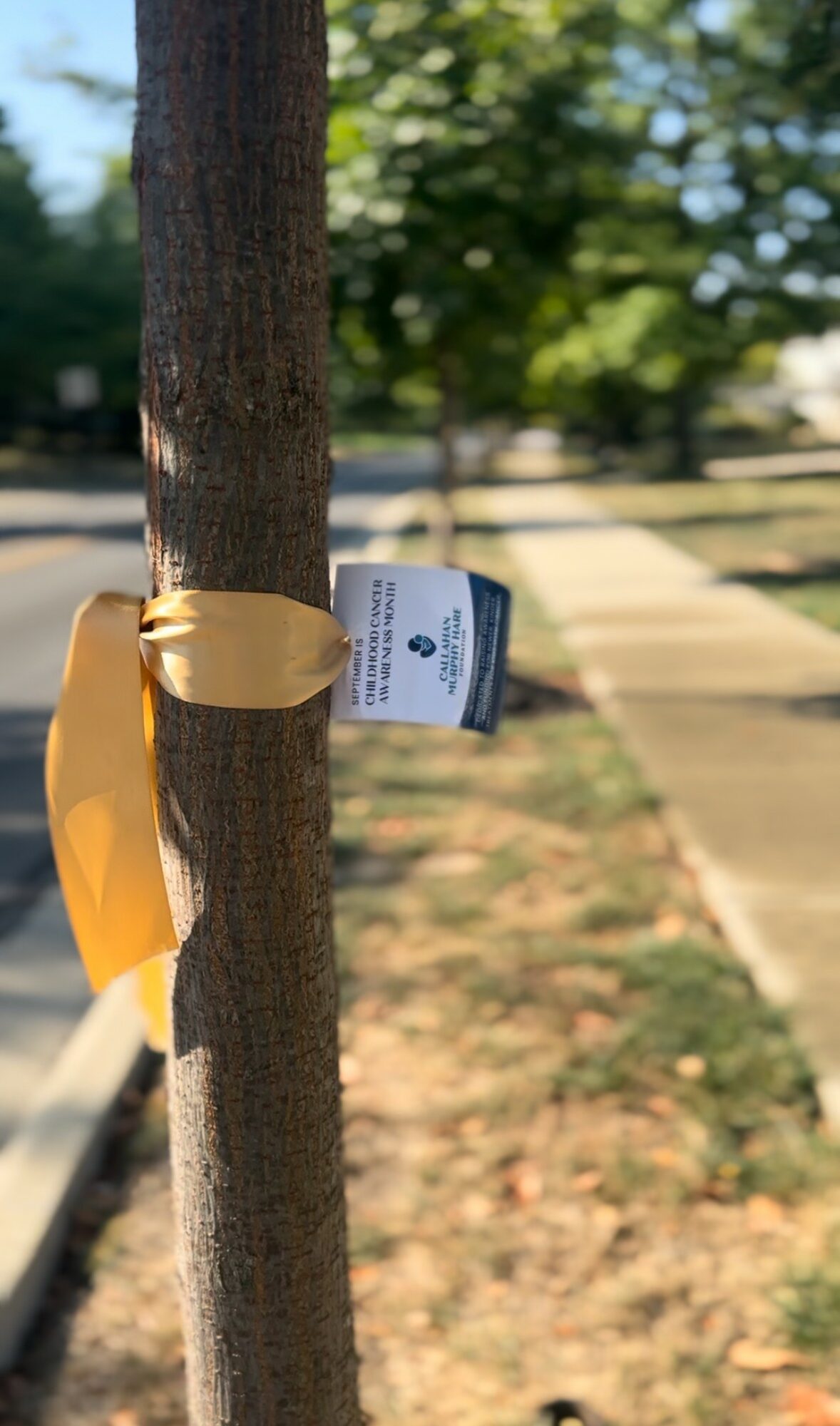
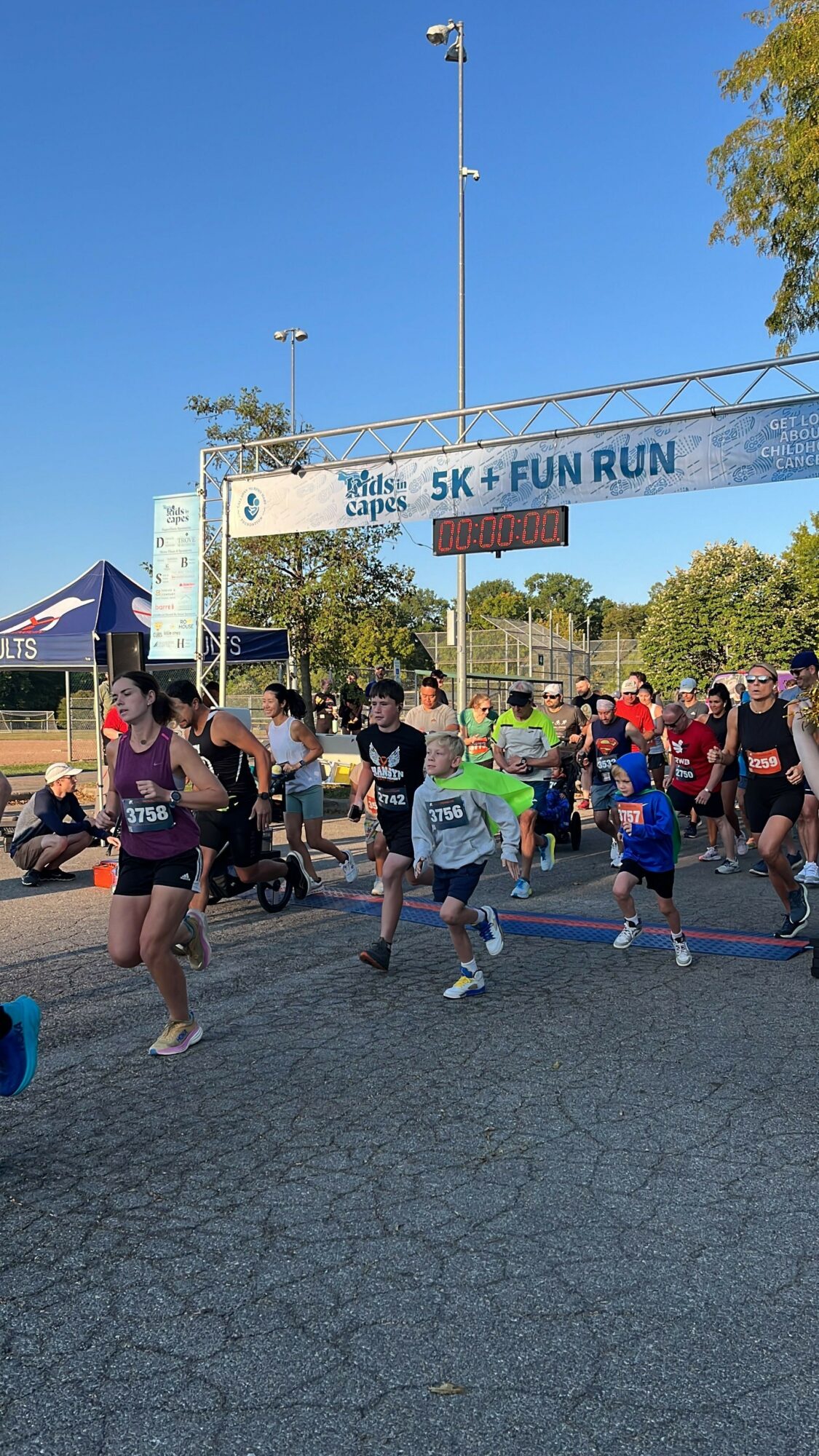
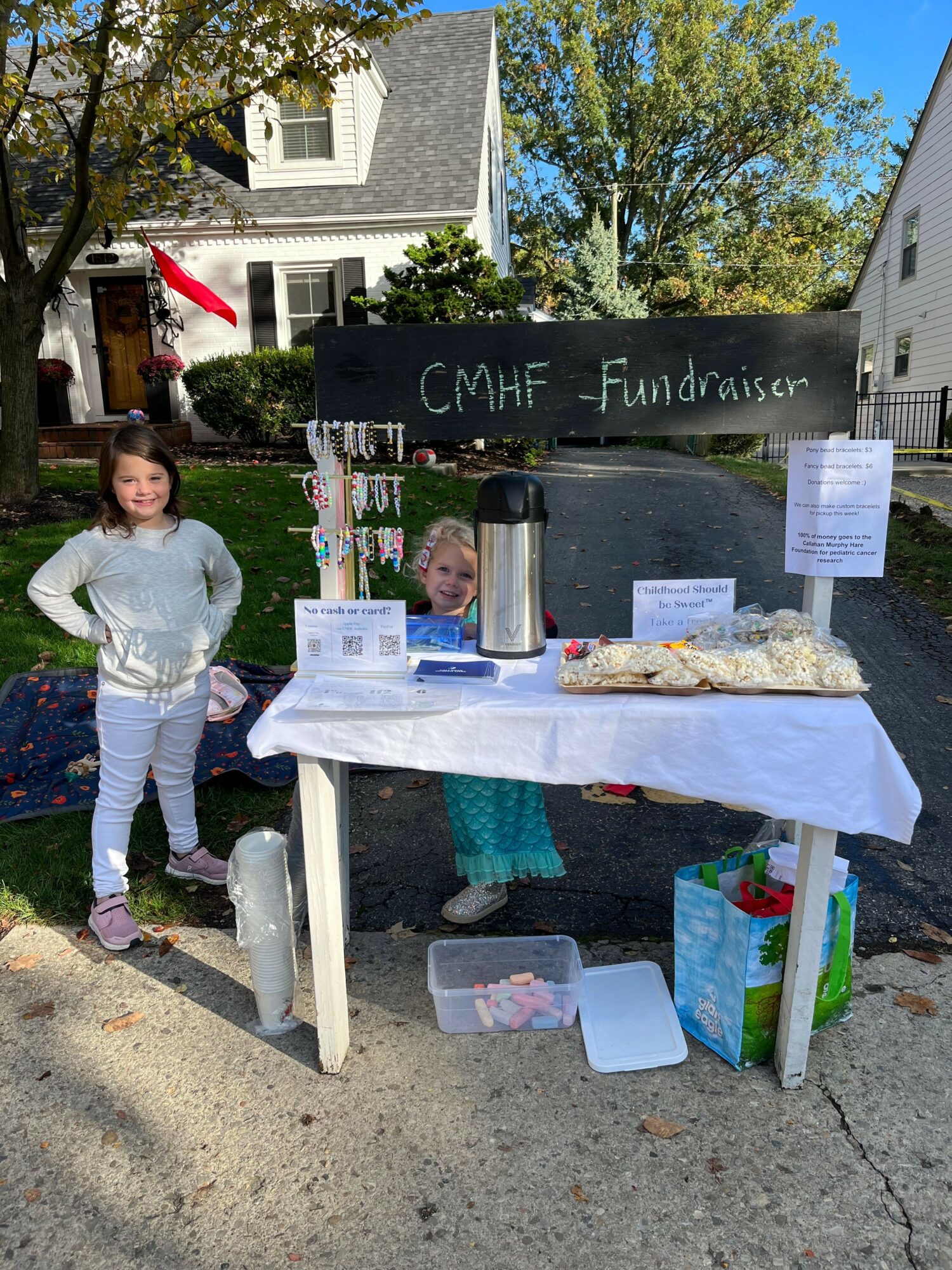
The driver behind all our efforts is to provide ways for the community to engage and connect with the cause. We do this through events that benefit the cause from a financial perspective, like our annual Kids in Capes 5K + Fun Run, or volunteering to support awareness initiatives like the gold ribbons we display on trees throughout our community during childhood cancer awareness month, and the Sunshine Squad craft kits we put together with school age kids to provide an age appropriate way to educate them about the cause and give them a way to support.
Additionally, as I mentioned earlier, we are huge proponents of collaboration. By forming alliances with with peers in this category and adjacent causes we are making our voices louder and propelling the effort forward and expanding awareness in each other’s communities. Through these relationships we’ve built a stronger network and helped multiple families beyond our mission.
What do you like best about our city? What do you like least?
Columbus has a real energy embedded in its core. We may not be a metropolis like New York City, but our city really hums with creativity and opportunity. And what drives that are the people –we are a city of endlessly diverse and talented people that keep the landscape of our city exciting and ever-evolving.
Everywhere you look there are people leading incredible efforts, creating beautiful, original ideas and bringing new opportunities to life. I initially moved to Columbus in 2007 with the intention of getting my feet wet post-college and then moving on to Chicago. Without regret, I am so glad life had other plans and that Columbus became my forever home. The city has changed massively in that time, but it has only gotten better (except for the traffic, the one thing I don’t like, mainly 315 and the 270/71 split!).
Contact Info:
- Website: www.thecmhfoundation.org
- Instagram: https://www.instagram.com/thecmhfdn/?igsh=MTl1czRtcm1lZzVlOQ%3D%3D
- Facebook: https://www.facebook.com/TheCMHFdn?mibextid=LQQJ4d&rdid=7LzhdIeKHKuV8RpN&share_url=https%3A%2F%2Fwww.facebook.com%2Fshare%2F173fgwK65J%2F%3Fmibextid%3DLQQJ4d
- Linkedin: linkedin.com/company/the-callahan-murphy-hare-foundation