



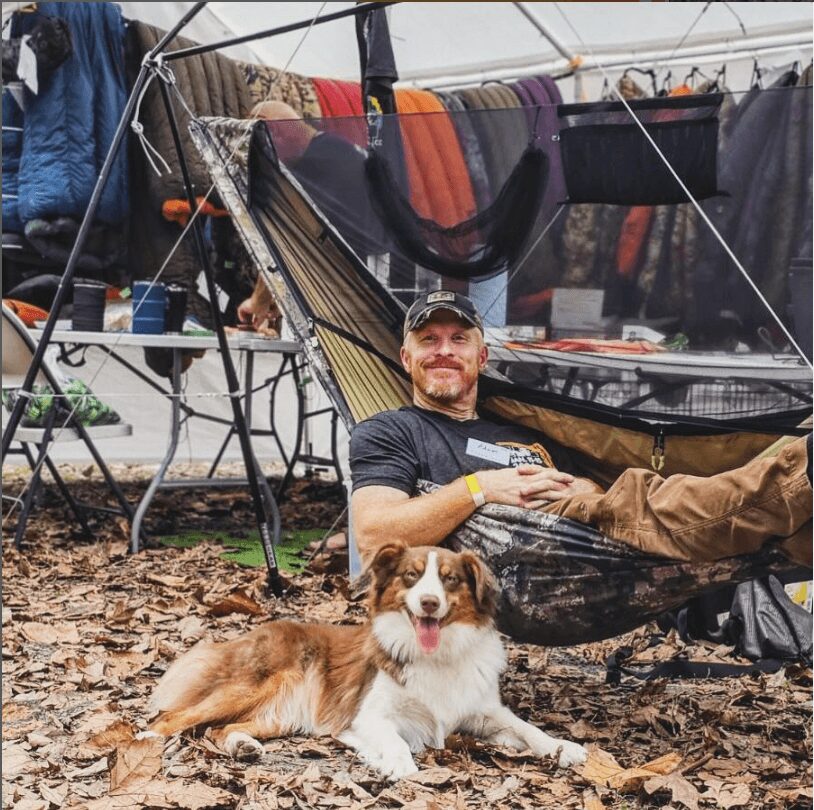
Today we’d like to introduce you to Adam Hurst.
Hi Adam, thanks for joining us today. We’d love for you to start by introducing yourself.
My path to starting Hammock Gear was anything but planned.
In the early 2000s, I worked for a small environmental consulting
company in Ohio called Smalley & Associates. I spent about seven years
there working with real estate companies and regulatory agencies such as
the EPA and Ohio’s Bureau of Underground Storage Tank Regulations. When
the 2008 real estate market crash hit, the company did not survive and I
found myself unemployed at 36 years old with a wife and four kids to
support.
While looking for work, I started Hurst Environmental LLC so I could
continue using the certifications and experience I had gained in the
environmental field. At the same time, I had begun backpacking on the
weekends and discovered ultralight backpacking. That eventually led me
to hammock camping.
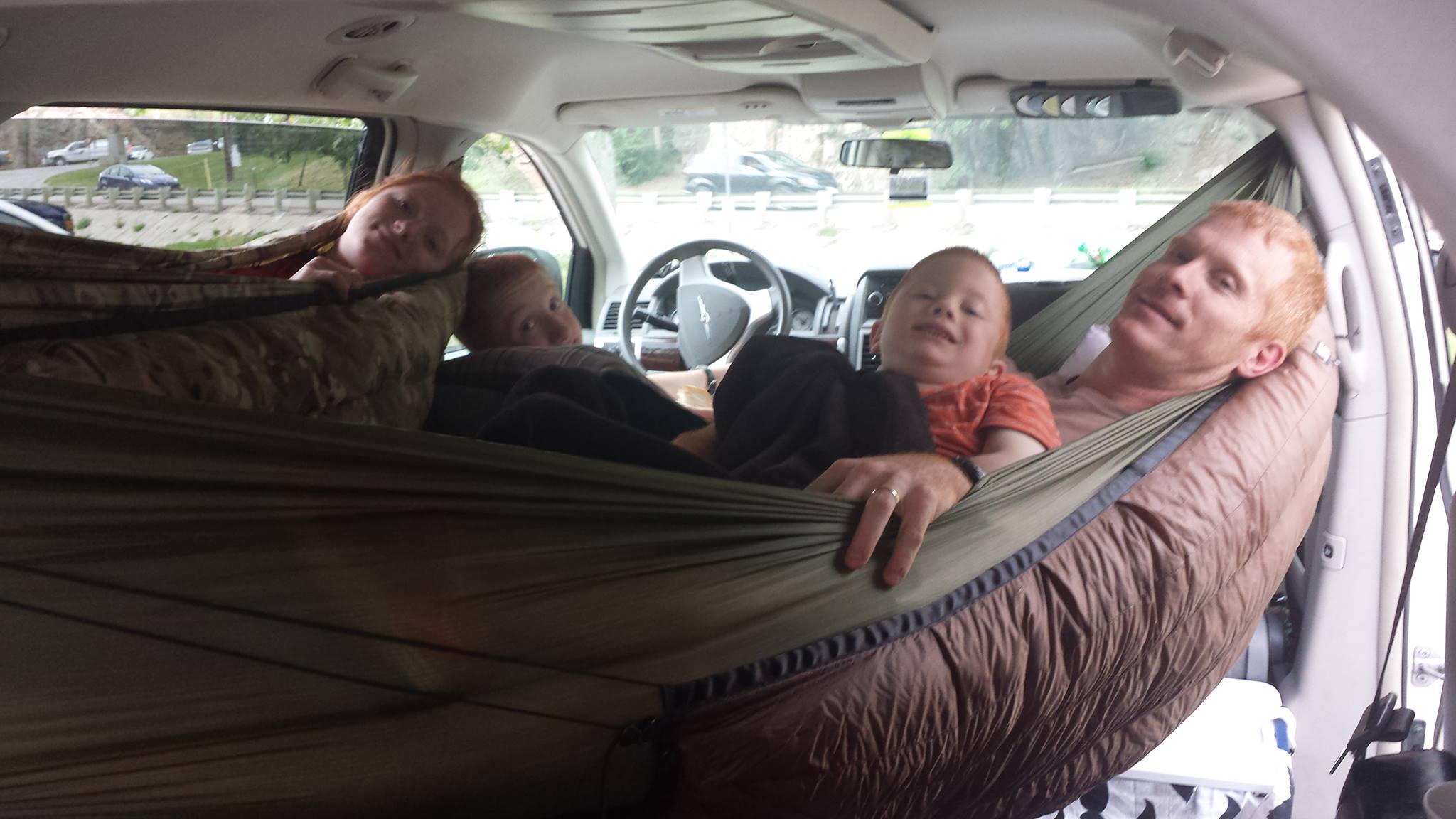
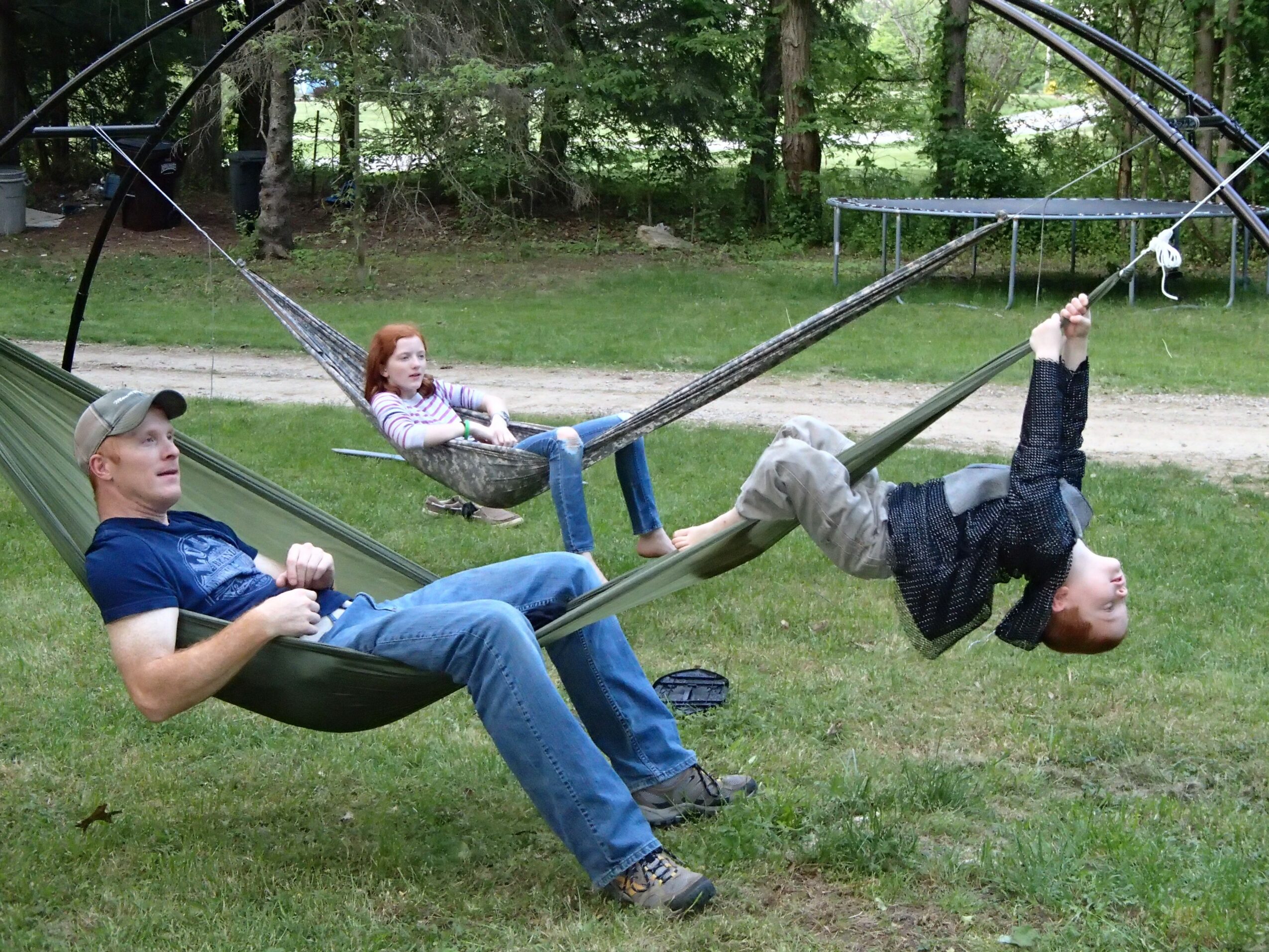
I bought my first Hennessy Hammock and immediately fell in love with the
comfort. I loved the openness of the setup and the Leave No Trace aspect
of not having to clear a campsite before pitching a tent. What I quickly
discovered, however, was that hammocks can be surprisingly cold. On my
first overnight trip in the hammock, temperatures only dropped to about
65 degrees, yet I was freezing. That experience sent me down a rabbit
hole trying to solve the insulation problem.
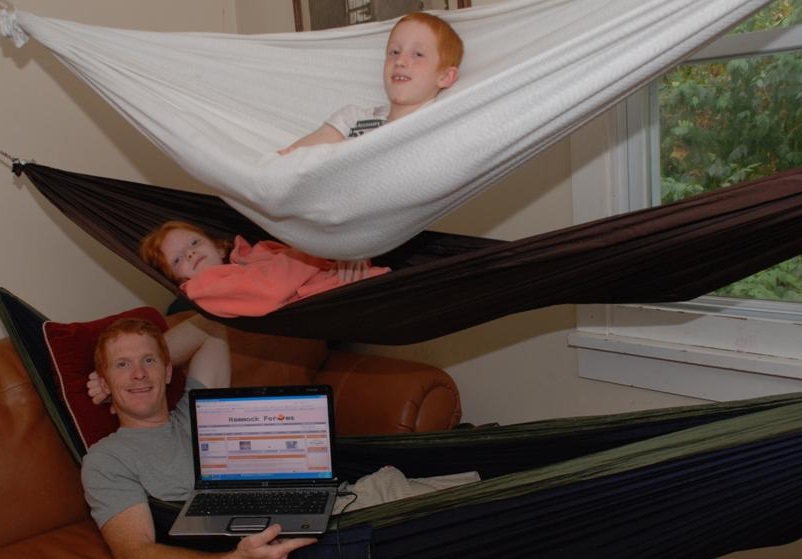
Around that time I joined HammockForums.net, a small but rapidly growing
community of hammock camping enthusiasts. Looking back, joining that
community probably changed the trajectory of my life. I met people who
would become lifelong friends, future business partners, friendly
competitors, and some of the most influential figures in the hammock
camping world.
I became obsessed with designing better insulation systems for hammocks.
The problem was that existing underquilts did not properly match the
shape of a person lying in a hammock, which often created gaps that led
to cold spots and what hammock campers call “Cold Butt Syndrome.” I was
determined to solve that problem.
The challenge was that I had never sewn anything in my life.
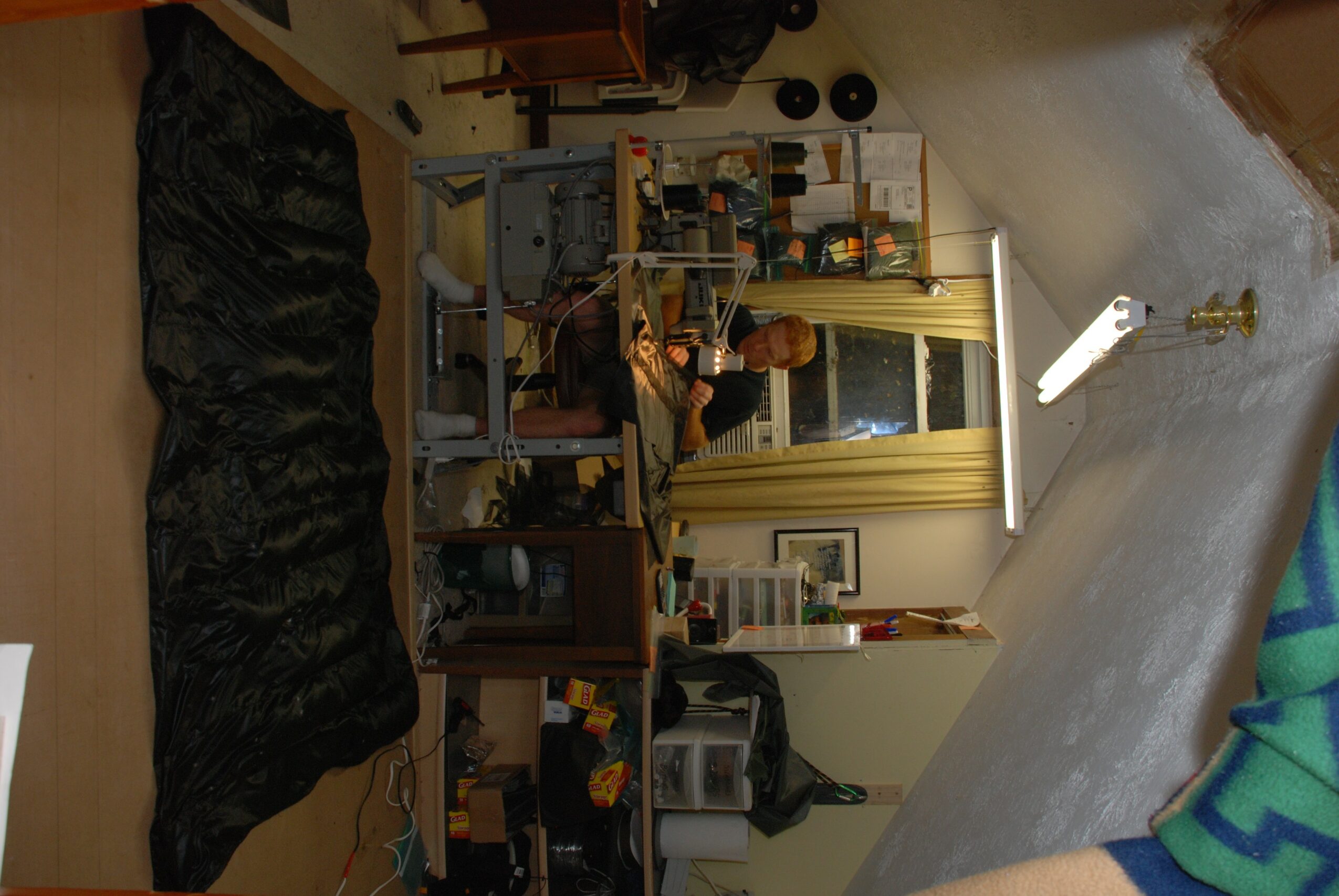
I started on my kitchen table using a sewing machine that my
grandmother had left me. A family friend came over and showed me how to
thread the machine and what a bobbin was. From there, it was trial and
error. My first project was a down-filled quilt that I eventually sold
to a friend just to recover the cost of materials so I could build a
better version. Even while making that first quilt, I knew how I wanted
to improve it.
Over the next several years, the business grew one room at a time. It
started on the kitchen table, moved into one of my kids’ bedrooms, then
into a friend’s basement, then another basement, then into a small
20-by-20 garage I built behind my house. Eventually we moved into our
first rented commercial space, a 900-square-foot office that felt huge
at the time.
For a long time I was only getting one or two orders a week. Then a cold
snap hit in October 2009 and suddenly I received twelve orders almost at
once. As a one-man operation, it completely buried me, but in the best
possible way. That was the moment I began to think this might actually
work.
The company eventually became Hammock Gear, a name that replaced our
original name, The Perfect Trees. Over the years we introduced products
such as the Incubator underquilt, the Phoenix underquilt, and the Burrow
top quilt. What started as a hobby gradually became a full-time
business.
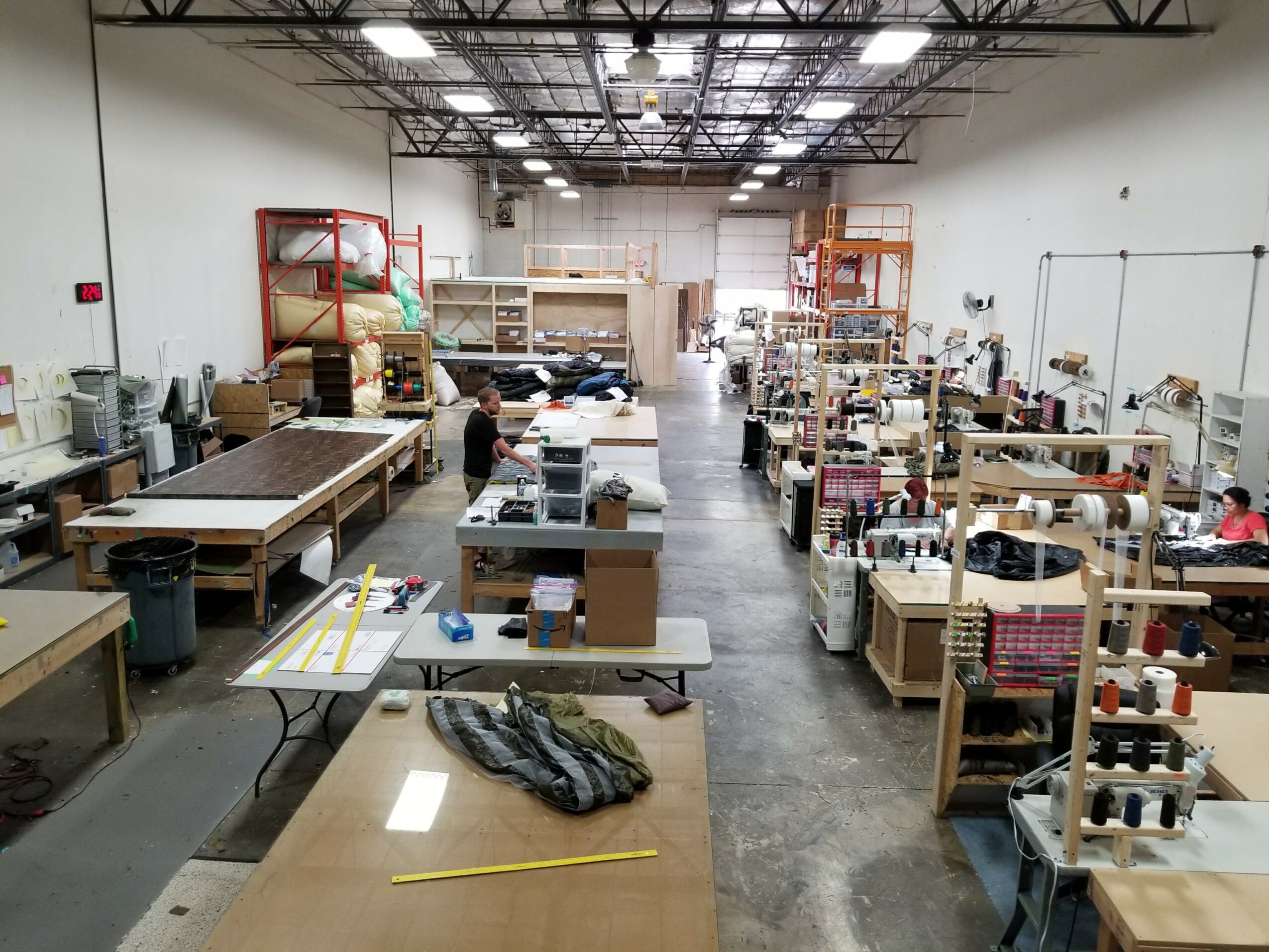
At our peak, Hammock Gear employed about 27 people. Today we have a
smaller team of around eight employees, most of whom are Ukrainian
refugees who have become an incredible part of our company. We have sold
more than $27 million worth of gear over the years, which is something I
never would have imagined back when I was sewing quilts at my kitchen
table.
What I am most proud of isn’t the revenue. It’s the people. I’m proud of
the jobs we’ve created. I’m proud of the customers who have trusted us
with their adventures. And I’m especially proud of the thousands of
people who returned to backpacking because hammock camping allowed them
to sleep comfortably outdoors again.
Looking back, losing my job in 2008 was one of the hardest experiences
of my life, but it also created an opportunity I never would have found
otherwise. If you had told me back then that a hobby, a sewing machine,
and a group of hammock camping enthusiasts on an internet forum would
change the course of my life, I never would have believed you.
Can you talk to us a bit about the challenges and lessons you’ve learned along the way. Looking back would you say it’s been easy or smooth in retrospect?
It definitely has not been a smooth road, although I think that’s true for most entrepreneurs.
The earliest challenge was simply survival. When I started Hammock Gear, I was 36 years old, unemployed, and supporting a wife and four children. The company I had worked for had closed during the 2008 recession, and I was trying to figure out how to keep food on the table. There were plenty of moments when I wasn’t sure how things were going to work out. I was interviewing for jobs, taking on environmental consulting side work, and accepting just about any opportunity that generated income while trying to grow the business.
Another challenge was that I had absolutely no sewing experience. I learned on a sewing machine my grandmother had left me, and everything in those early years was trial and error. I had to teach myself sewing, pattern making, product design, manufacturing, customer service, accounting, marketing, and website management, often all at the same time.
As the company began to grow, the challenges changed. Instead of worrying about finding customers, I found myself trying to keep up with demand. Learning how to hire people and delegate responsibilities was difficult because I cared deeply about quality and wanted every product to meet the standards I had set for myself. Letting go of some control and trusting others was a skill I had to develop over time.
Like many outdoor businesses, we experienced tremendous growth during the COVID years. While that growth was exciting, it also created new challenges. The years since COVID have required us to adapt to a very different economic environment. We have had to become leaner, more efficient, and more intentional about how we operate.
One of the biggest ongoing challenges has been finding skilled sewing operators in the United States. Today, most of our team consists of Ukrainian refugees who have become an incredible part of our company. Their work ethic, craftsmanship, and dedication have helped us continue delivering the quality our customers expect.
Looking back, every stage of the business has presented a different challenge. What has remained constant is the need to keep learning, keep adapting, and keep moving forward. Entrepreneurship has taught me that obstacles never really disappear. You just get better at solving them.
Alright, so let’s switch gears a bit and talk business. What should we know?
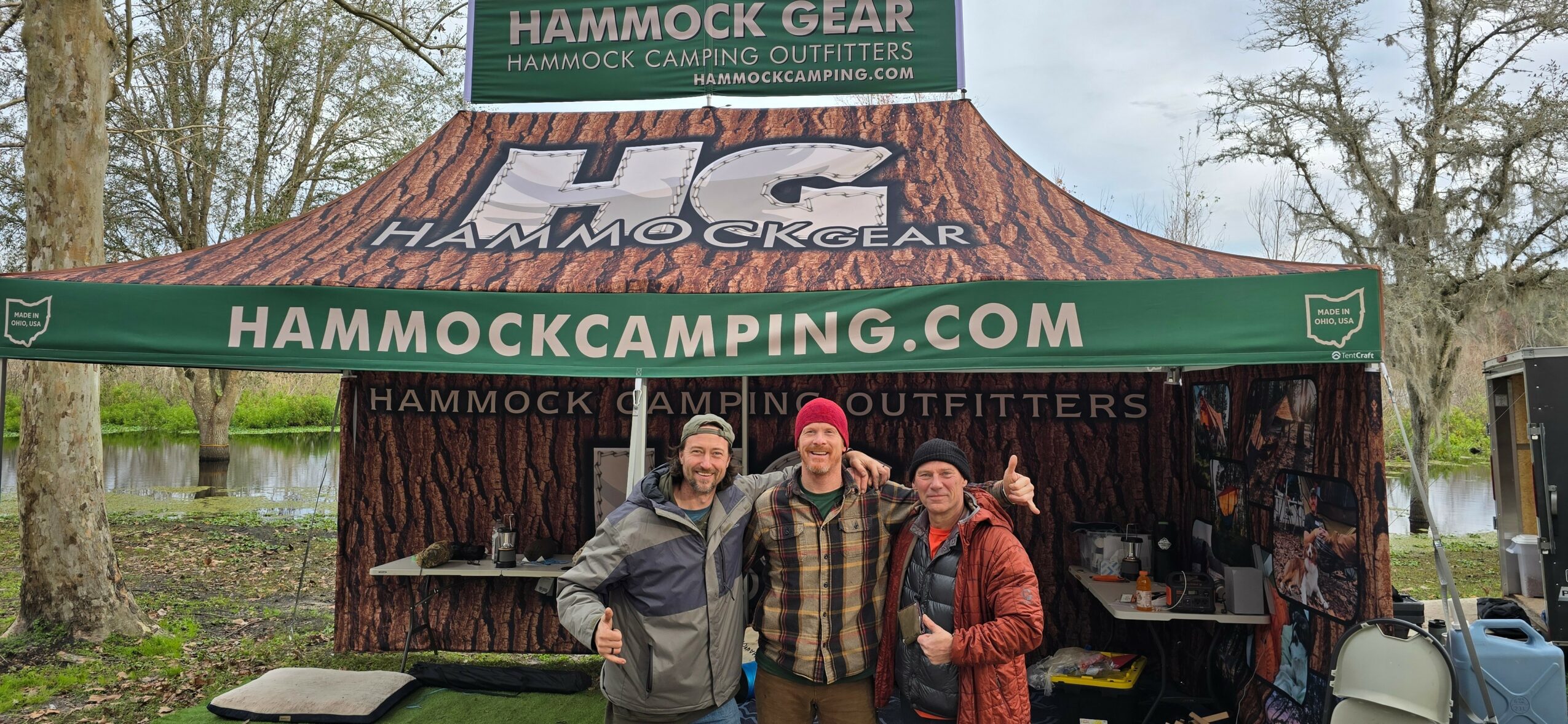
Hammock Gear is a manufacturer of ultralight backpacking and hammock
camping equipment based in Reynoldsburg, Ohio. We design and build
products such as down quilts, hammocks, tarps, and shelter systems for
outdoor enthusiasts ranging from first-time backpackers to long-distance
thru-hikers.
What makes our company somewhat unique is that Hammock Gear was created
by hammock campers for hammock campers. The company didn’t begin with a
business plan or market study. It started because I was a backpacker who
was trying to solve a problem I personally experienced. I was cold in my
hammock and wasn’t satisfied with the solutions that were available at
the time. That mindset of identifying problems and creating practical
solutions still drives the company today.
One of the products we’re best known for is the Incubator underquilt,
which was designed to eliminate the cold spots that many hammock campers
experience. The product went through numerous prototypes before reaching
the final design, and it remains one of our flagship products today.
Over the years, we have expanded our lineup to include a full range of
backpacking and hammock camping equipment, but that same focus on
function, comfort, and real-world performance remains at the center of
everything we do.
Something I am particularly proud of is the reputation we have built for
customer service. Outdoor gear is important, but the people using it are
more important. We have always tried to treat customers the way we would
want to be treated ourselves. Many of our customers have been with us
for years, and some have purchased multiple generations of products from
us as both they and our company have evolved.
I am also proud of the role Hammock Gear has played in helping introduce
people to hammock camping. Over the years, I’ve heard from countless
customers who had stopped backpacking because they were no longer
comfortable sleeping on the ground. Being able to help people return to
the outdoors and continue enjoying adventures they thought were behind
them has been incredibly rewarding.
At the end of the day, we are still a relatively small company made up
of people who genuinely enjoy the outdoors and care deeply about the
products we make. Our goal has never been to become the biggest company
in the industry. Our goal has always been to make great gear, take care
of our customers, and help people spend more time outside.
We’d love to hear about how you think about risk taking?
I’ve never really thought of myself as a risk-taker, although looking
back, some people would probably disagree.
When I lost my job during the 2008 recession, I had a wife and four kids
to support. Starting a business wasn’t part of some grand plan. It was
something I pursued while trying to find a way forward. In many ways,
staying still felt riskier than trying something new.
One of the biggest risks I took was continuing to invest time and energy
into Hammock Gear when there was no guarantee it would succeed. There
were plenty of opportunities to walk away and find a more traditional
career path. In fact, I was actively interviewing for other jobs while
building the business. At one point I interviewed for a janitorial
position at Ohio University Lancaster because we needed income and I was
willing to do whatever was necessary to support my family.
At the same time, I was spending nights and weekends teaching myself how
to sew, designing products, and trying to build something that I hoped
might eventually become a viable business. Looking back, that was
probably the biggest risk I ever took, although it didn’t feel like a
risk at the time. It felt like survival.
As the company grew, there were other risks. Signing the lease on our
first commercial space was a big step. Hiring employees was a big step.
Investing in inventory, equipment, and larger facilities all required
confidence that the business would continue to grow. Every stage of the
company involved making decisions without having all the answers.
My philosophy on risk has always been fairly simple. I don’t believe in
taking reckless risks, but I do believe in taking informed risks when
the potential reward justifies it. Most opportunities don’t come with
certainty. At some point you have to gather the best information you can,
trust your instincts, and move forward.
Some of the best things that have happened in my life came from taking
chances that made me uncomfortable at the time. If I had never joined a
small online community called Hammock Forums, learned to use a sewing
machine, or pursued an idea that started as a hobby, my life would look
completely different today.
Sometimes the biggest risk is assuming things will stay the same if you
don’t do anything.
Contact Info:
- Website: https://Hammockgear.com
- Instagram: @hammockgear
- Youtube: https://www.youtube.com/@HammockGear
- Other: https://Hammockcamping.com
Popular
-

Hidden Gems: Local Businesses & Creatives You Should Know
-

The Change-Makers: stories that inspire
-

Take Flight: Lamar Thomas on Building an Inclusive Brand Rooted in Youth, Community, and Purpose
-

Cultivating Inner Clarity: Angel Inspires on Thought, Healing, and Purpose
-

Local Highlighter Series
-

Highlighting Local Gems