



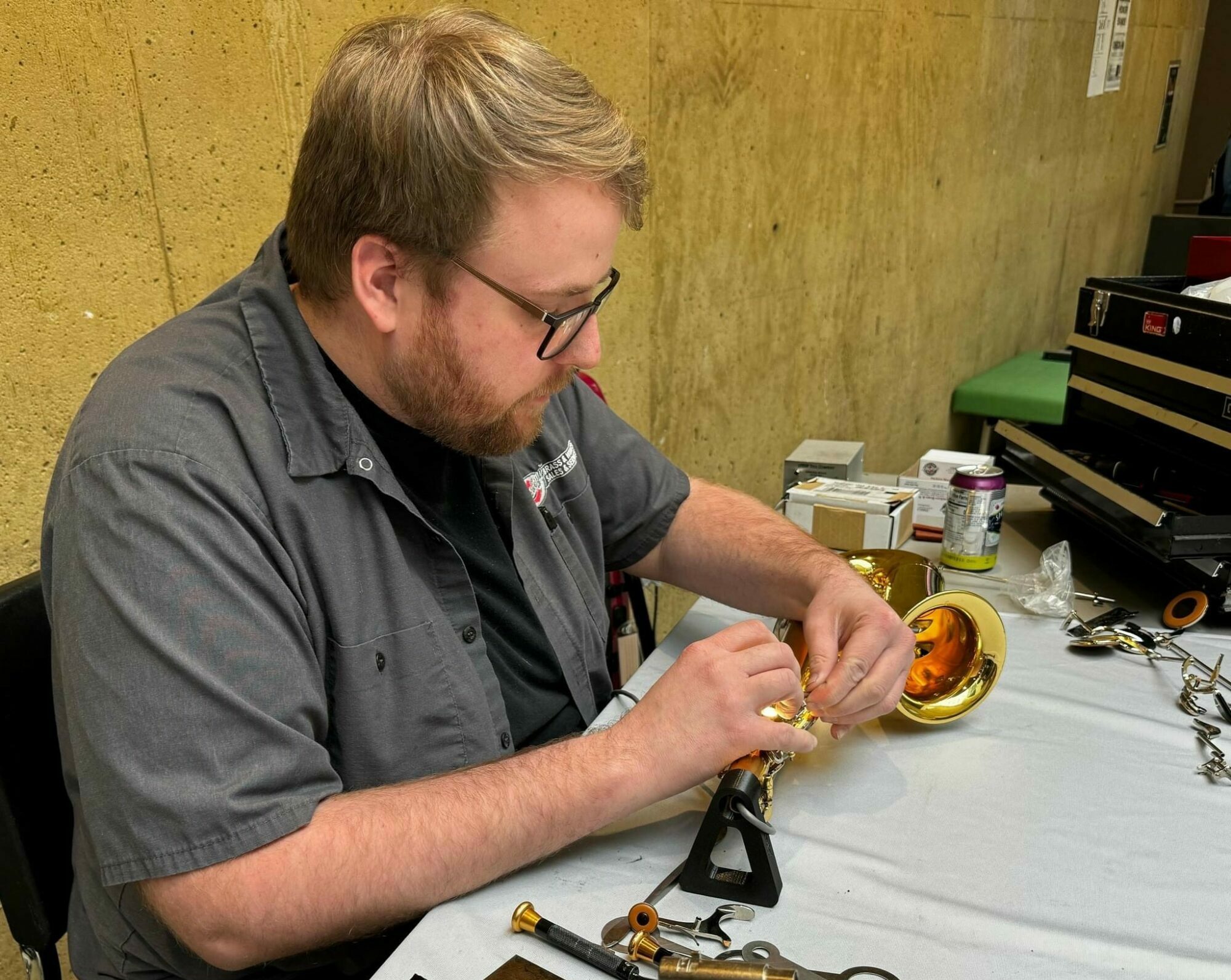
Today we’d like to introduce you to Terry Staten.
Hi Terry, can you start by introducing yourself? We’d love to learn more about how you got to where you are today.
I grew up in a very musical family and always knew that music would be an important part of my life in some way. Out of high school, I had anticipated becoming a band director, and so I pursued a degree in Music Education. Over the course of my college years, I worked for many local school districts, teaching marching band and private music lessons. Occasionally I found myself fixing my students’ instruments when they would break down, but I did not think too much of it at the time. In hindsight, I’m sure these fixes caused more problems down the road because I didn’t actually know what I was doing. But as many band directors have to do, we made the best of it and got the instruments playing to some degree. It was the equivalent of replacing the brake lines in a car, but not really knowing how they work. More on this idea later.
Fast forward a couple of years- I had decided that teaching was not for me, but I still wanted a career in music and to be able to help students succeed. So, I stopped in one of the local instrument repair shops and observed the technicians working for a day, and I knew that this was what I wanted to do.
I had already experienced the frustrations of students playing broken or even poorly repaired instruments. It is common for young players to be discouraged from playing music and think that they are not very good at an instrument when, in reality, the instrument is holding them back. Being an experienced player myself, I was able to discern when something was not quite right. However, instrument repair is a trade that takes years, maybe even a lifetime, to master. My next step was schooling/formal repair training, and then I started working in a repair shop in Dayton, Ohio, where I specialized in woodwind repair. It was there that I started to really hone my craft and learn what a well-playing instrument is, and most importantly, how to repair damage like nothing ever happened! Though, that can be a challenge when a saxophone falls down the stairs, or a flute is sat on. I spent a few years working in Dayton and then moved to the shop I work at now, Buckeye Brass and Winds. There, we specialize in professional work but still have a vast school repair and rental program across the city of Columbus. On the same day, I could be doing a mechanical restoration on a vintage professional saxophone and making some adjustments on a 6th-grader student-level oboe. We service a wide variety of customers but with all the same intention. I want their instruments to work well. Playing an instrument is hard enough; why should we be held back by an instrument that is not working effectively and efficiently? It takes skill, care, and nuance to achieve a quality of repair that aids students’ success and the demands of a professional player in the same job. But that’s the joy of it. The smile on the player’s face when they can suddenly do things on their instrument that they didn’t know was possible. After years of practicing this trade, my journey has led me to helping people make music. It is often overlooked, but quality repair and maintenance is vital to making a success story out of every musician.
I’m sure it wasn’t obstacle-free, but would you say the journey has been fairly smooth so far?
There have been many challenges in this industry, especially if one is trying to maintain high standards for their quality of work. For school programs, we are often fighting a limited budget, so the amount of time you can spend on a repair is also limited. I’ve always told customers you can have it fast, cheap, good- but you can only pick two. A large part of my calling to this field of work is also educating my customers, players, band directors, etc., on what quality repair is, how it benefits you, and what the long-term effects are. But at the end of the day, there is only so much you can do. So, the challenge for me has been learning to work efficiently to provide a high-quality service but at a lower cost/less time spent on my end. This can get very tricky when it comes to maintaining the integrity of a high-quality shop. But there is always a middle ground that can be found, even if the answer is different than expected… Ultimately, we are here to serve our music community and having those conversations with our customers is so important to us.
Another struggle related to this is that most repair shops are small businesses. Where I currently work, there are only 6 full-time employees. Resources can be tight at times, and that ultimately limits how much we can be available for every student, hobbyist, or professional who needs an instrument working at its full potential. There is a shortage of good repair technicians, and good-quality repairs take time. So, we can only do so much, even though we want to help everyone. Sometimes, my customers have to schedule far in advance or wait a couple of weeks for their repairs to be completed. Ultimately, our customers appreciate the value of what we do, and we all work together to make the best of every situation.
The last struggle that I often contend with is a healthy balance of work and life. Musicians are in such community with each other and so passionate about what they do that it is easy to be consumed by being involved in everything we possibly can be. It’s more than just a job; it’s a lifestyle and a way of being. I understand that this a privileged struggle to have, music is not life or death, and ultimately, I am so very thankful for the opportunities that I have been given. But it is hard to establish boundaries when a musician calls at 9:00 pm after their instrument breaks down and they have a gig the next day. What else will they do? I, along with so many other technicians, take care of our people whenever it’s necessary. We care so much about the success of our customers. It is bittersweet, but I also wouldn’t change a thing. Even though music is not life or death, it can still make or break a spirit.
Can you tell our readers more about what you do and what you think sets you apart from others?
My day-to-day is filled with a lot of variety. I do a lot of repairs for students and schools, but I also do a lot of custom jobs, instrument modifications, and mechanical restorations on vintage professional instruments. Ultimately, I accept most of what my customers bring me, and that variety keeps me on my toes! I also do a lot of work away from the repair bench like traveling to schools, giving repair clinics to band directors, and continuing my own education with specialized repair training around the country.
I am most proud of how I combine being a player and being a repair technician. I have been a woodwind player for most of my life. I play saxophone, flute, and clarinet professionally alongside my day job. Performing on my instruments at a high level helps me appreciate the nuances that professionals are expecting as well as repair student instruments to their highest potential.
I tend to specialize in projects that are ambitious and tedious. I love the challenge of a complex job that others may turn away or see as a lost cause. Bass clarinet broken in half? I want to find the right way to fix it and do it well. 100-year-old saxophones needing mechanical restorations, high-end flute overhauls with precision within .0005 of an inch (nearly invisible to the human eye), or a clarinet that fell down a flight of stairs. I think that my attention to detail and care for this work really sets me apart in my area, and I take a lot of pride in this as well.
If you had to, what characteristic of yours would you give the most credit to?
I feel that my care and attention to detail is most important to my success. When a customer brings an instrument to me, I am looking at it top to bottom and at every detail and nuance that I can pick up. I care about the little details because those little details can make a profound impact on how I move forward with the repair or how the instrument will perform or maintain its value over the years. I try to approach my craft as “holistically” as possible, meaning I am not just looking at what the customer has an issue with. I am looking at the entire picture and what details make it all work together. Viewing instruments this way allows me to catch more issues that may present later on or inefficiencies that can be improved. Woodwinds are precise machines, and viewing them that way makes the end product much easier for everyone.
Contact Info:
- Website: buckeyebrassandwinds.com
- Instagram: https://www.instagram.com/buckeyebrassandwinds?igsh=OG1vZTZlYjZwcjY5
- Facebook: https://www.facebook.com/BuckeyeBrass?mibextid=ibOpuV
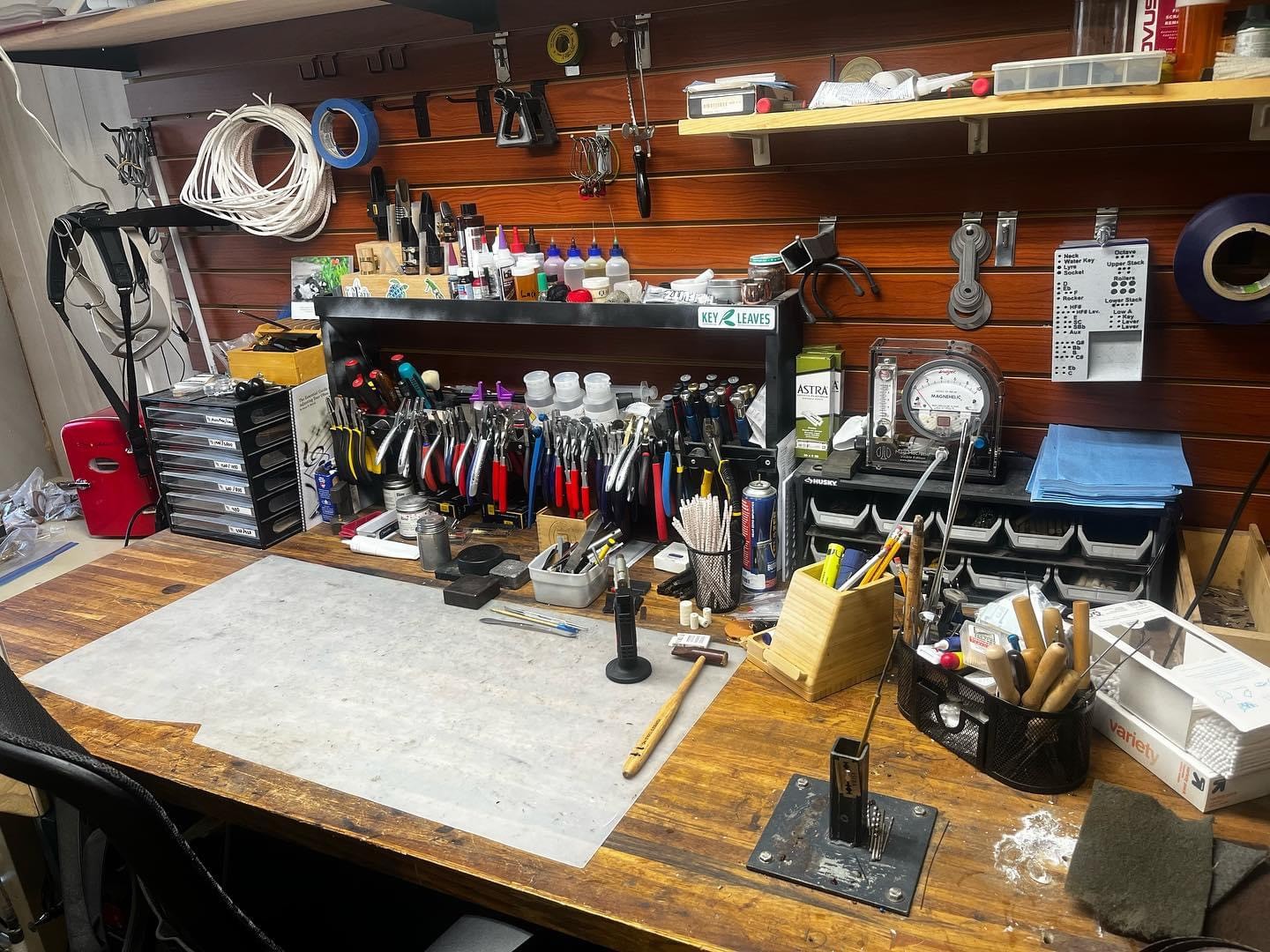
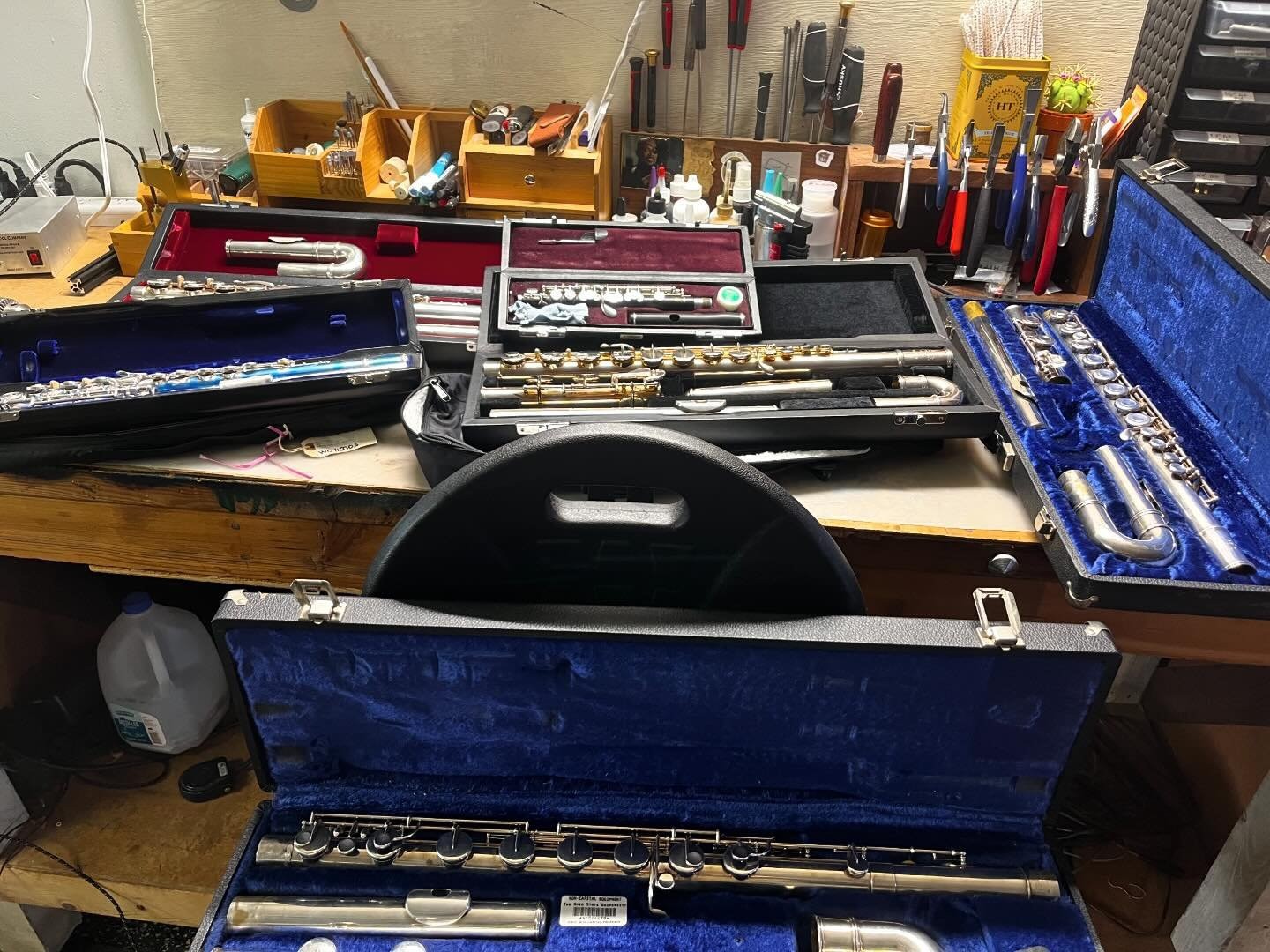
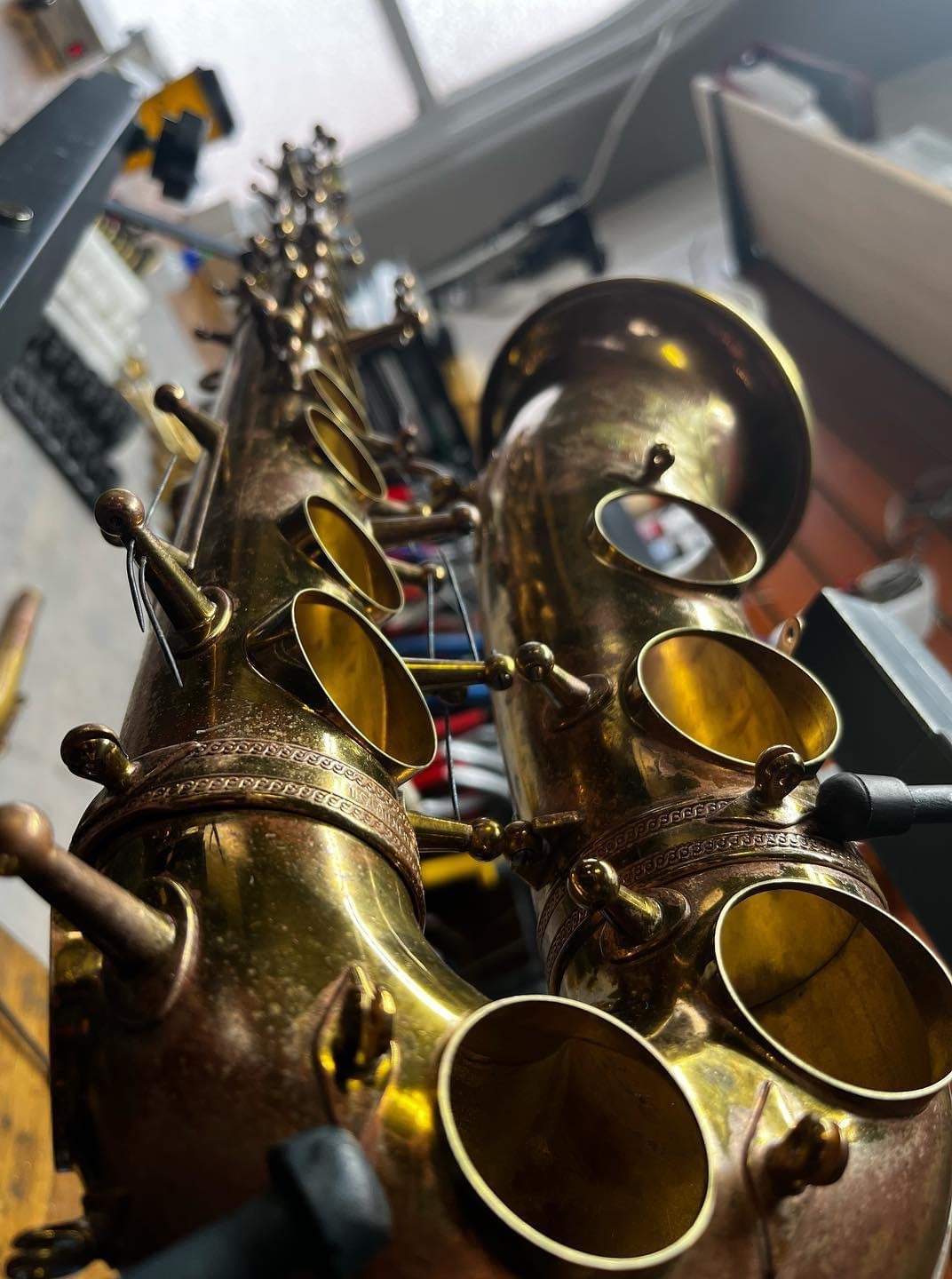
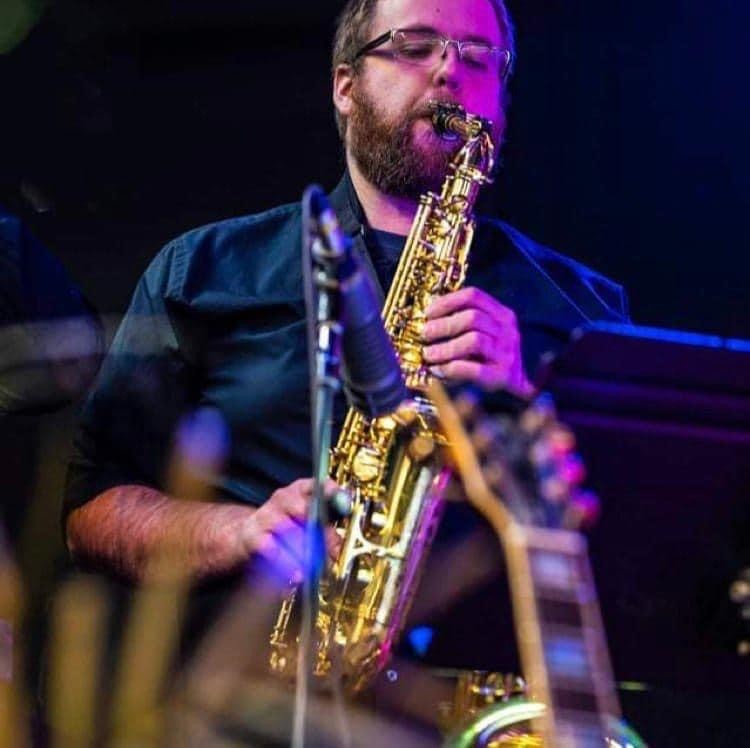
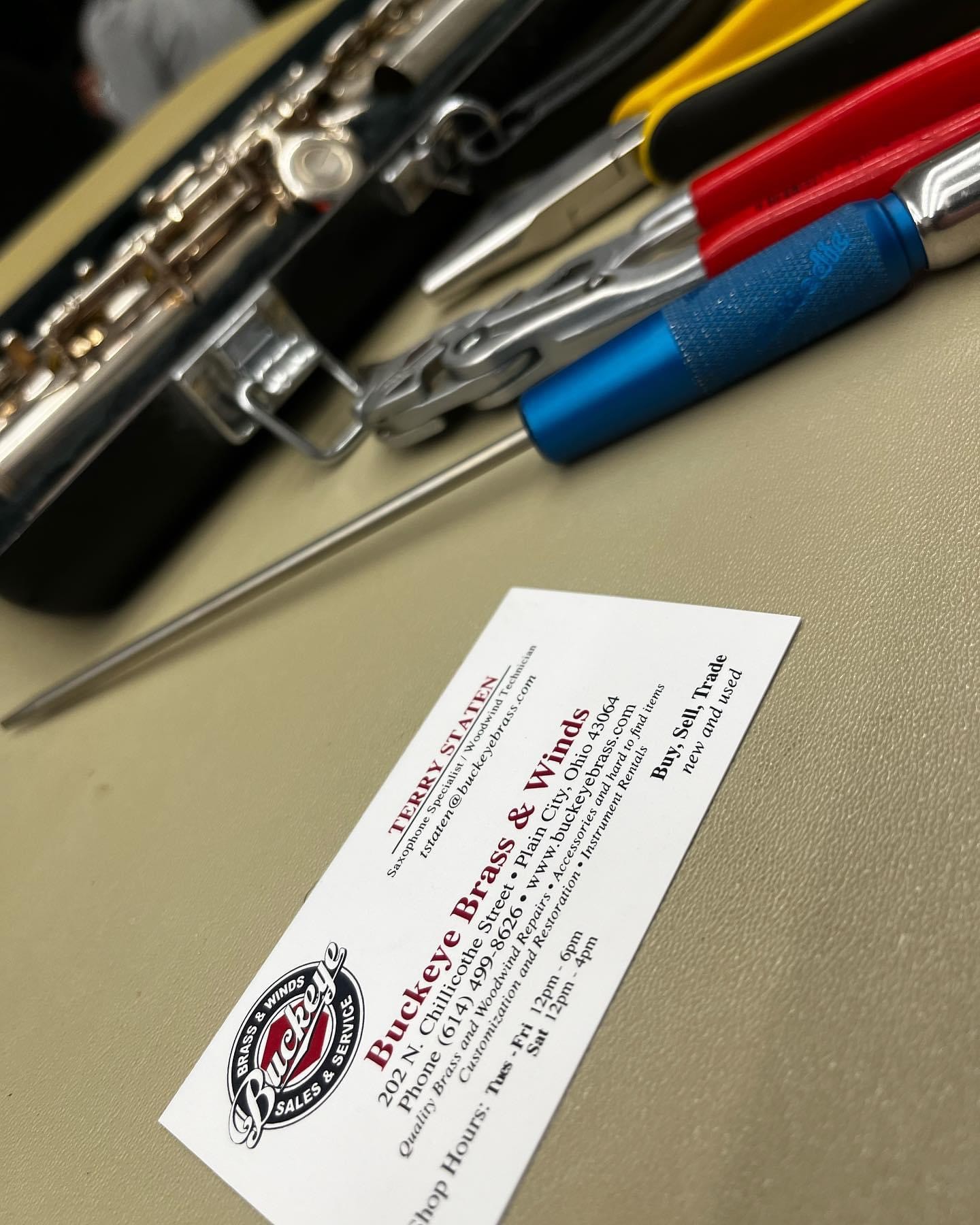
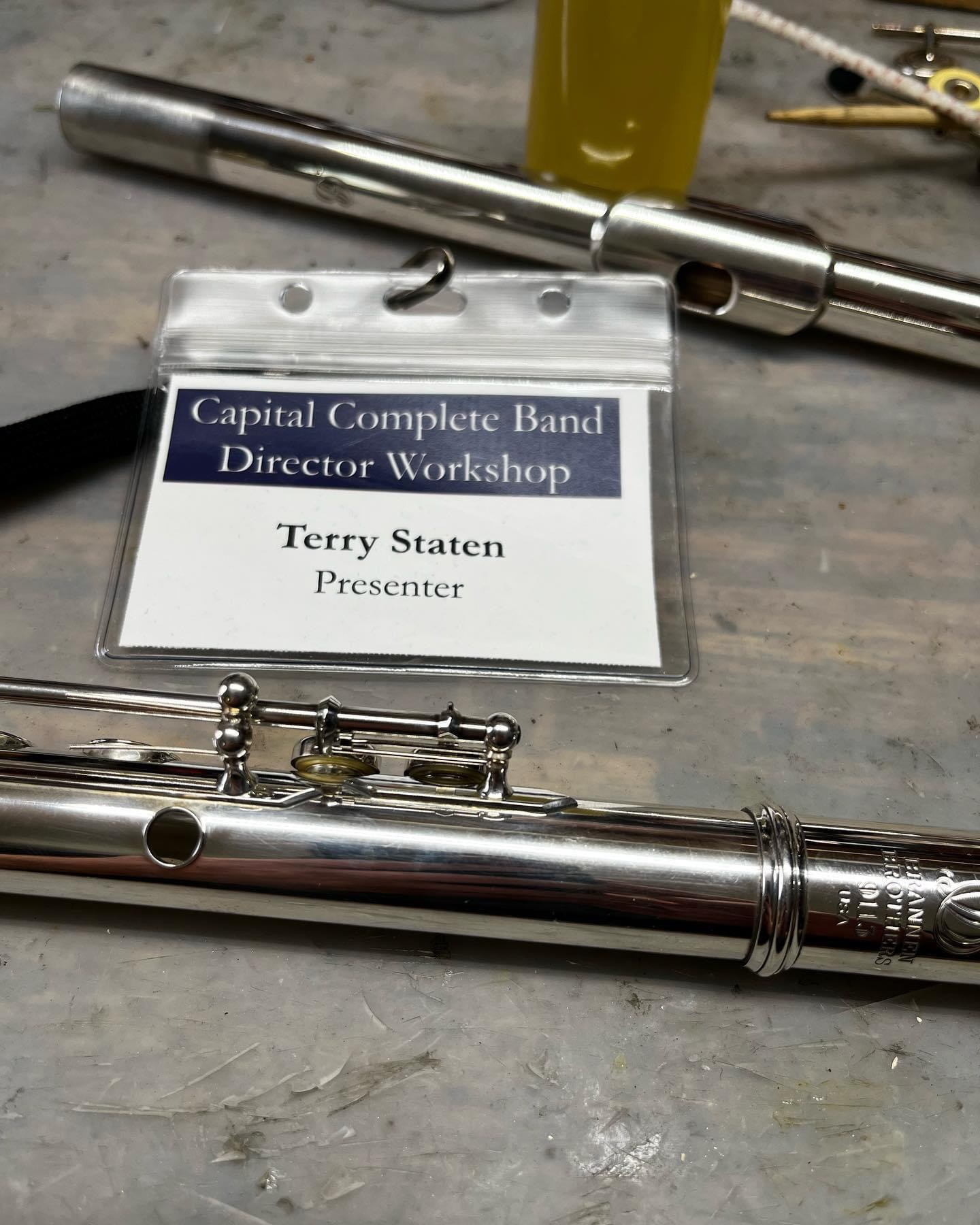
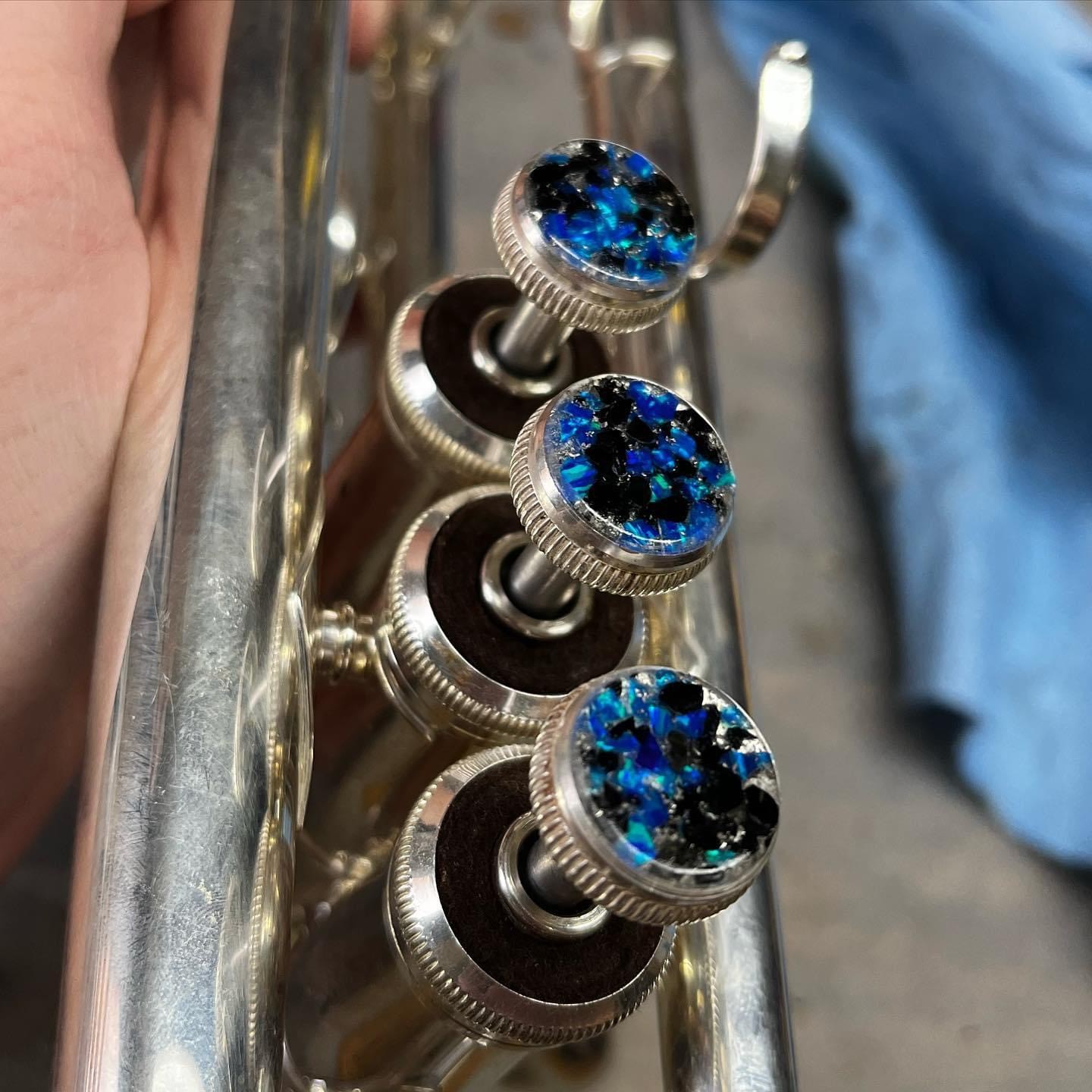
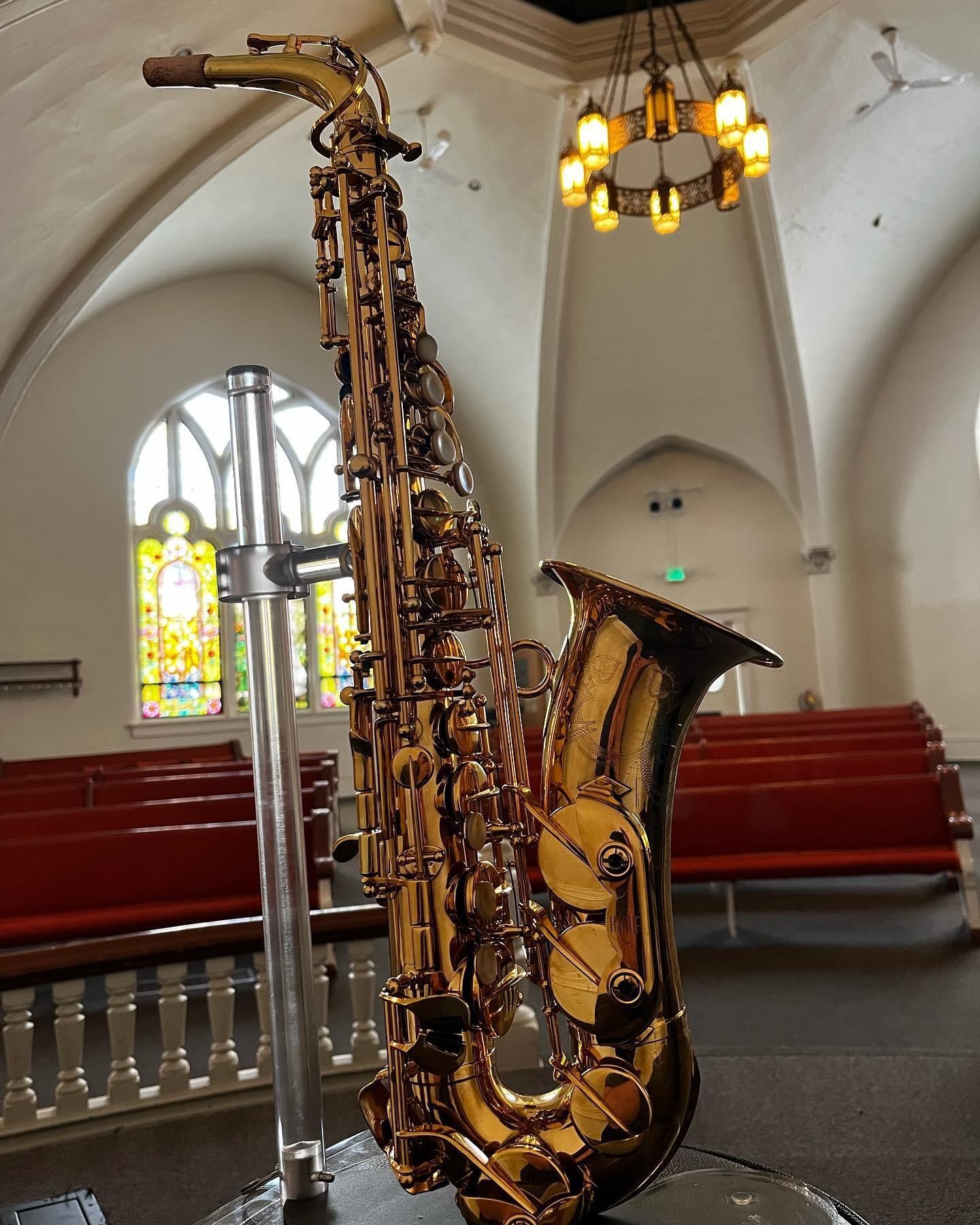
Image Credits
John Kurokawa
Popular
-

The Change-Makers: stories that inspire
-

Take Flight: Lamar Thomas on Building an Inclusive Brand Rooted in Youth, Community, and Purpose
-

Cultivating Inner Clarity: Angel Inspires on Thought, Healing, and Purpose
-

Local Highlighter Series
-

Highlighting Local Gems
-

Hidden Gems: Local Businesses & Creatives You Should Know