



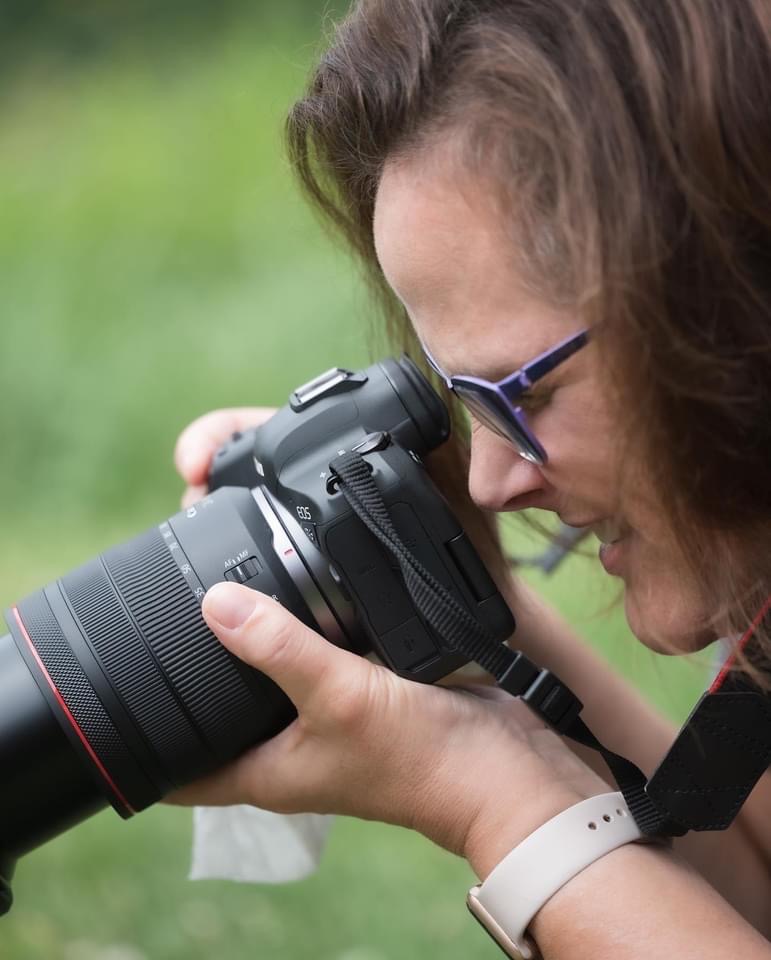
Today we’d like to introduce you to Michelle Pinsky.
Michelle, we appreciate you taking the time to share your story with us today. Where does your story begin?
Photography has been part of my story for as long as I can remember. Even as a kid, I was drawn to images and the idea of capturing a moment. But it didn’t really click into place until I was about 13, when I got my first Nikon for my birthday. I had no idea what I was doing, I just experimented, pressed the shutter a lot, and photographed whatever caught my attention. There wasn’t a “style” yet. It was pure curiosity.
As I got older, travel became the perfect excuse to keep a camera in my hands. I was the person who always had film ready and was constantly looking for the next shot. I laugh now thinking about how far I’d go to keep photographing, like the time my camera broke on a trip and I literally duct-taped the back shut so the film wouldn’t be exposed. That pretty much sums up my mindset back then: if there was something worth capturing, I was going to find a way.
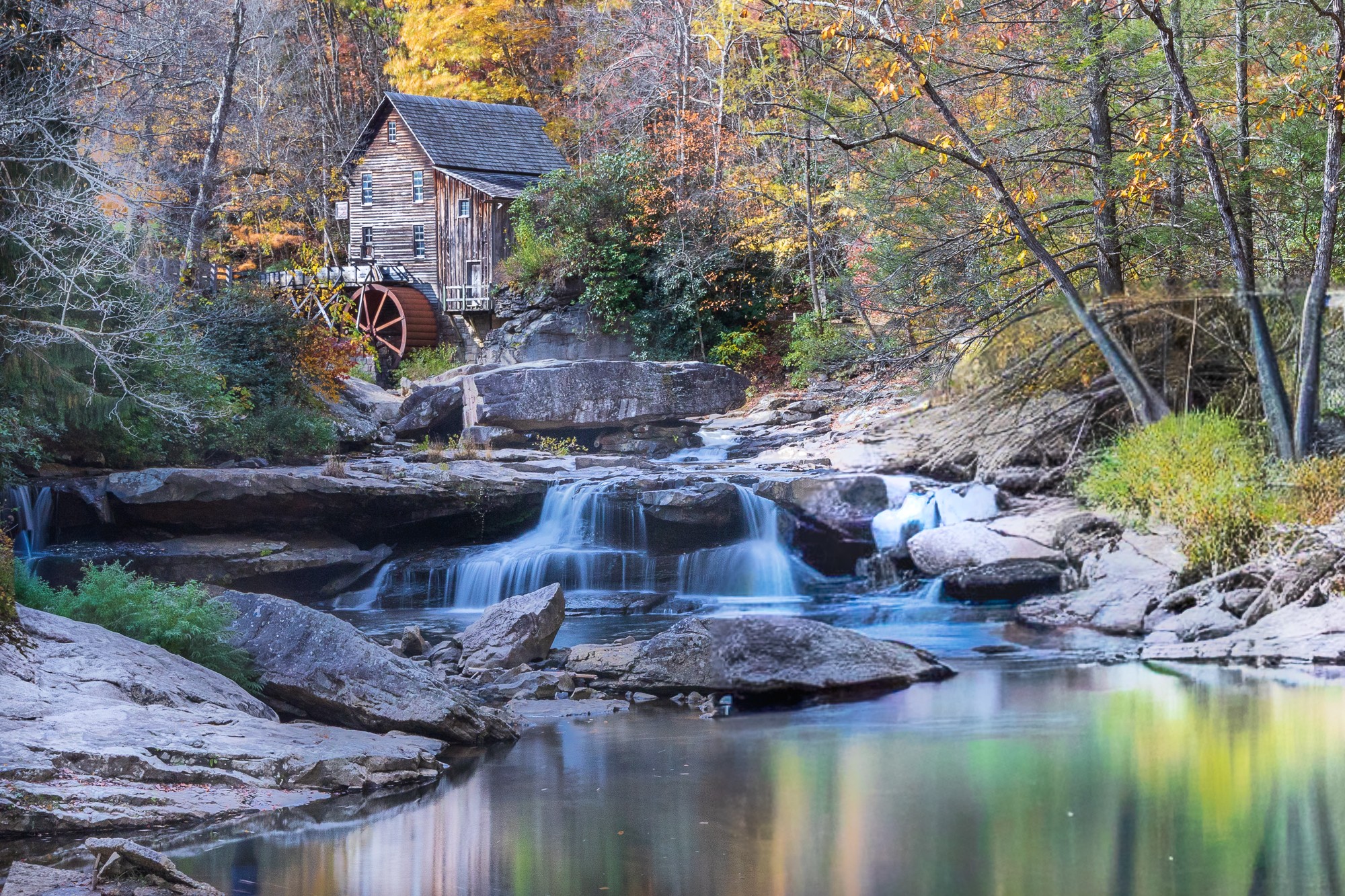
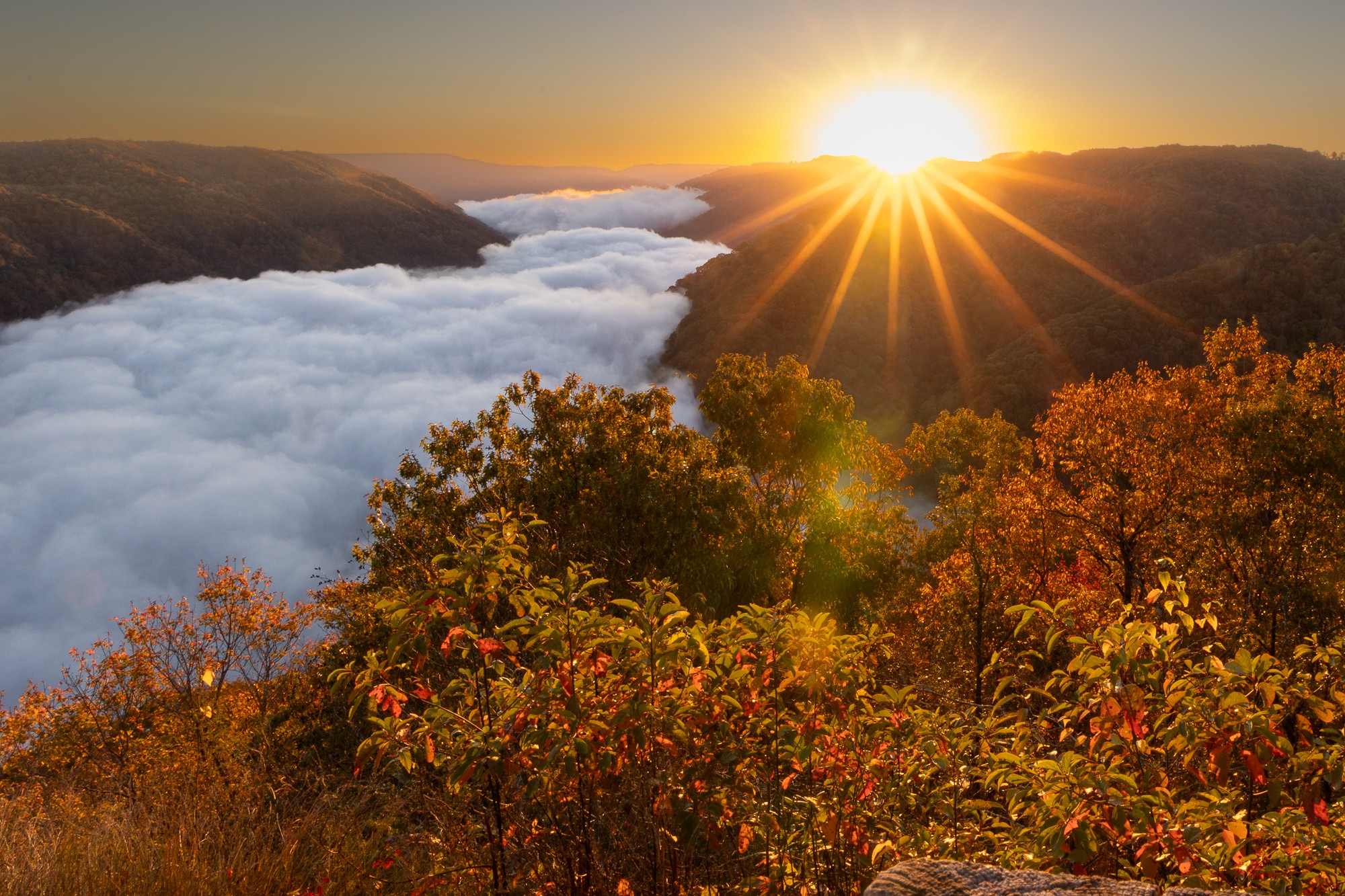
My love for landscape and nature photography truly took shape in graduate school in Ithaca, New York. The waterfalls, gorges, and dramatic scenery were everywhere, and I found myself escaping whenever I could to photograph them. That was the first time I realized I wasn’t just taking pictures, I was being pulled toward the natural world specifically, and toward the feeling of being outside with a camera, chasing light and atmosphere.
Like a lot of people, life shifted. After I got married and had two children, photography took a back seat for several years. I still loved it, but my time and energy were focused on raising my family.
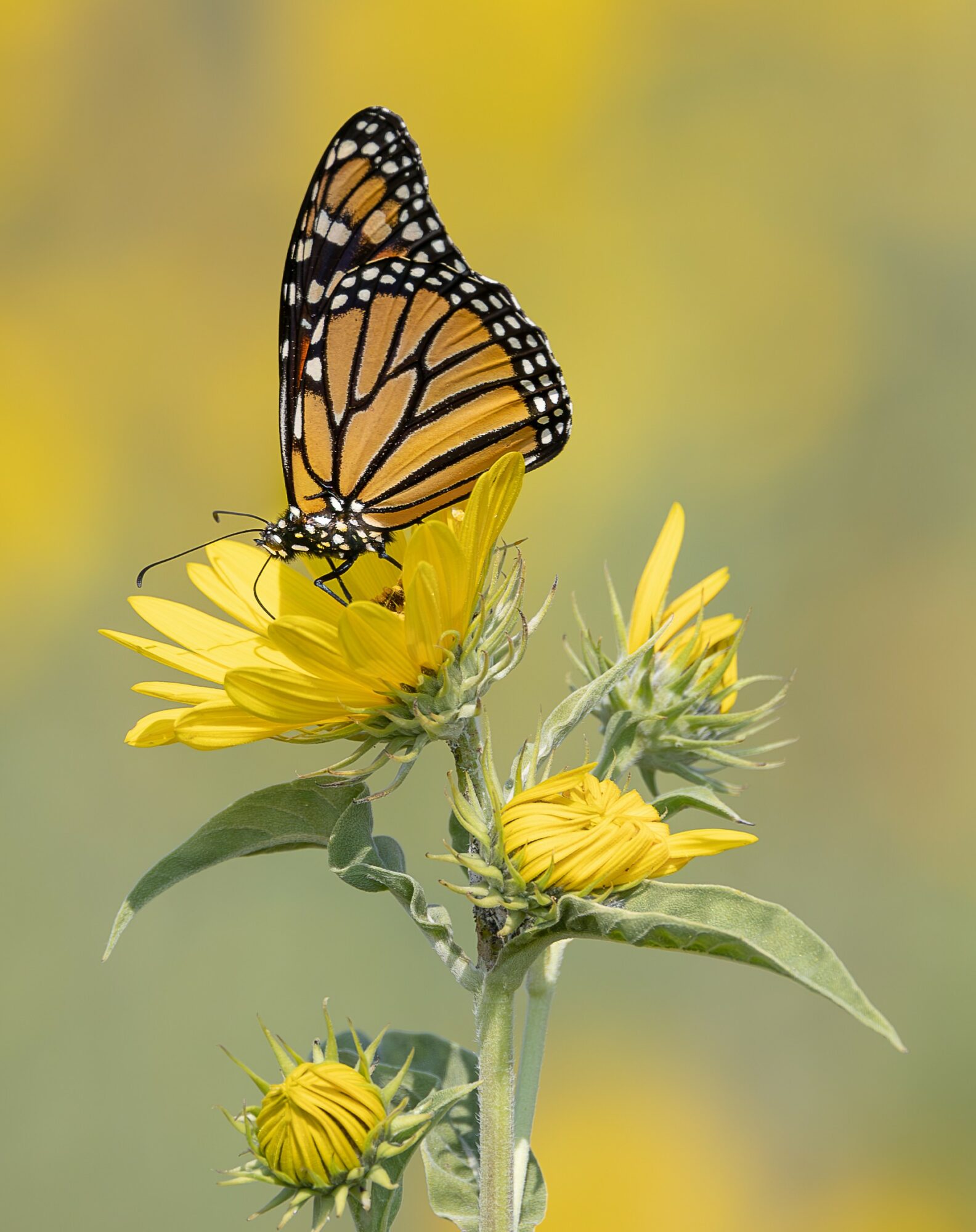
Everything reignited in 2021 when I attended a Crested Butte Wildflower Photography Workshop. That trip brought me back to what I had missed; the creativity, the quiet focus, and the excitement of learning and seeing differently. From that point on, I haven’t stopped. I’ve built my own website, I plan at least two photography trips a year, and I’m constantly refining my craft.
Now that both of my kids are in college, I have the time and space to devote myself to photography in a deeper way. It feels like coming full circle and returning to something I’ve always loved, but with more intention, more experience, and a lot more gratitude.
We all face challenges, but looking back would you describe it as a relatively smooth road?
Overall, it’s been a pretty smooth road with one intentional pause when I stepped back from photography to raise my family. I wouldn’t change that decision for anything. If anything, it gave me a deeper appreciation for returning to photography later with more purpose and gratitude.
The biggest challenge for me has been the technical side of the craft. I’ve always had the eye and the passion, but truly understanding the camera , the settings, the “why” behind the results, and how to respond quickly in changing light has been an ongoing learning curve. I’m still a student in that way, and I’ve learned to embrace it.
Another challenge is balancing photography with being present with the people I’m with. I’m the person who wants to stop for “just one photo,” and suddenly it turns into thirty minutes. When you’re traveling with friends or family, it can be hard to slow the group down every time something catches your eye. That’s why I’ve learned to separate the two. Sometimes I’ll do dedicated photography trips and workshops where I can fully focus, and then plan other travel where my priority is simply being with the people I love. Even then, I’ll admit… it’s hard not to want to pull out the camera.
Can you tell our readers more about what you do and what you think sets you apart from others?
My professional path has always centered on people, understanding what motivates them, how they grow, and how they find work that fits. I studied Psychology as an undergraduate, and that interest in human behavior naturally led me to earn a master’s degree in Industrial and Labor Relations, which is essentially the people-focused side of Human Resources.
After graduate school, I built a 20-year career in Human Resources. Over time, I realized I was much more drawn to the human side of the work than the technical side and less about compliance, compensation, or benefits, and more about coaching, development, and helping people navigate their careers. I found myself spending a lot of time supporting employees through career decisions, leadership growth, and professional transitions, and I loved that part of the role.
When my kids were very young, I made the decision to step away from full-time work. During that season, I became a certified career coach and opened my own practice. It was the perfect blend of meaningful work and the flexibility I needed for my family. It also confirmed for me how much I enjoy helping others gain clarity and confidence in their career direction.
Later, I returned to Human Resources, bringing that coaching perspective with me. And today, I’ve come full circle by opening another career coaching business, which I continue to run. In many ways, my career and my photography are connected. Both are about paying attention, seeing potential, and helping bring something into focus.
Is there any advice you’d like to share with our readers who might just be starting out?
My biggest advice is to give yourself permission to experiment. Don’t wait until you “know enough” to start taking photos . You learn so much by shooting, trying things, and making mistakes. Some of the best progress I made came from trial and error and paying attention to what worked, what didn’t, and why.
I’d also encourage new photographers to invest early in learning the mechanics of the camera. The technical side isn’t always intuitive, and understanding exposure, focus, and how your settings work together is what gives you control. When you know your camera well, you can actually create the image you intend to make, instead of hoping the camera figures it out for you.
If I could go back, I probably would have taken more structured instruction sooner, even something as simple as a solid fundamentals class, or a workshop where someone really breaks down the basics. One of the hardest things is being out in a beautiful place, seeing an incredible scene in front of you, and then losing time (and sometimes the moment) because you’re still thinking through the settings. The goal is for the technical pieces to become second nature, so your attention can shift to the creative side of composition, light, mood, and storytelling.
Finally, I’d recommend finding a mentor or community. Landscape and nature photography can be surprisingly lonely, and it helps so much to have someone you can learn from, ask questions, and share your work with. Having that support not only accelerates your growth, it also keeps the process more fun and connected.
Contact Info:
- Website: https://www.michelleleslyephotography.com/
- Instagram: https://www.instagram.com/michelleleslyephotography/
- Facebook: https://facebook.com/michelleleslyephotography
- LinkedIn: https://linkedin.com/in/michellepinsky
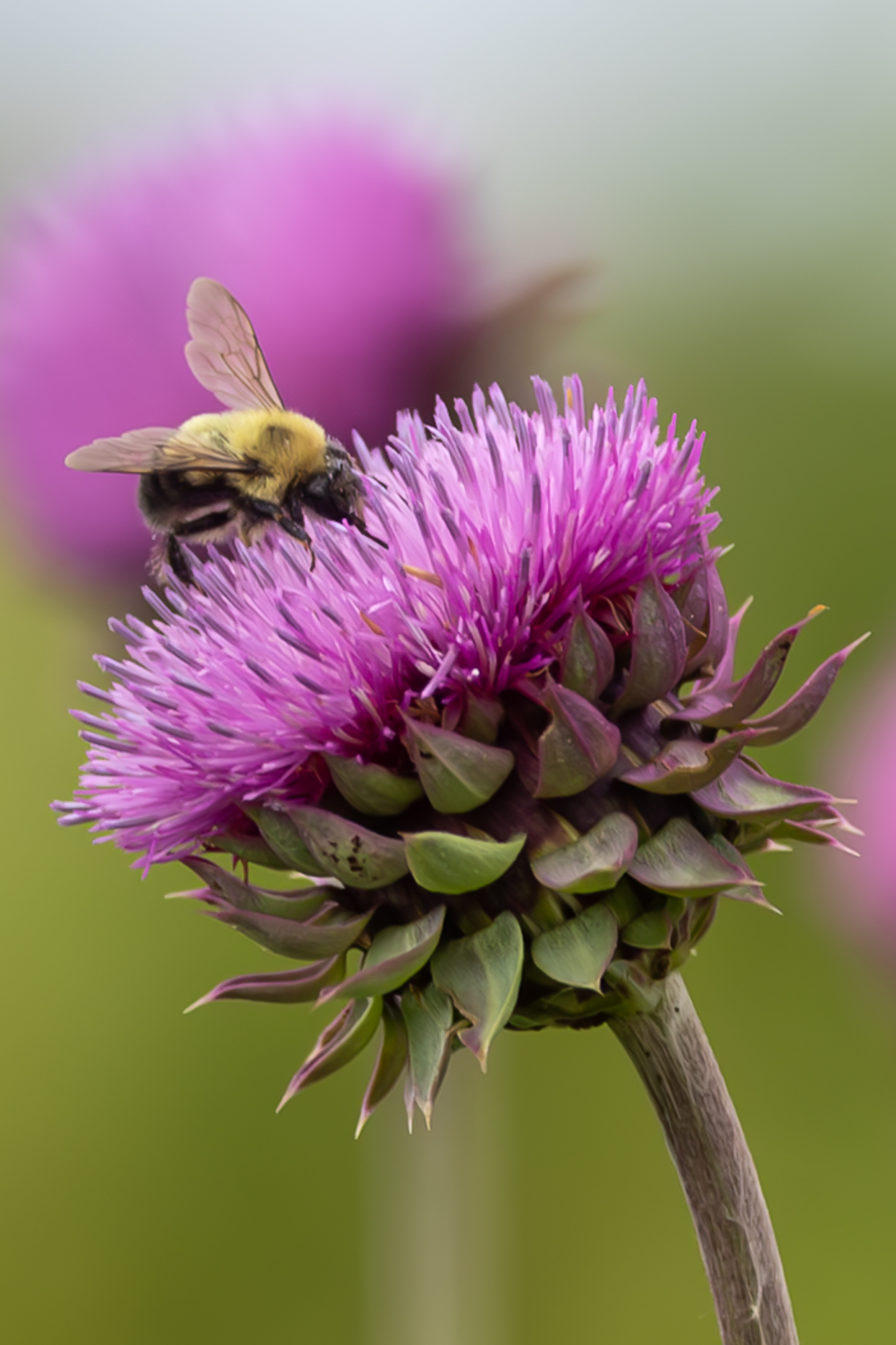
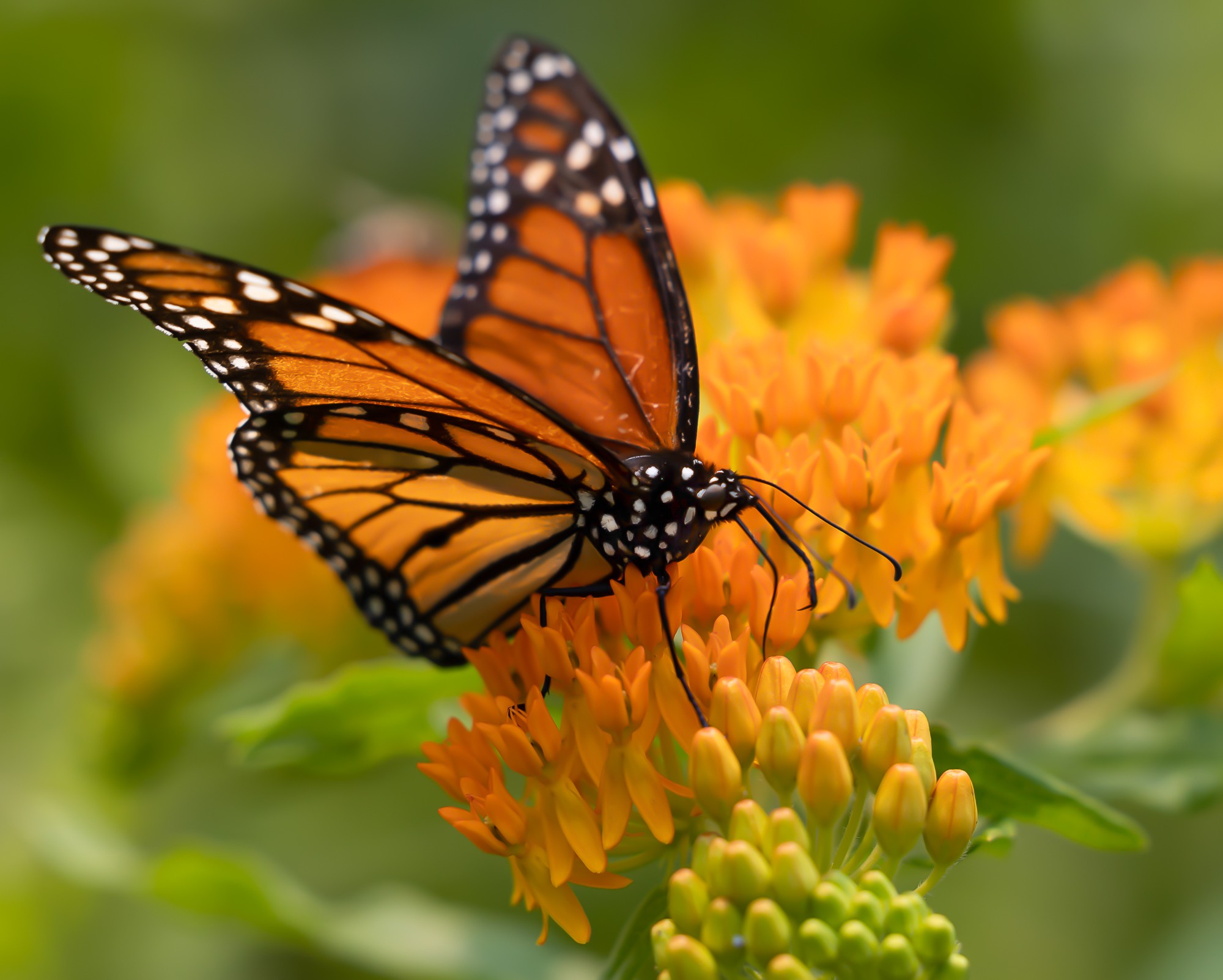
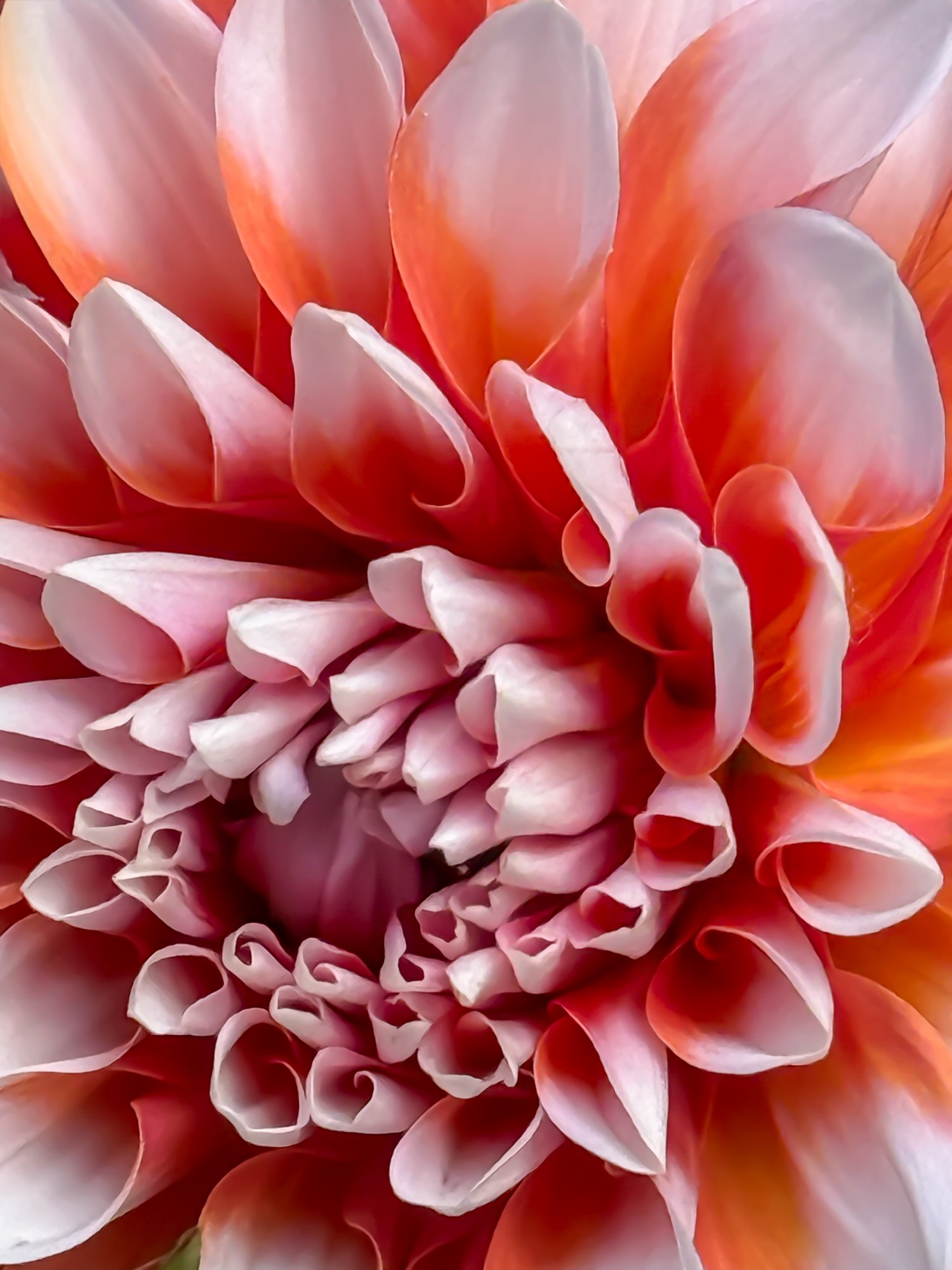
Popular
-

The Change-Makers: stories that inspire
-

Take Flight: Lamar Thomas on Building an Inclusive Brand Rooted in Youth, Community, and Purpose
-

Cultivating Inner Clarity: Angel Inspires on Thought, Healing, and Purpose
-

Local Highlighter Series
-

Highlighting Local Gems
-

Hidden Gems: Local Businesses & Creatives You Should Know