




Today we’d like to introduce you to Michelle DeBellis.
Hi Michelle, so excited to have you on the platform. So before we get into questions about your work-life, maybe you can bring our readers up to speed on your story and how you got to where you are today?
I got my undergraduate degree in fine art. As I worked in the arts, I realized that was not a sustainable career choice and that I wanted to do something more connected with people. At the time I was volunteering at an afterschool organization and it was my favorite part of my week. So I thought that choosing a career that allowed me to talk and connect with people made sense. I really had no idea how much I would love being a therapist and how interesting I would find the work. As I have moved through my career, I am grateful time and time again for getting to do a job that allows me to be fully myself and connects so many things I love.
In terms of starting Dandelion Counseling & Wellness. I had worked in several community agencies and in the collegiate setting. And I was particularly frustrated by the lack of support and training that my colleagues and I received. I wanted to create a place where clinicians could figure out who they were clinically, as well as receive the support necessary to stay in this job long term. I wanted to create a place where people could be well and be a therapist.
We all face challenges, but looking back would you describe it as a relatively smooth road?
It certainly has not been a smooth road. Mental Health Counseling is a high-burnout field. It’s hard to feel like there is always more you could do and should do. Especially while struggling with the financial realities of therapeutic work. I have had a lot of support from dear friends and great therapists who have helped me figure out how to take care of myself in this work.
There is one particular period of time that comes to mind during which I was struggling personally. It was hard to get up in the morning and go to work. And incredibly difficult to focus through a long day of seeing clients. I was exhausted and overwhelmed all the time. And my clients were in front of me talking about their own truama and overwhelm. During that time, it was hard to feel like I was giving my clients what they deserved. I wanted to show up and be a good therapist. And there were times that I would sit and cry between sessions. Looking back now, I have so much deep gratitude towards the clients who have and who currently work with me. I was and am continually inspired by the work they all do.
Thanks – so what else should our readers know about your work and what you’re currently focused on?
I am a mental health therapist. A close friend and I run a small private practice in Clintonville.
I specialize in working with queer folks who are artists/designers and have experienced multiple traumas throughout their lifetime. I have specialized training in two trauma-focused modalities. One is Eye Movement Desensitization and Reprocessing (EMDR) and Internal Family Systems Therapy (IFS). I am drawn to integrative practice that leaves room for clients to find their own internal sources of wisdom and healing. I love EMDR and IFS because they are deeply creative in how they allow clients to develop a trusting and compassionate relationship to themselves and their experiences.
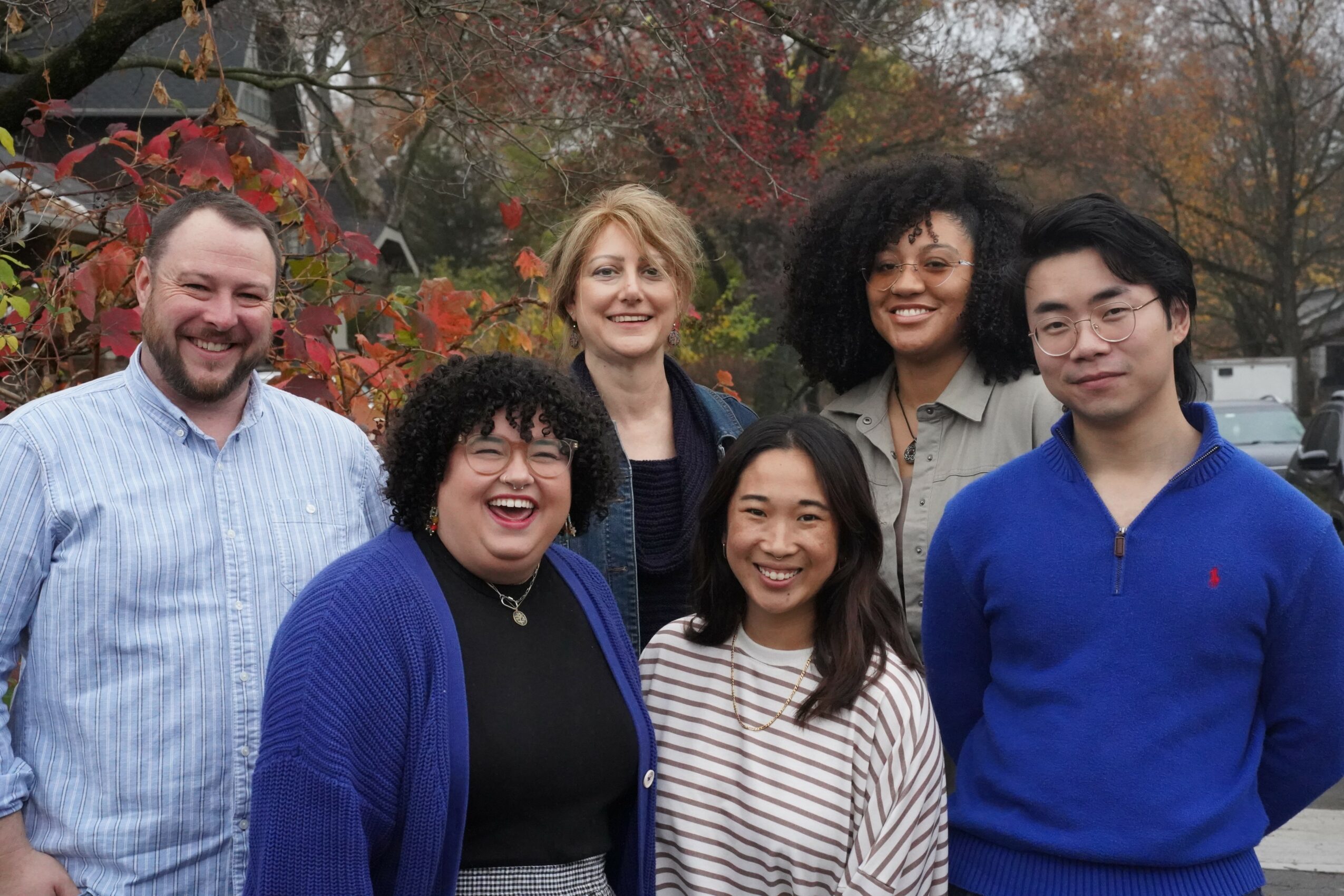
Dandelion Counseling & Wellness (my practice) has no specific focus. But we in general, work with a lot of neurodivergent and queer folks across the practice. We care about having space for all kinds of folks with a variety of needs. The one thing that is a throughline in all of the clinicians in our practice is that they are folks who care deeply about being present with clients and who care about showing up authentically in the therapeutic space.
I am most proud of the space we have created at Dandelion for clinicians to find themselves. It has been incredibly cool and an hour to watch clincians become more at home in themselves and more confident in the work they do.
Where do you see things going in the next 5-10 years?
As AI is on the rise I think there will be some competition for lower-cost services that are AI-powered. I also do not think that AI can replace the experience of being in the room with another person who genuinely cares about you. We will see what the future holds as we figure out how to mesh with evolving technology!
Pricing:
- Therapy sessions at Dandelion start at $14o for an intake session and then $130 for every session after that. We do have sliding scale options and take insurance. So the final cost will largely be dependent on folks insurance.
Contact Info:
- Website: https://www.dandelioncw.com/

Popular
-

The Change-Makers: stories that inspire
-

Take Flight: Lamar Thomas on Building an Inclusive Brand Rooted in Youth, Community, and Purpose
-

Cultivating Inner Clarity: Angel Inspires on Thought, Healing, and Purpose
-

Local Highlighter Series
-

Highlighting Local Gems
-

Hidden Gems: Local Businesses & Creatives You Should Know