



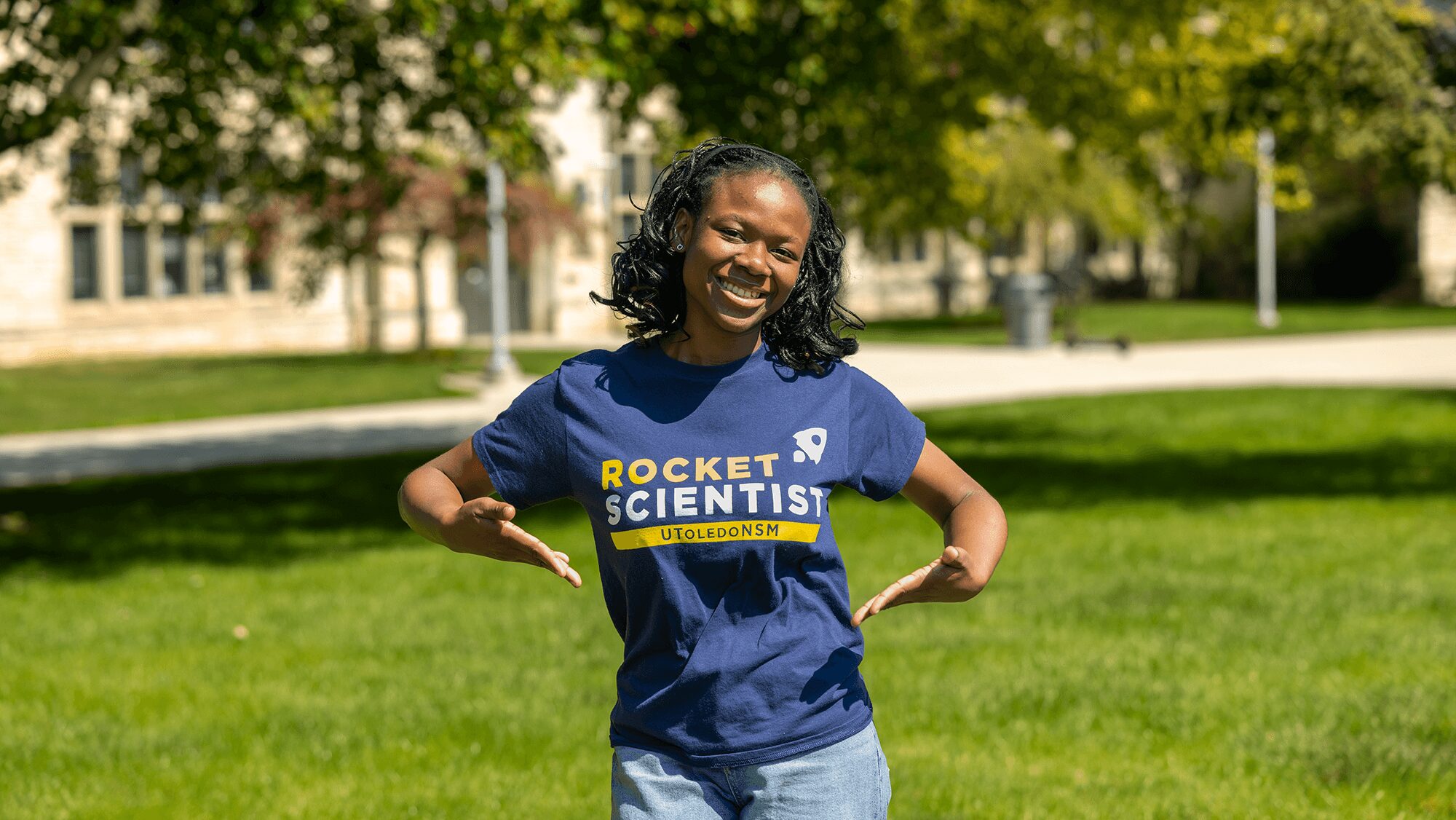
Today we’d like to introduce you to Favour Ohaezu.
Hi Favour, so excited to have you with us today. What can you tell us about your story?
I am Favour Ohaezu, now a lab manager at the University of Michigan. How did I get here? From a little girl drawn to health and research, to an R1 university graduate, to working in one of the top research institutions in the United States.
Growing up in a small town in Lagos, Nigeria, we had no access to specialists or research to explain illnesses. Seeing this shaped my curiosity about science. I knew I wanted to work at the intersection of patient care, research, and innovative treatments to improve health outcomes. Opportunities like this were limited in Nigeria, so I decided to study in the United States where research is more accessible.
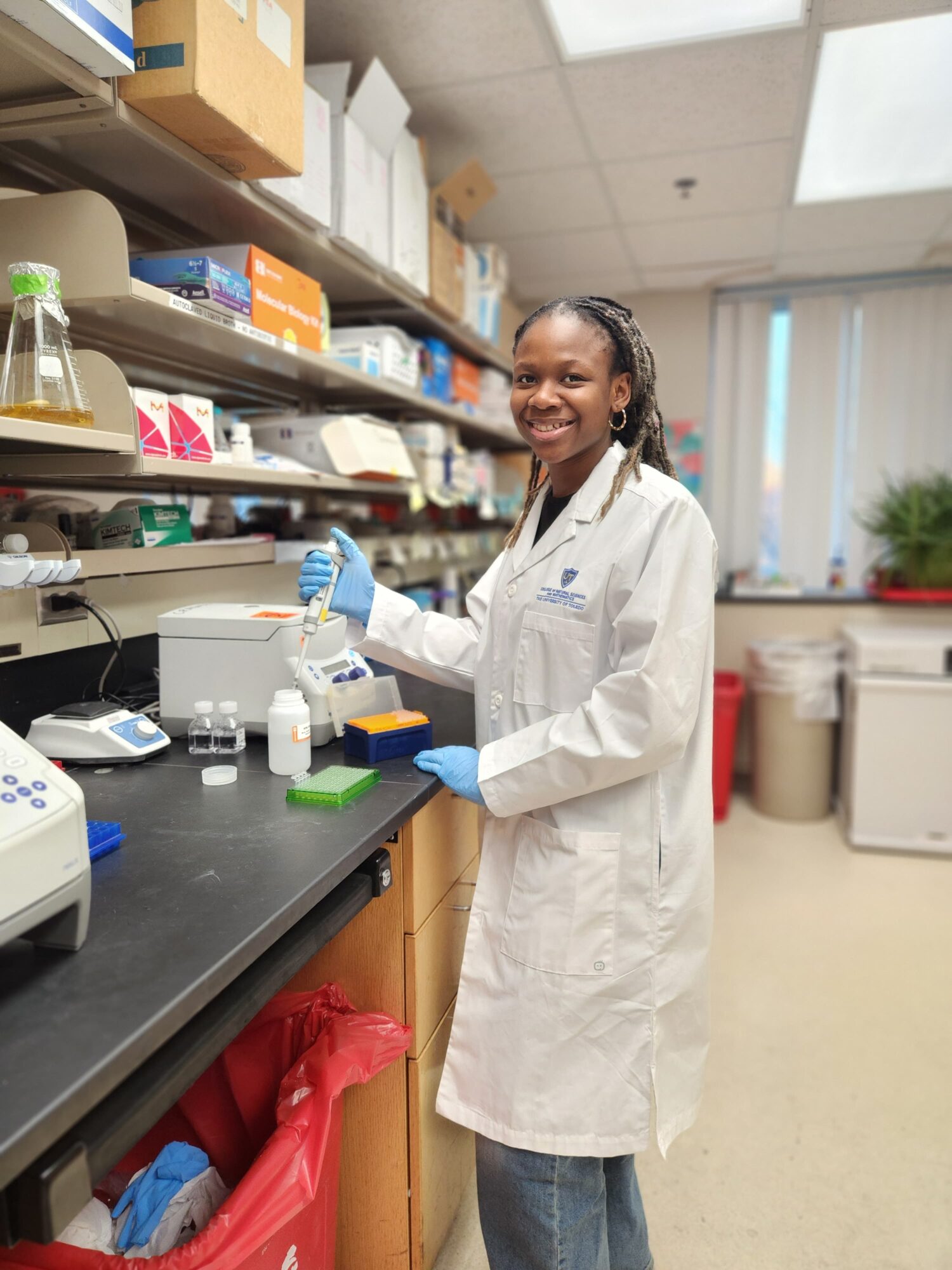
My undergraduate research was in the molecular biology lab at the University of Toledo under Dr. Crawley, where I was awarded a $1,500 grant to investigate how specific DFNA11 mutations affect Myo7A function, leading to autosomal dominant hearing loss. This work led to a publication titled “Select Autosomal Dominant DFNA11 Deafness Mutations Activate Myo7A in Epithelial Cells” in the Journal of Cell Science, where I am a co-author. My research contributes to the future of precision medicine by helping identify defective genes involved in hearing loss so treatments can be tailored to individuals.
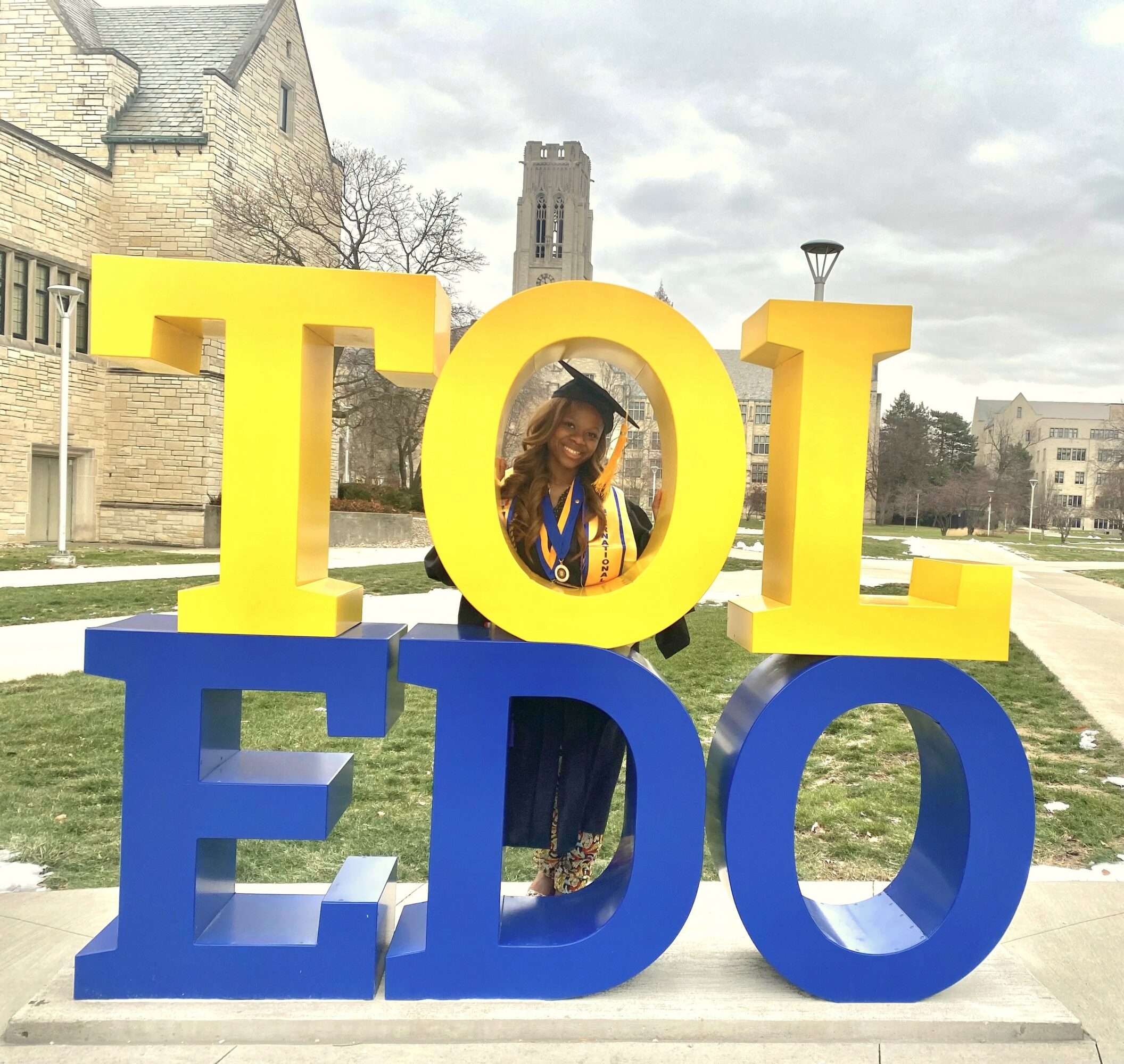
My mom always told me that anything worth doing is worth doing well. That shaped how I approached research, academics, and leadership. I pursued every opportunity with intention and discipline, which contributed to earning a place on the President’s List five times and graduating in the top 5% of my class with summa cum laude honors. I received nearly 20 awards, including the highly selective and prestigious Phi Kappa Phi Pioneer Award, given to only 50 undergraduate scholars in the nation. This award recognizes students who demonstrate excellence in research, leadership, and engagement, and are selected from the top 7.5% of juniors inducted into Phi Kappa Phi.
Being resourceful became a core part of my journey. Moving from Nigeria to the United States at 17 meant learning how to adapt quickly, seek mentors, and build my own support system. I pushed myself to present my research at symposiums and conferences so my work could be seen and challenged. I see myself as both a researcher and a science communicator, and I take pride in making complex scientific ideas accessible to others.
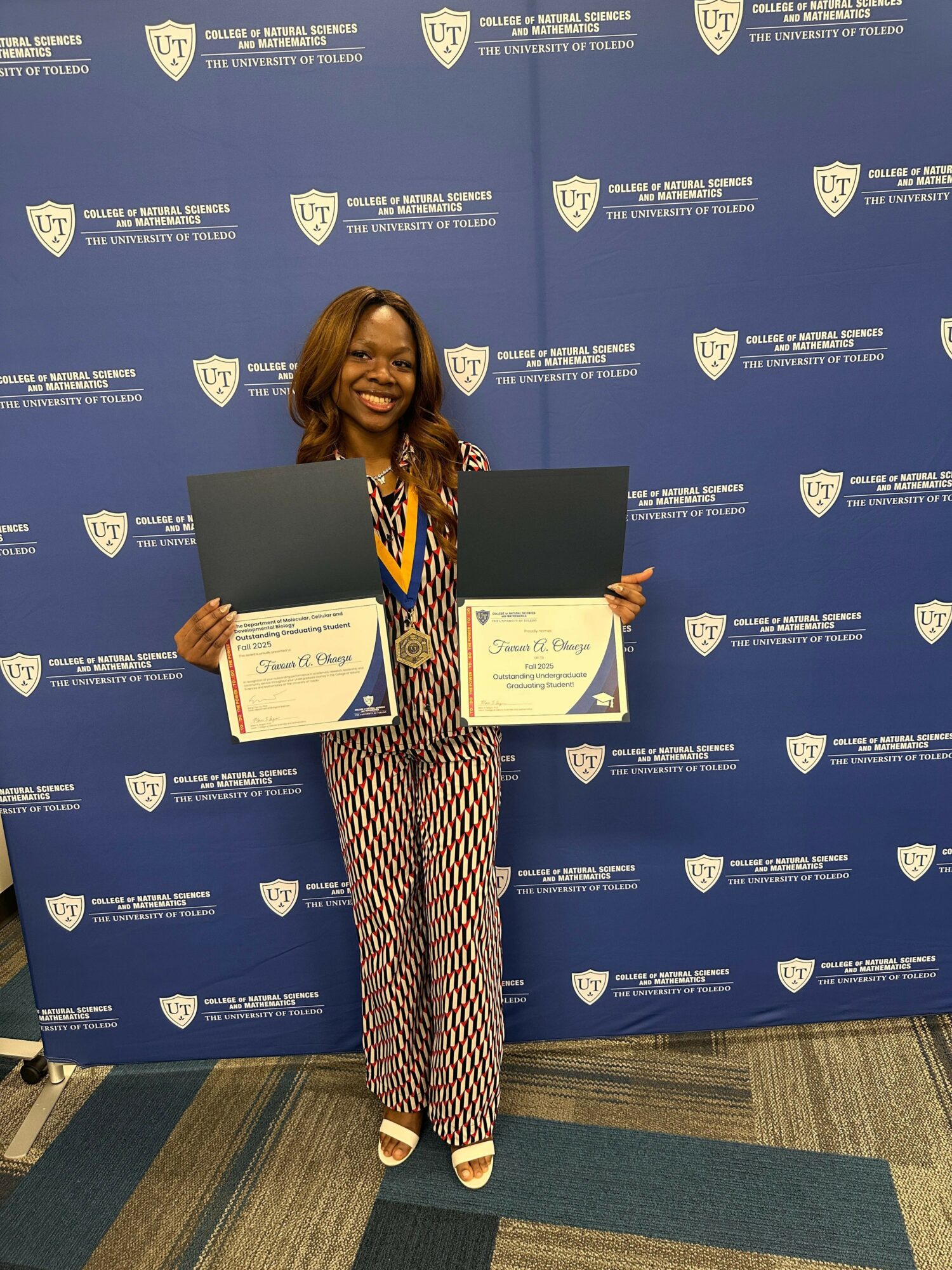
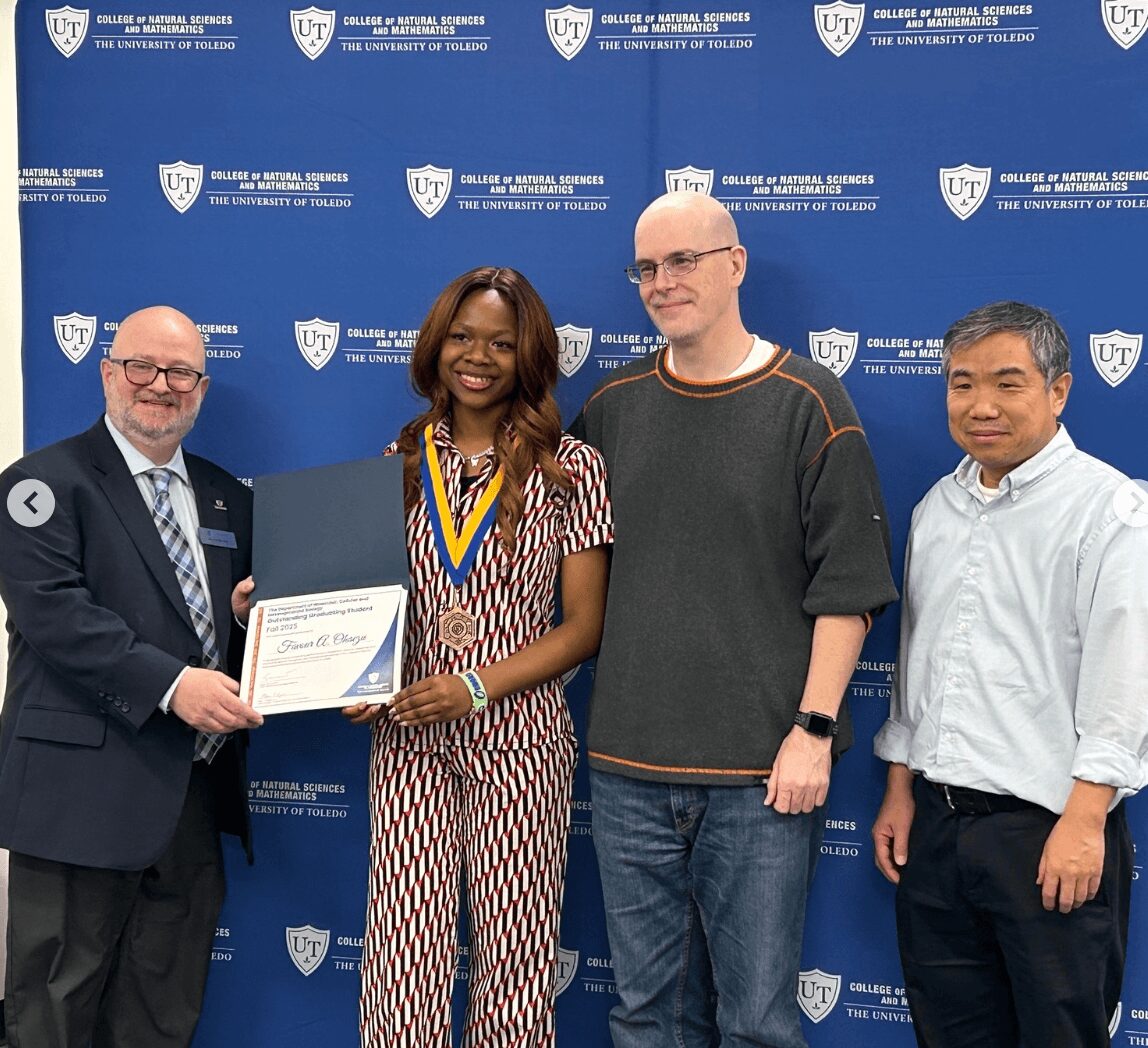
I graduated a semester early at 20 as the Outstanding Graduating Student in both the College of Natural Sciences and Mathematics and the Department of Molecular, Cellular and Developmental Biology, recognized for my research , academic excellence, leadership, and mentorship contributions.
That foundation led me to where I am now, working as a lab manager at the University of Michigan, where I continue to build on the same discipline, curiosity, and commitment to translating research into meaningful scientific and clinical impact.
Alright, so let’s dig a little deeper into the story – has it been an easy path overall and if not, what were the challenges you’ve had to overcome?
A smooth road would be awesome, but research rarely works that way. One of the biggest challenges I faced was navigating uncertainty. Unlike structured coursework, research does not always provide clear answers, and many of my initial approaches did not work as expected. I had to learn how to sit with that uncertainty and adjust my methods rather than see it as failure.
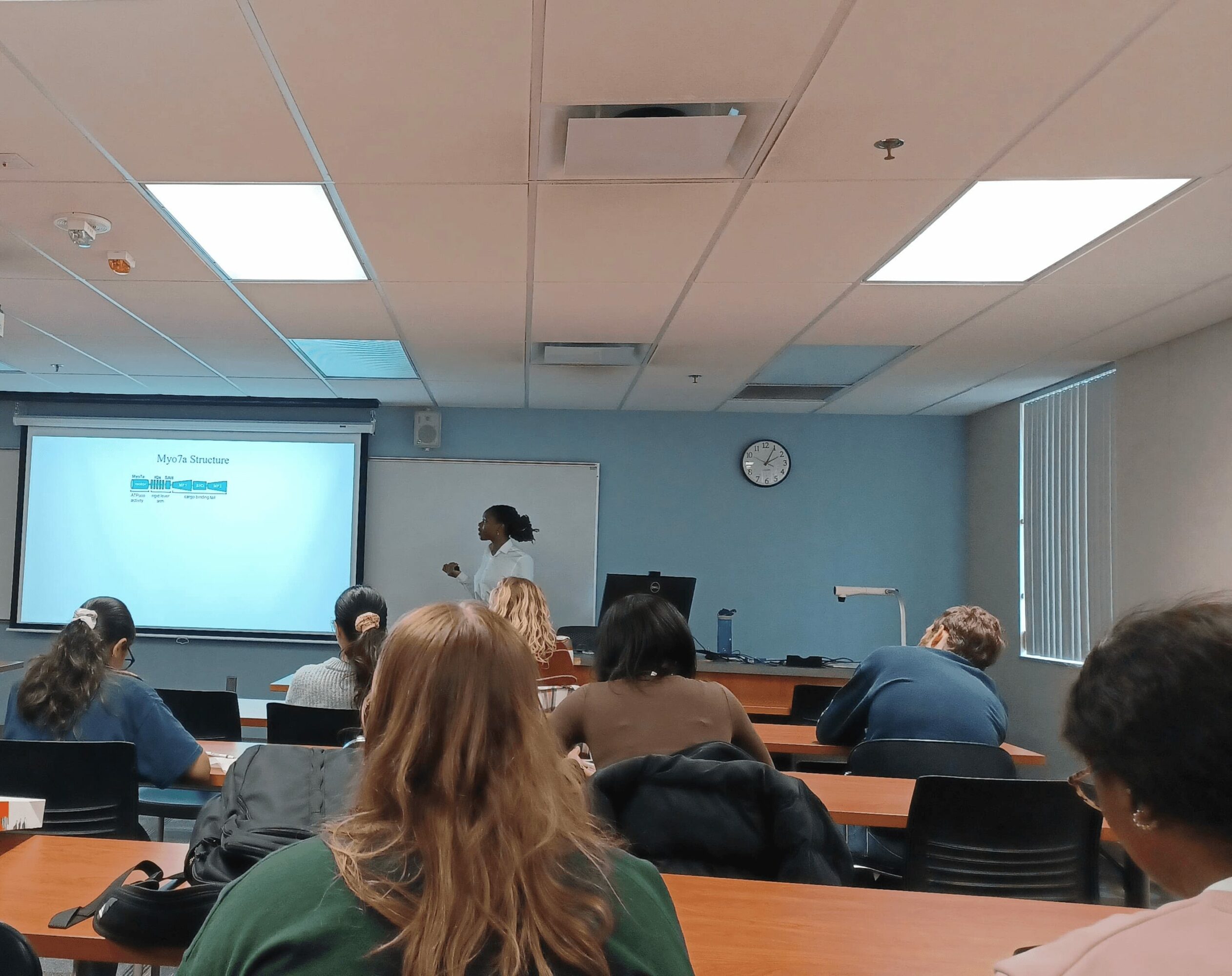
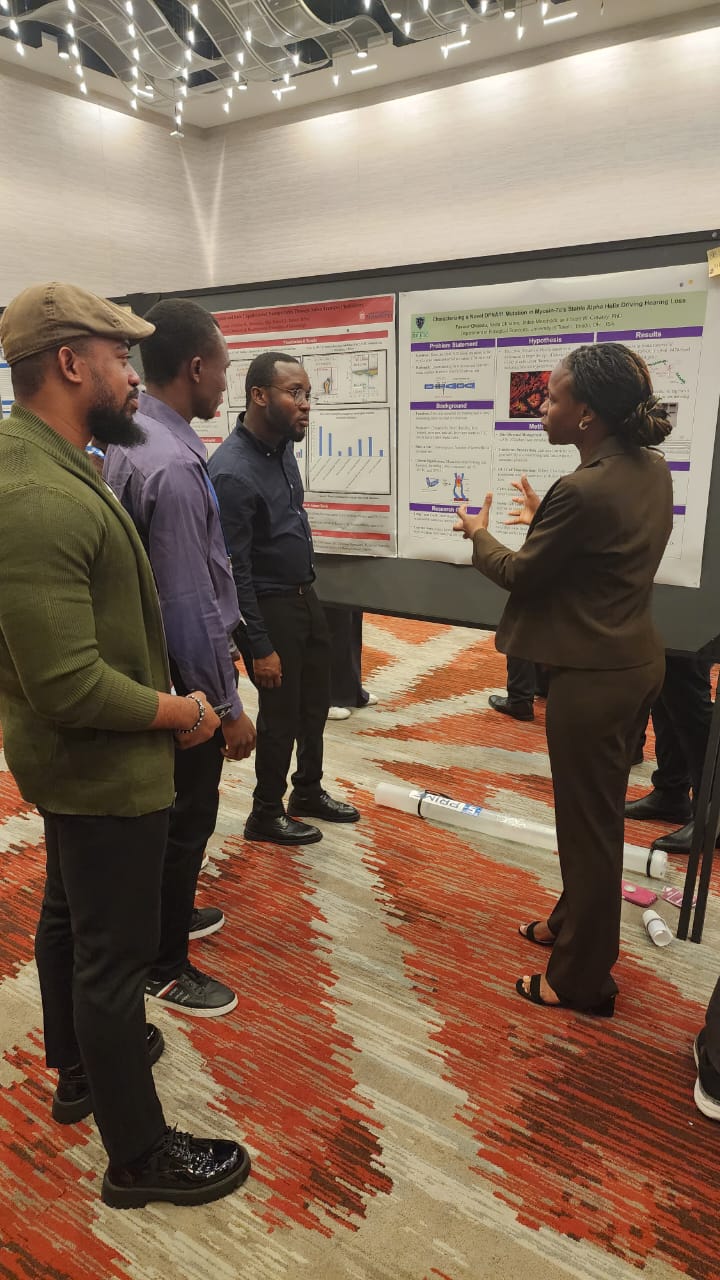
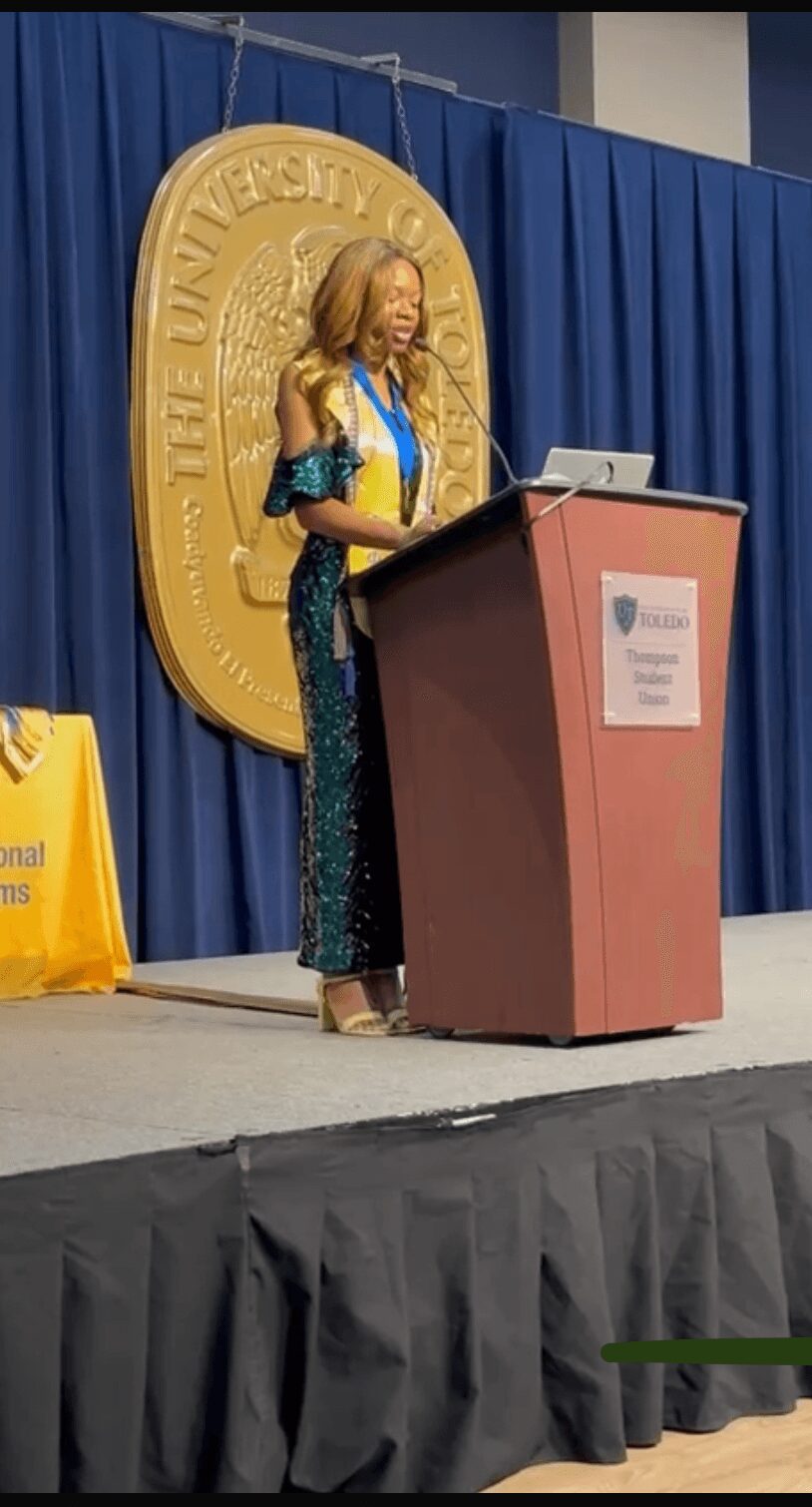
Another challenge was building the confidence to present my research as a stutterer. I am a stutterer, and for a long time I was afraid of public speaking because of bullying I experienced in high school. I carried that fear into college, but it did not last long. I realized the only way to overcome my fear of speaking was to do the very thing I was afraid of, speak. One of my most defining research experiences was presenting at the National Organization for the Professional Advancement of Black Chemists and Chemical Engineers National Conference in Atlanta, where I received the Advancing Science Conference Grant Tier 1, a selective grant awarded to scholars to present at the national level. I presented my research on how a specific mutation in the MYO7A protein was aberrantly mislocalized, contributing to autosomal dominant deafness, highlighting its implications for precision medicine and therapeutic outcomes for patients with genetic hearing loss. During the presentation, I answered questions from scientists and spoke with an individual whose son had hearing loss. Hearing his perspective and seeing how research like mine could connect to his son’s future stayed with me and pushed me to keep going.
I also presented my work multiple times, including at the University of Toledo Natural Sciences and Mathematics Undergraduate Research Symposium, where I shared my findings with students and faculty. Through these presentations, I learned to translate complex scientific ideas into clear, accessible communication that remained technically accurate and impactful.
Alongside research, I intentionally put myself in roles that required speaking. I served as a host for events including the Nigerian Association for Greater Toledo Independence event with over 200 guests. I mentored at risk elementary students for over two years, teaching leadership and communication skills. I also presented on how to maximize school resources including research as a peer mentor in my NSM 1000 freshman orientation class. As Vice President of the University of Toledo’s American Lung Cancer Screening Initiative, I strengthened my advocacy skills by promoting early lung screening for individuals in Toledo. I also led a team of six in organizing the American Lung Cancer Screening Initiative (ALCSI) annual Lung Cancer Wellness Walk to promote health literacy and encourage early detection of lung cancer.
Now, I am a lab manager and technician in the AER brain and behavior research lab at the University of Michigan. I continue to apply the same discipline and communication skills I developed through research. Research did not just teach me how to work in a lab, it taught me how to communicate science with clarity and confidence.
Can you tell our readers more about what you do and what you think sets you apart from others?
I am most focused on research that bridges discovery with solutions to some of the world’s most pressing human health challenges. It is an honor to contribute to work that addresses real-world impact at this scale. I am currently working in the AER brain and behavior research lab as a lab manager and technician at the University of Michigan.
In my undergraduate research, my work centered on understanding the mechanisms behind autosomal dominant hearing loss. According to the U.S. Census, more than 50 million Americans experience some degree of hearing loss, which underscores the urgency and importance of continued research in this field. I worked in a molecular biology lab at the University of Toledo under Dr. Crawley and was awarded an Academic Year Research Fellowship, a $1,500 grant to investigate how specific DFNA11 mutations affect Myo7A function, leading to autosomal dominant hearing loss.
My honors thesis, which I defended before faculty, staff, and fellow students, titled “Assessing the impact of a novel autosomal dominant DFNA11 deafness variant in the Myo7A stable alpha helix,” focused on a specific mutation in the Myo7A protein. We found that this variant targets the tip of the microvilli, which may help explain why a single mutated allele can be sufficient to cause autosomal dominant hearing loss, whereas typically two copies are required to cause disease. These findings have important implications for understanding disease mechanisms and may inform future therapeutic development and targeted drug discovery. Through this work, I gained hands-on experience with advanced molecular and cellular biology techniques, including site-directed mutagenesis, lentiviral delivery, polymerase chain reaction, agarose gel electrophoresis, and cell culture. I am also a co-author on “Select Autosomal Dominant DFNA11 Deafness Mutations Activate Myo7A in Epithelial Cells,” published in the Journal of Cell Science.
Alongside my research, I am also deeply engaged in scientific leadership. I am involved in the National Organization for the Professional Advancement of Black Chemists and Chemical Engineers, and I serve as an abstract reviewer for the 2026 Midwest Conference. In this role, I evaluate submitted research abstracts, assess scientific quality and relevance, and help determine which projects are selected for oral and poster presentations. This process directly shapes which research is highlighted at the conference and ensures that strong scientific work is accurately represented and shared with the broader community.
I also serve as a judge for scientific competitions, including the Ohio Academy of Science Regional Science Day, State Science Day, and the Buckeye Science and Engineering Fair. In these roles, I use my expertise and knowledge to evaluate student research projects and support emerging scientists as they develop and communicate their work.
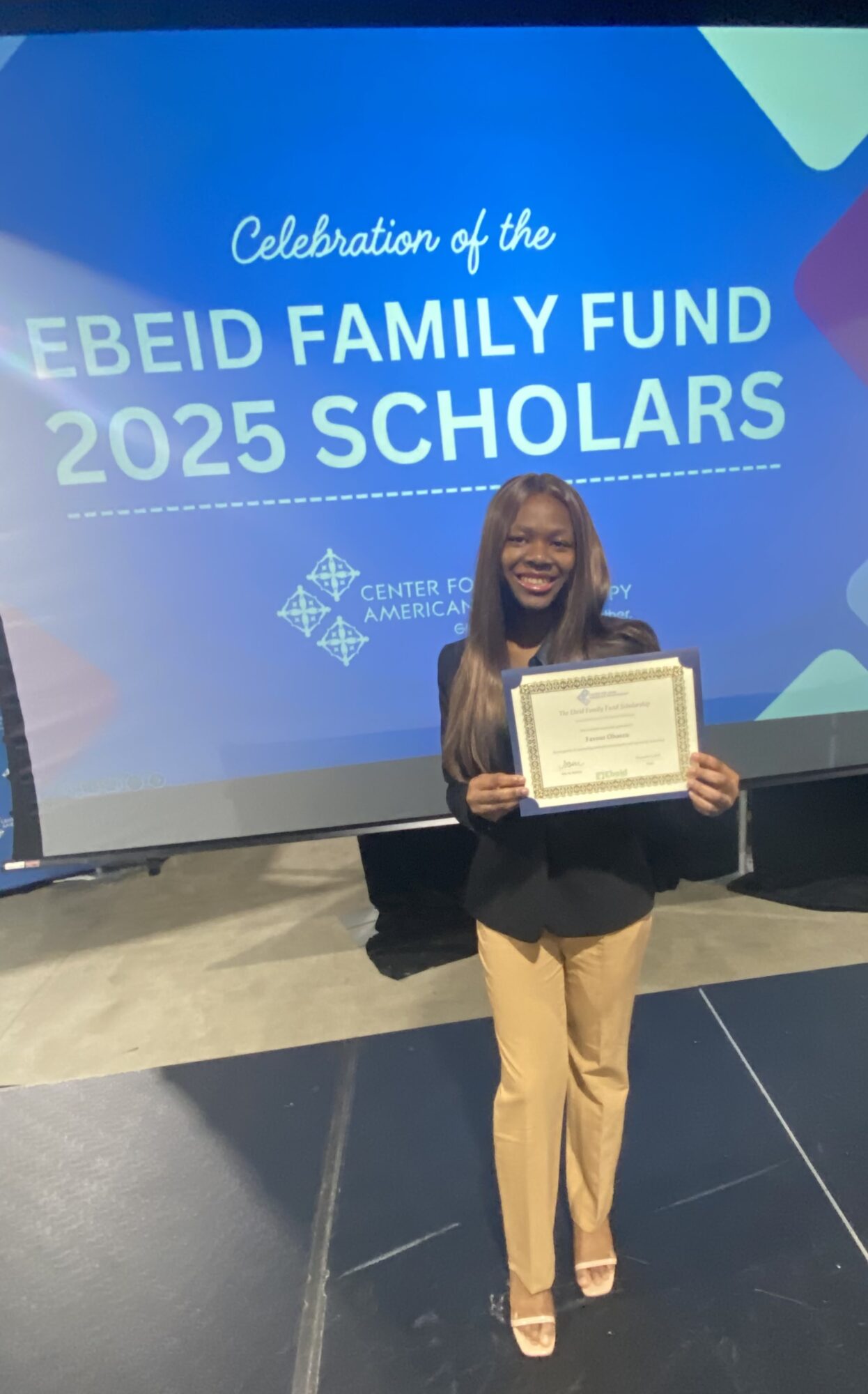
I have been honored with the Phi Kappa Phi Award of Excellence, as well as the Ebeid STEM Scholarship for becoming a scholar in society. From conducting research to presenting at conferences, contributing to publications, reviewing scientific work, and supporting emerging scientists, I actively contribute to how research is communicated and developed while continuing to grow as a researcher and leader.
Do you have any advice for those looking to network or find a mentor?
For mentoring, I would say the most important thing is to build real relationships with your professors early. If you are a student, go to their office hours after class, speak with them, and ask specific questions about the material, their research, or your interests. I would always walk into my professor’s office if I had any questions or just wanted to talk. That consistent presence helps you move from just being a name in a lecture hall to someone they recognize and can guide. Most professors are not distant because they do not want to help, but because students often do not initiate those conversations. Once you do, they are usually very willing to support you academically and professionally.
For networking, put yourself in environments where people in your field already are. Go to conferences, seminars, and research events where you can meet professors from other schools, industry professionals, and students working on similar projects. The value is not only in who you meet, but in what you learn from seeing how others approach the same problems from different perspectives. That exposure changes how you think about your own work and helps you see opportunities you would not see in a classroom alone.
When you are in those spaces, also do not wait for someone to approach you. Be willing to be the first to say hello or introduce yourself. A simple conversation starter can turn into a meaningful connection if you ask about their work and listen actively.
I have also found that leadership roles naturally create mentorship opportunities. When you take on responsibility in organizations or review panels, you are placed around people who can guide you, but you also learn by doing, which makes the mentorship more practical and ongoing rather than formal.
Contact Info:
- Website: https://sites.google.com/view/favour-ohaezu/
- Instagram: https://www.instagram.com/thefavoured__/
- LinkedIn: http://www.linkedin.com/in/favour-ohaezu
Popular
-

Hidden Gems: Local Businesses & Creatives You Should Know
-

The Change-Makers: stories that inspire
-

Take Flight: Lamar Thomas on Building an Inclusive Brand Rooted in Youth, Community, and Purpose
-

Cultivating Inner Clarity: Angel Inspires on Thought, Healing, and Purpose
-
Local Highlighter Series
-

Highlighting Local Gems