



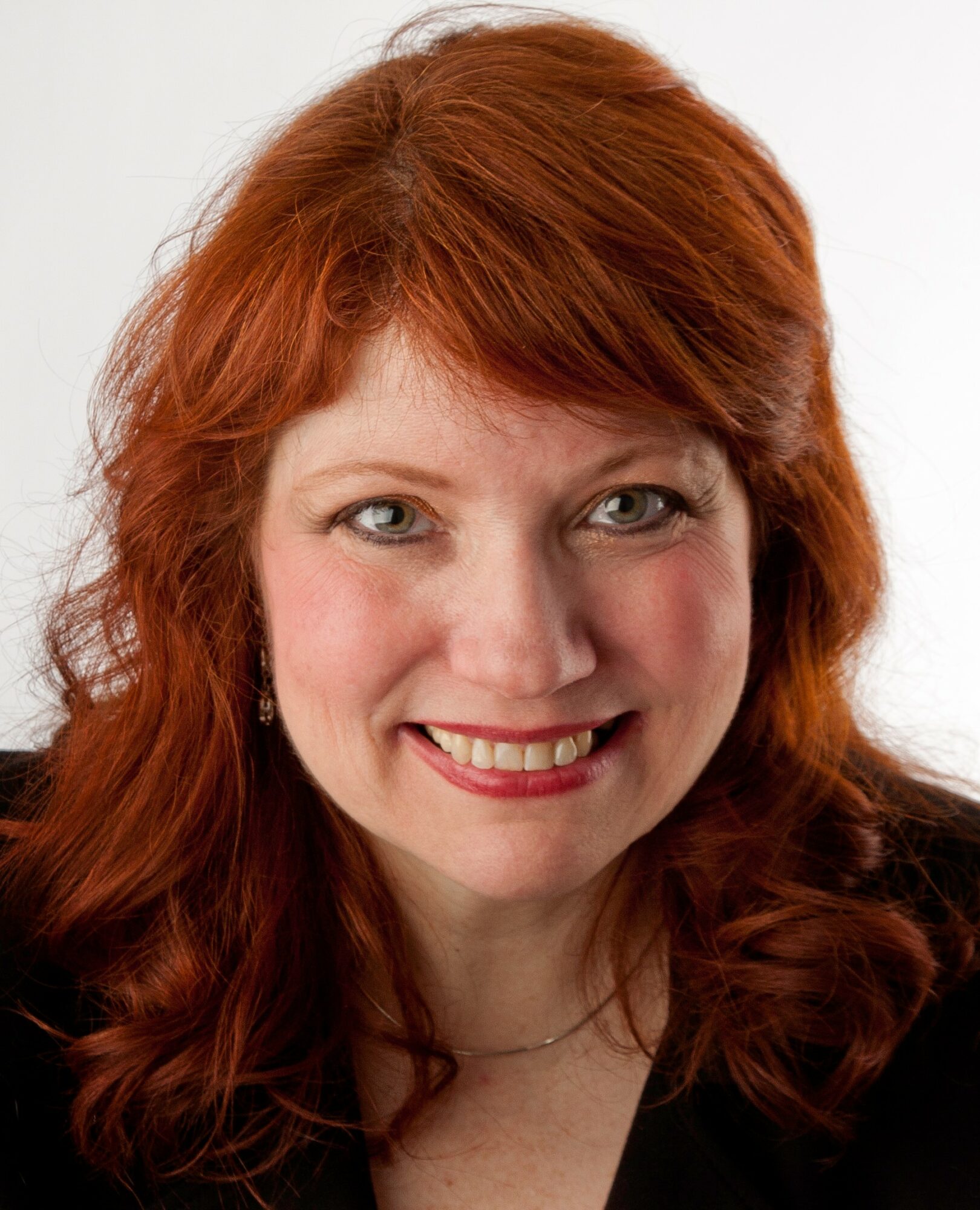
Today we’d like to introduce you to Amy Drake
Hi Amy, can you start by introducing yourself? We’d love to learn more about how you got to where you are today?
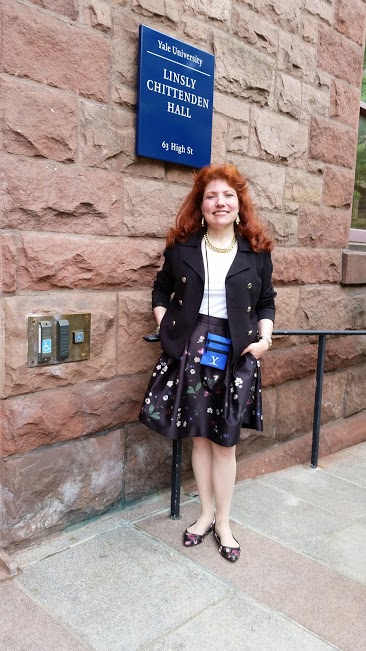
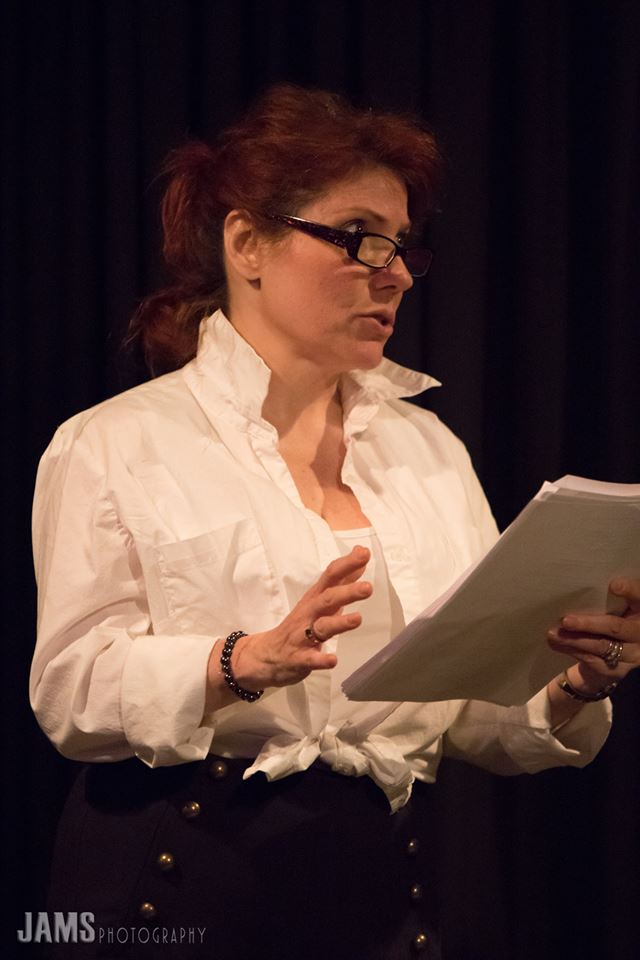
Like most children, I was fascinated by storytelling and wrote my first play when I was five years old. Actually, it was more of a cartoon. I showed it to my teacher who had me perform it for my class. Many years later, after a long corporate career, my husband, Dr. Miles Drake, and I spent a long theater weekend in New York City. I was inspired to write a play and stayed up all night working on it. I entered it in New York’s Strawberry Theatre Festival, and it was accepted. That was the start of my career in theater. After that festival, I became serious about learning my craft and studied creative writing and playwriting in the Yale Writers’ Workshop, The Kenyon (College) Summer Intensive in Playwriting, and the Kennedy Center Playwrights Intensive. I also went back to school and earned MA and MS MCM degree, which have been beneficial in my creative career, as I have been able to do much of my own marketing which can be costly.
Along the way, participated in many theater festivals and won a few awards. I developed my knowledge and experience in theater by working as a stage manager, actor, and award-winning director. My acting experience has gone from stage to film and TV. I am represented by Heyman Talent.
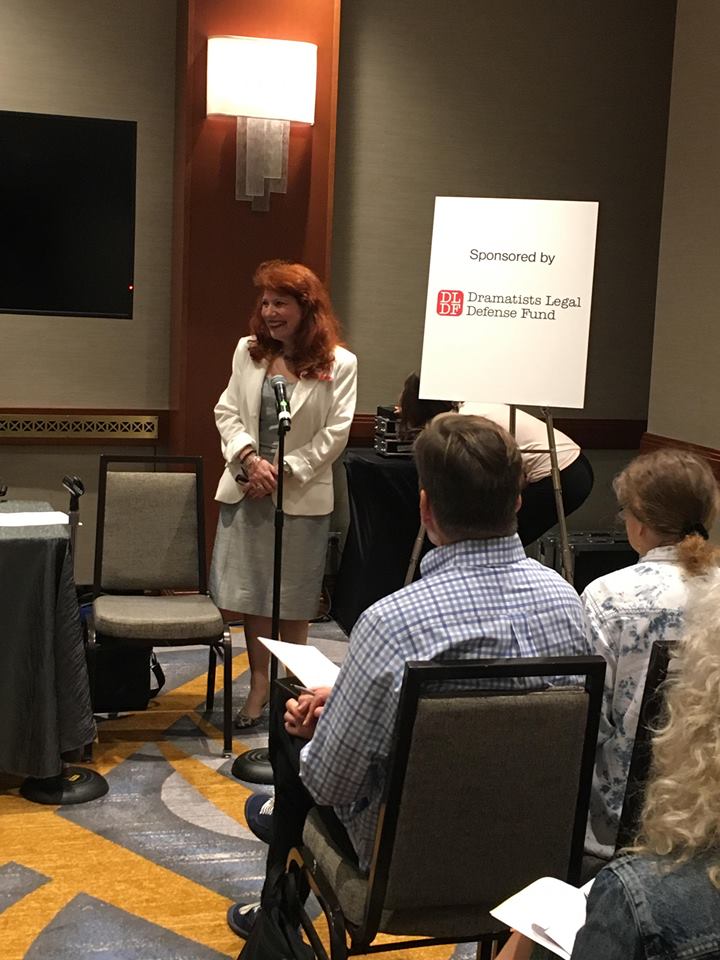
As I became more involved in the New York theater community, I joined professional organizations including the Dramatist Guild, the League of Professional Theater Women, Theater Resources Unlimited (TRU), and PAGES. I attended many theater conferences and spoke at conferences in The United States and Austria, where I earned a Certificate in Theater at the IUGTE. My true-crime play, SOMEWHERE I CAN SCREAM, was selected for residency at The Players Theater in New York City.
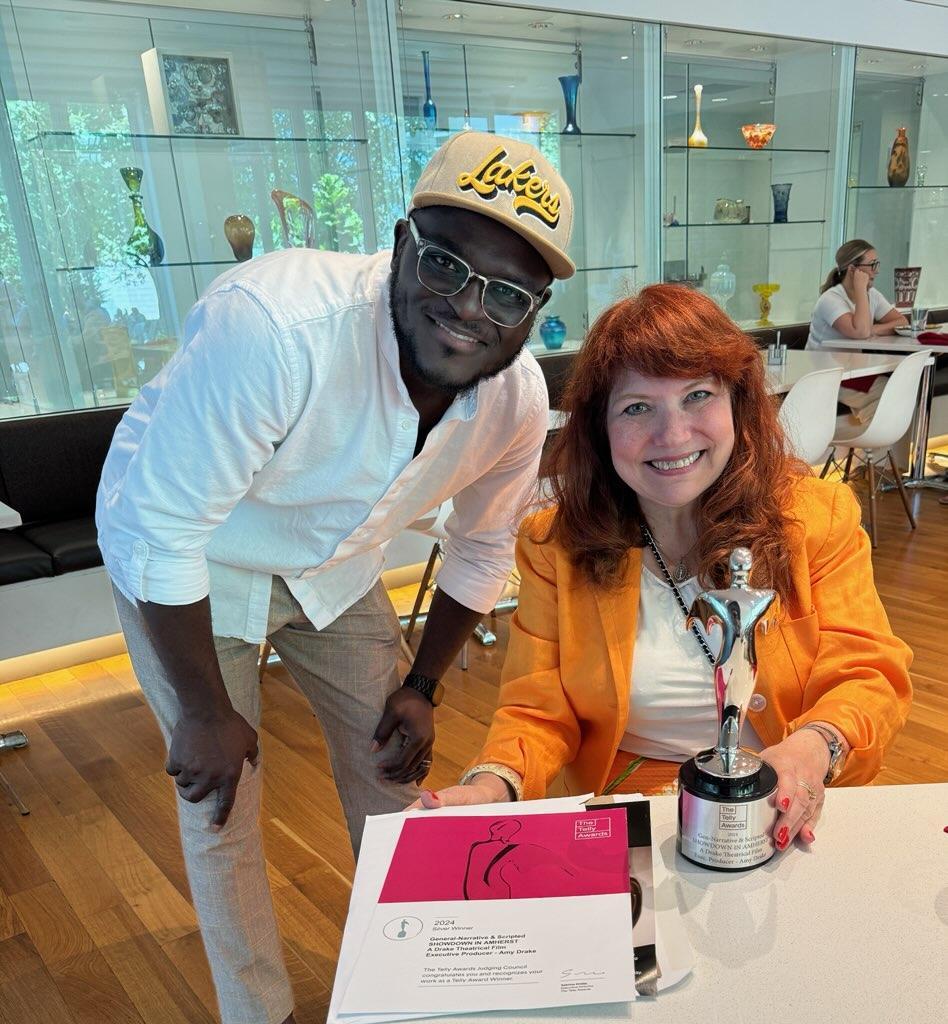
Then, COVID hit and with it the closure of theaters. The opening for SOMEWHERE I CAN SCREAM, was postponed. I decided to try writing screenplays. It has been a steep learning curve. I had an idea for writing a short film about Emilly Dickinson’s historic meeting with her literary mentor Col. Thomas Wentworth Higginson, who wrote for Atlantic Monthly. As Col. Higginson never really accepted Emily’s work as “real” poetry, their meeting was quite dramatic. I took my idea to Kingsley Lims Nyarko, Chair of Film at the Columbus College of Art and Design, and he graciously took on the project. Tiana Coreus, one of his students assisted in putting my story into a proper screenplay format. Thurber House offered the use of their house-museum for the shoot. I am very proud of this short film which went on to win a Silver Telly Award. It was an honor to work with Kingsley, his students, colleagues, and some very talented actors, including a voice over by Broadway and TV actor Chuck Cooper.
We are now at work on a full-length version of SHOWDOWN IN AMHERST and seeking financing for this and considering other film and theater projects.
Alright, so let’s dig a little deeper into the story – has it been an easy path overall and if not, what were the challenges you’ve had to overcome?
One of the biggest challenges I’ve faced forging a path in theater occurred in my hometown of Columbus, Ohio, where theater is sometimes viewed more as a hobby than a career path. I once had a deal with a local theater to stage a play, or so I thought. The partner of the artistic director insisted on changes to my script. I was new to the business and agreed to make the changes. I ended up with a mish-mash of the original story. Then, when it came time to cast and go into rehearsal, the theater ghosted me. My lesson learned was to go with my gut. After removing all the “new” material, I submitted the script to a theater in New York and it was accepted. The bottom line for any theater maker is that you know your story better than anyone else.
Appreciate you sharing that. What else should we know about what you do?
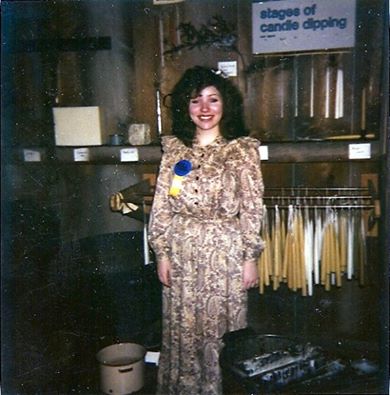
My niche for both theater and film is writing historical pieces. I have been fascinated by history since I was a high school volunteer on COSI’S Street of Yesteryear. where I gained hands-on experience in pioneer crafts of spinning wool, weaving, natural dyeing, and candle making. I also gained experience in public speaking by talking to the public and giving demonstrations. I later spend five years working at the Columbus Museum of Art doing research for exhibitions. I enjoyed the work and excelled at digging into details.
These combined experiences set me up well to do the necessary research to accurately portray historical characters, ranging from an Olympic gold medalist, to a scientist, to a 13th century Italian saint. Learning about other cultures and time periods is part of my process.
The challenge is building out characters from distant places and times and finding their connection with modern audiences.
What do you like and dislike about the city?
I really love the history embedded in Columbus and the distinct characteristics of each historical neighborhood. My heart is in German Village because my mother’s Austro-Hungarian family settled there in 1912 and I have fond memories of the area. Each of the villages–Italian Village, Victorian Village, Hungarian Village–have similar yet unique features.
I was fortunate enough to take part in the regional Emmy-winning episode of Columbus Neighborhoods as an actor and assisted with costuming. I studied country house architecture in a summer program at the University of Cambridge which gave me an understanding of how functional aspects were incorporated into homes on a grand scale and brough to the U.S.
This area of study eventually led me into real estate. I have a deep appreciation for the older homes, they have so much character. and helping clients find the right property to come home to.
Columbus has the big problems of most large cities–homelessness, racism, ageism, inequality. In my small corner, what I like least is the reluctance of Columbus theaters to work together and share resources, such as costumes, sets, props, and personnel. A lot of money could be saved and bonhomie created, if they could collaborate more efficiently. This method could be applied successfully on a much larger societal scale.
Contact Info:
- Website: https://amydrake.com/
- Instagram: amydrake1018
- Facebook: https://www.facebook.com/amy.drake3
- Other: TikTok@amydrake855
Popular
-

Hidden Gems: Local Businesses & Creatives You Should Know
-

The Change-Makers: stories that inspire
-

Take Flight: Lamar Thomas on Building an Inclusive Brand Rooted in Youth, Community, and Purpose
-

Cultivating Inner Clarity: Angel Inspires on Thought, Healing, and Purpose
-

Local Highlighter Series
-

Highlighting Local Gems