



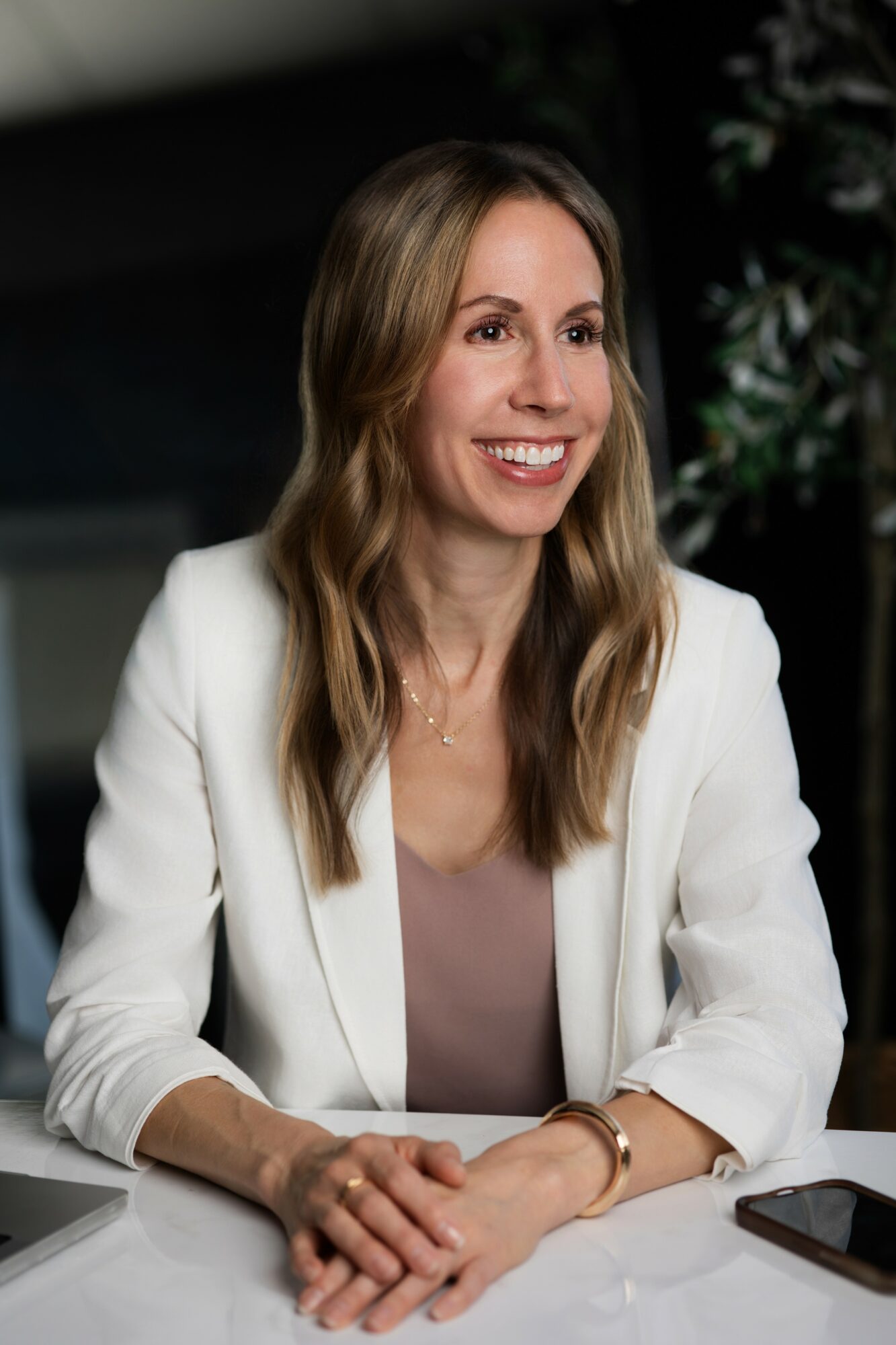
Today we’d like to introduce you to Emily Wojniak-Heselton.
Hi Emily, we’re thrilled to have a chance to learn your story today. So, before we get into specifics, maybe you can briefly walk us through how you got to where you are today?
I began my career as a mental health counselor and quickly knew I loved the work. I always felt it was a sacred responsibility to sit alongside people as they shared their stories – helping them make sense of their experiences and supporting them during seasons of growth and change. I earned my LPCC early in my career and worked in traditional counseling settings, but eventually I began to feel limited by the scope of services I could provide. Over time, I realized I wanted to expand my training so I could offer the broader array of services that so many families truly needed. I also wanted to be a part of helping to reduce the barriers that often prevent individuals from accessing the support they deserve, especially for families navigating complex educational and mental health systems.
That desire led me back to graduate school mid-career to pursue my PhD in School Psychology at The Ohio State University. OSU’s emphasis on social justice, inclusivity, and urban education deeply resonated with me. At the same time, I was in the midst of a personal overhaul of my own life, navigating divorce while parenting four children. Going back to school during that season forced me to reflect on what I wanted the second half of my life to look like. I made the intentional decision to align my professional path fully with my long-term values: equity, dignity, and strength-based care.
Today, I am a Licensed Professional Clinical Counselor and Licensed School Psychologist. I work part-time in Columbus City Schools, one of Ohio’s largest urban districts, which keeps me grounded in systems-level work and gives me an honest, daily understanding of the challenges families and educators face. That perspective informs everything I do.
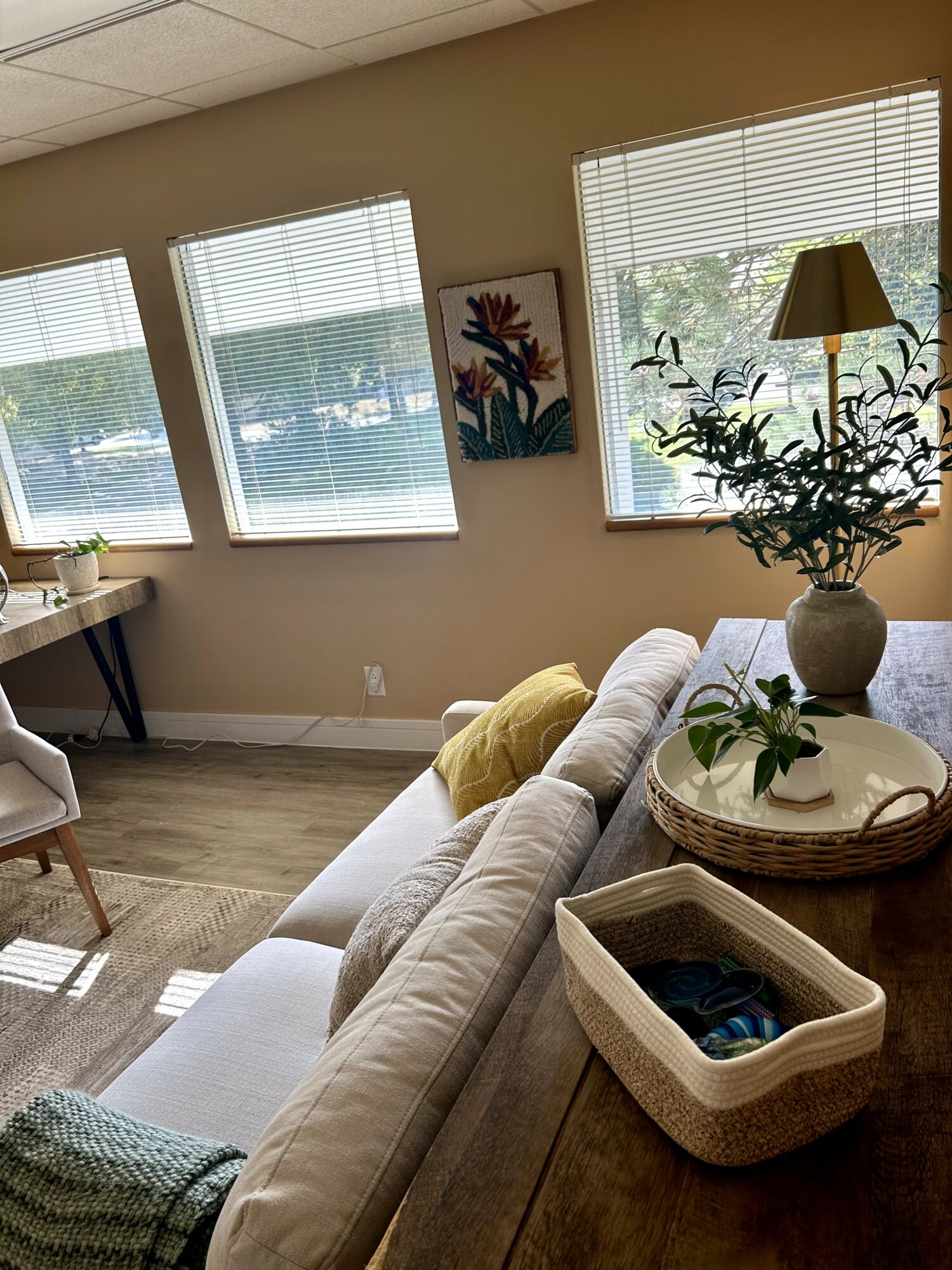
Alongside my school-based role, I built my private practice, Dr. Emily Wojniak-Heselton, LLC, to create a space fully aligned with my values. I provide therapy for adults and older adolescents, comprehensive psychoeducational and diagnostic evaluations (including ADHD, autism, and learning differences), and consultation and speaking for schools and organizations. My goal is to offer services that are inclusive, comfortable, and affirming, particularly for individuals who don’t neatly “fit the box.”
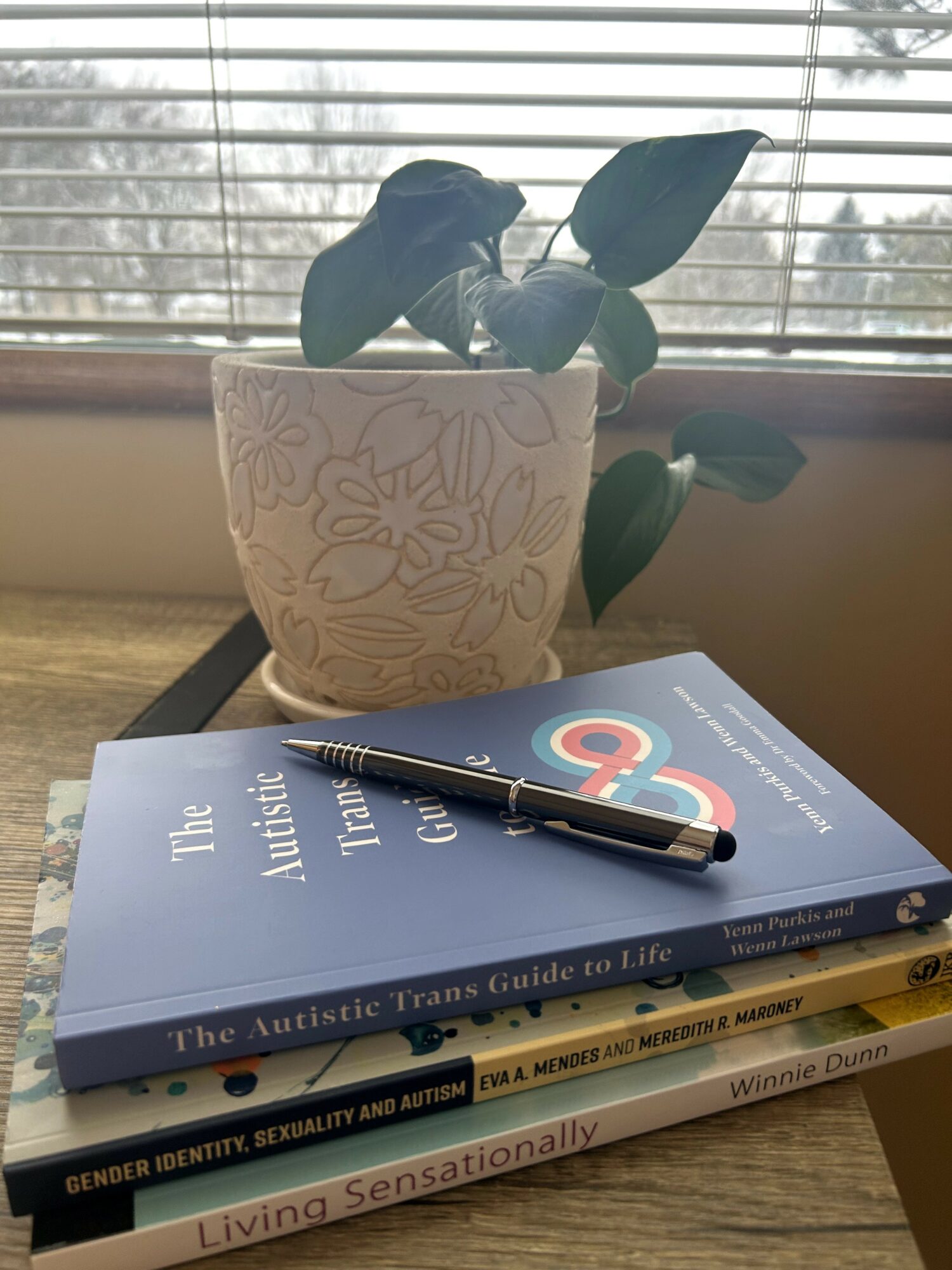
Over the years, I noticed a significant overlap in my counseling work: many of my clients were both neurodivergent and gender-expansive. I became increasingly aware of how often these individuals are misunderstood, ignored, or unfairly under-supported – sometimes in clinical spaces, sometimes in schools or workplaces, and often in broader systems. I also have close friends and family members who are neurodivergent and gender diverse, which makes this work deeply personal as well as professional.
I believe mental health care should see and value the whole person – all parts of their identity. It should take a strength-based approach and not pathologize natural differences in neurological functioning. When individuals are viewed through a deficit lens, we miss their brilliance, creativity, and resilience.
My work now sits at the intersection of therapy, assessment, and systems change. Whether I’m conducting a comprehensive evaluation, supporting someone in therapy, or speaking to educators about neurodiversity-affirming practices, my aim is the same: to create spaces where people feel understood, respected, and accurately supported.
Building this career required reinvention, professionally and personally, but it has allowed me to design work that is aligned, meaningful, and deeply rooted in service.
We all face challenges, but looking back would you describe it as a relatively smooth road?
Has it been a smooth road? Not at all. The years I returned to school for my doctorate were some of the most demanding of my life. I was navigating a divorce, parenting four children, managing financial stress, and completing a rigorous doctoral program during the uncertainty of COVID. Many nights were spent studying after my kids went to bed, and many mornings started before the house was awake. There were many moments where I seriously doubted whether I could finish.
I was also nearly two decades older than many of my classmates, which had its humbling moments, but also gave me a perspective I definitely wouldn’t trade. There were times I considered stepping away from the program because the weight of everything felt too overwhelming.
But that season taught me the power of community and practical support in a very real way. I learned how much it matters to have even one or two people who believe in you and remind you of your goals. I learned about second chances and what it means to rebuild your life with intention. I learned that progress and growth don’t have to be dramatic to be meaningful. Sometimes it is just putting one foot in front of the other and refusing to quit.
I remember sitting alone on the couch in my new home, a place I had moved into just a few months earlier, at the end of my first year in the doctoral program. I was utterly bone-tired and exhausted. And yet, I felt a sense of peace and strength. I had finished that first year. I had built a new home. I had begun to rebuild my life. In that moment, I realized I was capable of far more than I had ever believed.
Those experiences profoundly shaped how I show up for the families and adults I work with today. I understand what it feels like to carry a heavy load. I understand what it means to rebuild. And I deeply believe that forward movement, even slow, imperfect movement, changes everything.
Alright, so let’s switch gears a bit and talk business. What should we know?
My work is centered on one core belief: when people are understood accurately, everything changes.
I specialize in comprehensive psychoeducational and diagnostic evaluations for ADHD, autism, learning differences, and related mental health concerns. Families and adults often come to me seeking clarity after feeling uncertain, dismissed, or confused about what is truly going on. My evaluation process is thorough, nuanced, and designed to understand the whole person, including cognitive functioning, emotional experiences, executive functioning, and identity development. The goal is not simply a diagnosis, but meaningful insight and practical direction.
In addition to evaluations, I provide therapy for adults and older adolescents navigating anxiety, depression, identity development, and the lived experience of being neurodivergent or gender-expansive. My approach is both affirming and clinically rigorous. I believe mental health care should be strength-based and should not pathologize natural differences in how people think, learn, and experience the world.
What sets my practice apart is the integration of my roles. I am a Licensed Professional Clinical Counselor and Licensed School Psychologist, and I work part-time in one of Ohio’s largest urban school districts. That dual perspective allows me to bridge clinical expertise with real-world educational systems. I understand not only diagnostic criteria, but also how recommendations are implemented in actual school and workplace environments.
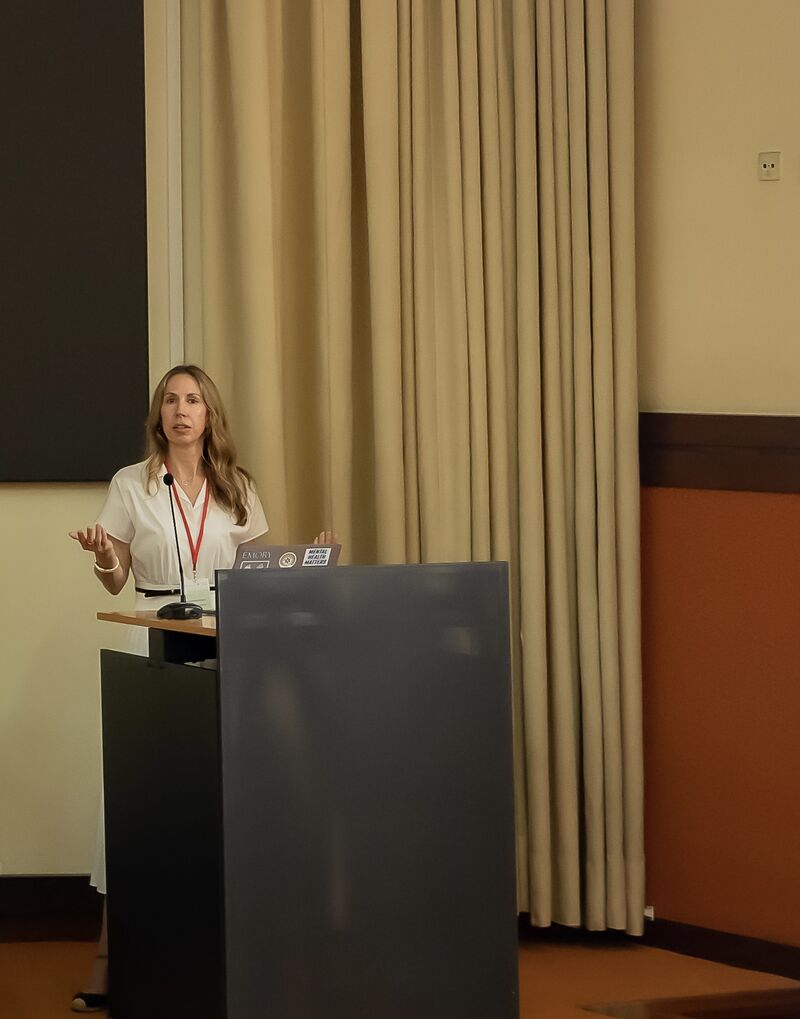
I also provide consultation and professional development for schools and organizations on topics such as neurodiversity-affirming practices, supporting gender-diverse individuals, and reducing barriers within educational systems.
I am most proud that my practice is built around taking the time to truly and deeply understand people. Clients and organizations who work with me can expect depth, respect, and an approach that sees the whole person. My goal is that when someone works with me, they leave feeling informed, grounded, and confident about their next steps. When people feel accurately understood, they can move forward with strength and confidence.
Do you have any advice for those looking to network or find a mentor?
I have been incredibly fortunate to have strong mentors throughout my career, particularly the women on my dissertation committee and my advisor. They are brilliant, thoughtful, and unafraid to challenge me. They pushed my research to be more accurate, my analysis more nuanced and intersectional, and my advocacy more effective. I admire them deeply.
I was also initially intimidated by them. They felt indomitable at times. But I learned that mentorship often begins with being willing to ask questions without pretending you know everything. The more honest and curious I was, the more they invested in me. Their feedback was not always easy, but it made me better.
I also found tremendous support from peers who were just a few years ahead of me in the process. Mentorship does not always have to be hierarchical. Sometimes it is the person who has just walked the path you are about to take and can shine a light on what lies ahead.
In terms of networking, what has worked best for me is approaching it as relationship-building rather than self-promotion. Staying connected to colleagues, reaching out thoughtfully, and maintaining professional relationships over time has been far more meaningful than transactional networking. In a field that can feel isolating, especially in private practice, those connections matter.
My advice is simple: look for people whose work you respect and reach out. Find someone you would want to become more like in your own career. Ask thoughtful questions. Be willing to learn. Most experienced professionals remember what it was like to be early in the process, and many are more willing to mentor than we assume.
Pricing:
- Pricing varies by service, and I strive to be transparent and clear from the beginning. I offer a complimentary initial consultation to discuss needs, scope, and fees so that families and individuals can make informed decisions.
Contact Info:
- Website: https://dremilywh.com
- Facebook: https://www.facebook.com/dremilywh/
- LinkedIn: https://www.linkedin.com/in/dremilywh/
Popular
-

The Change-Makers: stories that inspire
-

Take Flight: Lamar Thomas on Building an Inclusive Brand Rooted in Youth, Community, and Purpose
-

Cultivating Inner Clarity: Angel Inspires on Thought, Healing, and Purpose
-

Local Highlighter Series
-

Highlighting Local Gems
-

Hidden Gems: Local Businesses & Creatives You Should Know