



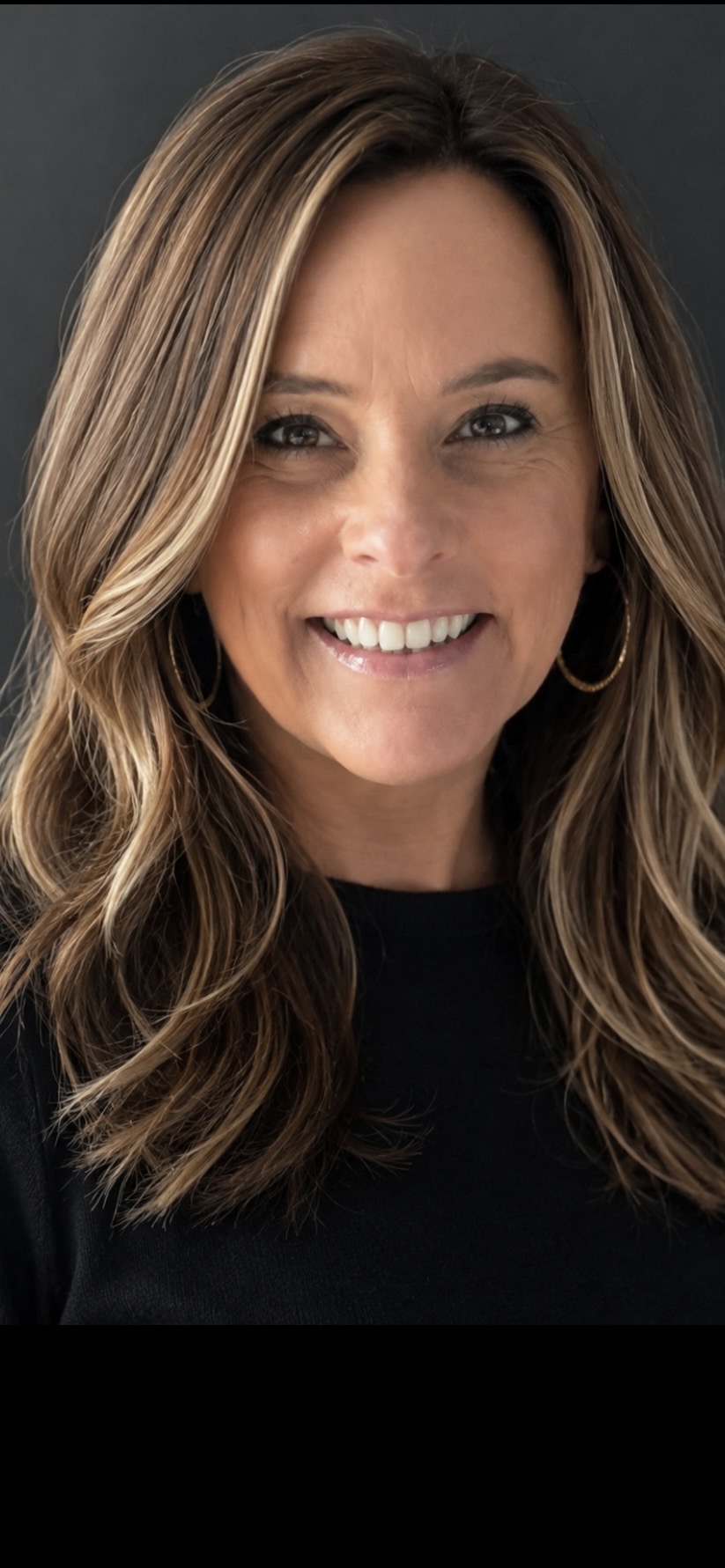
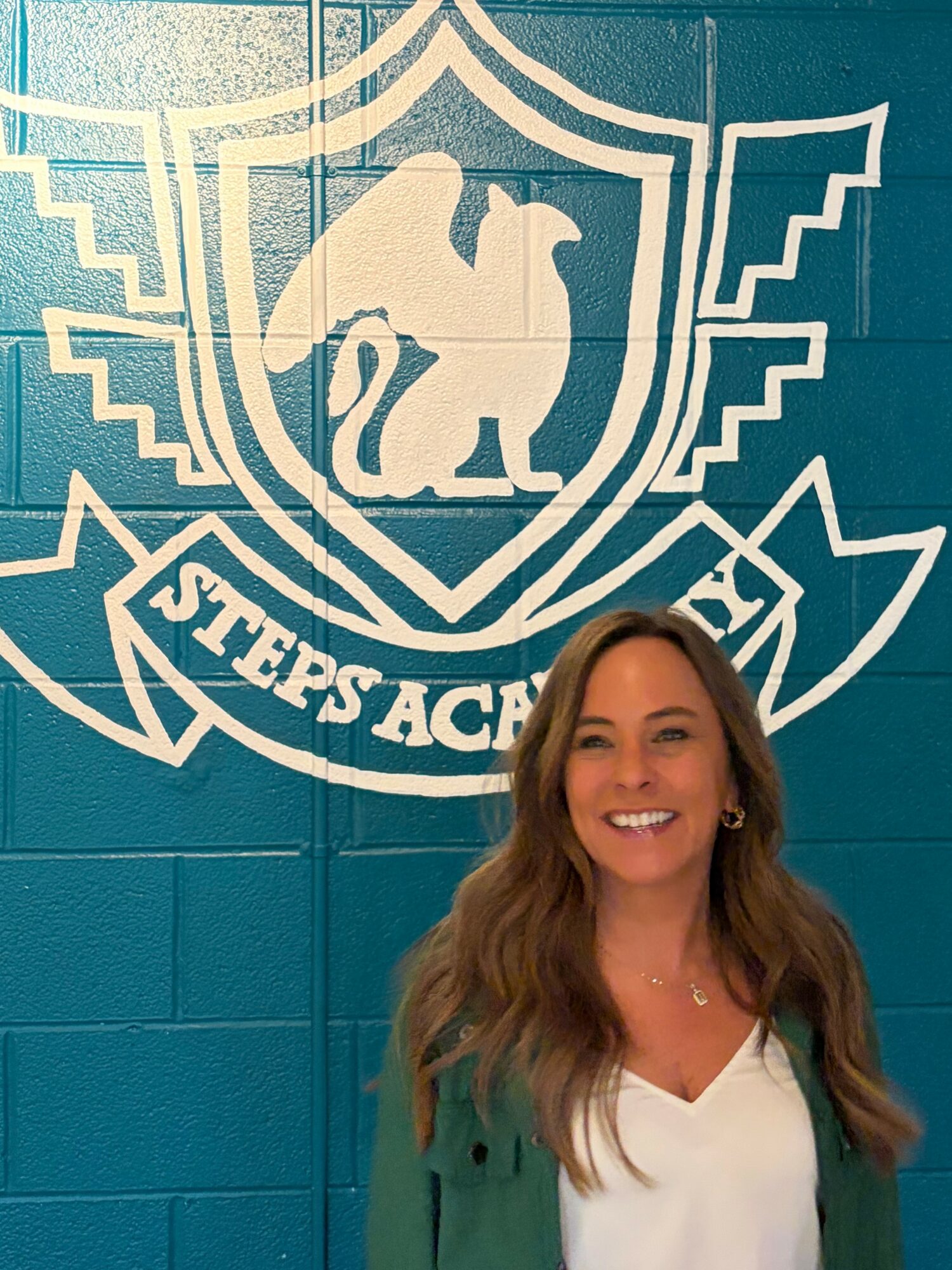
Today we’d like to introduce you to Jennifer Might.
Alright, so thank you so much for sharing your story and insight with our readers. To kick things off, can you tell us a bit about how you got started?
I started in the autism field when I was just 21 years old, at a time when the incidence of autism was still considered relatively rare and far less understood than it is today. Back then, there were fewer resources, fewer answers, and often lower expectations placed on autistic individuals. What drew me in immediately was not only the children themselves, but the way this field challenges you to think differently. Every child communicates, learns, and experiences the world in their own unique way, and I became fascinated by the process of figuring out how to truly reach them.
Very early on, I realized this work is about much more than teaching skills or managing behaviors. It’s about connection, trust, and belief. I fell in love with the idea that before a child can believe in themselves, someone else has to believe in them first. That philosophy has guided me throughout my career: you have to have faith in their abilities so they can begin to have faith in themselves.
Over the last 30 years, I’ve learned that progress often starts with presuming competence—seeing potential even when it may not yet be obvious to others. Some of the most meaningful moments in this field come from watching a child do something the world once assumed they never could. Those moments never stop inspiring me.
What has kept me passionate for three decades is that this field constantly challenges you intellectually and emotionally. There is no one-size-fits-all approach. It requires creativity, patience, intuition, and the willingness to continuously learn and adapt. Autism has taught me to listen differently, think differently, and appreciate that communication and intelligence can look many different ways.
Over the years, I’ve watched the field evolve dramatically—from a time when autism was rarely discussed to today, where awareness has grown significantly. But despite all the advances, one thing remains the same: the importance of seeing the individual first and never underestimating what someone is capable of achieving.
As I reflect on the past 30 years, I feel incredibly grateful that what started as an opportunity at 21 years old became my life’s purpose. The children and families I’ve worked with have shaped who I am just as much as I’ve helped shape programs and services for them. At the core of everything I do is the belief that every child deserves to be understood, respected, and given the opportunity to succeed.
We all face challenges, but looking back would you describe it as a relatively smooth road?
One of the biggest challenges was starting a business while raising my own children. In the early years, there was no separation between work and home life—it all blended together. I was building something from the ground up while also trying to be present as a mother, and there were many long days filled with uncertainty, sacrifice, and learning as I went.
Another challenge was being “the little school.” We didn’t have the large budgets, recognition, or resources that bigger organizations had, and there were times we had to fight to be taken seriously. But in many ways, that became our strength because it forced us to stay creative, personal, and deeply connected to the children and families we served.
A major transition for me personally was moving from a clinical model into education. My background is in psychology, so while I understood behavior, learning, and development, I suddenly found myself having to learn an entirely different world—education systems, curriculum, standards, compliance, and special education law. Building a school meant learning education from the ground up while simultaneously leading it. That was intimidating at times, but I believed strongly that children with autism deserved environments built around how they learn best, and that belief pushed me to keep growing.
Looking back, those challenges shaped not only the organization, but also who I became as a leader. They taught me resilience, adaptability, and the importance of never losing sight of why the work matters in the first place.
Thanks for sharing that. So, maybe next you can tell us a bit more about your business?
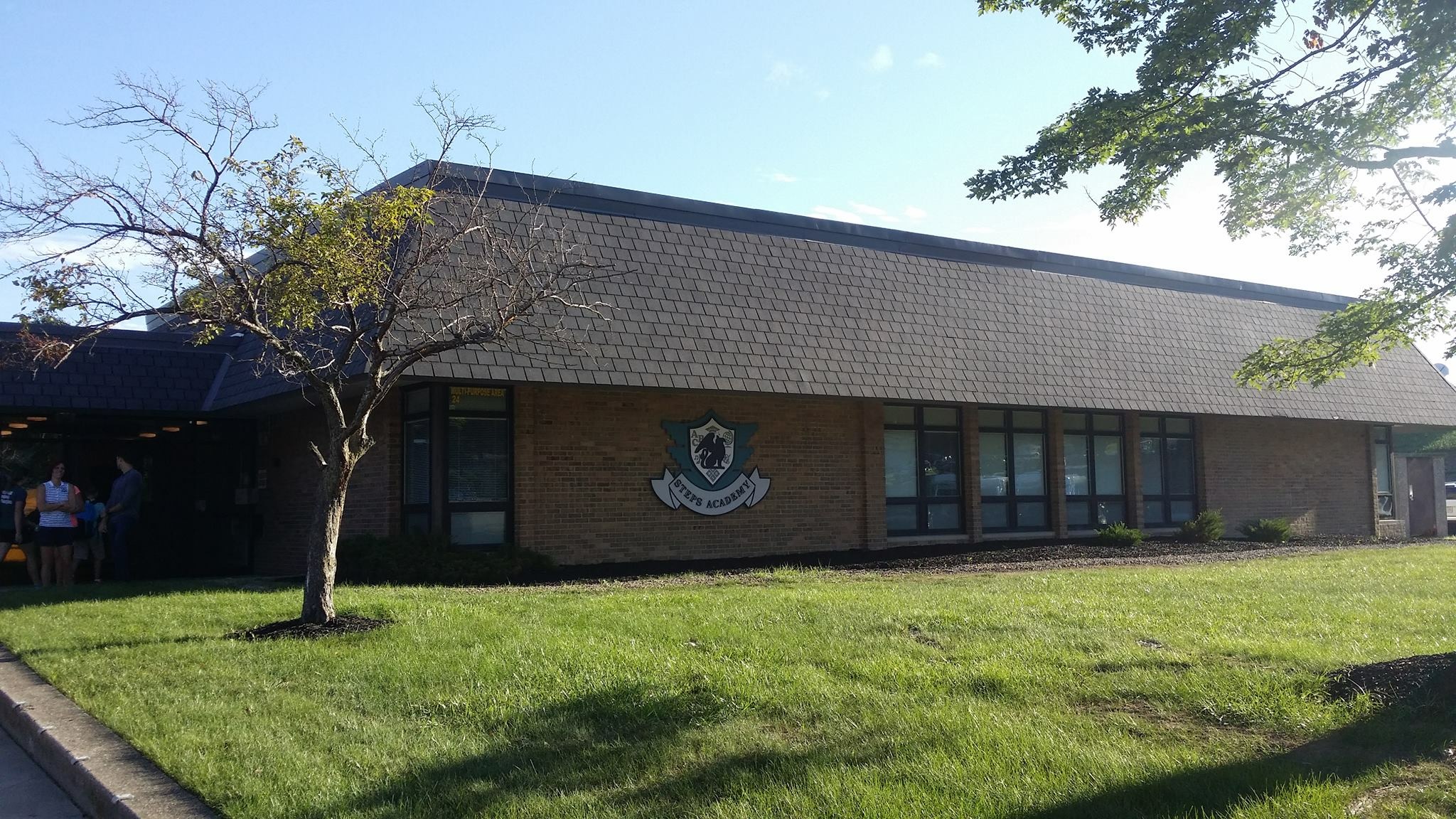
STEPS Educational Group and STEPS Institute for Child Development were built on the belief that every child deserves to be understood, respected, and given the opportunity to succeed. For the past 20 years, we have specialized in working with children with autism and related developmental differences through highly individualized educational and clinical programming.
What sets us apart is our philosophy of presuming competence and focusing on the whole child rather than limitations or labels. We believe that before children can believe in themselves, someone has to believe in them first. That mindset drives everything we do—from education and behavior support to communication, social development, vocational opportunities, and family collaboration.
What began as a very small program 20 years ago has grown into a comprehensive organization serving children and families through specialized schools, behavioral services, and innovative programming designed around how neurodivergent learners think and learn best. We are known for combining compassion with evidence-based practices while maintaining a deeply personal approach with every student and family we serve.
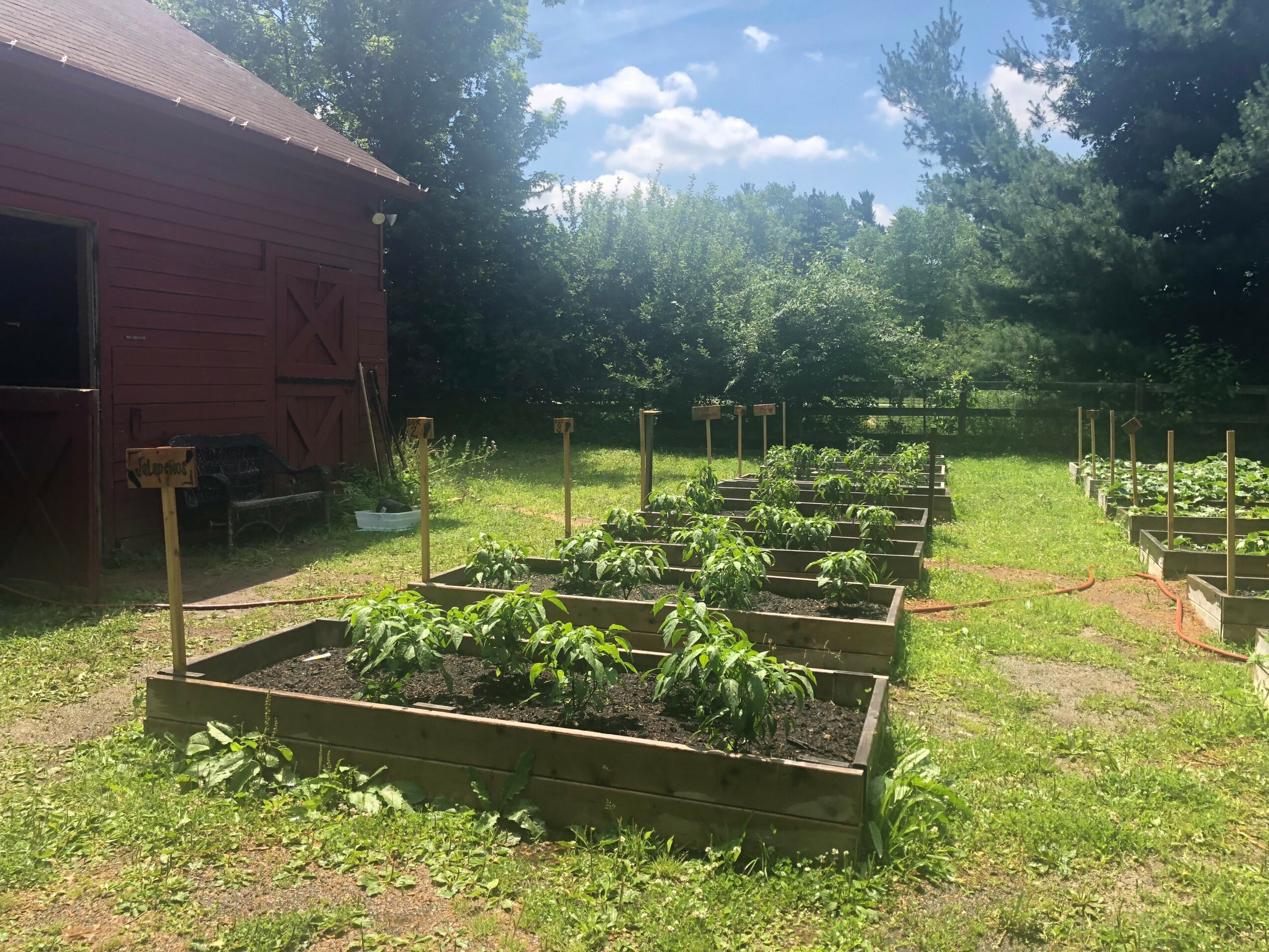
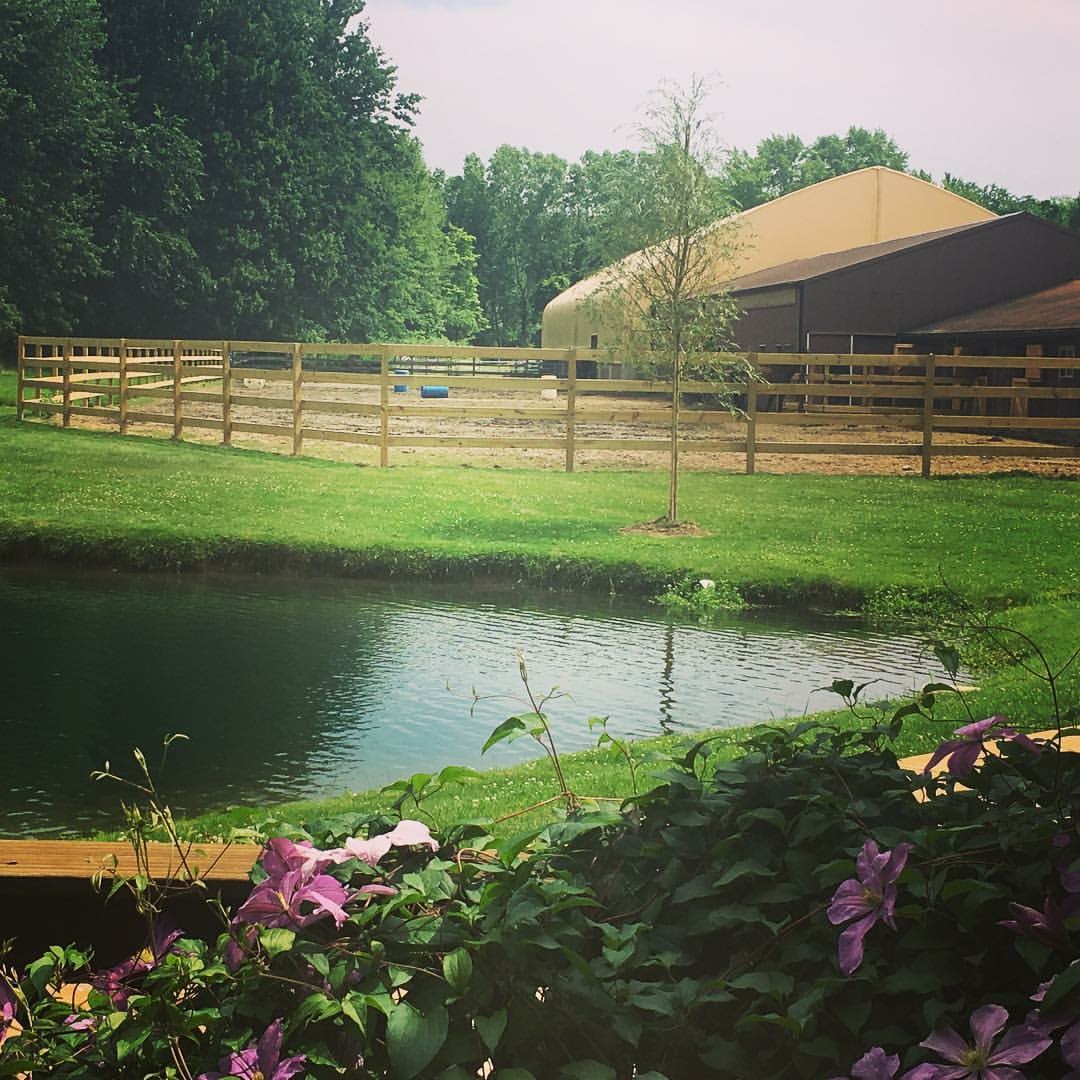
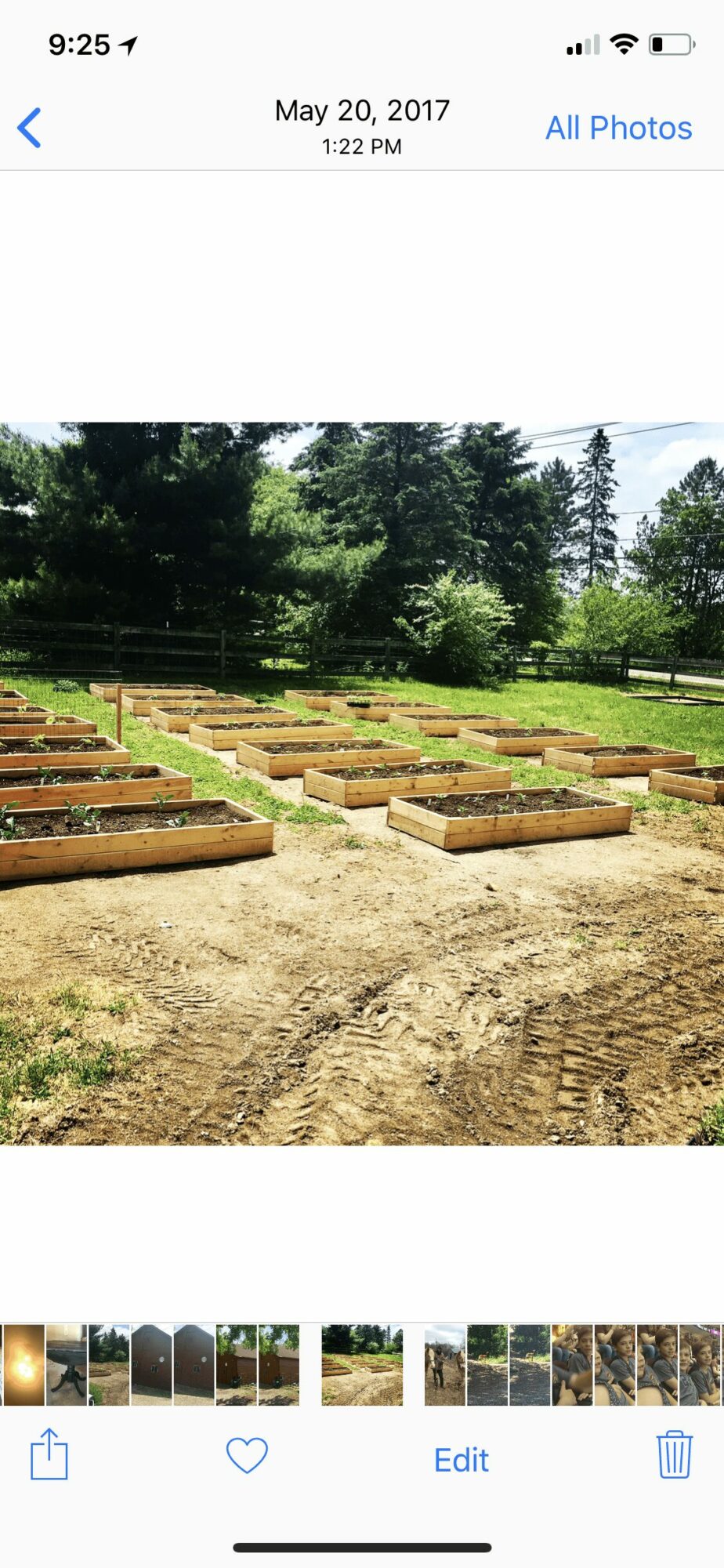
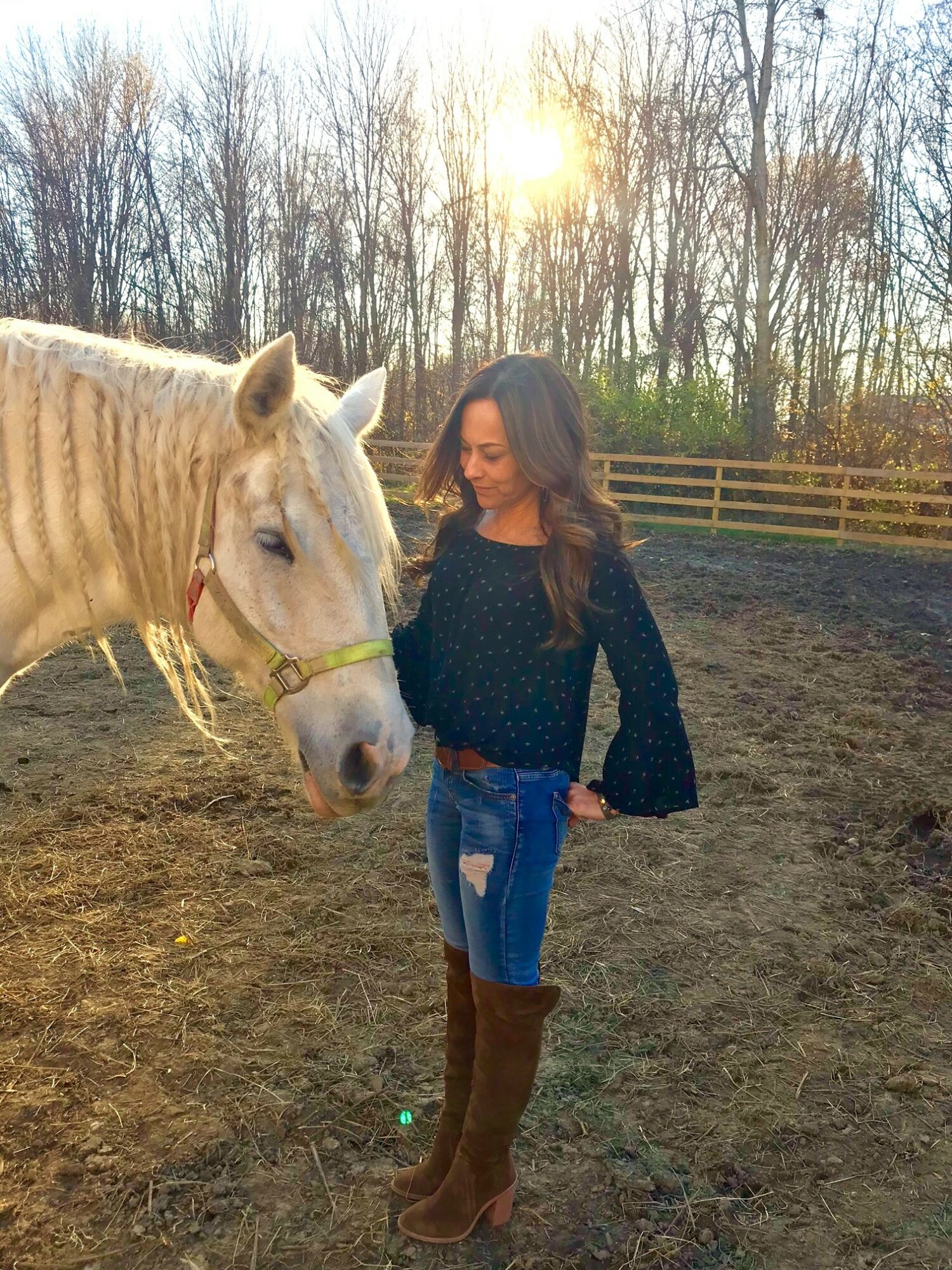
One of the programs we are especially proud of is our Willow Farm program, which provides students with the opportunity to connect with nature, animals, and meaningful hands-on experiences in a calming and supportive environment. Through interactions with horses and other farm-based activities, students develop confidence, emotional regulation, responsibility, communication skills, and a sense of connection that is often difficult to achieve in traditional settings. We have seen firsthand how powerful nature and animal interaction can be in helping students feel grounded, engaged, and successful.
One of the things I am most proud of is that we have stayed true to our mission as we have grown. Even after 20 years, we continue to prioritize relationships, creativity, and individualized support over a one-size-fits-all approach. We strive to create environments where students feel safe, valued, challenged, and capable.
At the heart of our organization is the belief that meaningful progress happens when children are truly seen for who they are and what they are capable of becoming.
If we knew you growing up, how would we have described you?
Growing up, I was not the best student academically, and I came from a broken home, which created its own set of challenges and insecurities. Because my home world was unstable and chaotic, school was not a priority and at times I think people underestimated my potential. I still remember my high school principal telling me not to waste my money on college. At that point in my life, it would have been easy to believe that college simply was not meant for someone like me.
But one person changed the trajectory of my life. My high school guidance counselor heard what had been said to me and refused to let me believe it. She saw something in me that I didn’t fully see in myself yet. During my senior year, she literally would not let me leave her office until every college form and application was completed. Looking back now, that moment was life-changing.
Because someone believed in me, I began to believe in myself.
I went on to college, graduated with honors cum laude, and later attended graduate school for psychology. Those experiences shaped not only my career, but also my philosophy in working with children and families. I know firsthand how powerful it is when someone sees potential in you before you can fully see it yourself.
That experience became one of the foundations of my work over the last 30 years. I have always believed that people should never be defined by where they start, the challenges they face, or the assumptions others place on them. Sometimes all it takes is one person willing to believe in you, advocate for you, and refuse to let you give up on yourself.
Contact Info:
- Website: https://Stepsedgroup.com
Popular
-

Hidden Gems: Local Businesses & Creatives You Should Know
-

The Change-Makers: stories that inspire
-

Take Flight: Lamar Thomas on Building an Inclusive Brand Rooted in Youth, Community, and Purpose
-

Cultivating Inner Clarity: Angel Inspires on Thought, Healing, and Purpose
-

Local Highlighter Series
-

Highlighting Local Gems