



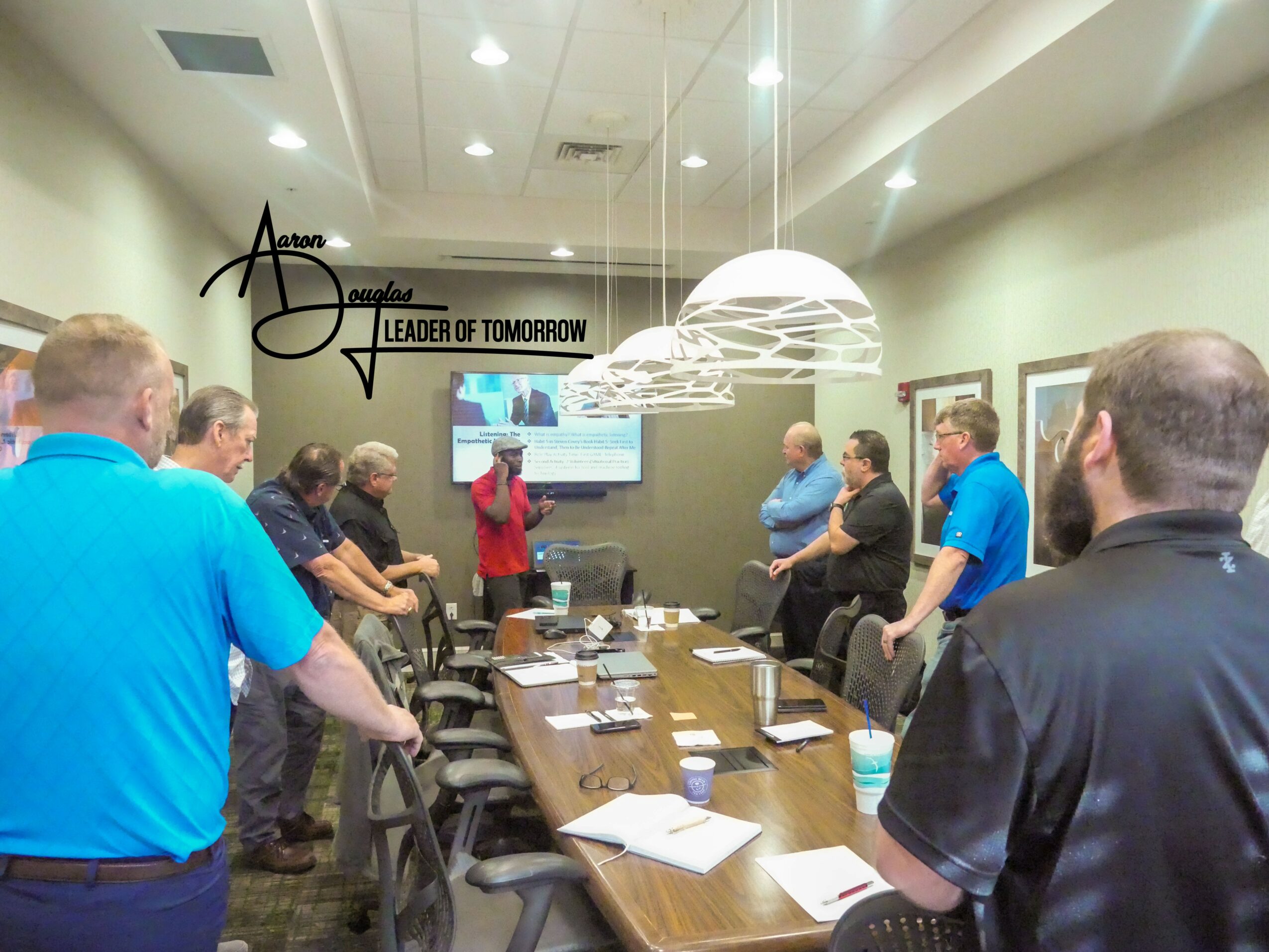
Today we’d like to introduce you to Aaron Douglas.
Hi Aaron , please kick things off for us with an introduction to yourself and your story.
Aaron Douglas’s story starts early—before titles, before business, before anyone would have taken him seriously.
In Pre-K, he was selling cough drops for a dollar each. He’d take a bag of Halls from CVS in Atlanta, sell them one by one, and go home and pay his mom back. It wasn’t framed as entrepreneurship at the time—but looking back, it was his first understanding of value, ownership, and creating something out of very little.
He grew up in an environment where resources were limited and expression wasn’t always encouraged. Hand-me-downs were normal. Thinking differently or having a big presence didn’t always fit. He was often told, directly or indirectly, to tone it down, to stay in line, to be more like everyone else.
That never really worked for him.
Instead, those early experiences built a certain awareness—of people, of pressure, and of how to adapt. He had responsibilities early, including helping take care of his siblings, and there wasn’t always guidance or a clear path forward. So he learned to figure things out in real time.
As a teenager, that showed up in how he moved. He started buying and reselling phones, operating as a local street vendor. It wasn’t polished or structured—it was real. That’s where he learned how to read people, negotiate, and understand what actually makes someone say yes or no.
Around 16 or 17, he had a moment that shifted his perspective. He negotiated directly—over text—with Jack McDowell, which led to an opportunity at Queens University of Charlotte. There was no agent, no roadmap, no one guiding him through it. Just persistence and the willingness to keep going back and forth until something opened.
That experience gave him his first real look at how high-level conversations work.
From there, he went into sales—starting in environments that were heavy on rejection. Door-to-door work, long days in extreme heat and no car ac in San Antonio, TX and , traveling across the country by Greyhound jus to figure things out. It wasn’t easy, but it forced him to understand people on a deeper level. Over time, he stopped seeing rejection as failure and started seeing it as guidance/feedback.
At a certain point, something shifted—and it wasn’t small.
People started pulling him aside. Not casually—intentionally.
They had been listening. Watching. Paying attention to how he spoke, how he handled pressure, how he moved in conversations that most people struggled in.
They weren’t asking out of curiosity.
They were asking because something about it was working—and they couldn’t explain why.
“What are you doing differently?”
“Why are your conversations landing like that?”
“Can you show me?”
That moment carried weight.
Because it forced him to see something he hadn’t stopped to name before.
It wasn’t just that he could perform under pressure.
It wasn’t just that he could navigate hard conversations or create results.
It was that other people—fully capable people—were stuck… and what came naturally to him was the missing piece for them.
That realization came with responsibility.
He understood, in that moment, that his value wasn’t just in doing the work at a high level.
It was in breaking it down, transferring it, and helping someone else step into it for themselves.
Not just to watch him succeed—
but to become effective in their own right.
That’s when it stopped being just a skillset.
And started becoming a calling.
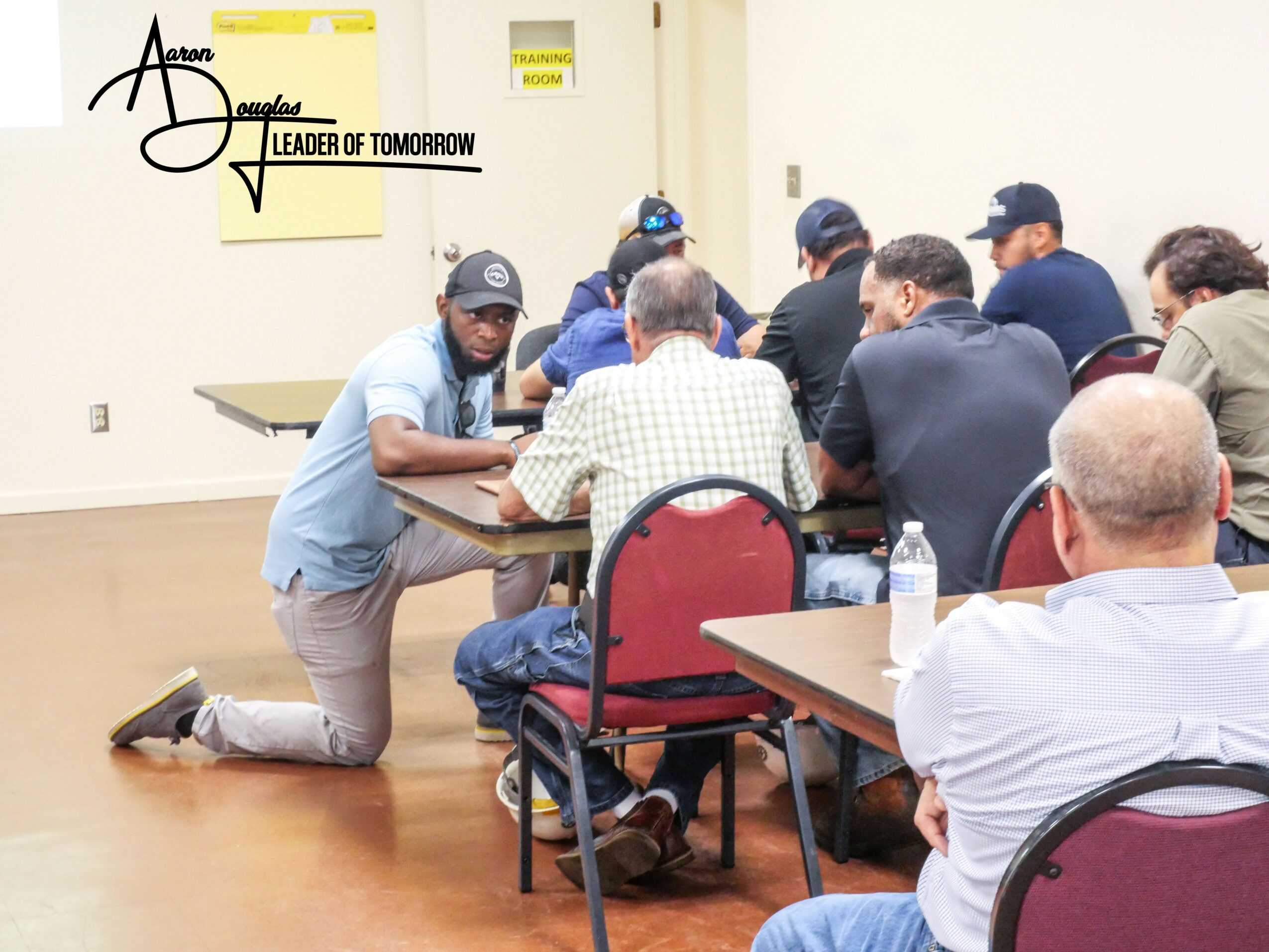
From there, he made a decision to go all in on that path. He began traveling, putting himself in rooms he wasn’t necessarily invited into—meeting with decision-makers, having conversations, learning different environments and cultures firsthand. It wasn’t always comfortable, but it built a level of experience that’s hard to replicate.
Along the way, he faced a lot of pushback. He was told he was too high-energy, too young, not credentialed the “right” way. He didn’t fit the typical mold, and because of that, he often had to create his own opportunities instead of being invited into them.
There were also personal challenges. At 13, he had his tonsils removed and underwent a procedure that involved bone being taken from his body. Even then, the expectation was still to show up and keep going. Looking back, that was around the same time he started to feel a clear sense of purpose—centered around helping people grow and move forward.
Today, that shows up in his work.
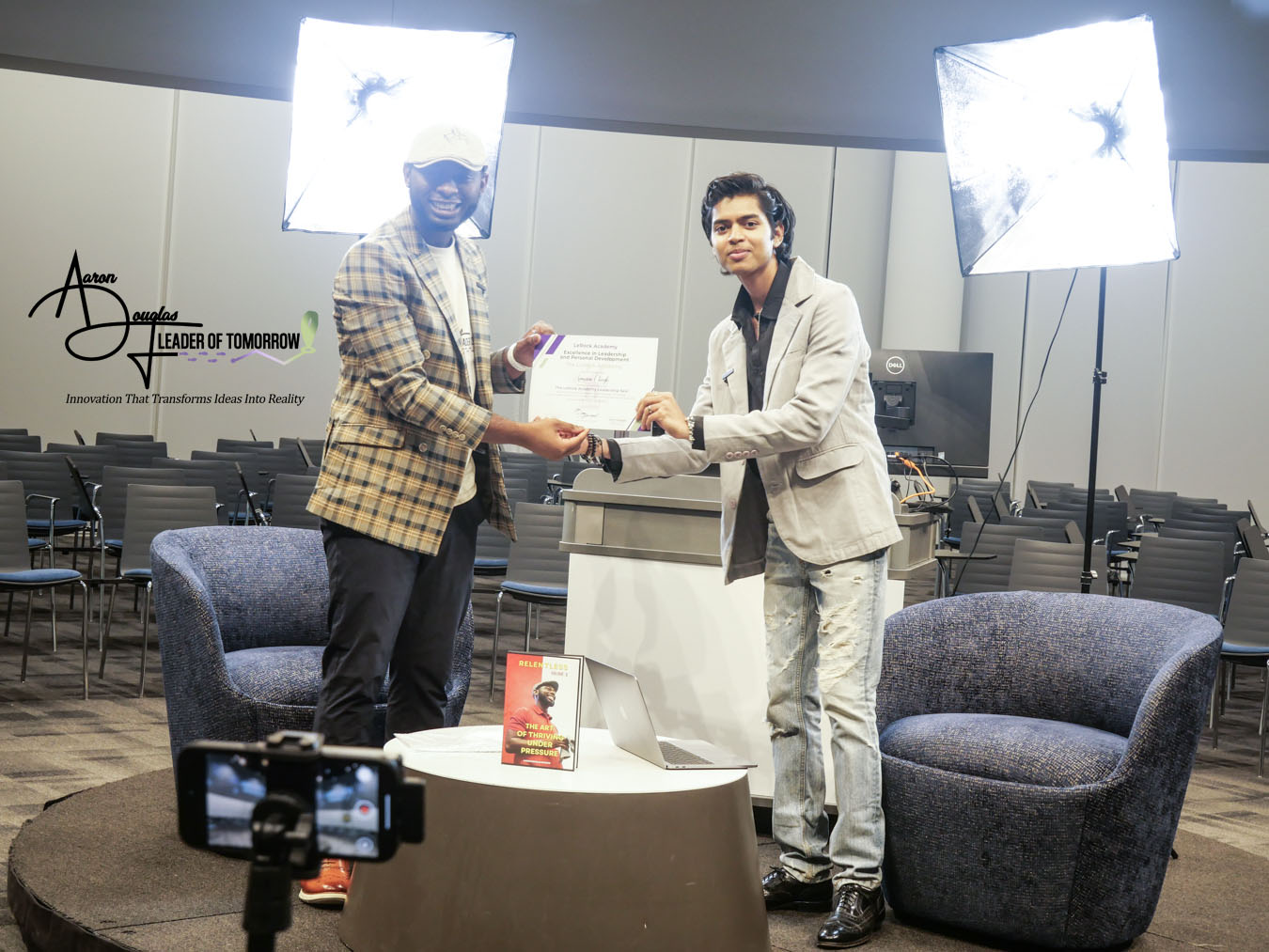
Through his platform and the LeRock ecosystem, Aaron focuses on helping people get clear, take action, and create real movement in their lives—especially in moments where things feel uncertain or high-pressure.
He’s worked with people who didn’t have the luxury of time—clients who needed results quickly to avoid serious consequences for themselves and their families. In those situations, the work becomes very real. It’s not about theory or motivation—it’s about clarity, strategy, and execution.
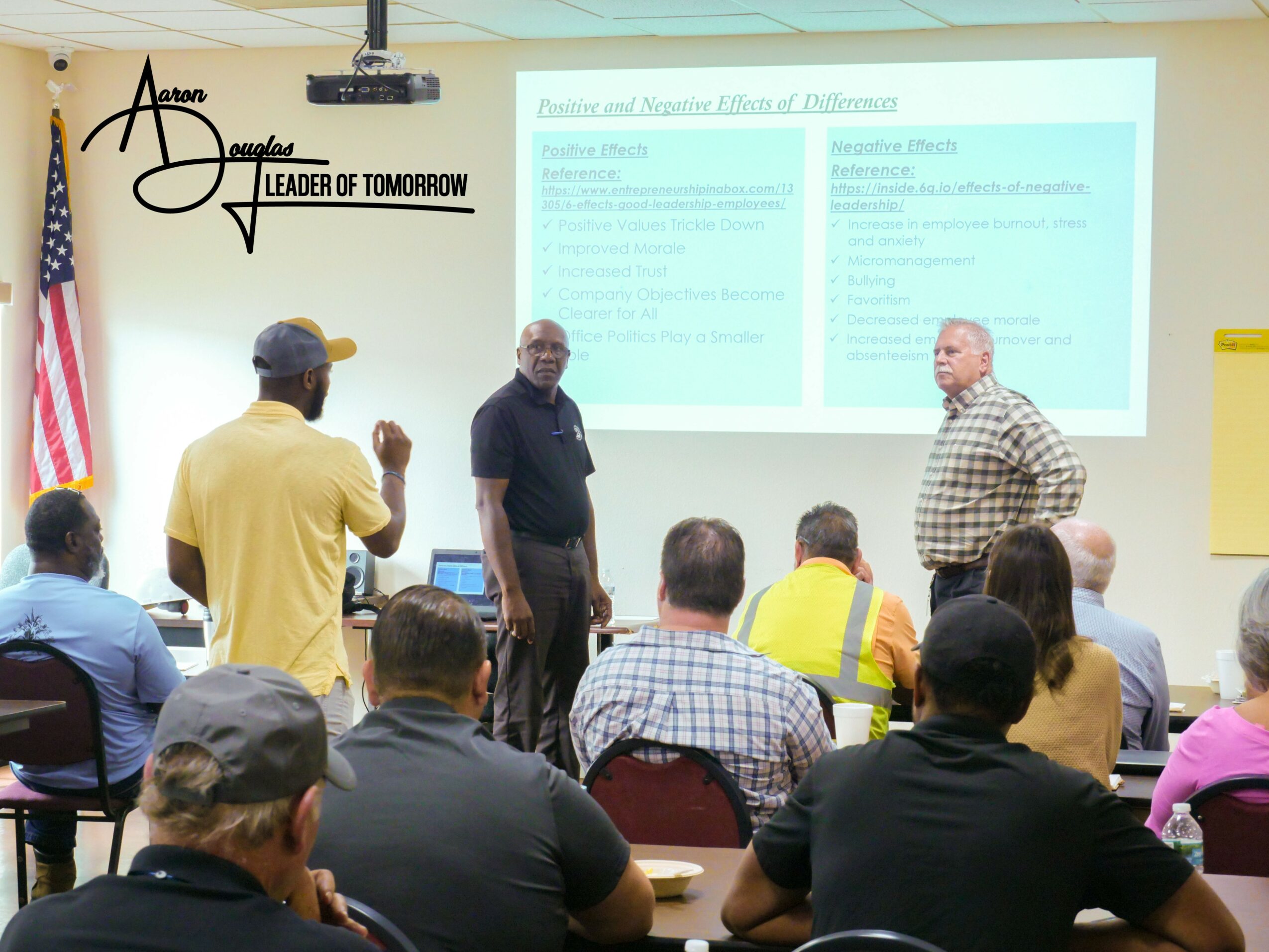
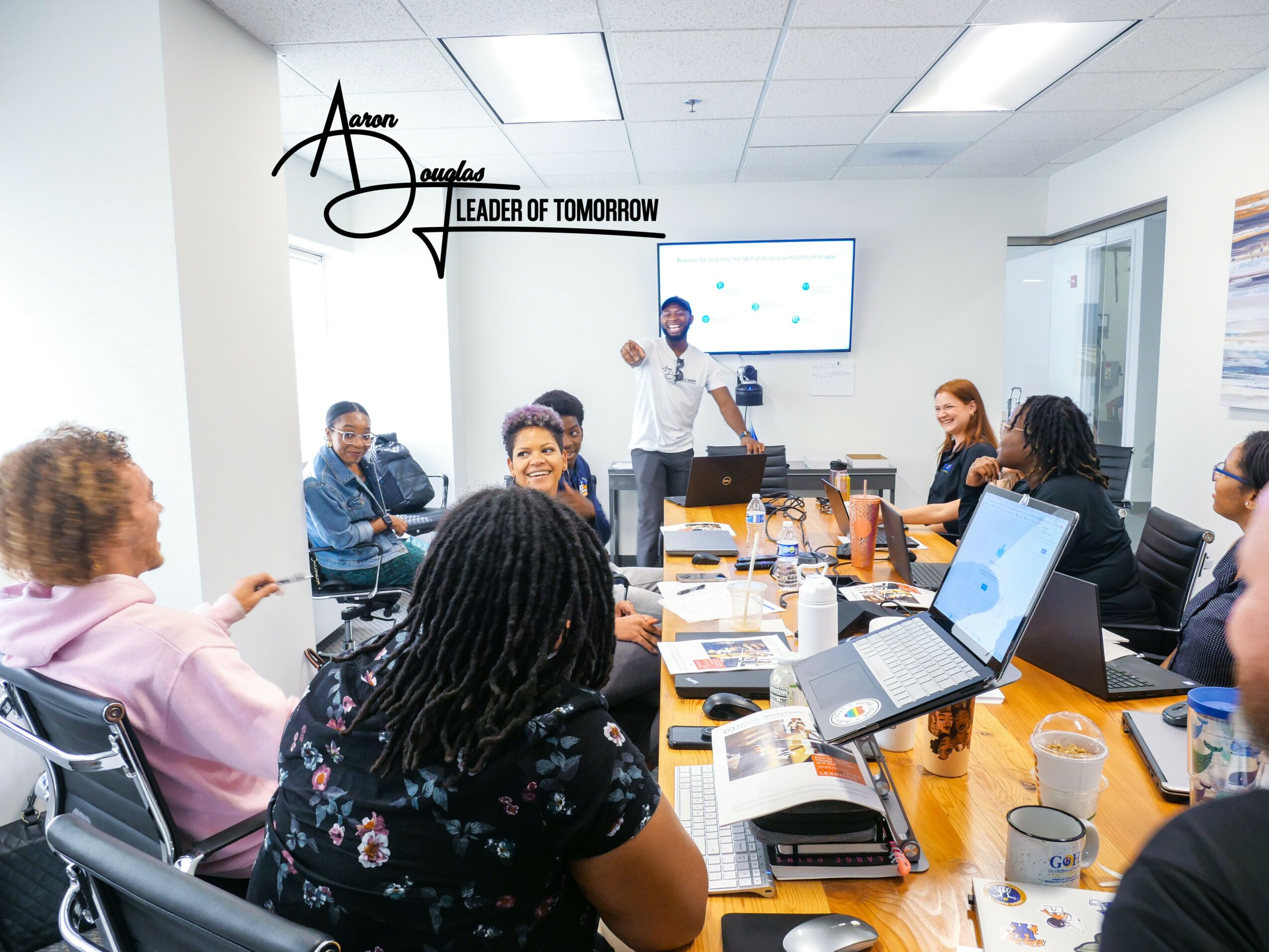
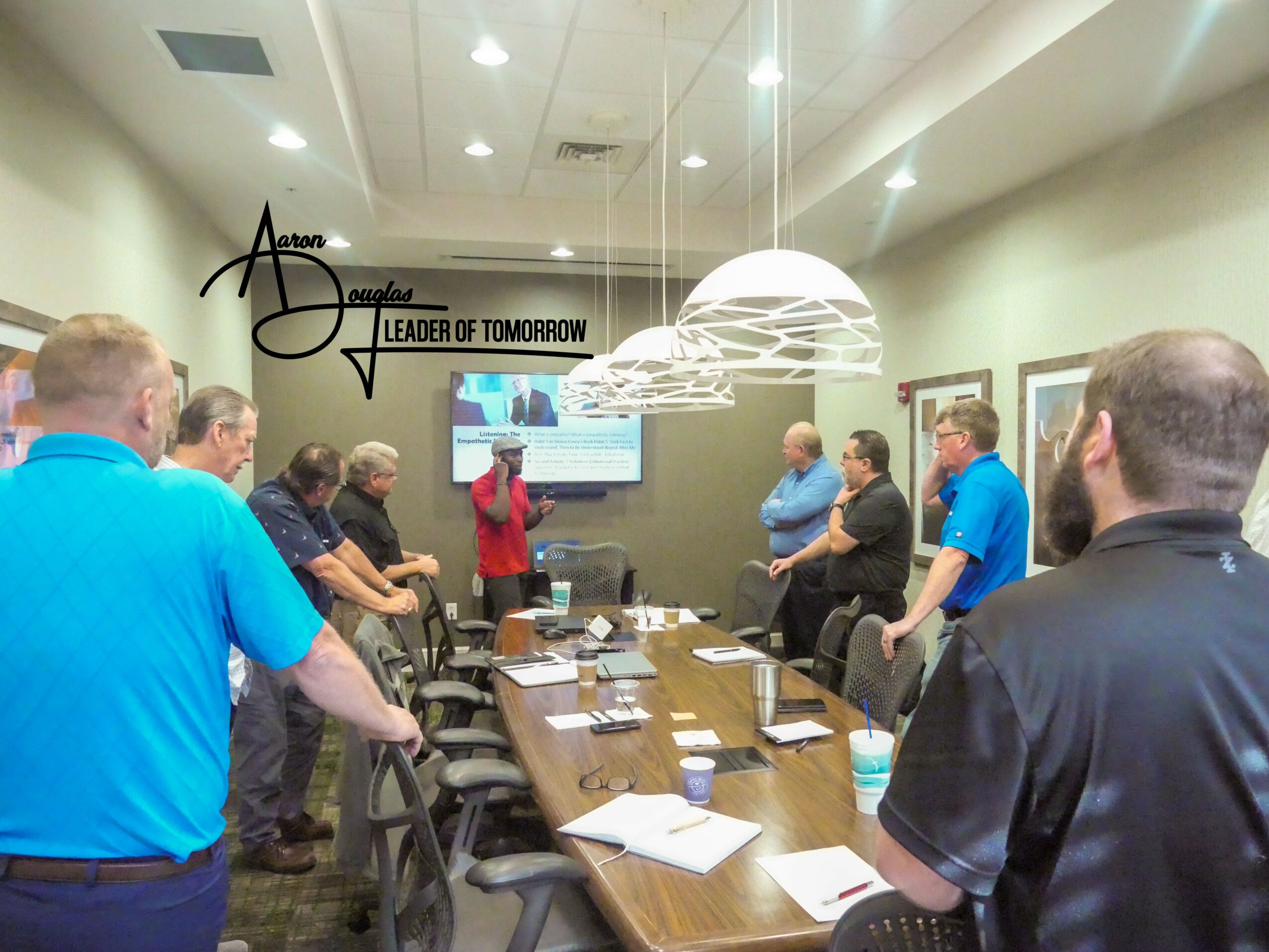
What people take from working with him is practical. They learn how to communicate their value better, how to make stronger decisions, and how to move with more confidence in situations that used to overwhelm them. For some, that means landing roles they were struggling to get. For others, it means finally having direction after feeling stuck.
He’s also built the LeRock brand as a way to help people turn purpose into something tangible—through learning, applying what they learn, and creating opportunities to grow from it.
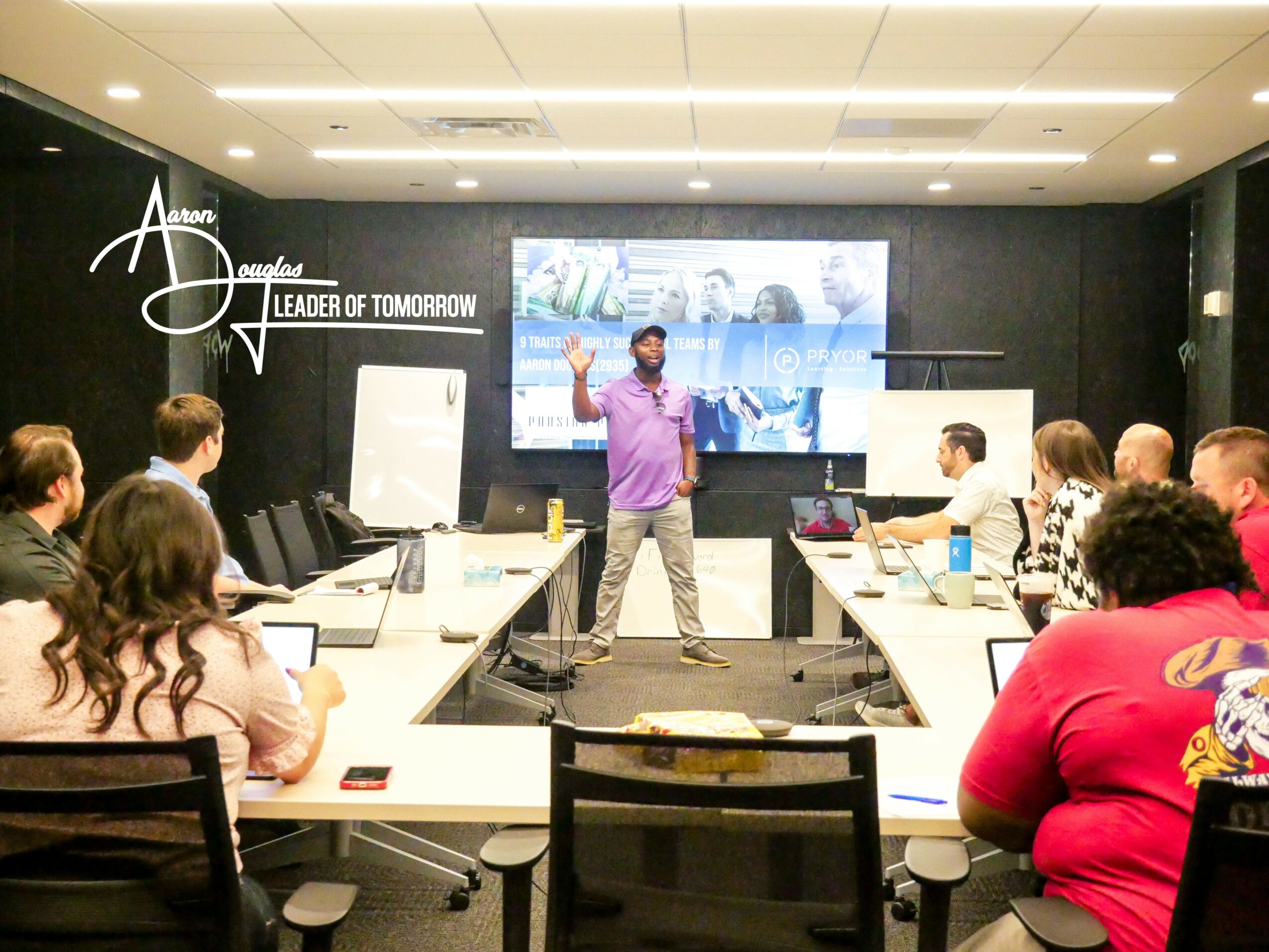
His work has expanded into different environments and even internationally, and he has contributed to Brainz Magazine. But more than anything, he’s known for the way he works with people directly.
A common thing people say after working with him is:
“I wish I had this years ago.”
That’s what matters most to him.
Because at the core of it, his work isn’t about image or positioning—it’s about helping people actually move forward in their lives, in a real and lasting way.
— Aaron Douglas
I’m sure it wasn’t obstacle-free, but would you say the journey has been fairly smooth so far?
At the very beginning of his journey—when he made the decision to actually chase his purpose—that was the first time Aaron saw a negative bank account.
Not low. Not tight.
Negative.
There was no structure. No safety net. No mentors guiding him through it. Just a decision—and the weight that came with it.
He was on food stamps for a period of time.
No money for clothes.
No consistency in where he would stay.
There were nights on people’s couches.
And at one point, even sleeping in his car.
It was brutal.
Because this wasn’t struggle with a clear timeline or a guaranteed outcome. This was stepping into something with no proof it would work—while still being expected to survive in the meantime.
And what made it even heavier was this:
He wasn’t chasing comfort.
He was chasing purpose.
So even when the conditions didn’t make sense… even when the outside didn’t match the vision… he kept going.
What carried him through wasn’t money, validation, or stability—because none of that was there yet.
It was the conviction that he was meant to be of service.
Even in those moments, he showed up with energy.
With presence.
With a genuine desire to help the people in front of him move forward.
That was the only light at the end of the tunnel.
Over time, things began to shift—credibility grew, case studies were built, results started to speak—but the beginning was real.
No money.
No structure.
No clear path.
Just pressure, belief, and the decision to keep going anyway.
Thanks for sharing that. So, maybe next you can tell us a bit more about your business?
Aaron Douglas built the LeRock ecosystem after noticing something that kept coming up in real conversations across the country.
People are getting closer and closer to wanting fulfillment—but they don’t know how to live it.
He heard it directly from people. Different cities, different backgrounds, same underlying feeling:
“I know I’m meant for more… I just don’t know how to make it real.”
Not in a motivational way.
In a real, everyday life way.
Bills still need to be paid.
Decisions still need to be made.
Time is still moving.
And that’s where most people get stuck.
They have the internal pull—the ideas, the desire, the sense that there’s something more for them—but there’s no clear bridge between that and actual results in the real world.
So what happens?
They go from job to job.
They start things and stop.
They think about ideas but never fully build them.
They adapt to systems that never fully felt like them.
Not because they lack ability—but because they were never given a process that actually works in real life.
LeRock was built to solve that.
At its core, it takes someone from purpose—the burning feeling inside—to profit in the real world. Not living in a dream. Actually living it.
And it does that through a simple but structured system:
Learn. Practice. Earn.
The first part is learning—but not in the way most people are used to.
Inside the LeRock Academy, people aren’t just given information and left on their own. They’re given reusable frameworks—things they can come back to, apply, and refine over time. Weekly frameworks that don’t just sit in a notebook, but actually get used in real situations.
Because the truth is, a lot of people have consumed enough information already.
What they need is something they can apply consistently, even when no one is there guiding them.
The second part is where things start to separate.
LeRock City.
This is where people actually practice.
Because a lot of people can talk.
A lot of people can even teach.
But when it’s time to perform—when the pressure is real, when the conversation matters, when the decision actually counts—that’s where most people fall back into old patterns.
LeRock City is designed to close that gap.
It’s a scenario-based environment where people step into real-life situations—communication, decision-making, problem-solving—and practice responding in real time. It mirrors real-world pressure so that when those moments show up in their actual life… they’re not reacting for the first time.
They’ve already been there.
That’s a major difference.
Because most spaces don’t give people a place to practice who they’re becoming.
The third part is earning.
Through the LeRock International Marketplace, people learn how to take what they’ve developed—skills, ideas, services—and turn it into something that produces income. There’s a structured system, including a 4-week income accelerator, that helps people understand how to position themselves and create consistent earning potential.
It’s built for people who don’t just want to grow internally—but want their external life to reflect that growth too.
What makes all of this different is that it’s not built on theory.
Every framework, every process, every layer of the system is based on real behavioral change—tested through real people, real situations, and real outcomes.
It’s not something you go through once and move on from.
It stays with you.
And over time, you start to notice the shift.
You think differently.
You move differently.
You handle situations with more clarity.
And your life starts to reflect that.
What Aaron is most proud of isn’t the structure—it’s what happens to people inside of it.
People come in feeling scattered, unsure, or stuck in patterns they can’t quite break.
And over time, they start to gain something deeper than just results:
Clarity.
Direction.
Mental stability.
Not surface-level change—real internal alignment.
And that changes everything externally.
What he wants readers to understand is simple:
This isn’t for everyone.
But if you’re someone who has always felt like you didn’t fully fit into the systems you’ve been in…
If you’ve had ideas but never had a clear way to bring them to life…
If you’ve found yourself moving from one thing to another, knowing there’s more in you…
Then this might feel familiar.
Because LeRock isn’t just a system—it’s an environment.
A place where you don’t have to hide how you think.
A place where growth is normal.
A place where people are actually building something real.
It’s a community.
People you’ll see at conferences.
People you’ll grow alongside.
People you don’t have to separate from or shrink around.
For a lot of people, that alone is rare.
And that’s really what this is about.
Not just building something for yourself—
but being around others who are doing the same, in their own way.
That’s where something different starts to happen.
Something real.
Something that doesn’t just change one person’s life—
but adds something meaningful back into the world
You can hear directly from individuals who have worked with Aaron, applied the process, and gone on to create real change in their lives here:
https://aarondouglasprojects.com/testimonial/
Their stories will show you what this actually looks like when it moves from an idea… into reality.
We all have a different way of looking at and defining success. How do you define success?
For Aaron Douglas, success doesn’t look the way most people were taught to define it.
It’s not just money.
It’s not status.
It’s not the image.
He’s seen what happens when people chase those things without anything deeper behind them—and it doesn’t hold.
For him, success is something much more grounded.
It’s the ability to elevate yourself into a solid position in life—without tearing other people down to get there. And once you’ve reached that place, it’s about turning around and helping elevate others who are still trying to find their way.
There’s responsibility in that.
Because real success, to him, isn’t isolated.
It doesn’t exist in a vacuum.
It shows up in how you treat people.
In how you move within your family.
In how you show up for your community.
The more united those areas are—the more aligned someone is with the people around them—the more successful he believes they actually are.
He sees success as connection.
Being united with your family, not distant from them.
Being present in your community, not disconnected from it.
Having real relationships with your friends, not surface-level ones.
And leaving a positive mark on the lives you come across.
That matters more to him than anything that can be bought or displayed.
Because at the end of the day, he looks at life for what it really is—a short window.
90 years, if you’re fortunate.
And within that time, the question becomes:
Did you just exist… or did you contribute to something meaningful?
Did you create division, or did you bring people together?
To Aaron, success is rooted in service.
Understanding that we’re here to be of value to one another. Not in a transactional way—but in a real, human way. The kind that makes someone’s life better because you were in it.
Over time, his definition of success has shifted.
What he may have once believed or even marketed early on—focused more on external wins—has been replaced by something deeper and more lasting.
Now, it’s about alignment.
Impact.
Unity.
And the quiet understanding that the strongest position you can be in… is one where you’re not only standing on your own—but helping others stand too.
That’s success to me…
Contact Info:
- Website: https://aarondouglasprojects.com/case-study/
- Instagram: https://www.instagram.com/_aaron.douglas/?hl=en
- LinkedIn: https://www.linkedin.com/in/meetaarondouglas/
- Youtube: https://www.youtube.com/@AaronDouglasLeaderofTomorrow
- Other: https://www.brainzmagazine.com/executive-contributor/aaron-douglas


Popular
-

Hidden Gems: Local Businesses & Creatives You Should Know
-

The Change-Makers: stories that inspire
-

Portraits of Ohio
-

Take Flight: Lamar Thomas on Building an Inclusive Brand Rooted in Youth, Community, and Purpose
-

Cultivating Inner Clarity: Angel Inspires on Thought, Healing, and Purpose
-

Local Highlighter Series