




Today we’d like to introduce you to Jennifer Whitten.
Hi Jennifer, can you start by introducing yourself? We’d love to learn more about how you got to where you are today?
I’ve always known I wanted to be a therapist. From a young age, I felt drawn to helping children who didn’t—or couldn’t—find their voice. That early sense of purpose stayed with me, and after earning my Master’s degree, I spent over 15 years working in Community Mental Health. I loved the work and the population I served—it was incredibly meaningful.
About four years ago, I transitioned into private practice through an agency that primarily served a higher-income population. While it was a valuable experience, I quickly realized it wasn’t the right fit for me. I missed working with the Medicaid and lower-income communities—those who often face the most barriers to accessing quality mental health care.
That realization led me to open my own private practice, intentionally focused on serving a more diverse and underserved population. It’s allowed me to realign with my original mission: to provide accessible, compassionate care to the people who need it most.
We all face challenges, but looking back would you describe it as a relatively smooth road?
It definitely hasn’t been a smooth road. One of the biggest challenges has been credentialing with insurance panels—it’s a long and frustrating process that can take several months. In the meantime, I didn’t want to leave clients without care, so I did a lot of pro bono work or offered sliding scale fees to ensure continuity.
That was especially tough as a divorced mother of four. Balancing financial stress, supporting my family, and building a practice from the ground up was incredibly demanding. There were times I wasn’t sure how I’d make it all work, but I’ve always felt that this is my calling, and that belief kept me going.
Eventually, things began to shift. While I still don’t make enough to be considered wealthy, what I do have is a caseload of clients who rely on me and trust me—and I can see real changes in their lives. For me, that’s more meaningful than any paycheck.
Alright, so let’s switch gears a bit and talk business. What should we know about your work?
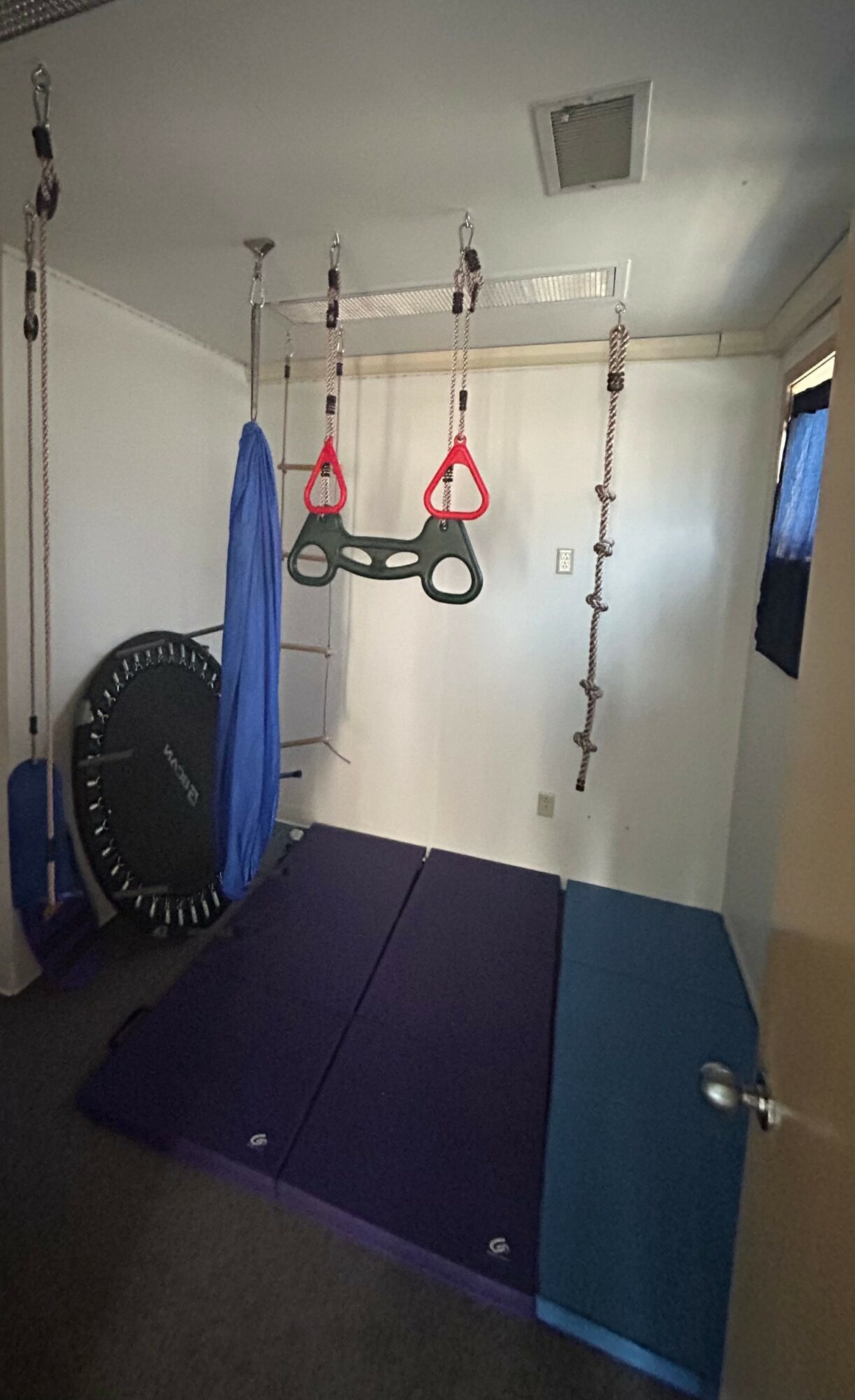
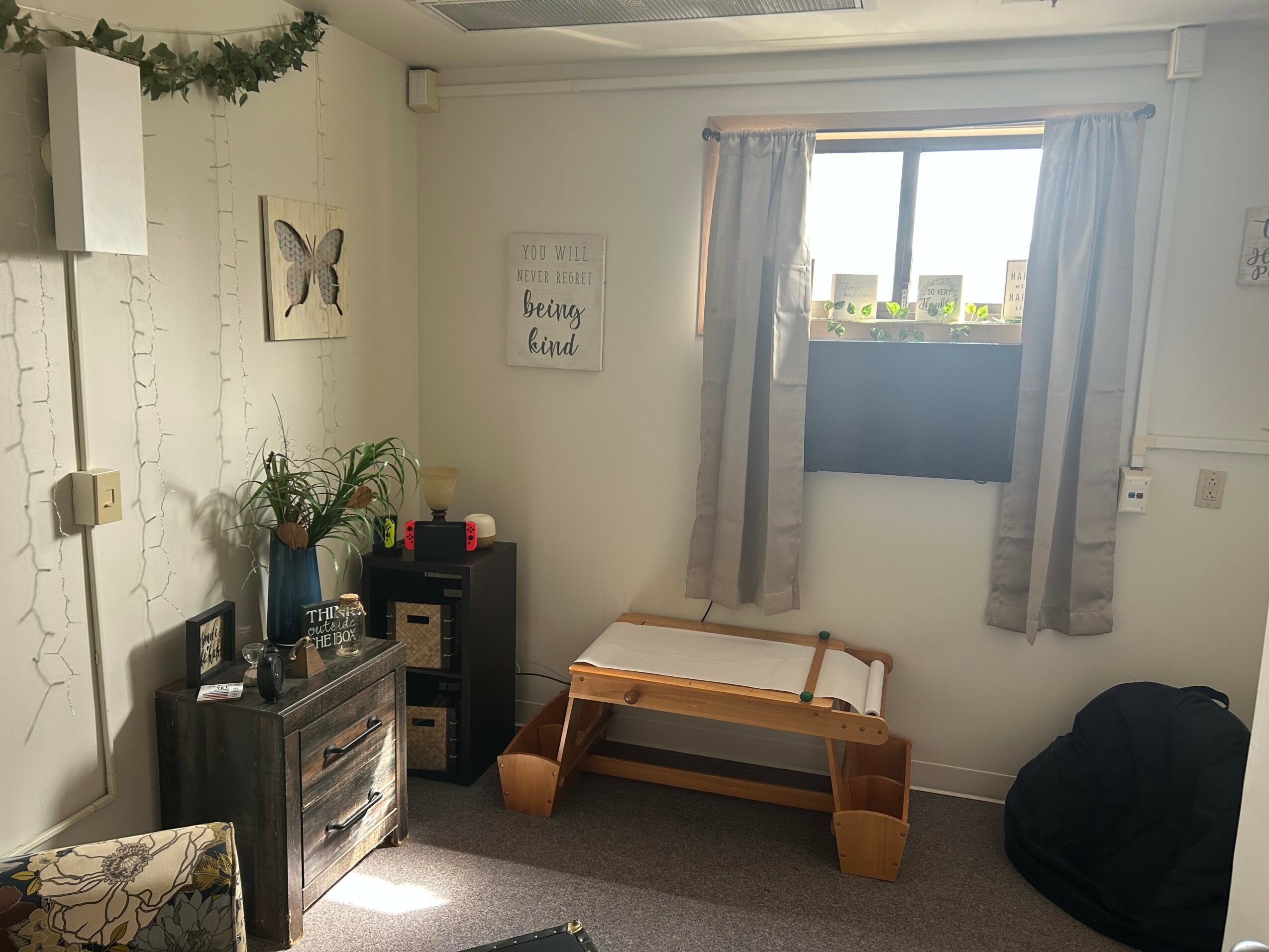
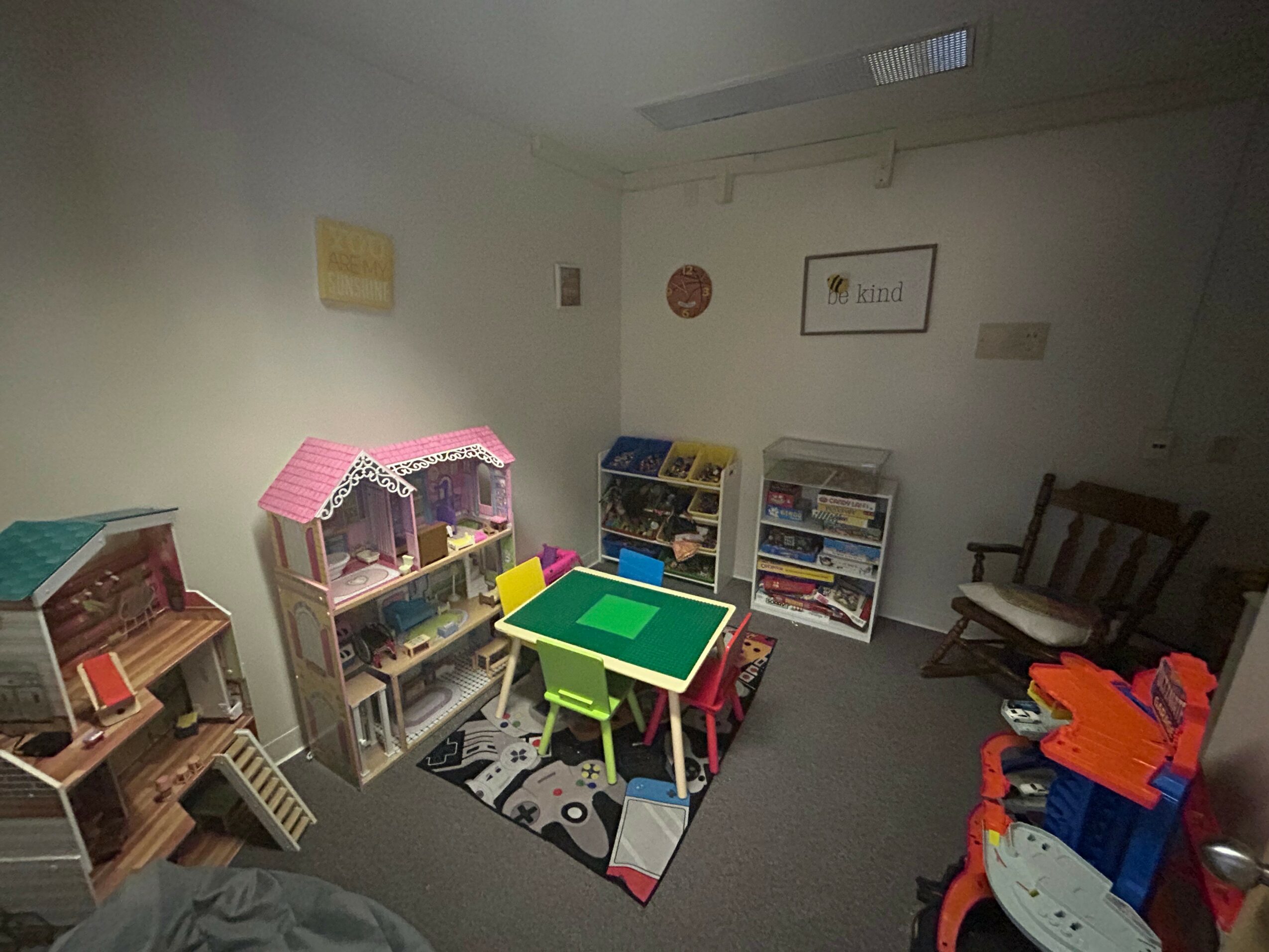
“I would describe my therapeutic approach as collaborative, creative, and client-centered. I really believe in meeting clients where they are, both emotionally and developmentally. I often incorporate creative modalities like play therapy, sand tray, music, or even media to make therapy accessible and engaging. These tools help clients express themselves in ways that go beyond words—especially children and teens.
Staying up to date on current trends, media, and cultural shifts is also a big part of how I build rapport. Whether it’s talking about a trending show, a new song, or something happening on social media, these real-world touchpoints can create immediate connection and show clients that I ‘get’ their world.
I’m very laid-back in my approach. I see the therapeutic relationship as a partnership—I’m not here to ‘fix’ someone, but to walk alongside them. I often describe therapy as a dance where the client leads and I follow, adjusting the rhythm and direction based on their needs. That mutual respect and shared humanity are what build safety and trust in the room.”
Are there any books, apps, podcasts or blogs that help you do your best?
“When it comes to fiction, I’m drawn to suspense and psychological thrillers. I love stories that make me think—especially ones where I get to explore the deeper motivations behind characters’ actions. I’m always curious about what shaped them, what internal or external forces brought them to this point. That kind of character exploration translates directly into my clinical work, where I’m always looking at a client’s behavior through a lens of curiosity and compassion, not judgment.
I also enjoy true crime and nonfiction podcasts—especially those that examine the psychological and neurological factors that might influence people to commit immoral or criminal acts. I’m fascinated by the nature vs. nurture debate, and I find that understanding the ‘why’ behind behavior helps me stay grounded in empathy, even in difficult cases. Podcasts like Mind of a Monster, Criminal, or Hidden Brain offer great insights into how the brain works, how trauma shapes people, and how even extreme behavior often has an understandable backstory.
Overall, I enjoy consuming media that challenges my thinking. Whether it’s fiction or nonfiction, I like to stay mentally engaged, constantly learning about human behavior—because that curiosity is something I bring into the therapy room every day.”
Pricing:
- most private insurnaces accepted
- Medicaid acepted
- sliding scale fee rate based on income
Contact Info:
- Website: https://jenniferwhittentherapyservices.com
- Facebook: Jennifer Whitten LPCC


Popular
-

The Change-Makers: stories that inspire
-

Take Flight: Lamar Thomas on Building an Inclusive Brand Rooted in Youth, Community, and Purpose
-

Cultivating Inner Clarity: Angel Inspires on Thought, Healing, and Purpose
-

Local Highlighter Series
-

Highlighting Local Gems
-

Hidden Gems: Local Businesses & Creatives You Should Know