



Today we’d like to introduce you to Gregory Stahl.
Alright, so thank you so much for sharing your story and insight with our readers. To kick things off, can you tell us a bit about how you got started?
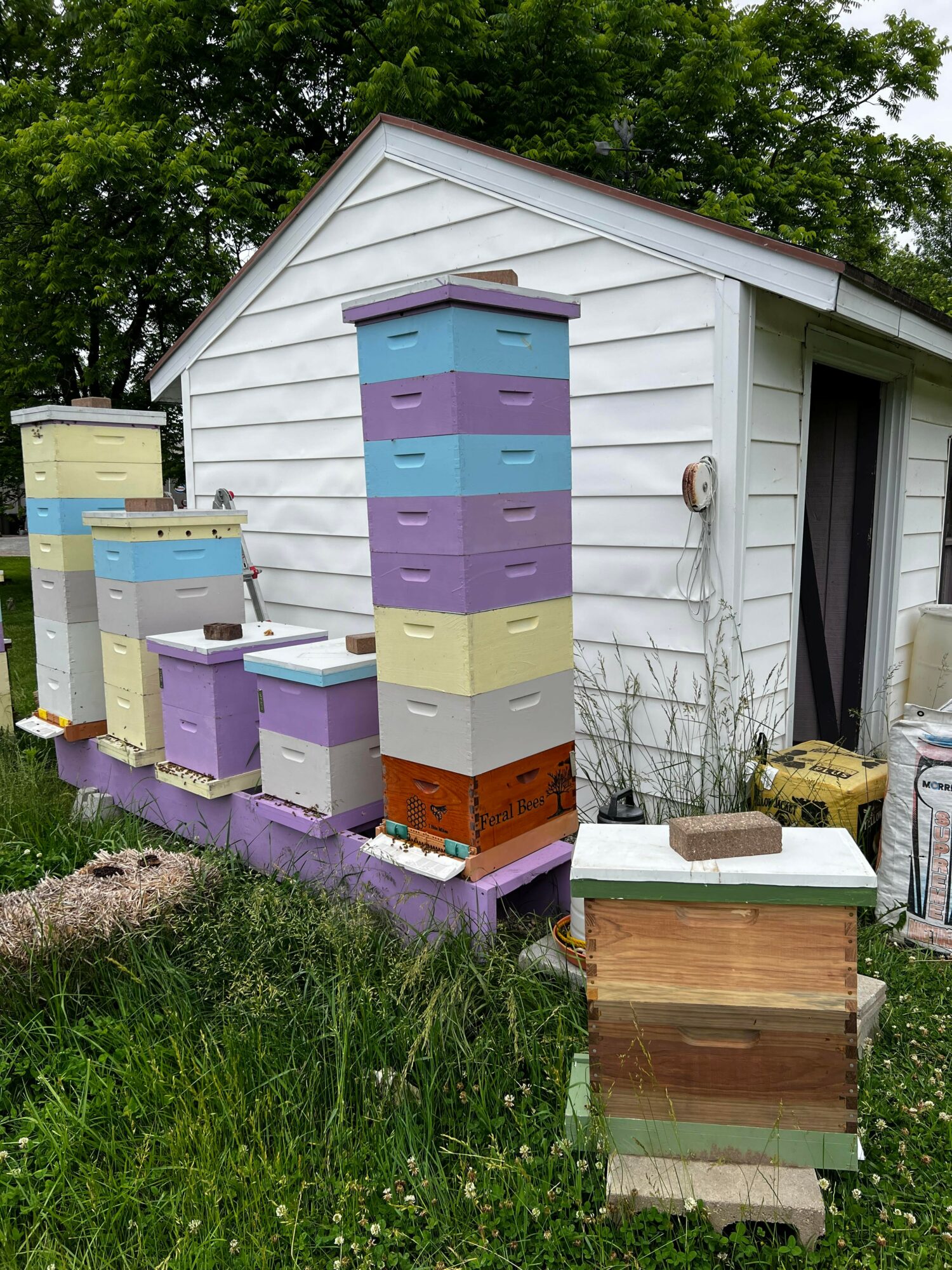
I retired from Harvard Medical School and Brigham and Women’s Hospital as The Endowed and Distinguished Paul Allen Professor in the Department of Anesthesia, Perioperative and Pain Medicine in 2017 and we moved to Urbana to be close to my wife’s parents. I took a couple online bee classes and then met two older beekeepers who were very interested in my scientific background, so I took their in person class. They established the Ohio Queen Bee Improvement Project and I immediately fit into their program as a person with scientific analysis capabilities. They taught me their ways of beekeeping and swarm trapping. Within two weeks of buying my first Nuclear Colony, I was so successful in swarm trapping that I had 6 colonies of bees. That was in 2020 and I harvested 20 pounds of honey in my first year. Fast forward to 2026, I am now into my 6th year of bees. Using my scientific and hunting experience, I learned to swarm trap very well and routinely catch over 30 bee swarms every year. I also scout for areas that do not have any managed bee colonies, so that the bees that I trap are feral bees. The genetics (verified by Purdue University Bee Lab) are very good in the areas that I trap, so that the bees do not need to be treated with chemicals for the Varroa destructor mites that pass viruses to honey bees. Thus, I run a chemical free honey bee business. Two years into our bee business, my wife, Rebecca, and I started to attend farmers’ markets and selling our honey. In year three, we started to make infused honey, hot/spicy honey and then our creamed honeys. In 2025, we harvested 2000 pounds (165 gallons) of honey. We have 58 colonies of bees going into the 2025-26 winter, up from our 2024-25 winter of 30 colonies.
We all face challenges, but looking back would you describe it as a relatively smooth road?
The worse part of starting any new business is the cost of purchasing all the equipment that you need to have bees. Not only safety equipment, but wooden ware, frames, extracting tools, bottles and lids, etc but these costs add up and for the first 5 years of the business, we made no money but spent thousands. Now that we are as big as I want to be, we have an additional problem…getting enough honey to sell. We have a large cliental and we only sell from our house, our website and at farmers’ markets. We have had several stores ask us to place our products, but we do not have enough honey to do that as we sell out every year so far.
Thanks – so what else should our readers know about your work and what you’re currently focused on?
I am retired from HMS after 25 years and my science background has made it easy for me to figure out what I need to do to keep our bees alive. I also make my own queens and open breed them to make even better bees. I have many people asking me for our bees, including my one mentor.
What’s next?
Because of my science background in human disease, I have been making products from the bee hives to help others with medical issues. I make propolis tinctures, which have helped several young children stay off steroid based salves for eczema. My wife makes propolis based chapsticks and salves for other skin issues (e.g. acne). I hope to expand this area and I am currently learning to make bon bons that are filled with creamed honey. I also will be looking to hire help as it is difficult as a one man operation to do some of the things that need to be done in the business.
Pricing:
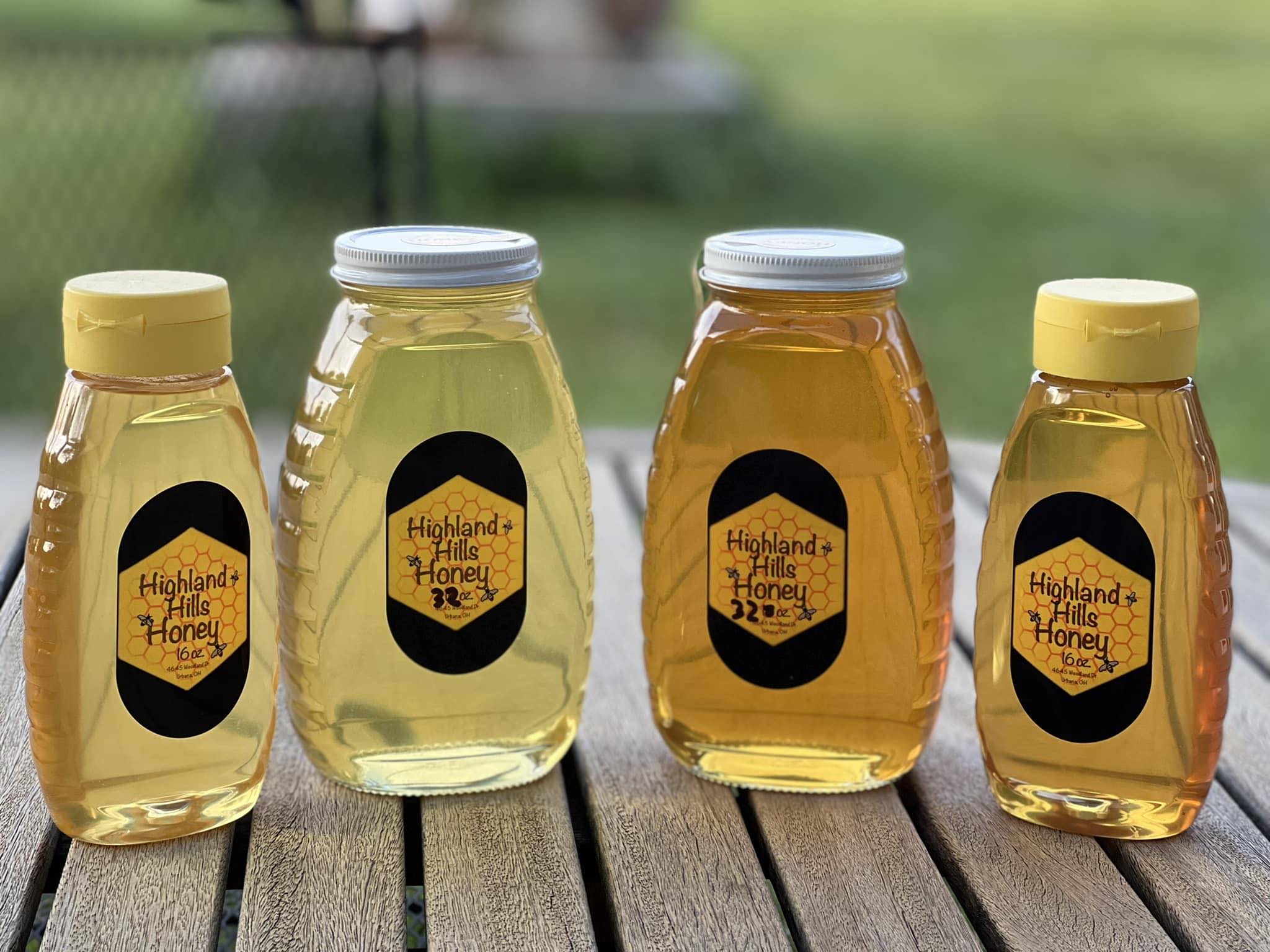
- 1 pound honey – $12
- 14 oz creamed honey (8 flavors to chose from ) $14
- 2 pound honey – $20
- chapstick (6 flavors)-$4
Contact Info:
- Website: https://highlandhillsapiary.com/
- Instagram: https://www.facebook.com/profile.php?id=61556407672326
Popular
-

The Change-Makers: stories that inspire
-

Take Flight: Lamar Thomas on Building an Inclusive Brand Rooted in Youth, Community, and Purpose
-

Cultivating Inner Clarity: Angel Inspires on Thought, Healing, and Purpose
-

Local Highlighter Series
-
Highlighting Local Gems
-

Hidden Gems: Local Businesses & Creatives You Should Know