



Today we’d like to introduce you to Elizabeth Bowman.
Hi Elizabeth, so excited to have you with us today. What can you tell us about your story?
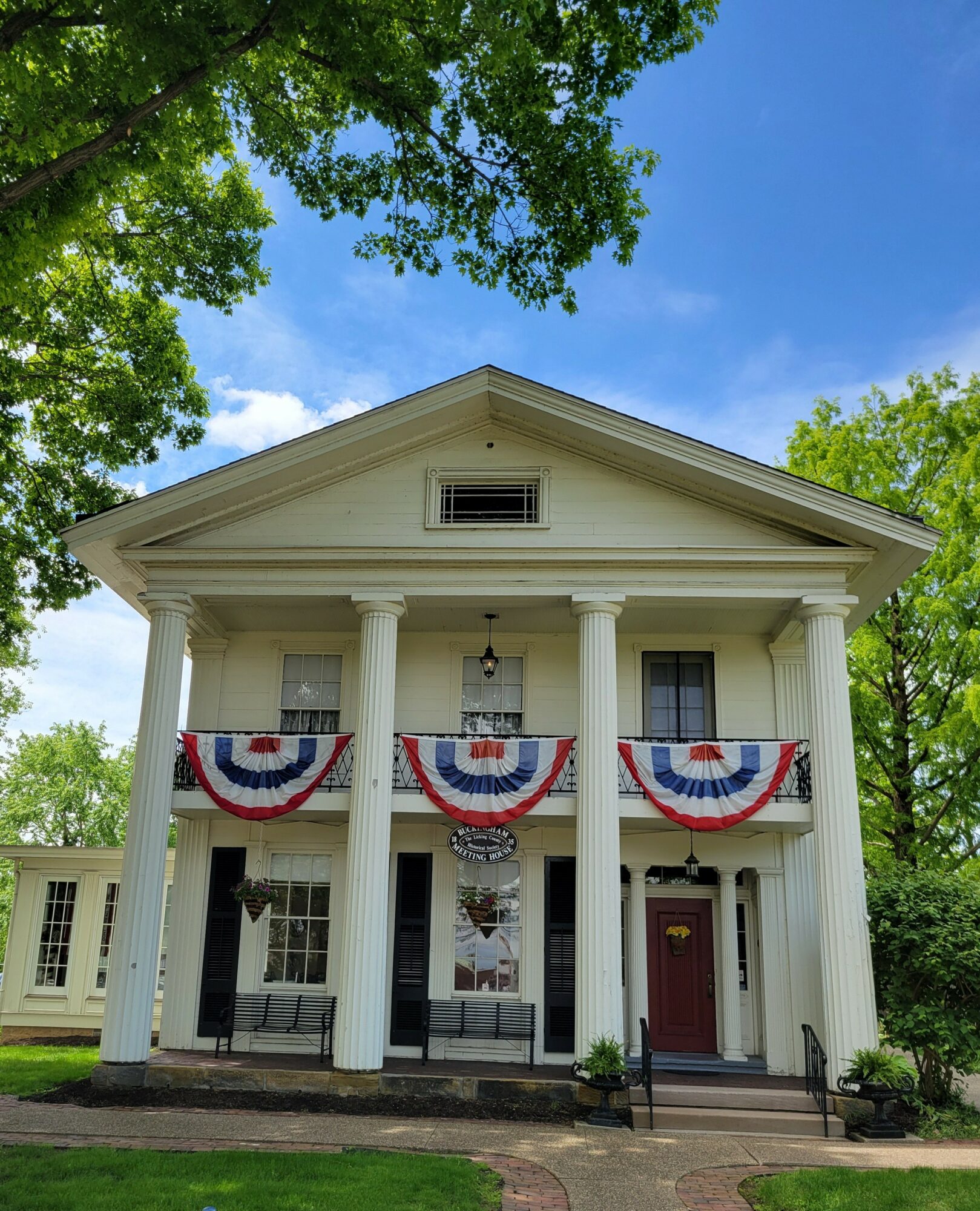
The Licking County Historical Society preserves and operates four historic landmarks, two of which are located in Veteran’s Park – the Buckingham Meeting House and the Sherwood-Davidson House.
The Buckingham Meeting House was built in 1835 by Daniel Duncan and later became the home of Jerome Buckingham. A prominent figure in nineteenth-century Newark, Jerome Buckingham served as a common pleas judge and as president of the First National Bank. His home welcomed distinguished visitors, including General William T. Sherman, President James A. Garfield, President Rutherford B. Hayes, and Major General Philip Henry Sheridan.
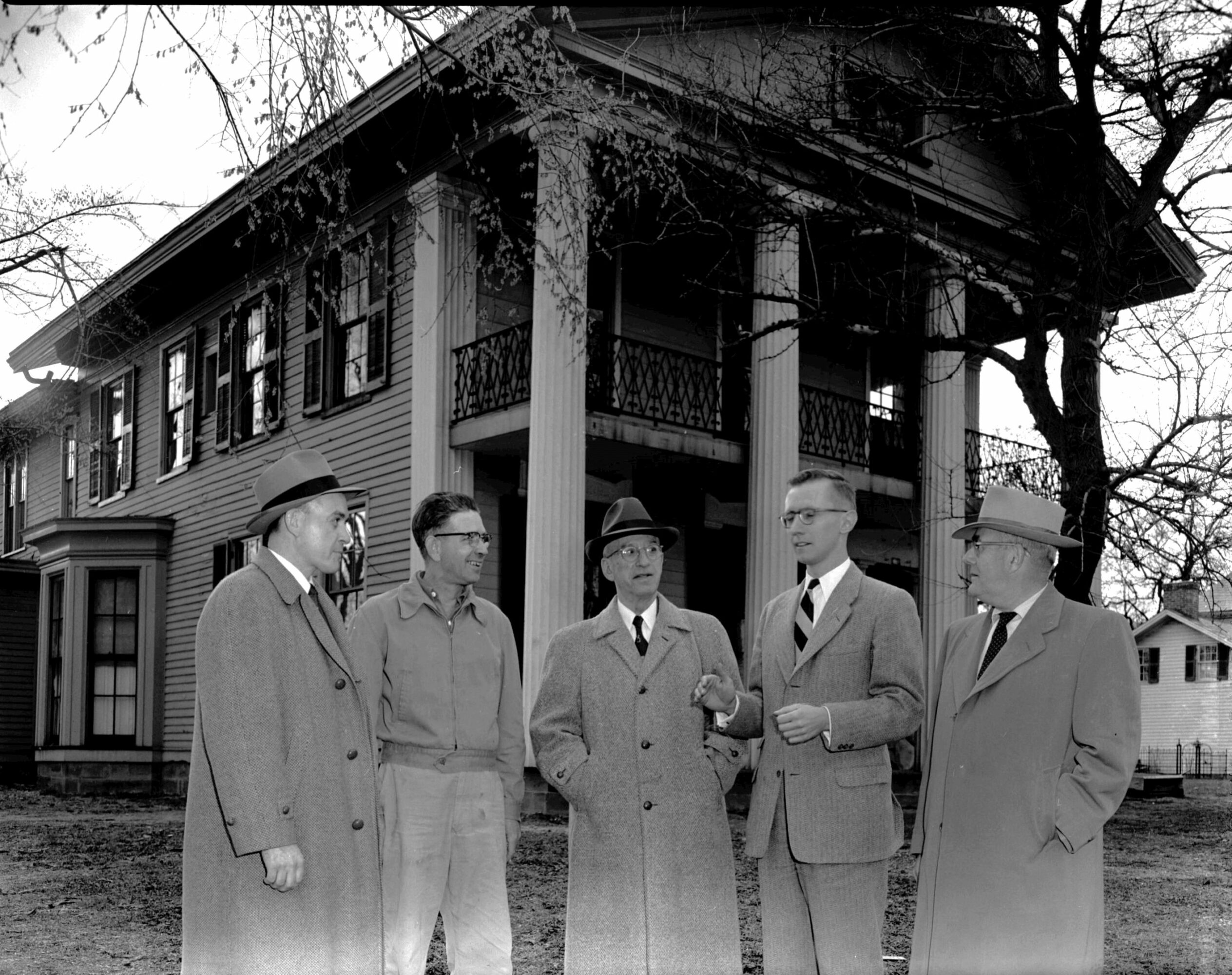
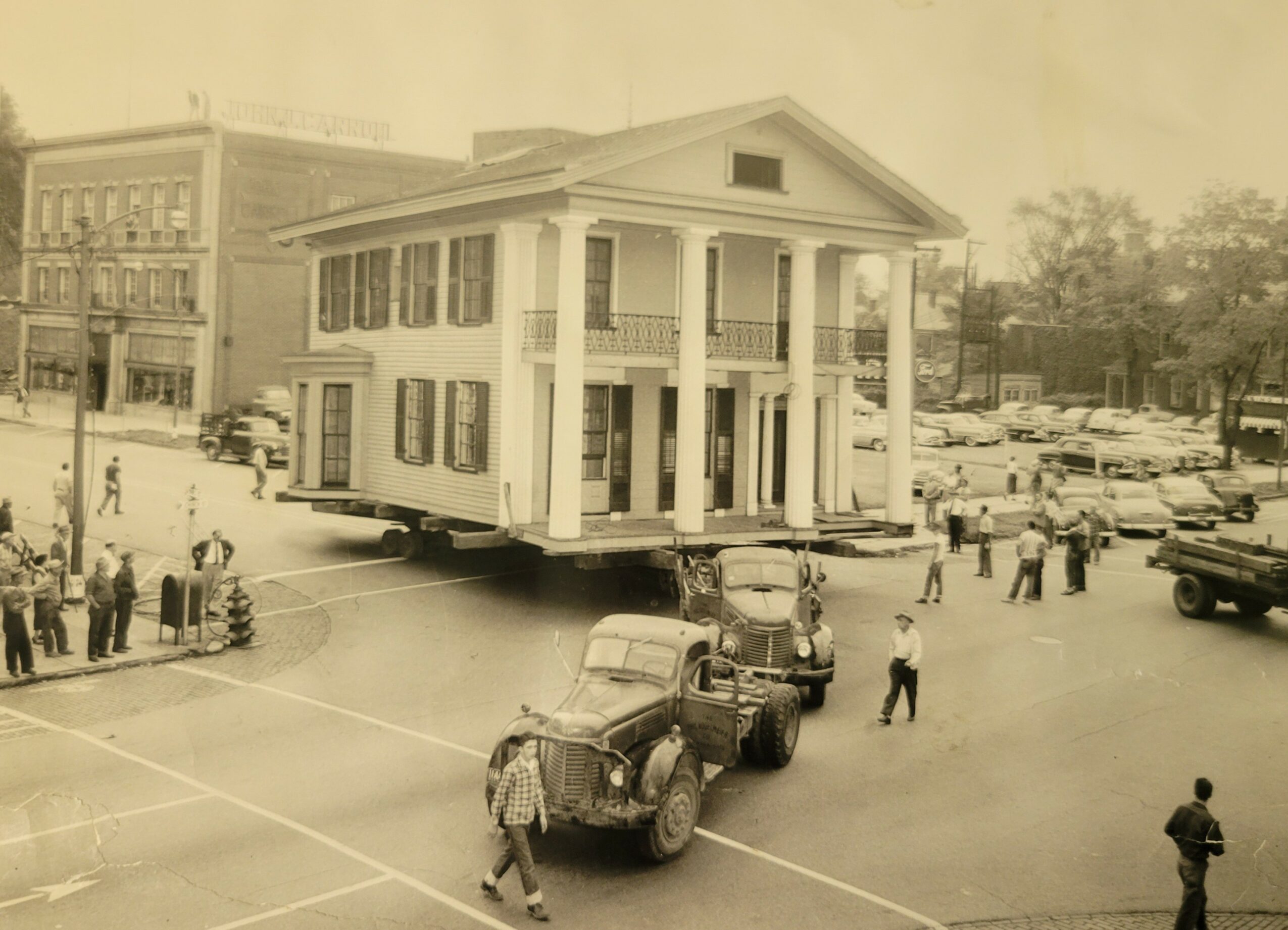
Originally located at Third and Locust Streets, the Buckingham Meeting House was relocated to Veterans Park in 1954 to ensure its preservation. Today, the building serves as the headquarters of the Licking County Historical Society. The second floor houses the Society’s office, library, and archives, with a rear entrance available for visitors.
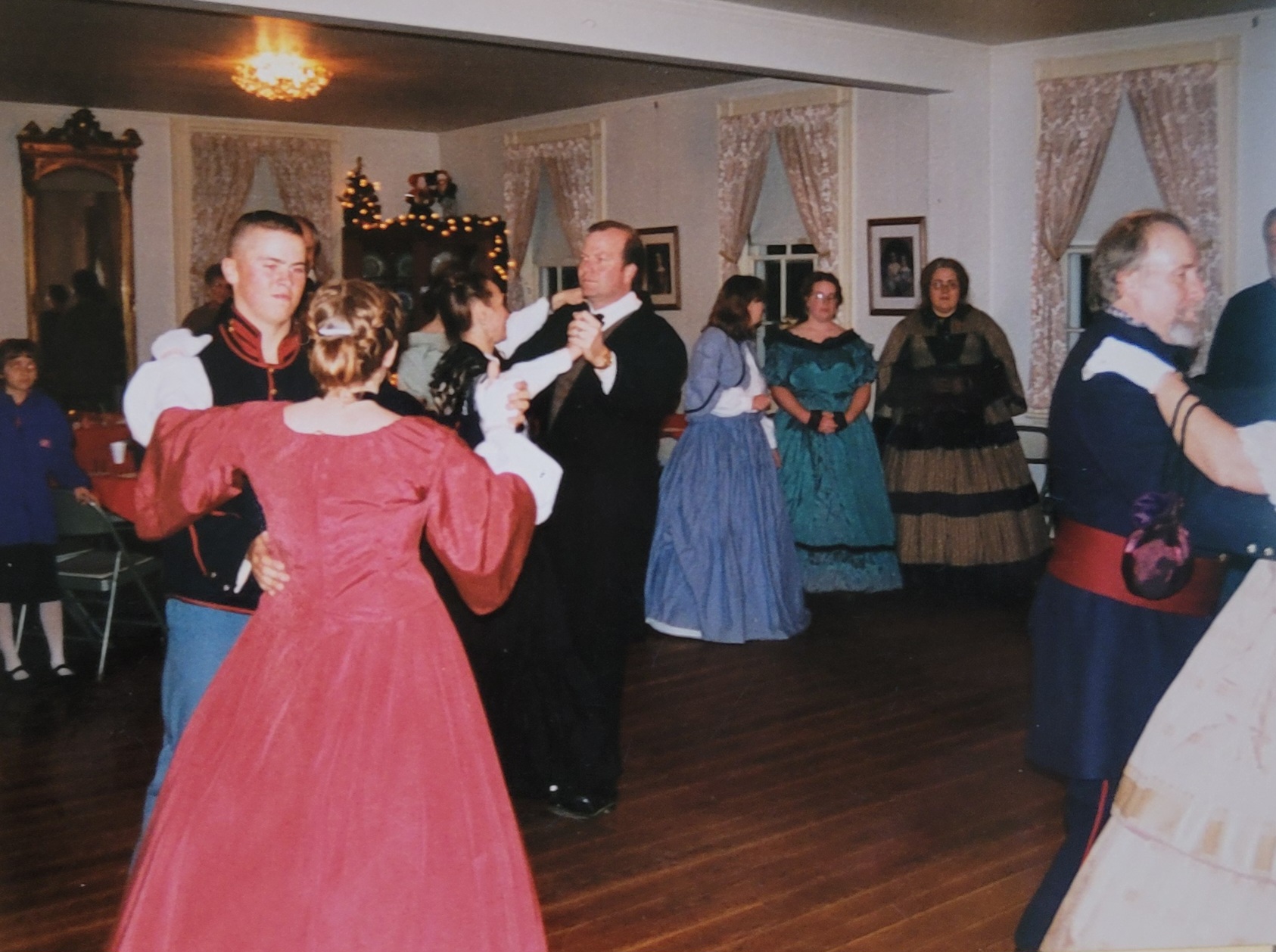
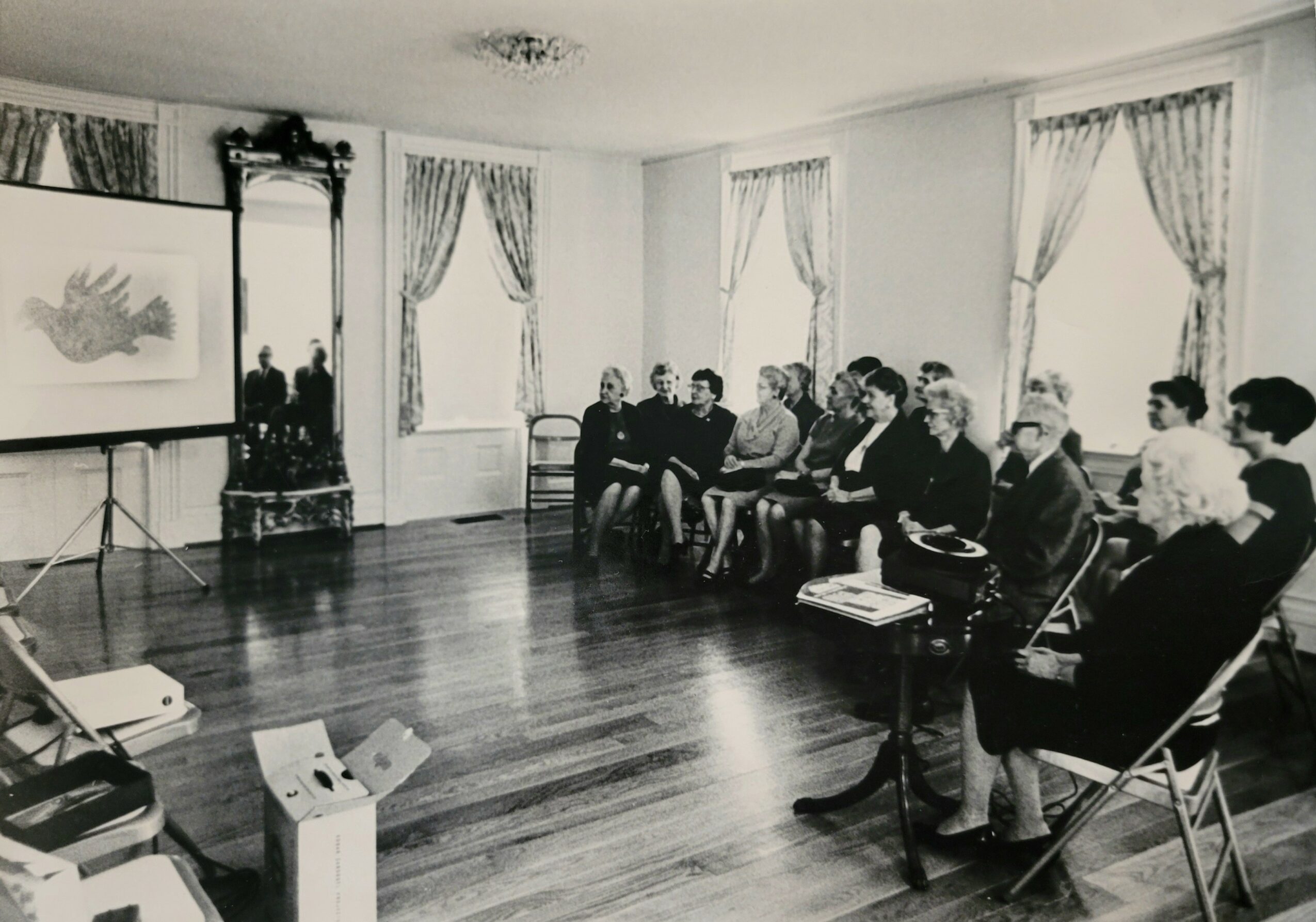
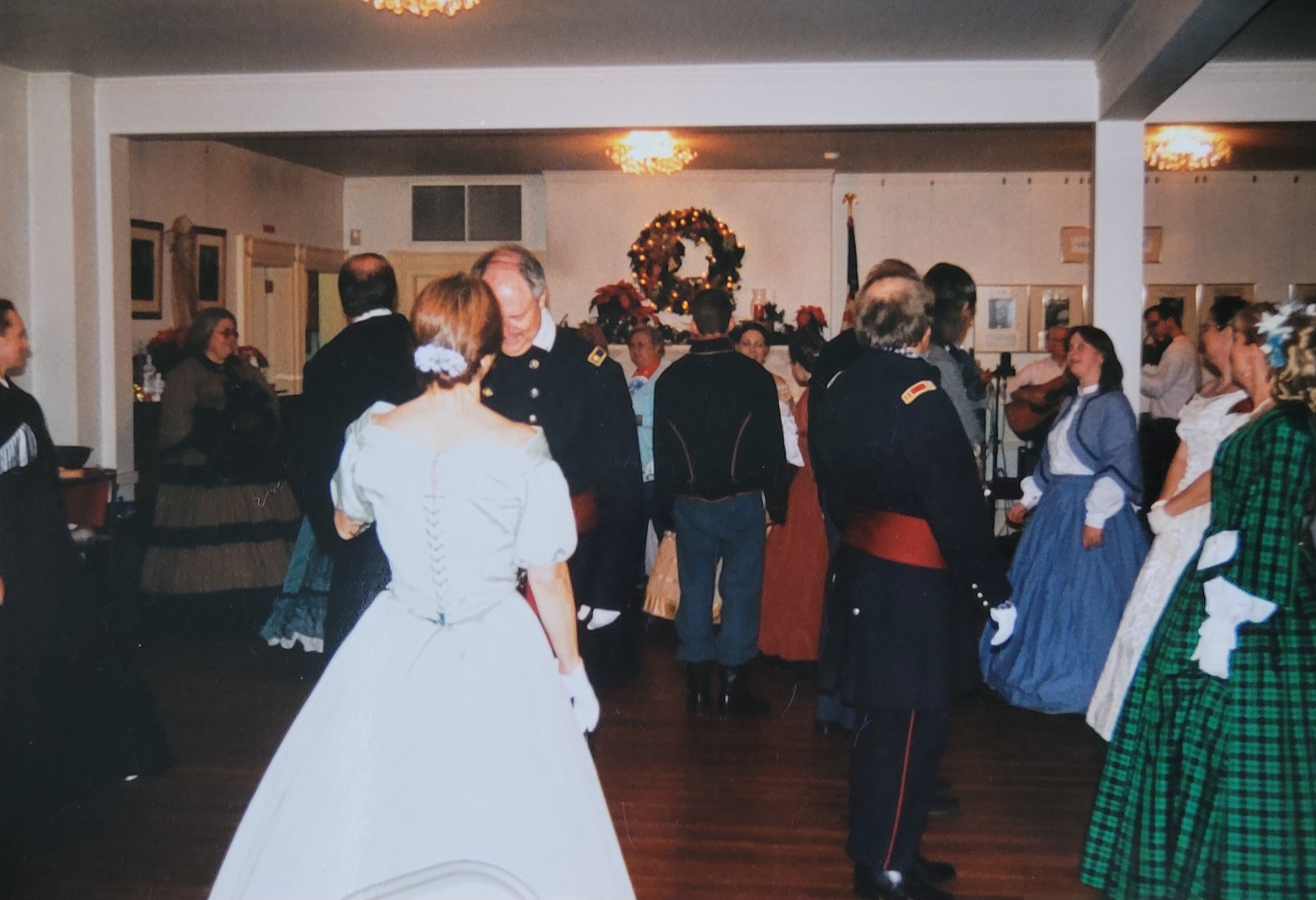
The lower level of the Buckingham Meeting House has functioned as a public event space since 1967. Open year-round, it continues to serve the community as a welcoming venue for gatherings and special events.
Can you talk to us a bit about the challenges and lessons you’ve learned along the way. Looking back would you say it’s been easy or smooth in retrospect?
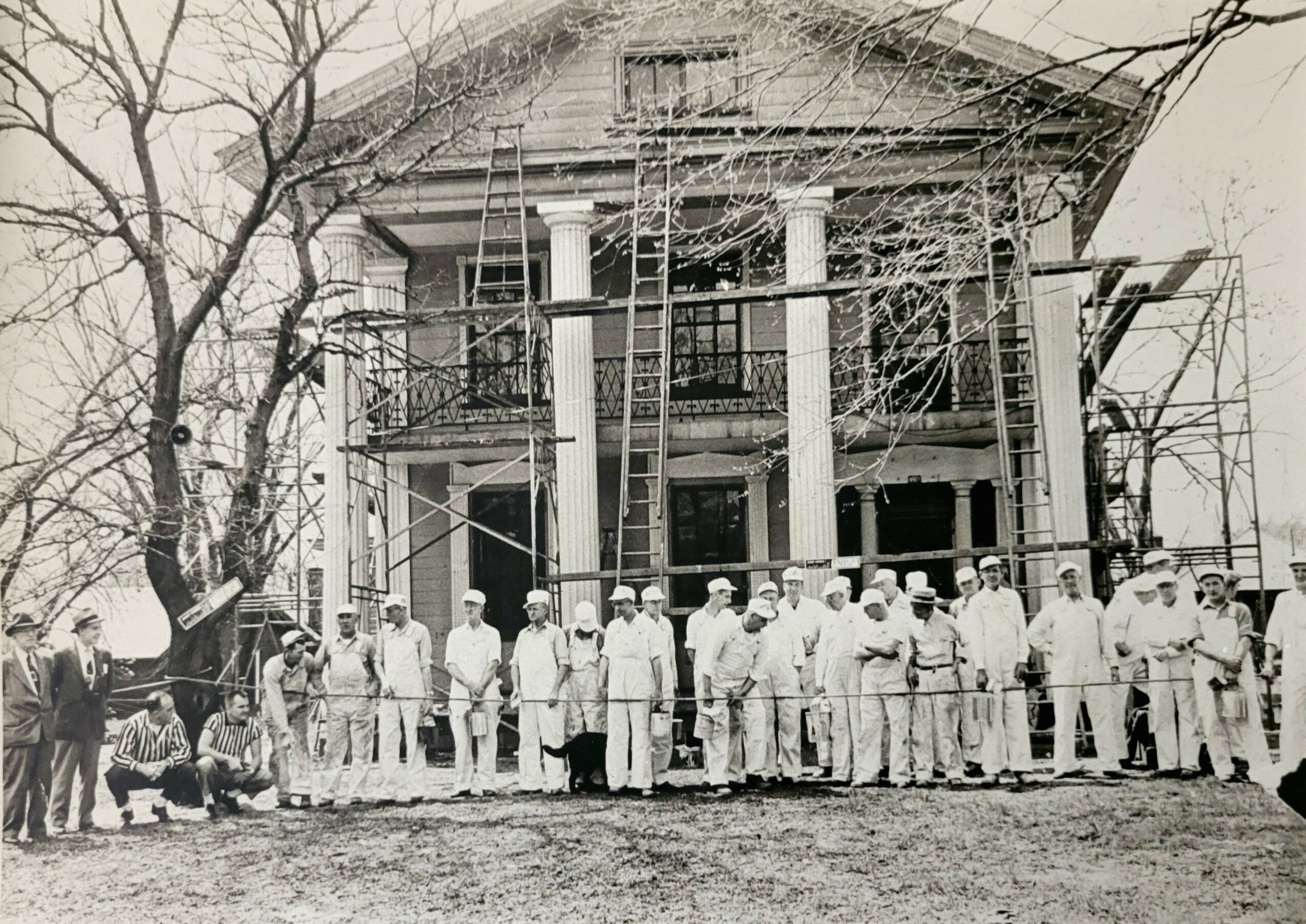
The early development of the Buckingham Meeting House in Newark, Ohio, was shaped by a combination of financial, social, and logistical constraints. Following its acquisition by the Licking County Historical Society for $1 in the early 1950s and its relocation in 1954, the Society undertook the complex task of stabilizing and restoring a significantly deteriorated structure under limited financial capacity.
As a nonprofit organization, the Licking County Historical Society depended and continues to depend primarily on donations and modest local fundraising initiatives. Consequently, restoration progressed incrementally over an extended period, with the building not opening for use as a meeting house until 1967. The work was largely completed through volunteer labor, though variations in availability and technical skill among contributors contributed to intermittent delays.
Restoration efforts frequently prioritized essential structural stabilization before aesthetic or functional improvements. For instance, early phases of work included reinforcement of compromised flooring systems and the gradual restoration of original interior woodwork, contingent upon the availability of donated materials and skilled assistance.
In addition, public engagement with the project remained limited during the initial decades, as institutional visibility was still developing and promotional capacity was minimal. Early programming was therefore modest in scale and largely dependent on informal community communication networks. Efforts to preserve the building’s historic fabric while adapting it for contemporary civic use further increased both technical complexity and overall project duration.
Despite these constraints, the Buckingham Meeting House was gradually reestablished as a functional civic space, reflecting a long-term process of preservation, adaptation, and community investment.
Appreciate you sharing that. What else should we know about what you do?
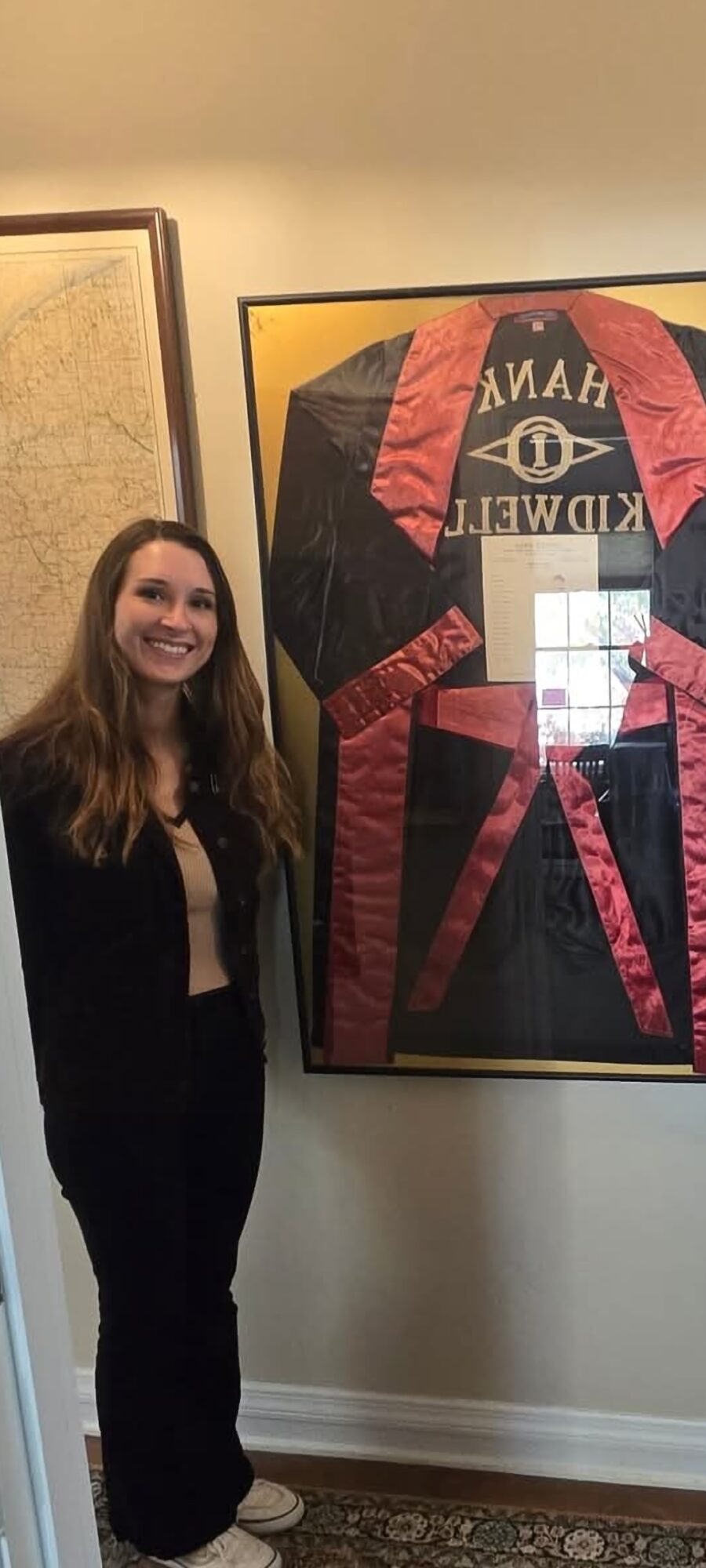
I work as an administrative assistant at the Licking County Historical Society, supporting research, public history, and administrative operations, while focusing on local history and historic preservation. My academic background includes an undergraduate degree in Maritime History and Anthropology, graduate-level coursework in Business Management and Organizational Behavior from the University of West Florida and ongoing master’s studies in Ancient Worlds (Archaeology and Classics) at the University of Edinburgh. This interdisciplinary foundation informs both my research and administrative work, allowing me to approach historical material with analytical depth while also applying structured organizational practices to the operational needs of a historical society.
My work combines historical interpretation with day-to-day administrative responsibilities. I support the operations of the historical society through membership processing, administrative coordination, record management, and public communication. I also conduct in-depth historical research and contribute to educational outreach by helping local citizens engage with the history of Licking County and understand the importance of preserving the past for future generations.
My academic training in archaeology has also contributed directly to my work with the Society, particularly in interpreting regional earthworks and understanding evidence of past human activity in the local landscape, as one of our sites is the historic Alligator Mound. This perspective enhances my ability to contextualize local history within broader patterns of human settlement and cultural development.
I specialize in bridging the gap between research and public engagement by translating archival and historical material into accessible narratives while ensuring that the organizational systems supporting this work remain efficient and well-structured. This includes maintaining accurate records, assisting with event and program coordination, and supporting both internal operations and public-facing initiatives.
What I am most proud of is my ability to combine historical research with practical administrative support in a way that strengthens both institutional function and public education. I prioritize accuracy, clarity, and organization, ensuring that historical information is not only preserved but also effectively communicated and made accessible for educational and community purposes.
What would you say have been one of the most important lessons you’ve learned?
The most important lesson in educating the public about the history of the local community is that people engage most meaningfully with history when they can see its direct connection to their own lives and surroundings. Effective public history is not only about presenting facts from the past, but about making those facts relevant, accessible, and personally resonant for the community.
Educating people about the past is important because it fosters a deeper understanding of place, identity, and continuity. Local history helps individuals recognize that the environments they live in have been shaped by generations before them, and that their own actions contribute to the ongoing story of that place. This awareness strengthens community identity and encourages a greater appreciation for preservation efforts, ensuring that historical resources, structures, and narratives are protected for future generations.
Ultimately, public education in history bridges the gap between academic research and lived experience. It transforms history from something distant and abstract into something tangible and meaningful, reinforcing the value of preserving the past while informing how communities understand themselves today.
Pricing:
- membership pricing: Student $10.00
- Senior (60+): $20.00
- Joint, Senior (60+): $30.00
- Individual: $25.00
- Household: $35.00
Contact Info:
- Website: https://lchsohio.org/
- Instagram: https://www.instagram.com/lickingcountyhistoricalsociety/
- Facebook: https://www.facebook.com/LCHSpreservingthepast/
Popular
-

Hidden Gems: Local Businesses & Creatives You Should Know
-

The Change-Makers: stories that inspire
-

Take Flight: Lamar Thomas on Building an Inclusive Brand Rooted in Youth, Community, and Purpose
-

Cultivating Inner Clarity: Angel Inspires on Thought, Healing, and Purpose
-

Local Highlighter Series
-

Highlighting Local Gems