



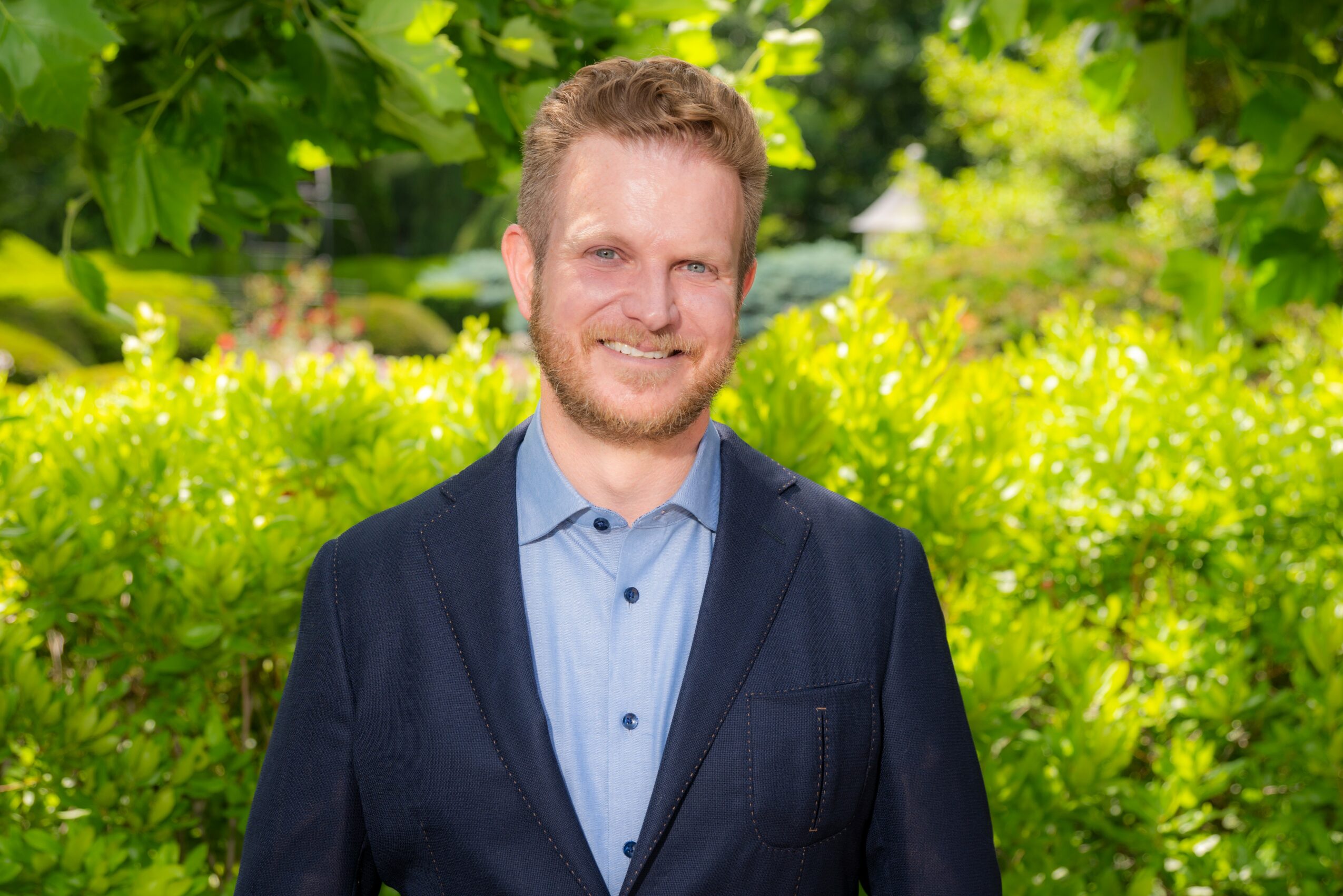
Today we’d like to introduce you to Ed Moydell.
Hi Ed, it’s an honor to have you on the platform. Thanks for taking the time to share your story with us – to start maybe you can share some of your backstory with our readers?
I was born and raised in Tulsa, Oklahoma. One of my earliest memories of feeling truly connected to nature happened when I was about six or seven years old. My family visited a nature preserve called Redbud Valley. The Tulsa area is mostly flat, but Redbud Valley has this incredible rock outcropping that overlooks the landscape. I remember standing on top of that rock formation and looking out across what felt like a sea of redbud trees in bloom. Redbud is the state tree of Oklahoma and seeing that view made a real impression on me. Even at that age, I thought it was amazing.
When I was thirteen, I inherited a lawn-mowing business from my older brother. He had moved on to a job in hospitality, and suddenly I found myself responsible for the routes and the customers. I grew the business over time, and that experience sparked my interest in horticulture. In high school I enrolled in a vocational-technical program focused on landscape and greenhouse management. That program really opened my eyes to the possibilities of working with plants as a career.
I went on to Tulsa Community College and earned an associate degree in horticulture. In that time, I learned what interested me most was the connection between people and plants. I found myself equally drawn to botany and psychology — the science of plants and the science of people.
Around the time I graduated and needed to transfer to a four-year college, I visited the Missouri Botanical Garden in Saint Louis, which is one of the great public gardens in the country. I remember being completely in awe of the work happening there and realizing that public gardens could combine science, education, beauty and community. It was on that day that I decided that my career would be devoted to working in public horticulture.
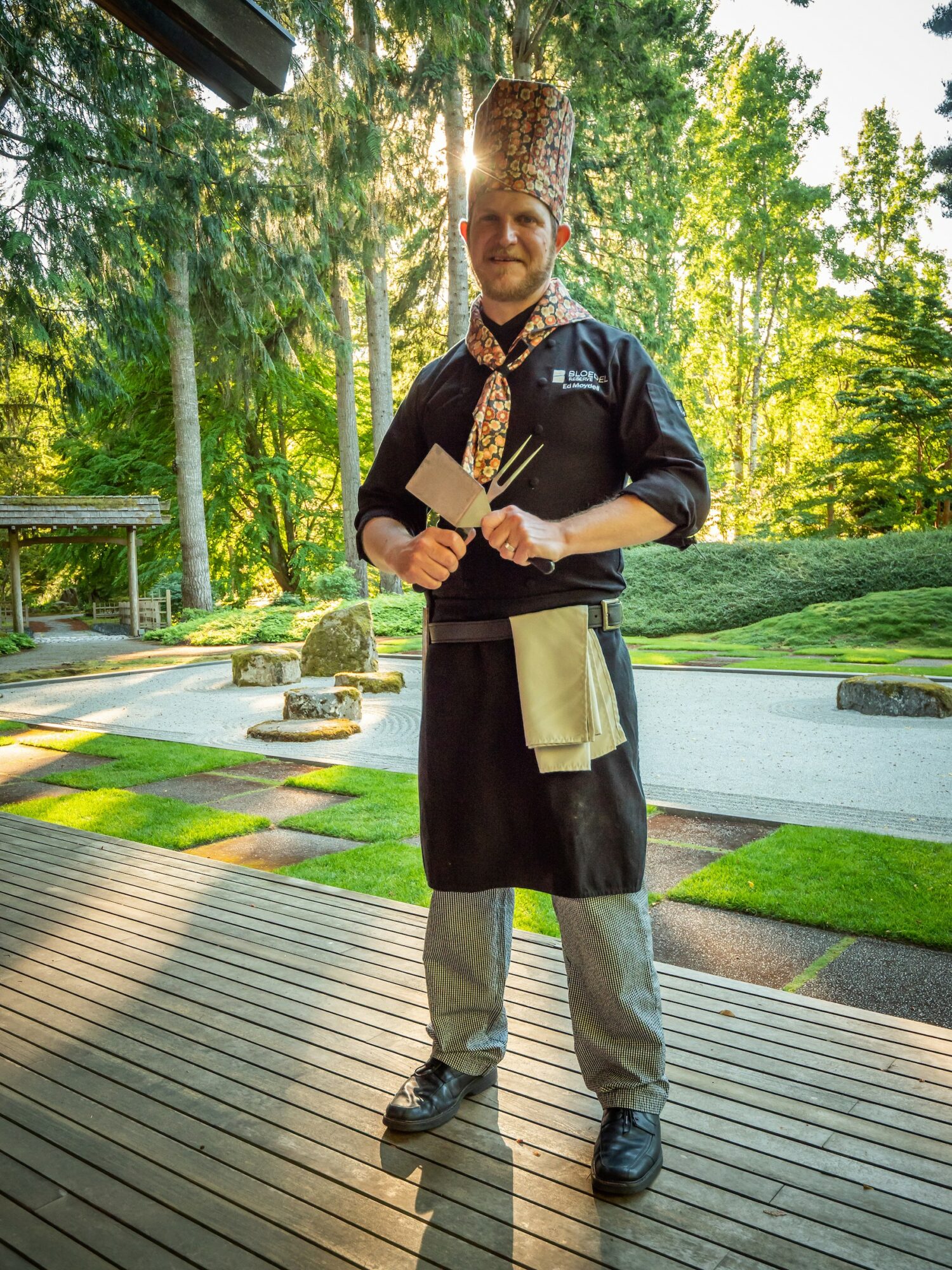
After that trip, I enrolled at Oklahoma State University in public garden management, where I also met my wife, Erin, who was studying theater. While I was in school, I worked as a Benihana teppanyaki chef to help pay my way through college; a job that taught me how to perform under pressure and entertain a crowd.
During my undergraduate years I had the opportunity to work at a 500-year-old botanical garden in Germany, which was an incredible experience. It broadened my perspective on what public gardens can be and how deeply they can connect with culture and history.
After completing my undergraduate degree, I went on to graduate school at the University of Delaware to study public garden leadership. The program was supported by Longwood Gardens. My thesis focused on creating a center for experiential learning in public horticulture, essentially building pathways for people to pursue careers in public gardens.
That work eventually led to seed funding to develop the concept into a real (nonprofit) program, and I joined the staff at Longwood Gardens in the education department.
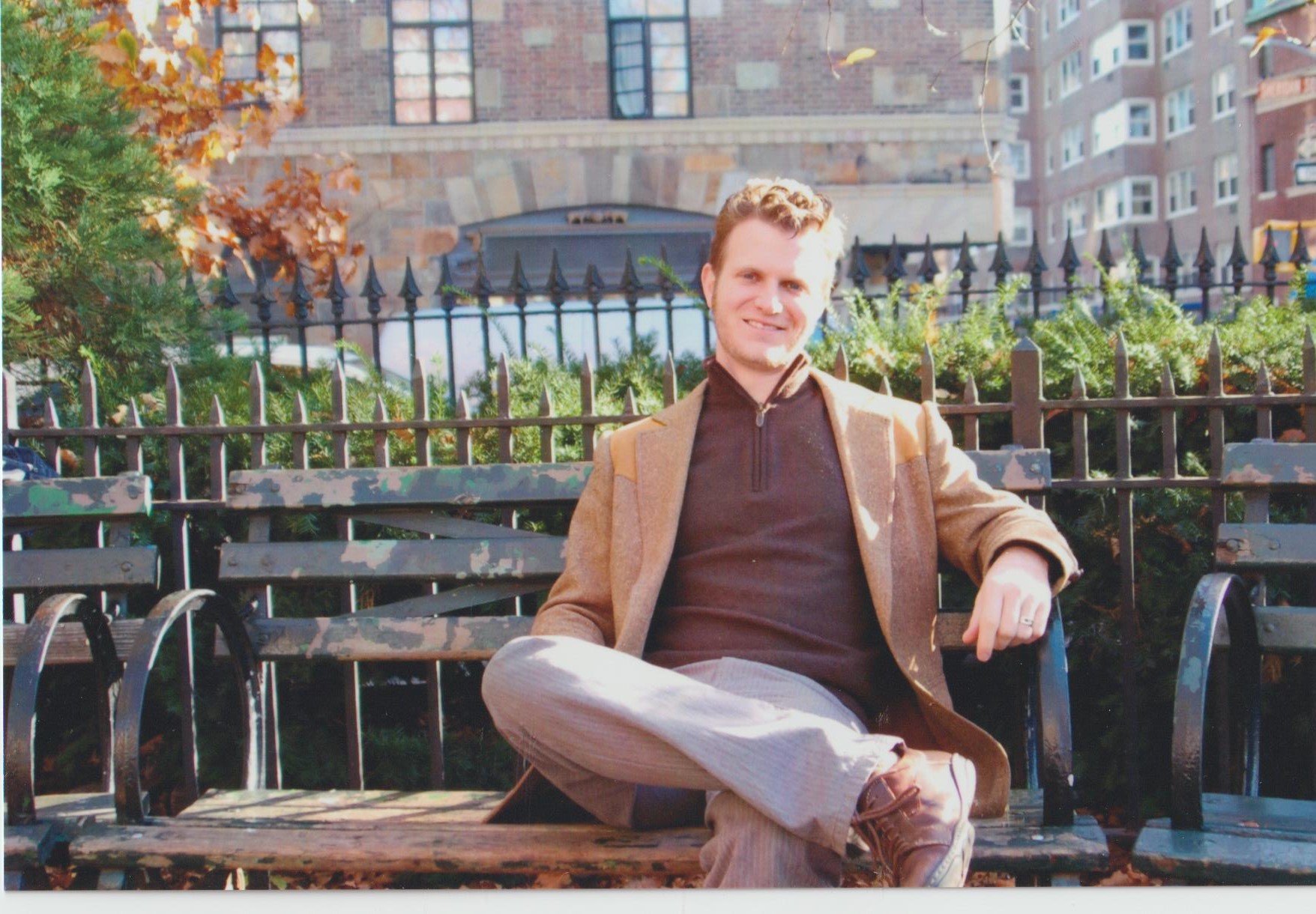
Around that time my wife and I moved to New York City so she could pursue her career in theater. While living there I managed the nonprofit from a home office and continued developing my work in public horticulture. One of my graduate research projects took me to the University of Washington’s Center for Urban Horticulture and eventually to the Bloedel Reserve on Bainbridge Island in Washington State.
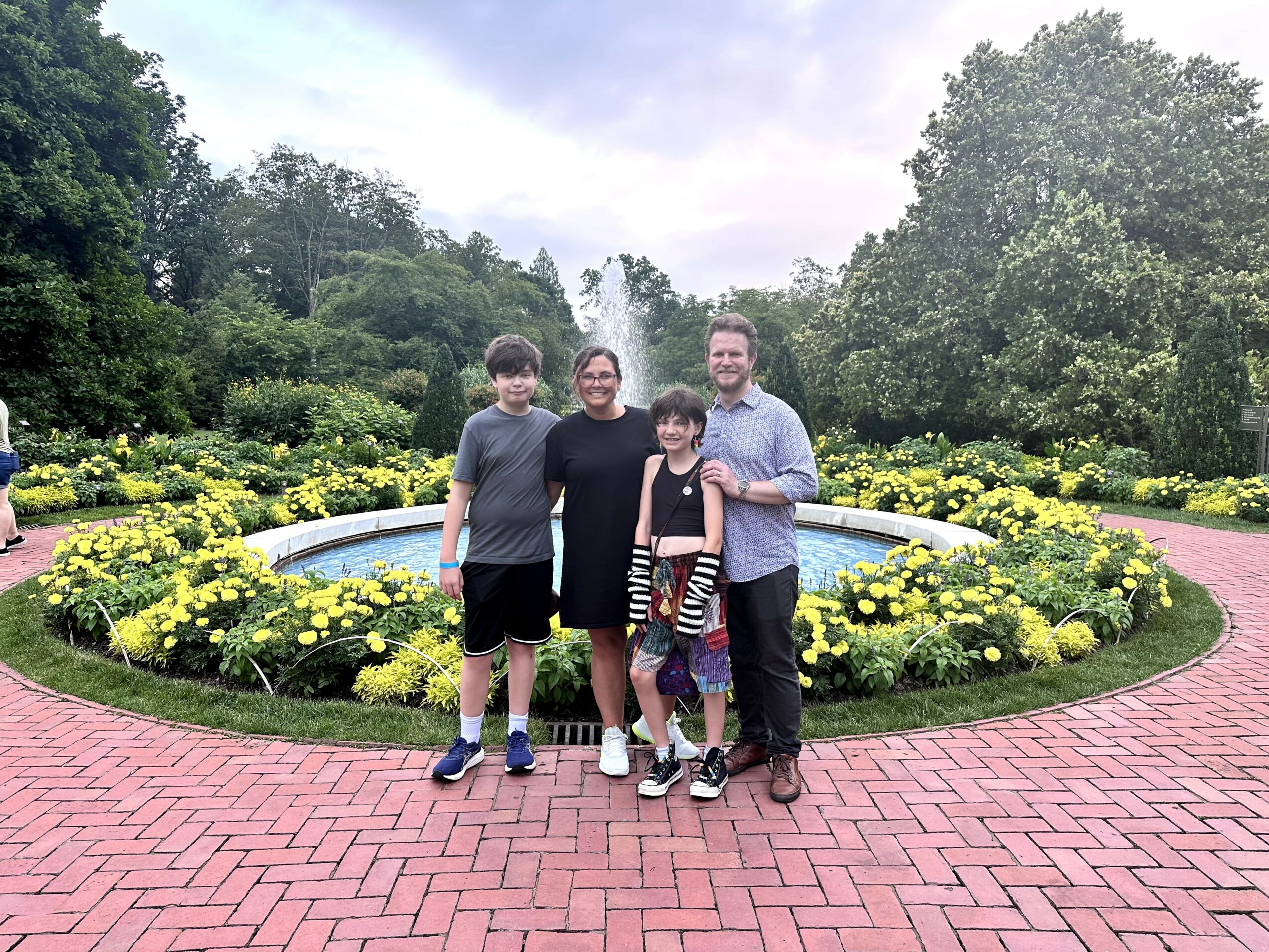
In 2009, a position opened at Bloedel Reserve and I applied. It turned out to be an incredible opportunity. I spent 14 years there (2009-2023), first as Associate Director, then Executive Director, and ultimately President & CEO. During that time, my wife and I also welcomed our two children.,
Today I am grateful to serve as President and CEO of Holden Forests & Gardens here in Northeast Ohio, where we connect people with the wonder, beauty and value of trees and plants and inspire action for healthy communities.
Would you say it’s been a smooth road, and if not what are some of the biggest challenges you’ve faced along the way?
Overall, I’ve been fortunate that my career path has been relatively smooth, though there have certainly been bumps along the way.
Because I put myself through school, it took me about five and a half years to finish college. I worked a lot of different jobs along the way to make that happen. Looking back, those experiences were incredibly valuable because they taught me resilience, responsibility and how to connect with people from all walks of life.
In my nonprofit work, there were also moments where the challenges felt significant, whether that meant limited resources, big organizational decisions or simply the pressure of leading a mission-driven organization. But those moments also helped me grow as a leader. Like many non-profit leaders, the pandemic was a difficult time for me to navigate. Constant uncertainty, instantly out of date information, and competing priorities required a combination of flexibility and fortitude. Ultimately, though, I think COVID-19 made me a stronger leader and made the organization I led more cohesive and resilient.
Thanks for sharing that. So, maybe next you can tell us a bit more about your work?
Today, I serve the role of President and CEO of Holden Forests & Gardens, Our organization is made up of two of Northeast Ohio’s most important environmental and cultural institutions, the Holden Arboretum in Kirtland and Cleveland Botanical Garden in Cleveland.
Our mission is to connect people with the wonder, beauty, and value of trees and plants, inspiring action for healthy communities. One of the largest public gardens in the country, Holden Forests & Gardens serves more than 22,000 member households and welcomes over 350,000 visitors annually, providing inspirational and educational experiences for people of all ages.
At the same time, we steward more than 3,500 acres of preserved natural areas and living collections, and advance important scientific research focused on forest health, plant conservation, and climate resilience. Through this combination of public gardens, research, and conservation work, we strive to serve as a trusted regional resource and a national leader in understanding and protecting the trees and forests that sustain our communities.
Are there any important lessons you’ve learned that you can share with us?
One of the most important lessons I have learned is that you can’t do this work alone.
When I first became executive director at Bloedel Reserve, I had never managed a large team before. I went from being in graduate school to leading an organization. Early on I realized that success was not about having all the answers; it was about building a strong team and creating an environment where people could contribute their strengths. The collective knowledge and passion of a team is always greater than any one individual.
Another lesson is the value of mentorship. I’ve been fortunate to have several mentors over the years, people whose perspectives and guidance helped shape my thinking. What I learned from them is to keep an open mind. You can learn a great deal from many different people if you focus on the substance of what they’re saying rather than the style.
Nonprofit work can be challenging, so it’s important to believe deeply in the mission and to maintain a sense of humor along the way. I feel very lucky to do work that I care about. When you truly enjoy what you do, it makes the hard days easier and the work more meaningful.
I also believe that everyone has something they are meant to do in life. I’ve tried to listen to that calling and dedicate myself to it.
At Holden Forests & Gardens, I’m surrounded by an incredible team of colleagues who share that same commitment. Our mission is to connect people with the wonder, beauty and value of trees and plants and inspire action for healthy communities.
We operate three unique campuses with distinct characteristics. The Cleveland Botanical Garden, the first civic garden in the U.S., sits in the heart of vibrant University Circle and offers immersive glasshouse experiences and gardens that connect people directly with plants from around the world. The Holden Arboretum, about 30 miles east of Cleveland, spans more than 3,500 acres and is one of the largest arboreta in the country. It was designed as the nation’s first ecological arboretum, meaning trees and plants are arranged in ways that reflect how they grow in nature. Our third campus, the David G. Leach Research Station in Madison, Ohio, is internationally recognized for its work in rhododendron breeding and plant science, supporting research and conservation that benefits gardens and forests around the world.
Ten years ago, the Cleveland Botanical Garden and Holden Arboretum came together to form Holden Forests & Gardens. Today we are the third-largest public garden in the United States by acreage, serving more than 350,000 visitors annually with a team of nearly 200 employees. We’re also one of the leading research-focused public gardens in the country, with scientists conducting important work on forest health, plant conservation, and climate resilience. That science is not only advancing knowledge but also helping inform how forests and communities across Ohio, and far beyond, adapt and thrive in a changing environment.
None of that work happens without an extraordinary team. I’m fortunate to work alongside incredibly talented colleagues who bring both expertise and a genuine sense of joy to what we do. Being part of an organization that connects people with the wonder, beauty, and value of trees and plants — and inspires action for healthy communities — is something I feel grateful for every day.
Contact Info:
- Website: https://holdenfg.org/
- Instagram: Holden Arboretum: https://www.instagram.com/holden_arb/
Cleveland Botanical Garden: https://www.instagram.com/clebotanicalgarden/ - Facebook: Holden Arboretum: https://www.facebook.com/holdenarb/
Cleveland Botanical Garden: https://www.facebook.com/cbgarden - LinkedIn: https://www.linkedin.com/in/ed-moydell-30a1a413/
- Youtube: https://www.youtube.com/@holdenforestsgardens
- Other: https://www.linkedin.com/company/the-holden-arboretum/
Popular
-

The Change-Makers: stories that inspire
-

Take Flight: Lamar Thomas on Building an Inclusive Brand Rooted in Youth, Community, and Purpose
-

Cultivating Inner Clarity: Angel Inspires on Thought, Healing, and Purpose
-

Local Highlighter Series
-

Highlighting Local Gems
-

Hidden Gems: Local Businesses & Creatives You Should Know