



Today we’d like to introduce you to Ben Clark.
Hi Ben, please kick things off for us with an introduction to yourself and your story.
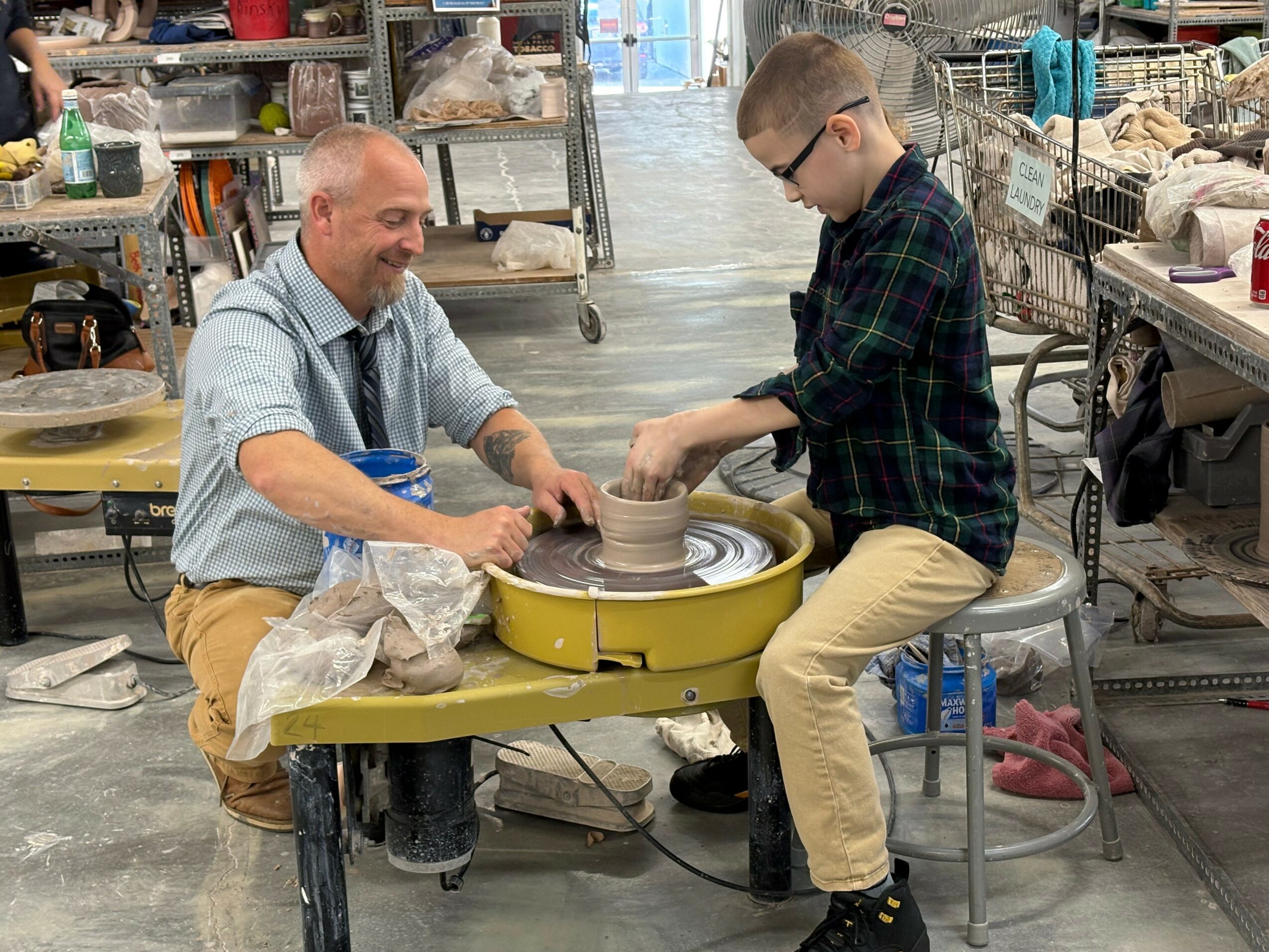
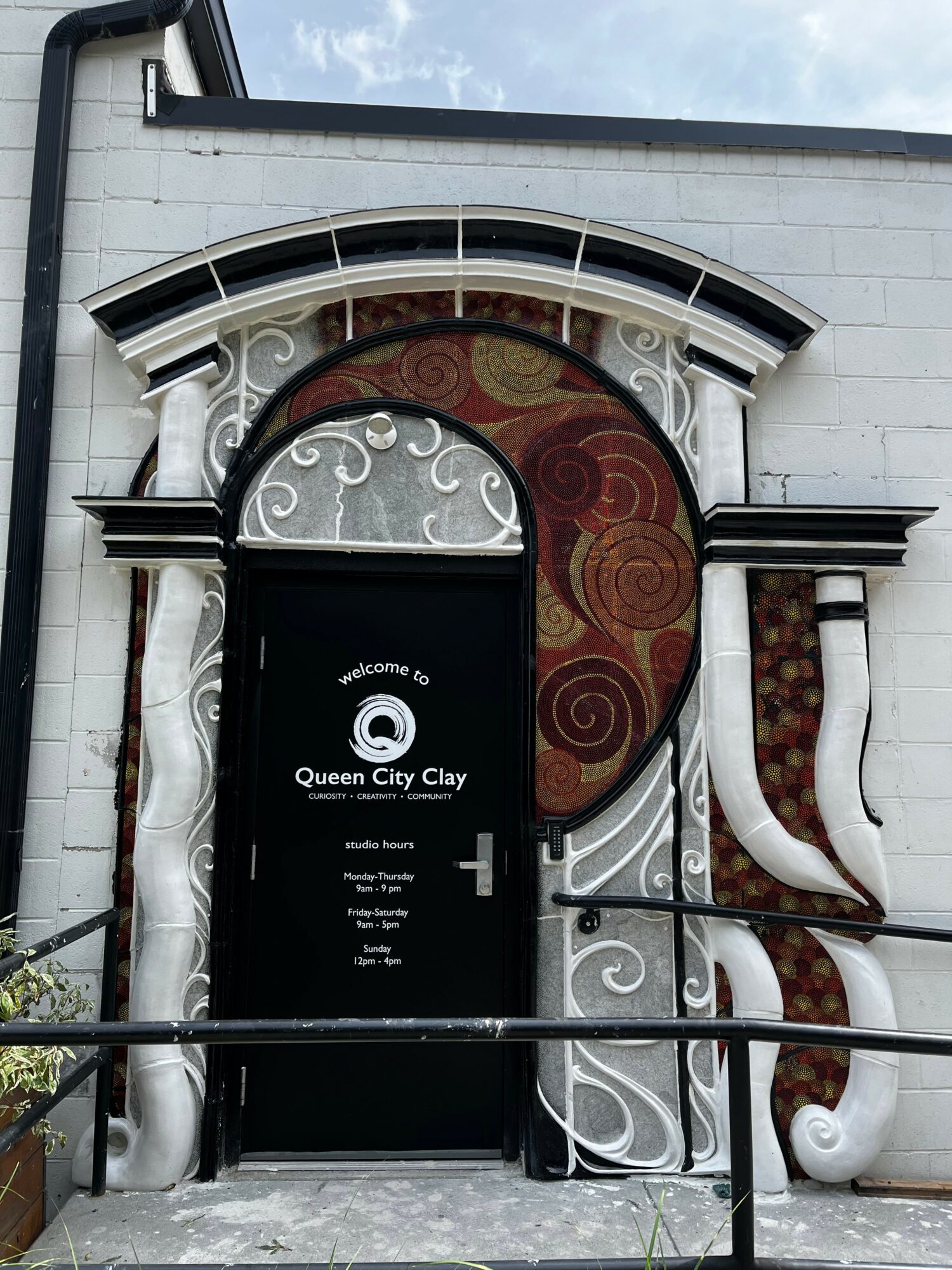
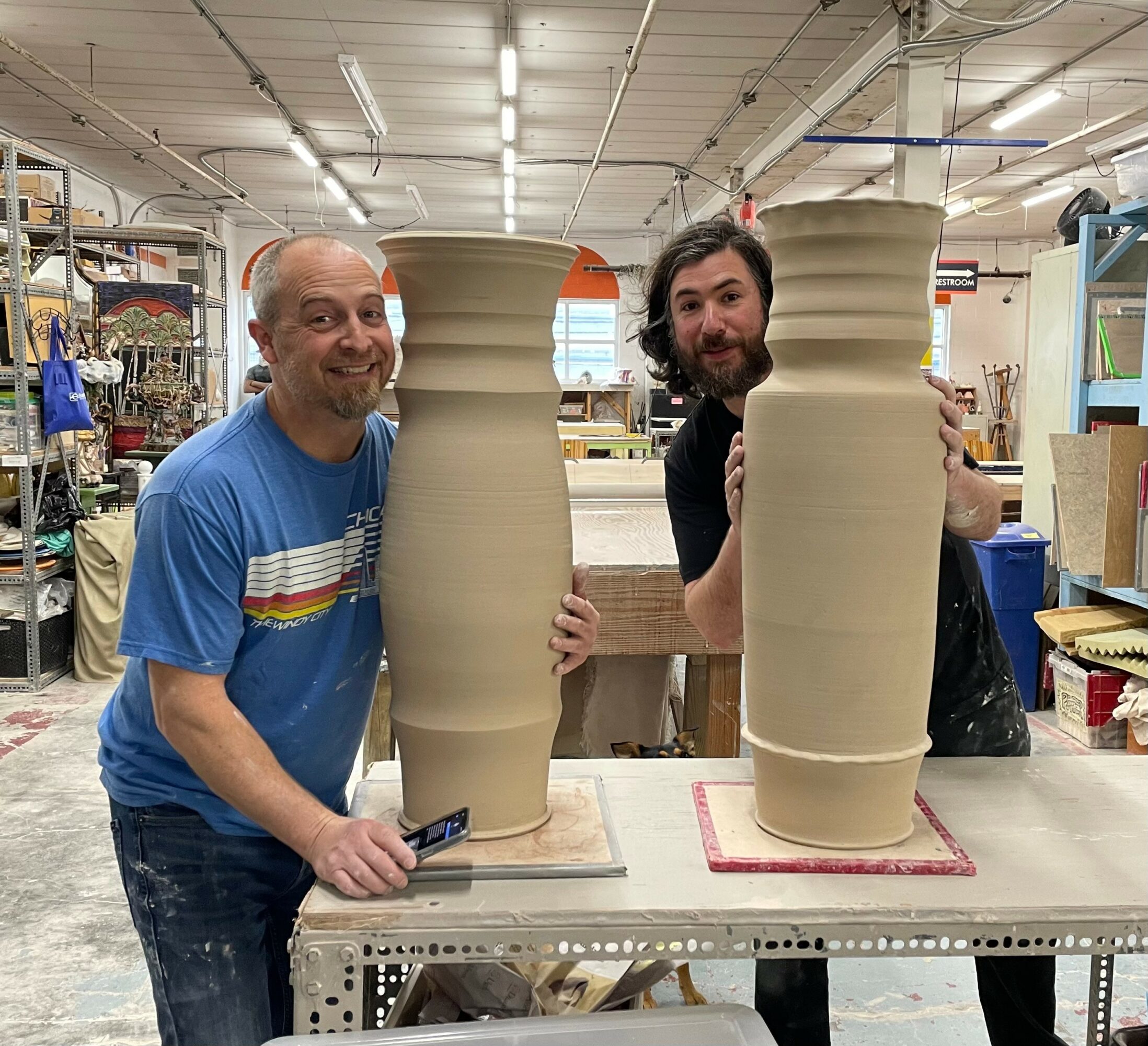
I was a creative writing major in college. Clay was a passion of mine but I didn’t really take it seriously until much later in life. After college I coached gymnastics, ran the tasting room at Founder’s Brewing Company, worked for the Boys and Girls club, toured Europe as a professional Jump Rope performer and instructor (for real,) and taught clay classes at a local pottery studio named Annie’s Mudpie Shop. I found that teaching wheel throwing and other classes at the pottery shop was what I truly needed to do every day. Annie eventually sold the shop to one of my students who ended up making me education director. He, in turn, sold it to another one of my students who had me run the studio along with a team of amazing artist/employees. When this owner decided to sell, I got a financial partner and jumped into ownership. I bought the business in 2016, changed the name to Queen City Clay, and quickly started a search for a large building we could buy. This search took 2 years but I found a 50,000 sq. ft. building in Norwood and moved the business. Since the move we have been growing quickly. I have a team of 8 full time staff and 40 part-timers that keep this place running. The studio is one of the largest in the country and we have created a really cool community of students and educators here.
I’m sure it wasn’t obstacle-free, but would you say the journey has been fairly smooth so far?
nobody really knows what a business like ours is. We have a pottery painting studio, slip casting business, we rent space to artists, have a huge education department, run a clay retail shop that outfits most schools in the area, and teaching special events and field trips daily. Trying to explain why you need horse feeding troughs as sinks water filtration systems was not easy for the permit office to understand. Inspections were finally passed, the building sale and loans were finally approved, and business could officially begin. None of it was smooth or easy. All of it was worth it though.
Alright, so let’s switch gears a bit and talk business. What should we know about your work?
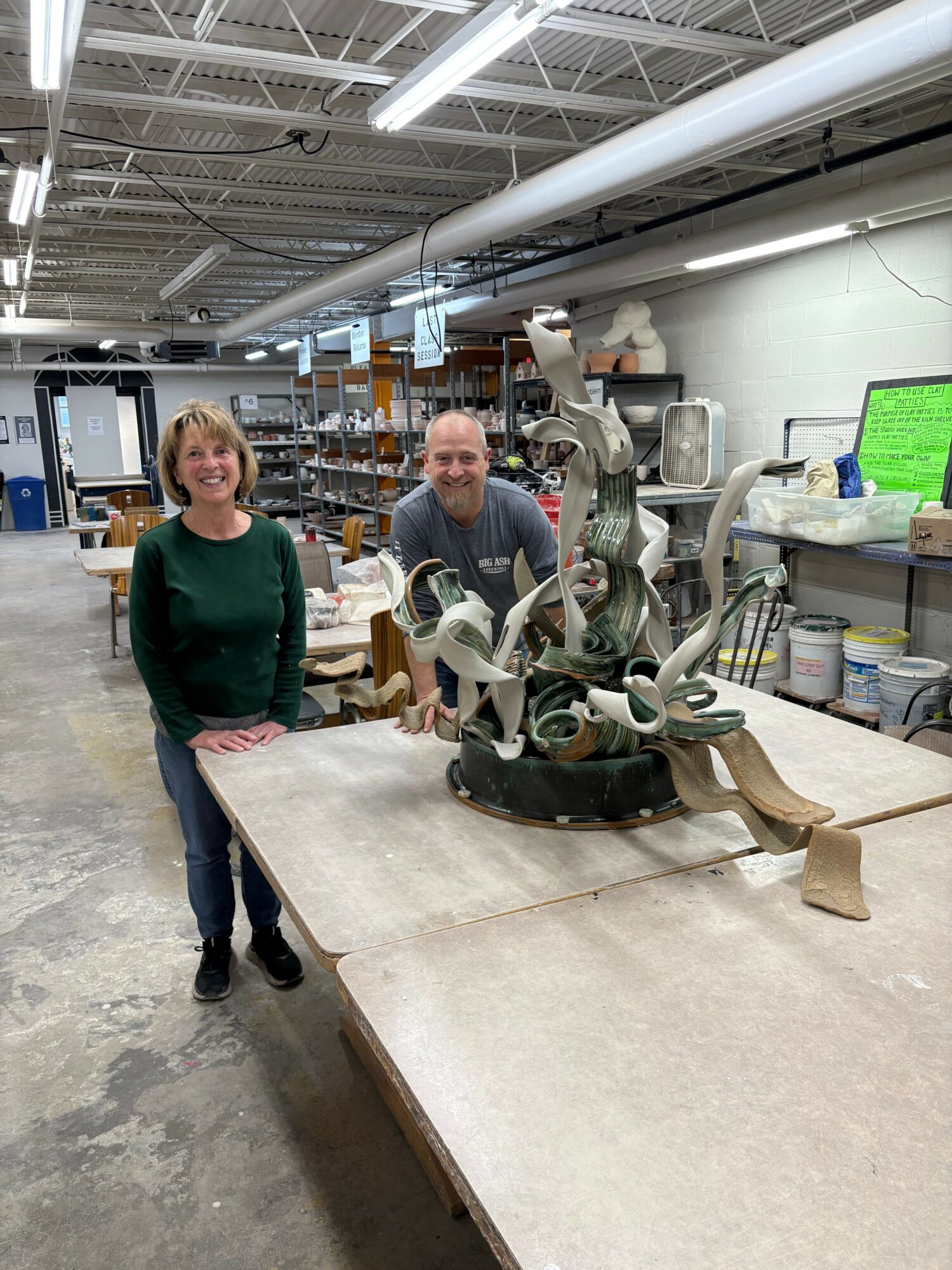
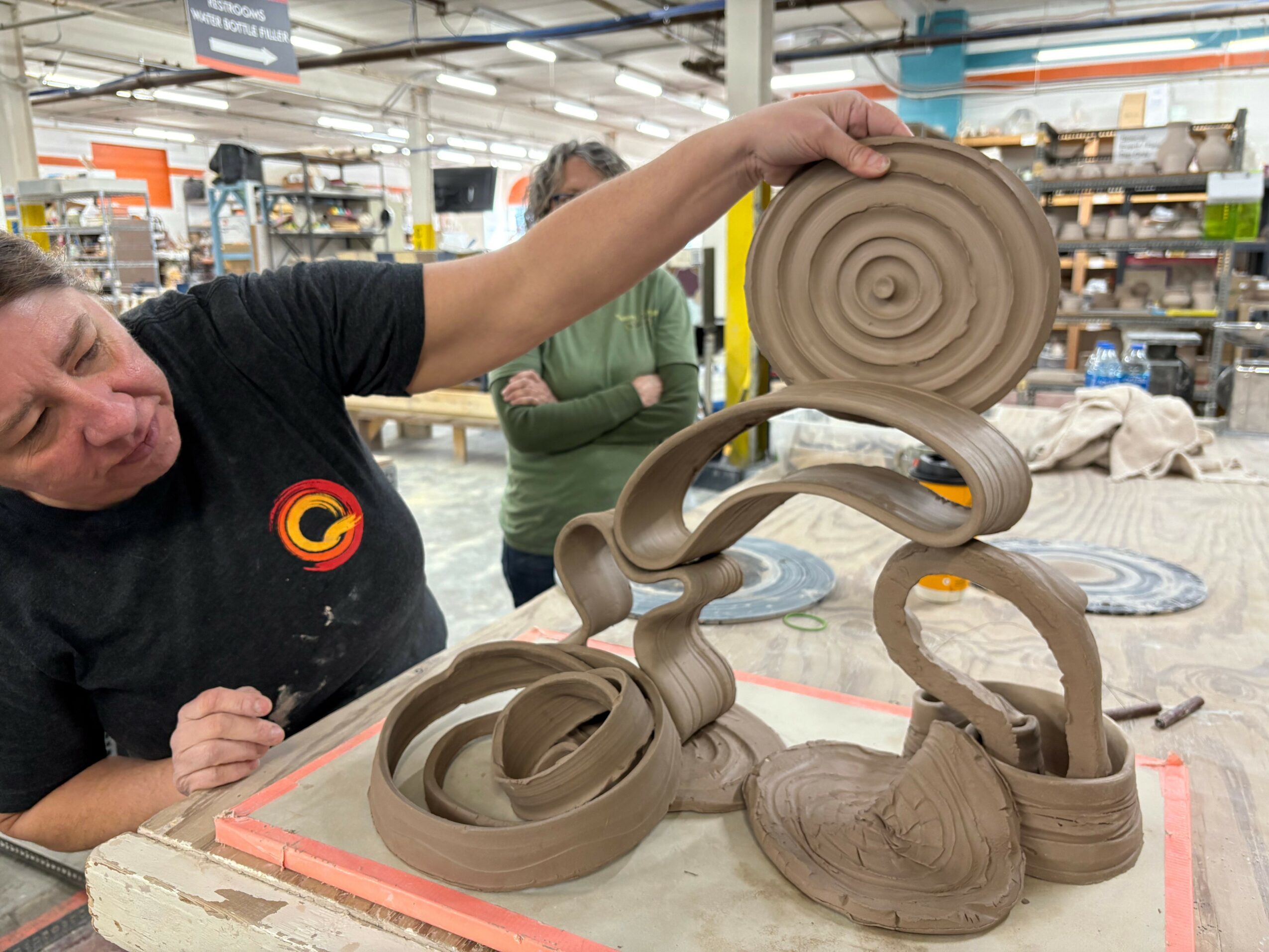
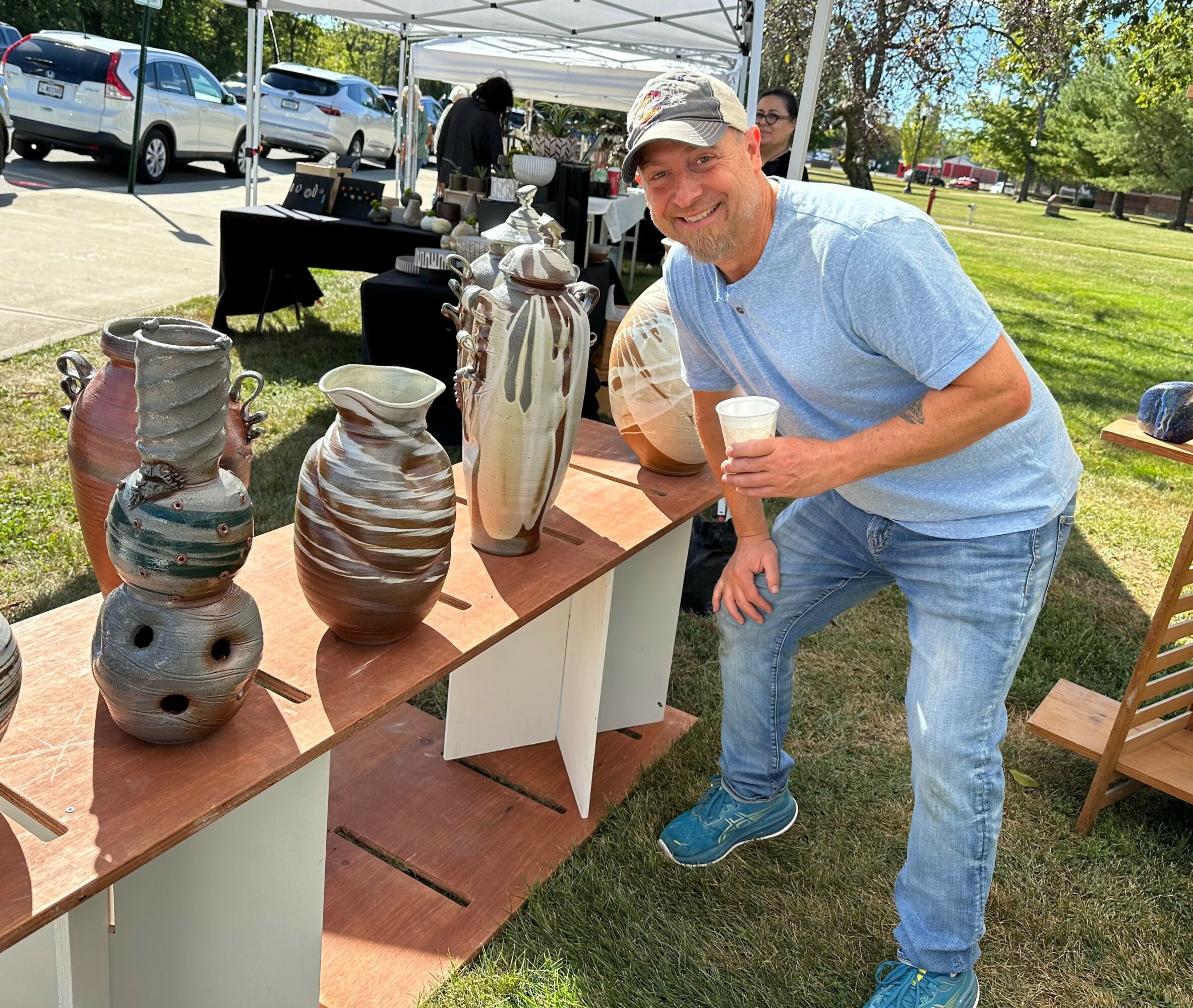
Teaching is the focus of my world so it tends to direct my own work. I mainly do wheel thrown functional and sculptural work. Access to wood, soda, salt, and gas reduction kilns has allowed me to bounce back and forth between lots of different atmospheric surfaces. During a given year I may teach platters, stacked forms, surface texture, teapots and pouring vessels, throwing sculpturally, clay alterations, and a class on finding your style. During those classes I create demo pots that then get the ideas flowing. By the end of the year I usually have a pretty wild and diverse collection of pots and sculptures that show a lot of movement from the wheel. I love the fact that using marks from our hands and other tools, we can use the wheel to mimic landscape surfaces. I can create a surface in minutes on the wheel that resembles a drainage canyon in the southwest that took a million years to create. The rotation of the earth helps to create weather patterns that shape the earths surface through erosion and manipulation. The potter’s wheel creates the rotation that allows our hands to erode and manipulate the surface of the pot or sculpture. Those connections are constantly running through my mind.
Where do you see things going in the next 5-10 years?
We are currently seeing a large shift in how a traditional ceramics career might look. 20 years ago it was normal to see a student go through college and graduate school in order to receive an MFA and become a college professor. The days of traditional apprenticeships and self taught trajectories seemed a thing of the past. Now, public studios like ours and professional potters who are willing to take on an apprentice are seeing record growth. College jobs are few and far between and public studios paired with online sales are helping to fuel a new generation of makers who can set up shop almost anywhere and sell/teach.
People are also seeing the therapeutic benefits of working with clay and being a part of an art community. We are working with so many adults and kids who use clay as a way to deal with previous trauma, add to physical rehab, deal with focus issues, or to unwind after a stressful day in the office.
Pricing:
- 8 week classes – $275
- one time wheel experience – $50
- pots in gift shop – full range of prices
Contact Info:
- Website: https://queencityclay.com
- Instagram: queencityclay
- Facebook: queen city clay
Popular
-

The Change-Makers: stories that inspire
-

Take Flight: Lamar Thomas on Building an Inclusive Brand Rooted in Youth, Community, and Purpose
-

Cultivating Inner Clarity: Angel Inspires on Thought, Healing, and Purpose
-

Local Highlighter Series
-

Highlighting Local Gems
-

Hidden Gems: Local Businesses & Creatives You Should Know