



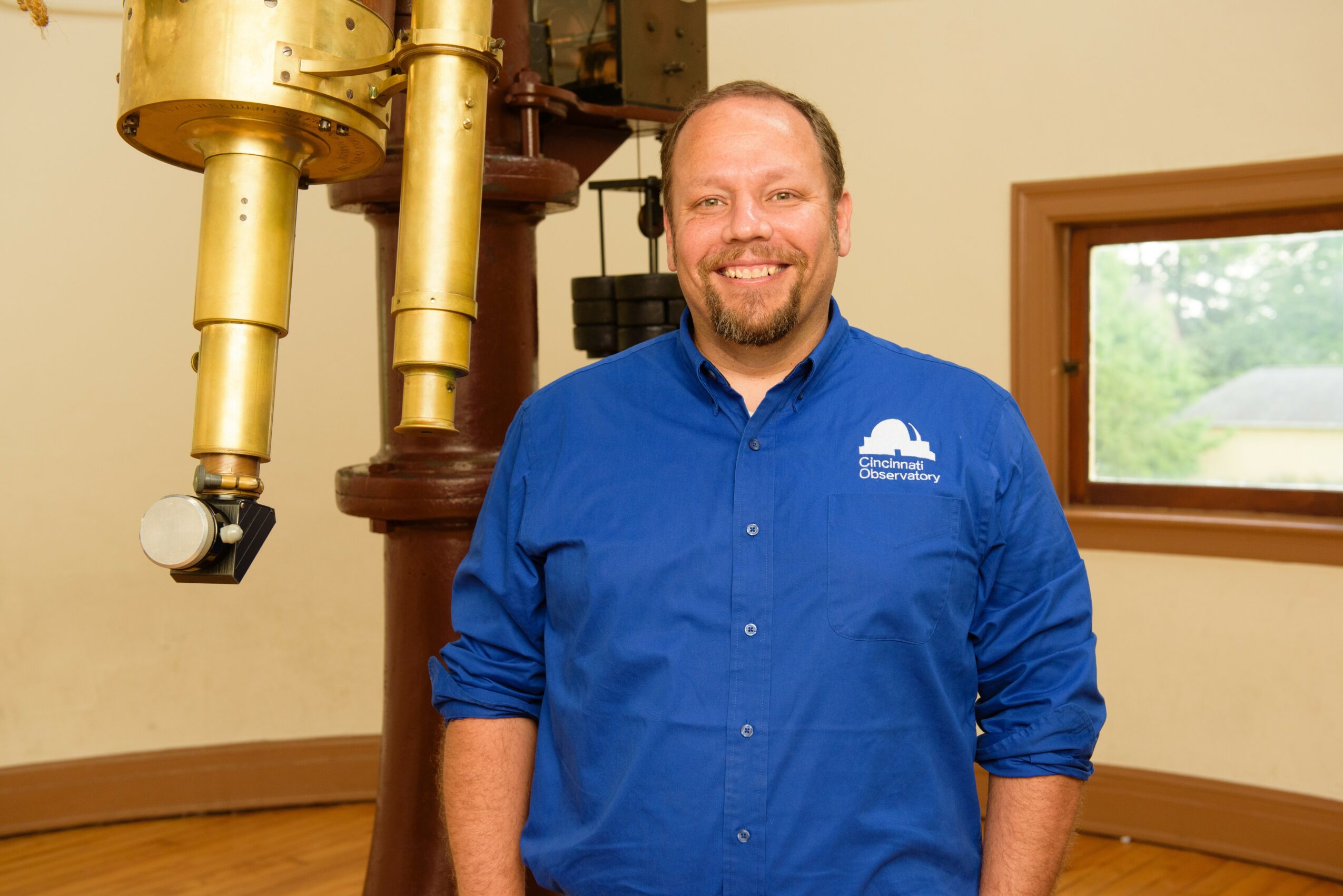
Today we’d like to introduce you to Wes Ryle.
Wes, we appreciate you taking the time to share your story with us today. Where does your story begin?
The role of Astronomer for the Cincinnati Observatory is a dream come true for me. I had an interest in space from a very young age, as is the case for many people. My interest never waned, though, and transformed into a passion for science and science fiction. When it came time to declare a major in college, I chose physics because it seemed to provide a foundation for anything I might want to explore. As a first-year student at Western Kentucky University, I learned that the physics department managed an observatory about 15 miles away and had recently enabled remote control of the telescope and equipment from campus. Better yet, they were training students to operate the telescope and collect research data in the evenings. Once I began making observations, I was hooked — and for the first time, I thought of astronomy as a real career option.
I ended up at Georgia State University in Atlanta, GA for graduate school, earning an MS in physics and a PhD in astronomy. While Atlanta itself is not an ideal location for studying the cosmos, the school had connections to observatories in Arizona, California, and Chile. I spent over 100 nights at Lowell Observatory in Flagstaff, AZ studying active galactic nuclei — the energetic and fluctuating centers of distant galaxies, fueled by supermassive black holes.
As I was writing my dissertation, a job opportunity opened up back in the Cincinnati area, where I had grown up. Thomas More University, a small Catholic liberal arts school, was looking for an astronomy professor and a director for their campus observatory. It was a natural fit and allowed me to serve my community — something I never expected, since astronomy jobs tend to be concentrated on the coasts or abroad. For 16 years, I taught physics and astronomy, conducted undergraduate research at the campus observatory, and led regular science-based public outreach programs.
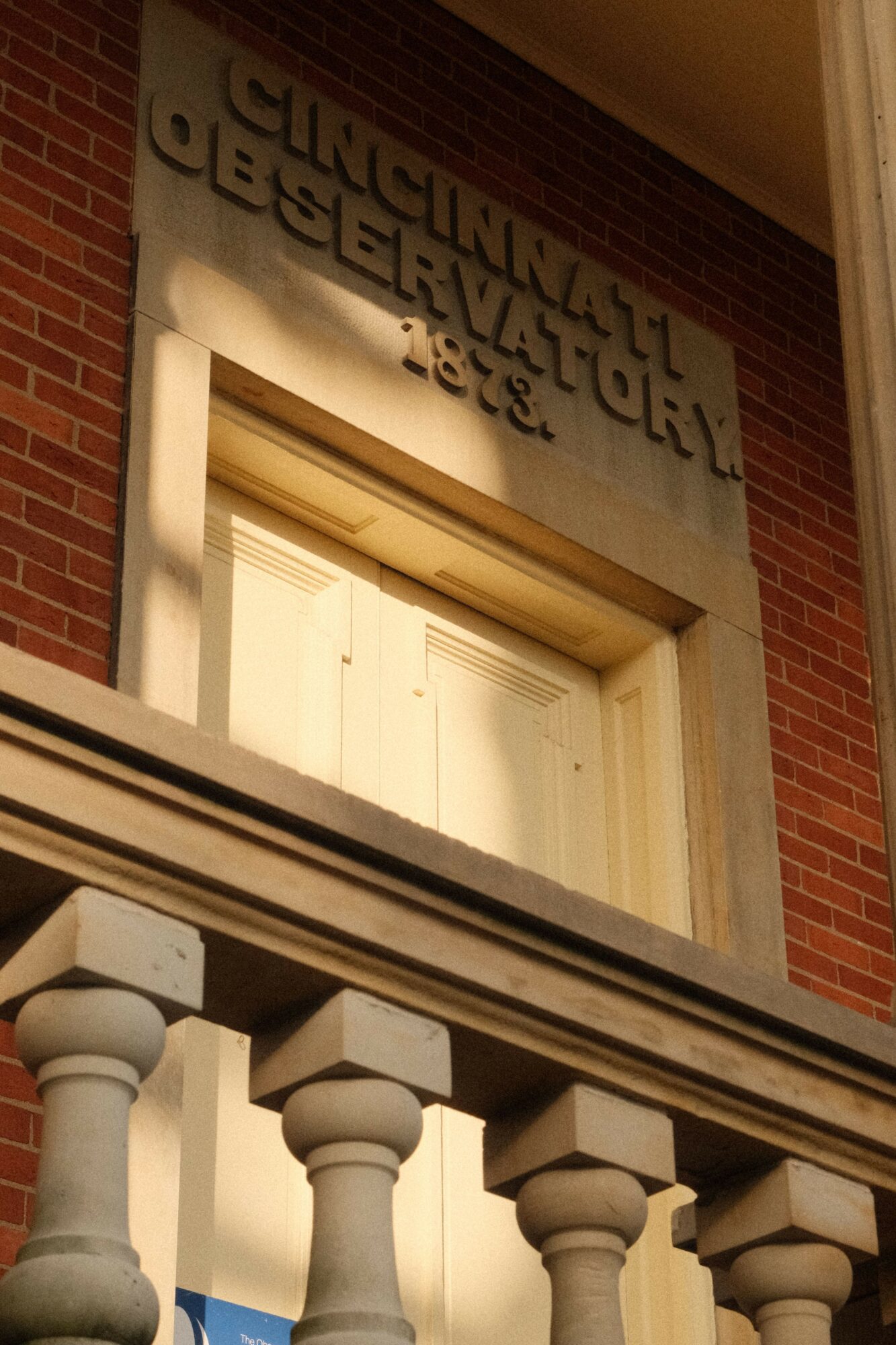
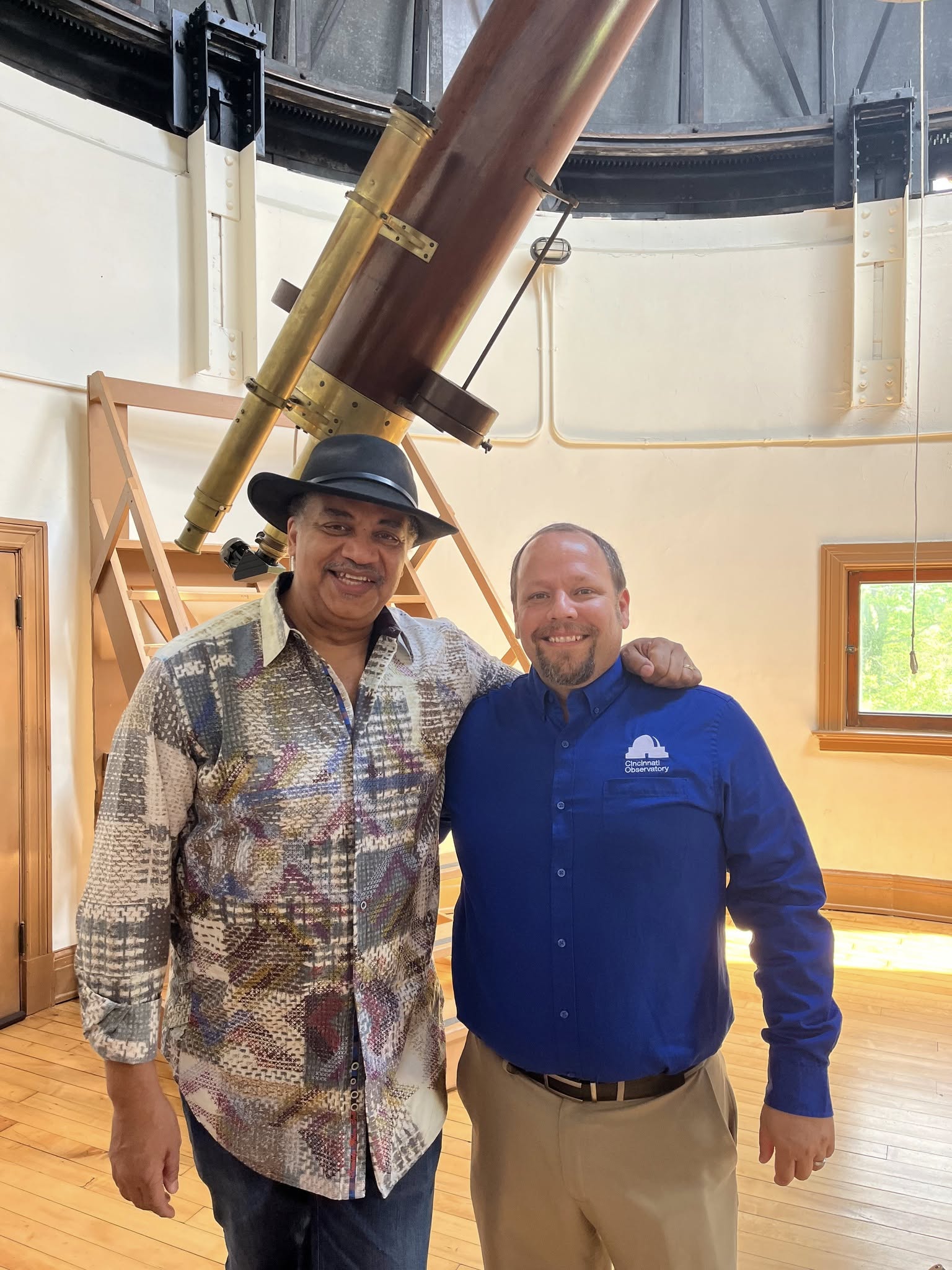
I began volunteering at the Cincinnati Observatory as a program presenter in 2014. When the astronomer position was advertised in 2024, I knew it was the only thing that could draw me away from higher education. I am so grateful for the opportunity to pour all my energy into science outreach and education in this new role.
I’m sure it wasn’t obstacle-free, but would you say the journey has been fairly smooth so far?
Overall, it has been a fun and rewarding journey without any significant missteps along the way. The two biggest struggles for me have been imposter syndrome and work-life balance. Imposter syndrome is often something of a taboo subject, especially in the sciences. When stress was at its peak — in graduate school, in my professor role, and even today in my new position — it’s easy for your mind to drift toward thoughts of not being enough, even as you continue to advance and succeed. It can be as simple as wishing you had read more papers to be better prepared for a question you couldn’t answer. In my current role, self-image matters as a representative of a historic institution, and sometimes that means judging yourself a little too harshly. I try to remind myself that I am qualified for what I do, and I also try to focus on the positive feedback that comes from our programming. As an undergraduate mentor, I emphasized to students that everyone feels like an imposter at some point, and that believing in yourself is the only way to make it through all the challenges.
Work-life balance is something I think all observational astronomers deal with. If you are using telescopes for research or outreach, you’re going to end up working a lot of nights. In my current role at the Cincinnati Observatory, the schedule is flexible enough to allow for mornings off or a rest day here and there — but working nights still means less time with family. Fortunately, there tend to be busy seasons at the observatory, and the rest of the year is more manageable.
Thanks for sharing that. So, maybe next you can tell us a bit more about your work?
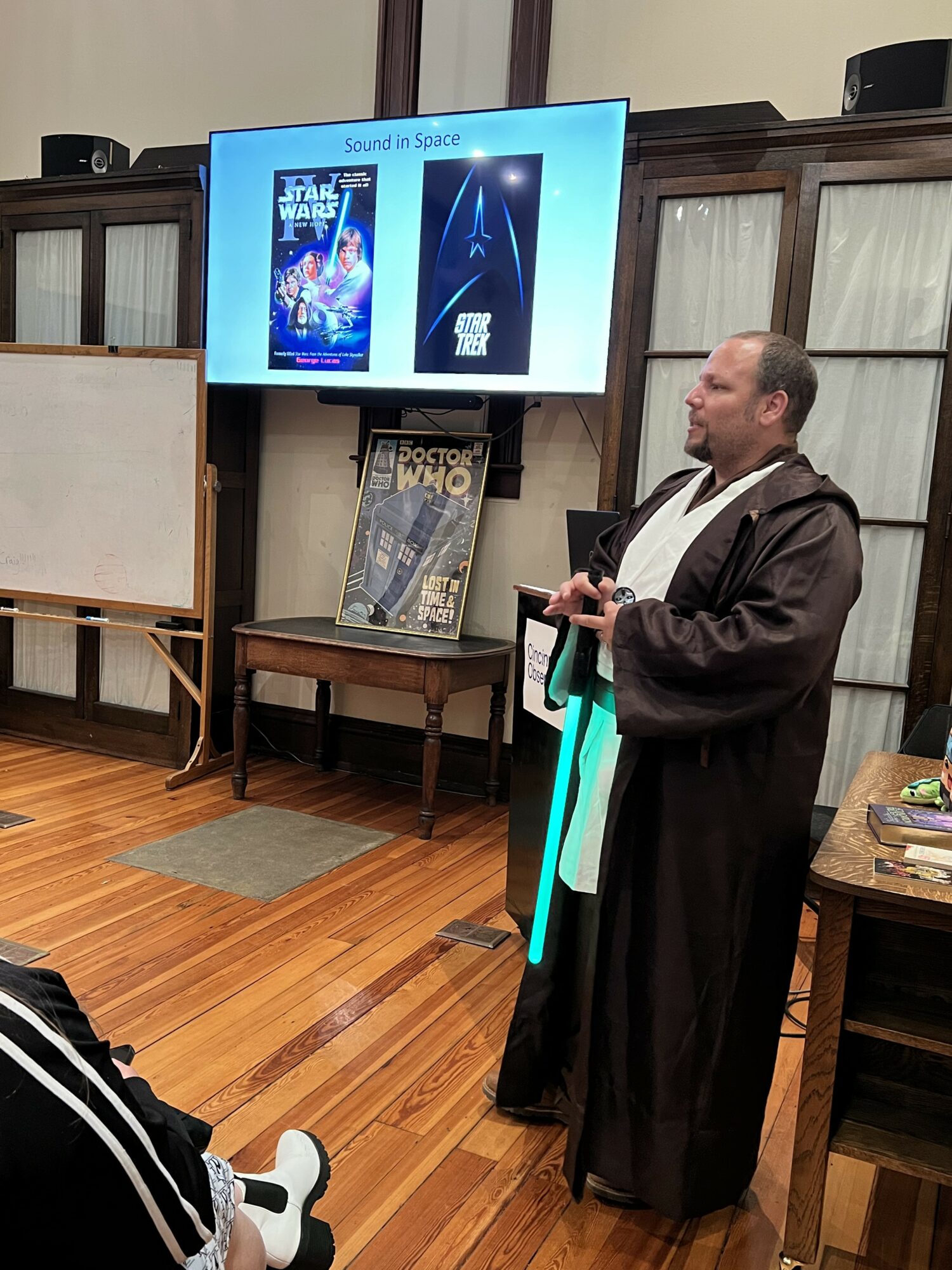
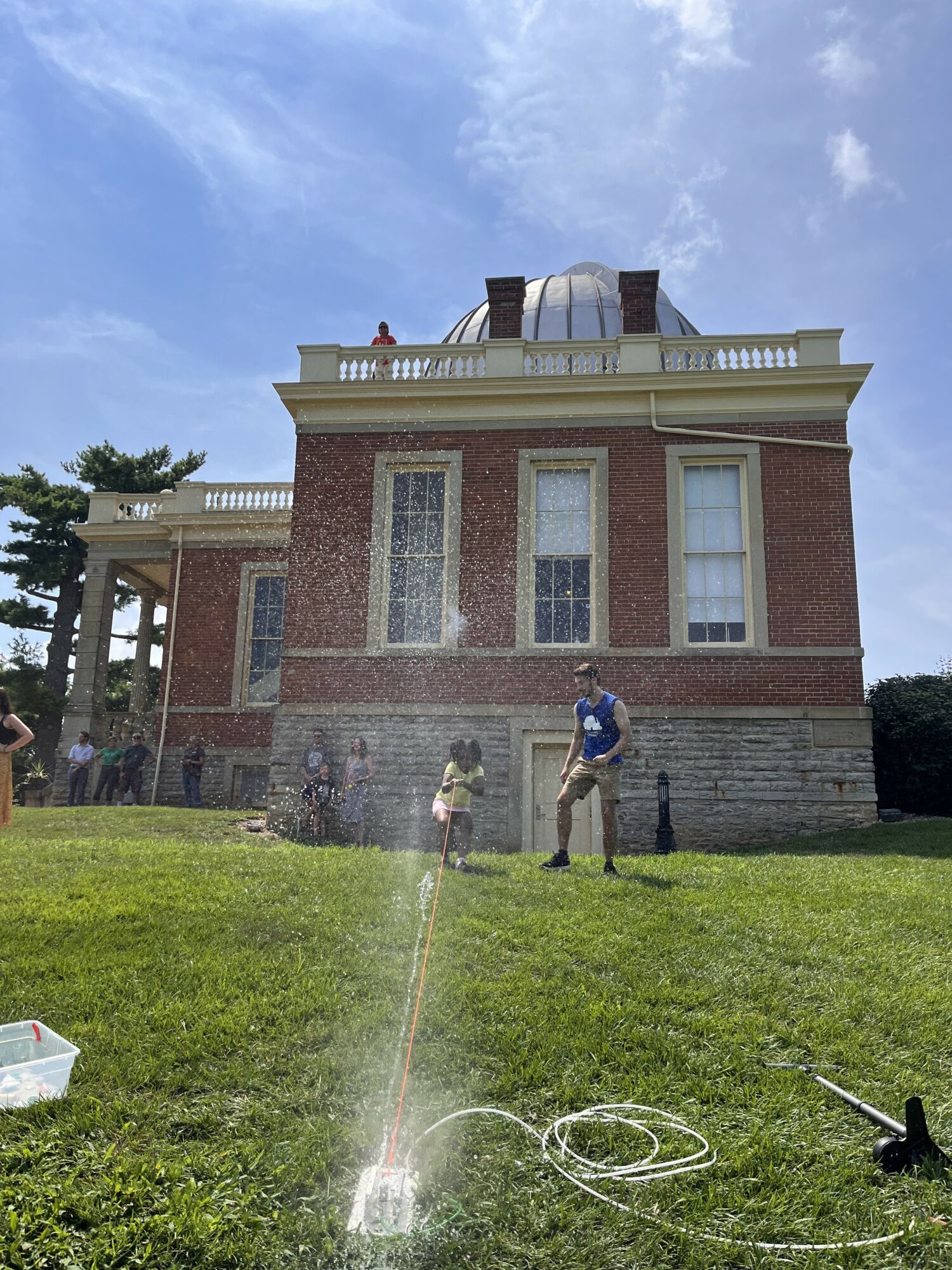
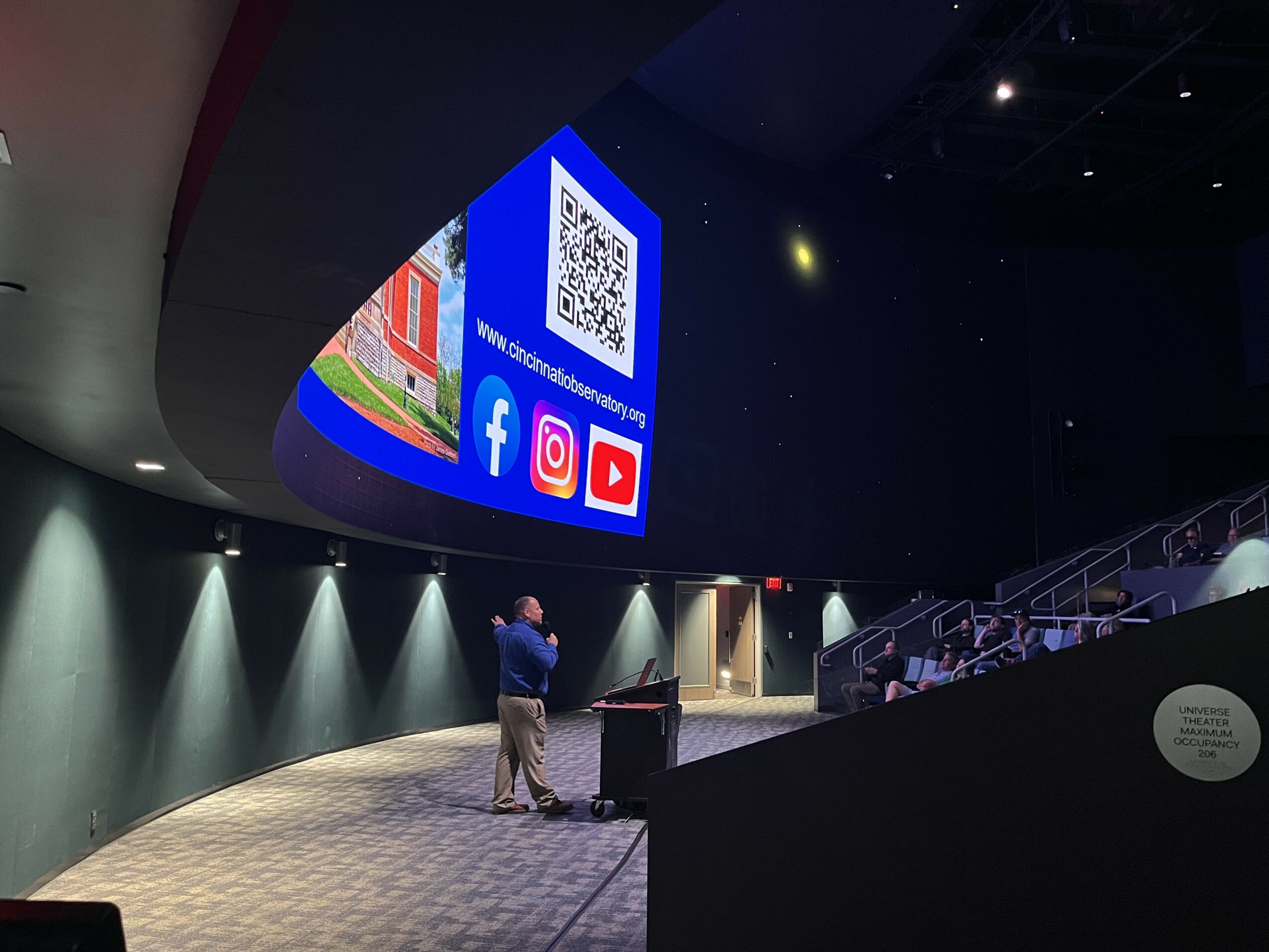
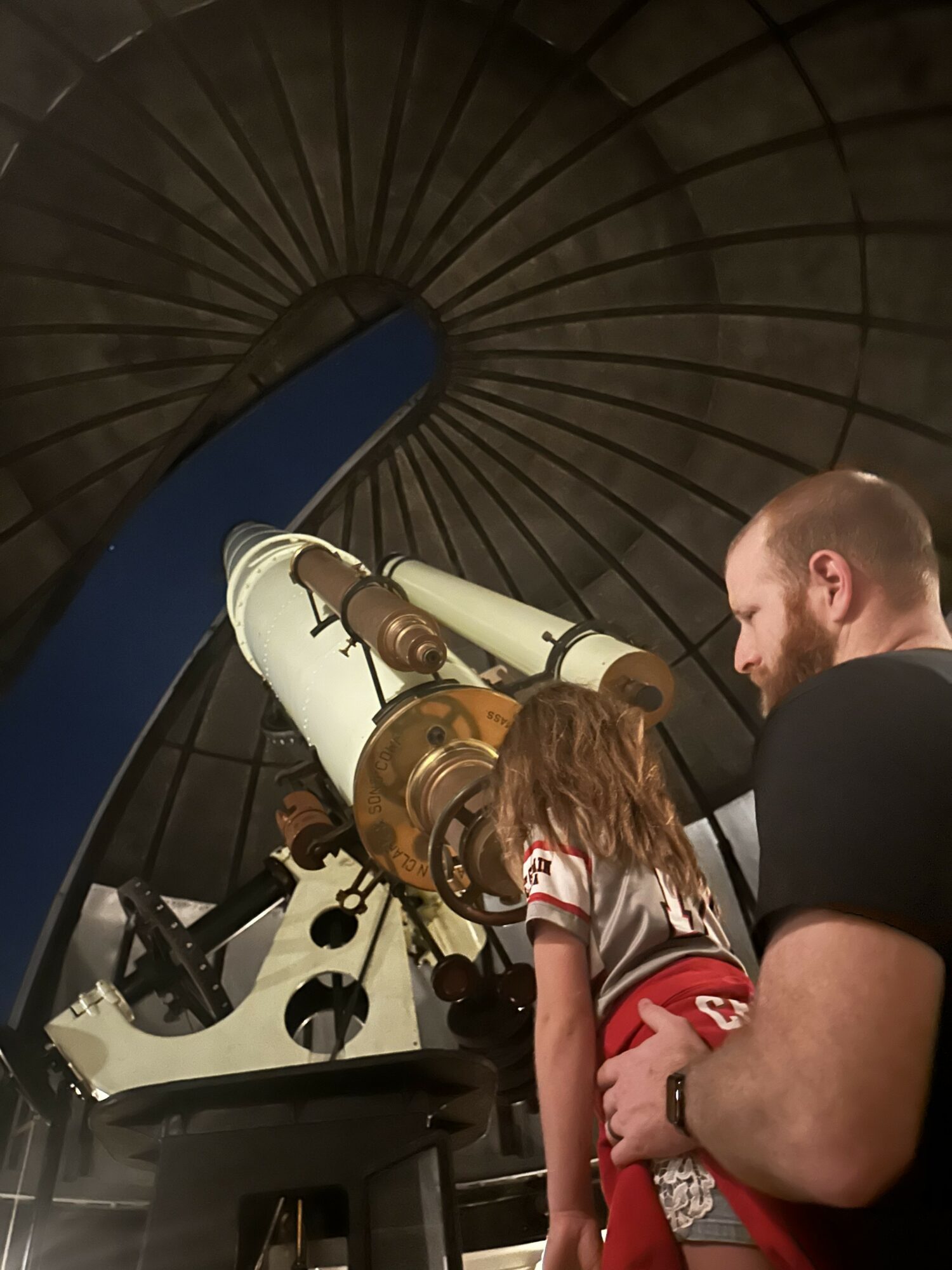
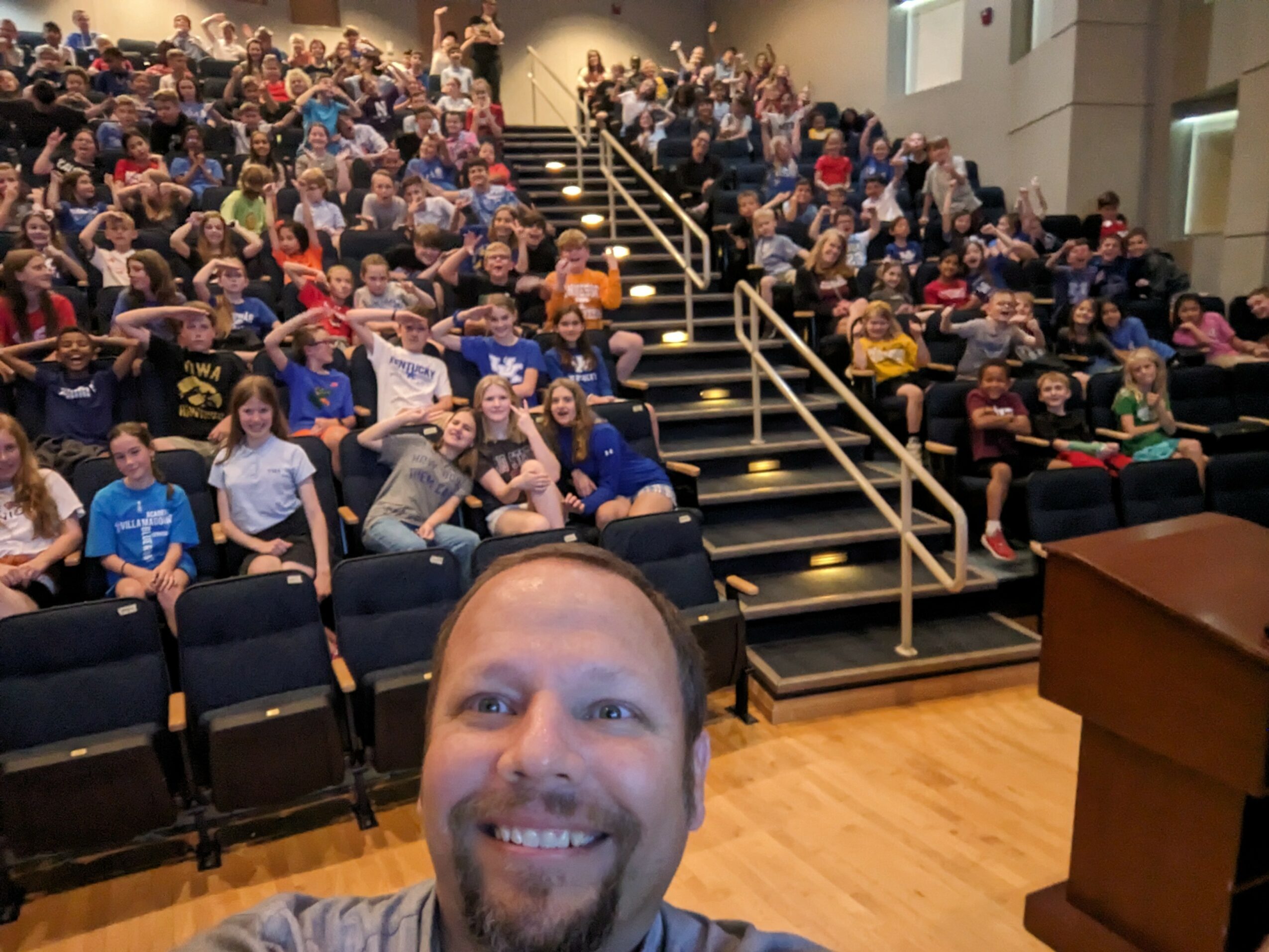
As Astronomer for the Cincinnati Observatory, my work is primarily focused on speaking with and engaging the public as an advocate for science and scientific history. In any given week, I’m likely to carry out at least three or four programs, which might include an elementary school assembly about space travel, a Q&A session with a high school astronomy club, an informal education class at the observatory, or a festival-style event celebrating an astronomical occurrence.
Very early in my career, I realized I had a gift for public speaking. In particular, I pride myself on being able to communicate complex scientific concepts in a way that is accessible to all audiences. After teaching astronomy and physics for 16 years, I also feel comfortable speaking about a wide variety of subjects on the fly and fielding the majority of questions an audience can throw at me.
I am most proud of the classes I have offered at the Cincinnati Observatory. We typically hold two or three classes per month focused on an astronomical topic, drawing astronomy enthusiasts of all ages. So far, we’ve presented about 60 classes without repeating a subject — ranging from summer constellations to a primer on special relativity. And the best part? No grading!
What matters most to you? Why?
I’ve always wanted to be in a role that has a meaningful impact on others. As a professor and now as a science advocate, I find deep satisfaction in knowing that I am having a positive influence on those I interact with — whether it’s a six-year-old interested in space or a retiree looking to learn more about the cosmos. I believe science outreach in particular is more important than ever. We live our lives inundated with technology and information, yet often lack the background to fully grasp both its benefits and its dangers. Science education is a way to enlighten the public so that people are better prepared to navigate these challenges — now and in the future..
Pricing:
- Astronomy Classes ($25 non-member, $20 member, $10 student)
- Astronomy Evenings ($15 adult, $7 child, FREE for members)
- Observatory After Hours ($30/person)
- Late Night Date Night($80/couple)
Contact Info:
- Website: https://www.cincinnatiobservatory.org
- Instagram: https://www.instagram.com/cincinnatiobservatory/
- Facebook: https://www.facebook.com/wes.ryle.3
- Youtube: https://www.youtube.com/@cincinnatiobservatory
- Other: https://www.tiktok.com/@wes.ryle4
Popular
-

The Change-Makers: stories that inspire
-

Take Flight: Lamar Thomas on Building an Inclusive Brand Rooted in Youth, Community, and Purpose
-

Cultivating Inner Clarity: Angel Inspires on Thought, Healing, and Purpose
-

Local Highlighter Series
-

Highlighting Local Gems
-

Hidden Gems: Local Businesses & Creatives You Should Know