



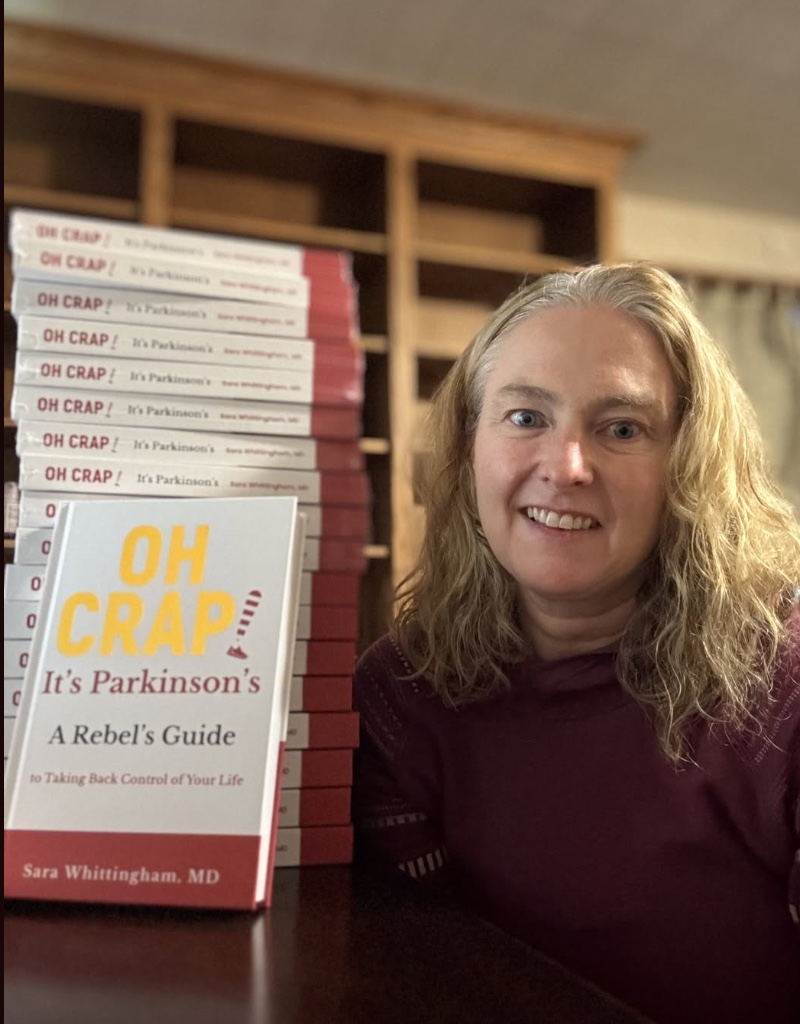
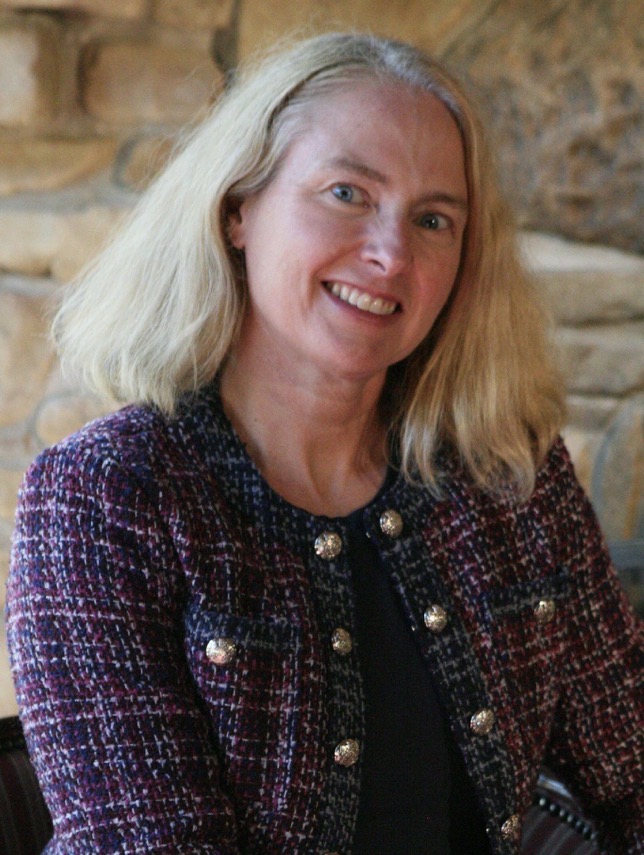
Today we’d like to introduce you to Sara Whittingham, MD.
Hi Sara, we’d love for you to start by introducing yourself.
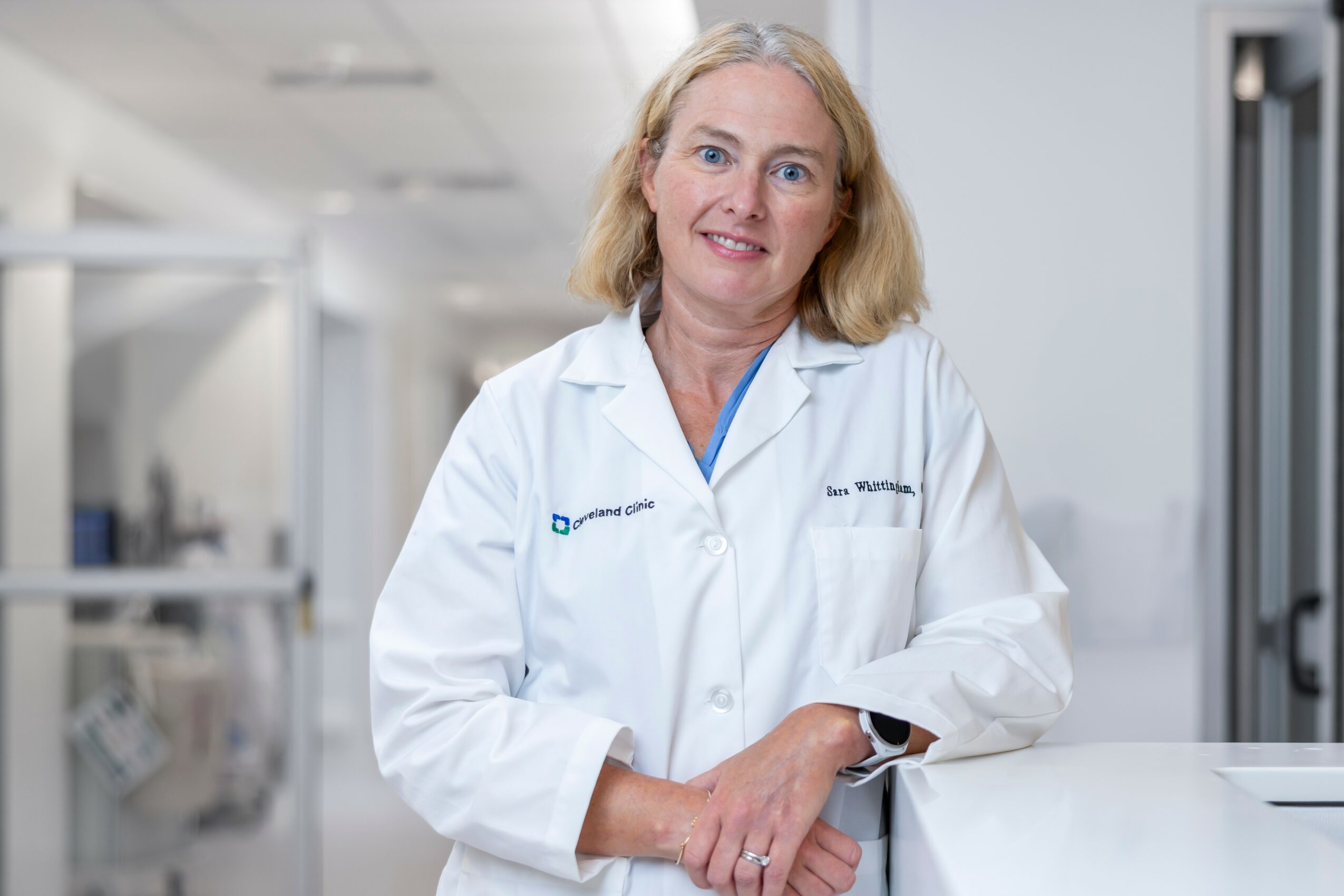
I am a physician, U.S. Air Force veteran, wife, and mother who was diagnosed with young-onset Parkinson’s disease in 2020 at the age of 46. Like many people, I assumed Parkinson’s meant an inevitable future of decline. In some ways, my medical background made that fear worse. I imagined my future based on the most advanced cases I had seen during my career and spent the first year after diagnosis struggling with anxiety, depression, and preparing for a life I thought was slipping away.
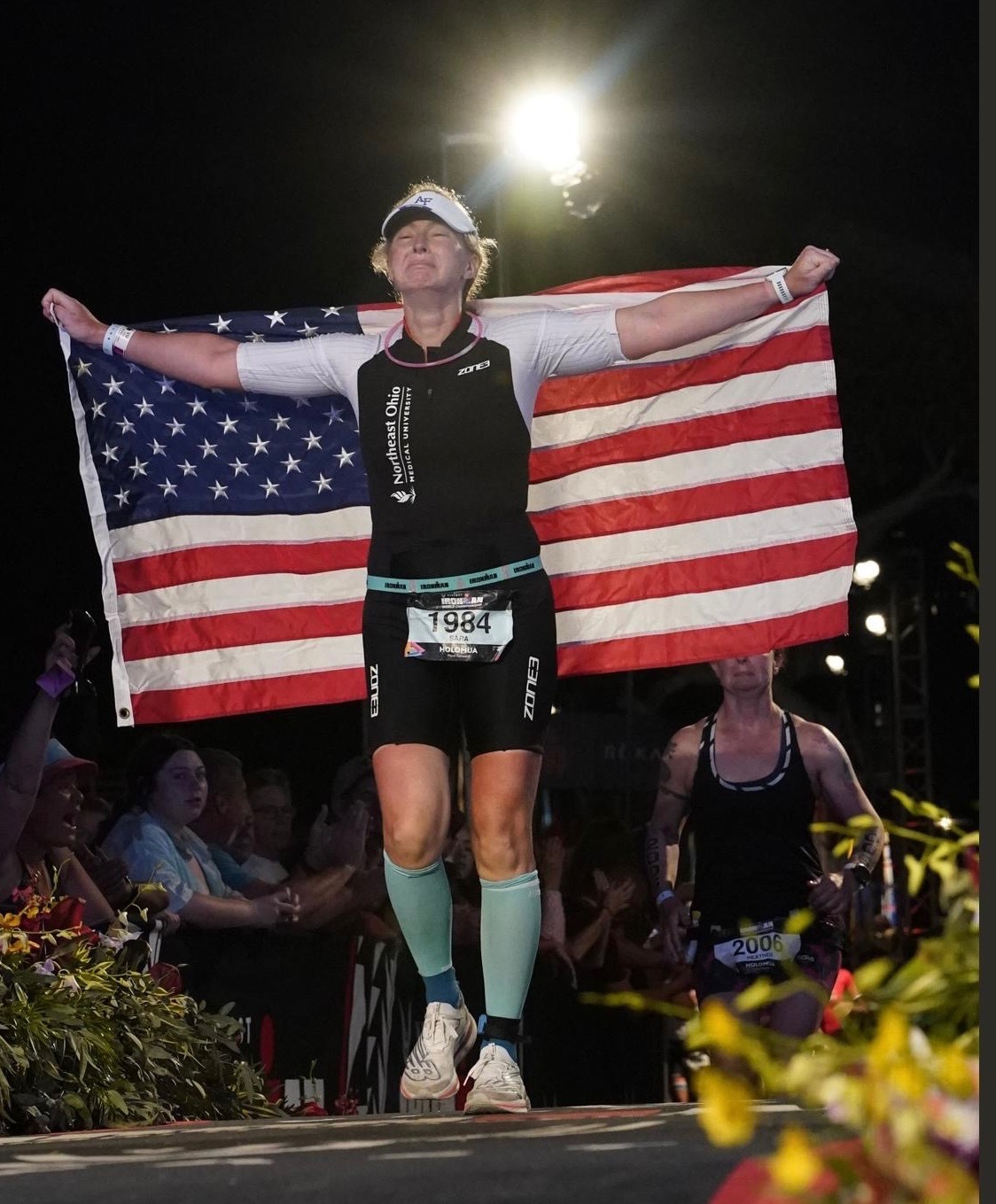
Everything changed when I became involved in a research study examining the effects of high-intensity exercise on Parkinson’s disease. What started as a research project became a lifeline. The more I rode the bike, the more I felt like I was coming back to life. Over time, I returned to running and eventually to triathlon. In 2023, I completed the Ironman World Championship in Kona, Hawaii. In 2024, I crossed the finish line of the Boston Marathon, and in 2025, my husband and I completed the New York City Marathon together.
I have always considered myself an introvert, but as I began sharing my story, I realized how much needed to be said about how we care for people living with Parkinson’s disease. Through speaking engagements and conversations with thousands of people in Parkinson’s support communities, I saw the same fears, questions, and struggles repeated over and over again. I became convinced that we need to do a better job of reaching people in that “oh crap” moment immediately after diagnosis—helping them find community, set meaningful goals, and recognize that life is not over.
That realization led me to write Oh Crap! It’s Parkinson’s, a practical and hopeful guide for patients and families navigating life after diagnosis. Today, my mission is to help people move beyond fear and uncertainty and embrace the version of themselves that exists today, while continuing to build a future filled with purpose, connection, and possibility.
We all face challenges, but looking back would you describe it as a relatively smooth road?
The first year after my Parkinson’s diagnosis was the hardest. I struggled with anxiety and depression and, at times, felt hopeless. I spent a lot of time imagining the worst-case scenarios and mourning a future I thought I had lost.
What made the difference was accepting help. Talking openly with my doctors, starting medication, participating in counseling, and connecting with the Parkinson’s community helped me find my footing again. For the first time, I met people who were not only living with Parkinson’s but thriving despite it. Their example gave me hope when I needed it most.
The road has not always been smooth. I’ve had a few falls along the way, and Parkinson’s continues to present challenges. A month before the Boston Marathon, I fell during a training run and broke my hand. Fortunately, it didn’t slow me down for long. I adapted, recovered, and kept moving forward. That experience reminded me that resilience isn’t about avoiding setbacks—it’s about learning how to keep going when they happen.
Alright, so let’s switch gears a bit and talk business. What should we know about your work?
Today, my work centers on Parkinson’s disease advocacy, education, and helping people navigate life after diagnosis. As a physician, U.S. Air Force veteran, and person living with young-onset Parkinson’s disease, I have the unusual opportunity to see the disease from multiple perspectives—as a clinician, a patient, and an advocate. I am particularly passionate about supporting veterans living with Parkinson’s disease. Through my work with veteran organizations and the VA, I have learned firsthand about the growing concerns surrounding toxic exposures and their potential connection to neurodegenerative diseases. I’ve worked to raise awareness, improve access to resources, and ensure that veterans living with Parkinson’s feel seen, heard, and supported throughout their journey.
One of the accomplishments I am most proud of is being selected as one of only two people living with Parkinson’s disease to serve on a National Institutes of Health advisory council helping shape the national plan to end Parkinson’s disease. The experience reinforced my belief that people living with a disease deserve a seat at the table when decisions are being made about research, policy, and care. Whether I am speaking to healthcare professionals, policymakers, veterans, or newly diagnosed patients, my goal is the same: to bridge the gap between what the medical system provides and what people living with Parkinson’s actually need.
What sets me apart is that my advocacy is deeply personal. I am not speaking about Parkinson’s from a textbook or from the sidelines. I live with it every day. My experiences as a physician, veteran, athlete, author, and patient have taught me that while Parkinson’s changes lives, it does not end them. I am committed to helping others find hope, community, and purpose after diagnosis while working to improve the systems that care for them.
Any big plans?
My plans for the future are actually pretty simple. I want to continue living a full and active life, chasing big goals, and refusing to let Parkinson’s define what is possible. Whether that’s training for another endurance event, taking on a new challenge, or spending time with my family, I want to keep proving—to myself and others—that a Parkinson’s diagnosis does not mean life stops.
Professionally, I hope to continue expanding my work in advocacy, education, and patient support. Through speaking, writing, and collaboration with healthcare organizations, researchers, and veteran groups, I want to help improve the lives of people living with Parkinson’s disease and their families. One of my biggest goals is to ensure that newly diagnosed individuals have access to the resources, community, and hope they need during those difficult early days after diagnosis.
If Parkinson’s has taught me anything, it’s that none of us know exactly what the future holds. Rather than focusing on what I might lose someday, I try to focus on what I can do today. There are still races to run, adventures to experience, people to help, and dreams to pursue. That’s the future I’m working toward.
Contact Info:
- Website: https://ohcrapmedia.com
- Facebook: https://www.facebook.com/sara.whittingham.2025/
- LinkedIn: https://www.linkedin.com/in/sara-whittingham-b6587a13
- Other: https://www.amazon.com/Oh-Crap-Its-Parkinsons-Control-ebook/dp/B0GHK7WRX8

Popular
-

Hidden Gems: Local Businesses & Creatives You Should Know
-

The Change-Makers: stories that inspire
-

Take Flight: Lamar Thomas on Building an Inclusive Brand Rooted in Youth, Community, and Purpose
-

Cultivating Inner Clarity: Angel Inspires on Thought, Healing, and Purpose
-

Local Highlighter Series
-

Highlighting Local Gems