


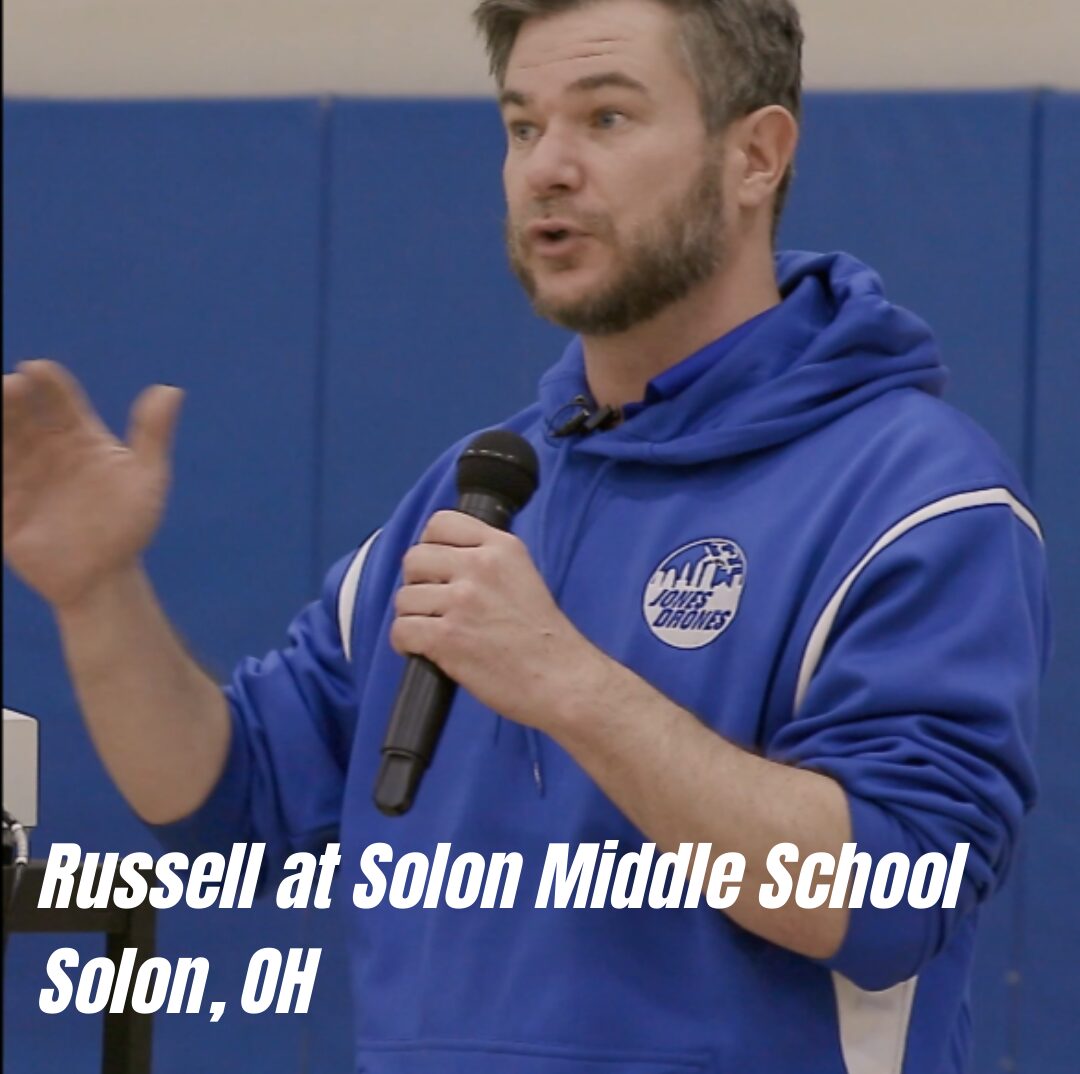
Today we’d like to introduce you to Russell Jones.
Hi Russell, so excited to have you with us today. What can you tell us about your story?
Jones Drones Cleveland was built out of a long career in production—not drones.
I’ve spent over 25 years working in live events and entertainment, doing everything from stage work to large-scale productions. That experience shaped how I see visuals: not just as standalone shots, but as part of a bigger story. When I got into drones, I realized most aerial work looked good, but didn’t always feel connected to the story it was supposed to support.
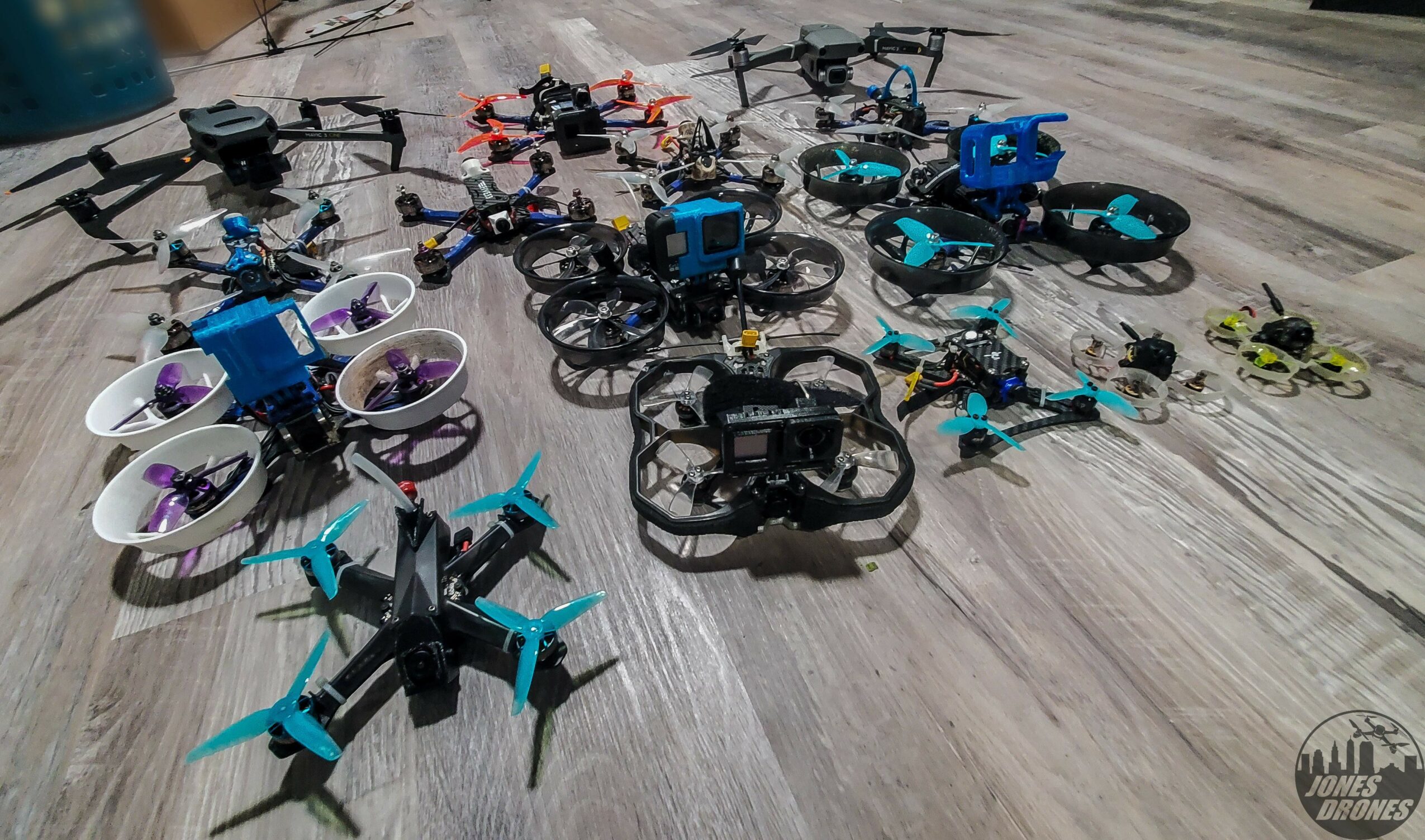
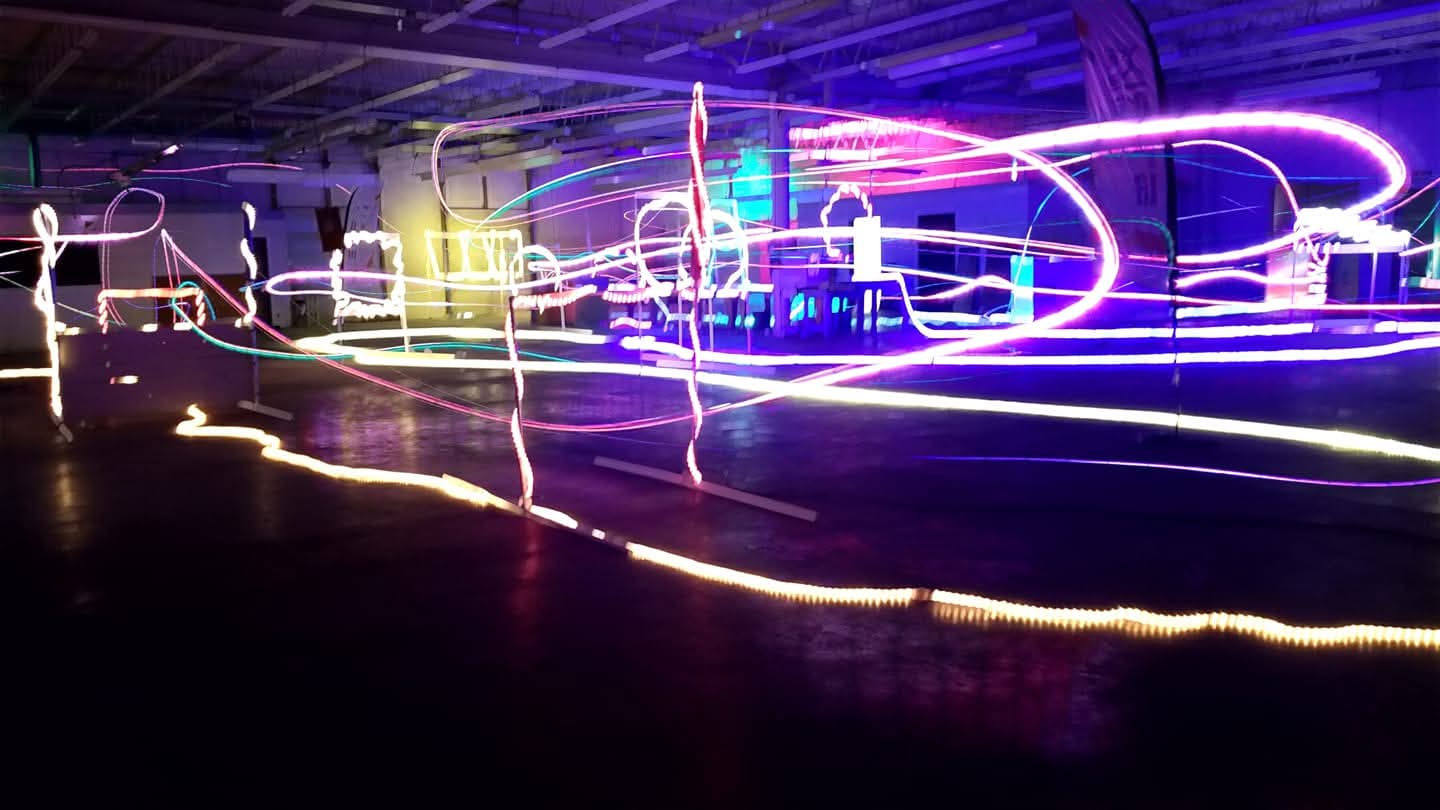
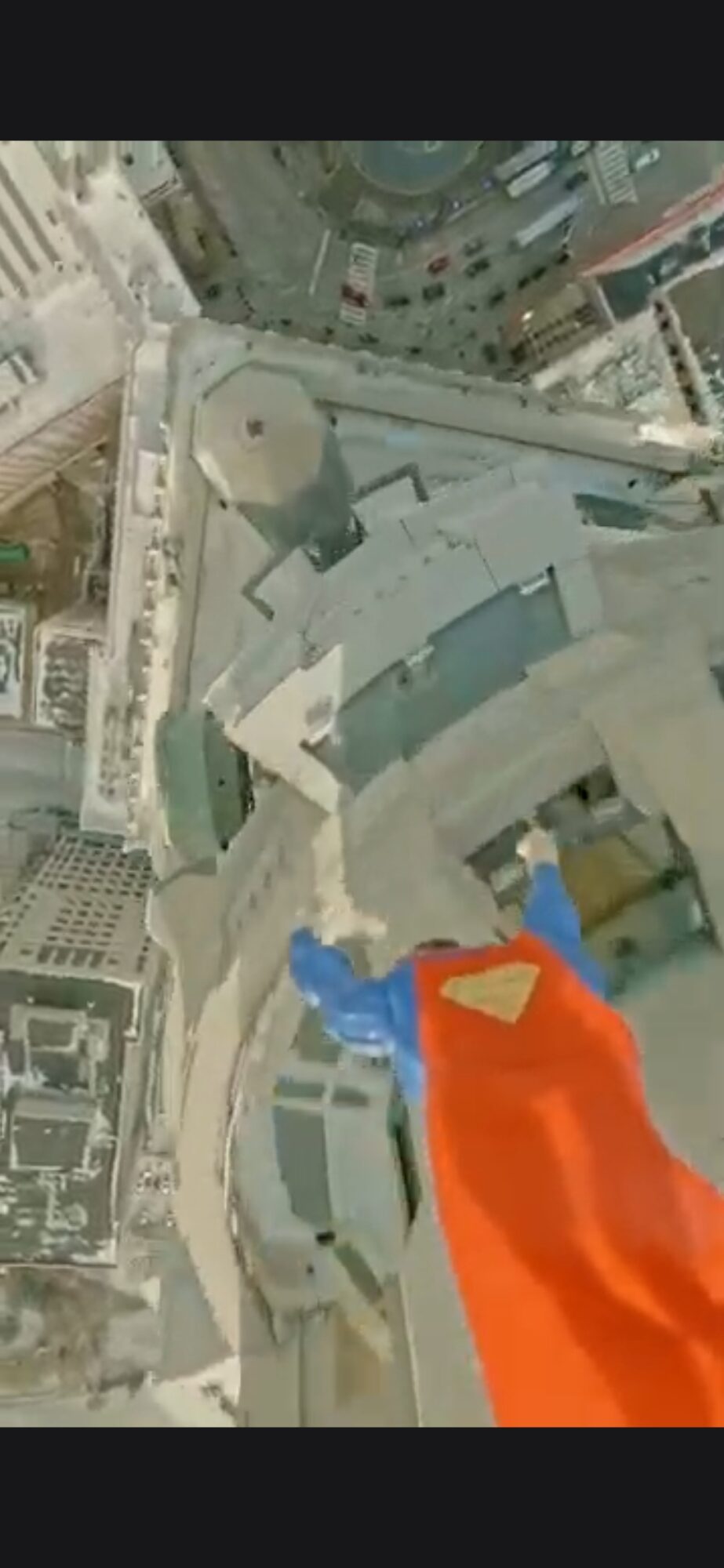
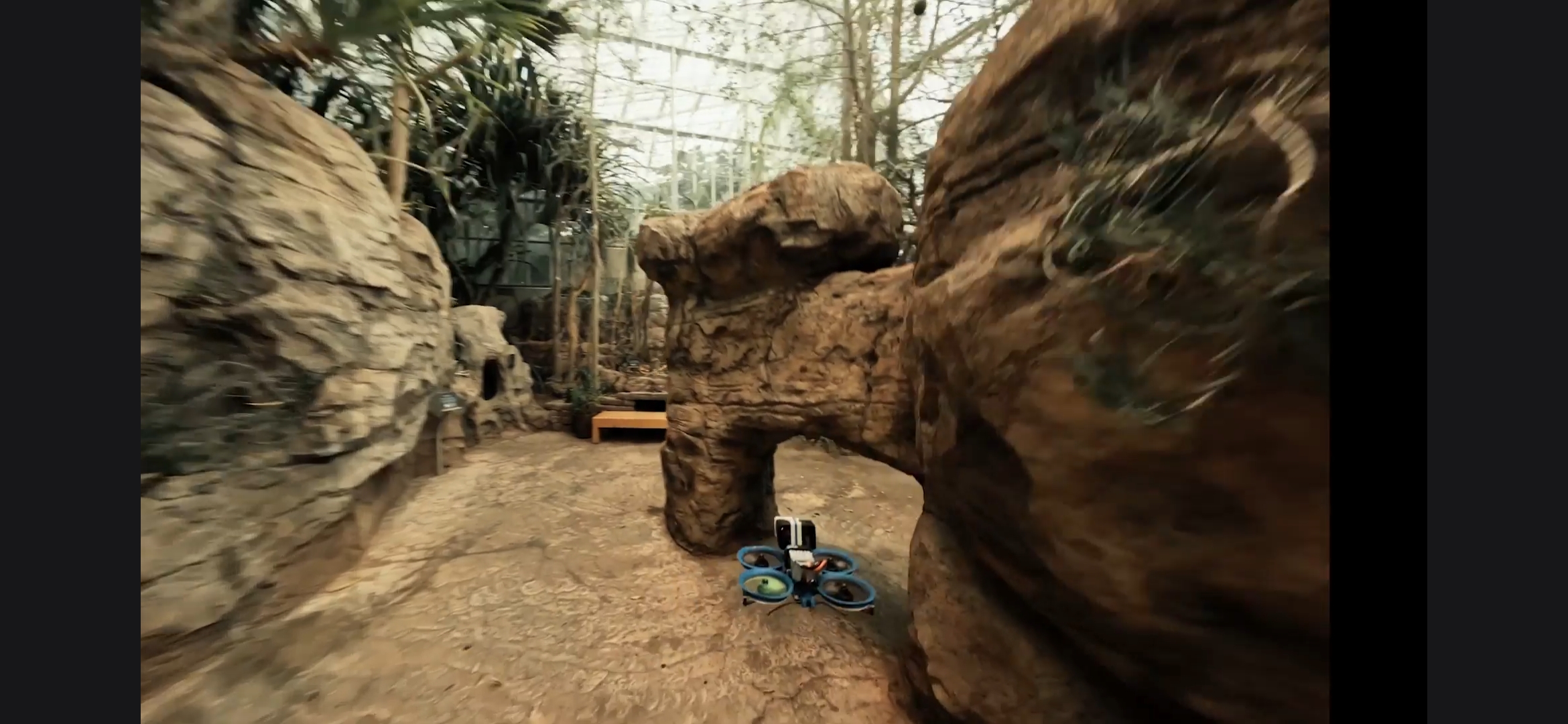
That’s what led me down the FPV (first-person view) path. FPV flying allowed me to move a camera through spaces in a way that traditional drones couldn’t—inside buildings, through environments, and alongside action. It turned the drone from a tool for wide shots into something that could create immersive, continuous movement.
I started Jones Drones Cleveland to bring that perspective to real-world clients. Early on, that meant a lot of hands-on work—learning, experimenting, and proving that FPV wasn’t just a novelty, but something that could deliver real value in real estate, events, and commercial projects.
Over time, the work grew. We’ve filmed everything from real estate fly-throughs to live events and branded content, and I’ve had the opportunity to work with teams on projects where precision, safety, and execution really matter. That’s where my production background continues to play a big role—understanding timing, communication, and how to operate in complex environments.
Today, Jones Drones is built around that combination: production experience, technical flying skill, and a focus on delivering content that actually serves the client’s goals. It’s not just about getting a cool shot—it’s about getting the right shot, in the right moment, and making it work as part of the bigger picture.
At the end of the day, the goal has stayed the same: take something that feels impossible from a camera perspective, and make it usable, repeatable, and valuable for the people we work with.
I’m sure it wasn’t obstacle-free, but would you say the journey has been fairly smooth so far?
It definitely hasn’t been a smooth road, and honestly, I don’t think most worthwhile things are.
One of the biggest challenges early on was simply getting people to understand the value of what I was offering. FPV drone work, especially in the beginning, was seen as more of a novelty than a professional tool. I spent a lot of time educating clients, doing extra work to prove the concept, and sometimes taking on projects that were more about building trust than making money.
There were also the normal challenges that come with building any business—figuring out pricing, managing cash flow, handling inconsistent workloads, and learning how to balance creative work with the operational side of running a company. It’s one thing to be good at flying and filming, and a completely different skill set to run a sustainable business.
On top of that, the technical side of FPV comes with its own learning curve. Crashes, equipment failures, constant maintenance, and evolving technology are all part of the process. You have to be willing to troubleshoot, adapt, and keep improving, because there’s always something new to learn.
More recently, transitioning into a new chapter professionally and personally—relocating, taking on a role in a different environment, and continuing to run Jones Drones—has added another layer of complexity. It’s been a period of growth, but also one that requires a lot of adjustment and resilience.
Through all of it, the common thread has been persistence. Every challenge has forced me to refine how I operate, communicate better with clients, and become more intentional about the kind of work I want to do. It hasn’t been easy, but those experiences are what shaped the business into what it is today.
Thanks – so what else should our readers know about your work and what you’re currently focused on?
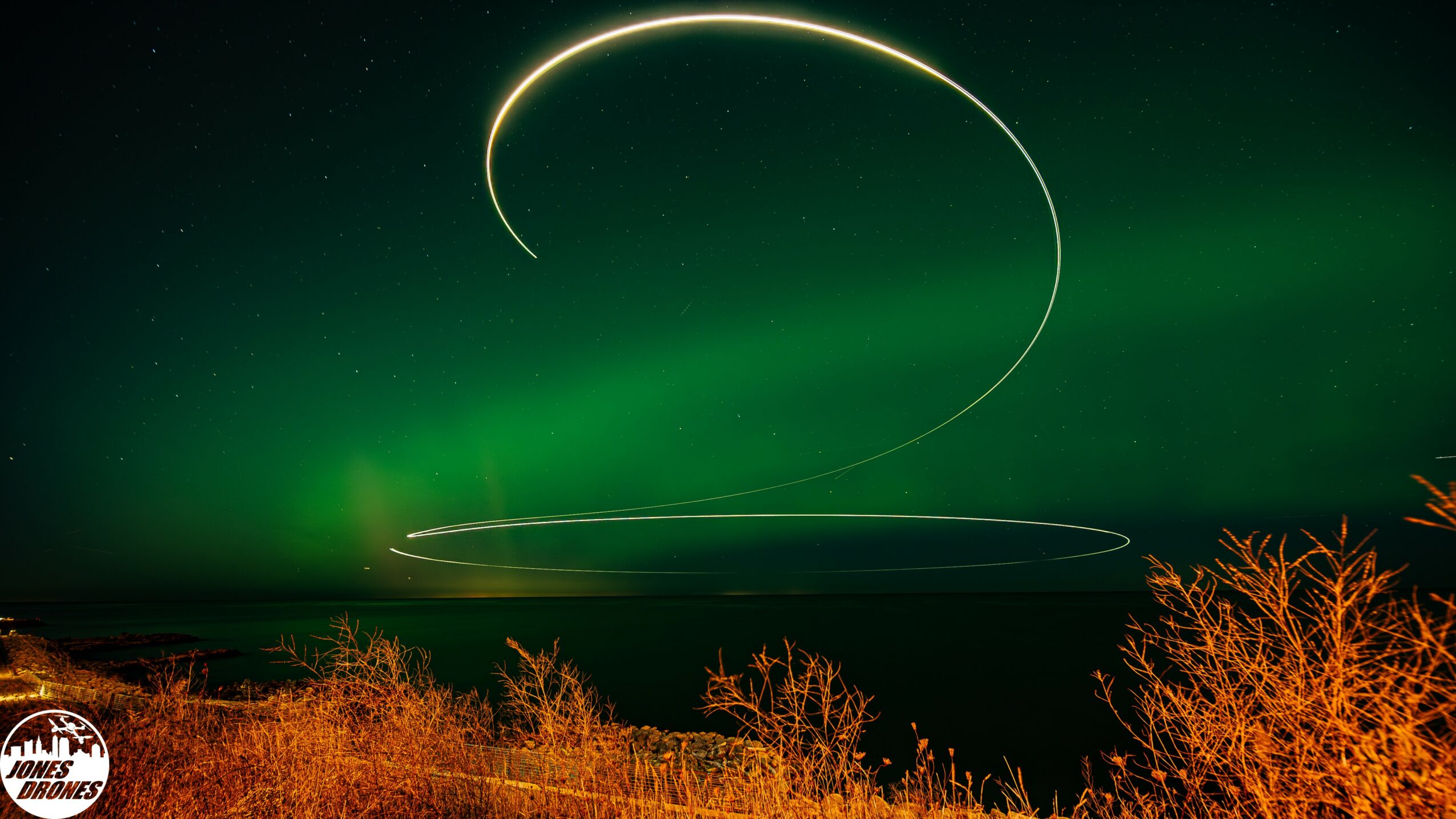
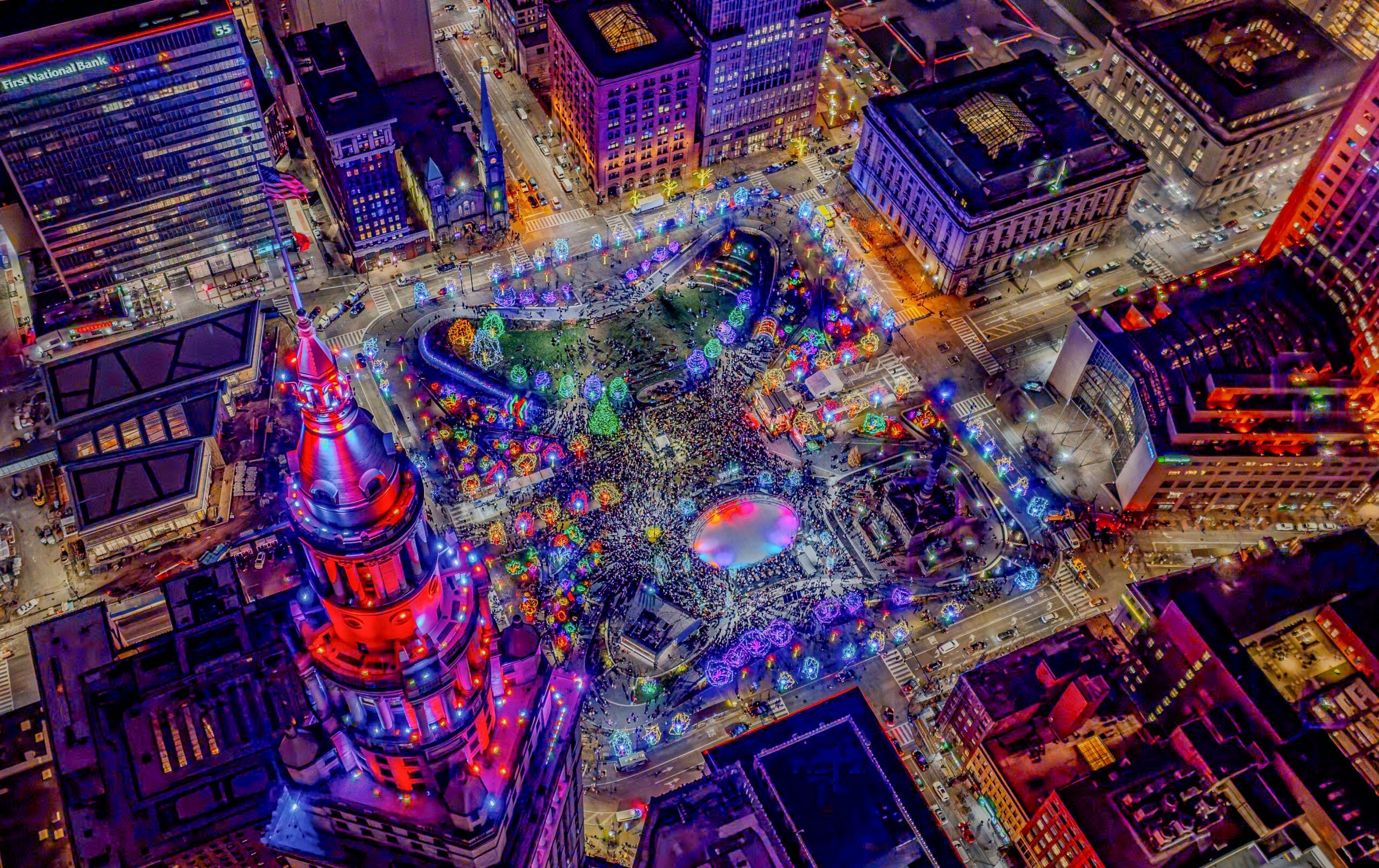
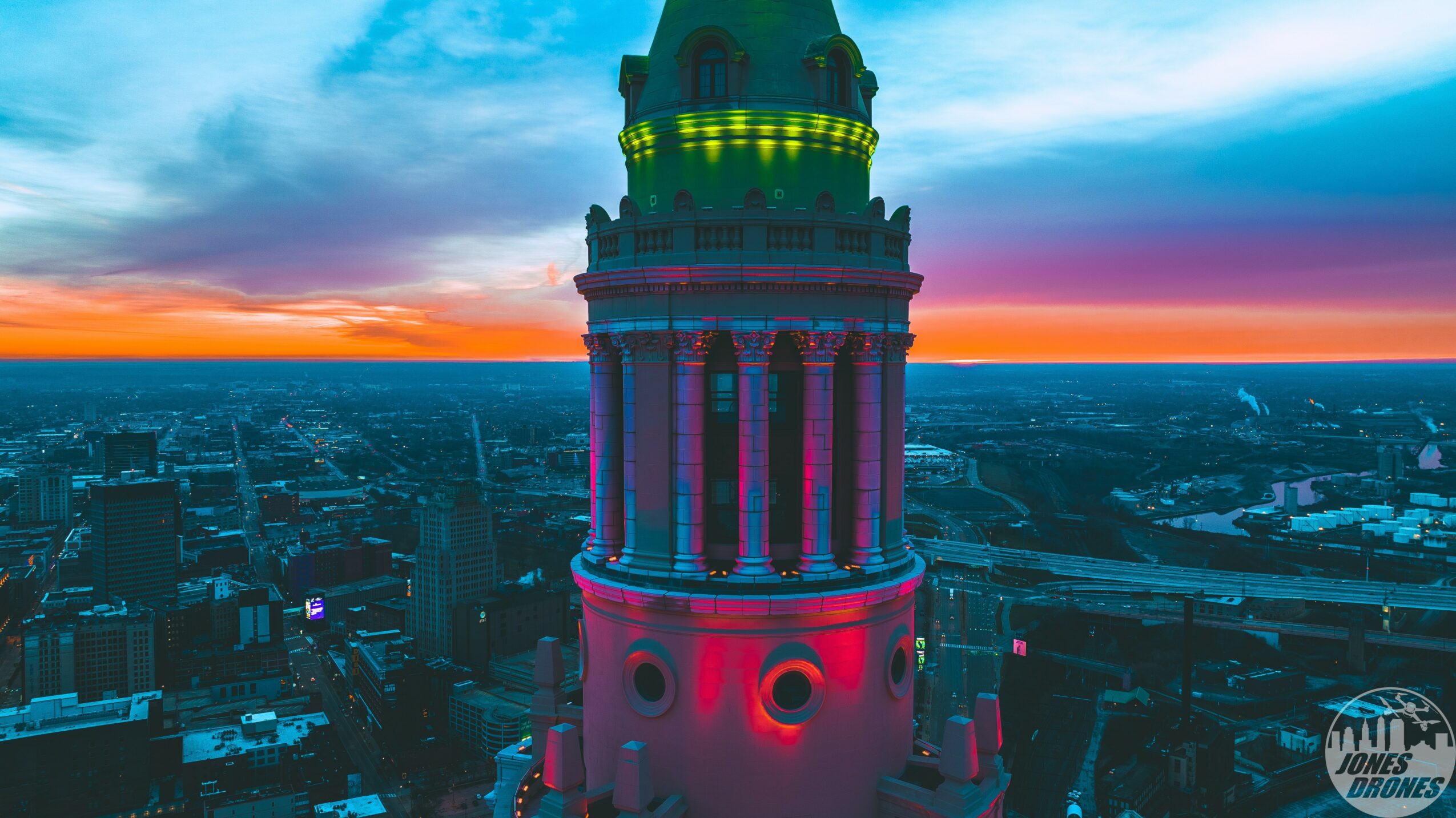
At its core, Jones Drones Cleveland is a drone-based production company. I provide aerial photography, video, and FPV (first-person view) drone work for real estate, live events, and commercial projects.
What I specialize in—and what I’m probably best known for—is FPV fly-through video. These are single-take shots where the drone starts outside a property, flies through the entire space, and exits back outside. It creates a seamless, immersive experience that gives viewers a true sense of the environment. I’ve completed over 200 of these, and that consistency has helped refine both the flying and the storytelling behind them.
Beyond that, I also work in more traditional aerial photography and video, as well as live production environments where timing, communication, and reliability are critical. My background in the production industry plays a big role here—I’m comfortable working alongside crews, taking direction, and delivering shots that fit into a larger vision.
What I’m most proud of is building something that’s both creative and dependable. It’s one thing to capture a great shot, but it’s another to do it consistently, safely, and in real-world conditions where there are time constraints, people involved, and a lot of moving parts. Being able to show up and deliver in those situations is something I take seriously.
I’m also proud of the body of work itself—especially the FPV projects—because they represent a skill set that takes time to develop and isn’t easily replicated. There’s a level of precision and planning involved that goes beyond just flying a drone.
What sets me apart is the combination of production experience and technical flying ability. A lot of drone operators are either strong on the creative side or the technical side. My background gives me both. I understand how to operate in professional environments, communicate with clients and crews, and capture shots that actually serve the project—not just look good on their own.
At the end of the day, I focus on delivering work that’s not only visually interesting, but also useful, intentional, and aligned with what the client is trying to accomplish.
Can you talk to us a bit about the role of luck?
Luck has definitely played a role, but not in the way people usually think.
There have been moments of good timing—getting into FPV when it was still emerging, being in the right place to connect with certain clients, or having opportunities come up that led to bigger projects. Those moments matter, and I’m grateful for them. At the same time, I’ve also had my share of bad luck—equipment failures at the worst times, projects that didn’t go as planned, or opportunities that didn’t work out after a lot of effort.
What I’ve learned is that luck tends to show up more often when you’re consistently putting yourself in position for it. The more work you do, the more people you meet, and the more prepared you are, the more those “lucky” opportunities seem to happen.
In this business especially, you can’t rely on luck to carry you. You have to be prepared for things to go wrong and have systems in place to handle it—backup equipment, contingency plans, clear communication. A lot of what might look like luck from the outside is really preparation meeting opportunity.
So I’d say luck has opened some doors, but the real progress has come from being ready when those doors opened, and staying consistent even when things didn’t go my way.
Pricing:
- All projects are custom-quoted based on scope, scale, and production requirements. We work with a range of clients—from straightforward aerial needs to full-scale commercial productions—and pricing reflects the level of execution involved.
- For real estate and smaller commercial projects, we offer entry-level solutions designed to provide high-quality aerial content while still maintaining a professional production standard.
- Our FPV fly-through work is tailored to each environment, ranging from true one-take flights to more advanced productions that require multiple passes, precision planning, and seamless post-production to achieve a continuous, cinematic result.
- For larger productions, including live events and commercial shoots, we operate on a day-rate structure, with a half-day rate of $600 and a full-day rate of $1,200 for a dedicated pilot, with additional resources scoped as needed.
- For high-end commercial projects, multi-day shoots, or productions that combine FPV, traditional cinema cameras, and full production crews, budgets can scale significantly into the five-figure range depending on the creative and technical demands.
Contact Info:
- Website: https://www.jonesdronescle.com/
- Instagram: https://www.instagram.com/jonesdronescle/
- Facebook: https://www.facebook.com/jonesdronescle/
- LinkedIn: https://www.linkedin.com/in/russell-jones-59463918a
- Youtube: https://youtube.com/c/JonesDronesCle
Popular
-

Hidden Gems: Local Businesses & Creatives You Should Know
-

The Change-Makers: stories that inspire
-

Take Flight: Lamar Thomas on Building an Inclusive Brand Rooted in Youth, Community, and Purpose
-

Cultivating Inner Clarity: Angel Inspires on Thought, Healing, and Purpose
-
Local Highlighter Series
-

Highlighting Local Gems