



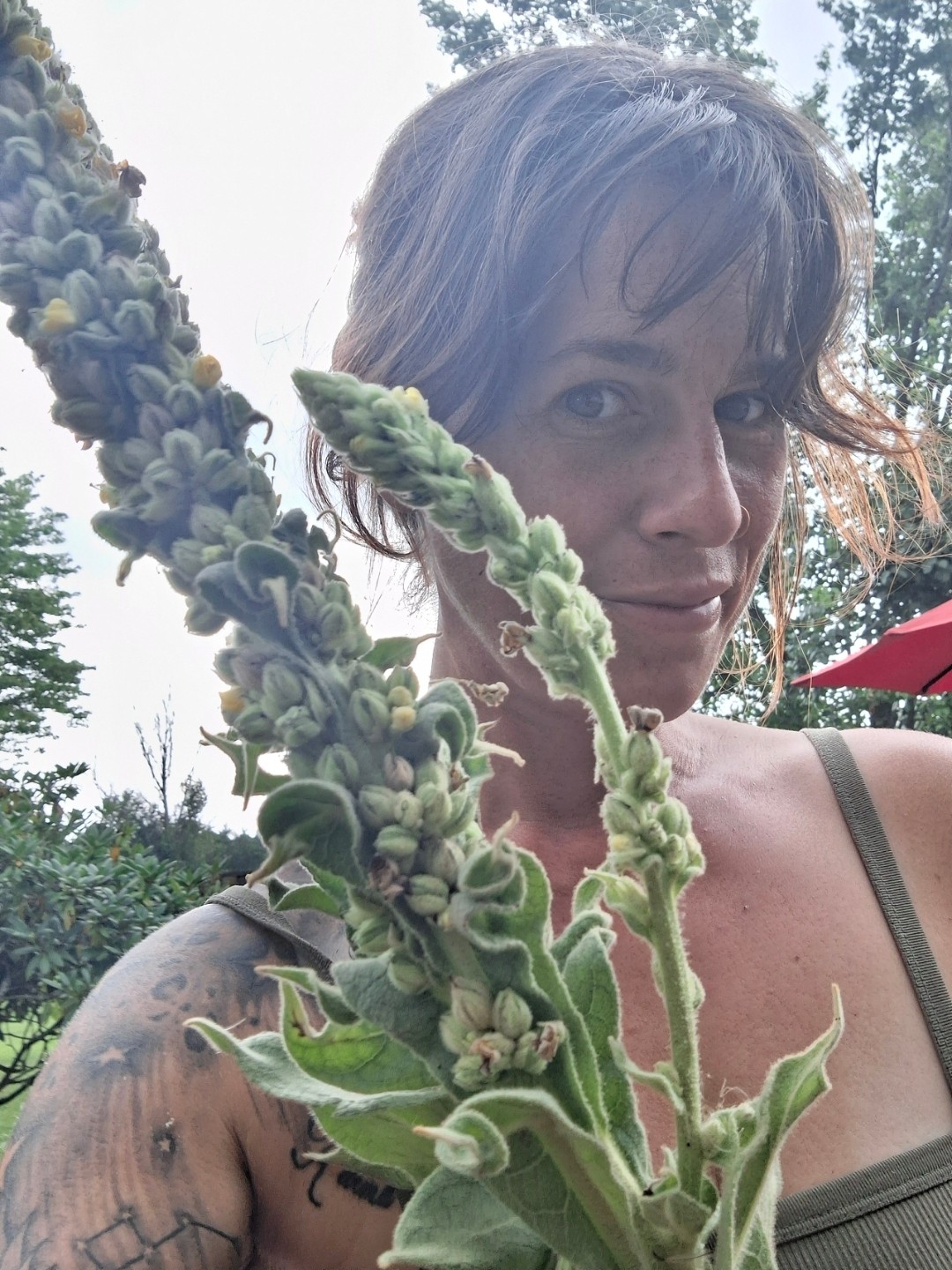
Today we’d like to introduce you to Nicole DeScenna.
Hi Nicole, thanks for sharing your story with us. To start, maybe you can tell our readers some of your backstory.
Recovery didn’t arrive for me as a single moment of clarity. It came in fragments—after loss, after shame, after the slow realization that I was surviving at the expense of myself.
After a close friend died, I carried a quiet, corrosive belief: if I had done more, she might still be here. That guilt rewired me. I became codependent, hyper-vigilant, and willing to abandon myself to keep others afloat. Over time, the line between care and self-erasure disappeared.
Addiction didn’t turn me into someone new—it stripped me of who I was. I found myself in places I never would have gone sober, saying and doing things that didn’t align with my values, crossing lines I once believed were unmovable. Each time, I told myself it was temporary. Each time, the distance between who I was and who I wanted to be grew wider.
The cycle became familiar: use, treatment, jail, sobriety, relapse. Nearly a decade of repeating patterns I didn’t yet have the tools to interrupt. From the outside, it looked like poor choices. From the inside, it felt like I was disappearing. What made it darker wasn’t just the environments or the consequences—it was the way addiction convinced me I deserved them.
Eventually, exhaustion replaced denial. I stopped asking how to hold everything together and started asking a quieter, more dangerous question: What happens if I stop pretending I’m okay?
That question cracked something open.
Recovery didn’t erase my past, but it gave me language for it. I learned how grief, trauma, and a lack of emotional tools had shaped my behavior. I learned that willpower alone had never been the problem—and that asking for help was not a moral failure.
Five years ago, I became a certified peer support specialist. That decision changed the trajectory of my life. Today, I work with other women in recovery, and I get to walk beside them as they rebuild. There is something profoundly beautiful about watching someone begin to trust themselves again—seeing confidence return, watching people reclaim their voice, their choices, and their future.
What I love most about this work is that it isn’t about fixing anyone. It’s about presence. It’s about reminding someone, often quietly, that they are capable, worthy, and allowed to take their life back. Every time I witness that transformation, it reinforces how far I’ve come—and how possible change truly is.
Those experiences reshaped my understanding of growth. The very parts of my story that once filled me with shame became sources of empathy and strength. I could meet people in dark places because I had been there—and because I knew the difference between judgment and understanding.
Now, I’m continuing my education and in the early planning stages of building a nonprofit focused on community care and mutual aid. It’s still at the beginning, but I approach it with a confidence I never had before. I understand systems better now. I know how to navigate challenges, how to ask questions, and how to fully step into things instead of shrinking back.
Because of what I’ve learned—and how deeply I’ve changed—I have no doubt that I can give back even more to my community. I can help build connection where there is isolation, growth where there is stagnation, and support where people feel unseen. And honestly, I think that’s really cool.
I’m not cured. I still procrastinate. I still feel fear. But I no longer confuse chaos with identity. Recovery gave me discernment—the ability to recognize when I’m drifting and the courage to correct course.
The journey back to myself wasn’t fast or clean, but it was honest. And honesty is what made real movement possible.
The bravest voyage isn’t outward. It’s the inward journey toward accountability, compassion, and connection. That’s the journey I’m still on—and for the first time, I’m not afraid of where it leads.
Alright, so let’s dig a little deeper into the story – has it been an easy path overall and if not, what were the challenges you’ve had to overcome?
hasn’t always been a smooth road. I faced addiction in my past, experienced significant personal loss, and had to rebuild my life from the ground up. There were moments of instability, self-doubt, and learning basic life skills that many people take for granted. Balancing recovery, parenting, education, and financial responsibilities was challenging, especially while navigating systems that weren’t always easy to access or understand.
However, those struggles taught me resilience, accountability, and empathy. They shaped my ability to problem-solve, ask for help when needed, and stay committed to long-term goals. Each challenge became a stepping stone that helped me grow into a stronger, more focused person today.
Alright, so let’s switch gears a bit and talk business. What should we know about your work?
am a certified peer support specialist with several years of experience working directly with individuals in recovery, helping them navigate substance use challenges, mental health concerns, and life transitions. I specialize in building trust, meeting people where they are, and connecting them with resources that support long-term stability and growth.
In addition to peer support, I am also a certified Reiki practitioner. I incorporate mindfulness, energy work, grounding techniques, and stress-reduction practices to help women manage anxiety, trauma, and emotional overwhelm. I enjoy offering holistic tools alongside traditional support to promote overall well-being.
I am known for my empathy, persistence, and ability to turn difficult situations into opportunities for positive change. Having personally rebuilt my life after addiction, I bring both professional training and lived experience to my work, which allows me to relate authentically to those I support and advocate for their needs effectively.
I also focus on teaching practical life skills such as goal setting, communication, emotional regulation, time management, and navigating community resources — empowering individuals to build independence and confidence.
I am most proud of the women I have worked with who have gone on to rebuild their lives, reenter the workforce, pursue education, and even become peer supporters themselves. Watching that cycle of healing and empowerment continue has been incredibly rewarding.
What sets me apart is my combination of compassion, resilience, and action. I don’t just offer encouragement — I help people create practical plans, access real resources, and believe in their ability to change. Alongside my peer support work, I am continuing my education and developing a community-focused nonprofit to expand access to support and resources for families in need.Today, I also engage in community advocacy and creative projects outside of my formal work. I manage a personal Linktree where I highlight resource links and share stories of families I communicate with directly who have been displaced by conflict. Through this platform, I help amplify their voices, connect them with support, and encourage others to get involved in humanitarian efforts.
I also enjoy creating my own handmade and small-scale products, with the long-term goal of building a small business or incorporating these projects into my nonprofit work to help fund community support initiatives. Creativity has become another way for me to serve others while building sustainable solutions.
Additionally, I founded a Facebook community called Sojourners for Justice, where I share resources, uplifting stories, and opportunities to support people locally and globally. The focus is on connection, compassion, and practical help for those in need.
I understand that some of this advocacy work may fall outside traditional professional roles, and I am comfortable if certain elements are not included in my interview. My goal in sharing it is simply to reflect my commitment to helping others — both within my community and beyond.
If we knew you growing up, how would we have described you?
Growing up, I was very much a tomboy. I loved being outside, getting dirty, exploring, and staying active rather than sitting still. I was always curious about the world around me and happiest when I was moving, playing, and learning through experience.
Even as a child, I naturally gravitated toward helping people. Whether it was standing up for someone, listening when a friend was upset, or trying to fix things when someone was struggling, I always wanted to be a source of support. Helping others came naturally to me and brought me a sense of purpose early on.
Looking back, those traits — resilience, empathy, curiosity, and a strong desire to care for others — shaped who I am today and continue to guide both my personal life and professional work.
Contact Info:
- Email: SojournersforJustice@gmail.com
- Other: https://linktr.ee/SojournersforJustice


Popular
-

Take Flight: Lamar Thomas on Building an Inclusive Brand Rooted in Youth, Community, and Purpose
-

The Change-Makers: stories that inspire
-

Cultivating Inner Clarity: Angel Inspires on Thought, Healing, and Purpose
-

Local Highlighter Series
-

Highlighting Local Gems
-

Hidden Gems: Local Businesses & Creatives You Should Know