



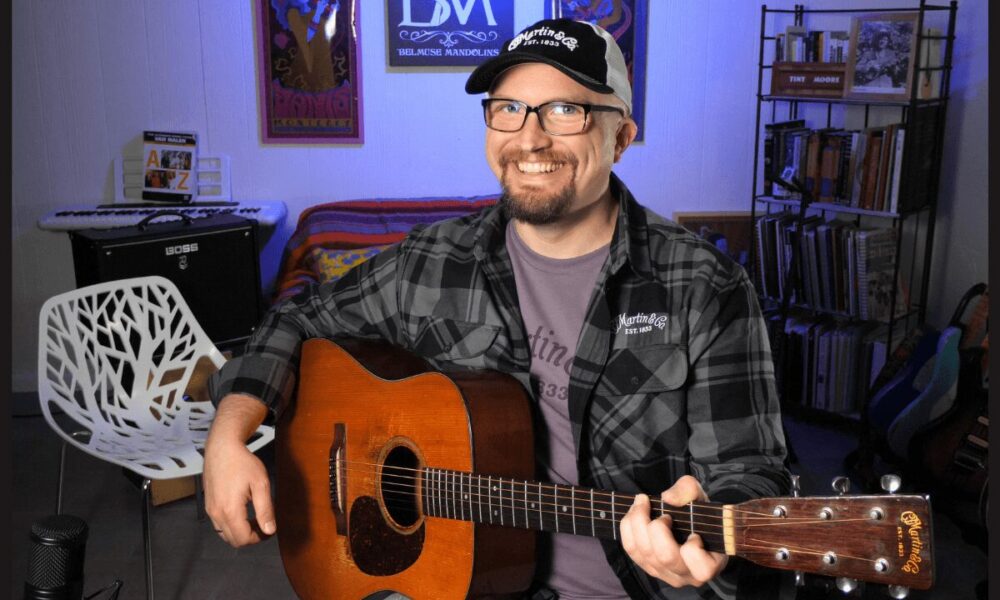
Today we’d like to introduce you to Hayes Griffin.
Hi, Hayes. We are so excited to have you with us today. What can you tell us about your story?
I don’t come from a musical family, but music has always been a massive part of the fabric of my early life. Some of my earliest memories are listening to oldies and pop country radio in the car with my mom on the way to school or plowing through my dad’s endless CD collection of classic rock, outlaw country, and bluegrass on our long drives to North Carolina in the summer.
When I was about 8, I saw my Uncle Bob playing his guitar and became immediately obsessed. The sound of simply strumming chords was mesmerizing to me, and after begging for a while, my folks relented and bought me my first cheap acoustic. The music director at a local church, Terry, gave guitar lessons, so I began studying with him, learning basic chords and strumming patterns. Within a year, he sent me to another local teacher, John Sheets, to continue more advanced studies like reading sheet music, learning scales, transcribing music, improvisation, etc. I studied with John until I was about 17 years old, at which point he said I knew enough to either continue on my own or pursue lessons with some of the professors at a local college – Denison University. I sought a nomination to the military academies then, hoping to get into West Point and pursue a military career. Still, John’s advice took me down a different path.
During my senior year of high school, I took lessons with Tom Carroll, the jazz guitar professor at Denison, and played guitar in the Denison University Bluegrass Ensemble. This killed my military ambitions, so I applied to Denison, got a good scholarship, and dove headfirst into my professional musical training. After Denison, I was lucky to be accepted to the Contemporary Improvisation program at New England Conservatory in Boston.
Looking back, this is really where my intense musical studies began. Denison provided a tremendous theoretical foundation and opportunity to play as a “big fish in a small pond,” but NEC pushed me to my creative and technical limits. The ear training curriculum at NEC may be the most crucial course in my growth as a young musician. After NEC, I spent 7 years on the road touring with Canadian fiddler April Verch and later the bluegrass band Newtown. I became weary of the road life and started to pour my efforts into teaching around 2016 (with a brief 2-year detour as community radio station manager). Like many, the COVID-19 lockdown provided the incubator I needed to hone my video production skills, learn how to manage a YouTube channel, and, eventually, connect with private students.
Would it have been a smooth road, and if not, what are some of the biggest challenges you’ve faced along the way?
The journey thus far hasn’t been a challenging road. If I’m thinking specifically about my most recent endeavors as an online educator, it was prolonged to get a following on YouTube and learn how to translate that into a stable living. One thing that hurt was that I started a bit too niche on my YouTube channel. My first series of videos was a passion project that I decided to distribute on YouTube – over 40 transcriptions of my favorite (though obscure) mandolinist, Tiny Moore. A core group of eager enthusiasts supported the work, but it ultimately didn’t only lead to a little reach to potential students or followers. Another struggle was balancing the work required of a solo content creator and eventually learning how to delegate. Getting help editing my videos is one of the most productive investments I’ve made, and I wish I had done it sooner. That said, there are a lot of growing pains that come from navigating the content creation space, especially as a niche music instructor.
I appreciate you sharing that. What else should we know about what you do?
Ultimately, I am a music educator who wears a few different hats. I run a YouTube channel specializing in bluegrass and acoustic jazz education on guitar and mandolin. I also host an online community called Pickers Club, where mandolinists and guitarists can subscribe for access to a library of over 200 video lessons and courses. Teaching private lessons, both online and in person, takes up quite a bit of my time, and I also teach part-time at my alma mater, Denison University. I am most known for my work as a flat picker, but word is starting to get out about my passion for swing mandolin. It was my lockdown project, and I jumped head first into learning about the greats – Jethro Burns, Tiny Moore, Doug Dalton, Johnny Gimble, and others.
We love surprises, fun facts, and unexpected stories. Can you share something that might surprise us?
Many people who work with me or see me online associate me with the acoustic music of yesteryear. Still, I have a secret: I’m obsessed with late 70s/early 80s metal, especially the work of Ronnie James Dio. I try to leave little easter eggs in recent videos, mainly in the form of band t-shirts I wear while teaching, but I haven’t been too explicit about my obsession with a style of music that seems drastically juxtaposed to what I’m known for playing.
Pricing:
- $19/month club membership
- $9/month club membership
- $70/hour private lessons
Contact Info:
- Website: www.hayesgriffin.club
- Instagram: https://www.instagram.com/hayesgriffin/
- Facebook: https://www.facebook.com/hayesgriffinmusic/
- Youtube: www.youtube.com/hayesgriffin
- Other: https://www.tiktok.com/@hayesgriffinmusic
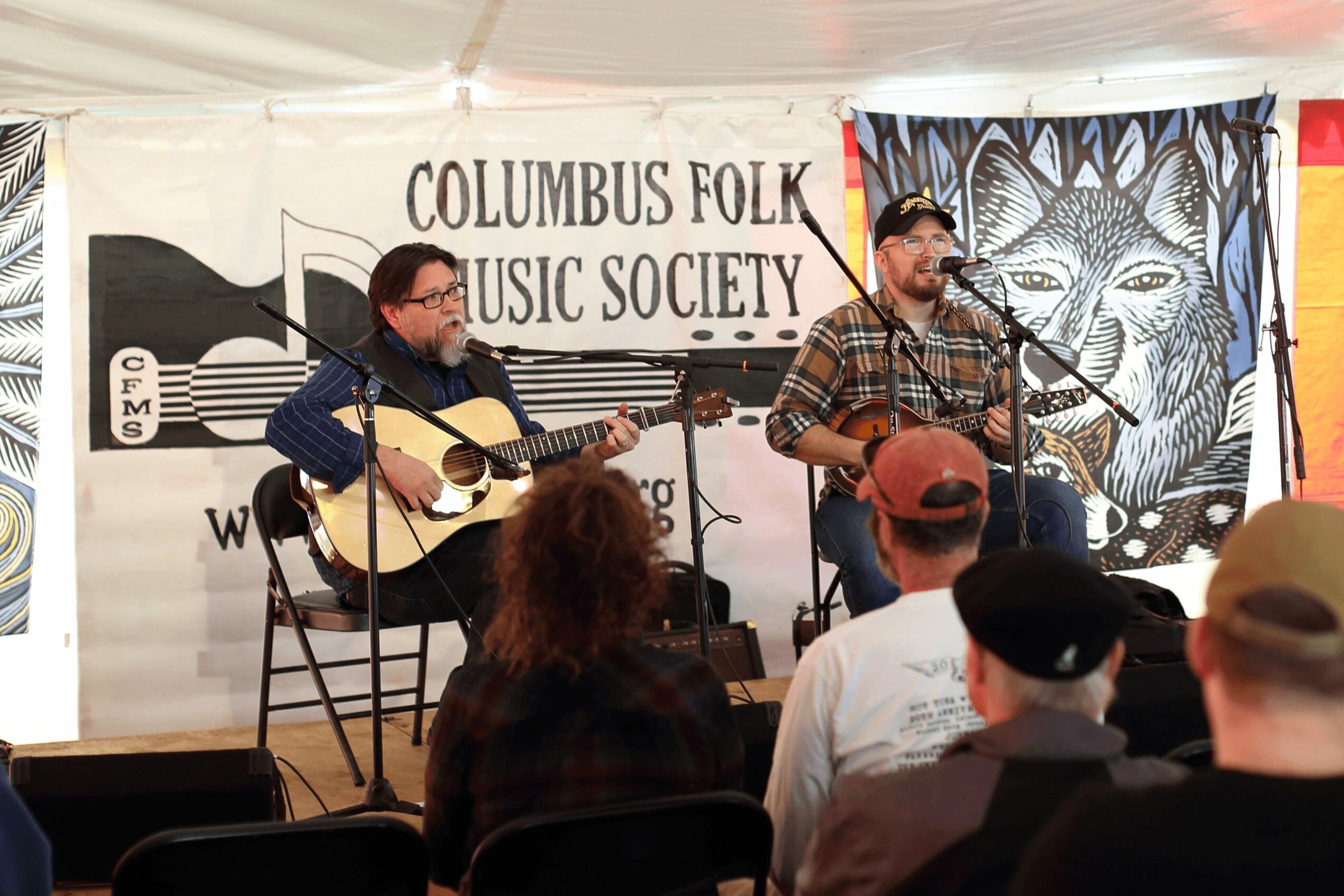
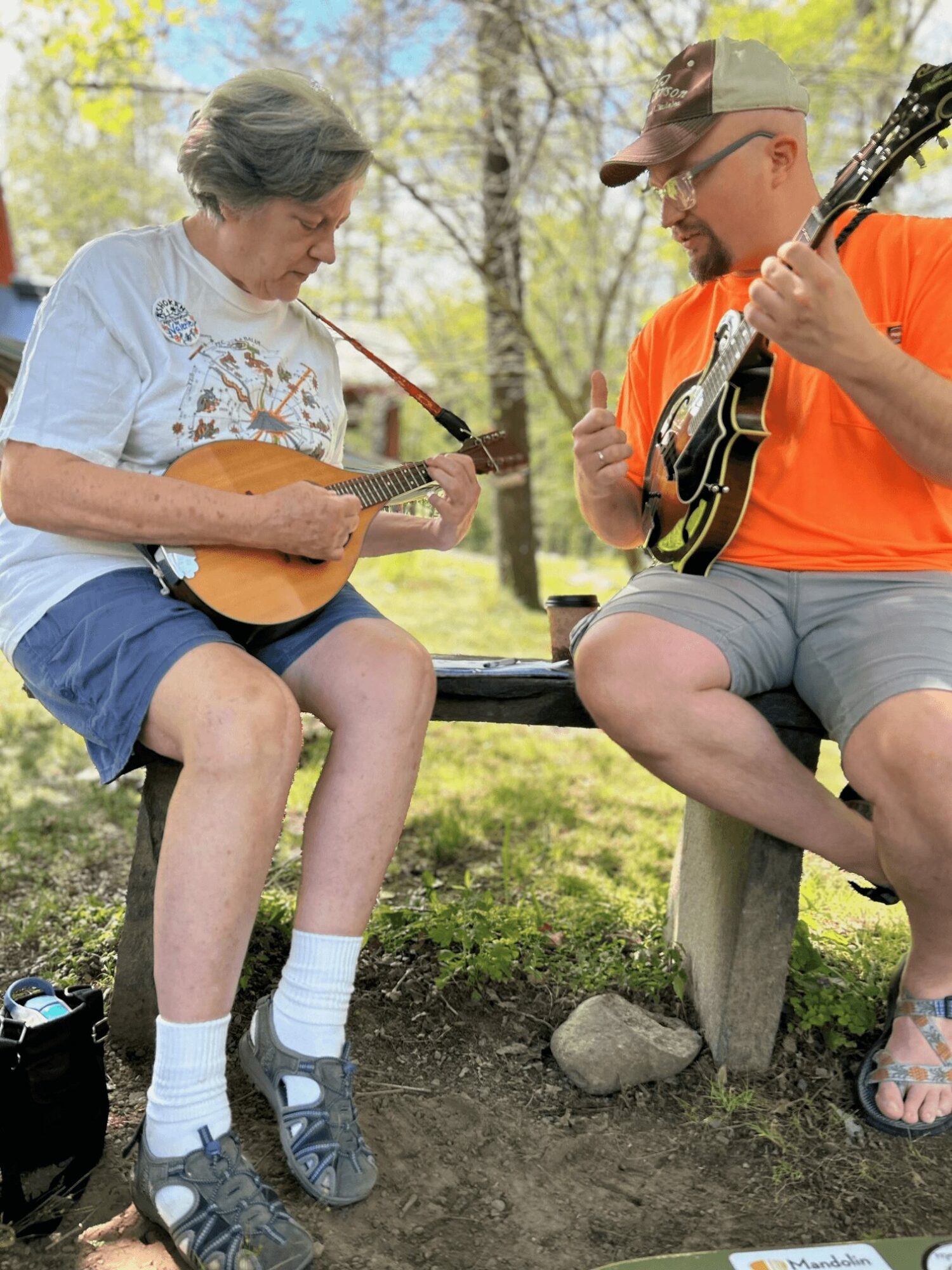
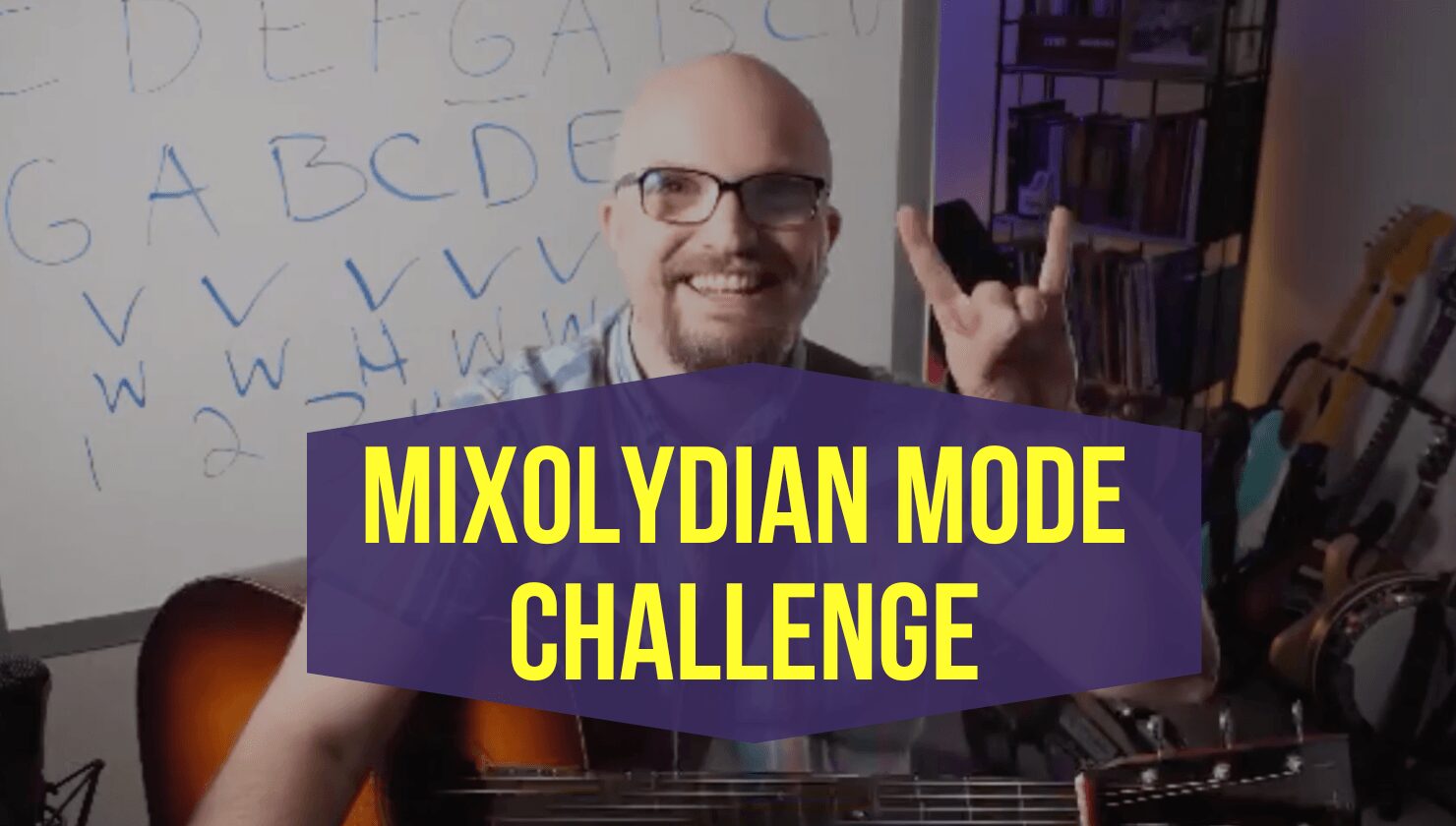
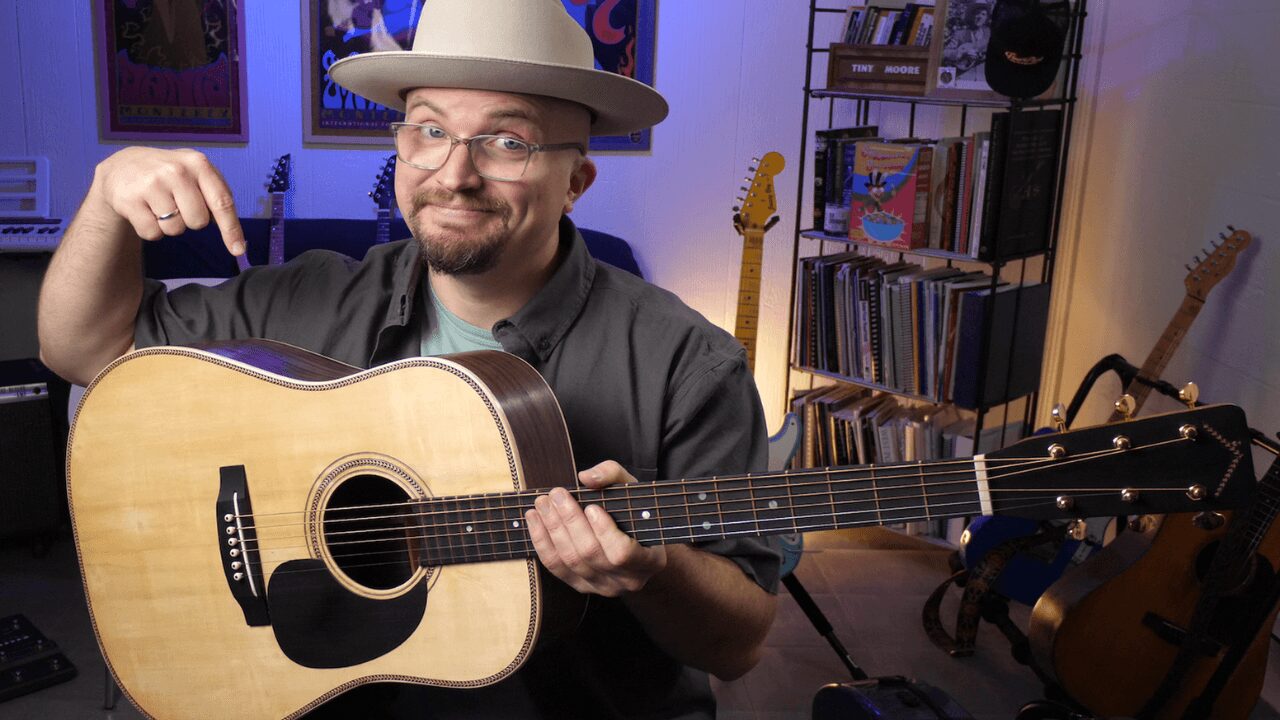
Image Credits
A. Pellegrino
Popular
-

The Change-Makers: stories that inspire
-

Take Flight: Lamar Thomas on Building an Inclusive Brand Rooted in Youth, Community, and Purpose
-

Cultivating Inner Clarity: Angel Inspires on Thought, Healing, and Purpose
-

Local Highlighter Series
-

Highlighting Local Gems
-

Hidden Gems: Local Businesses & Creatives You Should Know