



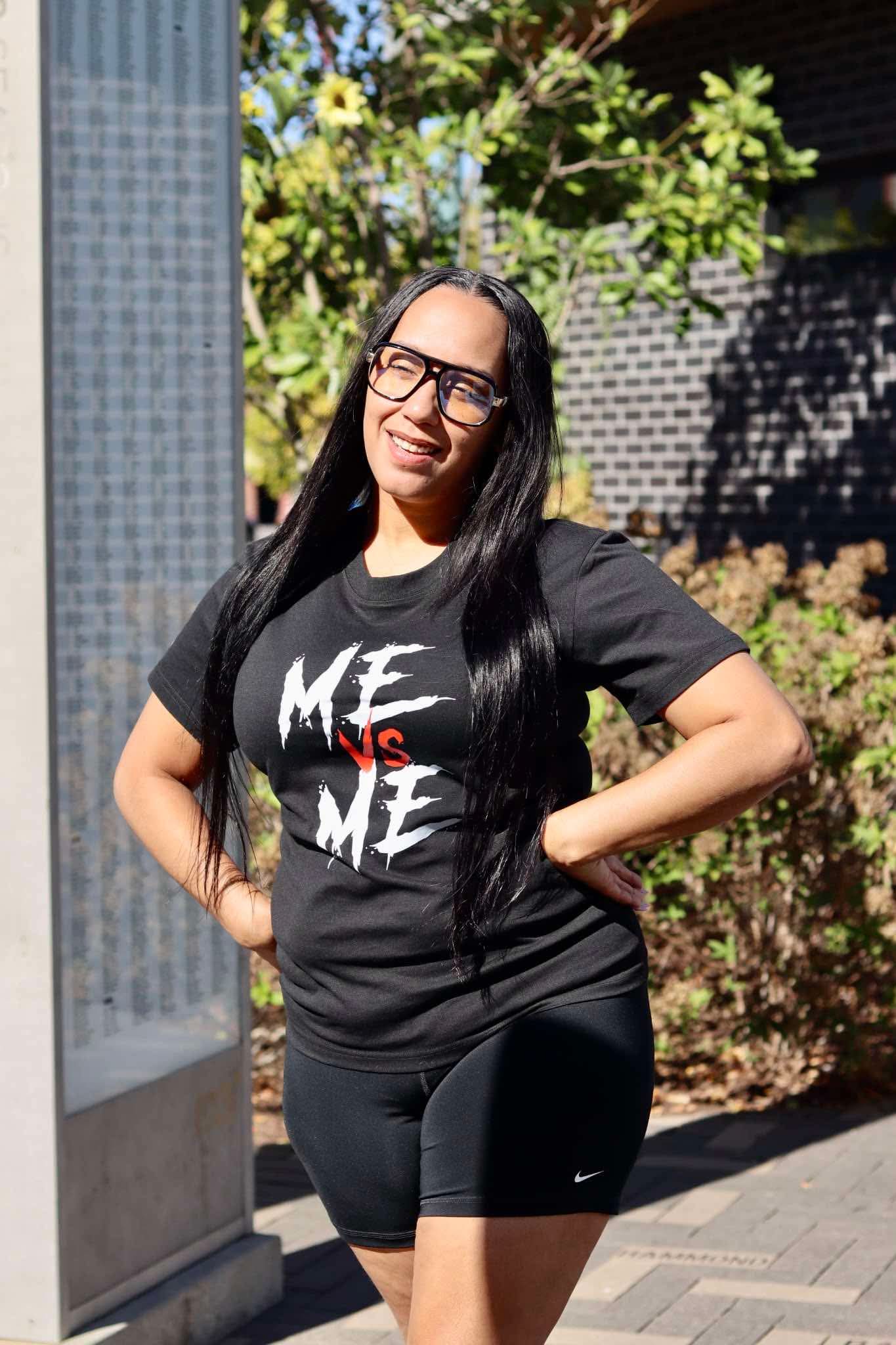
Today we’d like to introduce you to Camelia Pritchett.
Hi Camelia, can you start by introducing yourself? We’d love to learn more about how you got to where you are today?
My story honestly starts with adversity, but it didn’t end there. I grew up in foster care, experienced abuse, battled addiction, and was even incarcerated at one point. I was also born with a club foot, so from day one I’ve understood what it feels like to face physical and emotional challenges. Being a single mother has shaped me as well. There were seasons of my life where things could have easily gone a very different direction — and for a while, they did.
Another important part of my story is that I’ve been a single mom since I was 16. Growing up while raising a child wasn’t easy — I had to mature quickly, balance responsibilities most teens don’t face, and learn resilience in real time. But motherhood became one of my biggest motivations. My children pushed me to pursue education, recovery, stability, and purpose. Everything I’ve built — academically, professionally, and personally — has been with them in mind. Being a young single mom didn’t hold me back; it gave me a deeper reason to keep going and create a better future for all of us.
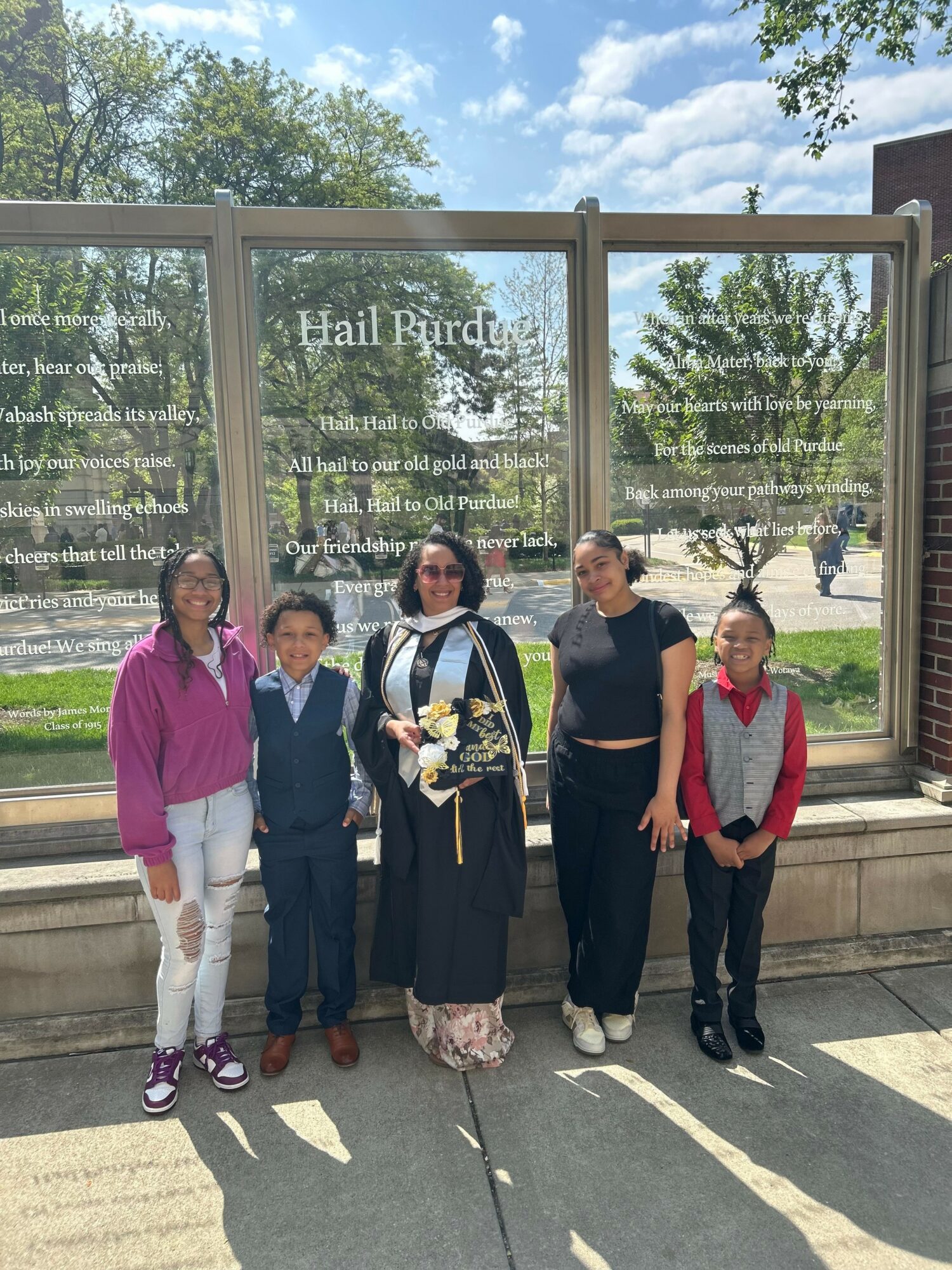
I made a decision that my past wasn’t going to be my final chapter. Recovery, education, faith, community, and a lot of self-work helped me rebuild my life. I went on to earn my master’s degree and am now pursuing a doctorate in Human Services, focusing on trauma-informed care and recovery support. That journey wasn’t just about degrees — it was about healing and becoming someone who could help others navigate the same battles.
Today, I’m deeply involved in community work, helping families access food resources, advocating for stronger support systems, and building my nonprofit, Day 1 Recovery Home, a sober living initiative for women. My mission is simple: I want people to see that healing is possible, second chances are real, and your past doesn’t disqualify you from purpose.
Everything I do now comes from lived experience. I’m not just talking about change — I’m living proof of it.
Alright, so let’s dig a little deeper into the story – has it been an easy path overall and if not, what were the challenges you’ve had to overcome?
It definitely hasn’t been a smooth road — not even close. My life has included foster care, abuse, addiction, incarceration, and even physical challenges from being born with a club foot. There were times when I was fighting just to stay afloat emotionally, mentally, and physically. I’ve faced grief, setbacks, and moments where I had to rebuild from the ground up more than once.
But every struggle taught me something. Recovery taught me resilience. Education taught me confidence. Community work taught me purpose. And honestly, some of the hardest chapters shaped my passion for helping others who feel overlooked or counted out.
Today I don’t see those struggles as shameful parts of my story — I see them as the foundation of why I do what I do. They fuel my commitment to advocacy, my nonprofit work, and my focus on trauma-informed support for women and families. I’m living proof that growth isn’t always pretty, healing isn’t always easy, but transformation is absolutely possible.
So no, it hasn’t been smooth — but it’s been meaningful, and I wouldn’t trade the lessons because they led me to my purpose.
Appreciate you sharing that. What else should we know about what you do?
Professionally, my work centers around advocacy, community support, and helping people move from survival to stability. I’m currently pursuing my doctorate in Human Services, where my research focuses on trauma-informed care, recovery support, and strengthening systems that serve families and individuals navigating substance use recovery, housing instability, and life transitions.
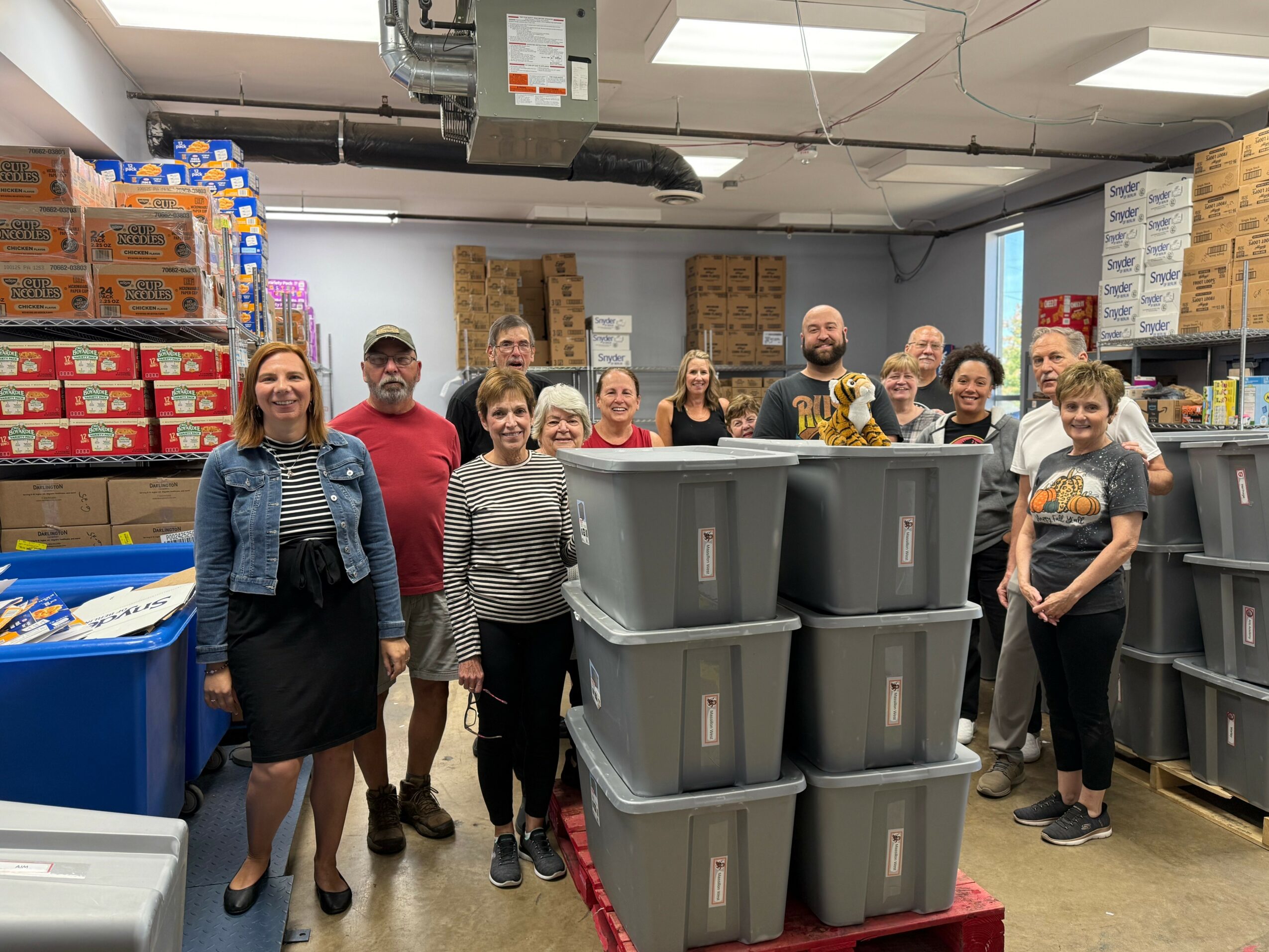
Outside of academia, I’m deeply involved in community initiatives — especially programs that address food insecurity and access to resources for families. One of the things I’m most proud of right now is building my nonprofit, Day 1 Recovery Home, which is focused on creating supportive sober living environments for women. It’s not just a project for me — it’s purpose-driven work rooted in lived experience and a genuine commitment to helping others heal and rebuild.
What really sets me apart is that I don’t just study these issues — I’ve lived them. My background in foster care, recovery, overcoming adversity, and rebuilding my own life gives me a level of empathy, credibility, and determination that shapes everything I do. I’m known for being resilient, community-focused, and someone who turns challenges into action.
Ultimately, I want my professional legacy to be about impact — creating spaces where people feel supported, seen, and empowered to move forward, no matter where they started.
What do you like best about our city? What do you like least?
What I love most about our city is the sense of community. People really do show up for each other here — whether it’s supporting local programs, helping families in need, or coming together around youth, recovery, and education initiatives. I’ve been fortunate to work closely with community partners, schools, libraries, and nonprofits, and I’ve seen firsthand how much heart this area has. There’s a real opportunity here to create impact because people care.
If I’m being honest, one of the harder things about our city — and many communities like it — is the ongoing challenges around access to resources, especially housing stability, recovery support, and food security. Those gaps are actually part of what motivates my work. Instead of discouraging me, it pushes me to advocate, build programs, and be part of solutions that help families and individuals move forward.
So while there are definitely challenges, I see a city with potential, resilience, and people willing to make change happen — and that’s what keeps me invested.
Pricing:
- Day 1 Recovery Home is a nonprofit sober living initiative, and services will be designed to be accessible and affordable, with sliding-scale options and funding support as available.
- Community programs I’m involved in, including food access and family support initiatives, are offered at no cost to families.
- Future offerings may include workshops, speaking engagements, and educational resources focused on recovery, trauma-informed care, and community healing. Pricing for those will vary depending on the format and audience.
Popular
-

The Change-Makers: stories that inspire
-

Take Flight: Lamar Thomas on Building an Inclusive Brand Rooted in Youth, Community, and Purpose
-

Cultivating Inner Clarity: Angel Inspires on Thought, Healing, and Purpose
-

Local Highlighter Series
-

Highlighting Local Gems
-

Hidden Gems: Local Businesses & Creatives You Should Know