



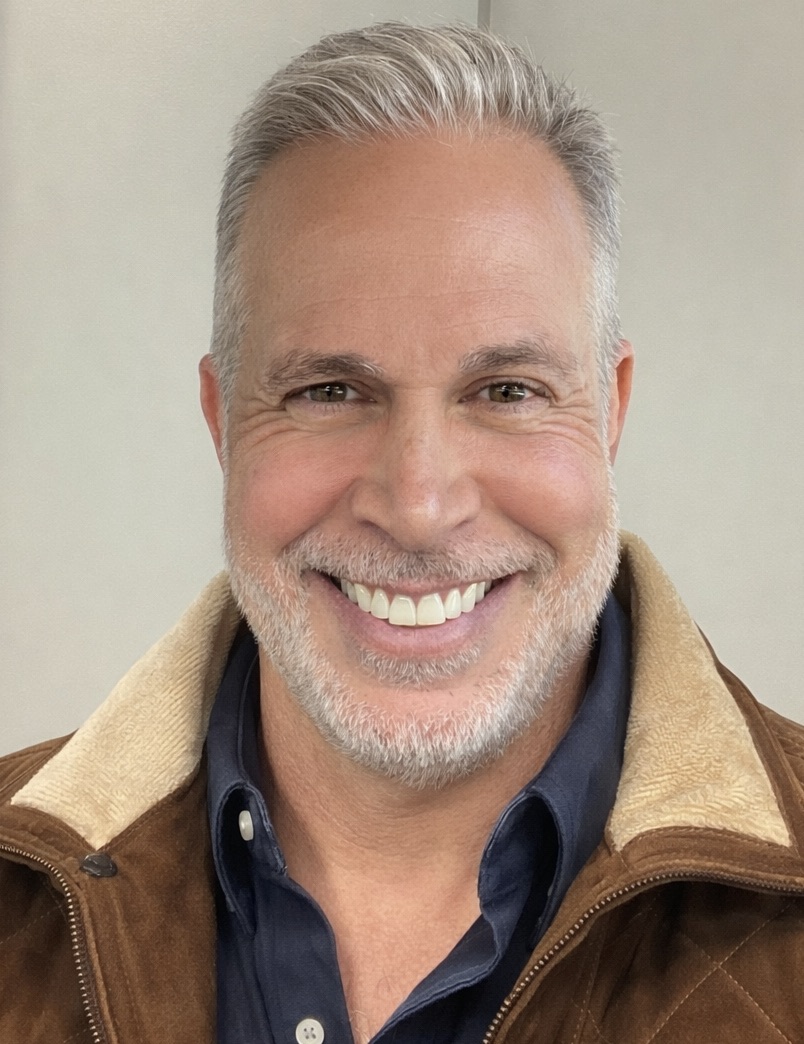
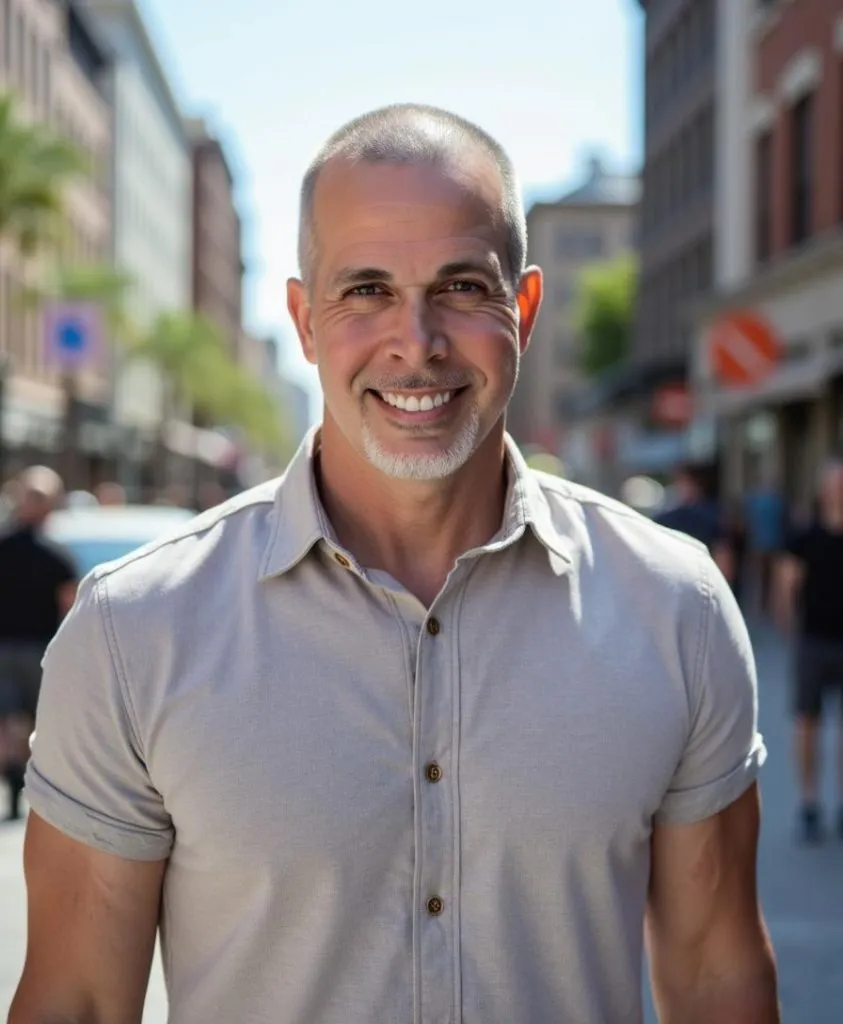
Today we’d like to introduce you to Roger Adams, Ph.D..
Hi Roger, we’re thrilled to have a chance to learn your story today. So, before we get into specifics, maybe you can briefly walk us through how you got to where you are today?
I’m originally from the small West Texas town of Post, Texas, and my interest in health and nutrition started early, but my career didn’t begin there.
I actually took a very different path at first, earning my bachelor’s degree in Electrical Engineering from Southern Methodist University and working briefly as a computer network consultant. It didn’t take long to realize I was on the wrong road. I wanted my work to be more personal, more meaningful, and directly connected to helping people improve their lives.
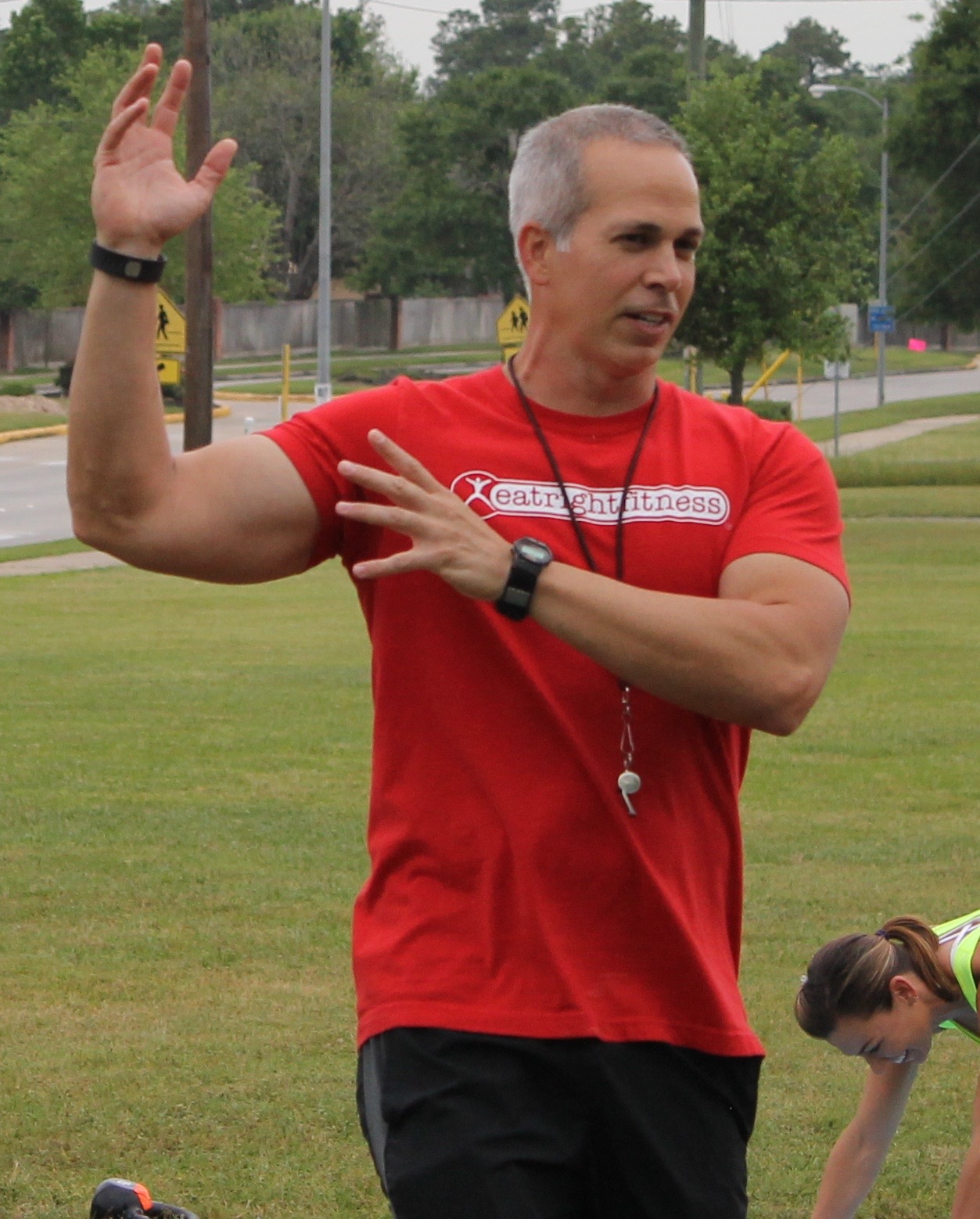
That realization led me to pivot completely. In January of 1998, I began graduate-level nutrition coursework through Texas Woman’s University, one of the nation’s top accredited programs. While earning my degree, I worked full-time as a personal trainer and nutrition counselor, and I launched what is now my long-standing private practice, eatrightfitness®, focused on weight loss, fitness transformation, and sports performance nutrition.
In December of 2004, I graduated summa cum laude and earned my Ph.D. in Nutrition, which allowed me to deepen my work beyond coaching and into evidence-based program development and education.
Teaching became another major part of my journey. Beginning in 2006, I served as adjunct faculty at Dallas College for five years, teaching undergraduate nutrition courses and discovering how much I loved helping people understand the “why” behind what works.
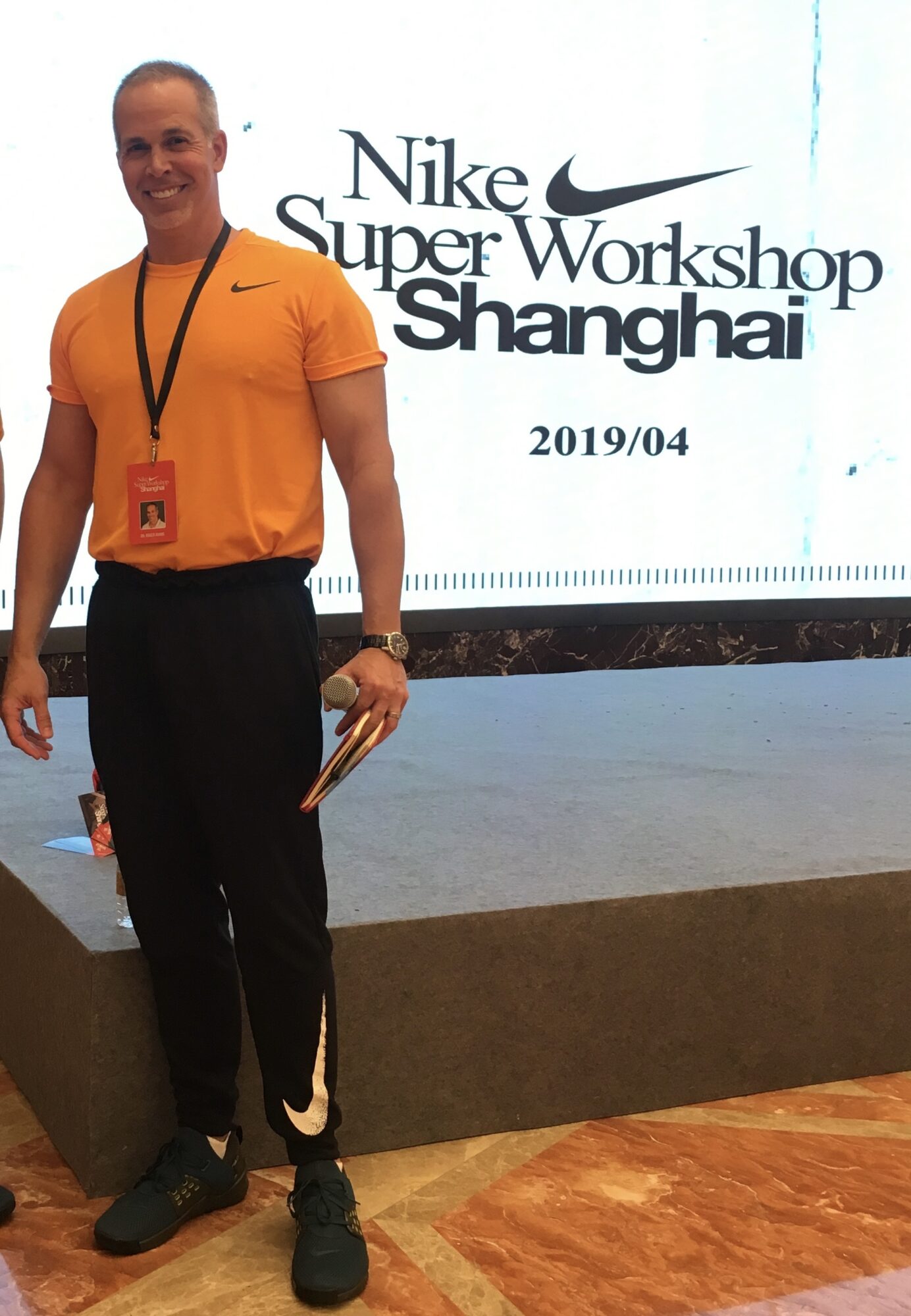
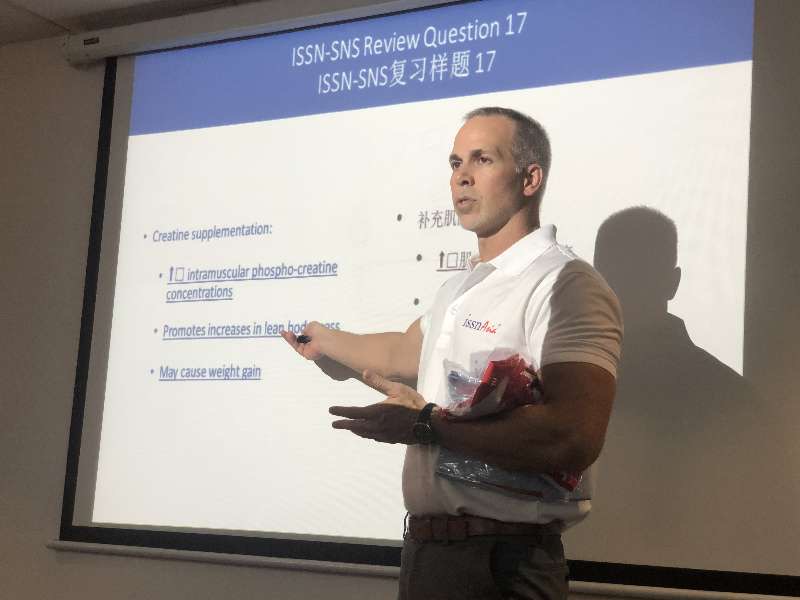
Over the years, I’ve been fortunate to reach several professional milestones that I’m proud of, including being published in the Journal of the International Society of Sports Nutrition, being recognized by D Magazine as one of Dallas’ best personal fitness trainers, receiving multiple academic scholarships for excellence in nutrition, being named a Thumbtack Top-10 Health Professional in the Houston area, and receiving the Global Health & Pharma Fitness and Nutrition Award in 2019.
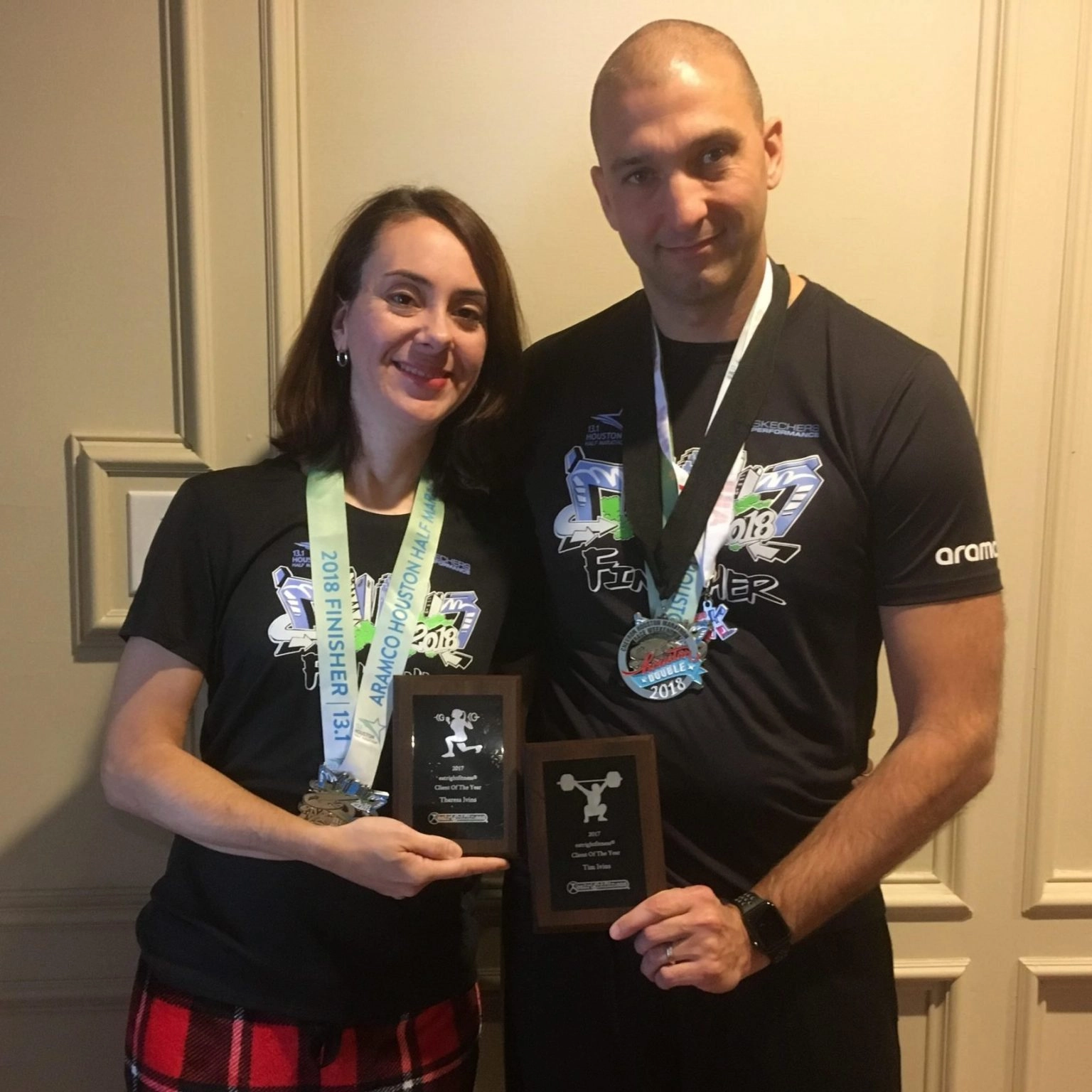
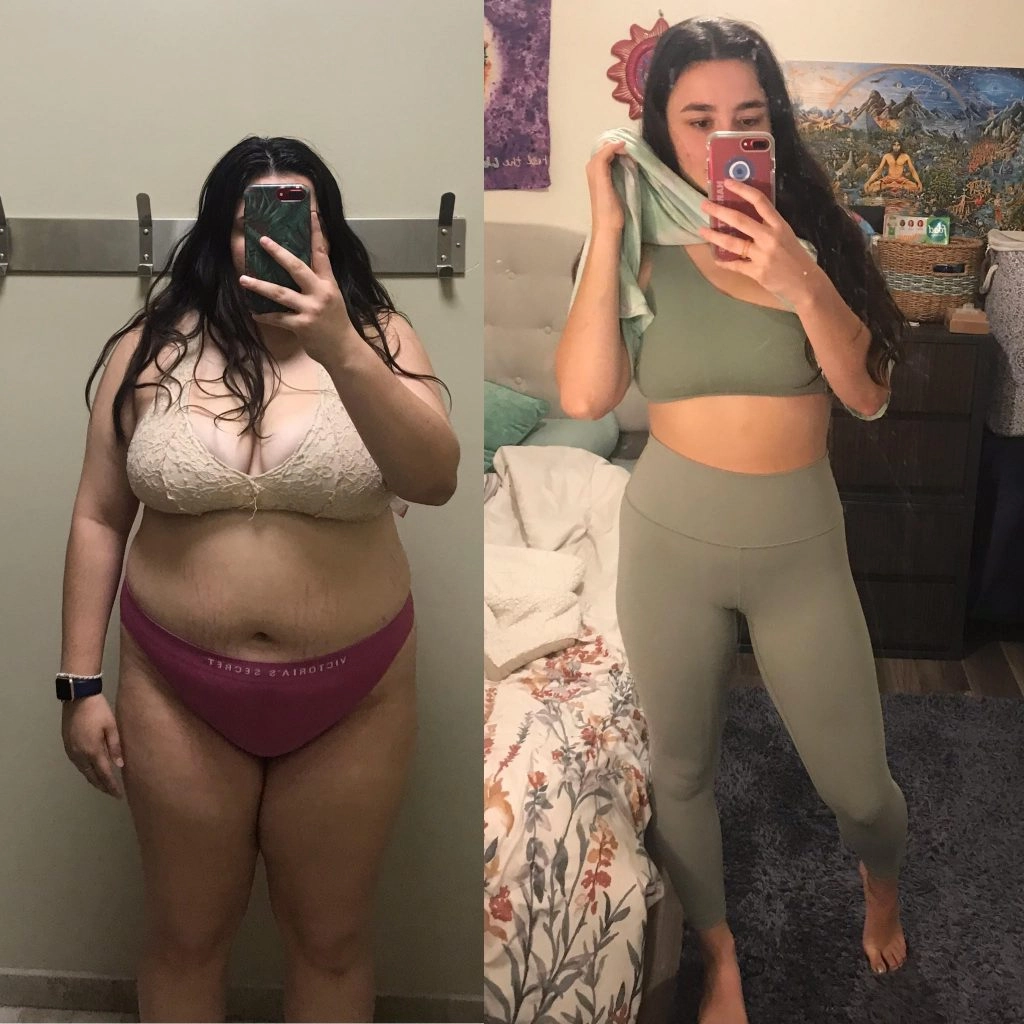
But the accomplishments I value most aren’t the awards. They’re the clients who regain confidence, reverse years of unhealthy patterns, improve performance, and learn how to build sustainable habits that actually last.
At this point in my career, my mission is clearer than ever: to help driven individuals optimize their health through a practical blend of nutrition, fitness, recovery, and real-world structure.
I’m now a resident of Hudson, Ohio, and I’m actively growing my practice here, bringing more than two decades of experience to individuals and families who want high-level coaching without extremes, gimmicks, or wasted time.
We all face challenges, but looking back would you describe it as a relatively smooth road?
Not a smooth road at all, and I think that’s true for anyone who builds something real and lasting.
One of the biggest challenges early on was simply doing everything myself while trying to grow credibility. I was working full-time as a trainer and nutrition counselor while going through graduate school, building my practice from the ground up, and learning how to run a business without a roadmap. There were years where I was juggling long days, late nights, and constant pressure to keep moving forward.
Another struggle was staying committed to evidence-based nutrition while the industry kept shifting toward trends, quick fixes, and marketing hype. It’s hard to compete with flashy promises when you’re focused on real results and long-term health, but I’ve always believed integrity matters more than popularity.
Like many entrepreneurs, I also faced the ups and downs of business growth, including periods where things were uncertain financially and I had to adapt quickly. Relocating and rebuilding my practice in a new state has been another major challenge, because you’re essentially starting over in terms of local relationships and reputation.
But those struggles shaped my approach. They forced me to become resilient, adaptable, and even more committed to delivering results that actually change lives. Looking back, I wouldn’t trade the hard parts, because they’re what built the foundation I have today.
We’ve been impressed with eatrightfitness, but for folks who might not be as familiar, what can you share with them about what you do and what sets you apart from others?
My business is eatrightfitness®, and at its core, it’s a performance-based nutrition and fitness coaching practice built for people who don’t have time to waste.
I specialize in working with busy, driven professionals, executives, entrepreneurs, and high-performing individuals who want to improve body composition, energy, strength, and overall health, but who are constantly battling time constraints, stress, travel, demanding schedules, and inconsistent routines. Most of my clients aren’t beginners, and they aren’t looking for generic advice. They want a clear strategy that works in the real world.
What I’m known for is combining nutrition science, training structure, and sustainable habit-building into one integrated plan. I help clients simplify what feels overwhelming, eliminate the trial-and-error approach, and create consistency without extremes. This includes performance nutrition, weight loss support, metabolic health, recovery optimization, and lifestyle systems that allow results to last.
What sets me apart is that I’m not just a trainer, and I’m not just a nutrition coach. I have a Ph.D. in Nutrition, nearly three decades of experience in the field, and I’ve worked with clients ranging from everyday professionals to high-level athletes. My approach is evidence-based, but it’s also highly practical. I don’t build plans that look good on paper. I build plans that clients can actually execute when life is busy, stressful, and unpredictable.
Brand-wise, I’m most proud of the reputation I’ve built around credibility, results, and trust. My practice has never been based on gimmicks, fads, or trendy marketing. It has been built through referrals, long-term client relationships, and outcomes that speak for themselves.
If there’s one thing I want readers to know, it’s that high performance is not just about looking better. It’s about feeling better, thinking sharper, having more energy, and staying strong and capable as life gets more demanding. My goal is to help people build a body and lifestyle that supports their career, their family, and their long-term health.
For anyone who feels like they’re doing “a lot” but still not getting the results they want, I help them create a structured, realistic plan that finally makes progress predictable.
What sort of changes are you expecting over the next 5-10 years?
Over the next 5–10 years, I see nutrition and fitness moving even faster toward a medical and performance hybrid model, where medications, biometrics, and coaching are integrated instead of competing.
1) Weight management becomes “medically mainstream,” and coaching becomes the differentiator
GLP-1s (and next-gen incretin combinations) are already reshaping consumer behavior, healthcare delivery, and even the food industry. We’re moving from “diet culture” to chronic-disease care plus long-term maintenance, which major organizations are explicitly framing as lifelong and integrated (behavioral and medical and other options).
What that means: the winners won’t be the people shouting the loudest about weight loss. It’ll be the providers who can help people keep results, manage side effects, and build a lifestyle that works on and off meds.
2) “Lean mass is the new metric” (especially for GLP-1 users and high-performers)
As more people use anti-obesity medications, preserving strength, performance, and muscle becomes a primary concern, because body weight can drop faster than someone’s routines and protein intake can keep up. Trials and analyses on agents like tirzepatide show reductions in both fat mass and lean mass, which puts a premium on resistance training and adequate protein and recovery as standard of care, not an optional add-on.
You can also see this trend spilling into the marketplace: demand is shifting toward higher-protein, more nutrient-dense food options.
3) Food culture shifts from “less” to “denser”
Because GLP-1 users often eat less overall, the future is nutrient density per bite: more protein, more fiber, better micronutrient coverage, fewer “empty” calories. Food manufacturers are already reformulating and repositioning products around that reality.
4) Personalized nutrition goes from hype to practical and is powered by wearables, CGMs, and AI
The next wave is less about perfect customization and more about actionable feedback loops: wearables, mobile apps, and (increasingly) CGMs (continuous glucose monitors) that drive better decisions in real time. ACSM continues to rank wearables and digital tools at the top of fitness trends.
On the research side, the integration of CGMs and digital health and AI-driven tools is accelerating personalized nutrition for metabolic health.
5) “Performance health” becomes the premium category (my lane)
For executives, entrepreneurs, and high-performing professionals, the trend is moving toward health as a competitive advantage: stable energy, better sleep, stress resilience, body composition, strength, and longevity, without burning out. McKinsey’s wellness research shows continued expansion and investment across categories like weight management and in-person fitness, which supports that this demand is not slowing down.
What I want readers to understand about where this is going (and why it matters)
In the future, “eat less and move more” won’t be a credible solution for busy high-achievers. The new standard will be:
Medication-aware coaching (for those using it)
Muscle-preserving programs (strength, protein, and recovery as a system)
Data-informed decisions (wearables/CGMs that guide behavior)
Simple execution (plans that work with travel, stress, and real schedules)
That’s exactly where I’m focused: helping high-performing people build a body and routine that supports their career, family, and long-term health, whether they’re using medications or not.
Contact Info:
- Website: https://eatrightfitness.com
- Instagram: https://instagram.com/eatrightfitness
- Facebook: https://facebook.com/eatrightfitness
- LinkedIn: https://linkedin.com/in/eatrightfitness
- Youtube: https://youtube.com/eatrightfitness
Popular
-

The Change-Makers: stories that inspire
-

Hidden Gems: Local Businesses & Creatives You Should Know
-
Take Flight: Lamar Thomas on Building an Inclusive Brand Rooted in Youth, Community, and Purpose
-

Cultivating Inner Clarity: Angel Inspires on Thought, Healing, and Purpose
-

Local Highlighter Series
-

Highlighting Local Gems