




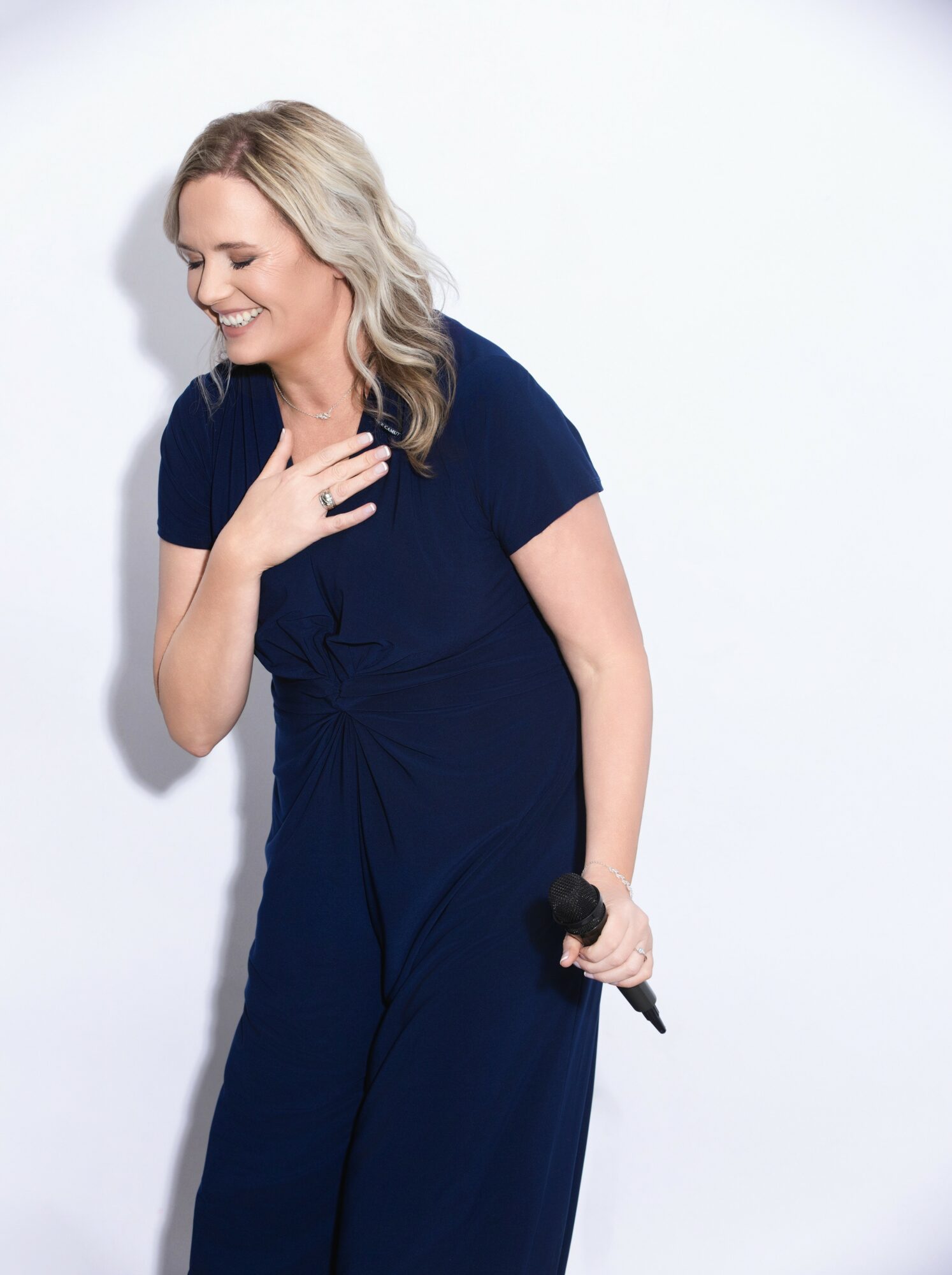
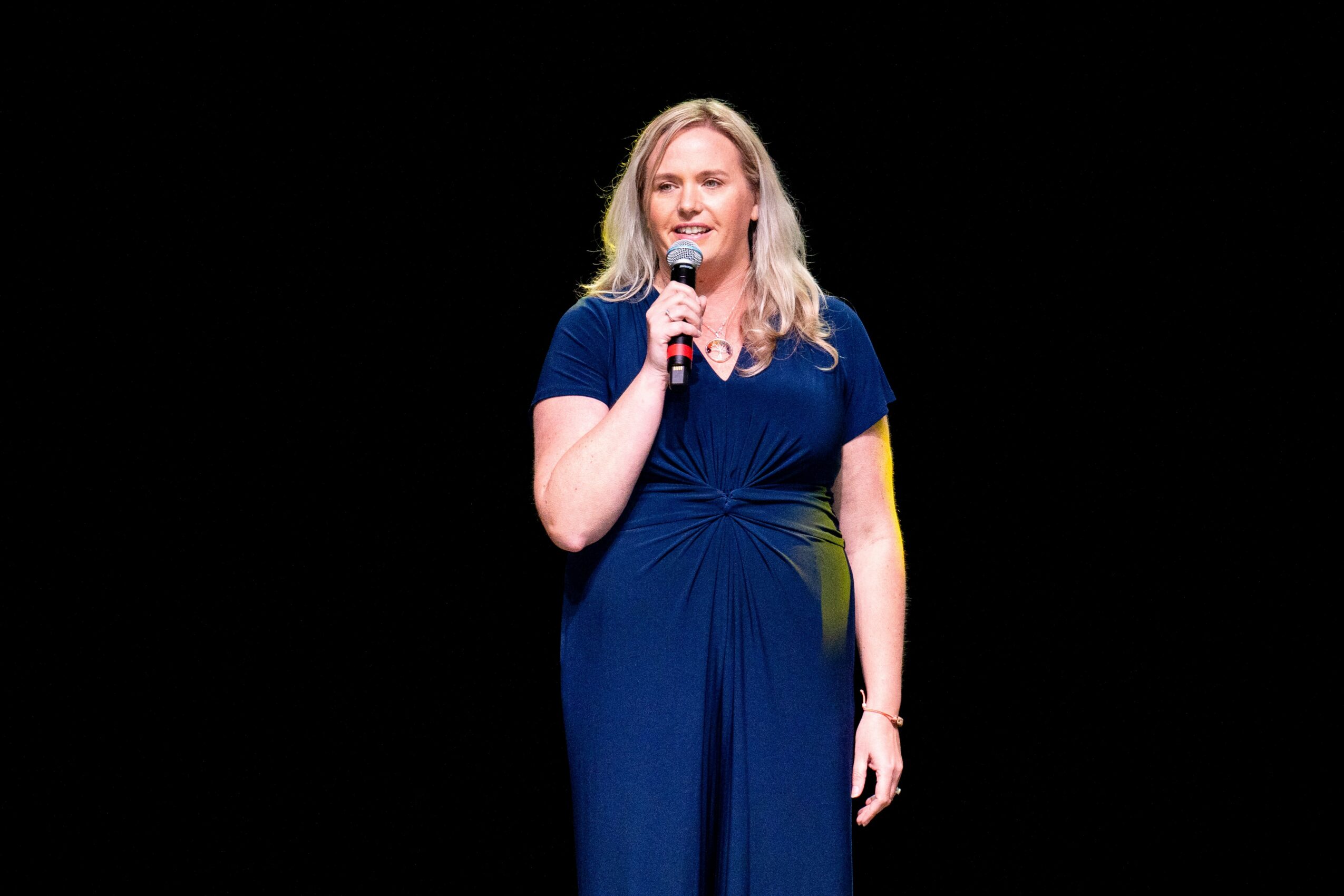
Today we’d like to introduce you to Jodi Brandstetter.
Hi Jodi, we’d love for you to start by introducing yourself.
I’ve spent over 25 years in Human Resources and Talent, beginning my career as a Recruiter and eventually serving as Director of Talent Acquisition for a Fortune 500 company. Throughout that journey, I developed an understanding of how strategic hiring and strong HR foundations directly impact business performance.
In 2018, I made the decision to step out of corporate and launch my own HR consulting firm, Lean Effective Talent Strategies. I focus primarily on industrial automation and manufacturing companies, helping them strengthen their HR strategy, build scalable recruiting processes, and design talent systems that support growth.
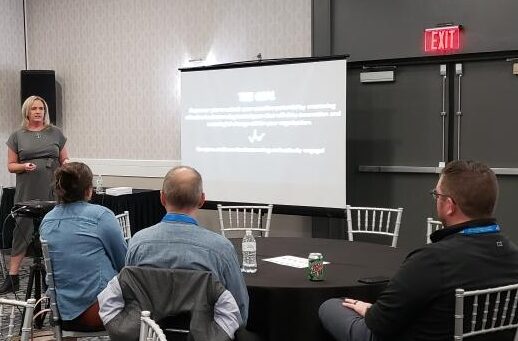
In 2020, I authored my first book, Hire By Design, which centered on applying design thinking to the hiring process. Since then, I’ve written nine additional books and expanded my work into speaking and thought leadership.
Today, I integrate AI into my consulting practice, helping organizations adopt AI responsibly and ethically while keeping people at the center of their strategy. My work now sits at the intersection of HR strategy, design thinking, and AI, helping companies become future-ready.
We all face challenges, but looking back would you describe it as a relatively smooth road?
It definitely has not been a smooth or straight road. Entrepreneurship rarely is. There have been incredible opportunities that I never would have experienced in corporate life, like writing books, speaking, and building my own frameworks, but there have also been real challenges.
One of my biggest struggles was finding my niche. When I first started my business, I focused more on the services I could provide than on who I wanted to serve. That lack of clarity made marketing harder and diluted my brand.
I also had to learn an important lesson around alignment. Early on, I was very money-motivated and said yes to projects that weren’t truly aligned with my long-term vision. While they brought in revenue, they pulled me away from the work I wanted to be known for. Over time, I realized that focus and positioning matter more than chasing every opportunity.
Those challenges ultimately helped me refine my niche, clarify my brand, and build a business that is more intentional, strategic, and aligned with my purpose.
Appreciate you sharing that. What should we know about Lean Effective Talent Strategies?
My business focuses on helping small to mid-sized industrial automation and manufacturing companies build HR functions that are strategic, scalable, and future-ready.
Through my firm, Lean Effective Talent Strategies, and my Future Ready HR By Design framework, I specialize in three core areas: HR strategy, hiring and talent acquisition, and responsible AI integration in people operations. I work with companies that are growing, scaling, or going through change and need more than transactional HR. They need structure, clarity, and systems that support business performance.
What sets me apart is that I combine three disciplines that don’t often live together: HR expertise, design thinking, and AI strategy. I am certified in HR and Talent Acquisition, trained in Design Thinking, and currently pursuing an MBA with a concentration in Artificial Intelligence. That allows me to approach people challenges differently. I don’t just “fix HR problems”. I help organizations design solutions intentionally.
I’m known for being both strategic and practical. I build frameworks, scorecards, hiring systems, and implementation roadmaps that leaders can actually use. My background in talent acquisition also makes me particularly strong at helping companies attract and retain technical and sales talent in competitive markets.
Brand-wise, I’m most proud of the clarity that has come from narrowing my focus. Early in my business, I tried to be everything to everyone. Today, my brand is very clear: I help industrial and technical organizations build people systems that align with growth, technology, and long-term sustainability.
What I want readers to know is this: HR should not be reactive or administrative. It should be a growth driver. When designed intentionally with people at the center and technology used responsibly, it becomes a competitive advantage.
So maybe we end on discussing what matters most to you and why?
People matter most to me.
We spend the majority of our lives at work. Because of that, work should be a place where people can be productive, respected, and valued for who they are and what they contribute. Organizations have a responsibility to create environments where individuals can excel, not just perform tasks, but grow, contribute, and feel dignity in their work.
We’ve lived through multiple industrial revolutions. Each one transformed how we work, how businesses operate, and how economies grow. AI is simply the next evolution. But if history teaches us anything, it’s that when technology moves faster than people strategy, the human impact is significant.
As we move deeper into AI adoption, we have an opportunity to do it differently. We can design systems that prioritize people just as much as productivity and profit. To me, progress isn’t just about innovation; it’s about ensuring that innovation improves the human experience at work.
That balance between technology and humanity is what matters most to me.
Contact Info:
- Website: https://jodibrandstetter.com/
- LinkedIn: https://www.linkedin.com/in/jodibrandstetter/
- Youtube: @JodiBrandstetter



Popular
-

The Change-Makers: stories that inspire
-
Take Flight: Lamar Thomas on Building an Inclusive Brand Rooted in Youth, Community, and Purpose
-

Cultivating Inner Clarity: Angel Inspires on Thought, Healing, and Purpose
-

Local Highlighter Series
-

Highlighting Local Gems
-

Hidden Gems: Local Businesses & Creatives You Should Know