



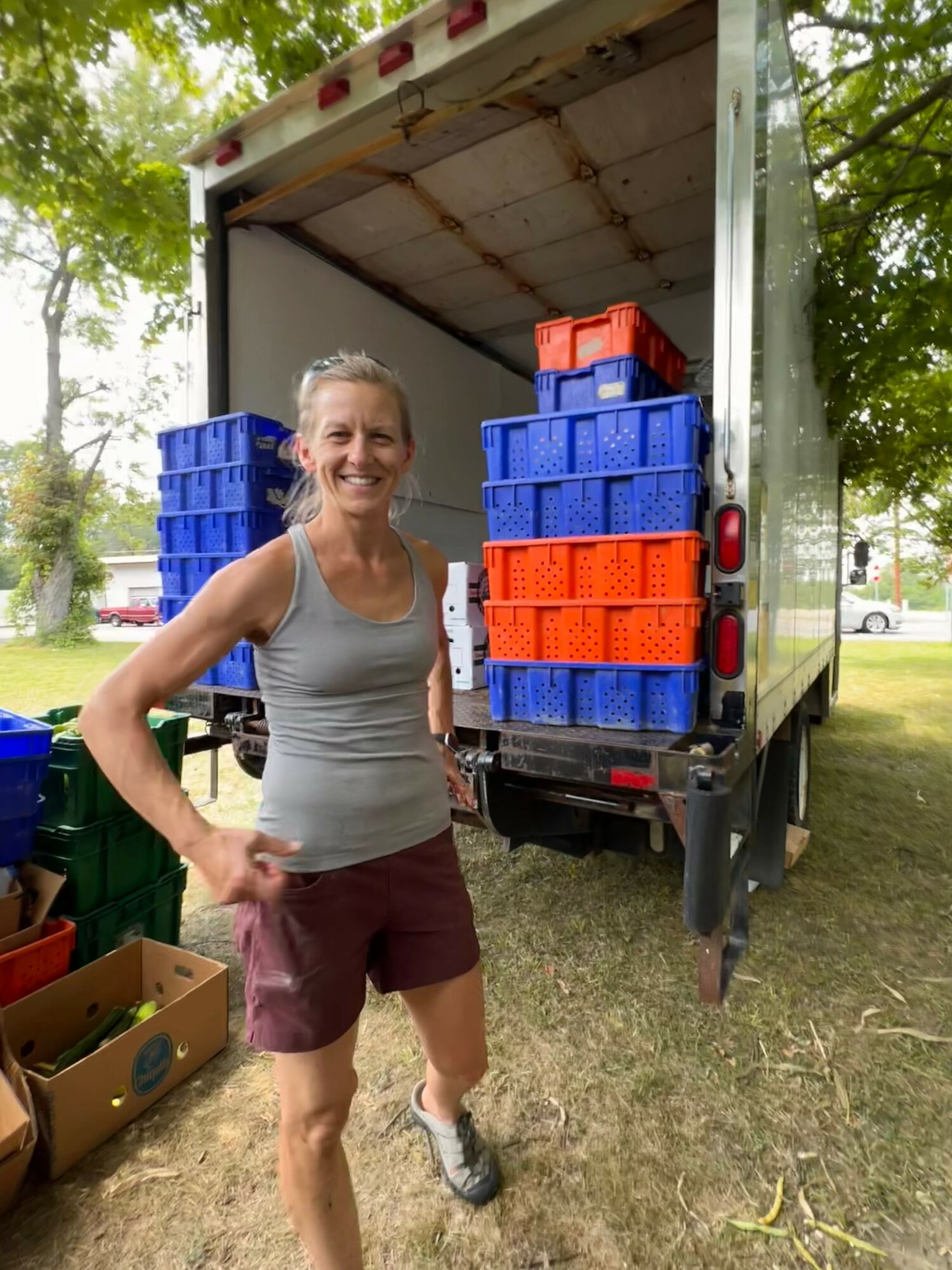
Today we’d like to introduce you to Jen Burns.
Hi Jen, it’s an honor to have you on the platform. Thanks for taking the time to share your story with us – to start maybe you can share some of your backstory with our readers?
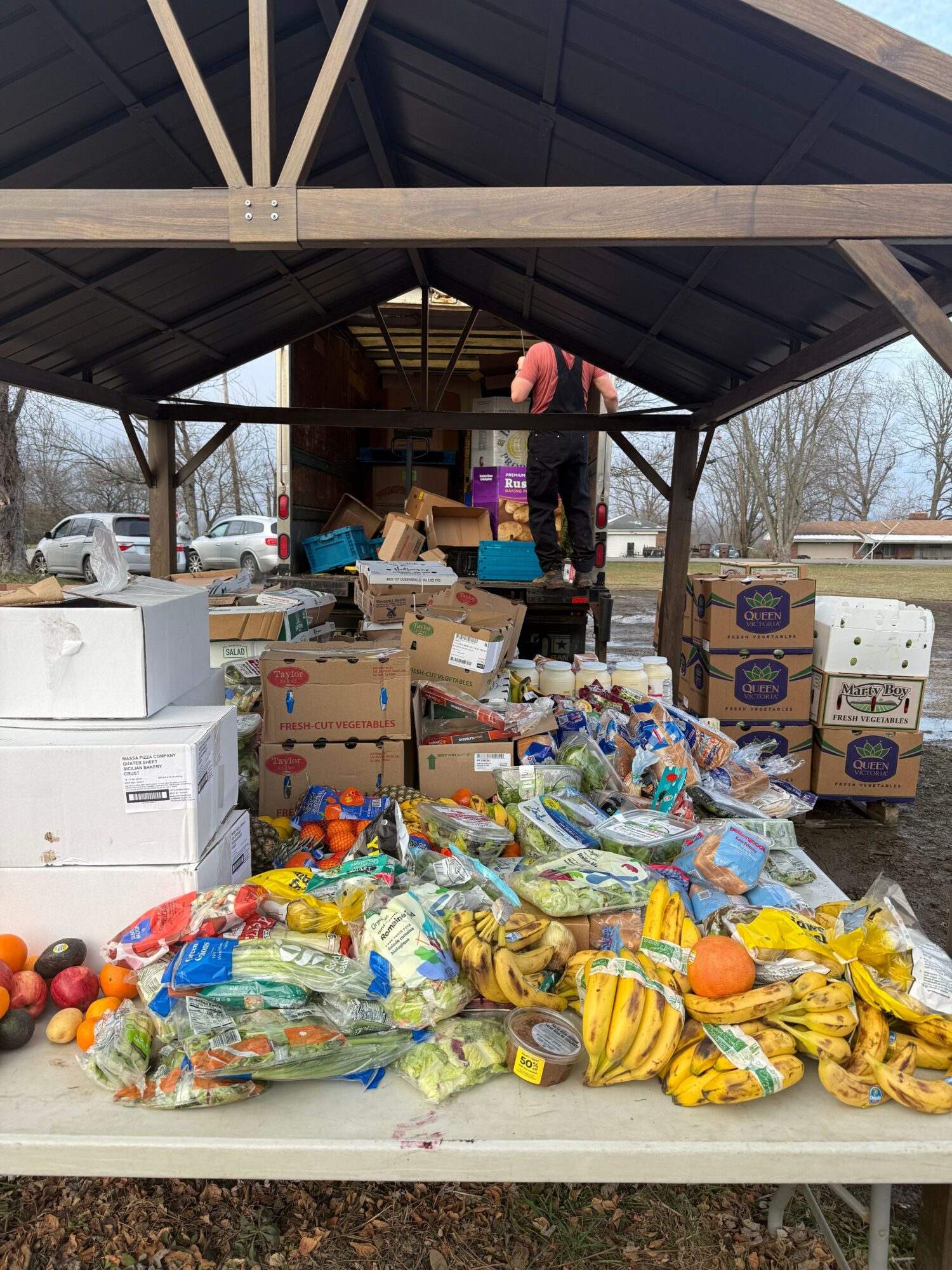
A few years before starting Access to Excess, I left a career in aviation logistics and began working in a grocery store. I was shocked by the amount of perfectly good food being thrown away simply because it didn’t sell fast enough or too much had been ordered. Seeing pallets of edible food being thrown into the incinerator while many people in our community struggled to access healthy food didn’t make sense to me.
I encouraged store management to find a better solution and was told, “Go ahead, Jen. You do it.” I assumed donating the food would be easy but quickly discovered that many organizations had limitations on what they could accept, when they could pick up or how much they could handle. What the store needed was someone who could coordinate pickups, transport food and find homes for a wide variety of surplus items every day of the week.
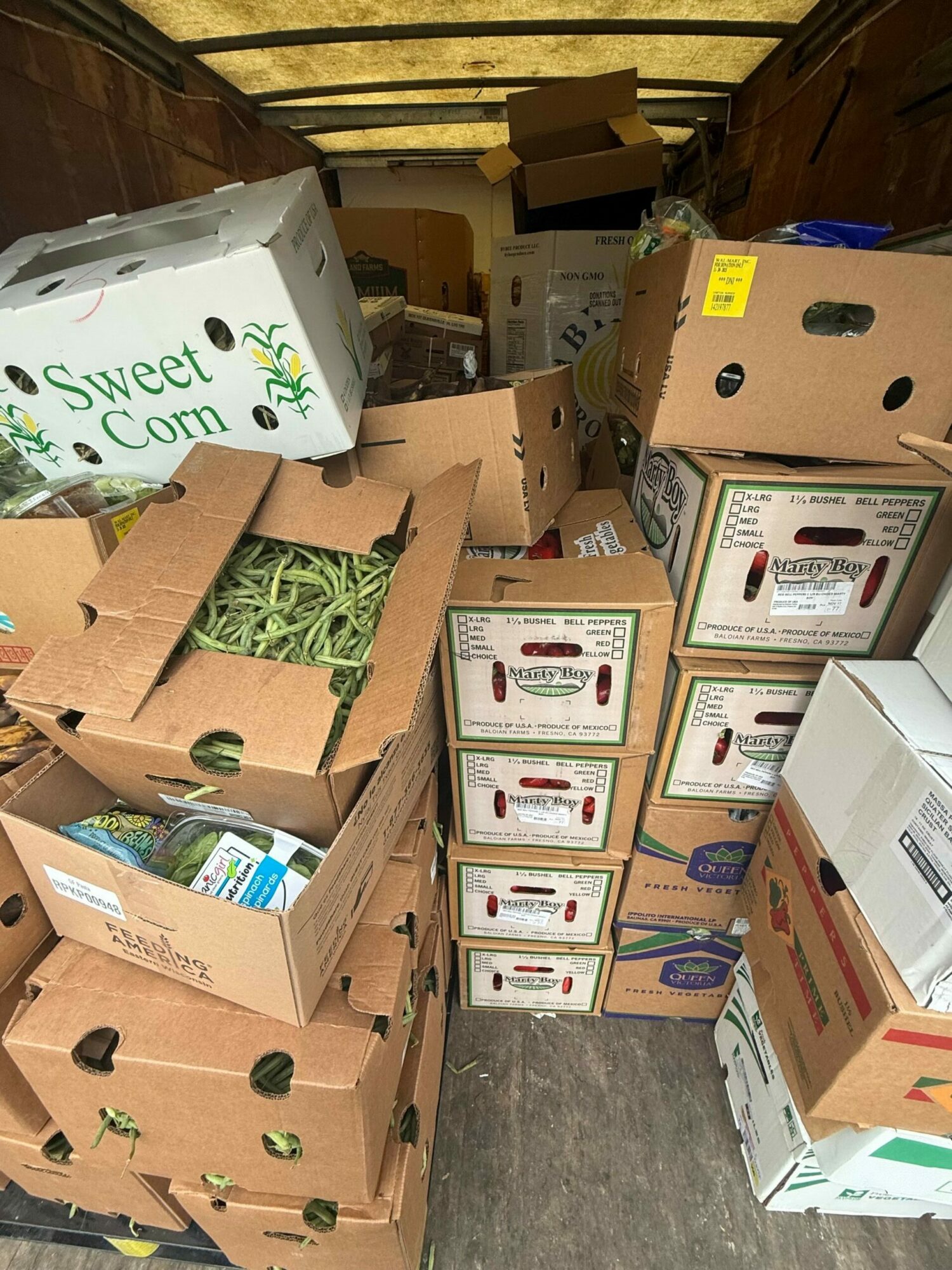
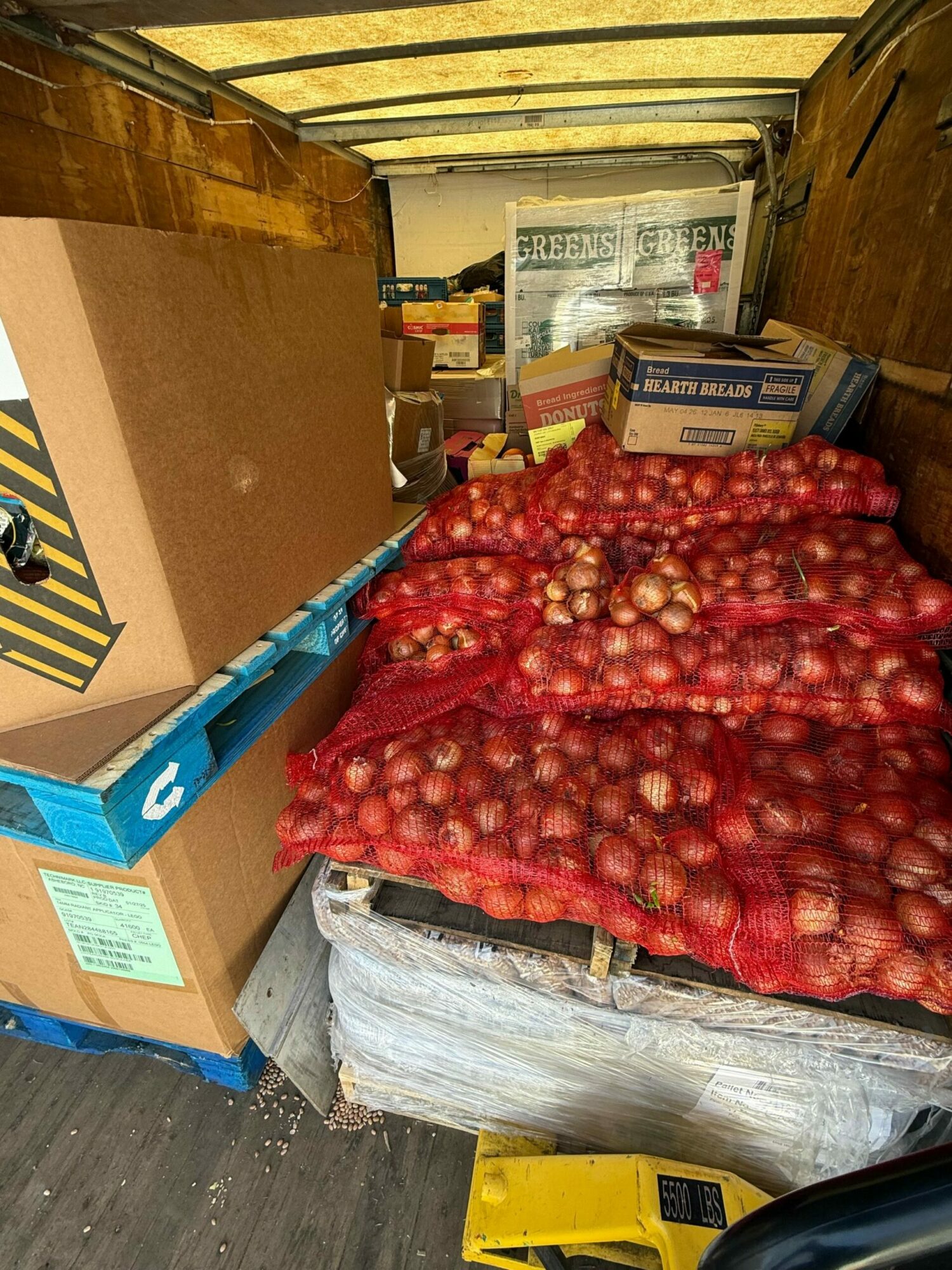
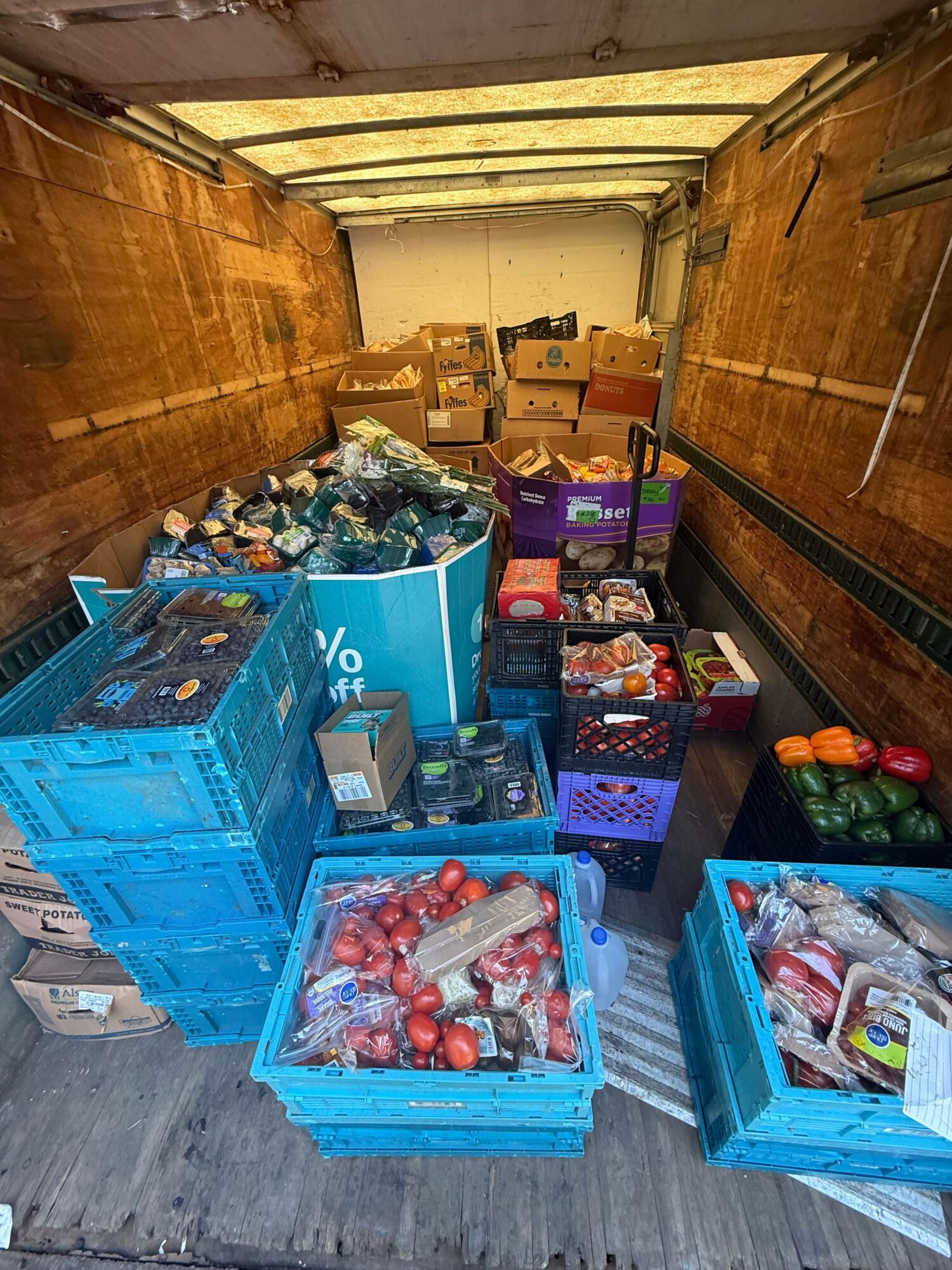
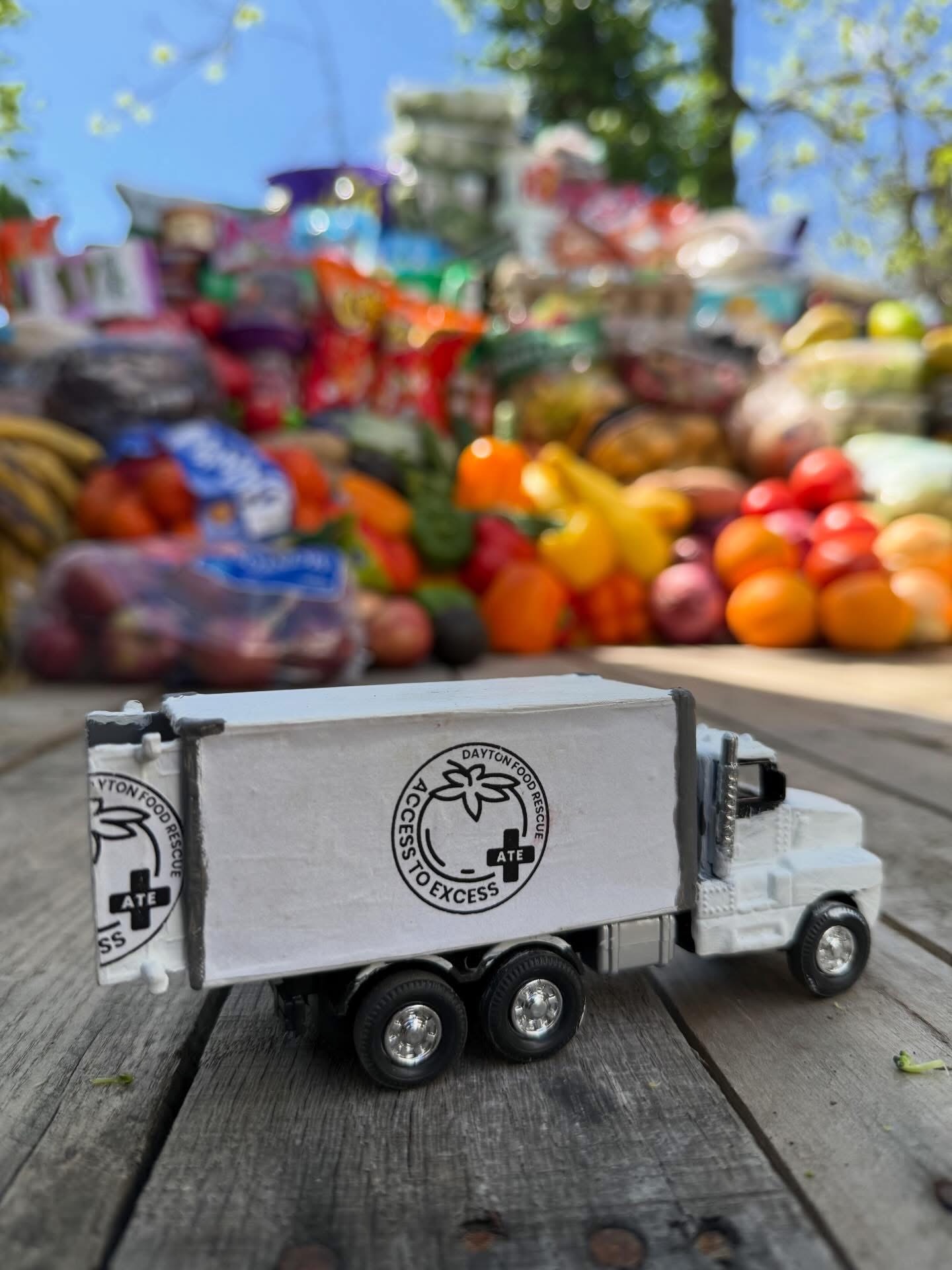
I started Access to Excess in 2019 when I couldn’t find an organization operating that way locally. What began as a small food rescue effort has grown into a community-wide network that redirects surplus food to people and organizations throughout the Dayton area. Since then we’ve rescued more than 2 million pounds of food that might otherwise have gone to waste.
Access to Excess is about making better use of resources that already exist. Abundance is best when shared and communities can solve food waste by building strong local connections and finding practical ways to get extra food where it’s needed most!
Can you talk to us a bit about the challenges and lessons you’ve learned along the way. Looking back would you say it’s been easy or smooth in retrospect?
It definitely hasn’t been a smooth road! Food rescue is unpredictable. We never know what food will become available, how much there will be, or how quickly it needs to move. Some days we’re finding homes for a few boxes of bread and other days we’re trying to move thousands of pounds of milk before it spoils!
One of the biggest challenges has been keeping up with growth. When more food becomes available, you need more cooler space, more fuel, more volunteers and more ways to get that food back into the community before it goes bad. Plus, more funding to support it all. We’ve rescued more than 2 million pounds of food but every pound had to be picked up, stored, sorted, and redistributed somewhere.
Another challenge has been helping people understand that food waste is often a logistics problem. There is an incredible amount of edible food available but getting it from where it exists to where it’s needed takes coordination, relationships, and resources. There isn’t a playbook for food rescue. Every donation is different and every organization has different needs. Sometimes the solution is obvious and sometimes you have to get creative.
Fortunately we’ve built an awesome network of donors, volunteers, and community partners over the years who help make it all possible!
Thanks – so what else should our readers know about Access to Excess?
Access to Excess specializes in food rescue! We work with food businesses, farms, and nonprofits to redirect surplus food that might otherwise go to waste. We’re known for taking on donations that are large, unusual, time sensitive or difficult to place. We often receive calls when someone else has food that needs a solution quickly.
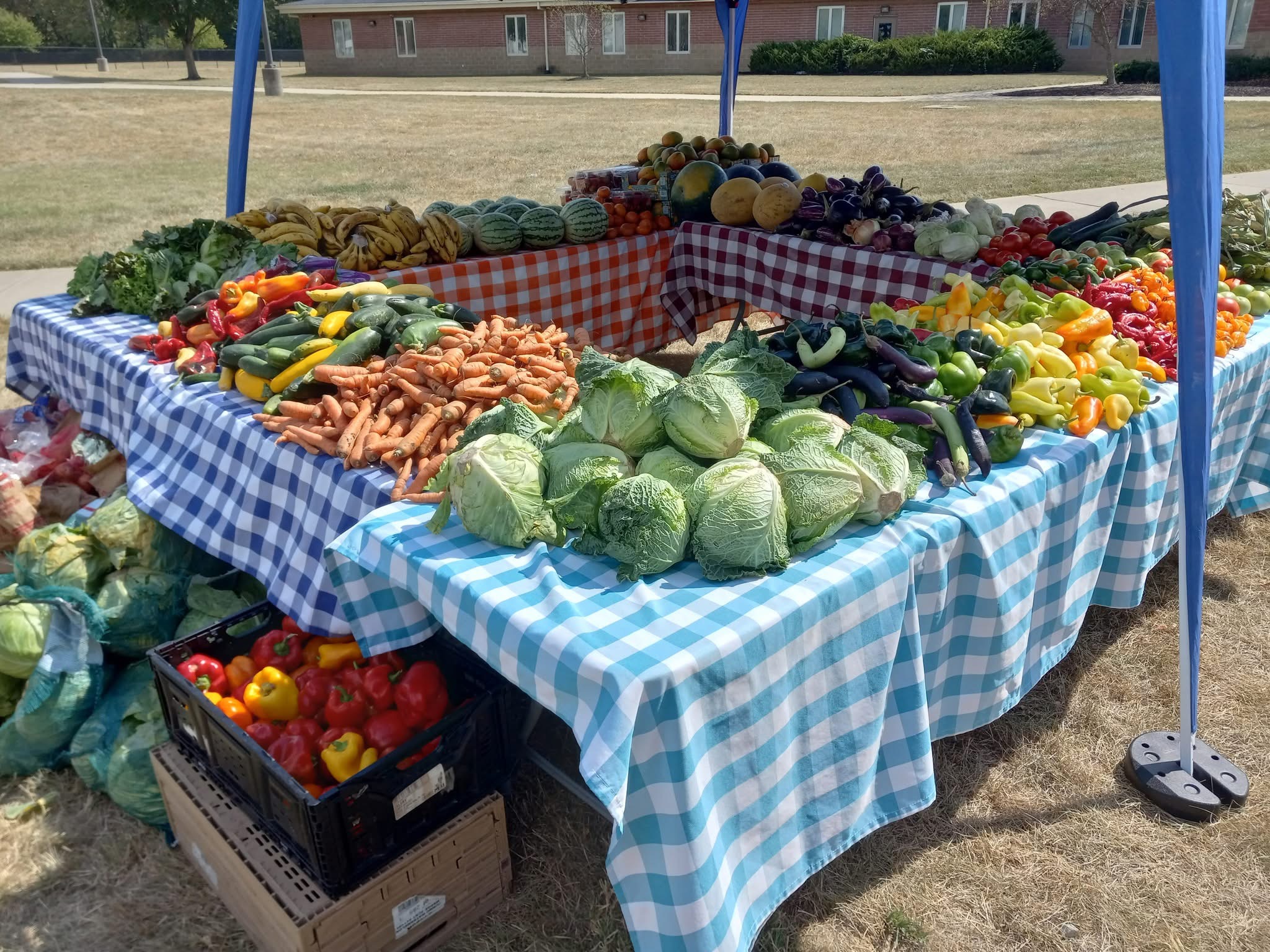
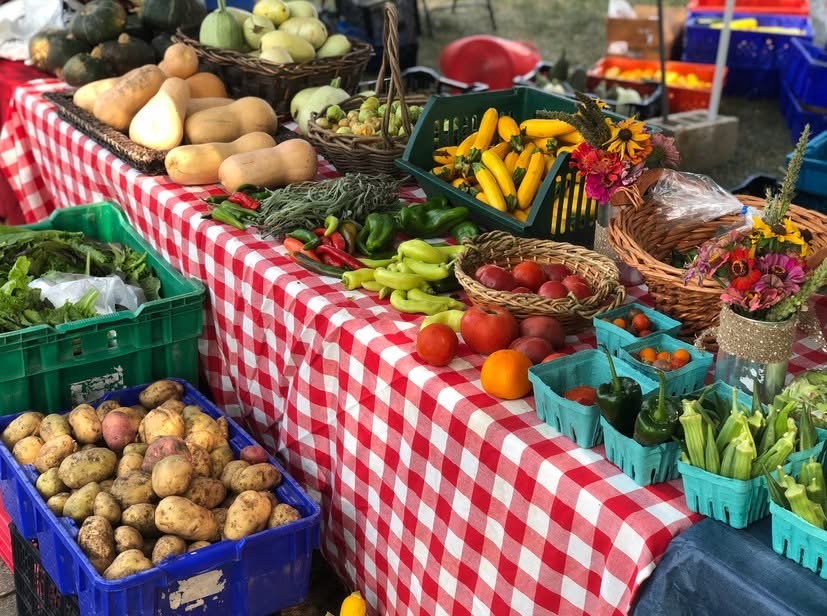
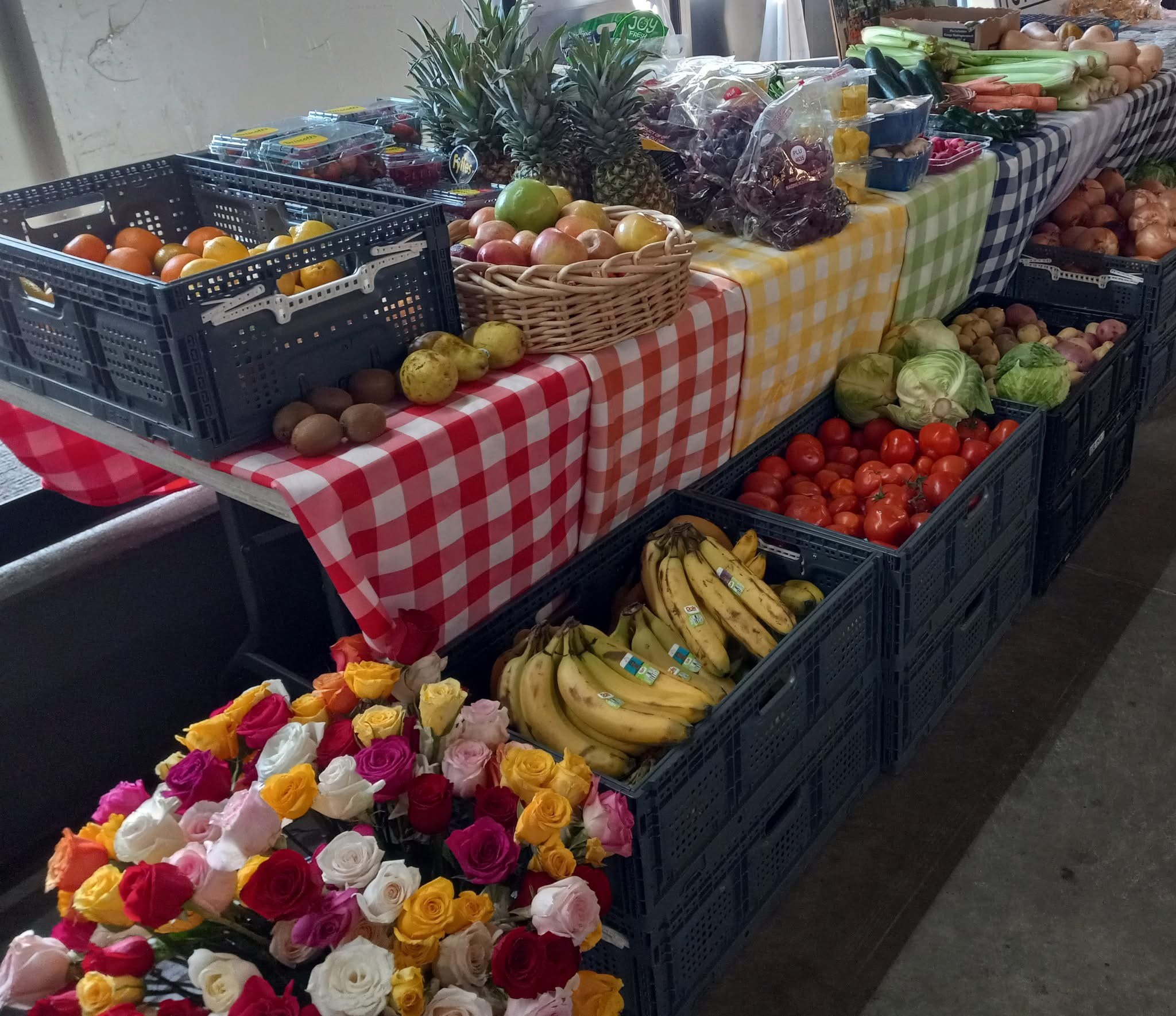
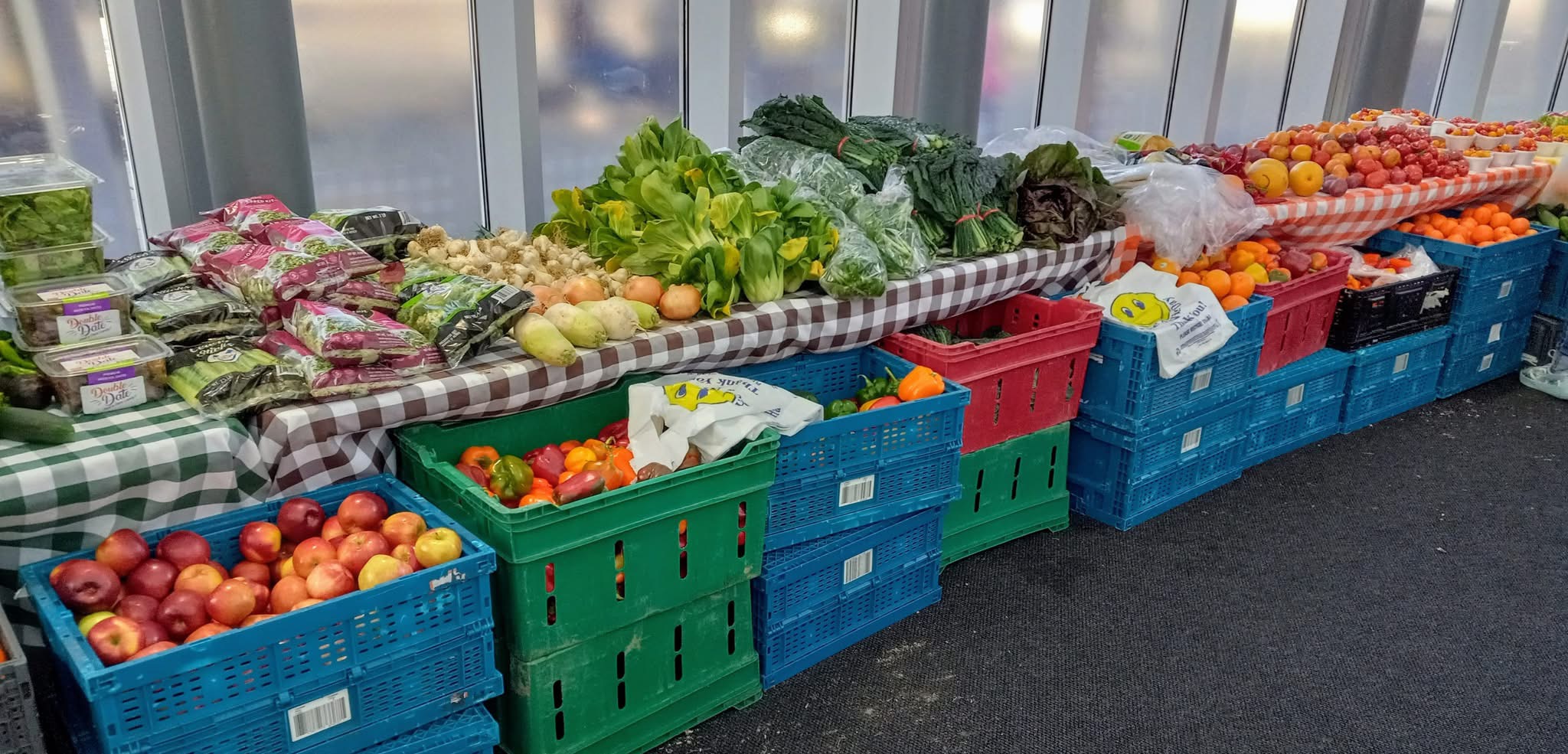
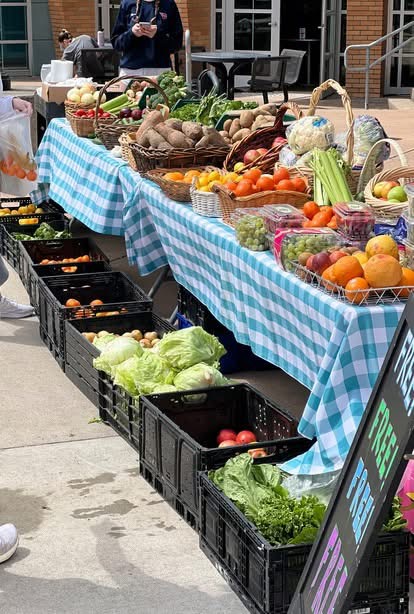
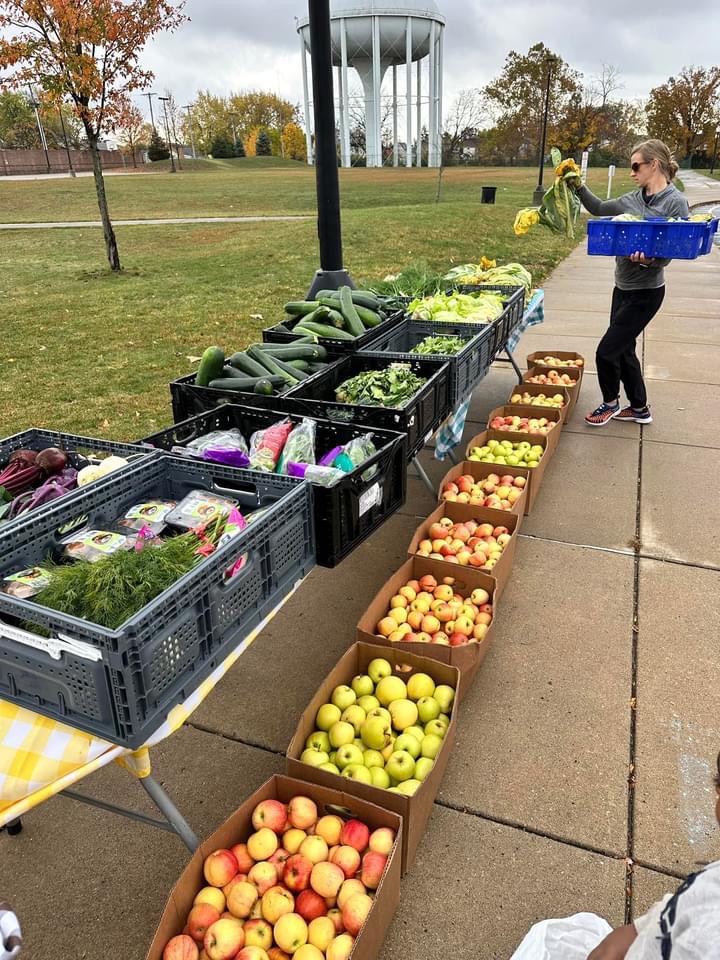
What we do best is find homes for surplus food that doesn’t have an obvious destination. We connect that food with nonprofits, community organizations and the public through our free food stand in Trotwood.
I’m proud that we built something that didn’t exist before. ATE started because there was a gap between surplus food and the people and organizations that could use it. I’m also proud of the reputation and trust we’ve built within the community. Over the years, ATE has become known for showing up, finding solutions and helping make use of food destined for the dumpster!
Alright, so to wrap up, is there anything else you’d like to share with us?
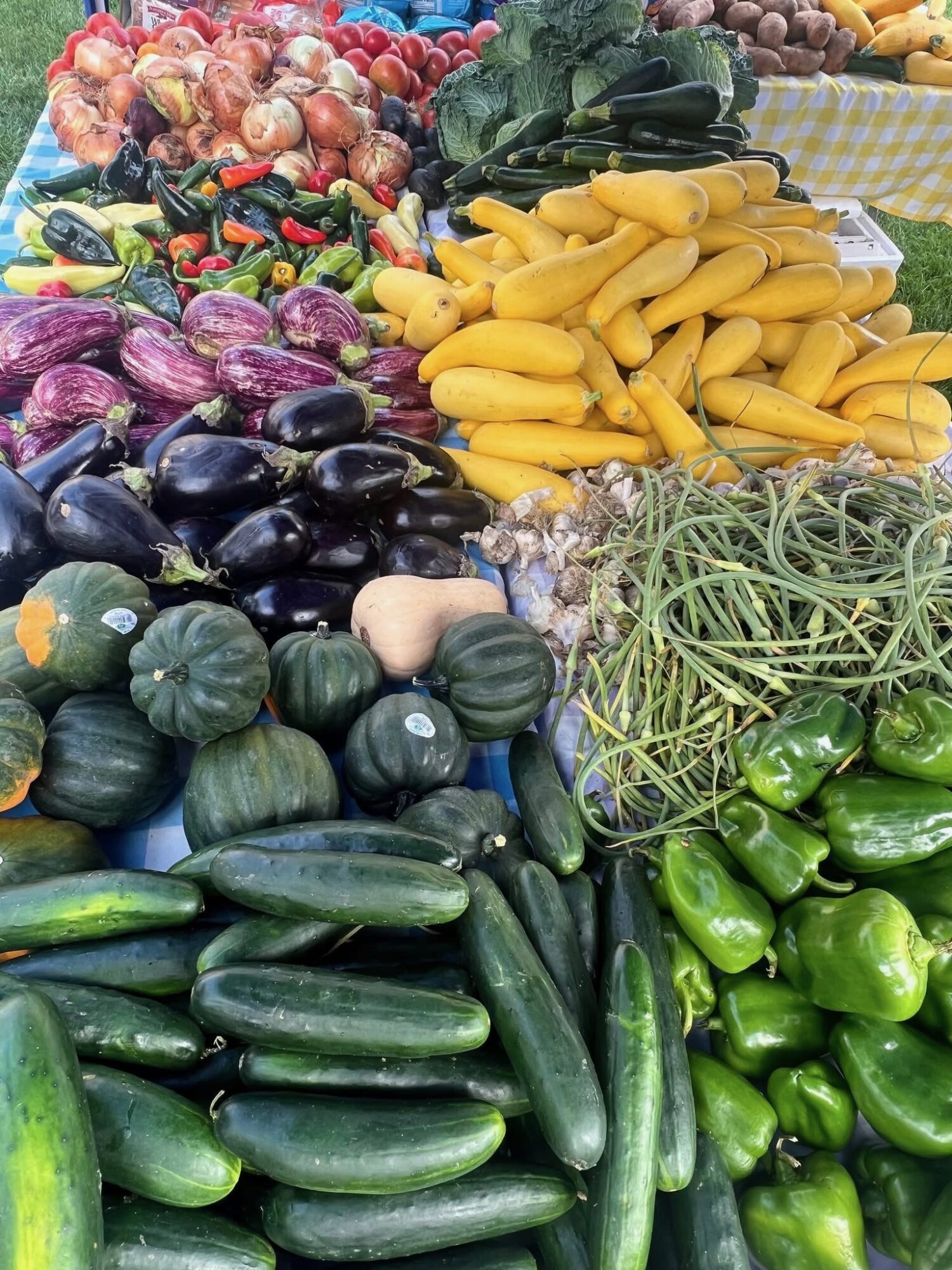
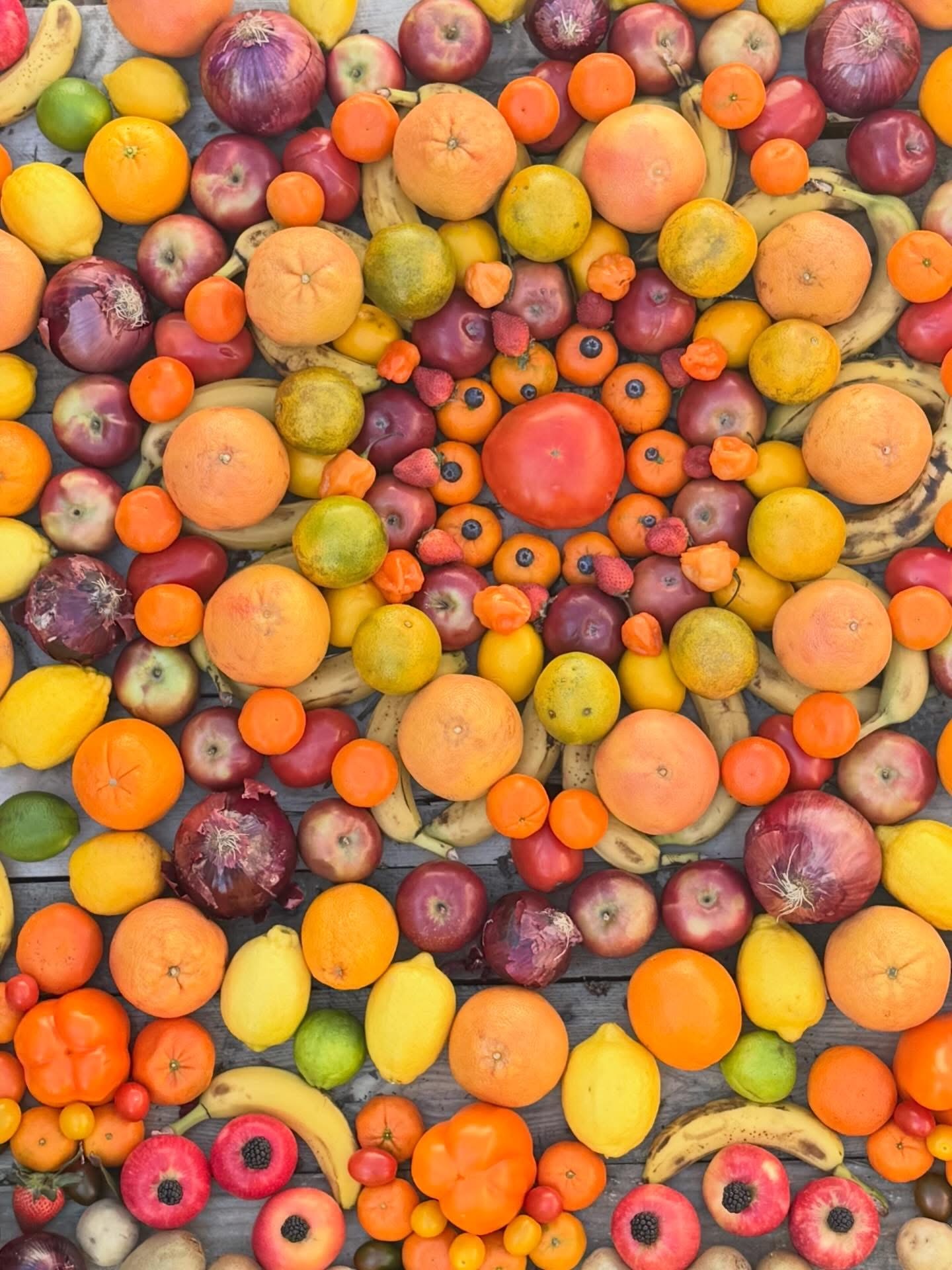
If there’s one thing I’d like people to know it’s that surplus food is everywhere! Wholesome, delicious food is discarded every day while people and organizations could be using it! Communities already have many of the resources they need and sometimes they just need a way to connect them. Don’t be afraid to ask questions like: Where does your unsold food go? Can it be donated? Could it help someone? How can we get it there?
Contact Info:
- Website: https://www.accesstoexcessfood.org
- Instagram: https://www.instagram.com/access_to_excess/
- Facebook: https://www.facebook.com/access2excess/
- Other: https://www.ted.com/talks/jen_burns_lettuce_talk_about_food_waste
Popular
-

The Change-Makers: stories that inspire
-

Hidden Gems: Local Businesses & Creatives You Should Know
-

Portraits of Ohio
-

Take Flight: Lamar Thomas on Building an Inclusive Brand Rooted in Youth, Community, and Purpose
-

Cultivating Inner Clarity: Angel Inspires on Thought, Healing, and Purpose
-

Local Highlighter Series