



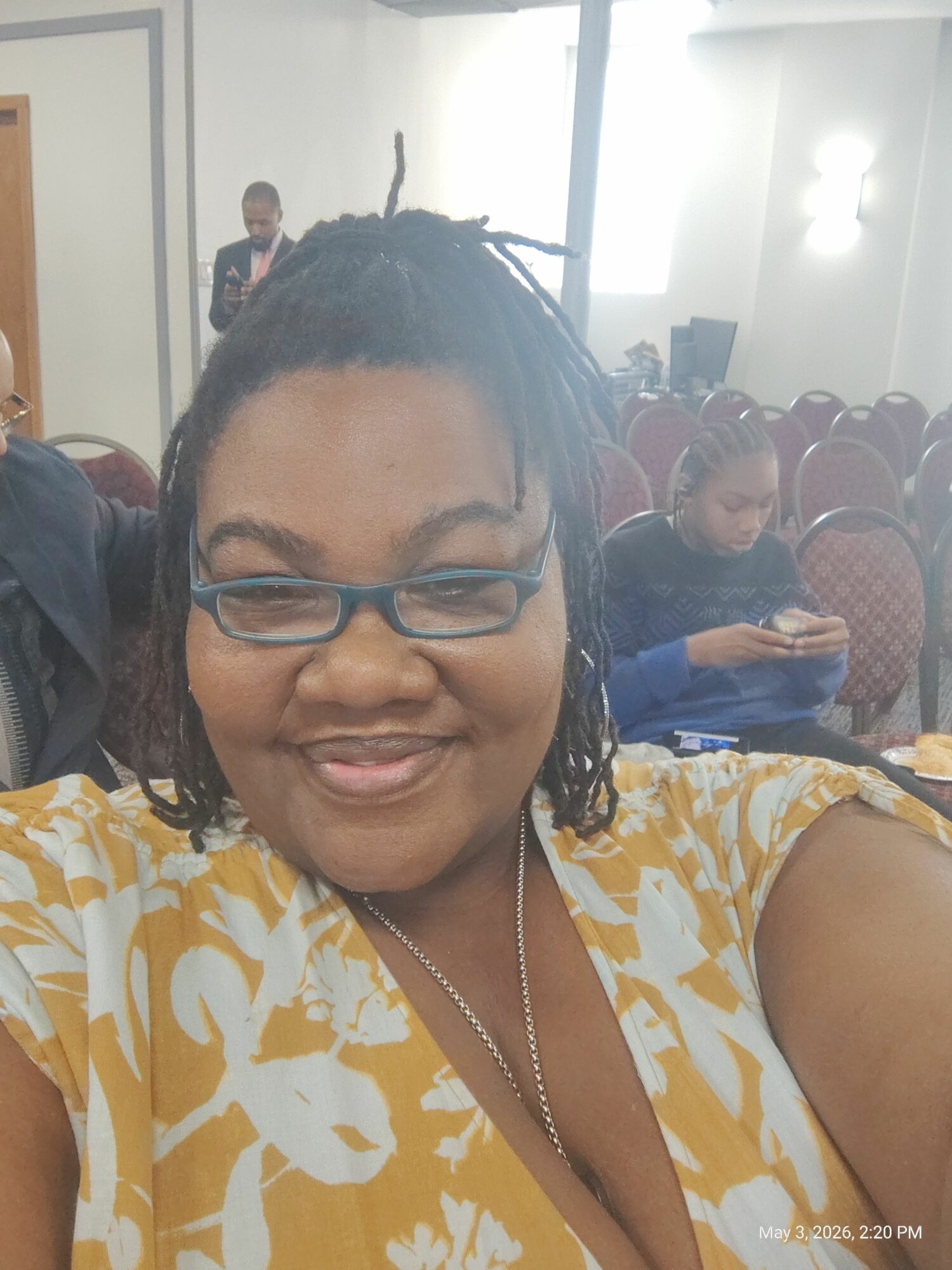
Today we’d like to introduce you to Khaleeqa Sadiika.
Hi Khaleeqa, thanks for sharing your story with us. To start, maybe you can tell our readers some of your backstory.
Life Beyond the Streets Inc. (LBTS) is a registered 501(c)(3) nonprofit organization operating as a critical lifeline of hope in Columbus, Ohio. Our mission is dedicated to breaking the cycles of addiction, homelessness, mental health crises, and human trafficking for women and young girls. Through a relentless, trust-first, step-by-step approach, we meet individuals exactly where they are to rescue them from crisis, support their recovery, facilitate lifelong restoration, and empower them to realize their full potential—emotionally, physically, spiritually, and socially.
Founded in 2015 as a grassroots movement, LBTS was established to address an urgent, unmet need for specialized, street-level advocacy in Columbus’s most vulnerable neighborhoods. Recognizing that women surviving on the streets face extreme barriers to traditional institutional care, we pioneered the first dedicated drop-in center in North and South Linden, establishing a permanent safe haven.
As the compounding crises of addiction and exploitation grew, so did our footprint. LBTS expanded its operations by launching a second drop-in center in the Driving Park area (43205 zip code), operating out of the Greater Bethlehem Temple Church. Over the past decade, what began as a targeted community effort has grown into an impactful regional movement. To date, LBTS has proudly and lovingly served over 10,000 men, women, and children, proving consistently that with the right support, there is always life beyond the streets.
Alright, so let’s dig a little deeper into the story – has it been an easy path overall and if not, what were the challenges you’ve had to overcome?
It has definitely not been a smooth road. Building Life Beyond the Streets from a grassroots movement into a lifeline for over 10,000 people has been a journey paved with deep challenges, immense sacrifice, and uphill battles.
When you are working on the frontlines of addiction, human trafficking, and homelessness in neighborhoods like Linden and Driving Park, the struggles are real, constant, and deeply personal.
Here are some of the biggest hurdles LBTS has had to overcome—and continues to fight through—along the way:
1. Breaking Through Systemic Bureaucracy & Funding Gaps
In the early days, starting in 2015, LBTS was entirely driven by pure heart and grassroots grit. One of the most exhausting struggles for any grassroots, Black-led non-profit is securing sustainable funding. Navigating the rigid world of government grants and state funding (like the Ohio Department of Health or ADAMH) is notoriously difficult when you don’t receive direct state funding from the start. Building the infrastructure to prove your metrics to big funders while simultaneously running active street outreach is a massive, exhausting balancing act.
2. Building Trust on the Streets
You cannot just walk into areas impacted by heavy exploitation and expect people to open up. The women and girls LBTS serves have been deeply failed by systems, institutions, and people. In the beginning, breaking through that thick layer of survival-mode armor took time. LBTS had to consistently show up on the hardest days, distributing overdose prevention kits, food, and hygiene products in the freezing cold and dead of summer, proving that you weren’t just there for a photo op, but that you were a permanent fixture in their corner.
3. The Emotional Weight of Frontline Loss
This is perhaps the heaviest and least-talked-about struggle. When your work involves active addiction and street survival, you lose people. The opioid and fentanyl crisis hits Columbus hard. Overcoming the secondary trauma and grief of losing women you have prayed over, housed, and supported is a crushing emotional burden for a founder and a small team. Staying motivated and keeping your own spirit intact when the street fights back is a daily test of resilience.
4. Overcoming Skepticism and Stigma
Dealing with the heavy stigma surrounding addiction and sex trafficking is an ongoing battle. Sometimes the struggle isn’t on the streets; it’s in boardroom meetings or neighborhood discussions where people don’t want a drop-in center in their backyard. LBTS has had to fiercely advocate to change the narrative—proving that these women aren’t “problems to be swept away,” but resilient survivors who are worthy of dignity, luxury care, and deep investment.
5. Growing Pains and Resource Constraints
Expanding from a mobile street ministry to opening a dedicated drop-in center in North and South Linden, and then expanding again into a second space in Driving Park at Greater Bethlehem Temple Church, brings massive operational friction. Every new expansion requires more volunteers, more staff, tighter security, more food, and endless administrative hours. Running an entire movement with limited staff means the leadership often wears ten different hats at once—acting as the CEO, the grant writer, the driver, and the crisis responder all in the span of 24 hours.
Why the Rough Road Matters:
The road hasn’t been smooth, but the bumps are exactly what make LBTS so incredibly effective. It’s because you’ve had to fight for every inch of ground in Columbus that you understand the exact survival struggles of the women walking into your drop-in centers. It proves that the organization isn’t just surviving the storm—it’s actively teaching women how to anchor themselves through it.
Thanks – so what else should our readers know about your work and what you’re currently focused on?
Life Beyond the Streets Inc. (LBTS) is a frontline, trust-first crisis stabilization and long-term recovery movement for women and girls surviving the intersectional traumas of acute addiction, chronic homelessness, and human trafficking in Columbus, Ohio.
We specialize in low-barrier, trauma-informed clinical street outreach and residential peer support. We don’t wait for women in crisis to find a way to an office; we meet them exactly where they are. Our footprint includes mobile street ministries that deploy life-saving harm reduction resources (overdose reversal kits, contraceptives, and nutrition) directly into high-risk zones, alongside two dedicated drop-in centers in North/South Linden and the Driving Park (43205) community, operated out of the Greater Bethlehem Temple Church.
LBTS is renowned for radical hospitality, street-level trust, and uncompromised dignity. While many systems offer rigid, bureaucratic assistance, we are known for providing an immediate sense of safety and “luxury care” to women who are used to being overlooked.
We are famously known for our annual Mind, Body, and Soul Healing Retreat in Hocking Hills—a sacred, three-day residential therapeutic sanctuary where survivors are completely removed from inner-city triggers to experience somatic massage therapy, evidence-based coping workshops, and dignity-restoration makeovers. We are known for our relentless consistency; we show up when it’s freezing, when it’s storming, and when the street is at its heaviest.
10,000+ Lives Impacted: We are profoundly proud to have grown from a passionate grassroots effort into a regional movement that has lovingly served over 10,000 men, women, and children across Franklin County.
The Power of Lived Experience: We are proud that our leadership is living proof of our mission. Spearheaded by our founder, who celebrates 14 years of continuous personal sobriety on August 16, 2026, our organization proves to every woman walking through our doors that sustainable freedom is entirely possible.
True Community Recognition: We are immensely proud of our local validation, including receiving the prestigious Star Fish Award from Nationwide Children’s Hospital, honoring ordinary women doing extraordinary things.
Ultimately, what sets LBTS apart is that we don’t see the women on the streets as projects to be managed—we see them as leaders, survivors, and sisters who are simply waiting for a safe space to rediscover their power.
Can you talk to us about how you think about risk?
Launching Life Beyond the Streets in 2015 was a massive financial risk. For a long time, we didn’t have big state government checks, ODH grants, or corporate safety nets. The risk was starting an organization purely on grassroots grit, private donations, and sometimes reaching right into my own pockets to buy overdose prevention kits, warm meals, and hygiene products.
Pioneering our first dedicated drop-in center in North and South Linden—and later expanding to a second site in Driving Park out of the Greater Bethlehem Temple Church—meant taking on immediate overhead, operational strain, and administrative weight before the long-term funding was fully guaranteed. It was a risk that forced us to work ten times harder to prove our metrics, build our infrastructure, and show funders that our street-level trust network was worth the investment.
In the professional world, there is a traditional standard that tells leaders to keep a strict, clinical distance from the people they serve. One of the biggest professional and personal risks I took was rejecting that model entirely. I chose to lead openly with my own lived experience, stepping into boardrooms and onto stages sharing that I am a woman who celebrates 14 years of continuous personal sobriety.
Lifting the curtain on your own past is a risk; it opens you up to judgment, stigma, and skepticism from institutional gatekeepers. But I took that risk because I knew that clinical textbooks don’t build trust on the streets—living proof does. That vulnerability became our greatest asset. It showed the women we rescue that I am not looking down on them; I am walking right beside them.
Every time our team prepares for mobile street outreach, or every year we organize the annual Mind, Body, and Soul Healing Retreat in Hocking Hills, I am reminded of why we take these risks.
When you see a survivor step out of the survival-driven stress of the streets, enter a upscale, safe environment, receive somatic massage therapy, and reclaim her absolute dignity and power—the math becomes simple. Every sleepless night, every funding battle, and every professional hurdle we risked to get her there evaporates.
My takeaway on risk is this: Never be afraid to take a risk on people. Buildings, capital, and comfort can be replaced—but the timeline of a human soul trapped in crisis cannot wait for a “safe” moment.
Pricing:
- Since Life Beyond the Streets Inc. (LBTS) is a 501(c)(3) nonprofit organization, we do not sell products or charge fees for our services. Every single drop-in center resource, street outreach supply, and residential therapeutic retreat we provide is given to women and girls 100% free of charge. However, there is critical pricing and financial information that is highly relevant to your readers—specifically for those who want to know exactly what it costs to fund this life-saving work, provide luxury care to survivors, and sponsor a woman’s journey to restoration. Here is how your readers can understand the tangible financial cost and impact of our daily operations and major events: Cost to Participants: $0.00 — Every service, meal, hygiene pack, makeover, and retreat bed is entirely free for the survivors we serve, removing all financial barriers to recovery. Sponsoring a Survivor’s Complete Healing Retreat Experience: $500 per woman — This covers a participant’s full registration for our annual 3-day, 2-night Mind, Body, and Soul Healing Retreat in Hocking Hills, including round-trip safe transportation from Columbus, private lodging, all professional clinical somatic massage therapy, personalized makeover/skincare kits, and luxury wellness gift bags. Sponsoring a Trauma-Informed Somatic Healing Session: $75 per participant — Covers the direct cost of a licensed practitioner from our partner, the School of Medical Massage Columbus, to deliver specialized clinical bodywork targeting somatic trauma retention. Funding a Day of Mobile Street Outreach & Harm Reduction: $250 per deployment — Funds the operational costs for our team to hit the ground in high-risk zones, distributing nutrient-dense meals, essential hygiene products, contraceptives, and critical overdose prevention kits directly to women surviving on the streets and in local shelters. Sponsoring a Communal Outreach Meal: $15–$25 per person — Supports our partnerships with premium local trauma-informed and social enterprise caterers (such as Freedom a la Cart and Ruth and Edwards Catering LLC), which model economic empowerment and provide clean, high-quality nutrition to our participants. Tax Dedication: 100% Tax-Deductible — Because LBTS is a registered 501(c)(3) public charity, every single dollar invested by your readers goes directly toward frontline community restoration and is fully deductible under IRS regulations.
Contact Info:
- Website: https://lifebeyondthestreets.org
- Instagram: life beyond the streets
- Facebook: Life Beyond the Streets Columbus
- LinkedIn: life beyond the streets
- Yelp: Khaleeqa Sadiika


Popular
-

Hidden Gems: Local Businesses & Creatives You Should Know
-

The Change-Makers: stories that inspire
-

Take Flight: Lamar Thomas on Building an Inclusive Brand Rooted in Youth, Community, and Purpose
-

Cultivating Inner Clarity: Angel Inspires on Thought, Healing, and Purpose
-

Local Highlighter Series
-

Highlighting Local Gems