



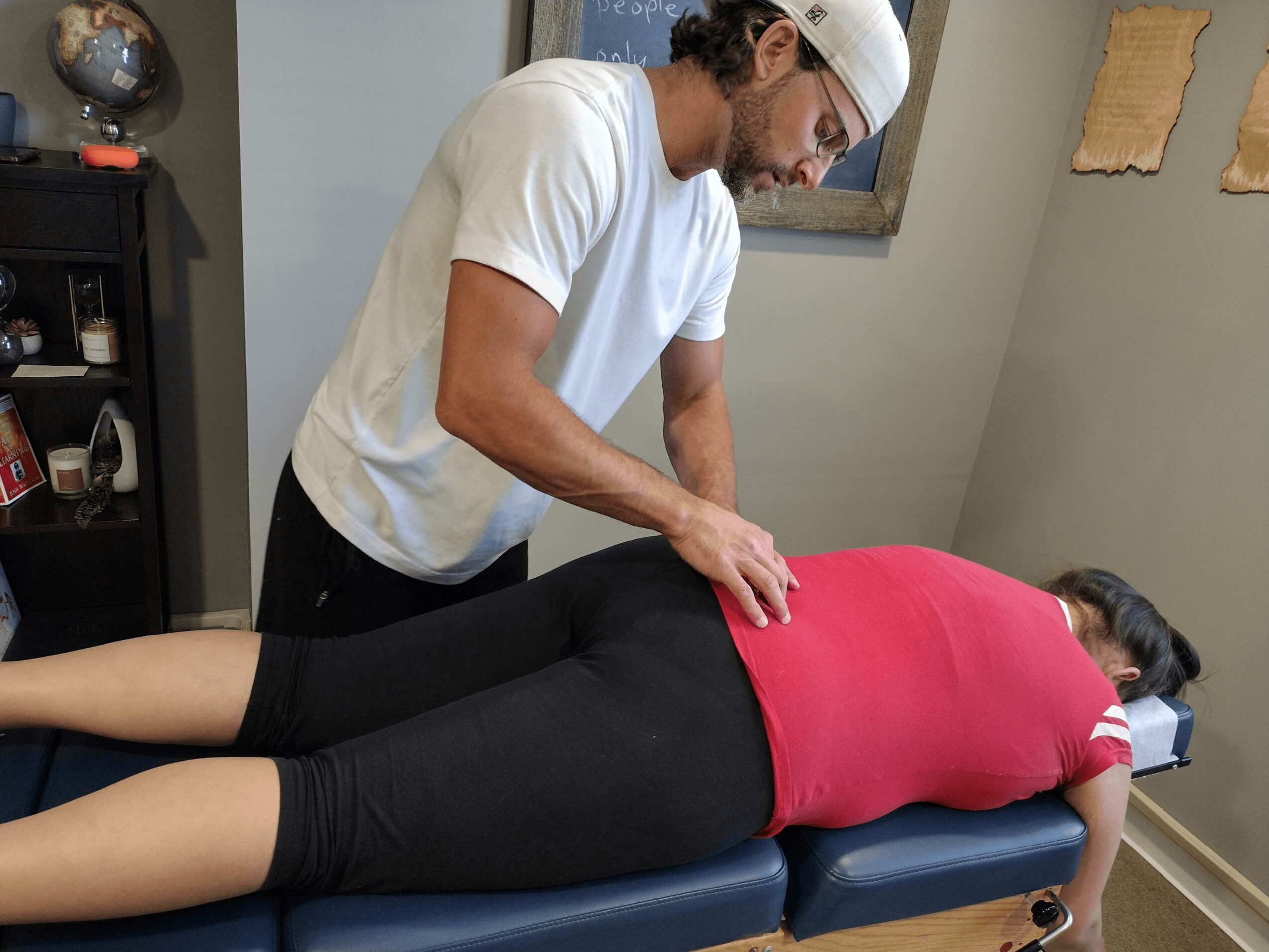
Today we’d like to introduce you to Andrew Burns.
Hi Andrew, so excited to have you on the platform. So before we get into questions about your work-life, maybe you can bring our readers up to speed on your story and how you got to where you are today?
I’ve always been drawn to how things work, especially the human body and our relationship with the world around us. My path into chiropractic started with a simple curiosity about pain, disease, and resilience. I didn’t want to practice in a system that rushed people through or treated symptoms in isolation. I wanted to build something slower, more intentional, and with lasting benefits far beyond the adjustment itself.
That philosophy has underpinned everything I’ve done. From day one, the practice was designed around listening first, treating the whole person, and helping people build long-term capacity rather than chasing short-term fixes. Over time, I realized that many of the issues people come in with like chronic pain, stress, burnout, and disconnection simply mirror what we see happening on a much larger scale in our environment.
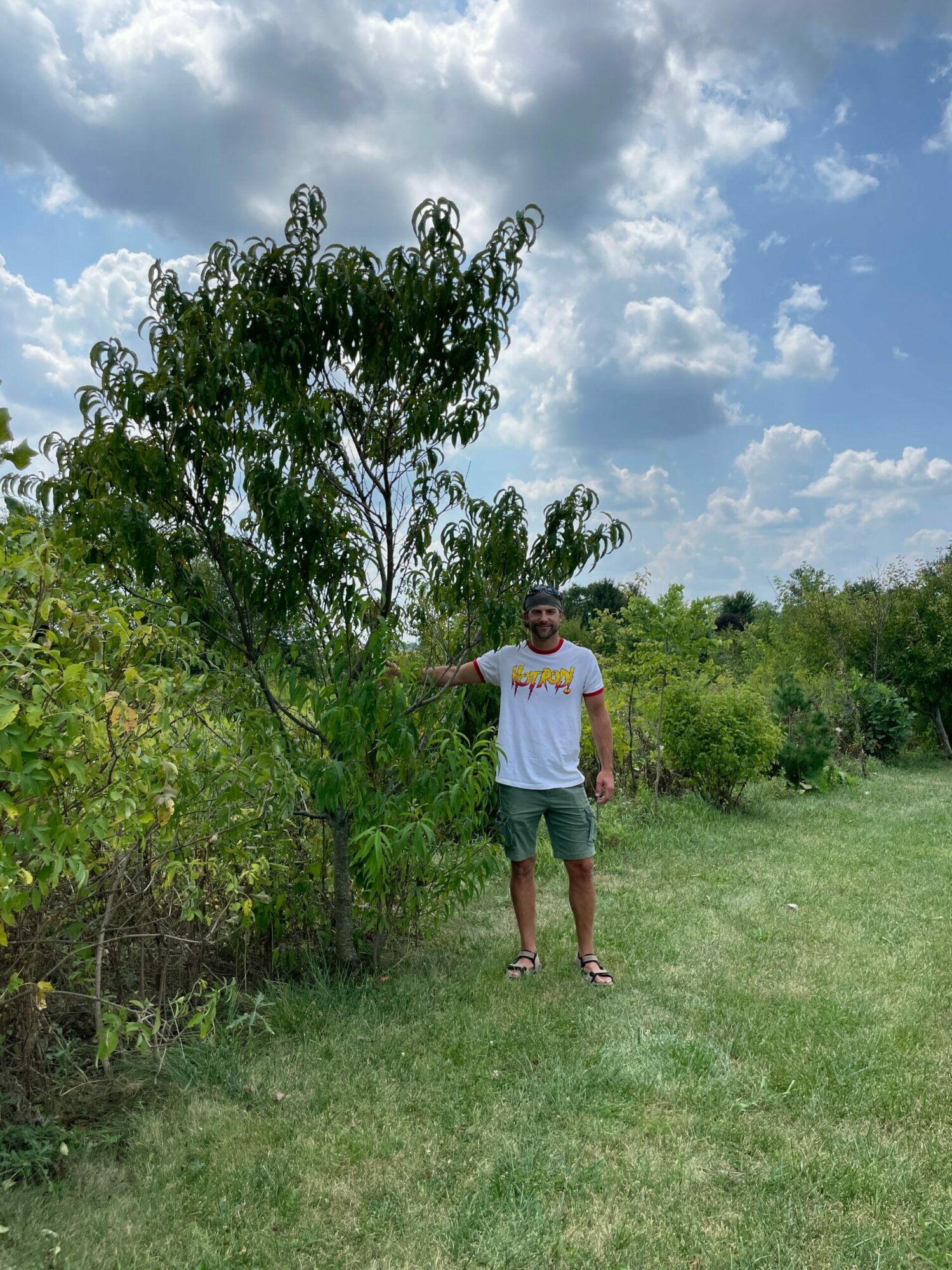
That realization led to the growth of ideas beyond the clinic. Rewild emerged from the same mindset as BurnsDC, but applied to land instead of people. It’s focused on restoring balance to ecosystems using non-chemical, technology-driven approaches, particularly in managing invasive species. The goal is the same: work with natural systems instead of overpowering them.
4wrd came from a different angle but shares the same values. It’s a consumer brand built around function, durability, and removing unnecessary toxins from everyday products. It’s about making fewer, better things and being thoughtful about what we put on and into our bodies.
At this point, I don’t see these as separate ventures. They’re all expressions of the same belief: whether it’s a spine, a forest, or a daily routine, systems (including people) thrive when we respect how they’re designed to function.
We all face challenges, but looking back would you describe it as a relatively smooth road?
Early on, most of the challenges weren’t external. They were internal. I was driven, curious, and capable, but I didn’t yet understand myself as well as I thought I did. That lack of self-awareness eventually showed up everywhere with how I worked, how I handled stress, how I communicated, and how I showed up in relationships. When internal systems are out of balance, the external ones follow.
That period culminated in the hardest chapter of my life: divorce. It forced a level of honesty and accountability that I couldn’t sidestep. There was no shortcut around it. The only way forward was inward through a lot of uncomfortable self-examination, therapy, learning and consistent hard work to alter my habits.
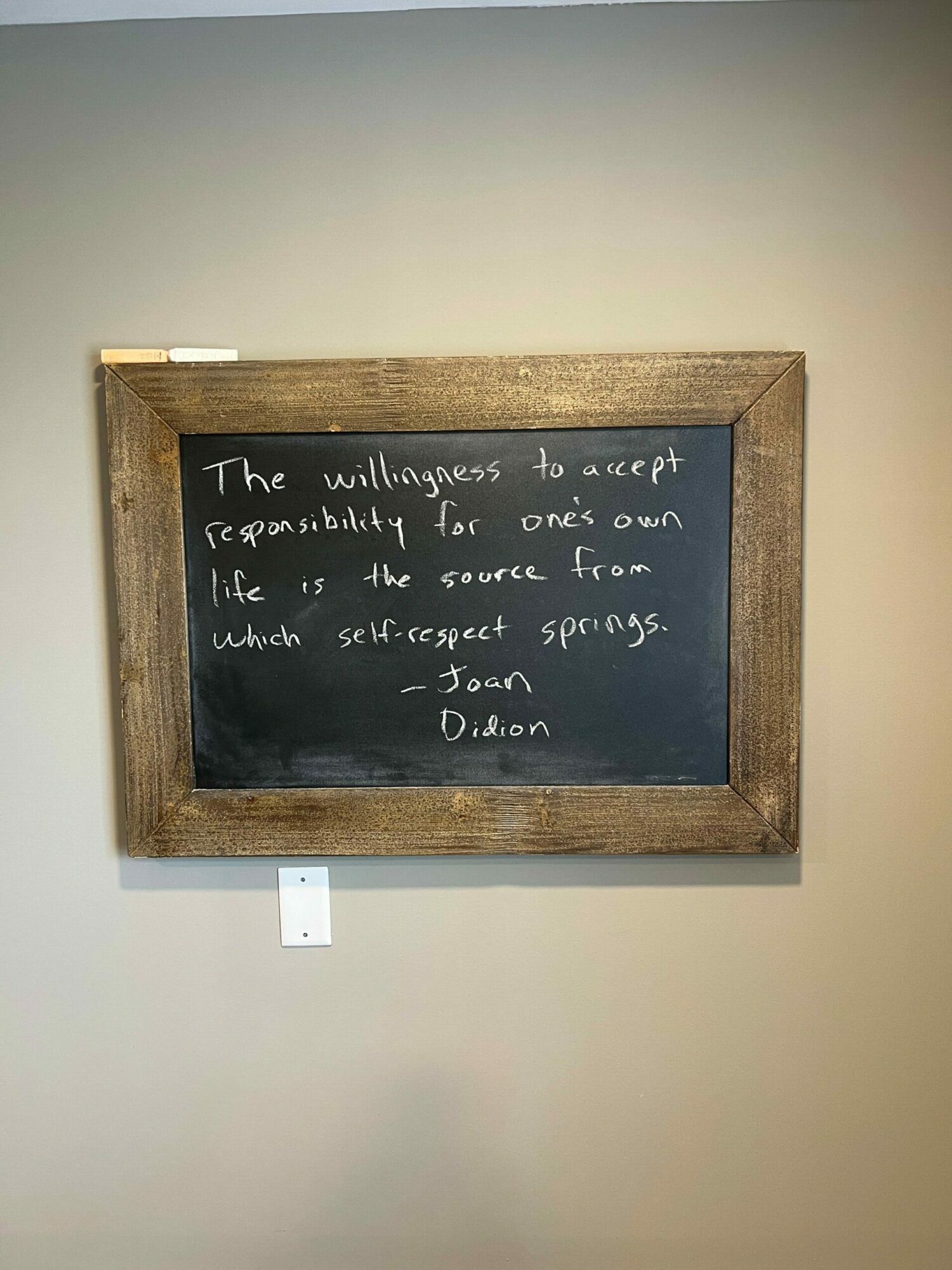
What came out of that season wasn’t just recovery, but understanding. I began to see patterns in myself and others more clearly, to separate what I could control from what I couldn’t, and to respond instead of react (though that last one still catches me from time to time). Stoic principles of personal responsibility, discipline, and clarity under pressure are not just academic ideas for me; they’ve become practical tools for my daily life.
That work fundamentally changed how I practice, how I build businesses, and how I relate to people. I’m more balanced now, more patient, and more content, not because life is easier, but because I’m better equipped to meet it as it is. The struggles didn’t derail the work; they refined it. In many ways, they became the foundations for my next chapters in life.
Thanks – so what else should our readers know about your work and what you’re currently focused on?
At the core of my work is a simple belief: no doctor, chiropractor or otherwise, even with the help of AI and super computing, can fix someone who is unwilling to do the bare minimum to stay healthy. You cannot outsource responsibility for your body. Eating real food, moving often, nurturing relationships, having a sense of purpose, and being on good terms with yourself are not extras. They are the foundation.
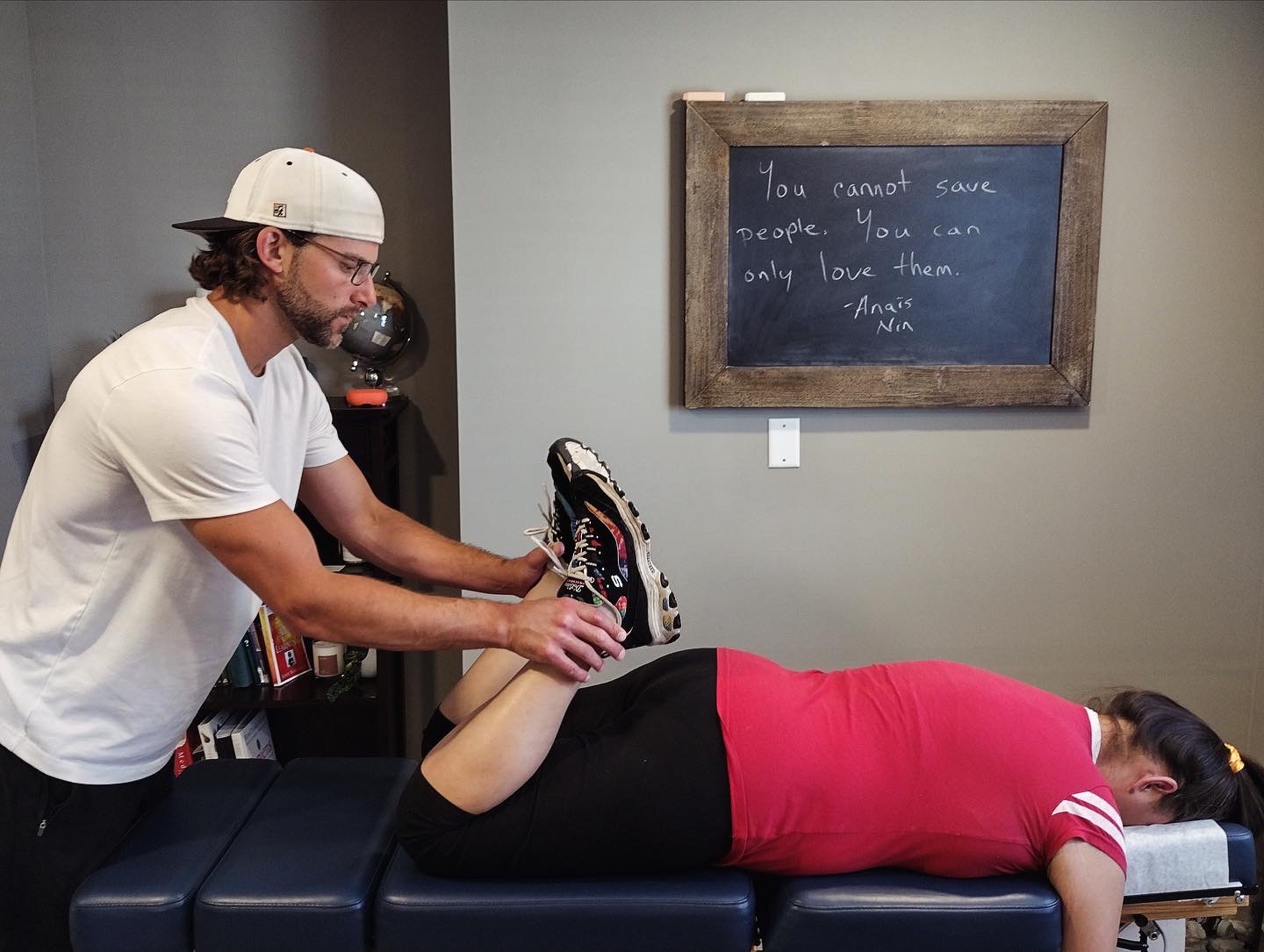
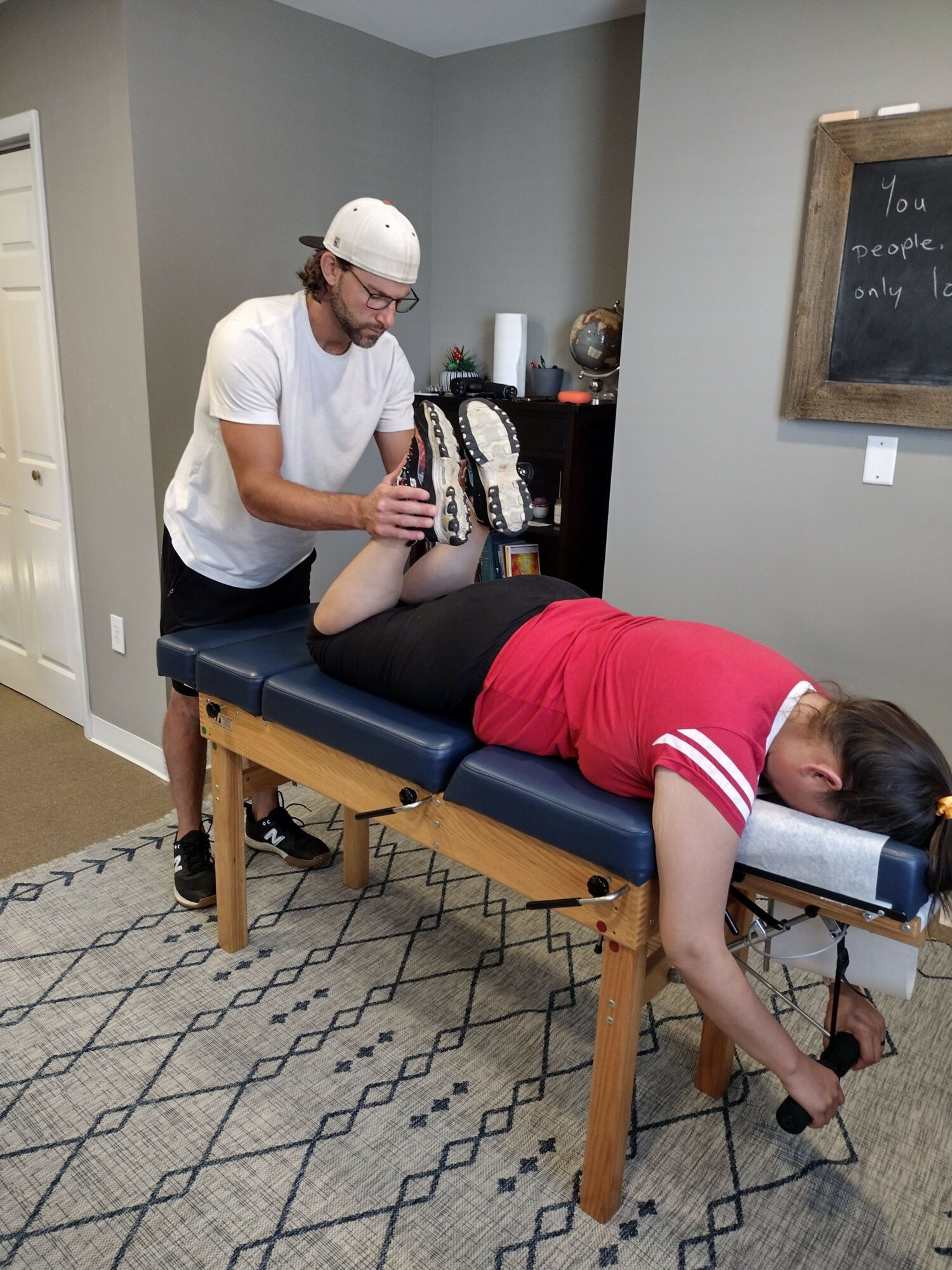
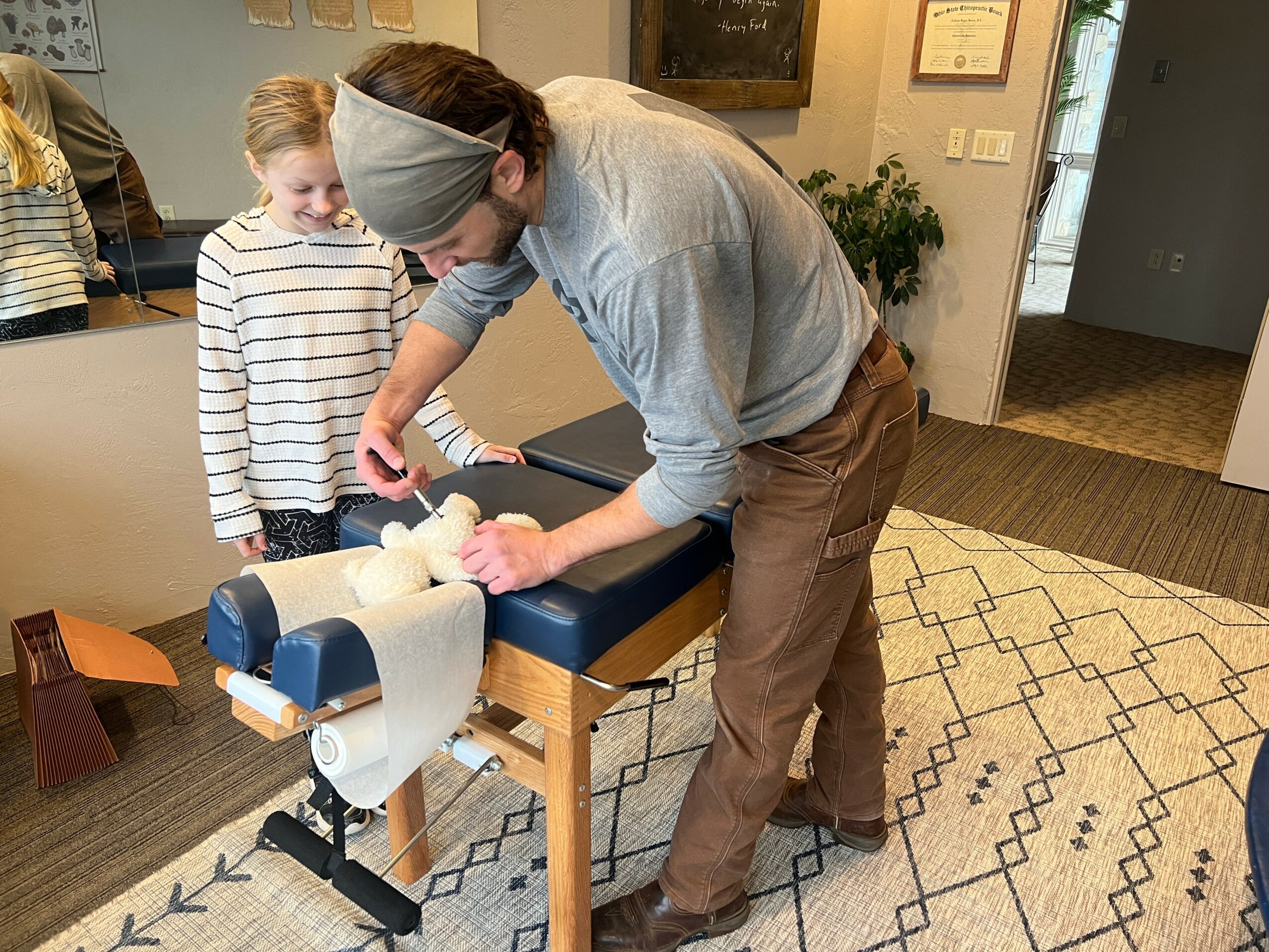
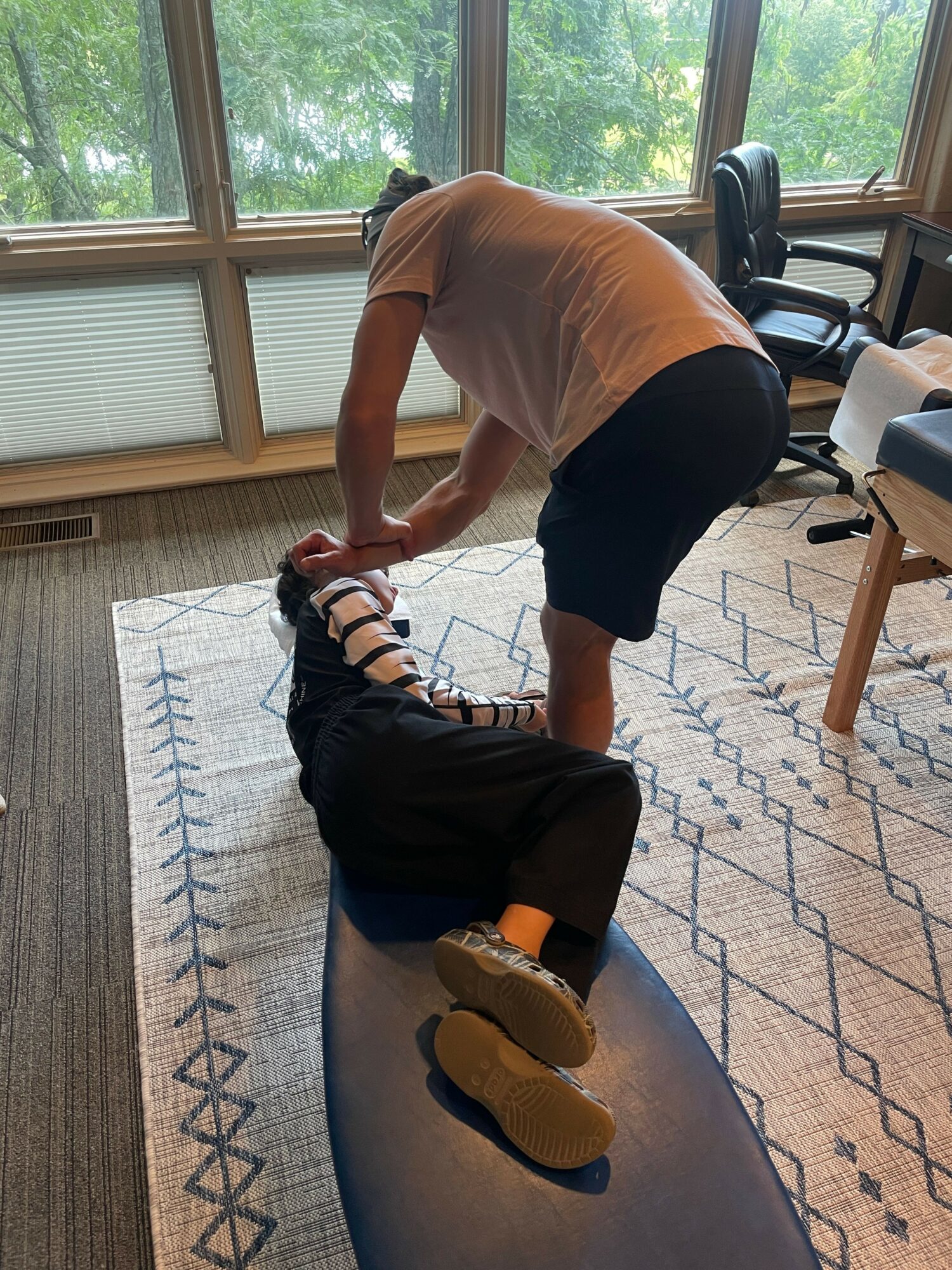
At BurnsDC, I specialize in patient driven chiropractic care focused on restoring movement, calming the nervous system, and building long term resilience. I am known for taking time to listen, for connecting physical symptoms to lifestyle and stress patterns, and for adjusting with gentleness and finesse, especially in the neck. The goal is not force or frequency. It is precision, trust, and helping the body do what it already knows how to do.
What I am most proud of is helping people shift from feeling broken to feeling capable. That moment when someone realizes their body is not fragile, but adaptable, changes everything.
What sets me apart is systems thinking. You do not regenerate a body by piling on interventions, and you do not restore land the same way. Whether it is a spine or an ecosystem, the first step is to stop the damage. Stop polluting it. Remove the chronic stressors. Then, and only then, do you add the right inputs to support regeneration.
That same philosophy carries into my other work. Rewild applies it to land restoration through non chemical, technology driven approaches. 4wrd applies it to everyday products by removing unnecessary toxins and building things meant to last.
Across all of it, the throughline is respect for the body, for the planet, and for the intelligence of well designed systems. My job is not to override them. It is to get out of the way and help them recover.
Are there any books, apps, podcasts or blogs that help you do your best?
At the foundation are books that changed how I understand meaning and suffering. Man’s Search for Meaning by Viktor Frankl shaped how I view responsibility and purpose. Being Mortal by Atul Gawande and When Breath Becomes Air by Paul Kalanithi reinforced the importance of dignity, humility, and presence, especially in medicine.
I’m also drawn to work that reframes how we see systems, both human and natural. Sapiens by Yuval Noah Harari, The Hidden Life of Trees and The Secret Wisdom of Nature by Peter Wohlleben, Mycelium Running by Paul Stamets, and American Wolf by Nate Blakeslee all influenced how I think about ecosystems, cooperation, and unintended consequences. Those ideas show up directly in both my clinical work and in Rewild.
On the performance and growth side, books like Atomic Habits by James Clear, The Inner Game of Tennis by Timothy Gallwey, Grit by Angela Duckworth, and Do Hard Things by Steve Magness reinforced that progress is built through consistency, self awareness, and a willingness to sit with discomfort.
For business and creative thinking, The 4 Hour Work Week by Tim Ferriss and Zero to One by Peter Thiel helped me challenge default paths and design work around values instead of burnout. Ferriss’s podcast is also the one I return to most, not for hacks, but for long form conversations with people who think deeply about craft, failure, and decision making.
If there is a common thread across all of these resources, it is this: stop looking for shortcuts. Understand the system first. Remove what is harmful. Then apply effort where it actually matters. That philosophy guides how I live, how I practice, and how I build.
Contact Info:
- Website: https://BurnsDC.com
- Other: https://www.vagaro.com/bdl37pe
Popular
-

The Change-Makers: stories that inspire
-

Take Flight: Lamar Thomas on Building an Inclusive Brand Rooted in Youth, Community, and Purpose
-

Cultivating Inner Clarity: Angel Inspires on Thought, Healing, and Purpose
-

Local Highlighter Series
-

Highlighting Local Gems
-

Hidden Gems: Local Businesses & Creatives You Should Know