



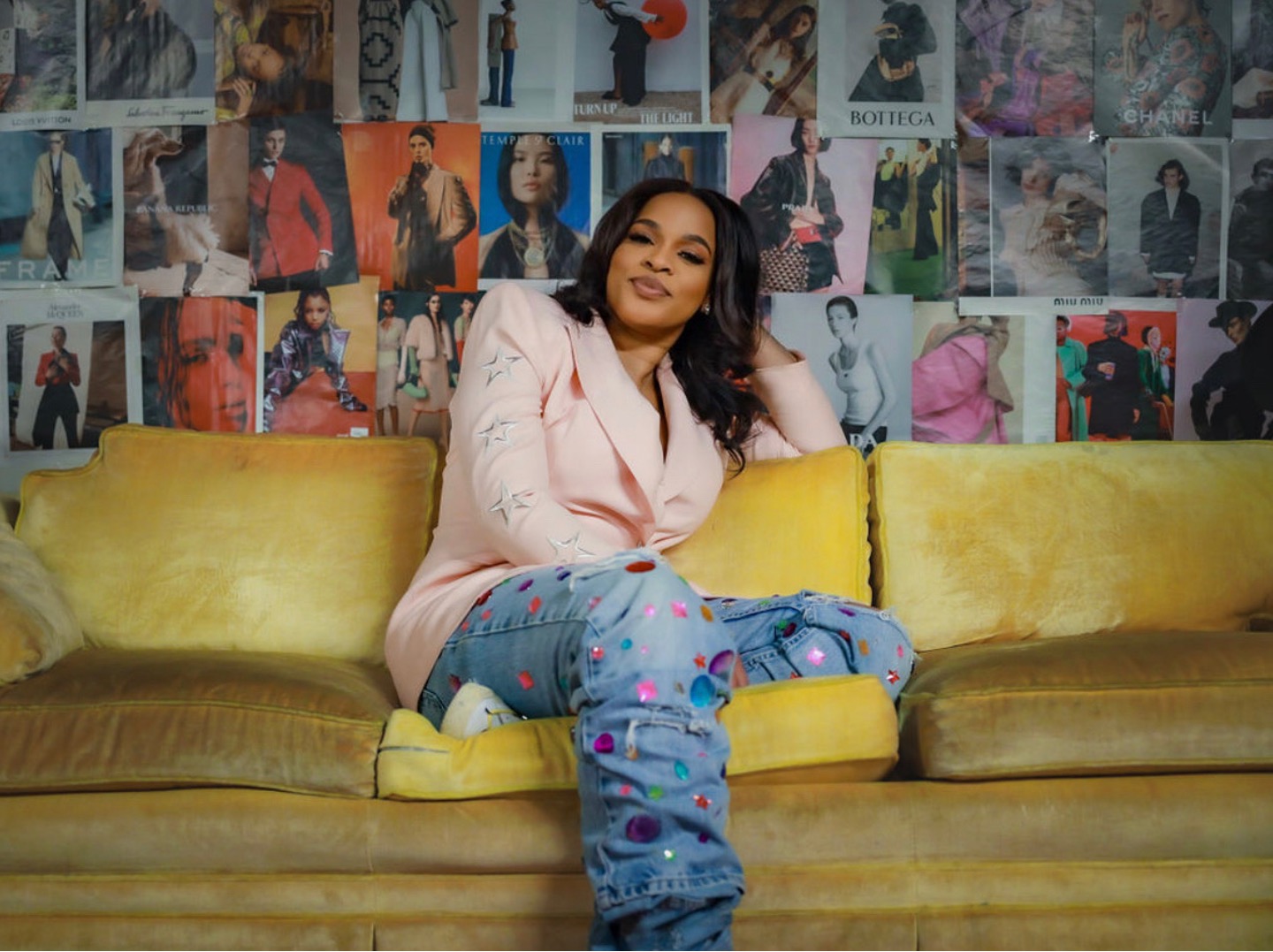
Today we’d like to introduce you to Lee Jones.
Hi Lee, thanks for joining us today. We’d love for you to start by introducing yourself.
I think a lot of my story starts with feeling in-between worlds. I was born in the UK and raised in the States, so from an early age I was constantly observing differences in culture, taste, communication, identity, energy, all of it. I think that naturally trained my brain to see layers in things. I never looked at the world at surface level. I was always studying why people gravitated toward certain aesthetics, certain music, certain brands, certain emotions.
Creativity became less of a hobby for me and more of a language.
I’ve always had a mind that moves conceptually. I can hear a song and immediately see a campaign. I can look at a struggling brand and instantly understand the emotional disconnect. I can walk into a room and feel when something lacks intention. A lot of my work comes from intuition, pattern recognition, and being deeply observant of culture and human behavior.
Before unmatte™, there was really just me building worlds in my head. Fashion, music, film, storytelling, design, strategy, psychology, all these things were connected to me long before I had language for it professionally. That eventually evolved into saintvi.com, which is more personal and reflective of my background, perspective, and creative identity. It’s almost like an archive of how my mind works.
unmatte.com became the execution of that thinking at scale.
I created unmatte™ because I felt like too many businesses were building brands with no soul. Everything started looking algorithmic and emotionally flat. I wanted to create something that approached branding more like world-building. Not just logos or social posts, but identity systems, experiences, narratives, tension, feeling, memory. We think about how a brand sounds, moves, feels, and exists culturally.
A lot of my journey has honestly been learning to trust the way my brain works instead of trying to simplify it for other people. For years I thought I had to make myself more traditional or easier to explain, but the moment I leaned fully into my perspective, things started aligning. Clients didn’t just want deliverables, they wanted vision.
That’s really where I am today. I’m building spaces, brands, experiences, and ideas that make people feel something again. I want everything connected to my name to feel intentional, cinematic, human, and slightly ahead of its time.
Would you say it’s been a smooth road, and if not what are some of the biggest challenges you’ve faced along the way?
It definitely hasn’t been a smooth road, but honestly, a lot of the friction came from being in rooms where I could clearly see the disconnect between corporations and actual culture.
I’ve had the opportunity to work across sports, entertainment, branding, and creative strategy, and being around organizations connected to brands like the Browns, Sony, and others taught me a lot about scale, audience psychology, and mainstream media. But more importantly, it taught me how difficult it can be to advocate for the people who actually shape culture in the first place.
A lot of corporate environments rely heavily on data, projections, trends, and safe decision-making. And while data matters, I think some companies forget that culture has soul. The people influencing the voice of the world are often the “little people” nobody in those rooms is paying attention to yet. The kids online creating language. The niche communities shaping aesthetics. The underground scenes influencing music, fashion, humor, and identity years before corporations catch up and call it a trend.
I always found myself fighting for that perspective.
Not because I wanted to be different for the sake of it, but because I genuinely understood where attention was shifting emotionally. I think that’s why a lot of my work naturally centered around finding ways to bridge legacy brands with newer generations and internet culture without making it feel forced or performative.
And honestly, that can be difficult in traditional rooms. Sometimes you’re presenting ideas rooted in feeling, instinct, and human behavior to people who are trained to only trust numbers. You have to learn how to defend ideas that don’t fully exist yet. That was one of the hardest parts of my journey.
But over time, I realized that my ability to see culture before it becomes mainstream is actually one of my biggest strengths.
That’s a huge reason why I built unmatte™ the way I did. I wanted to create something that doesn’t just react to culture after it happens. I wanted to build a company that actually understands people, emotion, storytelling, identity, and why audiences connect in the first place.
I think the biggest lesson for me has been understanding that brands don’t become timeless because they followed data perfectly. They become timeless because they made people feel seen.
As you know, we’re big fans of you and your work. For our readers who might not be as familiar what can you tell them about what you do?
I specialize in emotion-driven creative strategy. Everything I build, whether it’s branding, storytelling, creative direction, campaigns, music, visuals, or experiences, starts with one question: *what is this supposed to make people feel?*
I think that comes from being both a strategist and an artist at the same time.
A lot of people know me through unmatte™, but saintvi.com is honestly a huge part of how my mind works creatively. Saintvi is more personal, more reflective, more emotional. It represents my perspective as an artist and storyteller, and that side of me heavily influences the way I approach branding and business. I don’t see creativity as separate categories. Music influences visuals. Fashion influences storytelling. Emotion influences strategy. It’s all connected.
That’s why my work tends to feel different.
I’m not interested in creating brands that just look expensive or trendy. I want to create things that people emotionally attach themselves to. I love building moments that make people pause for a second and actually *feel* something, nostalgia, ambition, tension, intimacy, curiosity, inspiration. Tastefully. Intentionally.
A lot of my background across sports, entertainment, and culture taught me that the brands and artists people remember forever are usually the ones that understood emotion the best. Not just marketing. Not just design. Feeling.
That’s what I think I’m most proud of.
I’ve built a career by trusting instinct and emotional intelligence in industries that often prioritize logic and data over soul. Through unmatte.com, I’ve been able to create work that blends strategy with humanity, helping brands feel more cinematic, more culturally aware, and more alive.
And honestly, I think what sets me apart is that I don’t approach creativity like a service. I approach it like world-building.
I pay attention to the emotional temperature of culture. The things people miss. The energy behind conversations. The reason certain music connects. The reason certain visuals linger in your head. The reason some brands become identity markers while others disappear.
At the end of the day, I just want to make people feel seen, inspired, understood, or moved in some way. I think that’s the highest form of creativity.
What are your plans for the future?
I think the future for me is less about building a bigger company and more about building a bigger world.
Right now, unmatte™ is evolving into something much more multidisciplinary than a traditional agency. I’m interested in blending branding, storytelling, experiences, music, education, and culture together in a way that feels human again. I want people to experience our work emotionally, not just scroll past it.
I’m especially excited about experiential storytelling and creating spaces that reconnect people in real life. Projects like Desert Sessions are a huge part of that vision. I want to create environments that feel cinematic, intimate, intentional, and culturally meaningful, spaces where artists, creatives, and communities can genuinely connect again.
I’m also continuing to build saintvi.com more deeply as an artistic and emotional extension of who I am creatively. Music, visual storytelling, world-building, and emotional direction are becoming even more important to me because they keep the work honest. I never want to lose the artist inside the strategist.
Long term, I want unmatte™ to become known less as an agency and more as a cultural creative house. A place where strategy has soul, where creativity feels intentional, and where people leave feeling something. I think the future of branding belongs to the people who understand emotion, not just algorithms.
Contact Info:
- Website: https://unmatte.com
- Instagram: @lesaintvi

Popular
-

The Change-Makers: stories that inspire
-

Hidden Gems: Local Businesses & Creatives You Should Know
-

Portraits of Ohio
-

Take Flight: Lamar Thomas on Building an Inclusive Brand Rooted in Youth, Community, and Purpose
-

Cultivating Inner Clarity: Angel Inspires on Thought, Healing, and Purpose
-

Local Highlighter Series