



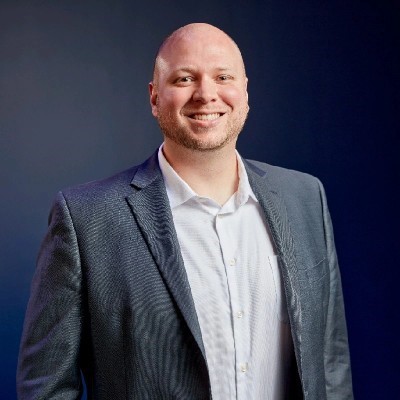
Today we’d like to introduce you to Michael Howard.
Hi Michael, thanks for sharing your story with us. To start, maybe you can tell our readers some of your backstory.
I’ve had the entrepreneurial bug for a long time. I started my first company while I was still at the University of Cincinnati, doing marketing consulting for small and midsized businesses around town. That work is how I met Khalil El-Amin, who became my cofounder, and I met Steven Brown in classes at UC. The three of us went on to build a marketing agency together called Millmark Solutions.
Around 2017 we started kicking around the idea that became Nichefire. The first version was a competitive analysis tool. We used AI to look at a brand’s social media and advertising content, then benchmarked it against competitors to find white space. We ran that for a few years, never got the traction we wanted, and sunset it in 2021.
The turn came in 2022. One of our customers, a major national bank, said something I still think about: they had access to the best analytics tools and the best agencies in the business, and none of it could tell them anything about what they didn’t know to look for. The unknown unknowns. So I built a prototype, honestly just a Tableau dashboard sitting on data we already had, that did trend analysis. They bought a pilot within a week.
We started shopping it around to see if there was a there there, and every company we talked to described the same pain point. 2022 was a full pivot. It felt closer to starting a new company than fixing the old one. That’s what we do today: predictive cultural intelligence, helping brands spot emerging cultural trends and forecast where they’re headed so they can act on them.
Alright, so let’s dig a little deeper into the story – has it been an easy path overall and if not, what were the challenges you’ve had to overcome?
Absolutely not, and I’ve never bought the rose-colored version of the entrepreneurial story. Ours has been interesting, exciting, depressing, and amazing all at the same time.
There were multiple stretches where we were one or two months from being out of business, and every time, something came through. A financing round, a customer signing at the right moment. Those were the saving grace moments, and I don’t take a single one of them for granted.
The rest of it was the ordinary grind. Cofounders bickering. Realizing the product wasn’t working for a customer we’d already sold. Losing accounts and winning accounts in the same quarter. I’ve been told no thousands of times. I’ve walked out of more investor meetings than I’d like to admit with my tail between my legs.
So no, not smooth. I’m not sure a smooth version would have taught us anything worth keeping.
Alright, so let’s switch gears a bit and talk business. What should we know?
Nichefire is a predictive cultural intelligence platform. The plain version: we help large consumer brands see cultural shifts early enough to actually do something about them.
The problem we exist to solve is a timing problem. Every breakout product, and every brand that suddenly feels irrelevant, started as a cultural signal first. It was living in conversations and communities long before it showed up in sales data or a survey response. By the time traditional research catches it, the signal is roughly eighteen months old and everyone in the category can see it too. That gap is expensive. Most new products fail, and a lot of that failure traces back to good insight arriving after the decision was already made.
What we do differently is triangulate. Discourse is what people say out loud across social platforms, forums, and communities. Intent is what they quietly search for when nobody’s watching, which is usually more honest. Influence is the media and creator coverage that takes a niche behavior and makes it legitimate. When a signal confirms across all three of those dimensions, our models lock onto it and forecast where it’s heading, up to eighteen months out. We’re producing thousands of these signals a day.
The other thing that sets us apart is where we sit. Most insights teams are already good at analysis and validation. What’s usually missing is the step before that, figuring out what’s even worth analyzing. So we deliberately don’t ask anyone to adopt another dashboard. Our intelligence shows up inside the tools teams already live in: their LLMs, Slack and Teams, their BI stack, or straight through our API.
Brand-wise, what I’m proudest of is honestly the client list. We’re a Cincinnati company, and on any given week our work is informing decisions at some of the largest consumer companies in the world. That’s not a thing I expected to be able to say when we were three guys running a marketing agency out of school. The other thing I’m proud of is that we’ve stayed useful during a period where everybody claims to do AI trend analysis. Our customers stick around because the forecasts hold up.
We love surprises, fun facts and unexpected stories. Is there something you can share that might surprise us?
For someone who runs a company built on reading social media, I don’t especially like being on it.
My accounts are pretty static. LinkedIn is the one place I post with any regularity, and that’s mostly to share ideas we’re working through and to put Nichefire in front of people. Beyond that I’m fairly private. I’ve never had much desire to narrate my life to an audience.
I don’t think that’s a contradiction, though I understand why it looks like one. Our work has nothing to do with me being online. It’s about instrumenting what millions of other people are already doing and finding the pattern in it early. You don’t have to be a heavy poster to read culture well. Some distance from the feed might make it easier, honestly. When you’re personally caught up in what’s happening on a platform, it’s harder to tell whether something is genuinely moving or whether it just feels loud from where you’re standing.
Contact Info:
- Website: https://nichefire.com
- Instagram: https://www.instagram.com/nichefire/
- Facebook: https://www.facebook.com/nichefire
- LinkedIn: https://www.linkedin.com/company/nichefire/
- Twitter: https://x.com/nichefire
- Youtube: https://www.youtube.com/@nichefire5469
- Other: https://www.linkedin.com/in/mahmike7/
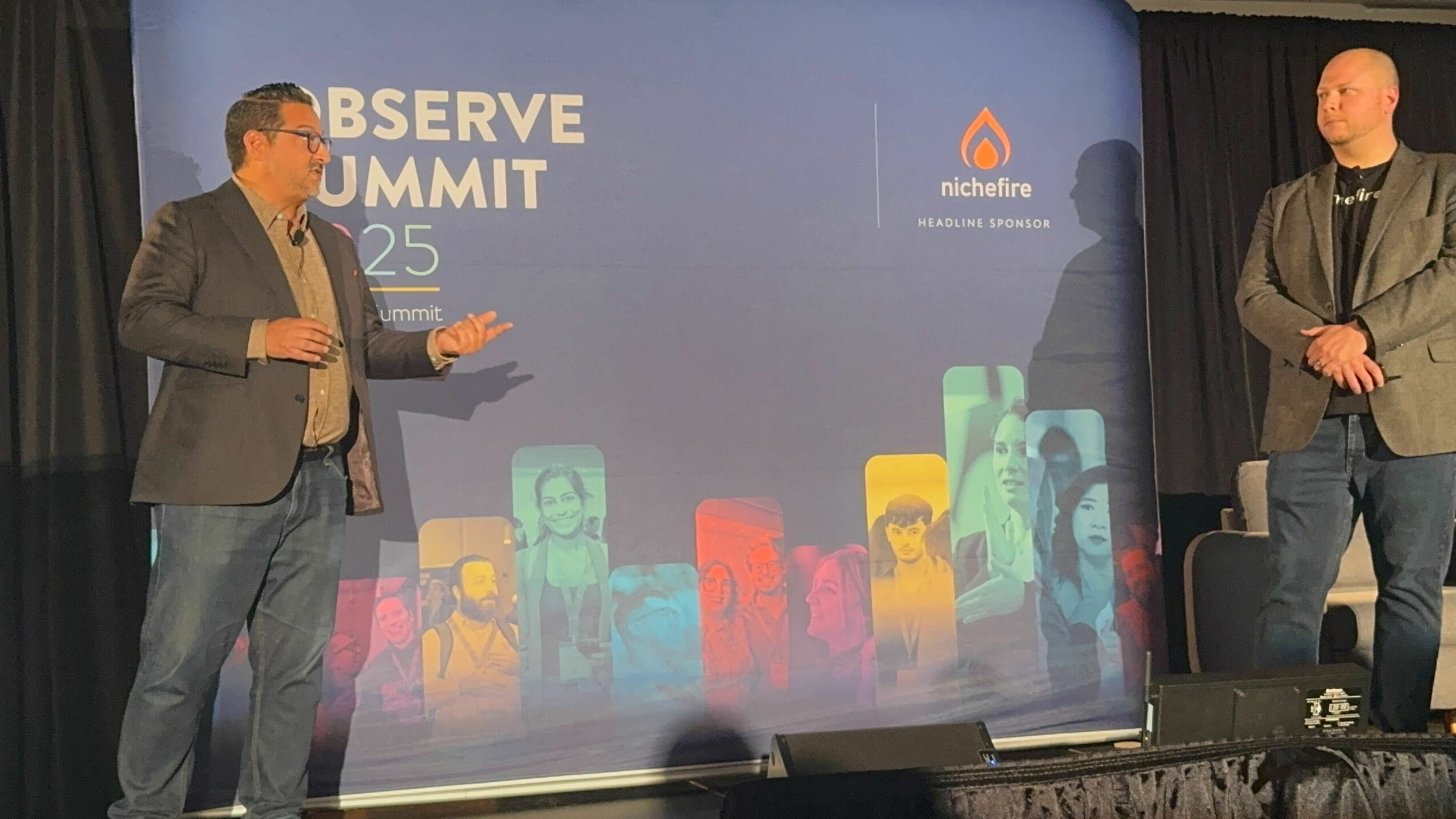
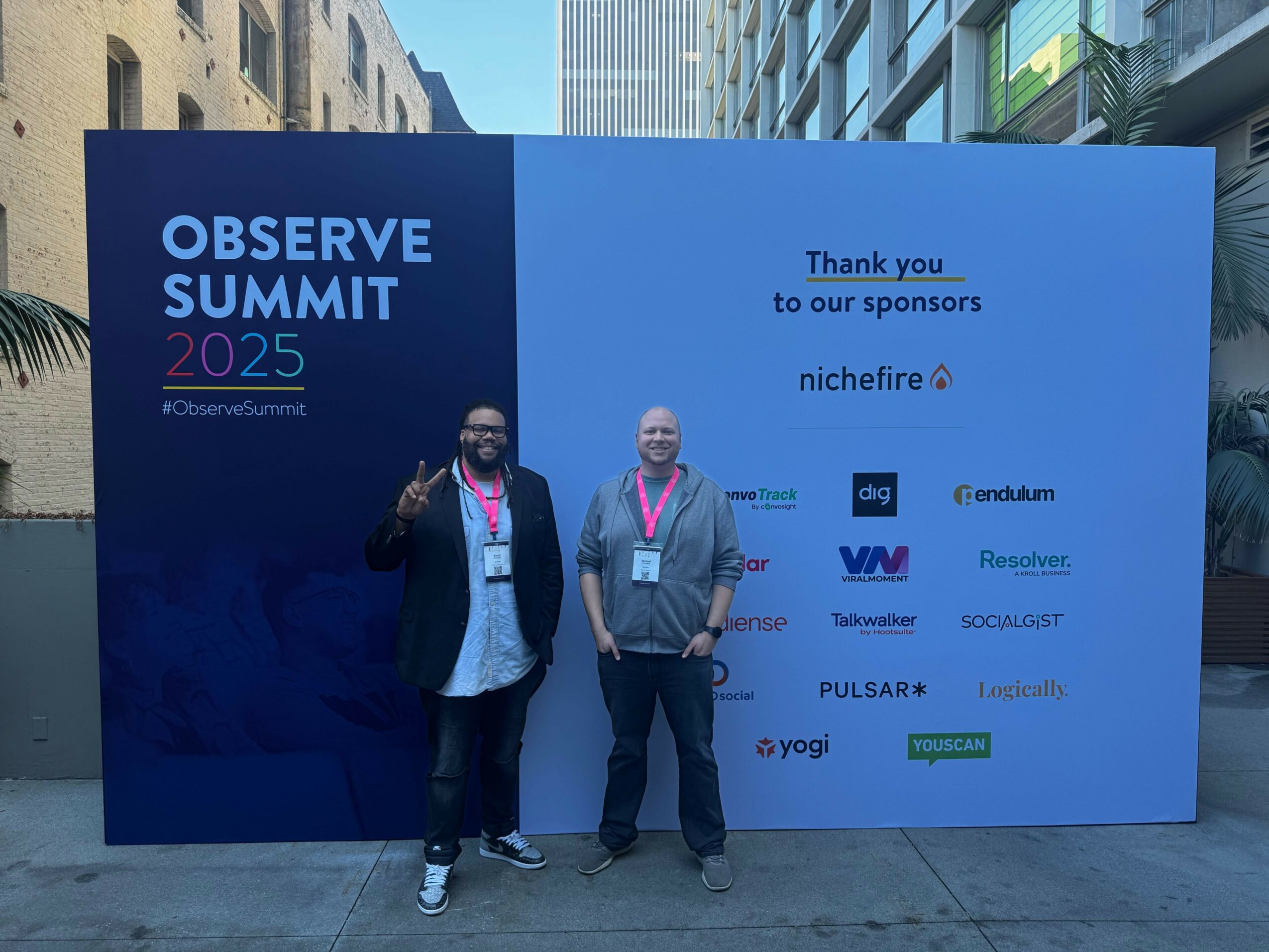
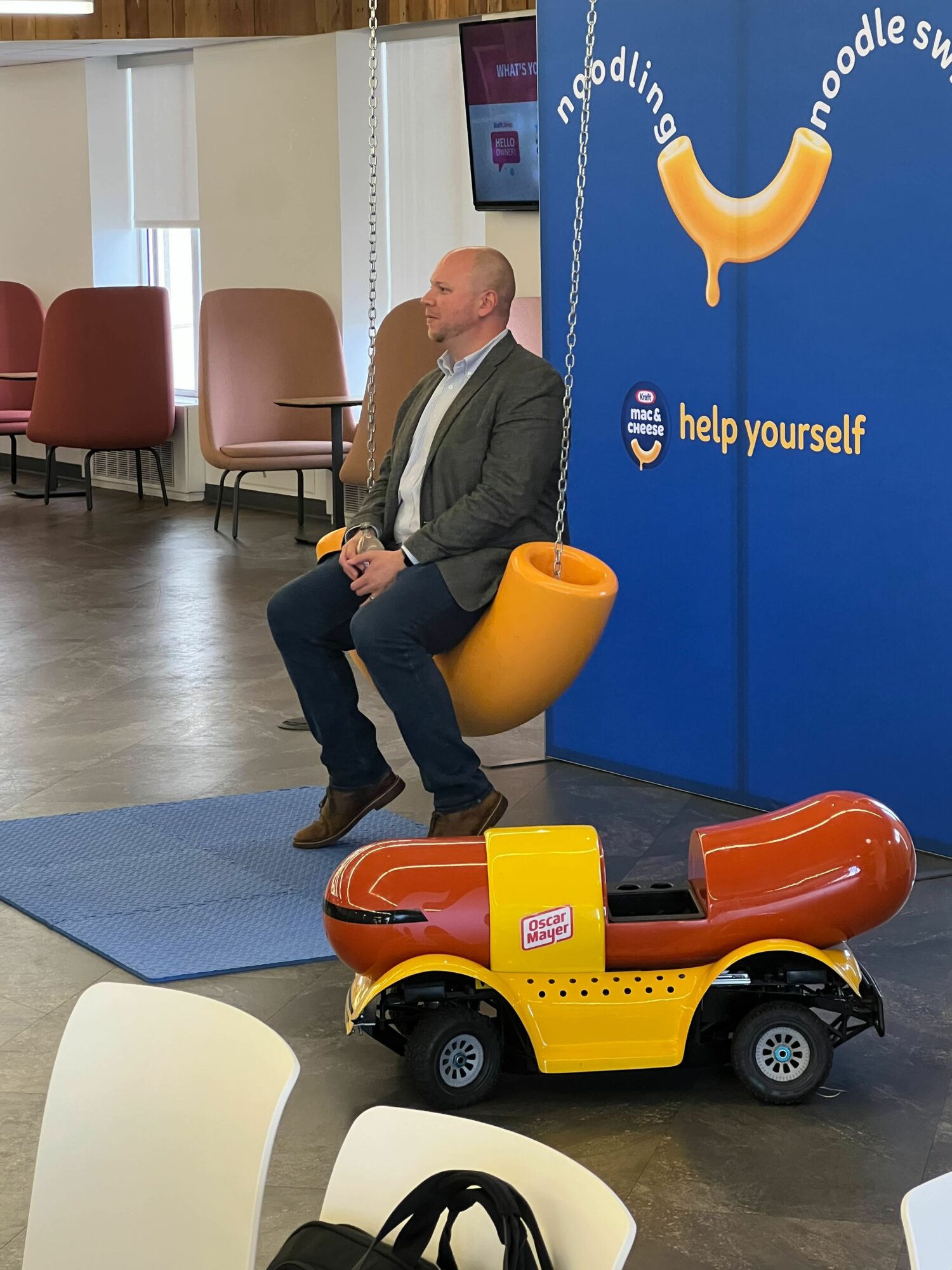
Popular
-

The Change-Makers: stories that inspire
-

Hidden Gems: Local Businesses & Creatives You Should Know
-

Portraits of Ohio
-

Take Flight: Lamar Thomas on Building an Inclusive Brand Rooted in Youth, Community, and Purpose
-

Cultivating Inner Clarity: Angel Inspires on Thought, Healing, and Purpose
-

Local Highlighter Series