


Today we’d like to introduce you to Abe Robinson.
Hi Abe, thanks for sharing your story with us. To start, maybe you can tell our readers some of your backstory.
I’ve never really taken the traditional path into this industry. I started Blind 7 in 2007 with a camera, a love for Macro work, and absolutely no idea how far it would eventually take me. I began as a graveyard photographer, but over the years the work naturally grew into commercial photography, directing, and larger productions for businesses, musicians, haunted attractions, and anyone with an interesting story to tell.
My journey took a fairly dramatic turn after a serious illness left me hospitalized and caused permanent mobility issues in both of my feet. I had to relearn how to move through everyday life, while also figuring out what the future of my work would look like. There were plenty of moments when walking away would have been easier, but I am far too stubborn for that.
Instead, I used it as a reason to rethink everything. I designed SHEDIO around the way I can work now, smaller crews, smarter technology, precise camera movement, and tools that allow us to create ambitious images without needing a massive production.
In 2025, I started developing SHEDIO as the next evolution of that work: a smaller, smarter production studio focused on cinematic storytelling, tabletop production, motion control, and high-speed cinematography. We have since built Cleveland’s first 100% solar-powered production studio. The goal was never to become the biggest studio in the city. It was to create something more personal, more adaptable, and capable of producing work that
Today, I’m still building. SHEDIO continues to grow, and we’re expanding into motion-control robotics and high-speed cinematography. It has definitely not been a straight or easy road, but every unexpected turn has helped shape what the business is today.
Would you say it’s been a smooth road, and if not what are some of the biggest challenges you’ve faced along the way?
Smooth? Not even remotely. The road has had enough potholes to qualify as an Ohio street.
Like most small business owners, I’ve dealt with inconsistent work, limited budgets, expensive equipment, and the challenge of having a vision that is usually several steps ahead of the money available to build it. I’ve had to learn how to do more with less, reinvest whenever possible, and build everything one piece at a time.
The biggest struggle came after I became severely ill on New Year’s Eve in 2024. I spent four months in the hospital, including a month on life support. When I finally came home, I was left with permanent nerve damage in both feet. My right foot is paralyzed, I have limited feeling and movement in my left, and I now rely on braces to walk. I also had to accept that the 12- to 16-hour production days I had worked for years were no longer realistic.
While I was recovering, my beautiful, loving wife, Sharon, bought me the shed that would eventually become SHEDIO. She wanted to lift my spirits and give me a place where I could start creating again. At the time, it was simply a reason to get up, move forward, and imagine what might still be possible. That small shed eventually grew into Cleveland’s first 100% solar-powered production studio.
I don’t share any of that for sympathy. It was simply the point where I had to decide whether I was finished or whether I was willing to completely rethink how I worked.
So I adapted. I began designing SHEDIO around smaller crews, shorter and more focused production days, motion-control technology, and tools that allow us to create ambitious work more efficiently. I still have difficult days, and there are plenty of things I have to approach differently now, but I’m still here, still creating, and probably more determined than ever.
The road has absolutely not been smooth, but without those struggles, SHEDIO may have never existed.
We’ve been impressed with SHEDIO, but for folks who might not be as familiar, what can you share with them about what you do and what sets you apart from others?
SHEDIO—pronounced “Shed-ee-oh” is a Cleveland-based commercial production studio that grew out of nearly two decades of work through Blind 7. We create cinematic photography and video for businesses, products, musicians, haunted attractions, and anyone with a story worth telling.
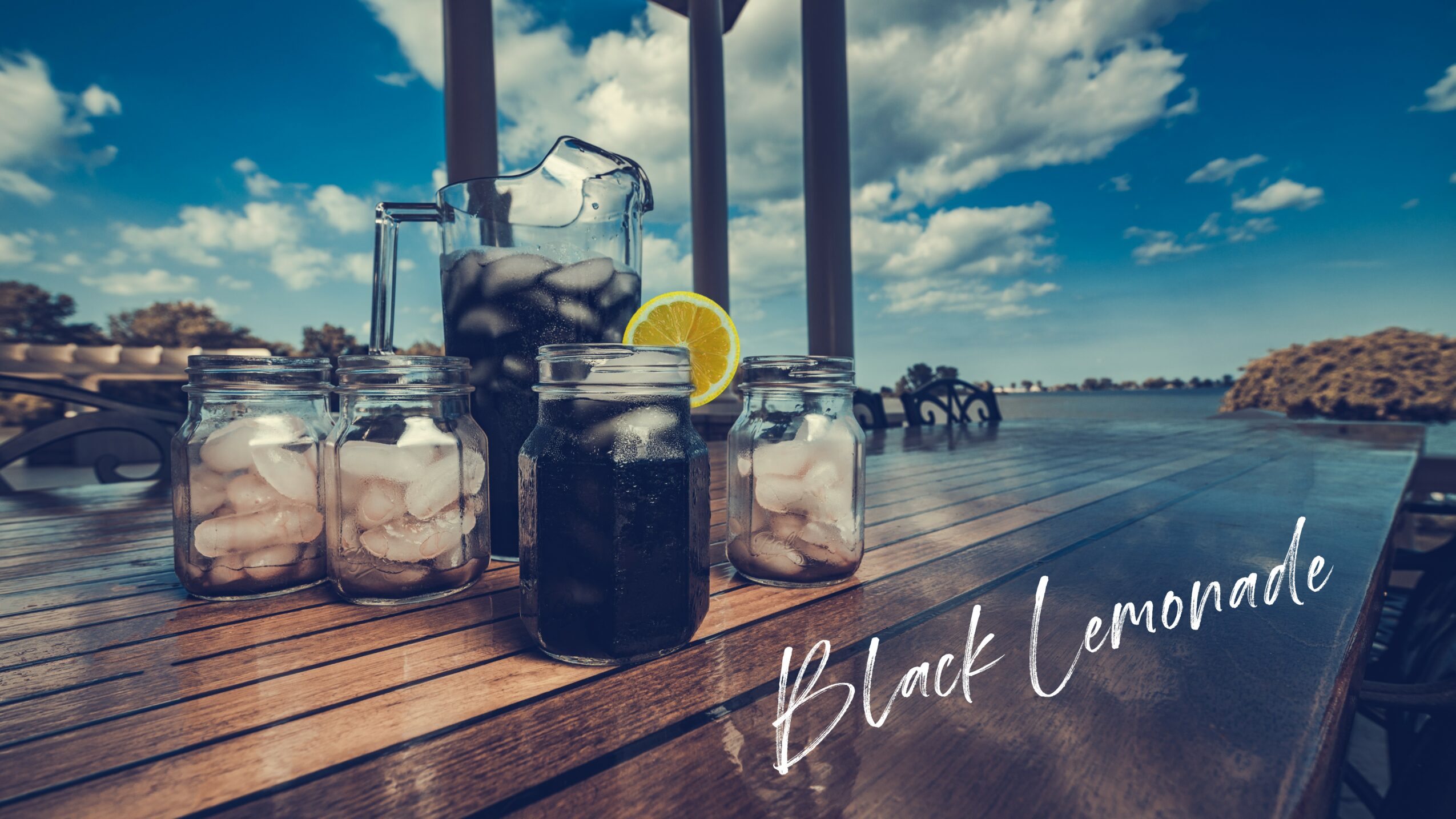
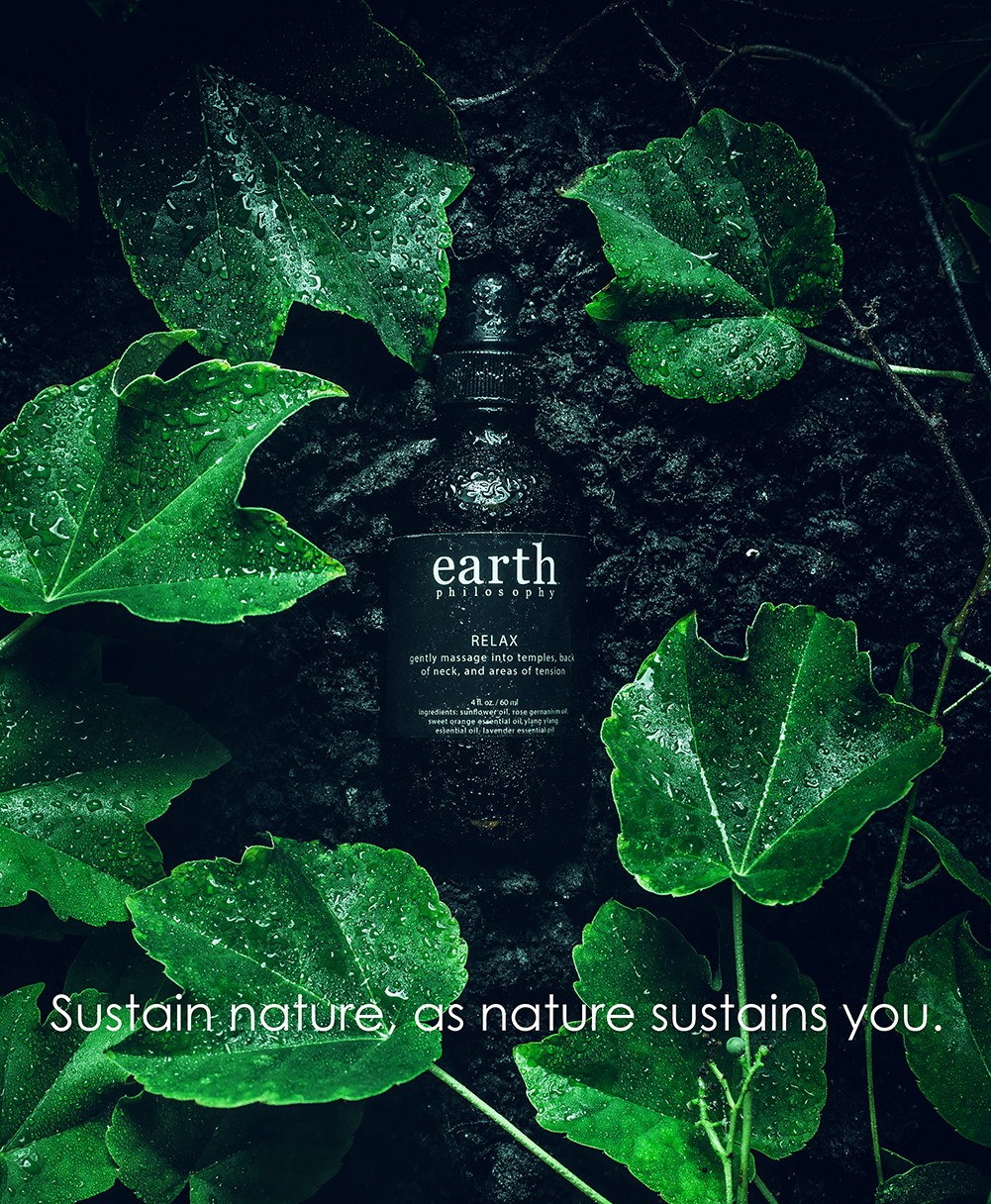
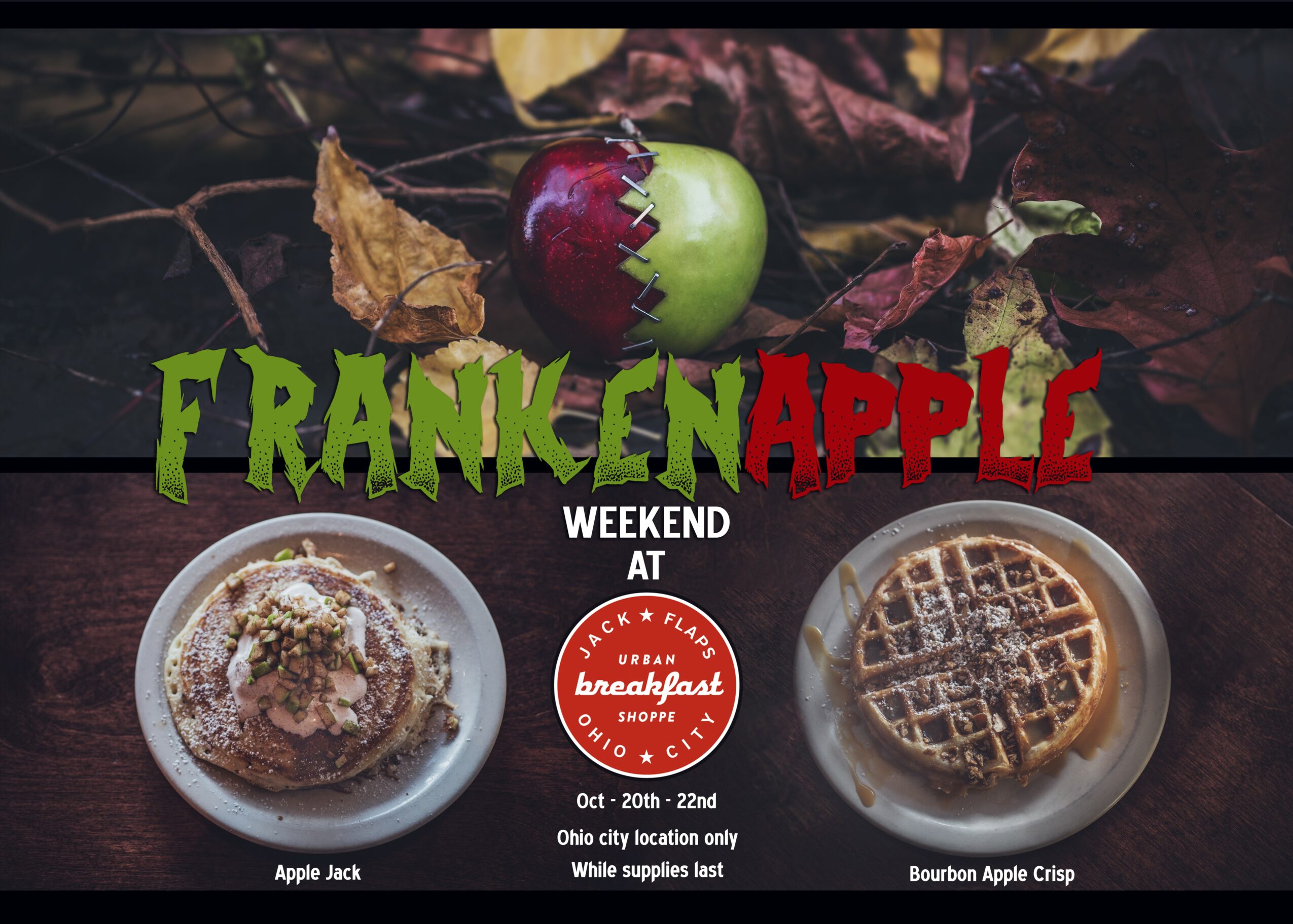
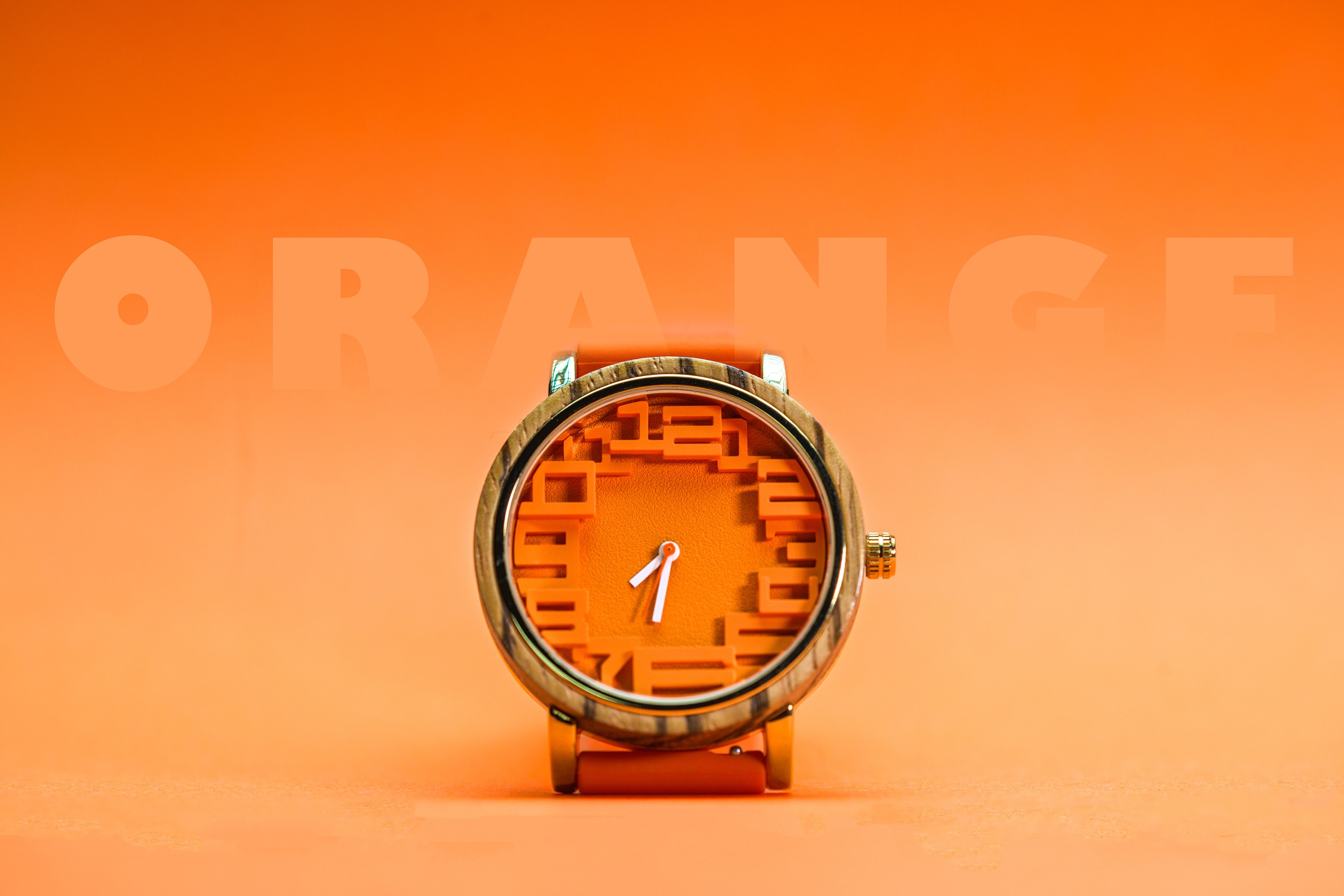
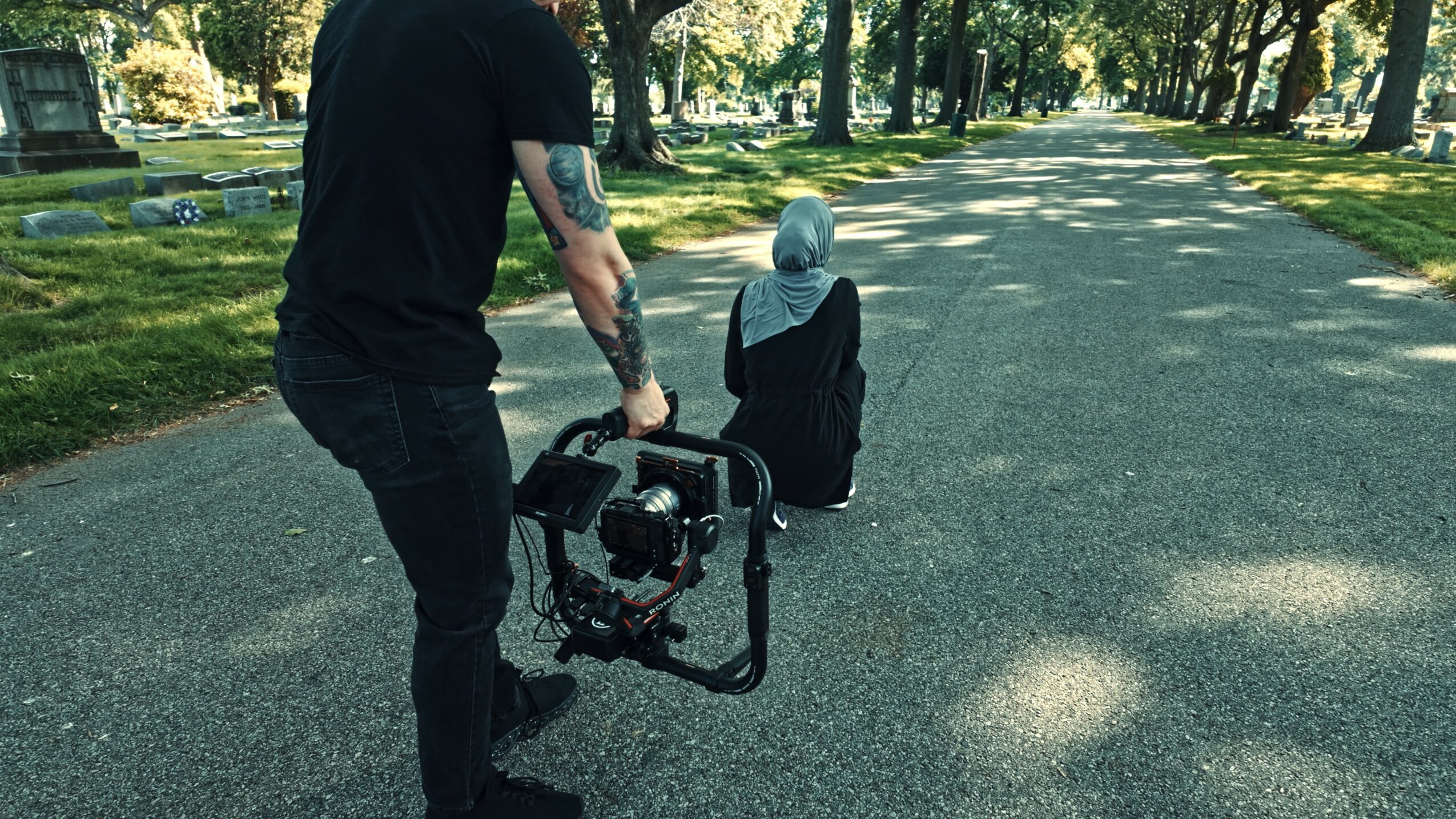
Our work includes commercial video, brand films, product and tabletop photography, motion-control cinematography, livestreaming, podcasts, and studio production. We’re also continuing to expand into robotic camera movement and high-speed cinematography, giving smaller businesses access to the kind of imagery normally associated with much larger productions.
The studio itself is intentionally small. We operate with focused crews, carefully planned productions, and technology that allows us to create work that feels much larger than the space it came from. That also lets us stay closely involved with every client instead of passing them through layers of departments. We like to say that we bring calm to creative chaos.
Visually, we are known for work that feels cinematic, deliberate, and built to last longer than a three-second scroll. We don’t want to create another pile of fast clips that look exactly like everything else online. Our philosophy is simple: built for big screens, not just feeds.
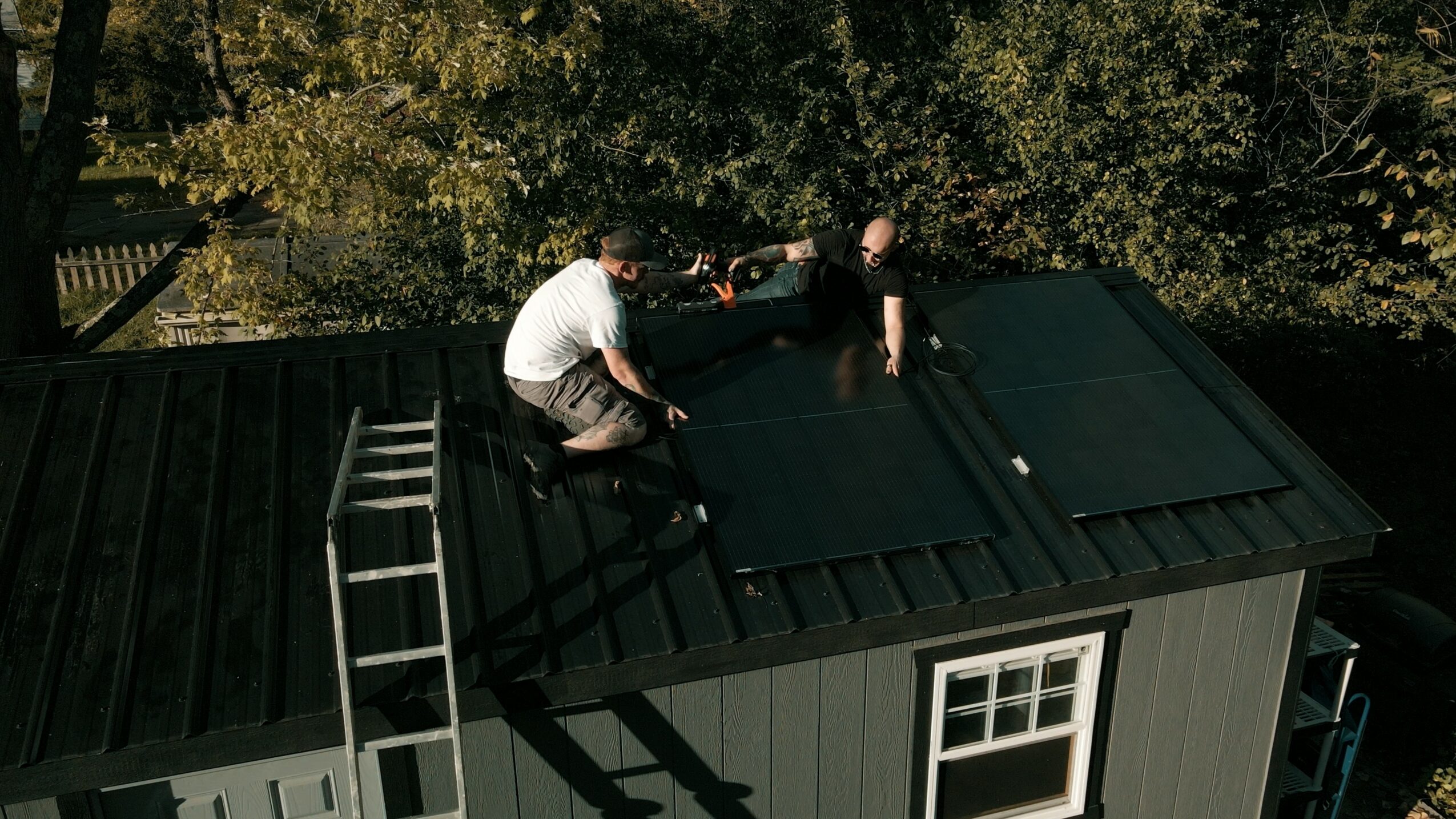
What truly sets SHEDIO apart is that it is Cleveland’s first 100% solar-powered production studio. Our cameras, lighting, computers, livestream equipment, heating, cooling, and the rest of the studio are powered by the sun. It isn’t something we added later as a marketing angle, the solar system is part of how the studio was designed and how it operates every day.
Brand-wise, I’m most proud that SHEDIO doesn’t try to look or feel like every other production company. We chose a retro-futuristic identity because it reflects a time when television completely changed storytelling. Families were seeing televisions in their homes for the first time, brands could suddenly speak directly to people through a moving image, and the introduction of color television made the entire experience feel new all over again. There was this genuine excitement that the future had finally arrived.
The feeling I always come back to is the moment in The Wizard of Oz when Dorothy opens the door after the house lands and the world changes from sepia into color. Suddenly, everything feels larger, brighter, and full of possibilities. That is what I want SHEDIO to feel like. We aren’t trying to recreate the past just for the sake of nostalgia. We want to capture that same feeling of wonder people had when moving images still felt magical and the future felt exciting.
More than anything, I want readers to know that you don’t need the largest building or the biggest crew to create meaningful work. You need a strong idea, the right tools, and people who genuinely care about the story. SHEDIO was built from a backyard shed during one of the most difficult periods of my life, and today it is becoming the kind of production studio I once thought I would need a warehouse and a massive team to create.
We’re smaller, smarter, powered by the sun, and future-focused.
Can you talk to us about how you think about risk?
I would describe myself as a calculated risk-taker. I’m not the person who blindly jumps off a cliff and hopes there is a trampoline at the bottom. I’m more likely to research the cliff, measure the drop, price out three trampolines, panic over the cost, and then jump anyway.
Starting Blind 7 in 2007 was a risk. Building SHEDIO was an even larger one. After spending four months in the hospital and coming home with permanent mobility issues, the safest choice probably would have been to step away from production completely. Instead, I chose to rebuild the way I worked and invest my limited time, energy, and resources into creating an entirely new kind of studio.
Turning a backyard shed into Cleveland’s first 100% solar-powered production studio was a major financial and personal risk. There wasn’t a local blueprint I could simply follow, and there was no guarantee that clients would understand the idea. We invested in solar power, batteries, production equipment, and a space designed around a very specific vision: a small studio capable of creating work that feels much bigger than the building it comes from.
Even choosing our visual identity was a risk. We could have made SHEDIO look like every other clean, modern production company, but that would not have represented us. Instead, we leaned into retro-futurism, mid-century design, solar power, and emerging production technology. It is unusual, but being memorable is often worth the risk of not appealing to everyone.
My approach is to ask three questions: What is the worst realistic outcome? Can I survive it? Is there still something valuable I can take from the experience if the original plan fails? If I can live with those answers, the risk is usually worth considering.
I don’t believe risk should be reckless. Risk without preparation is just gambling. But I also believe playing everything safe can become its own kind of risk. You can spend so much time protecting what you already have that you never build what you actually want.
SHEDIO would not exist if Sharon and I had waited for the perfect time, unlimited funding, or a guarantee that everything would work. None of those things ever arrived. We simply started with a empty studded shed, built one piece at a time, and kept moving forward.
Contact Info:
- Website: https://shedio.co/
- Instagram: https://www.instagram.com/theshed.io/
- Facebook: https://www.facebook.com/shediob7
- Youtube: https://www.youtube.com/@shedio-7
Popular
-

The Change-Makers: stories that inspire
-

Hidden Gems: Local Businesses & Creatives You Should Know
-

Portraits of Ohio
-
Take Flight: Lamar Thomas on Building an Inclusive Brand Rooted in Youth, Community, and Purpose
-

Cultivating Inner Clarity: Angel Inspires on Thought, Healing, and Purpose
-

Local Highlighter Series