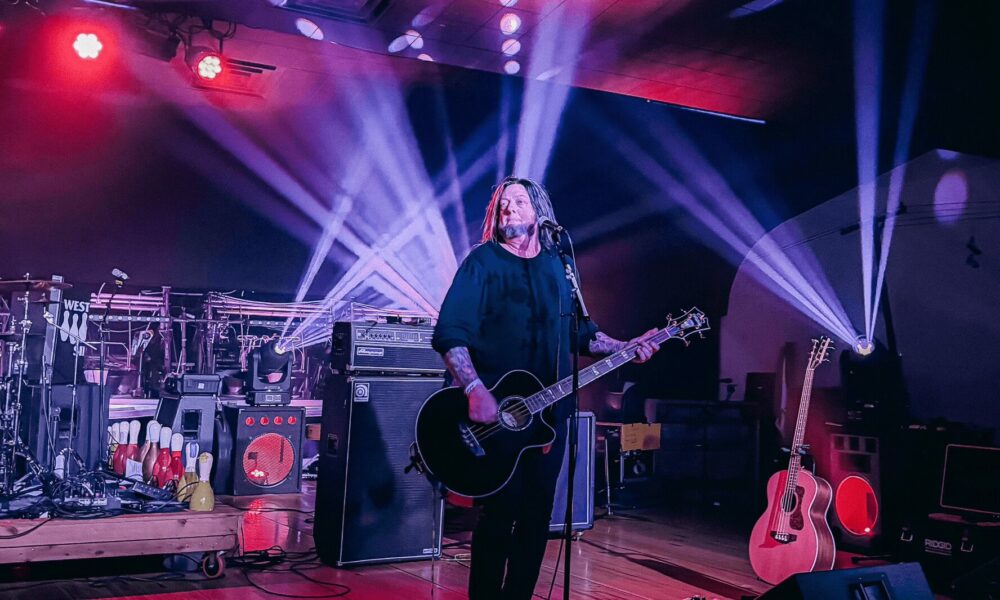
Today we’d like to introduce you to Todd Greer
Hi Todd, so excited to have you on the platform. So before we get into questions about your work-life, maybe you can bring our readers up to speed on your story and how you got to where you are today?
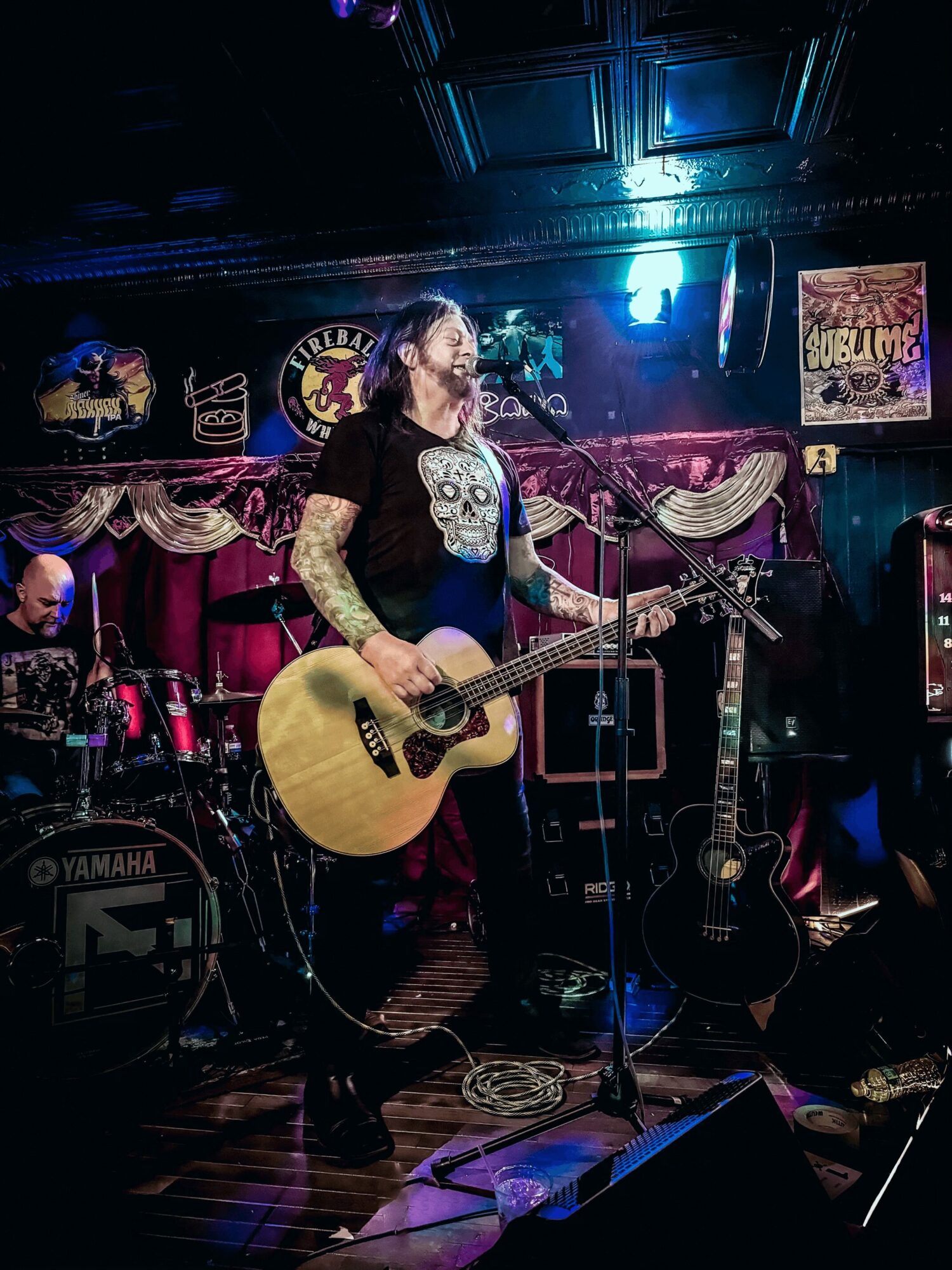
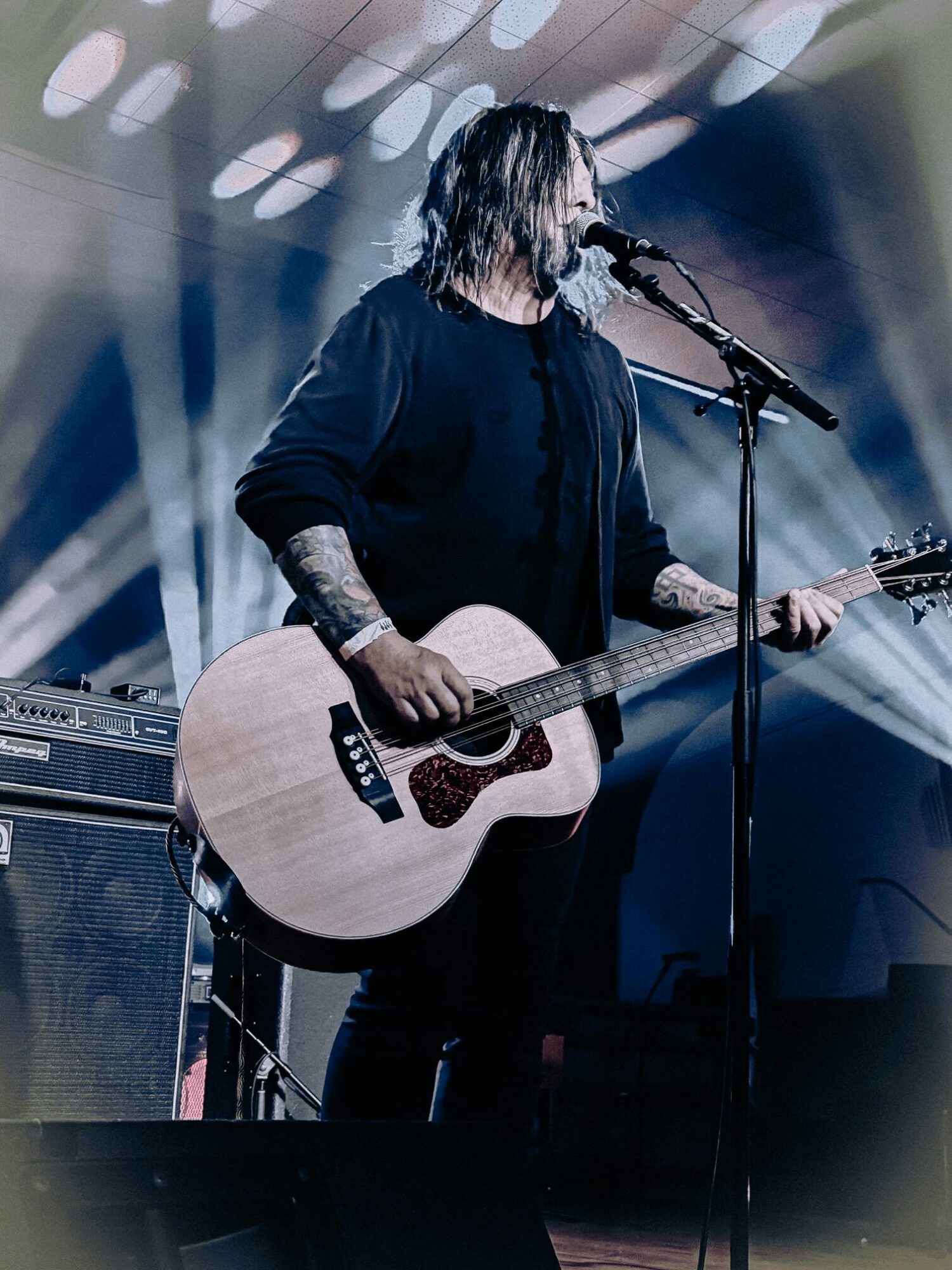
I’ve been a musician for quite some time [30+ years now], primarily a songwriter and bassist, occasionally a vocalist. If I am completely honest, this particular chapter of my musical journey, tOd and the Bad Ideas, was initially fueled by bourbon and envy.
I’ve always enjoyed listening to singer/songwriters, and though I’d toyed with teaching myself how to play guitar on multiple occasions, in the end, I’d consistently revert back to my four-string comfort zone (feel free to call me lazy). So, while I consistently wrote songs, and played them acoustically (on bass), I never felt quite comfortable with the idea of performing as a “solo” songwriter. I mean, who’d want to listen to that? This is where the aforementioned bourbon and envy came in.
I was out for an evening in support of a friend who was performing a solo acoustic set as part of a local variety show. As I listened, thoughts started flowing through my head …”hey, I write songs” … “I play acoustic music” … “why haven’t I done this?” … with the warmth of liquid courage stoking my inner fires, I finally asked the show coordinator if there were openings for future shows, and he was kind enough to give me a date; then things got interesting.
I headed off into the night with a head full of ideas for my “solo” set, and as I closed my eyes later, I was sure this would be a great experience. And then, the sun rose and realization struck. Who would want to listen to a singing solo bass player? To be honest, again, I’ll admit I was too self-conscious to call the show coordinator to cancel, and too prideful not to follow through. I just needed some help.
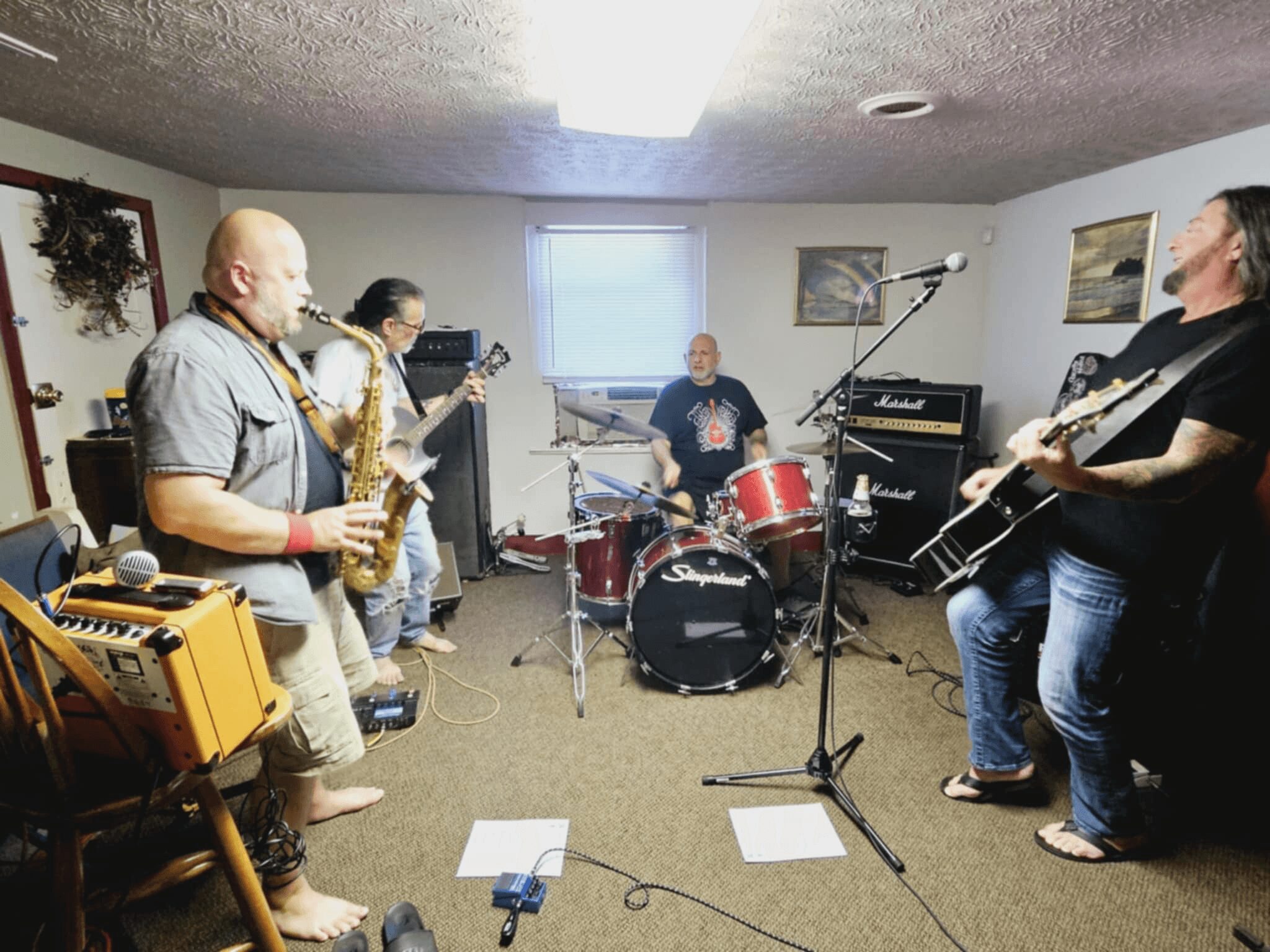
So, I reached out to another singer/guitarist I’d met that night, and he agreed to join me, providing the guitar strumming I knew audience members would be anticipating. Soon after, mentioning the gig to a drummer I was collaborating with at the time, he agreed to contribute as well. And with that, we had around two weeks to prepare for my very first (and anticipated only) “solo” performance.
I combed through my back catalog of material, and as we worked through my selected playlist, I was inspired to try out some new songs I’d yet to perform. Our trio really seemed to click, and as the date of the show approached, my enthusiasm steadily grew. The day came, and we took the stage together … the music was good, and the crowd was supportive. Afterward, I was simply relieved to have done what I’d set out to do, and happy that it had gone well. I could mark a “solo” show off of my life’s to-do list, and that might have been the end. But then, as we packed up our gear, my band-mates asked, “So, when are we doing this again?”
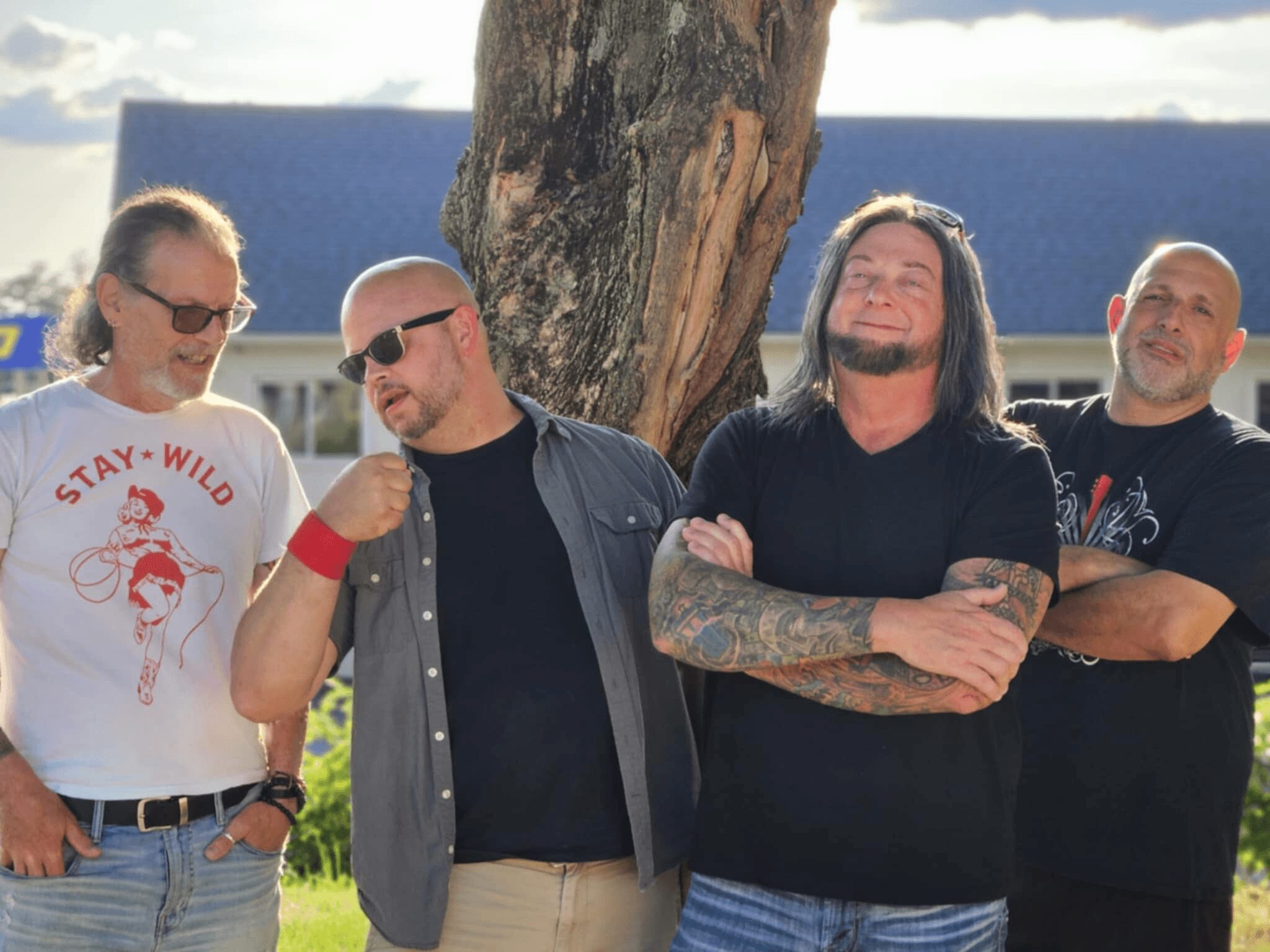
That was a few years ago [2016]. Since then, I’ve recorded four albums, played countless shows, performed alongside national recording artists such as Tantric, The Red Hot Chili Peppers, and Tom Petty & the Heartbreakers.The band has evolved through the years, with the sound influenced by the strengths of my band members. What started as an acoustic rock approach inspired by the likes of Bruce Springsteen and Tom Petty, morphed into a straight-forward ‘Rolling Stones-esque” rock band, to a sound akin to the Foo Fighters, and as of today, back to a more traditional 70’s era rock n’ roll vibe.
From that first moment the ideas began swirling in my head, to every supportive friend, audience member, and local scene member who’s encouraged me, and the incredibly talented musicians who’ve been at my side, I’ve been fortunate. Bourbon, envy, a bass player with a few (arguably “bad”) ideas, and the conspirators who make them a reality … sounds like a recipe for rock n’ roll!
We all face challenges, but looking back would you describe it as a relatively smooth road?
From the very start, I’ve been focused on writing and performing original music. At first, it was simply because I didn’t really know how to play my instrument, but as time passed, it became my passion. Sure, I [eventually] learned to play covers, but there were so many of my own ideas swirling in my head, that given the choice, I’d always lean into writing my own material.
I got a later start than most, not really picking up an instrument until I was 17, so I didn’t have much confidence when collaborating with others. When I’d join a band, I deferred to the more experienced members, following their lead, and do my best to contribute in other ways that I felt would bring value, as my bass playing skills weren’t a strength starting out.
This awkwardness would set the foundation for skills that would become essential to success later. I took on responsibility for promotion [flyers, posters, mailing lists, etc.], visiting venues, passing out flyers, walking up and down campus streets hanging posters and chatting up passers by. I was also the one who arranged for rehearsal space, coordinated practices, booked shows, worked the door at venues, and ensured our gear was safe and secure. For a long time, I placed more value on these things than my musical talents, which likely stunted my musical development.
Over time, I became passably proficient, which many guitar players appreciated, as it meant I was a good support person. I took instruction well, and wasn’t desirous of the spotlight. I began contributing more, writing lyrics, writing melodies, and assisting with arrangements; I was beginning to “get it”.
I feel it’s important to note that throughout my early years [20s and early 30s], I was never fully committed to being a musician. Unlike a number of people in my circle who traveled to New York, Los Angeles, and Seattle, sacrificing everything for their dreams, I always kept one foot solidly planted in full-time employment. I’d grown up blue collar and self-sufficient, and being financially stable was essential to me. I passed on a number of potential opportunities that might have jeopardized my steady employment, and as well all know, if you ignore opportunity’s knocks often enough, it stops knocking.
For a while, my career overshadowed my musical ambitions. Would I go back and do things differently? No.
The choices I made led to me being able to live and work around the world, and those experiences enabled me to connect with musicians from so many different places and perspectives. I still look back at this “lull” in my musical career as one of my periods of greatest growth.
Appreciate you sharing that. What else should we know about what you do?
A hallmark of my career has been my ability to bring out the best in others. While my roles have centered primarily in education, training, and personal development, I’ve been fortunate to work in a variety of industries, including Pharmaceuticals, Fashion, Finance, and Software.
No matter where I’ve worked, I’ve been recognized as a “workhorse”, someone who gets things done. There may, at times, be those who have more experience, but rarely is there anyone who can match my commitment and effort.
Are there any important lessons you’ve learned that you can share with us?
Even though music is an art of self expression, never forget, that art is intended to be heard; never forget that you’re also writing for the listener.
As I’ve mentioned, I’ve been doing this for a long time, with varied amounts of success. For a long time, there seemed to be something I was missing in the creative process; I was a prolific writer, but very few of my songs seemed to really resonate with audiences.
There’s an essential element to anthemic, memorable music; it’s the art of “the hook”. The hook is that instantaneously memorable guitar riff, that catchy chorus, that special something that makes a listener want to reach down and crank up the volume, and or play a song on repeat.
Fortunately for me, a friend of mine, Joe Mertz, an incredibly talented and successful musician, opened my eyes to this art. We sat down together, and he asked me to play him a few of what I considered to be my best songs. As we strummed through these, he’d stop and ask, “what part of the song is this”? I still remember one particular song, “Reverend”, where I was playing what I considered to be a non-vocal bridge. Joe quickly pointed out that this was the catchiest part of the song, a riff he really liked; he said “you should be playing the hell out of this”. We deconstructed and reconstructed a few tunes that day, and with each reworking, I got a greater and greater sense of what I’d been missing, and how to better structure compositions that would engage listeners.
From there, I spent time analyzing the timeless classics of the 60s and 70s, noting common structures, patterns, and keys. I listened to the hits from multiple genres, and it was as if a veil had been lifted. To this day, even as I appreciate a new song I hear, I’m subconsciously considering why I’m drawn to it, why it sticks in my mind, and the art that went into taking a moment of inspiration and weaving into something magical, and memorable.
Contact Info:
- Website: https://todandthebadideas.com
- Instagram: https://instagram.com/todandthebadideas
- Facebook: https://facebook.com/todandthebadideas