



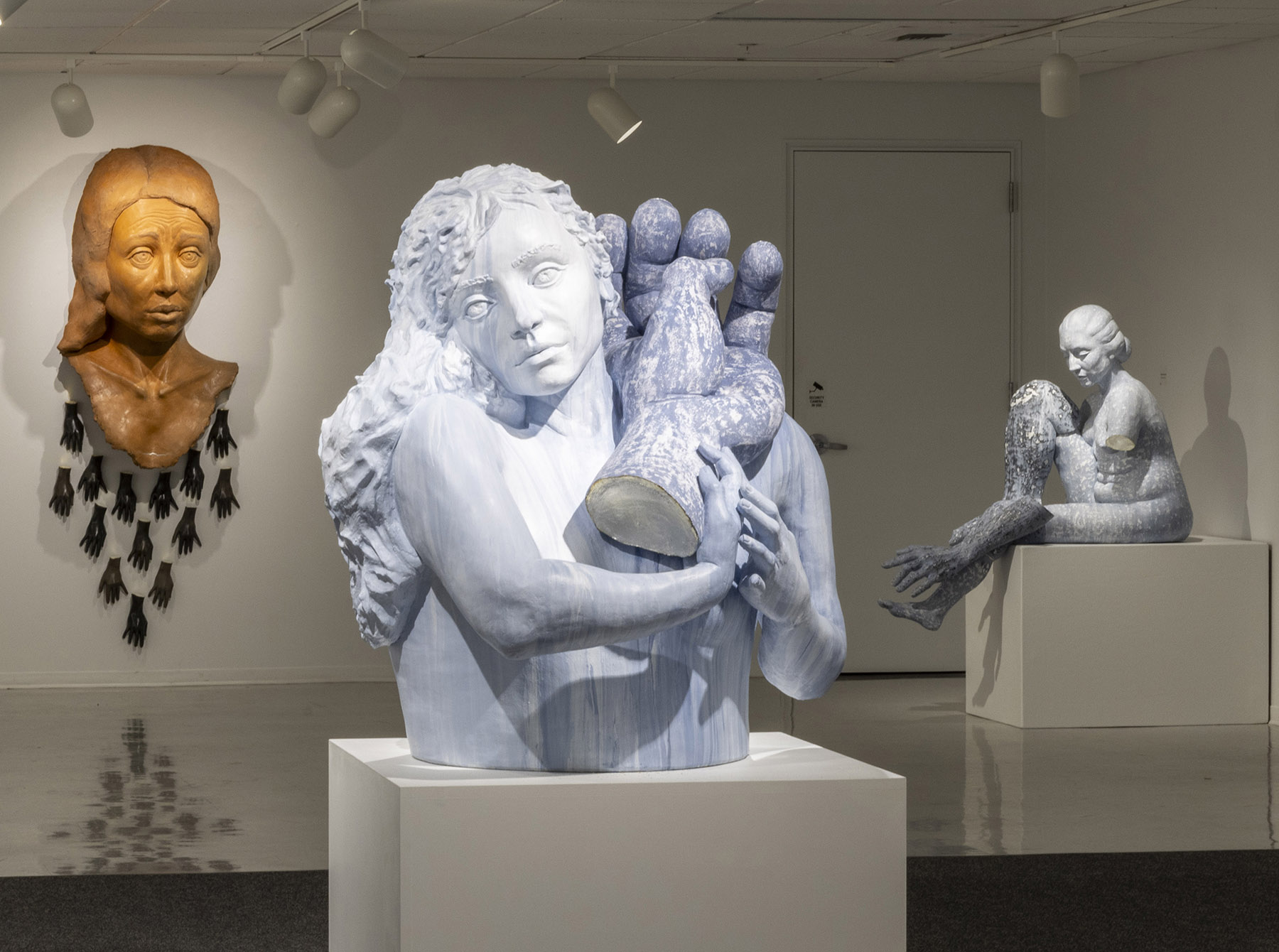
Today we’d like to introduce you to Stephanie Dishno.
Hi Stephanie, thanks for joining us today. We’d love for you to start by introducing yourself.
I was born and raised in Indianapolis, Indiana. I believe my interest in art, craft, and process came from my father, who ran a neon tube bending business out of a workshop in the backyard. I was always fascinated by watching him create. That curiosity led me to take art classes in high school. After high school, I pursued a BFA at Herron School of Art and Design, graduating in 2012. Afterward, I continued exploring ceramics through a post-baccalaureate program at the University of Alaska Anchorage before earning my MFA from the University of Montana in 2020. My time at UAA and UM was incredibly influential for me.
Like many artists, my path has been shaped by a combination of education, community, and hands-on studio experience. I completed a two-year long-term residency at the Clay Studio of Missoula, while also serving as Studio Manager and co-founding Wildfire Ceramic Studio. During that time, I also worked as an artisan at Studio Greytak. These experiences deepened my understanding of both making and supporting art communities.
Teaching has become an equally important part of my practice. After teaching at the University of Montana Western, I joined Montana State University Billings, where I am currently an Assistant Professor of Art. Along the way, I’ve had opportunities to present my work and demonstrate internationally, including as a guest speaker at the IMPACT Conference on Architecture, Art, and Design at the University of Monterrey in Mexico.
Today, I continue to balance life as both an artist and educator in Billings, Montana. My studio practice explores intimacy, memory, and the passage of time through ceramics.
Would you say it’s been a smooth road, and if not what are some of the biggest challenges you’ve faced along the way?
Like many artists trying to find their way, my path has been anything but smooth. Creating art did not come easily for me. It has required a great deal of time, sacrifice, persistence, and financial uncertainty, along with a willingness to stumble through the messy process of figuring things out. I’ve made plenty of mistakes along the way, and my career has included its share of setbacks, failures, and rejections.
At the time, those moments could be incredibly discouraging. Looking back, though, they taught me some of the most important lessons I’ve learned. They made me more resilient, hardworking, and empathetic toward myself and toward other artists navigating similar challenges. I don’t think there is a shortcut to developing a meaningful artistic practice; it requires showing up consistently, even when things aren’t going the way you hoped.
Today, I feel incredibly fortunate to be in a position where I can create while also working alongside an inspiring community of artists in Montana, and helping students develop their own creative voices is something I never take for granted.
Thanks – so what else should our readers know about your work and what you’re currently focused on?
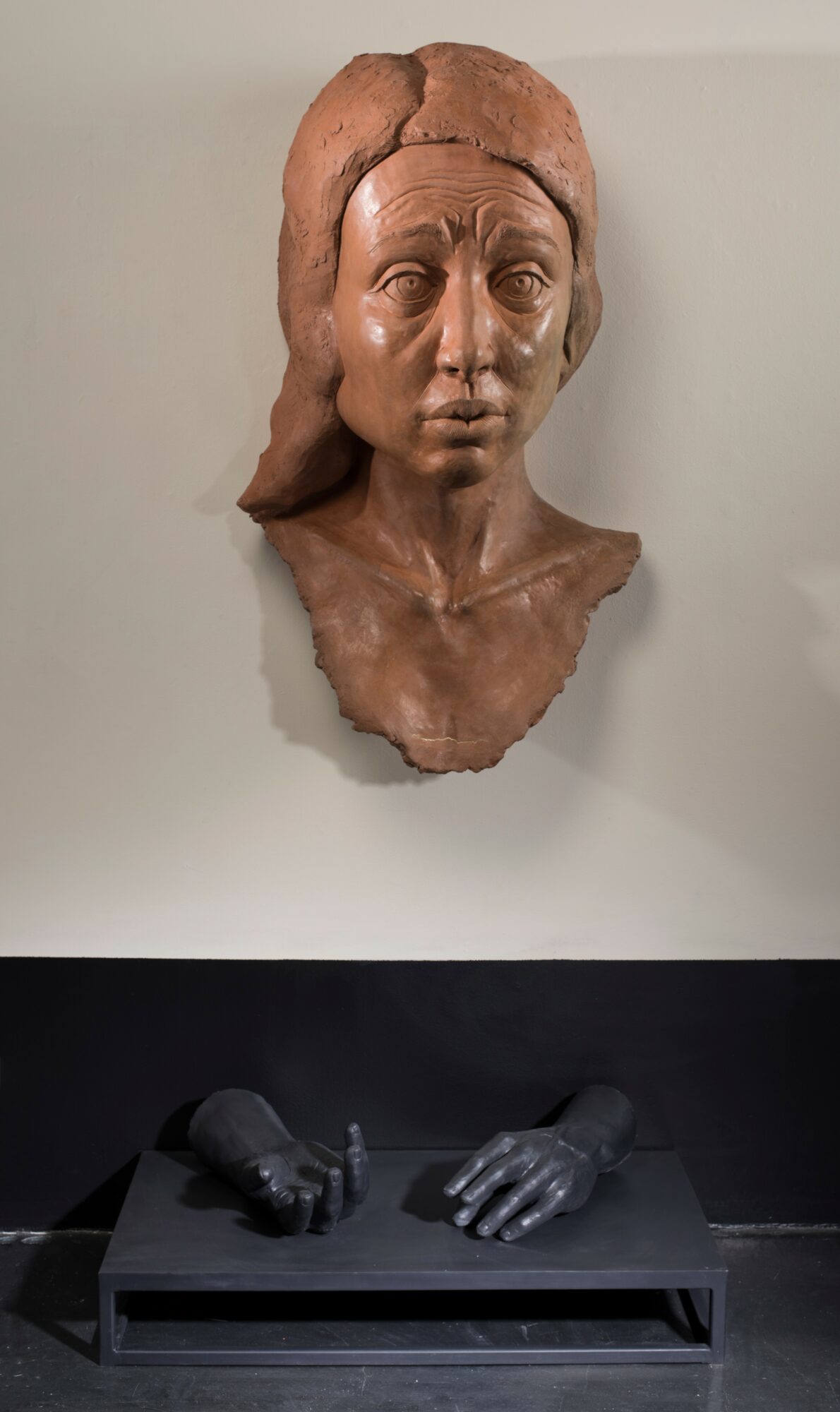
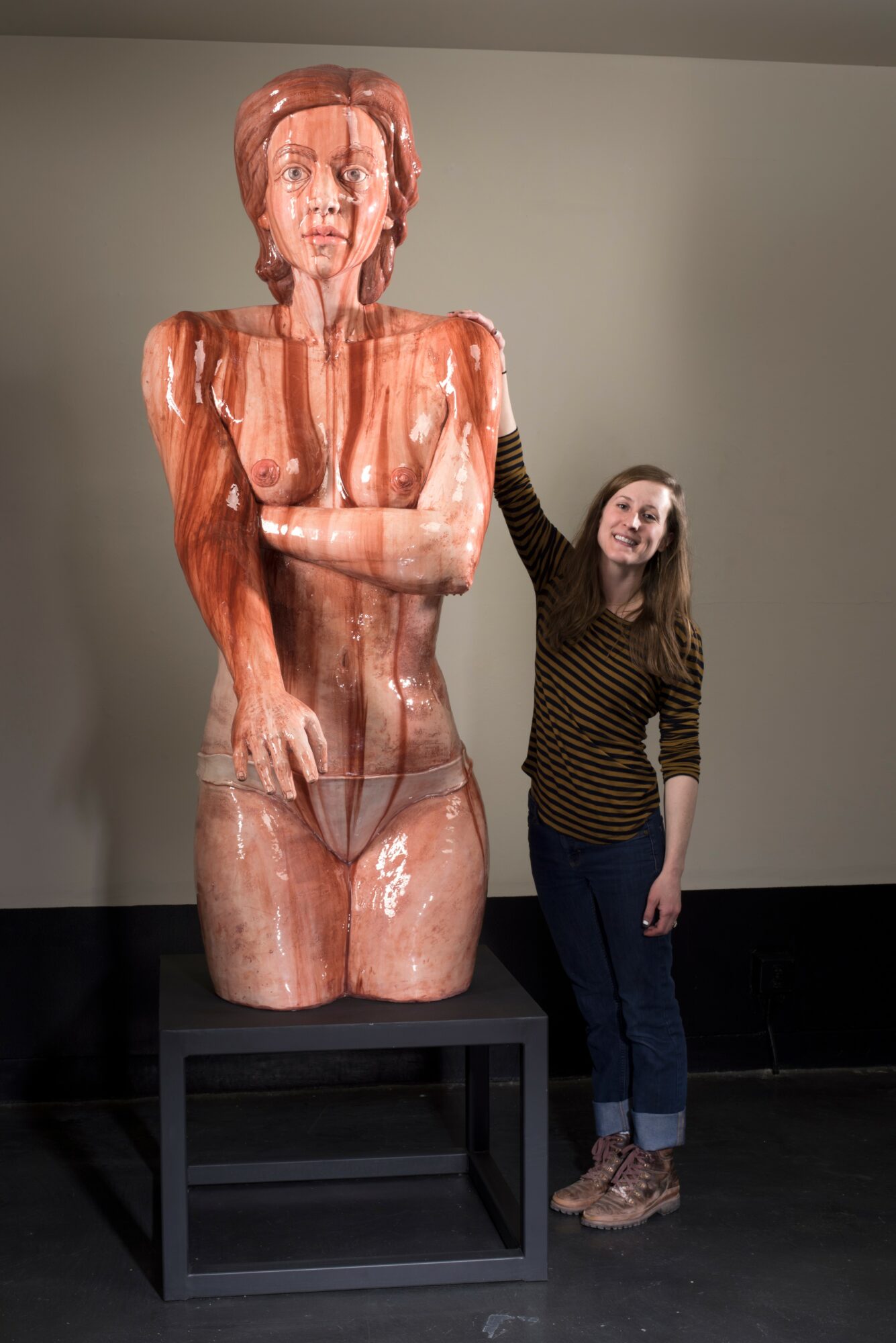
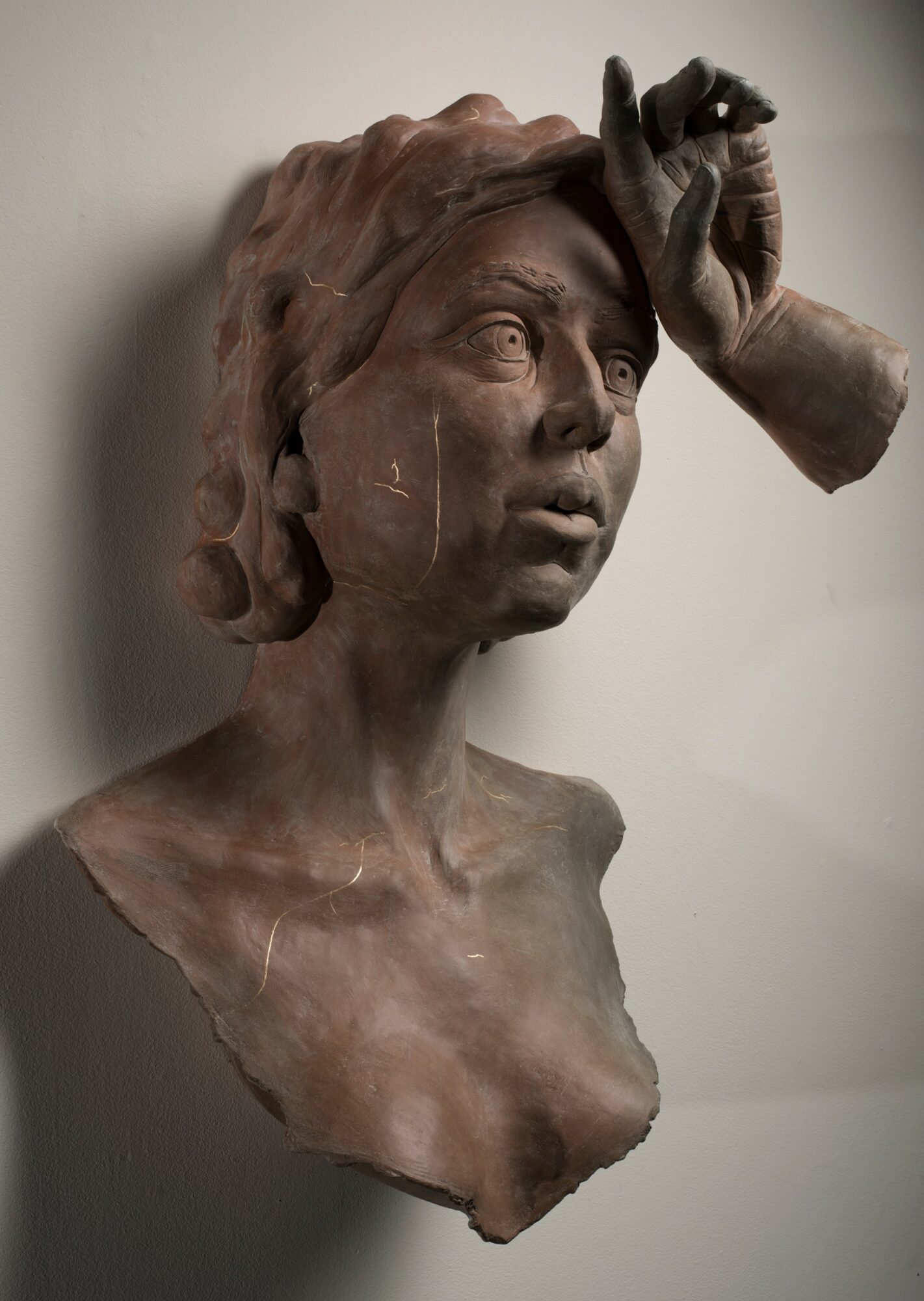
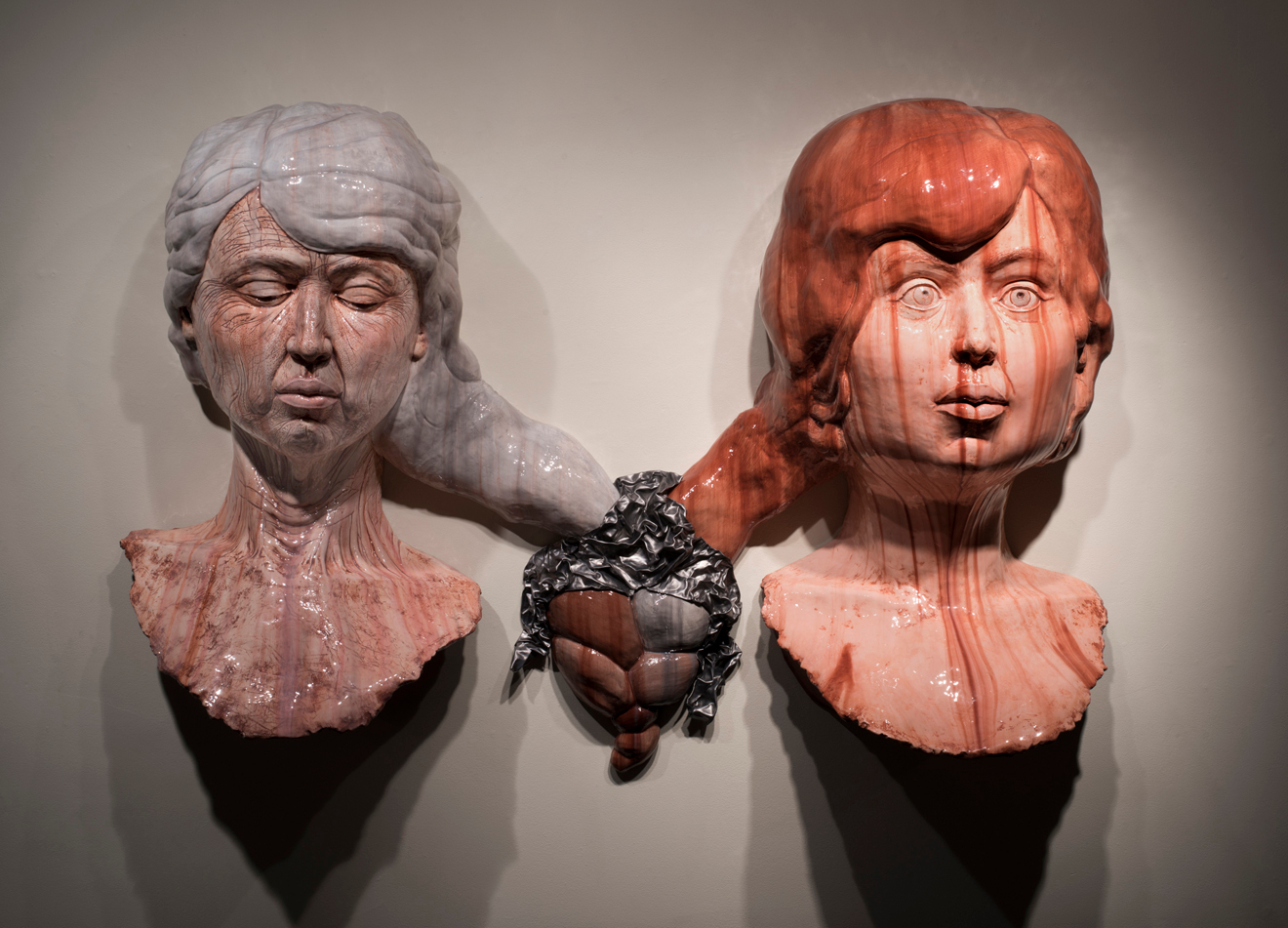
I specialize in creating large-scale ceramic figures, primarily focusing on the female form. My work explores intimacy, memory, sexuality, gender, and identity through personal narratives that speak to broader shared experiences. I’m interested in the quiet moments that often go unnoticed, such as the everyday gestures, relationships, and vulnerabilities that ultimately shape who we are.
I see my art as a collection of narratives, each piece capturing the vulnerability within the raw, messy, and imperfect nature of the intimate idiosyncrasies that define our private moments. In an era marked by growing disconnection, my curiosity centers on the potential for building empathy through shared lived experiences and the common threads that tie our individual stories together. I hope that viewers recognize something of themselves in the work.
What I’m most proud of is creating work that invites honest conversations about subjects that are often kept private. If someone leaves an exhibition feeling seen, understood, or a little less alone, then I feel the work has done what I hoped it would.
Are there any apps, books, podcasts, blogs or other resources you think our readers should check out?
I find a great deal of inspiration by looking at the work of other artists. Sculptors like Cristina Córdova and Alanna DeRocchi, along with painters such as Lisa Yuskavage and Robin Williams, have all influenced the way I think about the figure, narrative, and vulnerability in my own work.
Outside of the studio, the most important thing I do for my practice is spend time in nature with my two dogs, Kenai and Juneau. I’m an avid runner, and I try to get out on a trail nearly every day. It gives me the space to clear my mind, work through ideas, and reconnect with myself. Some of my best solutions to artistic problems happen away from the studio, while I’m out on a trail. Making that time has been just as important to my work as the hours I spend working with clay.
Contact Info:
- Website: https://www.stephaniedishnosculpture.com
- Instagram: stephaniedishno
Popular
-

The Change-Makers: stories that inspire
-

Hidden Gems: Local Businesses & Creatives You Should Know
-

Portraits of Ohio
-

Take Flight: Lamar Thomas on Building an Inclusive Brand Rooted in Youth, Community, and Purpose
-

Cultivating Inner Clarity: Angel Inspires on Thought, Healing, and Purpose
-

Local Highlighter Series