



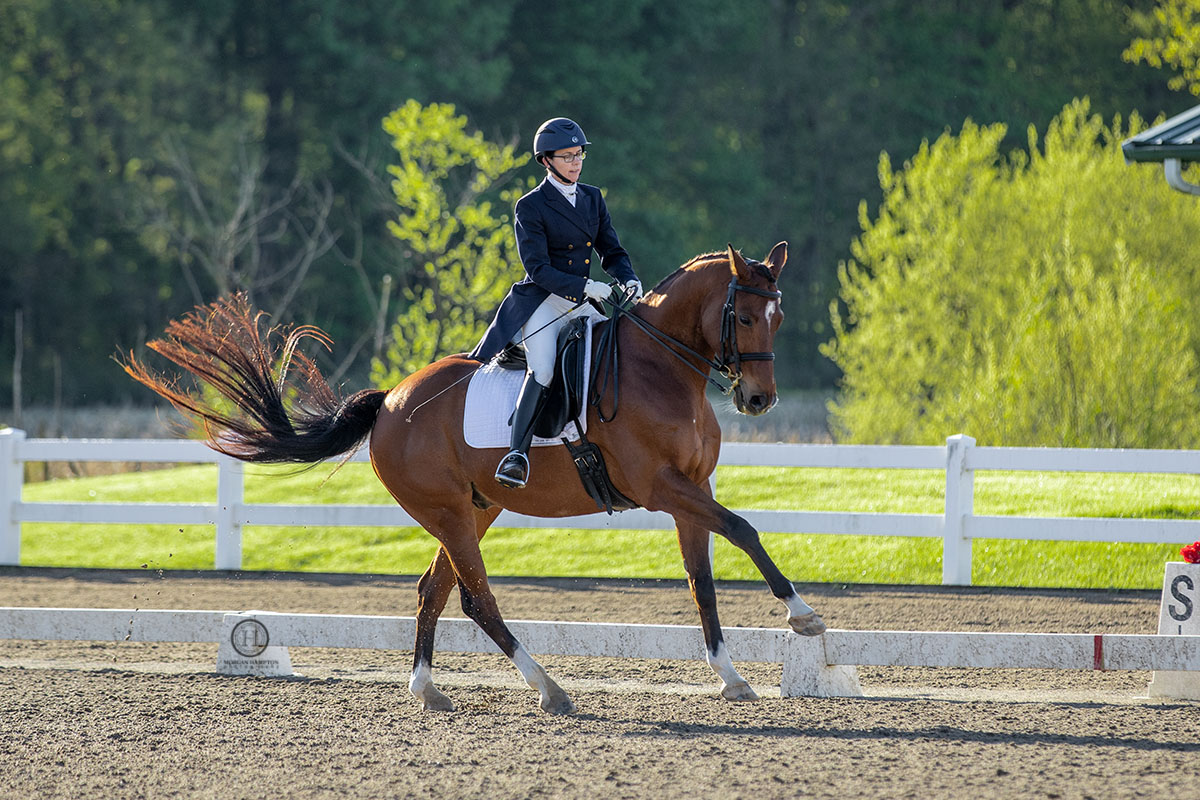
Today we’d like to introduce you to Jennifer Grant.
Hi Jennifer, so excited to have you on the platform. So before we get into questions about your work-life, maybe you can bring our readers up to speed on your story and how you got to where you are today?
I grew up riding horses in the mountains of Colorado, but always had a variety of interests. I worked in the horse business from an early age through my college years. My curiosity about the world led me to a BA in liberal arts, an internship at a dance school, graduate studies and a stint as a Park Ranger in Boston. I have always loved nature, reading, learning and being physically active. The Park Ranger gig entertained these interests well, especially with the mounted unit and interpretive work. But as funding for interpretive programming dried up, the horse world drew me back.
I have since dedicated my career to the study and practice of dressage. This undertaking involves sport, art, and endless learning opportunities. Every horse I train and every student I teach offers different learning styles, talents and challenges, leading me to expand my tool box again and again. Managing my small business adds its own challenges to my schedule, but I have made a decent living.
Horse people are usually one dimensional. There is a funny video of Kevin Bacon covering Tom Petty’s “Free Falling”, which speaks to the undivided love of horses that exemplifies the majority of career horse people, and many horse lovers in general. The all-consuming nature of time spent caring for and working with horses can be overwhelming. Having grown up in this world, I knew I wanted to do things differently. I wanted to create a more balanced, healthy life, where I could pursue other interests, have days off and avoid burnout.
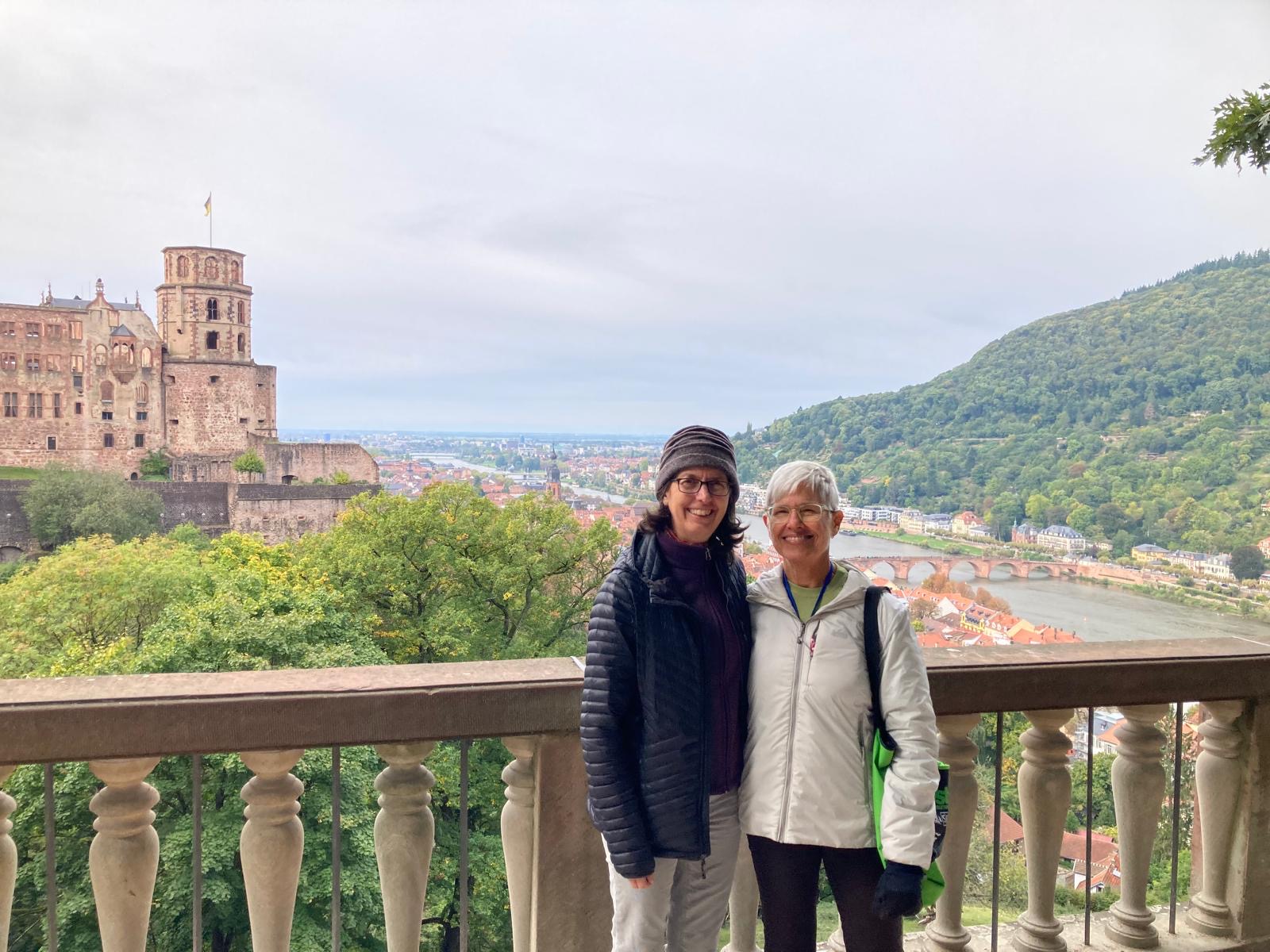
I can’t say burnout doesn’t come up, but I am happy to report that I am able to enjoy vacations with my wife, regular hikes in the woods with her and our border collie mix, a thoroughly engaging book club, working with our city tree board, weekly potlucks with friends, and a reasonable work-life balance. The trick? I work out of a boarding facility that understands the needs of show horses and customer service. They have a dedicated staff who cares about the horses and offers top notch communication. I have also recently enrolled in a graduate program in Sports Psychology at Miami University, where I hope to gain more tools for helping riders navigate the mental game of horse sports.
Would you say it’s been a smooth road, and if not what are some of the biggest challenges you’ve faced along the way?
The biggest challenge for my unique business model has been finding a facility that is the right fit. It has been important to partner with a barn owner who shares my high standards of care, while supporting and maintaining great staff who meet all the day to day needs of the horses. When the horses are happy, I am happy and so are my clients.
The competitive nature of the business can also be a challenge. I don’t compete as much as some of my colleagues. I prefer to take my time quietly developing the horses on the time schedule that suits them. This lack of a spotlight can make it challenging to attract new clients. But I trust my own process and know that the clients who appreciate this training philosophy will find their way to me.
Can you tell our readers more about what you do and what you think sets you apart from others?
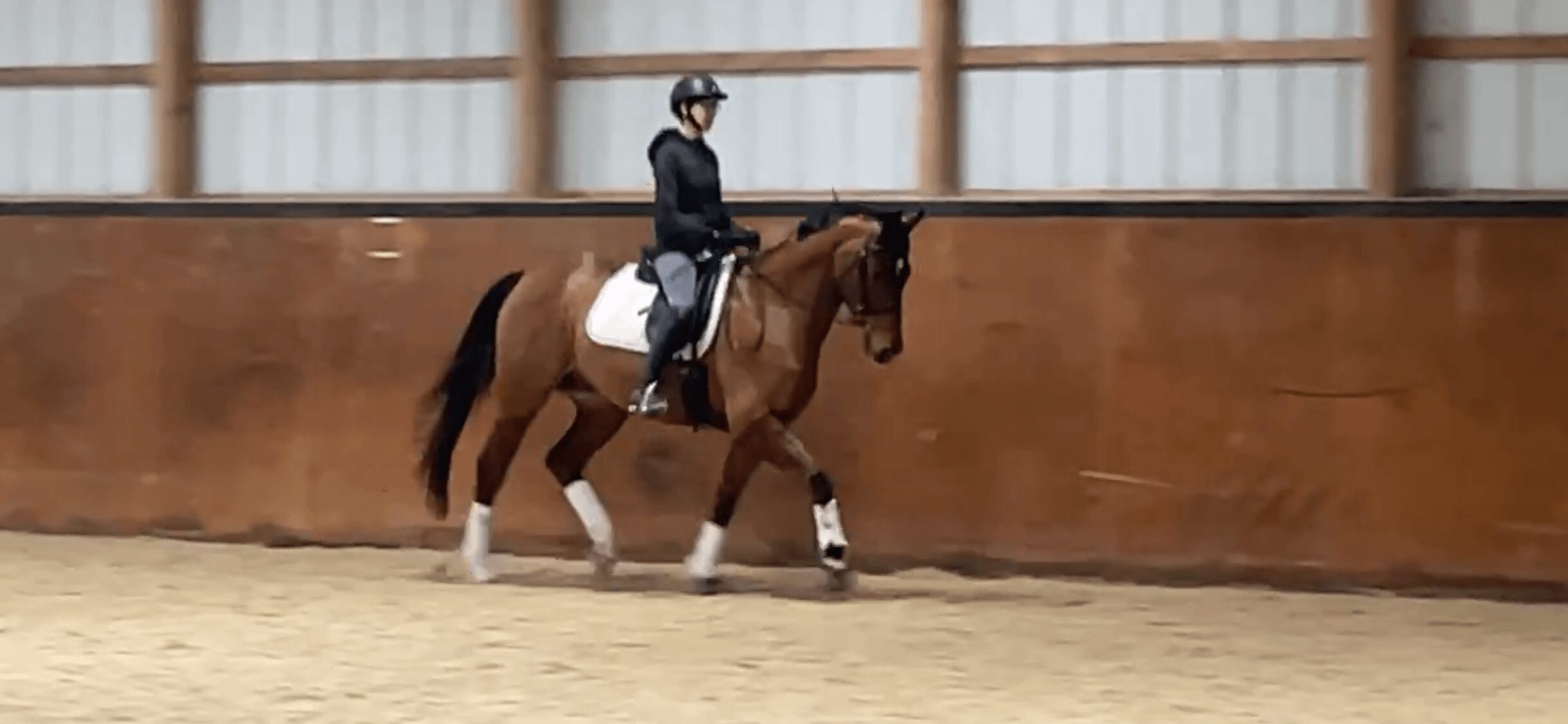
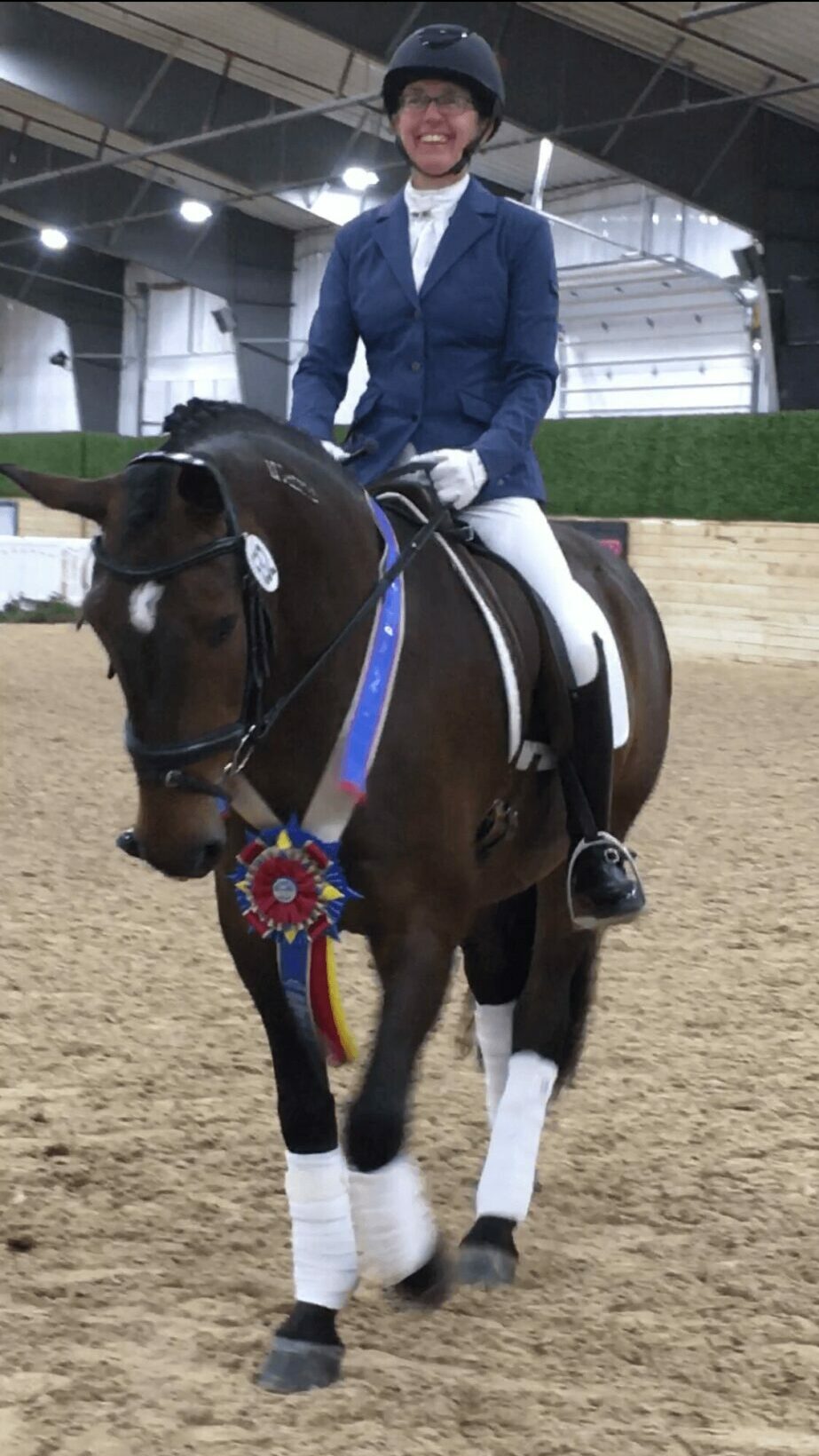
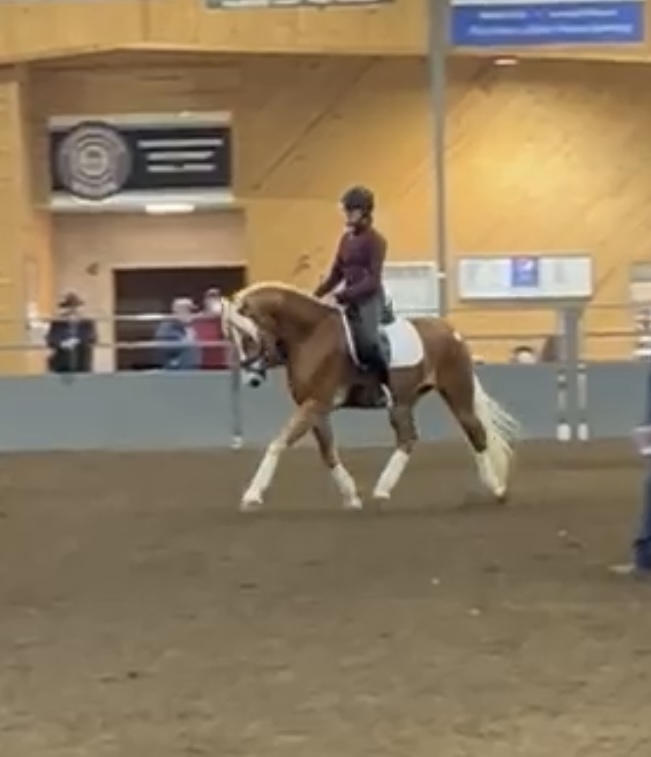
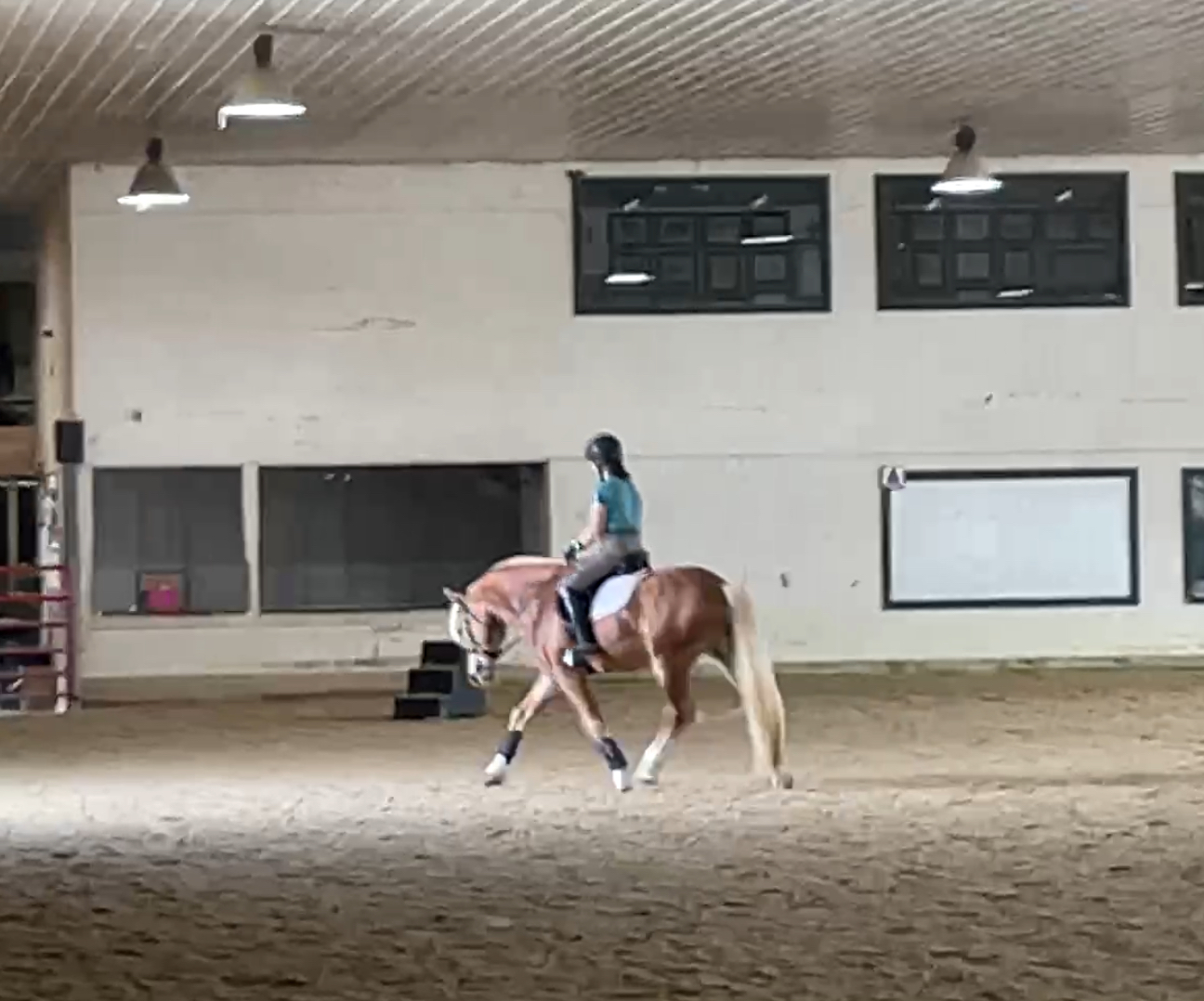
My first jobs in the dressage world, happened to involve working with “non-traditional” breeds of horses. Most horses winning in the dressage arena are European Warmbloods. I earned my USDF Bronze Medal riding Morgans and Haflingers that I trained. I have ridden and competed some nice warmbloods, but I think I am most recognized as someone who is happiest competing the underdog. From Mustangs, to draft crosses, to my AQHA registered Appendix Quarter Horse, I will always be a believer that any horse with a good temperament and good basic gaits can benefit from and do well in dressage. My Quarter Horse has been incredibly fun to work with and is schooling all of the Grand Prix movements. And I have a very talented young Haflinger in training who has already started to give plenty of warmbloods a run for their money at his first shows. I don’t need to go the Olympics. I just need to have horses to ride who enjoy the work and students who enjoy the learning.
How do you think about luck?
I think we all need to bloom where we are planted. I heard once that the happy people are the ones who have realistic dreams. I don’t have the means to buy Olympic level horses. Nor do I want that kind of pressure in my life. The luckiest thing for me was meeting my wife. Finding someone so perfectly compatible to share my life with is the greatest luck of all.
Contact Info:
- Website: https://accordancedressage.com
- Facebook: https://www.facebook.com/jennifer.grant.3572
- Youtube: https://www.youtube.com/@JGdressage
Popular
-

The Change-Makers: stories that inspire
-

Hidden Gems: Local Businesses & Creatives You Should Know
-

Portraits of Ohio
-

Take Flight: Lamar Thomas on Building an Inclusive Brand Rooted in Youth, Community, and Purpose
-

Cultivating Inner Clarity: Angel Inspires on Thought, Healing, and Purpose
-

Local Highlighter Series