




Today we’d like to introduce you to Nicole Armstrong.
Hi Nicole, so excited to have you on the platform. So before we get into questions about your work-life, maybe you can bring our readers up to speed on your story and how you got to where you are today?
I started my career as a graphic designer. After graduating from DAAP at the University of Cincinnati, I worked for an international NGO in Geneva, Switzerland, then went to graduate school at Suffolk University in Boston and built my career there for several years. But my husband and I knew we wanted to be closer to family, and Cincinnati felt like the right place to start our own. So in 2015, we moved back.
I joined a social innovation firm and found work I cared deeply about. When that role came to a close, I received a low-ball offer for a more senior role at a major healthcare organization. The offer was based on my salary history, not on the responsibility or value of the role itself. It was frustrating because I knew the role was worth more — and so did the recruiter.
That experience stayed with me because salary history questions are fundamentally broken. They do not price the value of the work. They price whatever someone was paid before. That means pay gaps can follow people from job to job and compound over a career. It was not just about that one offer. It was about realizing how often ordinary workplace decisions quietly carry those patterns forward. Once I saw that, I could not just move on.
By then, my husband and I had our first daughter. Holding her while sitting with that experience made something click. The problem was not bad intentions. It was that many workplace practices were producing predictable outcomes, outcomes that did not serve everyone fairly. And because those practices were designed by people, they could also be redesigned by people.
I never imagined I would become the founder of an HR tech startup. But my background gave me a problem-solving lens that turned out to be exactly what this work needed: human-centered, structured, and focused on making complexity actionable.
In 2018, the work began as a certification. As a Haile Fellow at People’s Liberty, I launched one of the first U.S.-built employer certifications focused on helping organizations measure and improve fairness across the employee experience. I believed employers needed something clear and actionable, something that looked beyond good intentions and helped them understand how workplace policies and practices were actually affecting different employees.
Over time, that certification became the foundation for something bigger. Working alongside employers showed us that the work was making a difference, and also that it could have even greater impact if it was easier to sustain, repeat, and scale. Employers needed tools, data, and guidance they could use continuously to make better workplace decisions. That is what led us to build Ellequate into the software platform it is today.
Listening and evolving have always been part of Ellequate’s DNA. We have built alongside our clients from the beginning, learning where they were getting stuck and what would actually help them move the work forward. Over time, compensation kept rising to the top as the hardest and most urgent challenge. It was where commitment, limited data, inconsistent decisions, and real employee impact all collided. So we leaned in.
In many ways, that brought the work full circle. Compensation was the reason I started asking these questions in the first place. And now it has become one of the clearest places where Ellequate can help employers make better, fairer, more defensible decisions.
That evolution came from working directly alongside HR leaders and employers who were trying to do better, but often lacked the structure, time, and clarity to turn good intentions into consistent decisions. Organizations like the Cincinnati Symphony Orchestra, ArtsWave, Michelman, and many others helped us understand where the real gaps were. These are not just clients. They are relationships. Some have been with us since 2018, and they have grown with us from the certification into our Employee Experience Platform and now our Compensation Intelligence tool. That kind of loyalty tells you something. It means the work is actually working.
And it is. We have seen real change: employees moving from public assistance to financial self-sufficiency, employers who could not fill roles because their pay was misaligned suddenly attracting strong candidates quickly, and meaningful improvements in how employees feel about where they work. That is what this has always been about: making work more fair, more transparent, and more sustainable for both employees and employers.
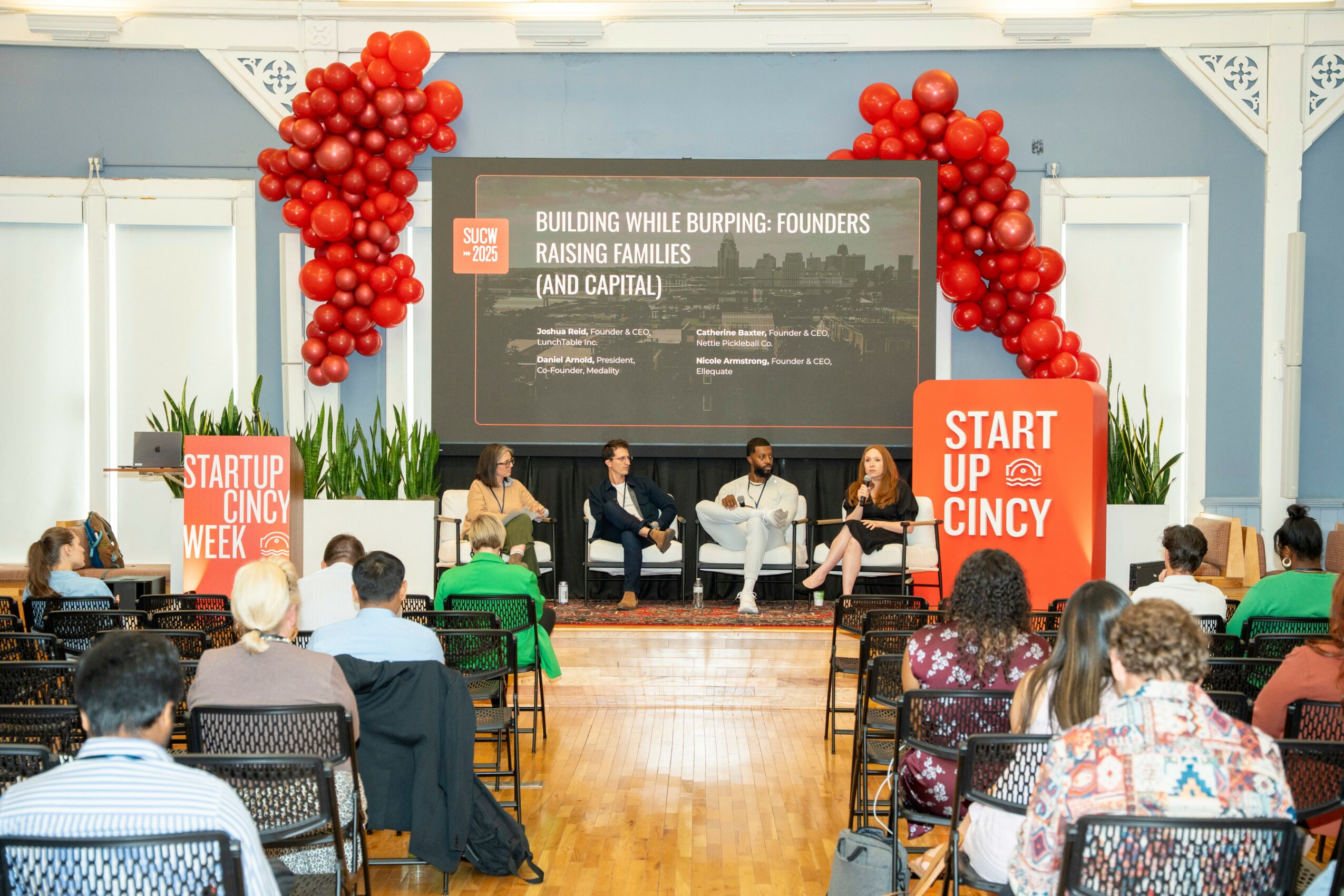
Ellequate has also grown through a lot of life. Our second daughter was born in 2021, in the middle of the COVID pandemic. There were many points when it would have made sense to stop, but I did not. None of that happens without family. My husband has been a constant source of support. My parents have been there from the beginning. And when our second daughter was born, my in-laws made the decision to move closer so they could be part of our everyday village. That kind of support is what makes building a company and raising a family at the same time possible.
My Ellequate team has been in the trenches with me through every up and down too. Building something real takes people who believe in it, especially before the rest of the world fully understands what you are trying to do. I am lucky to have that.
This region’s startup ecosystem has also been an important part of the journey. I have had the privilege of being supported by organizations across Cincinnati and Dayton, from Flywheel and Alloy to Cintrifuse and the Entrepreneur’s Center, and that community has shaped how I build. I have also been incredibly fortunate to have an advisory board, mentors, and coaches who have challenged me, opened doors, asked hard questions, and helped me keep going when the path was not obvious.
Getting to know other female founders and leaders along the way has been one of the unexpected gifts of this path. Those relationships have reminded me that building a company can feel lonely sometimes, but it does not have to be done alone.
Cincinnati is where this idea started, but more importantly, it is where it became real. This work was born out of a personal experience, but it has grown because so many people and organizations here were willing to believe that workplaces could be better. That is still what keeps me going.
Alright, so let’s dig a little deeper into the story – has it been an easy path overall and if not, what were the challenges you’ve had to overcome?
It has not always been a smooth road. But when you’re building a business, I’m not sure it ever is.
Fundraising has been a constant challenge. We’ve been fortunate to have support from Cintrifuse and have had meaningful success with non-dilutive funding, but venture fundraising is hard. It is also layered. We are not just asking investors to believe in a product. We are asking them to believe the market is ready to think about compensation in a new way. A better way, yes, but still a new one. Inertia is real. Change is hard, even when the case for it is clear.
The business itself has had to evolve too. One of the biggest shifts was moving from primarily in-person facilitation and coaching to a SaaS model. The certification still exists, but the way we help employers do the work has become more scalable, data-driven, and sustainable. Rebuilding the business around software, while honoring the credibility and trust we built through certification, was a real risk. We made that bet, and I’m glad we did.
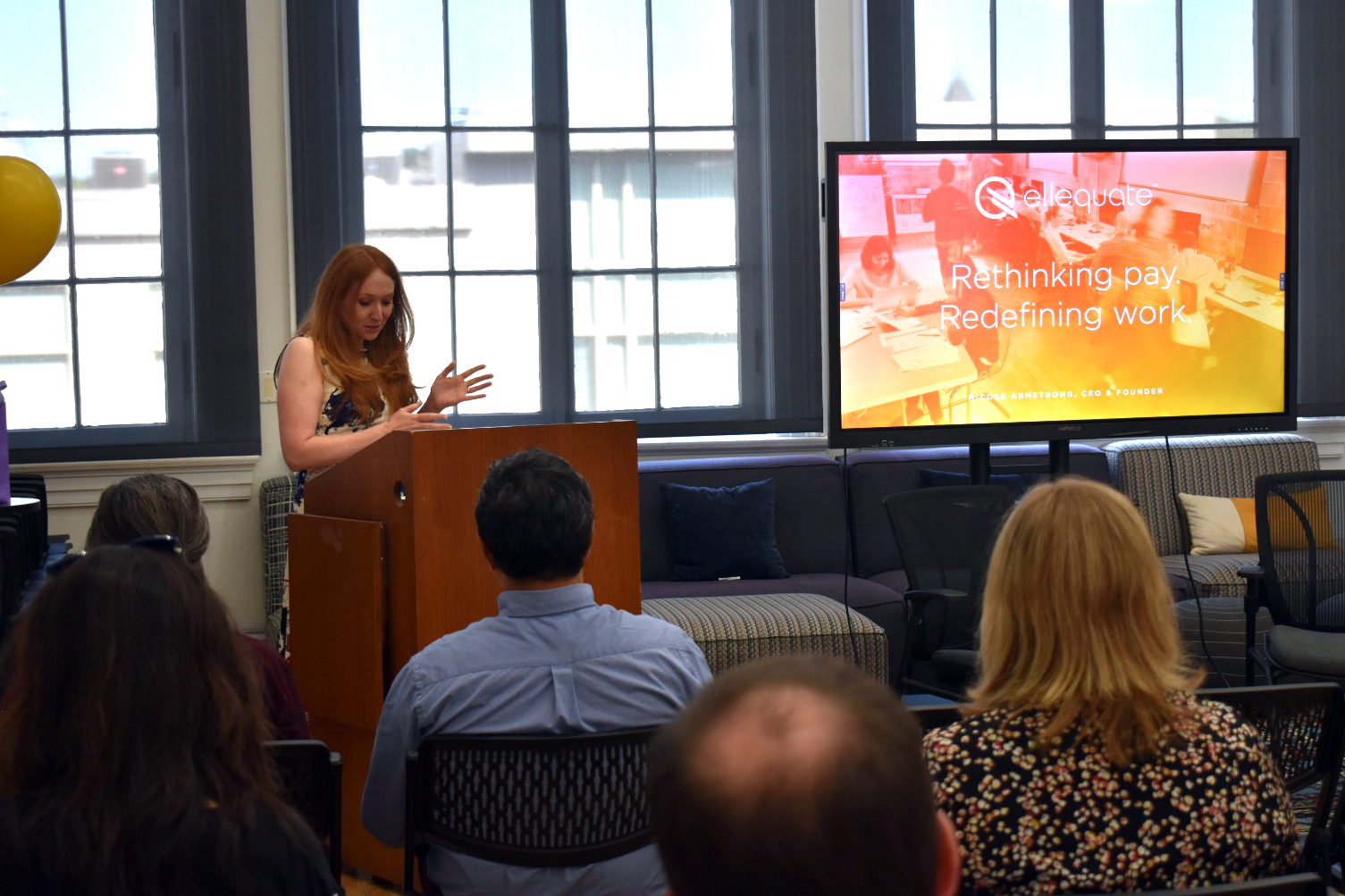
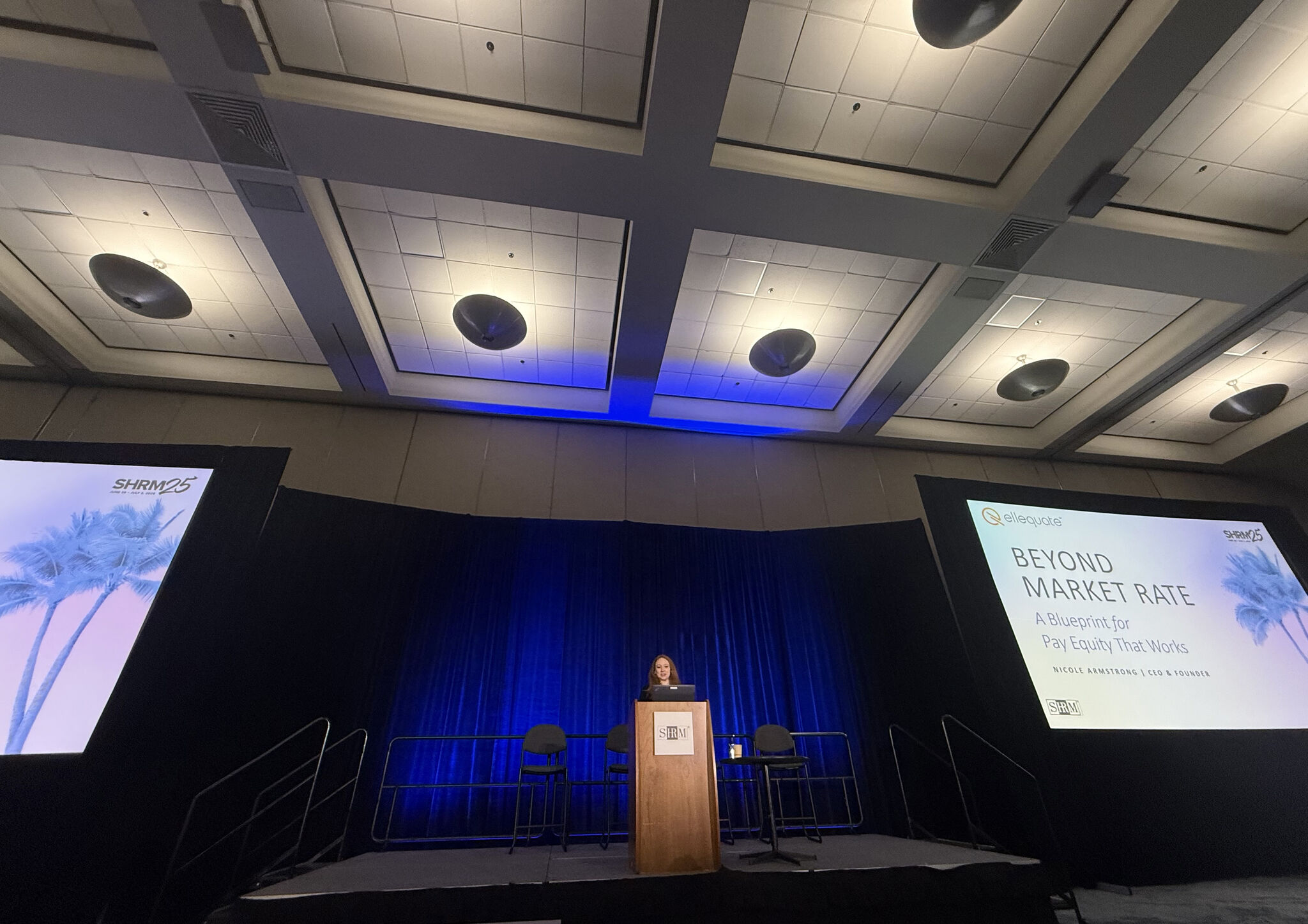
There is also the emotional weight of building something so connected to your own story. This work is deeply personal for me, which makes the meaningful moments feel especially powerful. Landing a client you’ve been hoping to work with. Being asked to speak at a national conference. Hearing that an employee received a raise because their employer finally understood the value of the work they were doing. Those moments stay with you.
But the hard days are real too. There is the reality of doing all of this while raising two young girls. There are days when the weight of building a company and being present for your family feels heavy. There is no true off switch. Even when you step away, your mind does not.
But I also know my daughters are watching me build something I believe in, and that matters too. So on the days when it is hard, I come back to the why.
Great, so let’s talk business. Can you tell our readers more about what you do and what you think sets you apart from others?
Ellequate is an HR technology company built for small and midsized organizations. We help employers align compensation with strategy, and that distinction matters more than it might sound.
Most compensation tools start with market averages and work backward. Ellequate starts with your organization: your roles, your skills, your goals, and your people. We help employers build compensation and employee experience systems that reflect the real value of the work and what it takes to attract, retain, and grow the right talent.
Here is the problem with relying on market benchmarks alone. Benchmarks assume a Program Manager is a Program Manager, everywhere, always. But most organizations — especially lean ones — have roles that do not fit neatly into a survey category. People wear multiple hats. They stretch across functions. They create value in ways a job title does not begin to capture.
Benchmarks also cannot know how critical a role or skill is to achieving your organization’s goals. A data analyst at a company where data is the core product is different from a data analyst in a support function. A coordinator who manages eight senior stakeholders and holds a department together is not the same as a coordinator who primarily schedules meetings. The benchmark cannot see that distinction. It prices the title. Employers need to understand the context.
That matters because people are typically the largest budget line item in any organization. Misaligned pay is expensive. Turnover is expensive. And yet many organizations are making compensation decisions with an incomplete picture. They have known for a long time that job titles alone do not capture value, but they have relied on market data anyway because there was not a better tool. Now there is.
Ellequate’s four-lens framework looks at internal role value, the skills required to do the work well, living wage, and market rate together. That gives employers a more complete and honest picture of what the work is worth inside their organization and what it takes to make pay decisions that are fair, consistent, and sustainable.
The platform is also paired with an Ellequate coach. You are not handed a tool and left to figure it out. You have someone in your corner who knows the platform, understands your organization, and helps you act on what the data is telling you.
We built all of this from years of working directly alongside HR leaders — not in a boardroom, but in the weeds with lean teams trying to do right by their people with limited time and resources. That is who we built this for: teams that do not have a compensation consultant on speed dial, but still need decisions they can explain, defend, and sustain.
Some of our clients have been with us since we launched our original certification in 2018. They have grown with us through every iteration of the work, and that loyalty means everything. It tells us the work is resonating not just as software, but as a genuine partnership.
At its core, Ellequate gives employers a data-driven way to align compensation with strategy and workplace practices with employee experience. It is one thing to say you are a great place to work. It is another to be able to prove it.
We love surprises, fun facts and unexpected stories. Is there something you can share that might surprise us?
Most people who know my work see the data, the frameworks, and the research. What they might not expect is that I am a creative at heart.
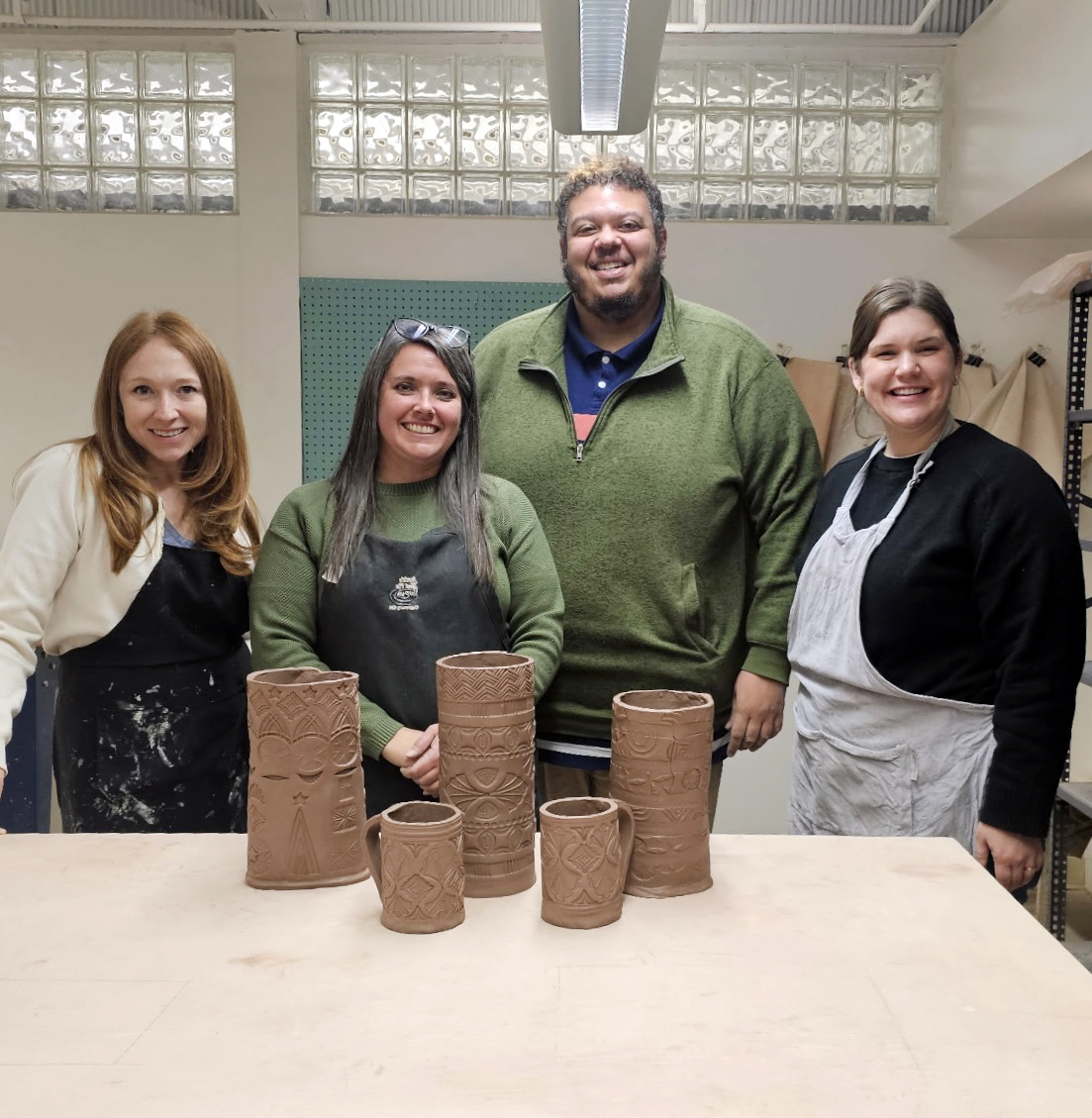
When we moved into our home, I took stained glass classes and made some of the windows myself. I make pottery. I love to bake and garden. And I can decorate a cake like nobody’s business. Give me a creative project, and I am happy.
It probably should not be surprising, though. My career started in design, and I think that creative instinct is still very much at the core of how I build and solve problems. It just looks a little different depending on the day.
Pricing:
- Pricing is tailored to the size and needs of each organization. Reach out at ellequate.com to learn more.
Contact Info:
- Website: https://www.ellequate.com/
- LinkedIn: https://www.linkedin.com/in/armstrongnicole/
Popular
-

Hidden Gems: Local Businesses & Creatives You Should Know
-

The Change-Makers: stories that inspire
-

Take Flight: Lamar Thomas on Building an Inclusive Brand Rooted in Youth, Community, and Purpose
-

Cultivating Inner Clarity: Angel Inspires on Thought, Healing, and Purpose
-

Local Highlighter Series
-

Highlighting Local Gems