



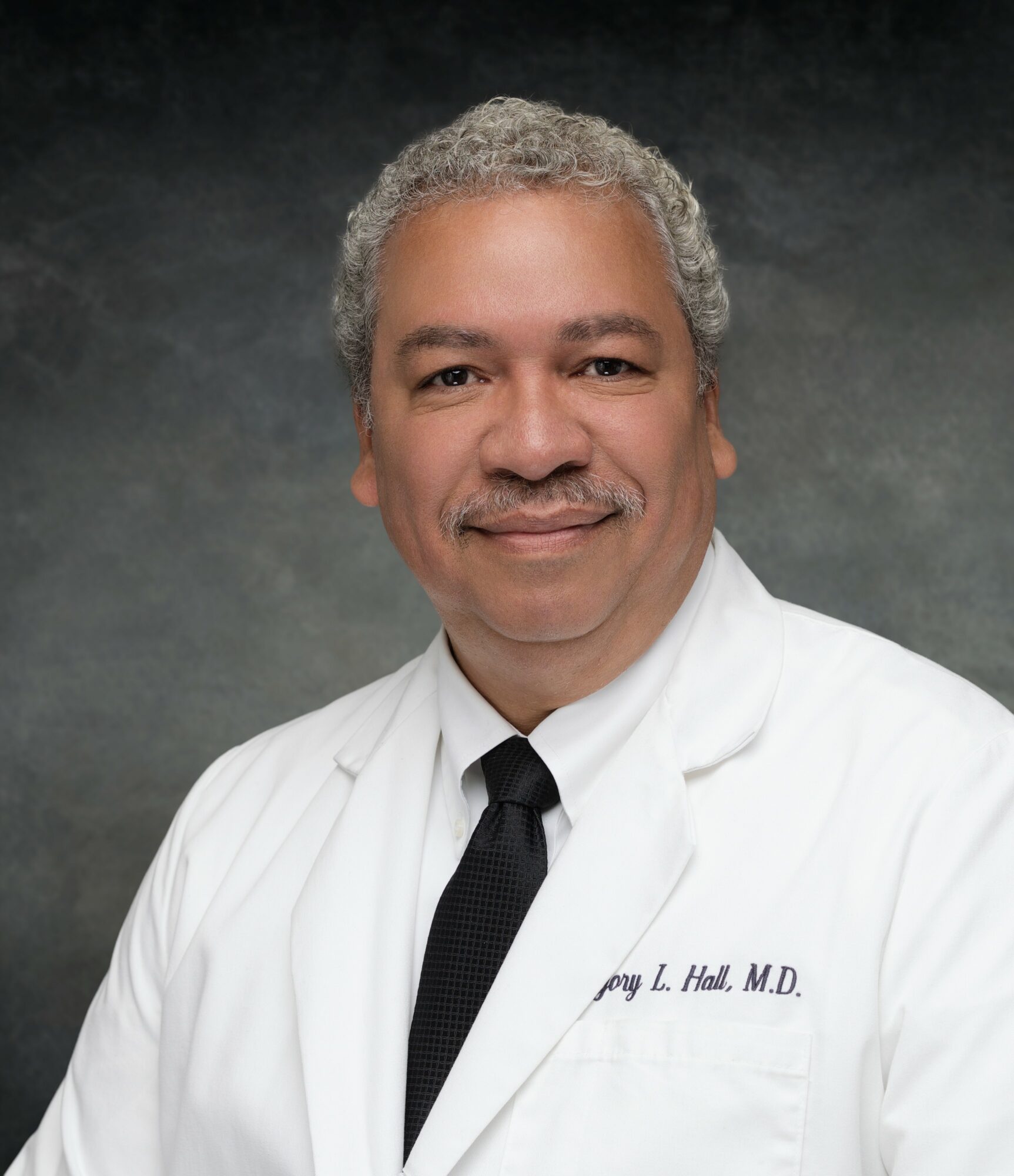
Today we’d like to introduce you to Gregory Hall.
Gregory, we appreciate you taking the time to share your story with us today. Where does your story begin?
My story begins where it still lives today — Cleveland, Ohio. I was born and raised here, and from early on I understood that where you grow up shapes not just who you are, but how long you live. That truth would become the throughline of my entire career.
After attending University School in Hunting Valley, I earned my degree in psychology at Williams College in Massachusetts — because even then, I knew that healing people meant understanding them first. I came back to Ohio for medical school at the Medical College of Ohio in Toledo, received my M.D. in 1991, and completed my residency at the Cleveland Clinic in 1994. World-class training — but what it really taught me was how much of what I was seeing in the clinic was preventable, and how unevenly that burden fell on Black patients.
That recognition changed everything. I joined the faculty at Case Western Reserve University School of Medicine in 1995 and launched my private practice in 2002, but I was increasingly drawn to the bigger question: why do African Americans develop hypertension younger, face higher rates of diabetes, kidney disease, and heart failure — and receive less aggressive treatment for all of it? It became not just a clinical interest but a moral one.
I started building infrastructure around that mission. I took on medical director roles at urban Cleveland nursing homes, became community outreach director at St. Vincent Charity Medical Center, joined the Ohio Commission on Minority Health — ultimately serving as its chair — and have sat on the Ohio Medicaid Advisory Committee for over 20 years. In 2020, I founded the National Institute for African American Health, the first organization of its kind, because I believed this work needed a permanent home. In 2021, I transitioned to University Hospitals, where I serve as medical director of the Cutler Center for Men and a senior staff physician at their Primary Care Institute.
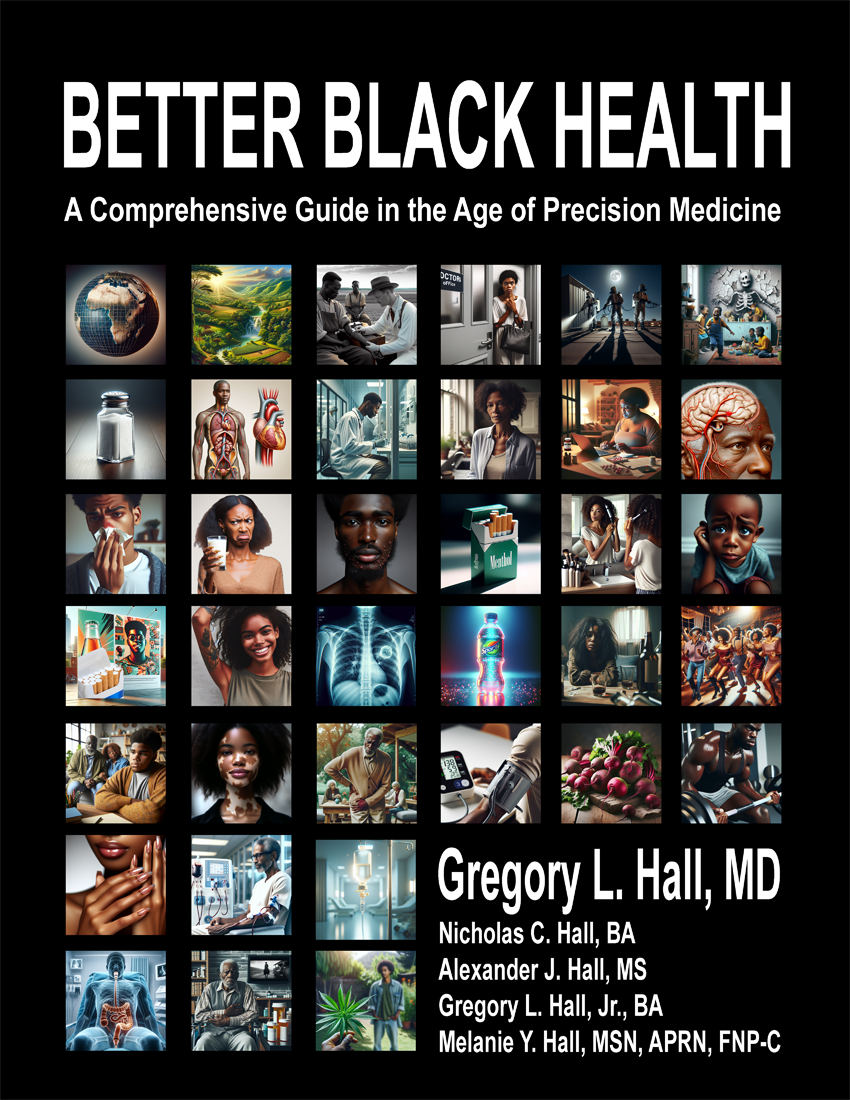
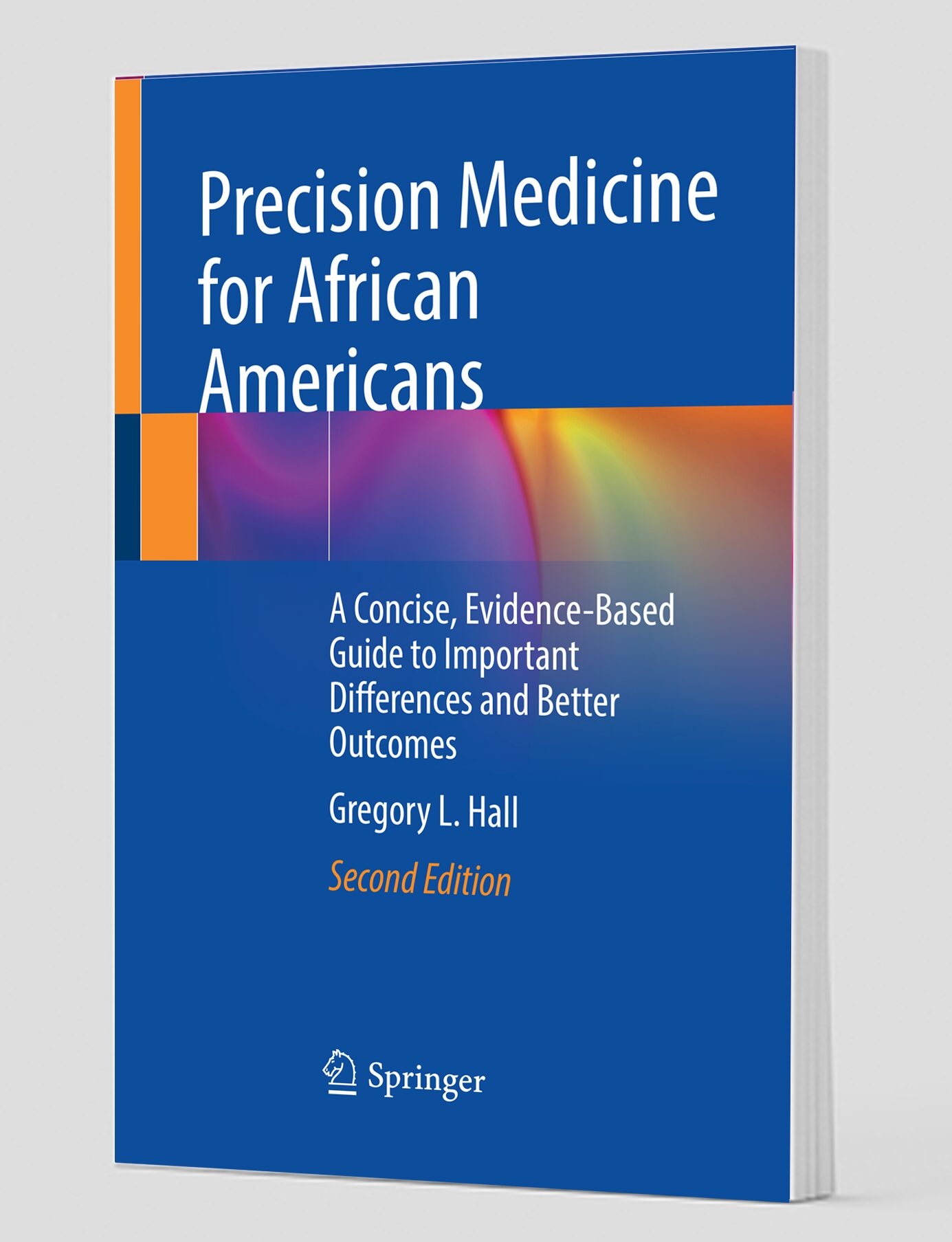
But the most meaningful work has happened beyond the clinic walls. I’ve authored several books on African American health, including Precision Medicine for African Americans and my most recent, Better Black Health: A Comprehensive Guide in the Age of Precision Medicine, which I wrote to put evidence-based guidance directly into the hands of the communities who need it most. The Better Black Health podcast has grown to over 80 episodes — weekly conversations that meet people where they are, in plain language, without the clinical distance that too often keeps Black Americans from engaging with healthcare in the first place.
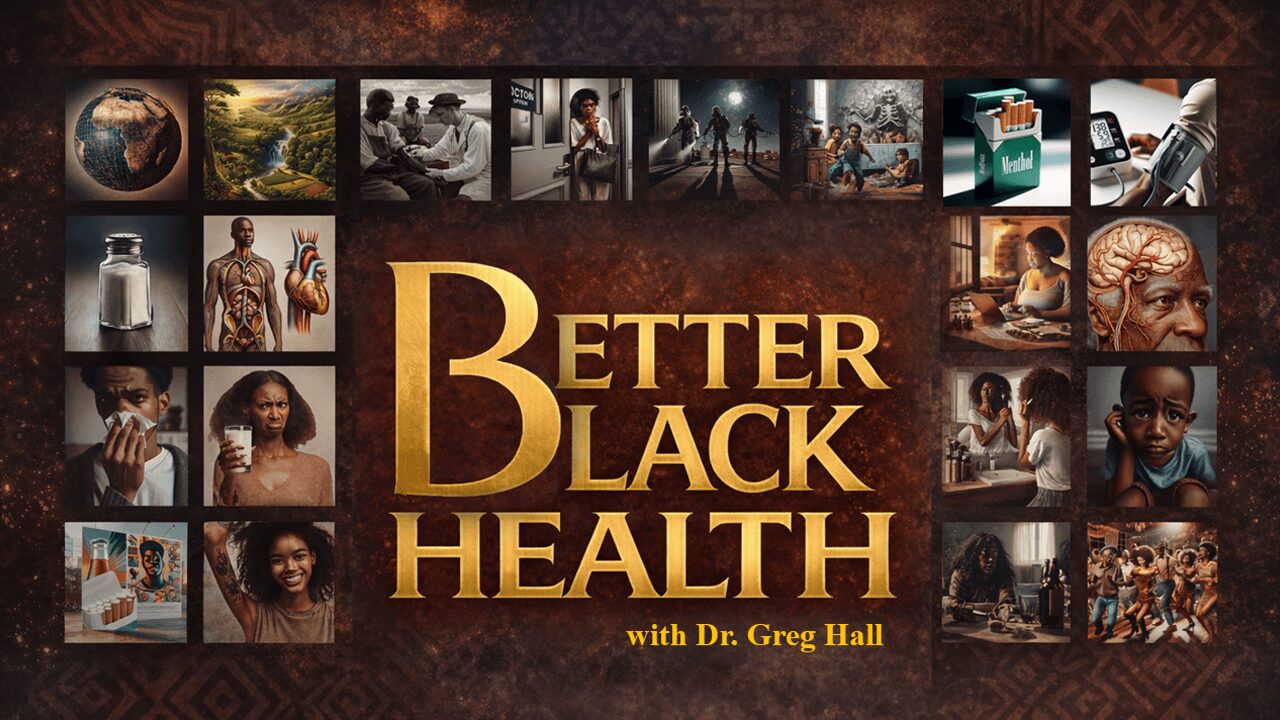
And now, we’re bringing that same spirit to television. Better Black Health TV is an unscripted series I’m hosting and producing — filmed in barbershops, on front porches, and around kitchen tables, tackling the health myths that are literally costing Black lives. There is no nationally recognized physician-hosted health series dedicated to Black America. That gap represents 44 million people. We’re closing it. Season 1 is in production, and we’re actively in conversations with streaming platforms and network partners. You can learn more at drgreghall.com/tv.
Thirty-plus years in, I’m more motivated than I’ve ever been. Cleveland made me, and every book, every podcast episode, every policy table I’ve sat at, and every episode we film is my way of paying that forward — not just to this city, but to Black communities across the country.
I’m sure it wasn’t obstacle-free, but would you say the journey has been fairly smooth so far?
Smooth? No. But I wouldn’t trade the road.
There have been practical struggles that come with any long career — building a private practice from scratch, balancing clinical work with teaching and policy, making the decision to leave private practice after nearly two decades to pursue something more mission-focused. None of those were easy. But the deeper struggles have been structural ones, and those are the ones that stay with you.
I got into medical school in part because of affirmative action. I’ll say that plainly, without apology. Programs designed to correct historical imbalances in medicine helped open a door for me — and for countless other Black physicians who have gone on to serve communities that desperately need them. The dismantling of those programs troubles me deeply, not because of what it means for people like me, but because of what it means for the students coming behind us. Representation in medicine is not a nicety. When Black patients see Black doctors, outcomes improve. The research is clear. Policies that reduce diversity in our physician pipeline have real consequences in real bodies.
And now the broader movement to defund programs aimed at reducing health disparities — to treat equity work as somehow political rather than scientific — that’s the struggle I’m living in right now. The National Institute for African American Health, the Better Black Health platform, the TV series we’re building — all of it exists because the disparities are real and the gap in targeted resources is real. When those resources get framed as “divisive” or unnecessary, it doesn’t make the disparities disappear. It just makes them harder to fight.
I’ve learned to treat resistance as information. When the road gets harder, it usually means you’re headed somewhere important. I’m still headed there.
Great, so let’s talk business. Can you tell our readers more about what you do and what you think sets you apart from others?
At the center of everything I do is one belief: that Black Americans deserve the same quality of health information, health care, and health outcomes as anyone else in this country — and that closing that gap requires meeting people where they actually are, not where we wish they were.
Better Black Health is the brand I’ve built to do exactly that. It started as a podcast — now over 80 episodes deep, publishing weekly on Spotify and Apple Podcasts — because I wanted a platform where I could talk about the health issues hitting Black communities hardest, in plain language, without the clinical distance that too often makes people tune out. That led to the book, Better Black Health: A Comprehensive Guide in the Age of Precision Medicine, which brings the same approach to the page: evidence-based, culturally grounded, and written for real people, not medical professionals. And now it’s becoming a television series. Better Black Health TV is an unscripted, 22-minute show filmed in barbershops, on front porches, and around kitchen tables — the places where health myths actually circulate and take root. Each episode takes one dangerous myth and breaks it down through real community conversations, medical clarity, and a little humor. Season 1 is in production, and we’re in active conversations with streaming platforms and networks. There are 44 million African Americans in this country and not a single nationally recognized physician-hosted health series dedicated to them. We’re changing that.
Alongside Better Black Health, I founded the National Institute for African American Health (NIAAH) in 2020 — a nonprofit that operates on three tracks: providing credible health information to Black communities, mentoring the next generation of Black physicians, and training clinicians of all backgrounds in best practices for African American care. The physician pipeline piece is deeply personal to me. Representation in medicine saves lives — literally — and building that pipeline is long-term work that doesn’t get enough attention.
What sets me apart? Honestly, it’s the combination. I’m not a media personality who talks about health. I’m a practicing internal medicine physician with 30-plus years of clinical experience, a faculty member at Case Western Reserve and Northeast Ohio Medical University, a CME educator through the Pri-Med Institute, the president of the Cuyahoga County Board of Health, and a 20-year member of the Ohio Medicaid Advisory Committee. I also developed GNetX Sequence®, a multivitamin formulated specifically around African American nutritional needs — because even at the supplement level, generic solutions weren’t cutting it. No one else in this space holds that combination of clinical authority, academic credibility, government standing, and consumer-facing media reach simultaneously. That’s not self-promotion — it’s the reason I can walk into a barbershop and have a real conversation, and walk into a pharmaceutical boardroom the next morning and be taken seriously.
What am I most proud of? The trust. The podcast listeners who message me to say they finally got their blood pressure checked. The med students NIAAH has supported who are now practicing physicians. The Better Black Health book sitting on someone’s kitchen table with a Post-it note on the hypertension chapter. The metrics matter — 28,000-plus academic accesses on Springer, 22 five-star reviews, 80-plus episodes — but what I’m really building is a relationship between a community and its own health. That’s the brand. That’s what I want readers to know.
If any of this resonates with you — as a patient, a partner, a sponsor, or just someone who cares — find me at drgreghall.com, listen to the podcast, get the book, and stay tuned for the show. This work is just getting started.
Is there anyone you’d like to thank or give credit to?
No one gets here alone. And in my case, the person who deserves more credit than almost anyone else is a man I was fortunate enough to know personally: Dr. Edgar B. Jackson, Jr.
Dr. Jackson was one of the first African American men to graduate from Case Western Reserve University School of Medicine — serving as class president every year and graduating with honors in an era when the barriers to simply being in that room were immense. He went on to become the first African American chief of staff at a major academic medical center in this country, spent decades at University Hospitals fighting for access and equity, and never once let the size of the obstacles become an excuse to slow down. His answer on his own medical school application — that he wanted to “eliminate the difference in healthcare between the poor and the rich” — could have been written by me. That was the man.
What I didn’t fully appreciate until later in my career was that Dr. Jackson himself was shaped by a mentor who championed him before the word “affirmative action” even existed. He received that gift, and he paid it forward — to me, and to many others. He modeled what it looks like to open doors not just for yourself but because you remember what it felt like to have one opened for you.
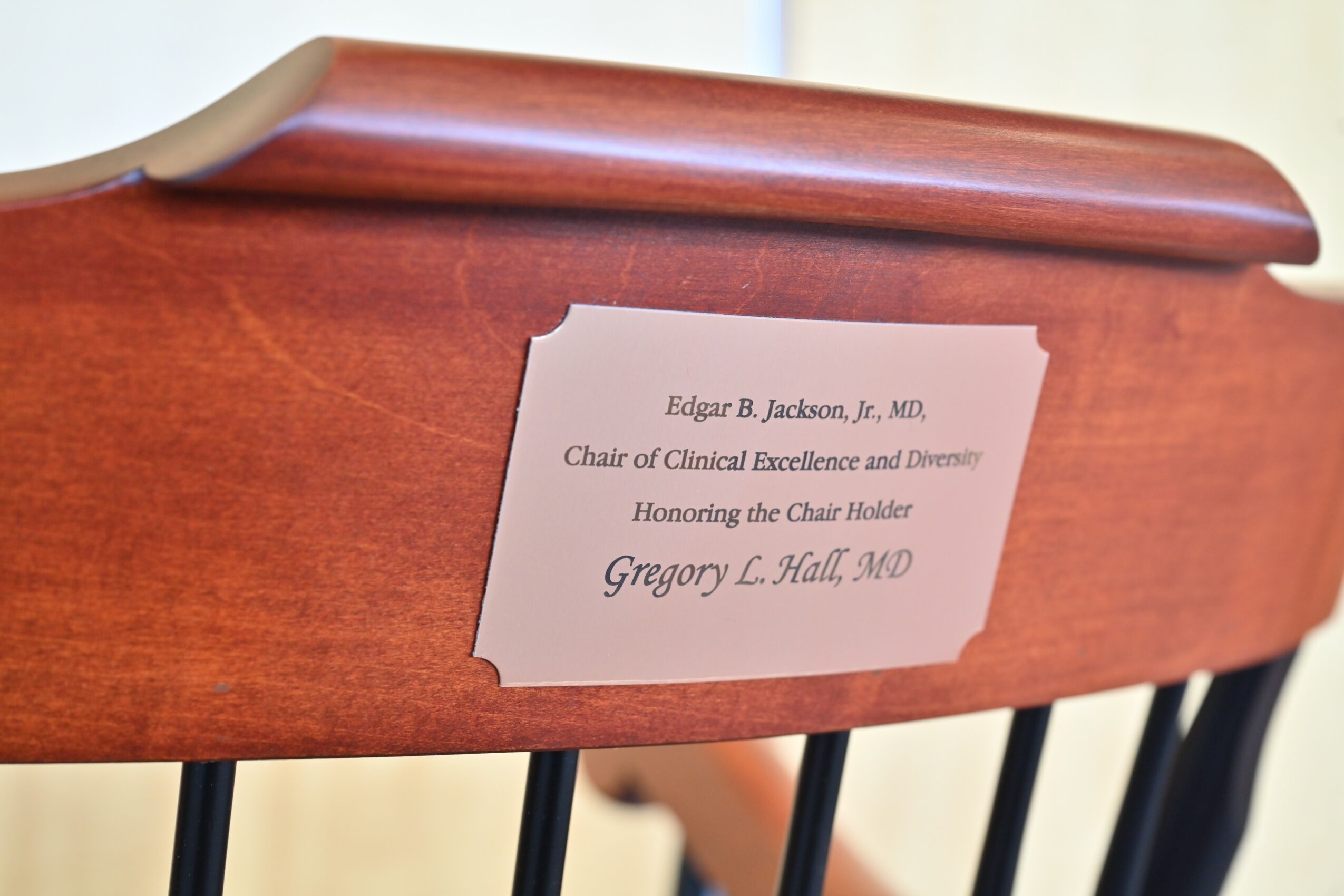
Receiving the Edgar B. Jackson, Jr., MD Endowed Chair for Diversity and Clinical Excellence at University Hospitals in 2022 is the professional honor I hold closest. Not because of the title, but because of whose name is on it. It felt less like a recognition and more like a responsibility — a passing of the baton from someone who carried it so far and so well. Dr. Jackson passed away in November 2023 at the age of 88. I think about him often, especially when the work gets hard.
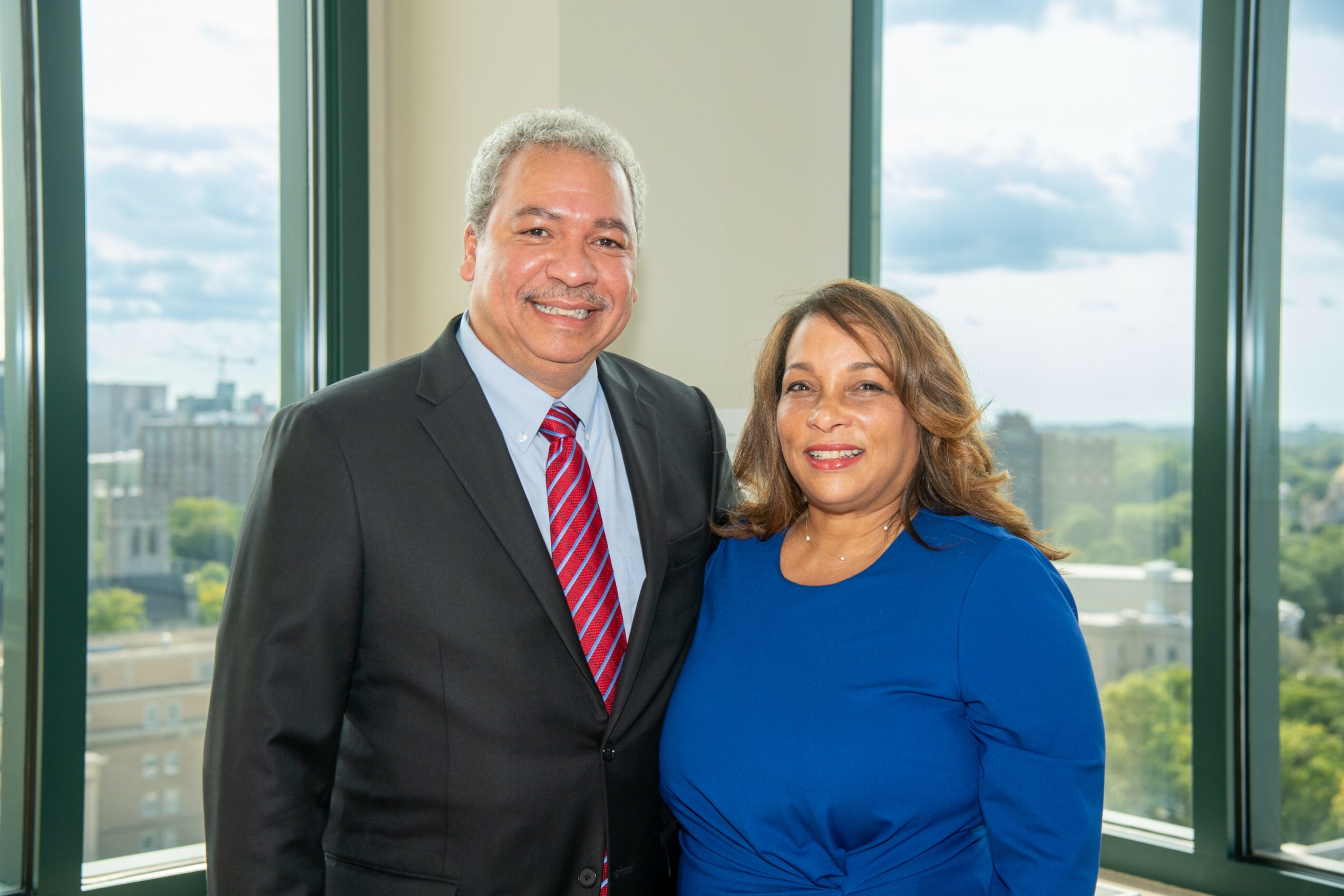
I’d be remiss not to mention my wife, Melanie, who has been my steadiest supporter through every pivot, every late night, every ambitious idea that sounded a little crazy before it worked. Behind every long career is someone who believes in you even when the path isn’t clear.
And to my patients — particularly those in underserved Cleveland communities who trusted me over the decades — you are not just the reason I do this work. You taught me what the work actually requires.
Contact Info:
- Website: https://drgreghall.com/
- Instagram: https://www.instagram.com/drgreghall01/
- Facebook: https://www.facebook.com/gregory.l.hall.5/
- LinkedIn: https://www.linkedin.com/in/drgreghall/
- Twitter: https://x.com/DrGregHall
- Youtube: https://www.youtube.com/@drgregoryhall
- Other: https://www.niaah.org/
Popular
-

The Change-Makers: stories that inspire
-

Hidden Gems: Local Businesses & Creatives You Should Know
-

Take Flight: Lamar Thomas on Building an Inclusive Brand Rooted in Youth, Community, and Purpose
-

Cultivating Inner Clarity: Angel Inspires on Thought, Healing, and Purpose
-

Local Highlighter Series
-

Highlighting Local Gems