



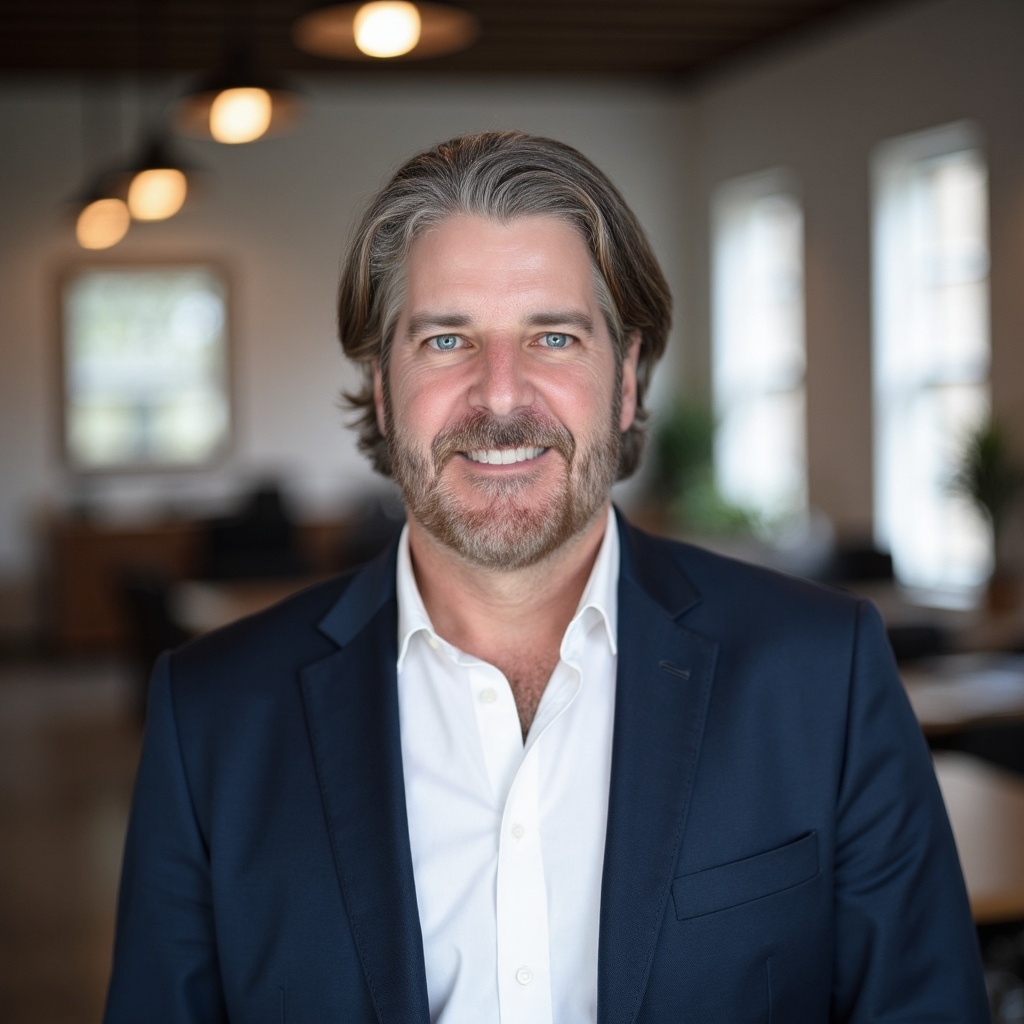
Today we’d like to introduce you to Steve Sosebee.
Hi Steve, we’d love for you to start by introducing yourself.
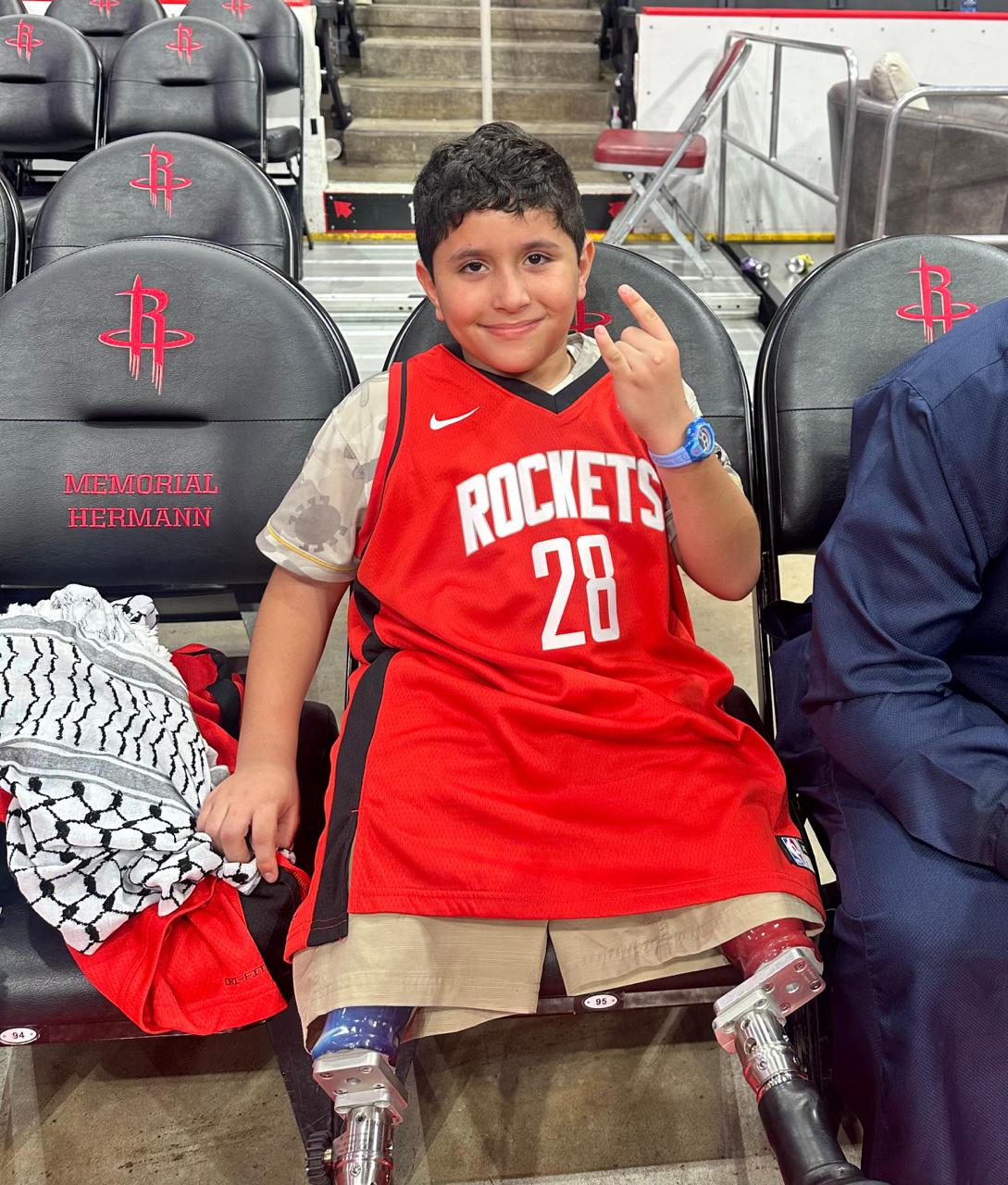
It started at Kent State University, more than three decades ago, when I was a college activist working for human rights in Palestine. I was invited on a fact-finding tour of the occupied territories on winter break of 1988, and was very moved by what I saw there. When I completed my degree in International Relations, I went back to Palestine to work as a journalist to share the stories of people I met whose lives were upended by our government’s policies. It was when I met an injured boy from the West Bank who lost his legs and a hand from a bombing that I arranged free care for him in Akron, Ohio, at Yanke Bionics and Crystal Clinic, that I began a new chapter in my life. .
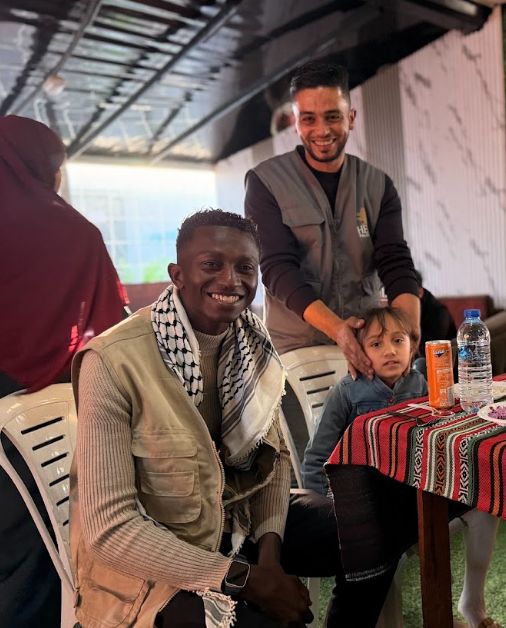
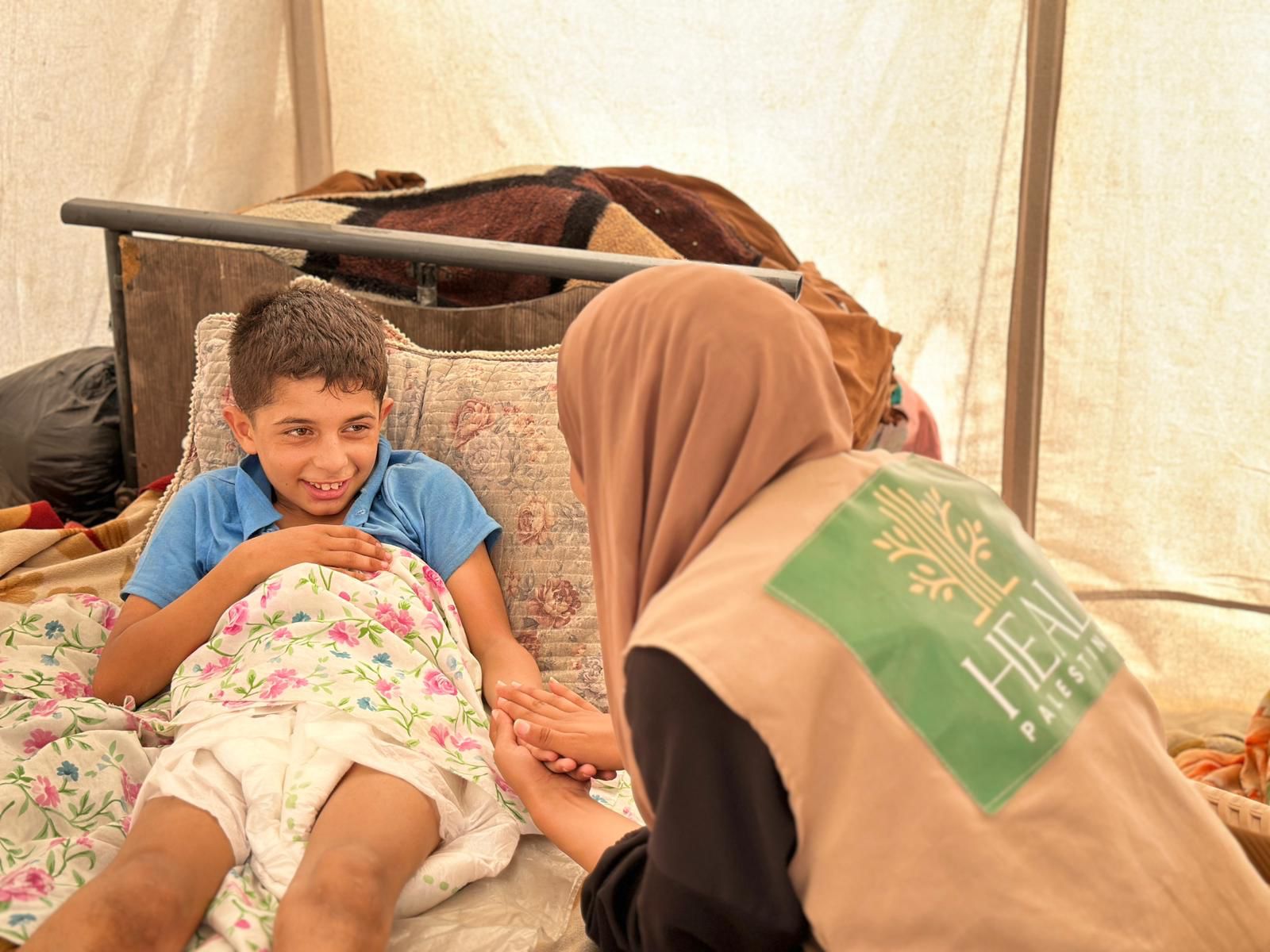
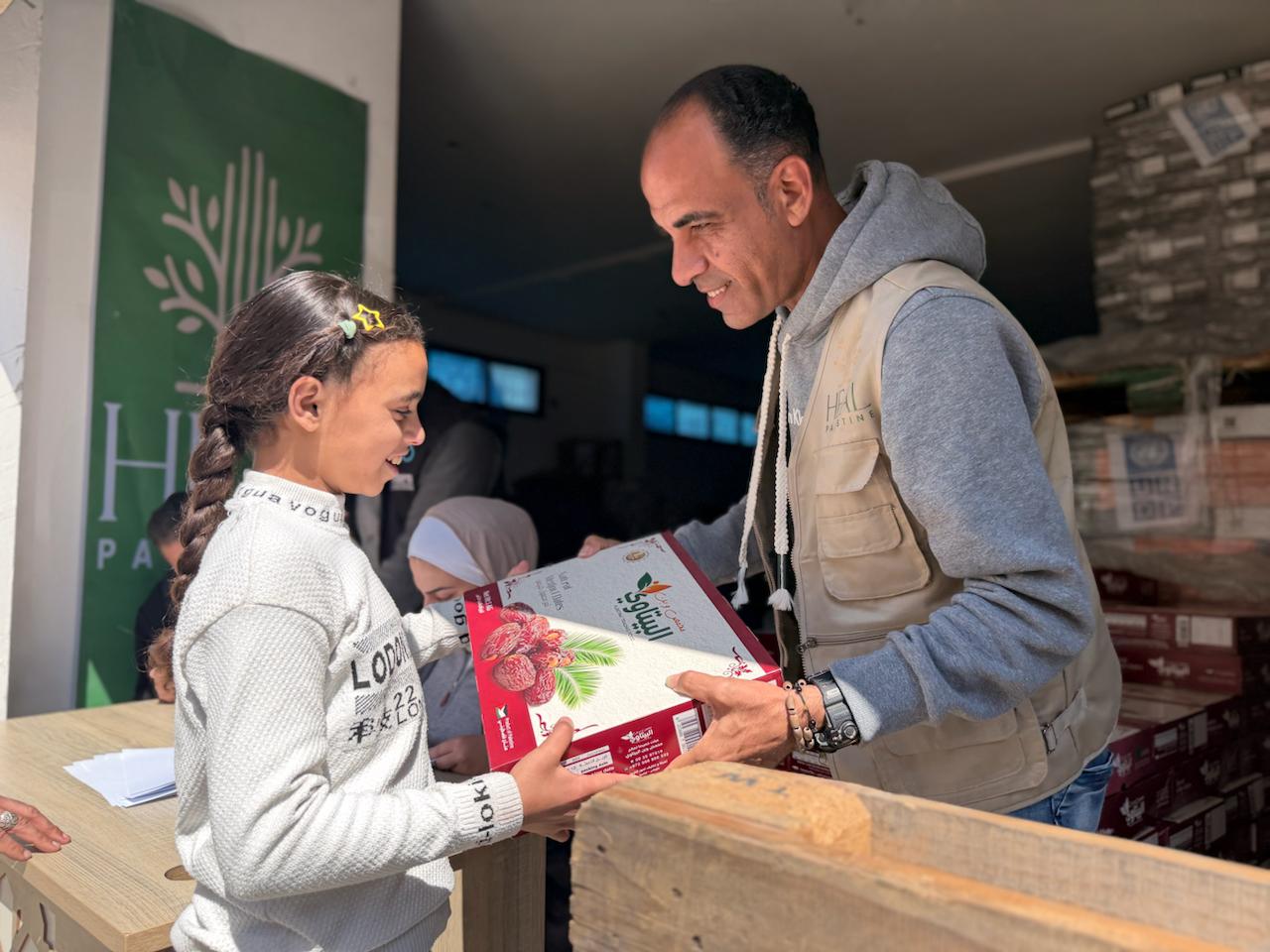
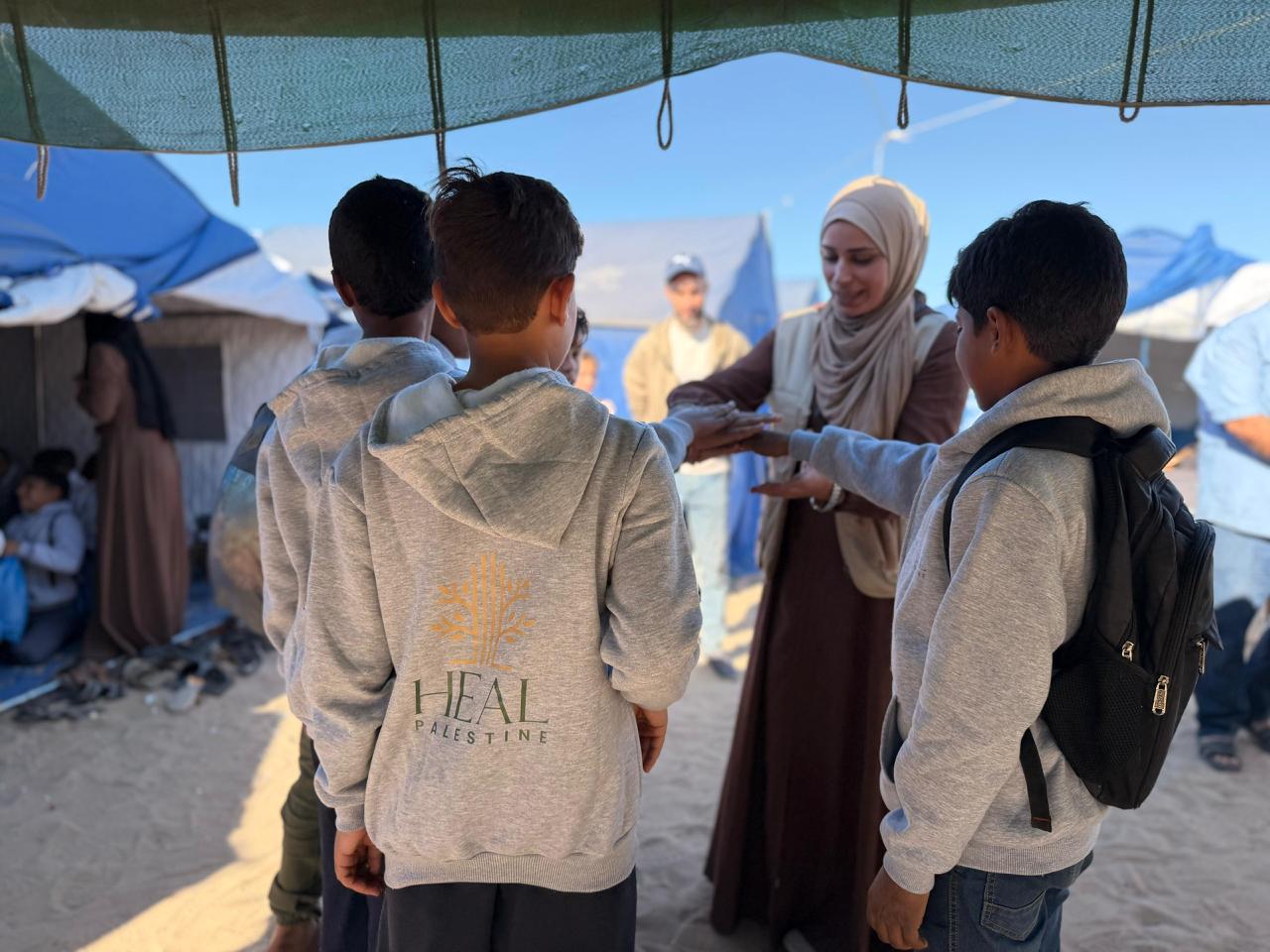
After sending several injured kids from Palestine to the USA for free care, In 1991, I founded the Palestine Children’s Relief Fund (PCRF), which I led for over 30 years. I also met my first wife, Huda Al Masri, at that time,a social worker in Palestine, and together we built PCRF into one of the most impactful nonprofits at that time working in Palestine. In 2009, my wife Huda passed away from cancer, leaving me with two young daughters to raise. By then, we had built one of the most impactful humanitarian nonprofits in the Middle East, raising over $100 million to build pediatric hospitals, cancer centers, and emergency healthcare units, and providing critical care for tens of thousands of injured and sick children through treatment abroad and medical missions. I left PCRF due to a board-led change in mission and culture within the organization and founded on January 1, 2024 HEAL Palestine, where I now serve as Executive Director. HEAL stands for Health, Education, Aid, and Leadership, all pillars of our mission and focus.
In two short years, we have built HEAL into one of the most effective and impactful nonprofits working in the Middle East. Looking back, it’s been the same thread running through everything: the conviction that no child should be abandoned to circumstance, and that the rest of us have an obligation to show up for the ones who are. My mission is to serve marginalized children who are living in a politically oppressed region which we, as Americans, are responsible for.
Alright, so let’s dig a little deeper into the story – has it been an easy path overall and if not, what were the challenges you’ve had to overcome?
No, it hasn’t been a smooth road, as there have been significant challenges, both personal and professional.
Losing my first wife to cancer in 2009 and raising two small children as a single father while building a growing nonprofit was one of the hardest stretches of my life. Thankfully, with the support of thousands of people around the world, I was able to stay focused and try to be a good father and a good leader at the same time. I don’t think you do either of those things alone.
There have also been real political challenges in working in the Middle East. We’ve navigated them by staying focused on the children we serve and by working in a way that is non-political and non-religious. The kids come first, and everything else follows from that.
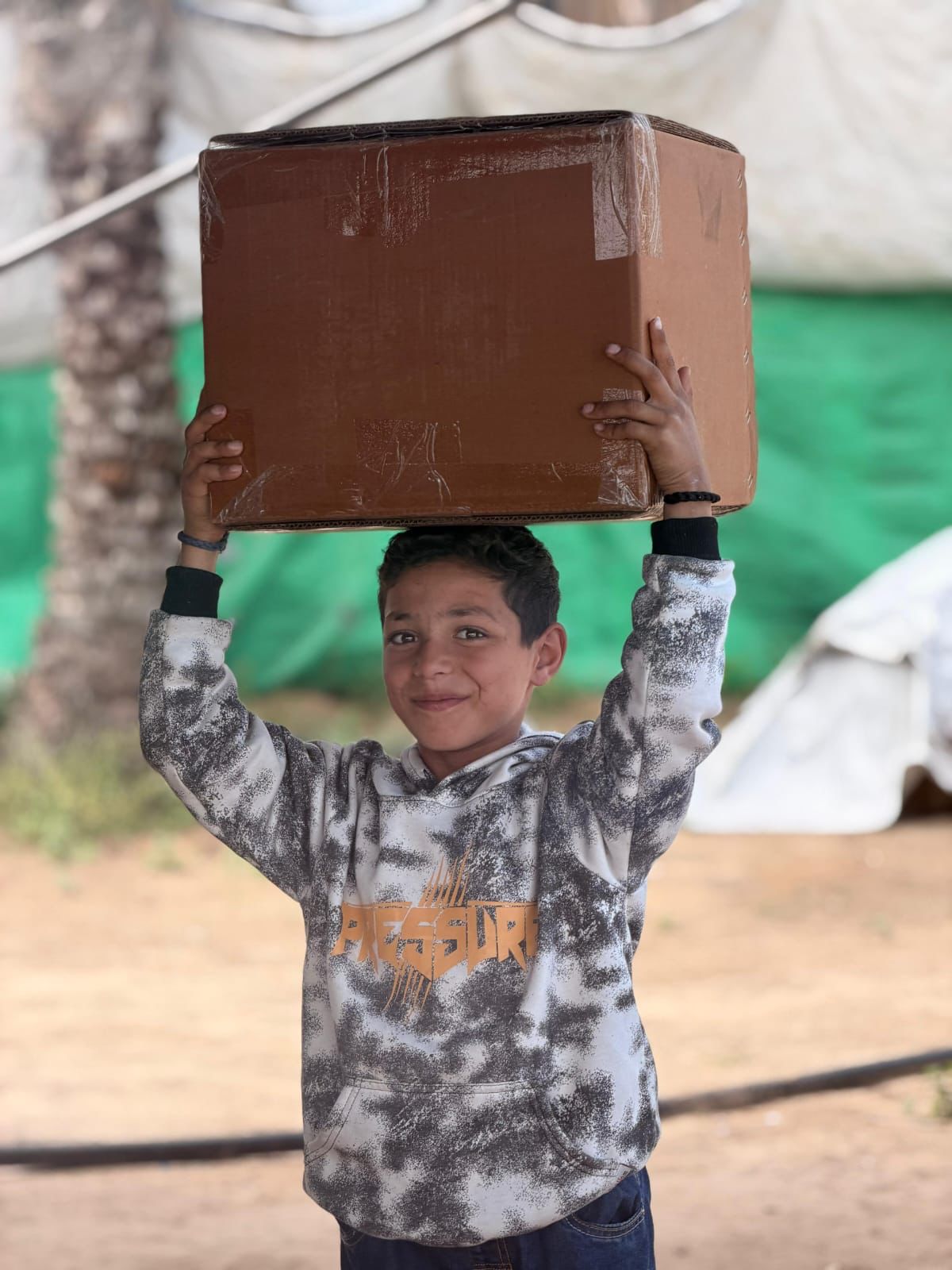
That said, the challenges never really end — they evolve. The most significant one now is the scale of the crisis in Gaza. There are hundreds of thousands of children there who need food, medical care, mental health support, education, and the most basic necessities of life, and those things are being denied to them. The needs far exceed what any single nonprofit can address. It’s a humbling reality, and it’s also what keeps us pushing every day to do more.
Thanks for sharing that. So, maybe next you can tell us a bit more about your work?
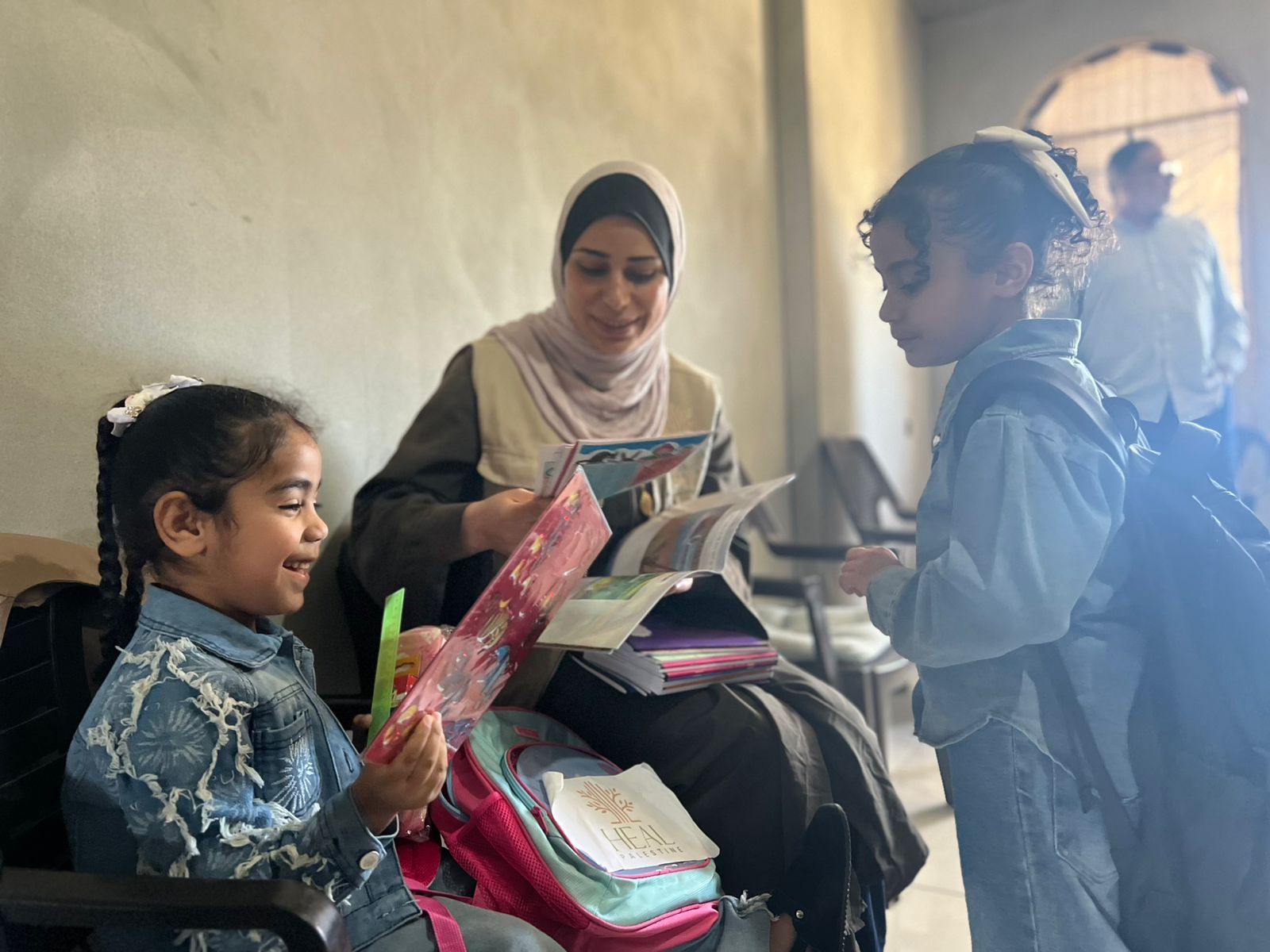
I’m a humanitarian leader focused on providing life-saving medical care and long-term support to children in Palestine. My work centers on building and scaling healthcare initiatives, mobilizing international medical teams, developing local capacity, and creating sustainable systems so that children can actually access the treatment they need, not just in a crisis but over the long term. My focus is also on education for a new generation of youth who have had their entire education system destroyed. I also want to help build a new generation of young leaders in Palestine who are focused on solving issues in their communities and to help support and mentor them into these leadership roles.
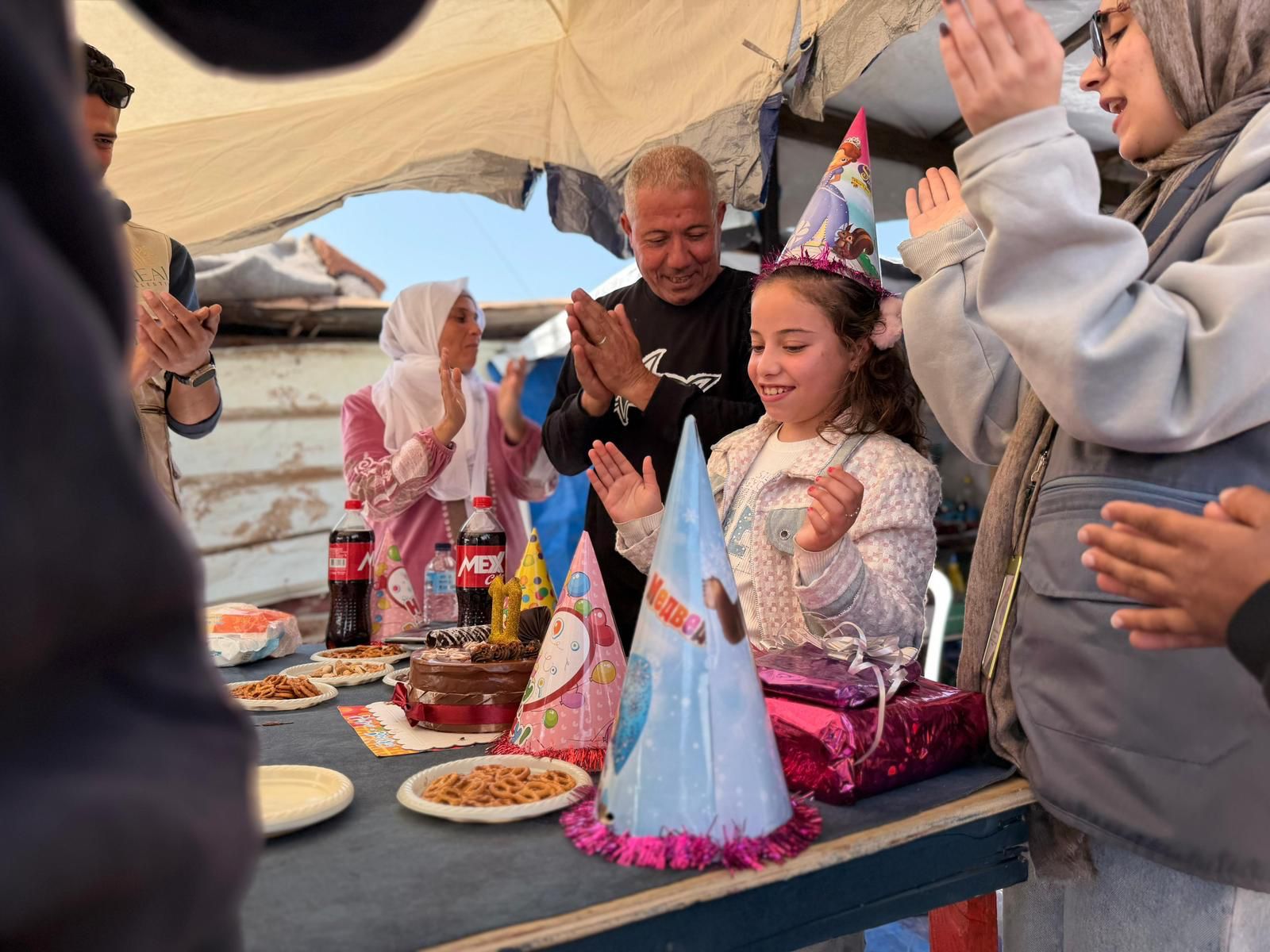
Over the past three decades, I’ve specialized in bridging the gap between global resources and on-the-ground needs. That work has helped raise over $100 million to support pediatric hospitals, cancer care, schools, kitchens, orphan programs, amputee support, mental health services and emergency medical programs across the region. I think what I’m probably best known for is turning compassion into action — building organizations that respond to urgent crises but also invest in the systems that will still be standing five, ten, twenty years from now.
What I’m most proud of is the impact on the children themselves. Tens of thousands of kids have received critical care that they otherwise would not have had, and a lot of that care happened inside infrastructure we helped build — hospitals, cancer centers, treatment programs — that continues to serve their communities long after any single intervention has ended. That’s the part that lasts. I’m also most proud of building Palestine’s first pediatric cancer department in the name of my late wife Huda Al Masri in Bethlehem.
What sets me apart, if anything does, is probably a combination of persistence, hands-on leadership, and a deep commitment to the people we serve. I’ve stayed in this work for 34 years, through political shifts and personal losses and moments when it would have been easier to walk away. This work isn’t just about aid — it’s about dignity, access, and building systems that outlast any one of us.
What do you like and dislike about the city?
Likes: Answer: Kent, Ohio is my hometown. I grew up here and have seen it change tremendously over the years, mostly in a positive way. It’s small enough that you feel safe and living in a real community of people who care about each other and where they live, but also with some diversity thanks to the university that keeps it interesting. I’ve lived abroad much of my life and coming home to Kent was a great source of comfort and a great place to raise kids.
Dislike: The lack of true diversity compared to other places on the coasts.
Contact Info:
- Website: https://www.healpalestine.org
- Instagram: https://www.instagram.com/heal.palestine
- Facebook: https://www.facebook.com/profile.php?id=61555576860356&mibextid=LQQJ4d
- LinkedIn: https://www.linkedin.com/company/heal-palestine/
- Twitter: https://x.com/healpalestine_
- Youtube: https://www.youtube.com/@healpalestine
- Other: https://www.tiktok.com/@heal.palestine_?_t=8nuOrbsni03&_r=1
Popular
-

Hidden Gems: Local Businesses & Creatives You Should Know
-

The Change-Makers: stories that inspire
-

Portraits of Ohio
-

Take Flight: Lamar Thomas on Building an Inclusive Brand Rooted in Youth, Community, and Purpose
-

Cultivating Inner Clarity: Angel Inspires on Thought, Healing, and Purpose
-

Local Highlighter Series