



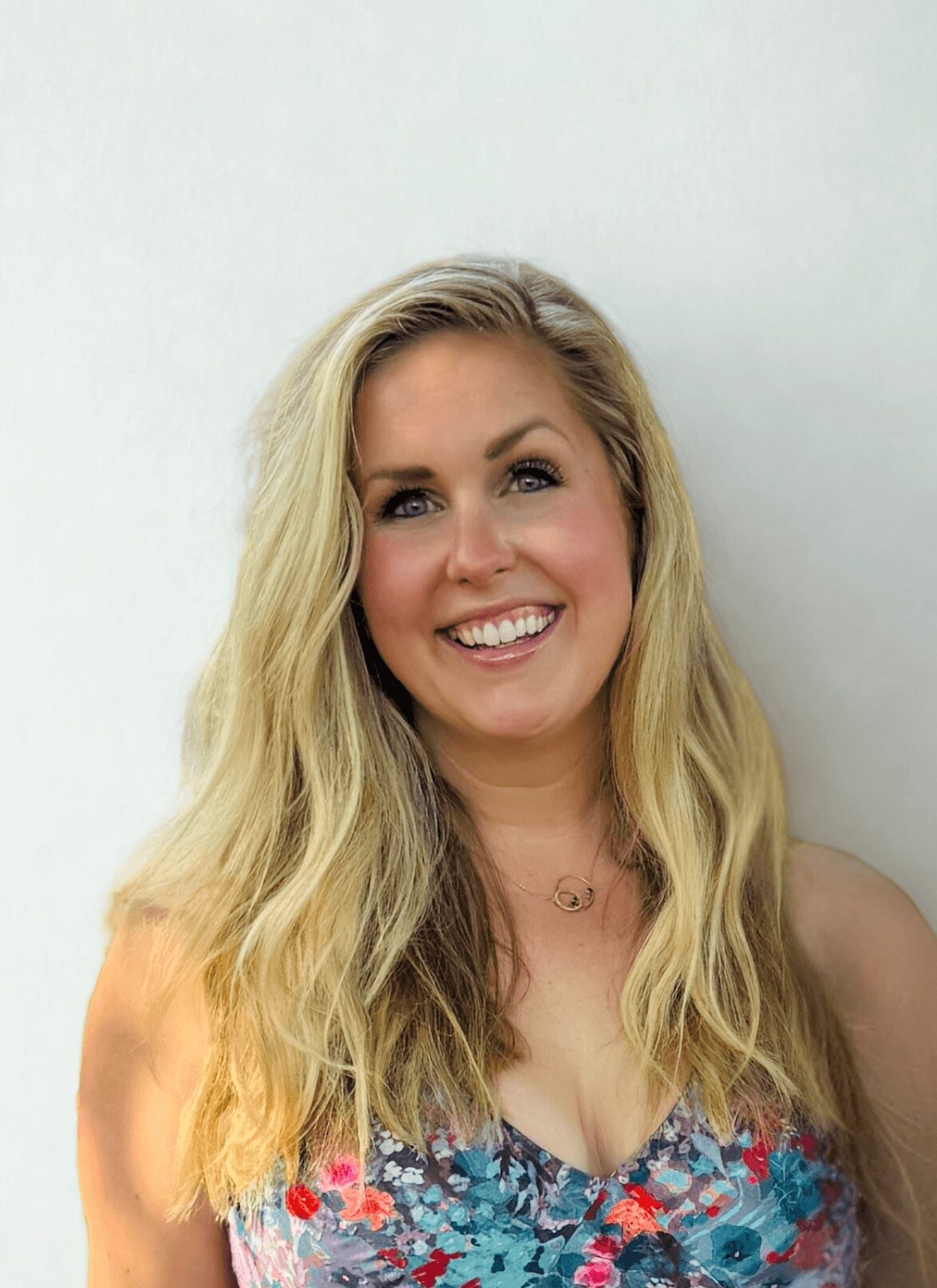
Today we’d like to introduce you to Kristen Dowey.
Hi Kristen, so excited to have you with us today. What can you tell us about your story?
OneKey Virtual Care really started with my family. My grandfather lived with Parkinson’s for 27 years, and I watched how hard it was for us to truly understand what was happening day to day. There were so many moments where something felt “off,” but we didn’t have clear information to act on it early.
That experience stayed with me. I studied at the Carroll School of Management at Boston College and spent several years working with startups and small businesses, which gave me exposure to building and scaling companies. At the same time, I come from a long line of entrepreneurs here in the Akron area. I’m a fourth-generation business owner. My great grandfather immigrated from Italy and opened a butcher shop in Akron, my grandfather went on to build several businesses including a home medical equipment company, and my dad later started a home care agency.
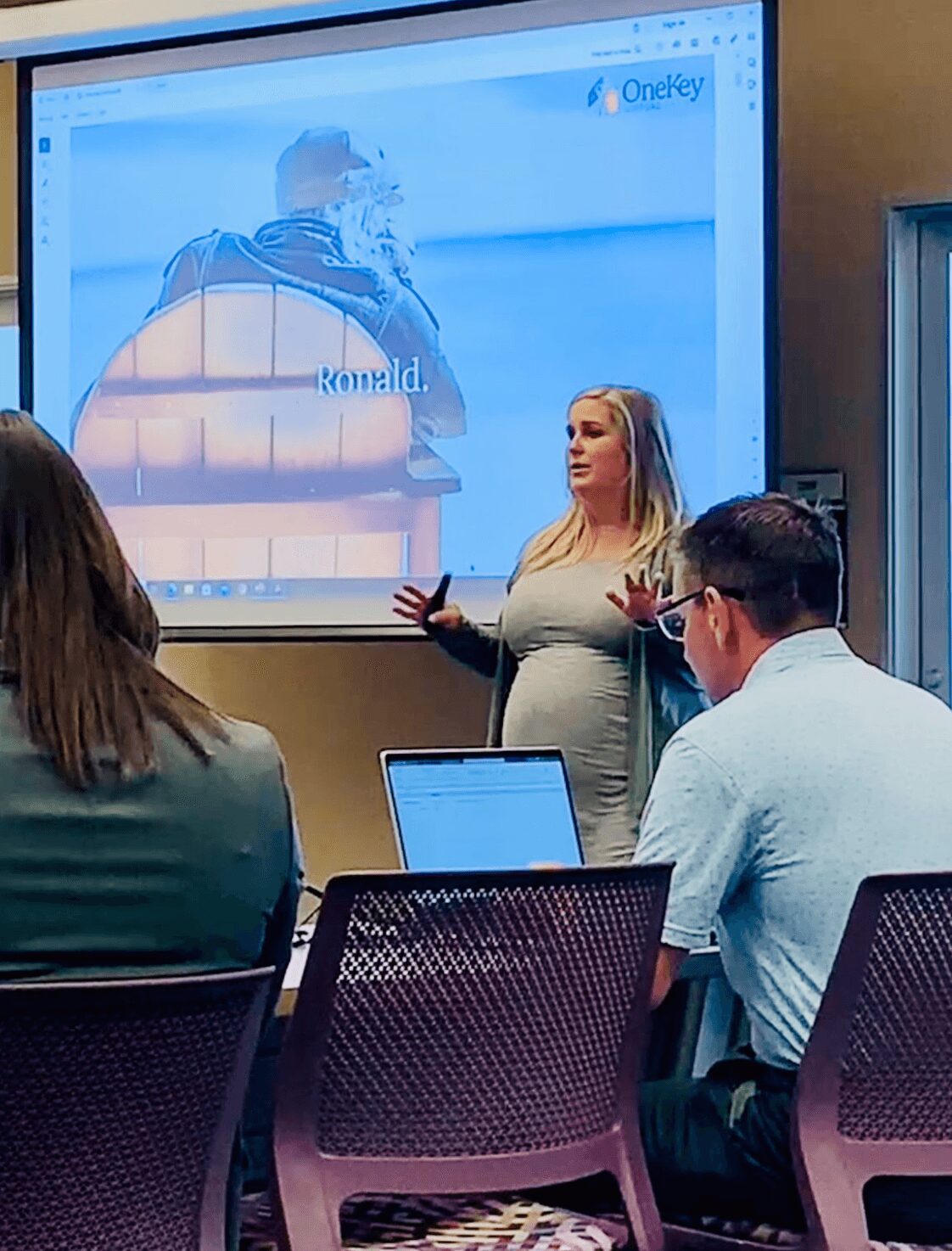
Working alongside my dad in home care, I saw the same challenge my family faced play out every day. Caregivers and clinicians are often making decisions with only a small snapshot of what’s actually happening in the home. I spent years researching potential technology solutions to help with this and help with the caregiving shortage but nothing met what we needed, so I built it. I reached out to my old college roommate who was a cloud engineer for Google at the time, and she helped me identify the technical skills I needed to hire to develop the platform and we just went from there! The Shea Center for Entrepreneurship at Boston College played a huge role in helping me build my team. I then brought in my baby brother, who was a race car driver, and asked him to give up his career to take a chance on a new business, and he did! We are now fully staffed with a team of engineers, virtual caregivers, a medical advisor, Dr. Charlotte Grinberg– who is a columnist for the Free Press and runs her own primary care clinic, my brother, Frankie Nervo, and me actively serving patients! My husband, father and many mentors including Boston College professors, lawyers and accountants, have also been hugely instrumental in providing the support and advice we needed to make it to this point.
Our platform gives families and care teams a clear, continuous picture of how someone is really living at home, without requiring the patient to wear anything or interact with technology. What’s been most meaningful is seeing how that insight can actually change outcomes, helping people stay safer, more independent, and better supported over time.
Can you talk to us a bit about the challenges and lessons you’ve learned along the way. Looking back would you say it’s been easy or smooth in retrospect?
I literally laughed when I read this question. It definitely hasn’t been a smooth road! Building something new in healthcare is hard, and doing it in the home care space adds another layer. We’re asking people to think differently about care, and that takes time.
Early on, when OneKey was just an idea, I met with an investor who, after hearing the concept, asked how old I was and whether I was planning on getting married and having kids. He told me that if that was part of my plan, he would only move forward if someone else was in charge. It caught me off guard, but it also stuck with me. It was a clear reminder that there are still assumptions about who can build and lead a company.
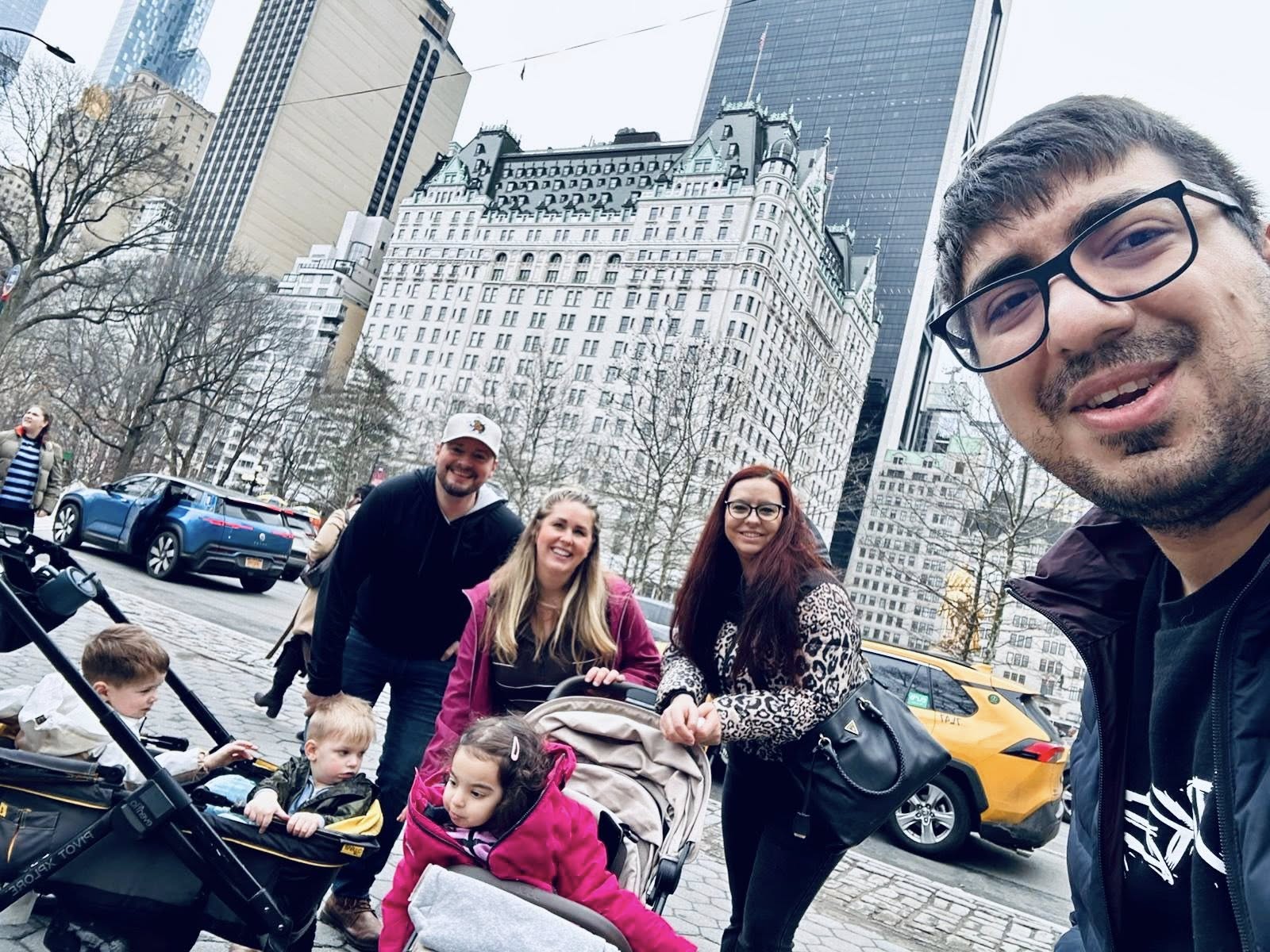
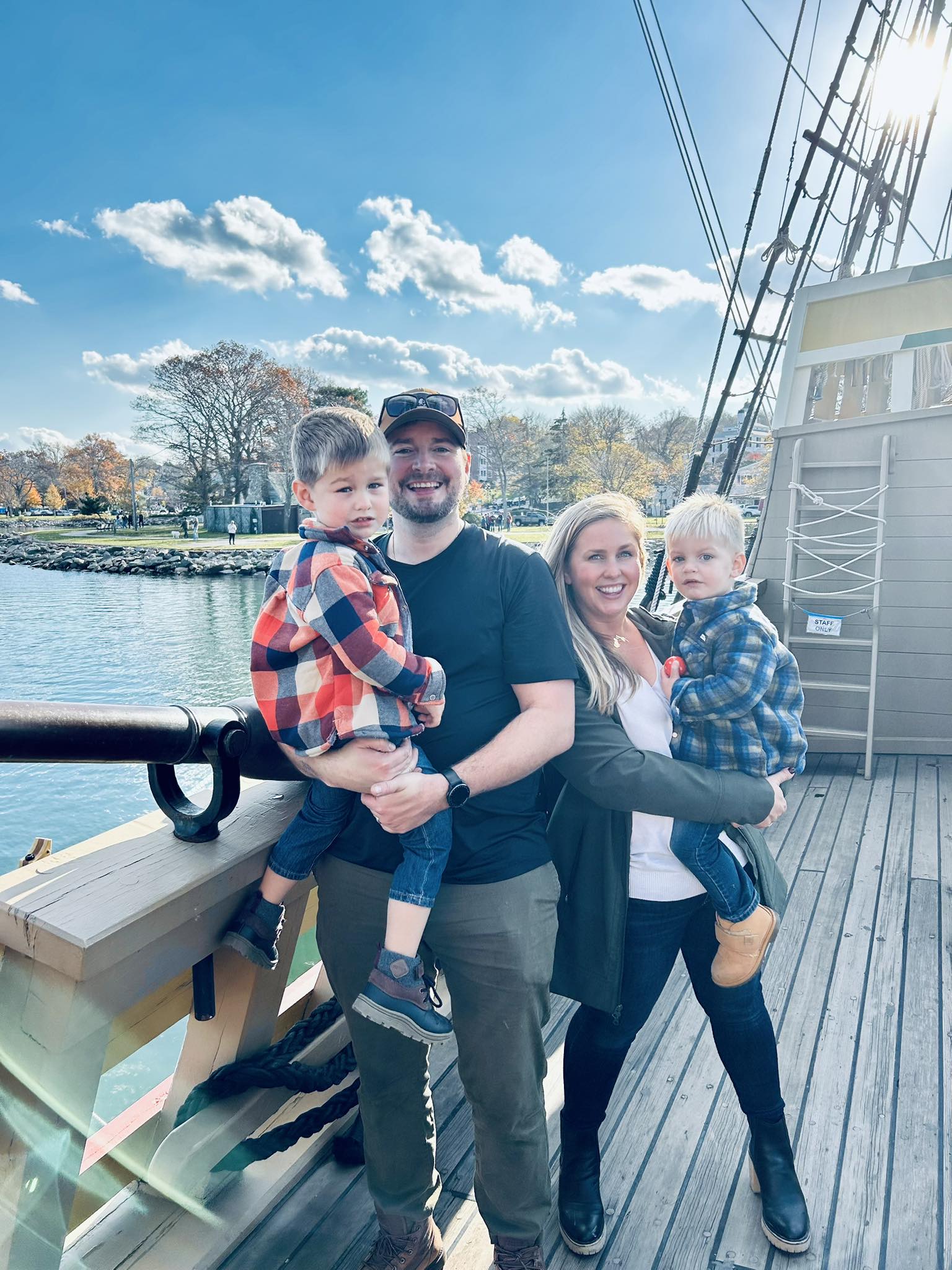
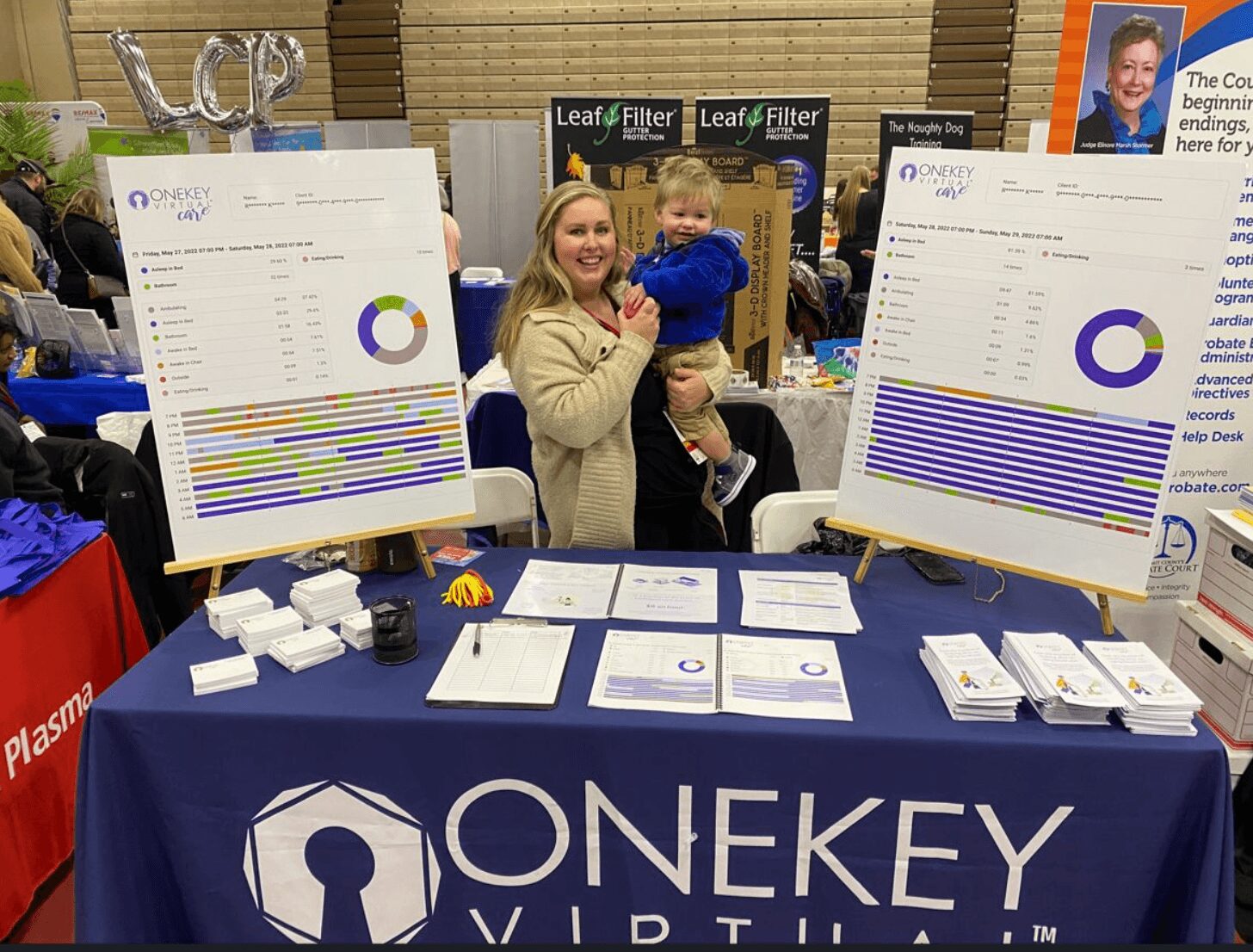
As it turns out, I did exactly what he was worried about. I got married and started a family whilst building a company! It’s hard, but it’s also incredibly meaningful. There have been times I’ve brought my two young sons to meetings with accountants or on trips to meet with our engineering team. It’s not always easy, but it’s worth it, and it’s part of why this matters so much to me.
On the business side, one of our biggest challenges has been growth. The product works, families love it, and we’ve seen it truly change outcomes. But getting something new adopted in healthcare is slow. There’s that Henry Ford quote: “if you ask the market what they want, they’ll tell you a faster horse.” We’re not building something incremental. We’re trying to shift how care works, and that doesn’t fit neatly into how the system operates today.
Reimbursement has been one of the hardest parts. It’s incredibly difficult to get new healthcare innovations covered, even when you can clearly see the impact. That has meant operating largely in a private pay model, which is challenging when your goal is to serve as many people as possible and get people the help they need through whatever means they can afford.
There is also a lot of pressure in healthcare to focus on margins and short-term efficiency. From the beginning, we’ve taken a different approach. We believe patient care has to come first, and if you do that well, the rest will follow. That mindset is rooted in cura personalis, a Jesuit principle I was shaped by at Walsh Jesuit and Boston College, which calls you to care for the whole person. It’s something that has both grounded and challenged me as a leader.
That same philosophy carries into how we think about care more broadly. We believe in caring for the whole person, not just managing symptoms. That’s part of why I’m involved in the community and serve as President of the Board at Summit Artspace. Creativity, connection, and environment all play a role in overall well-being, and we try to reflect that in how we build and who we partner with.
At the end of the day, those challenges have shaped how we lead and how we build. If anything, they’ve reinforced why this matters and why we’re committed to continuing to push forward.
Thanks – so what else should our readers know about OneKey Virtual Care?
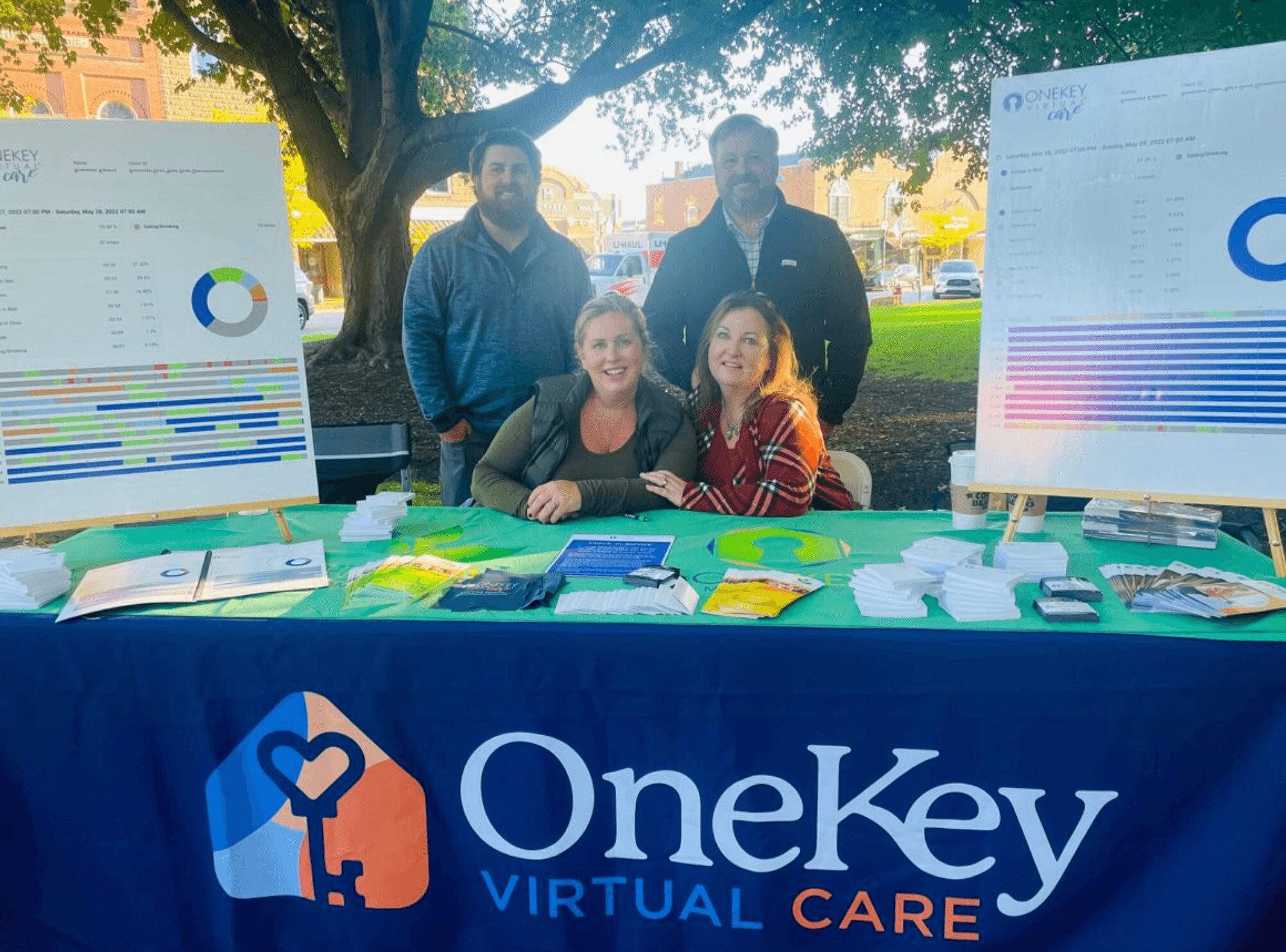
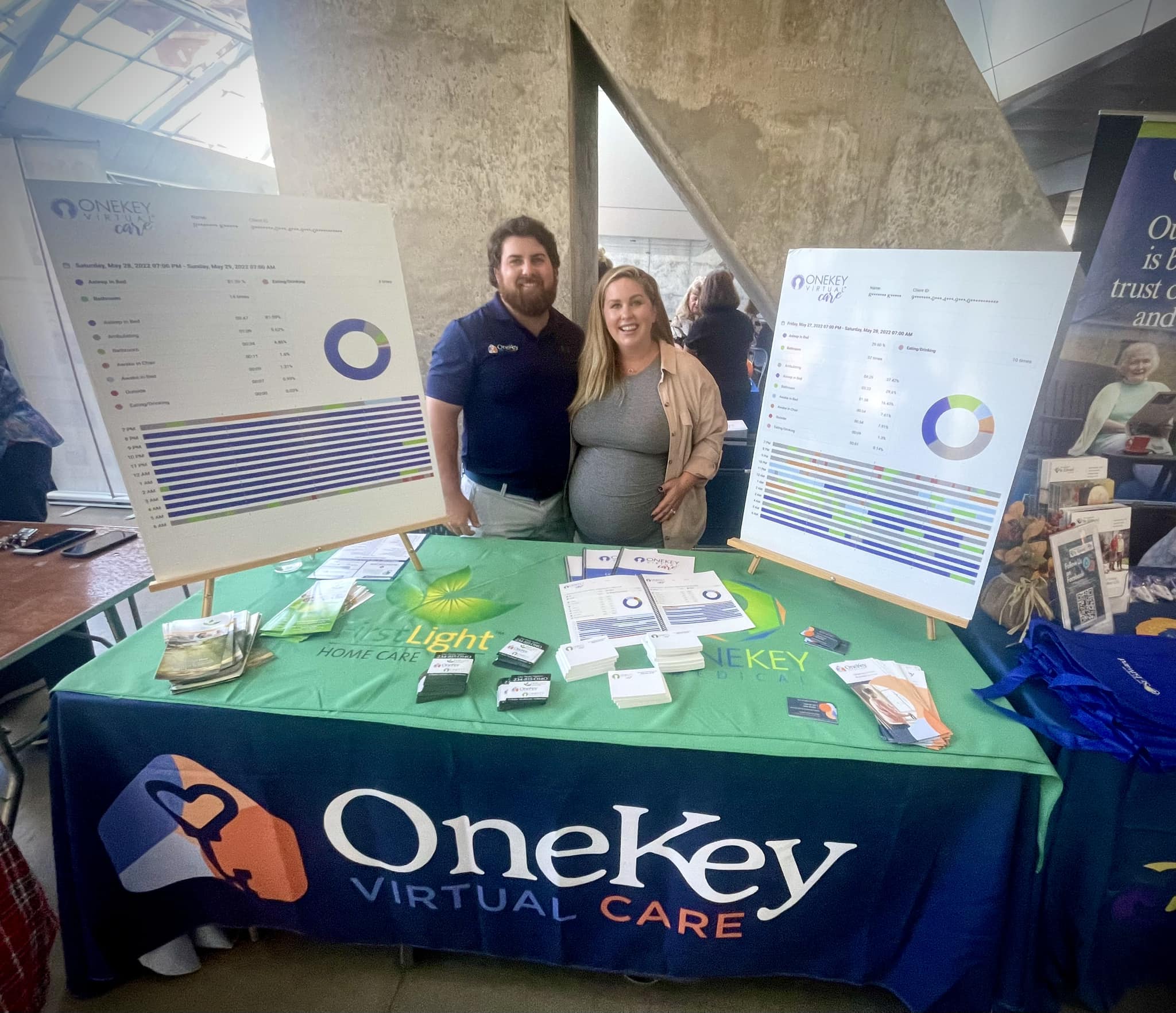
OneKey Virtual Care is a virtual caregiving platform that helps families and care teams truly understand how someone is doing at home day to day. We combine passive in-home monitoring with trained human oversight to generate minute-by-minute behavioral reports, without requiring the patient to wear anything, interact with anything, or even have WiFi.
What really sets us apart is the reporting. I always say I’m a bit of a data geek, and this is where everything comes to life. We’re not just collecting data, we’re turning daily routines into something meaningful and usable. You can see patterns in sleep, mobility, bathroom activity, and how those patterns shift over time. That’s what allows us to catch things early, whether it’s the start of an infection, a medication issue, or increasing fall risk. Often it’s before the patient or even the family would notice something is off. That kind of visibility just hasn’t really existed in home care before. Traditional care gives you moments in time. We help connect everything in between so families and care teams can make better decisions with more confidence. We’ve seen this actually change outcomes. We’ve had patients stabilize after medication adjustments, avoid hospitalizations, and in some cases even need less care over time. In this space, that’s a big deal.
Another piece that’s really important to us is that this isn’t just sensors or AI. There’s a real human involved. Our virtual caregivers are reviewing and interpreting what’s happening, which brings a level of judgment, context, and compassion that technology alone can’t provide. It also means we can support the whole household, whether that’s a spouse, a pet, or anything else that gives context to someone’s daily life.
At our core, we believe better information leads to better care. But just as important, it has to be done in a way that respects the person. Our system is completely passive and unobtrusive, so individuals can go about their lives normally while families still get peace of mind. Ultimately, we’re trying to shift care from reactive to proactive. That’s what excites me the most, and that’s what we’re continuing to build toward every day.
So maybe we end on discussing what matters most to you and why?
What matters most to me is building something that actually improves people’s lives. In healthcare, it’s easy to get caught up in systems, processes, and metrics, but at the end of the day, this is about real people and real families.
That perspective is very personal for me. It comes from caring for my grandfather and now raising my own family. I think a lot about the kind of world I want my kids to grow up in and the kind of example I want to set for them. It’s made me think a lot about legacy, what you build, who it helps, and how you do it.
I want them to see that you can build something meaningful, that you can do it with integrity, and that you can put people first even when it’s not the easiest path. If we can help families feel more supported, help people stay safer at home, and give them more time and peace of mind, that’s what matters most to me.
Pricing:
- Check-in service– $99 a week
- Full scale monitoring– $8 an hour
Contact Info:
- Website: https://www.onekeyvirtualcare.com
- Facebook: https://www.facebook.com/onekeyvirtualcare
- LinkedIn: https://www.linkedin.com/company/onekey-virtual-care
Popular
-

The Change-Makers: stories that inspire
-

Take Flight: Lamar Thomas on Building an Inclusive Brand Rooted in Youth, Community, and Purpose
-

Cultivating Inner Clarity: Angel Inspires on Thought, Healing, and Purpose
-

Local Highlighter Series
-

Highlighting Local Gems
-

Hidden Gems: Local Businesses & Creatives You Should Know