




Today we’d like to introduce you to Jason Piland.
Hi Jason, please kick things off for us with an introduction to yourself and your story.
I grew up in the church, but I never had any desire to pursue ministry. In fact, I remember explicitly telling friends in college who themselves were pursuing pastoral ministry that I am very grateful for my pastors, but I will never be one. Well, in the years after college, the Lord changed those desires. I began to see in a new way how the ministry of the church had so profoundly impacted my life, and my own pastors walked with me through deep personal grief in a way that acknowledged the heartache, showed me Jesus Christ, and demonstrated how the hope of the gospel is the only way to make sense in times like that. Through all of this, I began to want to join in that ministry to be a part of the way the Lord us working among his people and in the world.
Becoming a minister in the Presbyterian Church in America is not a simple task. I worked for my church in Nashville (where Erika—my wife—and I were living at the time) for a year before going to seminary in North Carolina for three years while working part-time in church in Charlotte. After that, I received a call to be an Assistant Pastor at Redeemer Church in Hudson. I loved serving that congregation alongside Scott Wright, the Senior Pastor, there for six and a half years.
The move to plant Western Reserve Presbyterian Church was precipitated by a “problem” at Redeemer Church: There was such growth at the church, that there was no more physical room in the building. Desiring to be a sending church, Redeemer’s elders saw that the time was right to send a group of the church out to plant in a nearby area. So they affirmed me as the church planter for this new work and sent me to start the new daughter church.
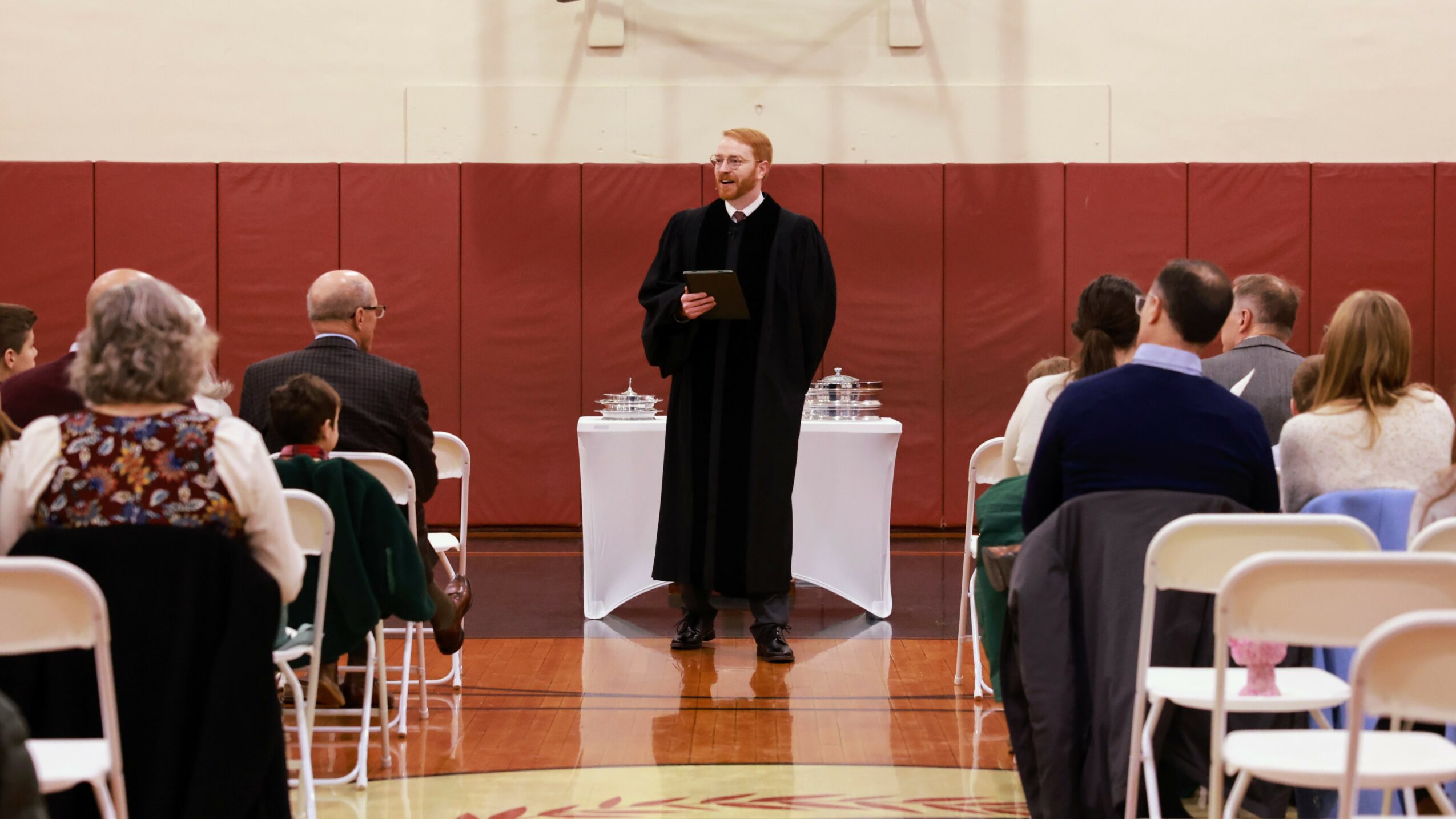
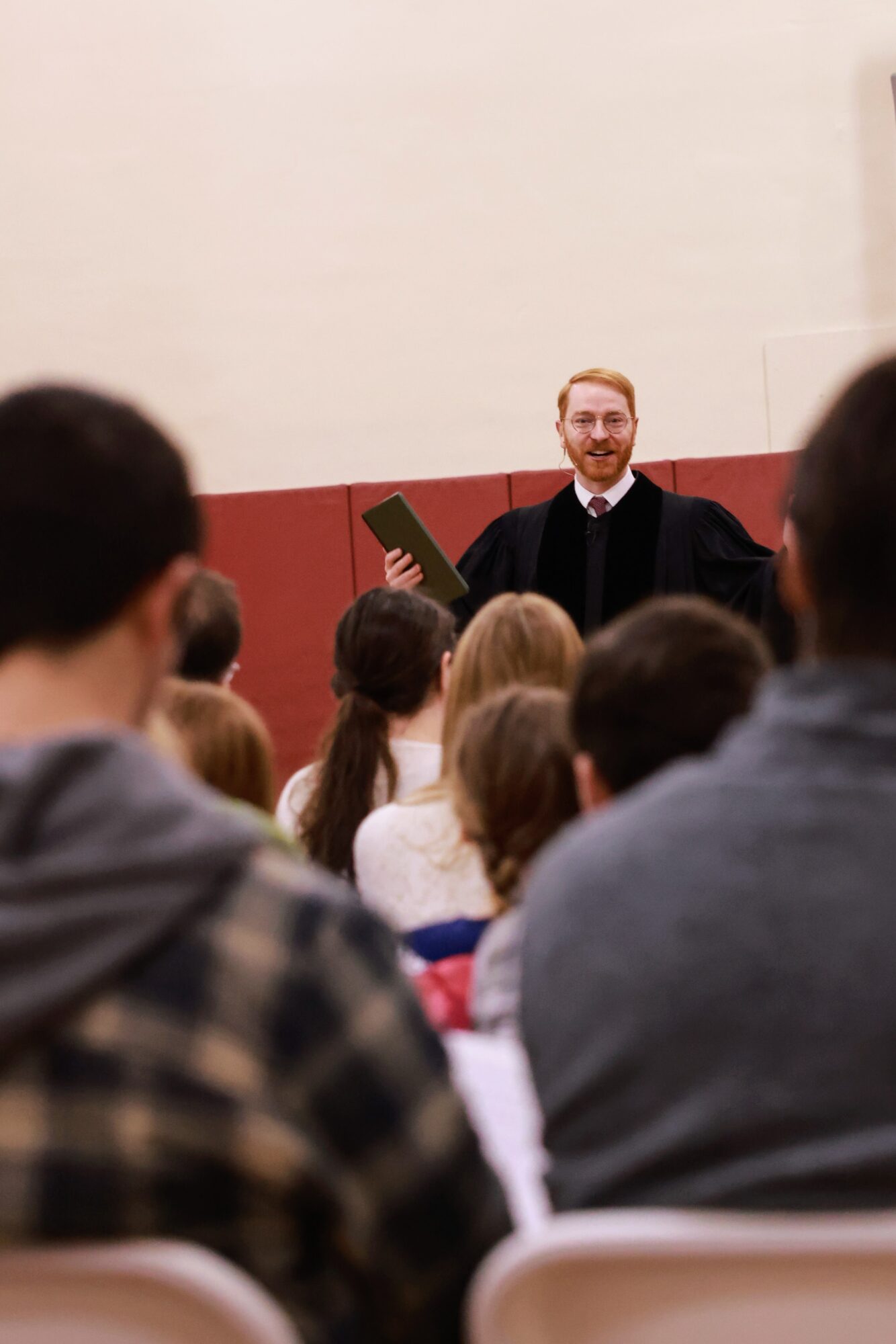
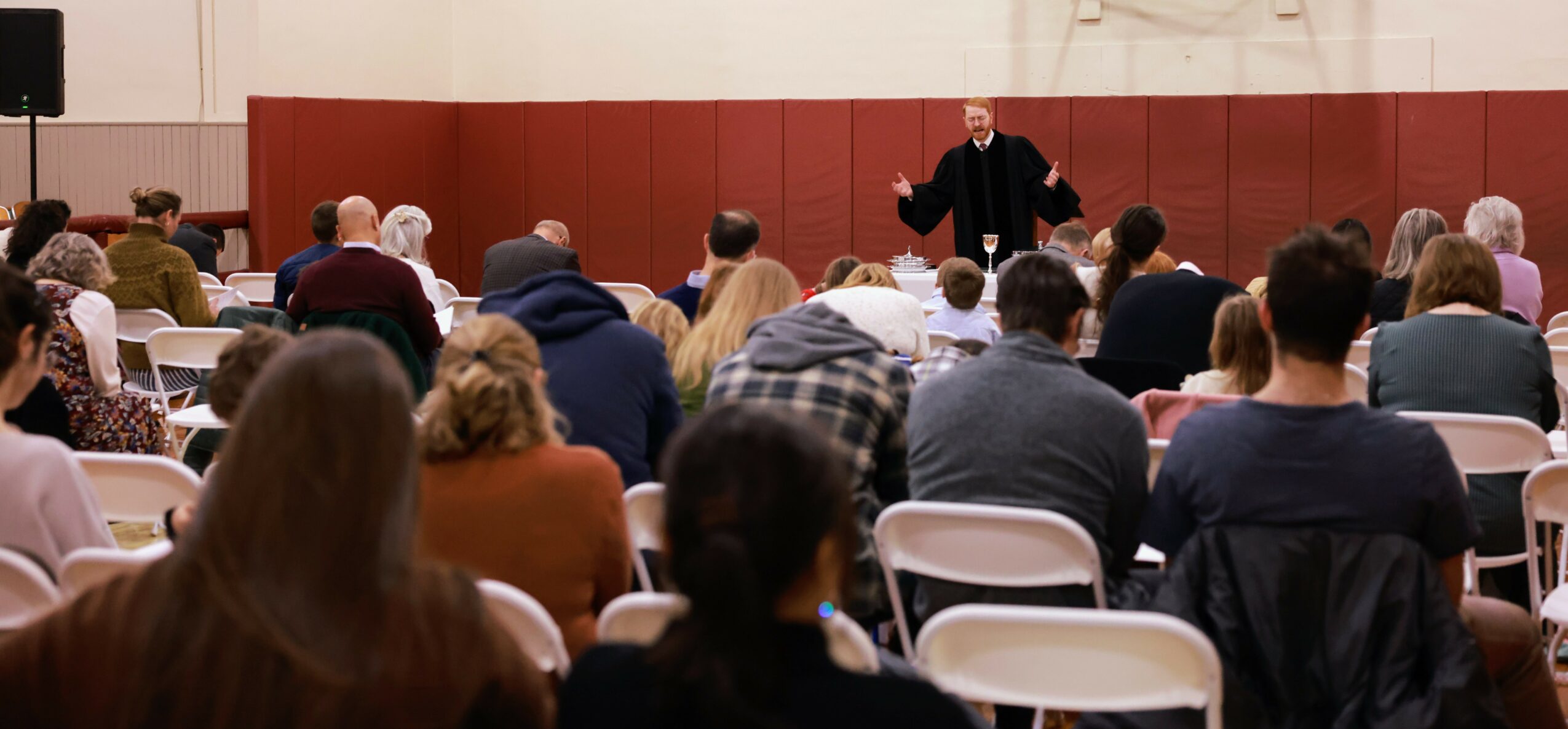
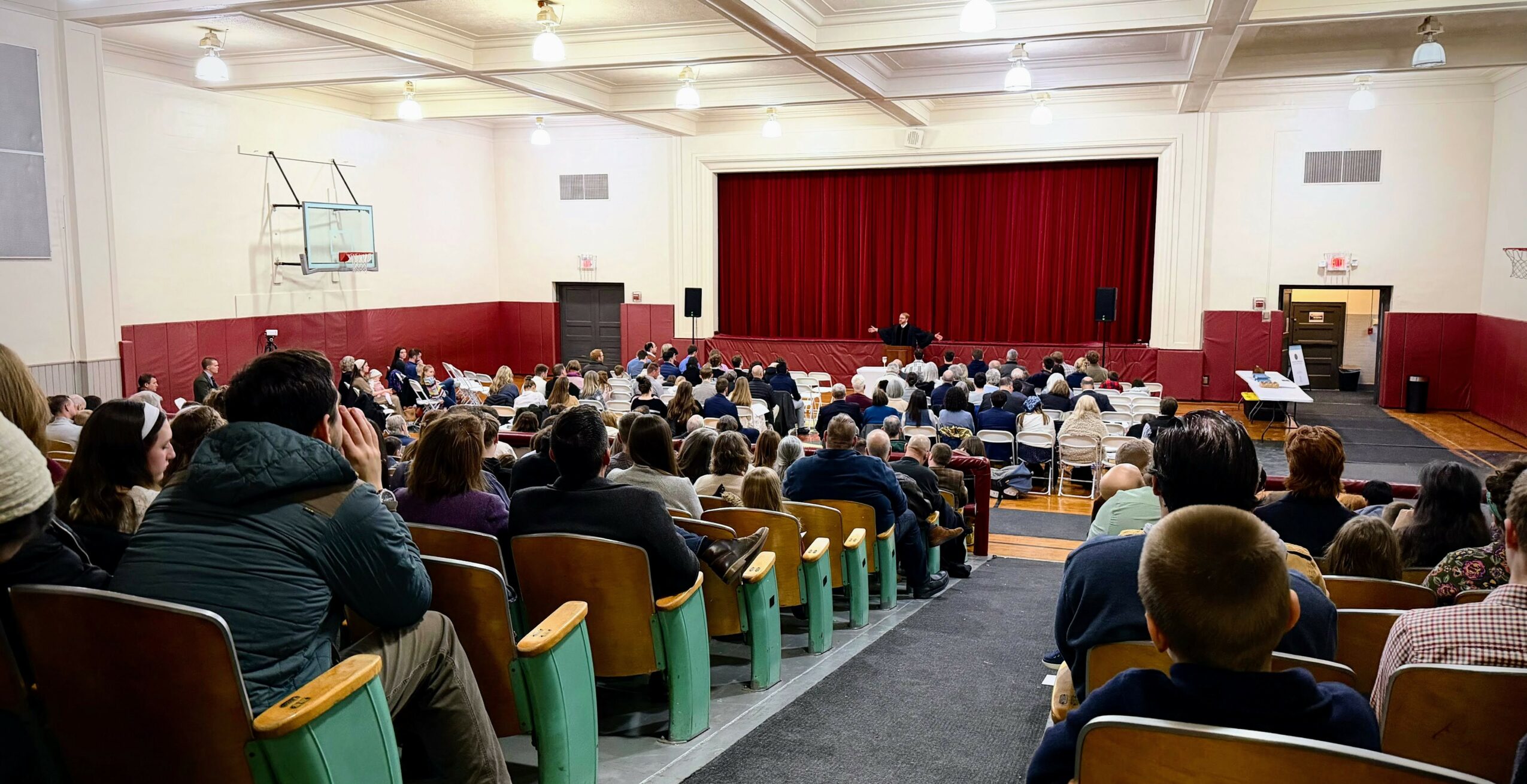
WRPC began worship in January 2026 after a year-long preparation period. With a core group of about 90, we have a huge head start on many church plants, and it has been an absolute joy to minister to this new flock. Redeemer has sent a lot of support: a pastoral assistant, an elder, and two deacons, in addition to myself. I don’t consider myself the standard church planter “type,” but I see church planting simply as pastoral ministry in a slightly different context compared to a more established church. And being a pastor is what I am compelled to do: proclaiming God’s word, administering the sacraments, walking with people through all of the challenges of life, seeing God’s word reach new people, and preaching as a dying man to dying men.
I’m sure it wasn’t obstacle-free, but would you say the journey has been fairly smooth so far?
The anecdotal saying (though I have no idea what data supports it) warns that between 40% and 80% of church plants “fail” within the first five years. And I have begun to see why. Raising finances, finding a place to worship, building a team, and navigating weekly logistics are just the bare minimum to make a church plant take root and continue on. The really difficult part is what every church is called to: fidelity to God and his word in the face of an ever-changing and ever-hostile world. Nevertheless, all of the logistics are necessary in our day and age to even hold a worship service.
Church plants are fragile things, especially where we are, just a few months in. There are the questions in the back of everyone’s mind, “Will we last? How are finances? How long is this sustainable?” And I would be lying if I said those questions didn’t cross my mind from time to time.
But that’s where I have to remember the real definition of “failure” and “success” in ministry. It’s not the bottom line. It’s not growth and revenue. It’s not developing new products and finding new markets for it. It’s not even making sure we’re around for at least five years. Success is being faithful to Christ and his word. Failure is straying from this in order to build a brand, make everyone happy, and getting as many people in the seats as possible. I understand these pressures, but that’s not the minister’s calling. The Church is to proclaim Christ and him crucified, and let the Lord decide how he wants to use that. Even if a church plant closes its doors earlier than the planter wanted, it doesn’t mean that the church was a failure. As long as there was faithful gospel ministry while the church persisted, the Lord blessed that work, however small.
So I think my own fears are the biggest obstacles and challenges before me. I have to remind myself regularly that I am to trust the Lord by being faithful to the simple task in front of me, leaving the results to him.
Thanks for sharing that. So, maybe next you can tell us a bit more about your work?
Being a part of the historic Presbyterian and Reformed tradition, there are several things about WRPC that may feel distinctive, though our object is not to be different or to simply provide another worship style option to others. We are simply living out our biblical convictions the best we know know.
Our emphasis in ministry is that the most important thing we do as a church is worship the Lord together. We worship both morning and evening on Sundays to help us keep the entire day holy and set apart to the Lord. Our services consist of a number of elements that have been used in worship for centuries: Many prayers and readings of Scripture, singing songs and psalms, a public confession of sin and assurance of forgiveness, a corporate confession of faith, preaching, and the celebration of the Lord’s Supper each week. We strive for a joyful and reverent tone, and our sermons are always coming directly out of biblical texts and aim for application to the heart and life. For many protestants and evangelicals, it can sometimes be surprising when they first sit in a service like ours, but our chief goals are to adore the Triune God and receive good gifts from him each week in the word and sacraments: To glorify and enjoy him.
The worship that we engage in is rooted in history and has weight and depth. I think in our day, many people are looking for this in a church. We aren’t doing it because it’s become more popular recently, but I do think our cultural moment demonstrates the importance of the transcendent. And humbling ourselves before a holy God in worship is a weekly reminder of our finitude and his grace for sinners.
Outside of worship, we are beginning a Sunday School for all ages very soon. We are excited about Bible studies for men, women, and youth and community groups for families. We are hoping to roll these ministry opportunities out over the coming year while we commit ourselves to the priority of worship together each week.
How do you think about luck?
As a good Presbyterian, I don’t believe in luck—I believe in God’s providential governing of all things. But I think the question is getting at something constructive: “What role has circumstances outside of your control played in your ministry and church?” My ministry is spent helping people continue to trust in the Lord, despite the circumstances in their lives that are outside of their control. So I am constantly meeting people where they are to show them how Christ meets them right there.
I look back and see the Lord use many unusual things to prepare me for ministry. The biggest one is that I was previously a practicing attorney before entering the ministry. It was during law school that my desires began to change, but I was committed to completing the legal education and practicing for at least some time. While it may appear completely superfluous on paper, the legal background has paid dividends in ministry. I spent time in the “real world” before becoming a pastor, and I value the growth that afforded me. The legal training has helped me be able to understand and speak into denominational issues, and it has given me the opportunity to serve our Presbytery and General Assembly in unique ways. Many skills I gained in the legal world—such as reading and understanding texts, helping people in dire situations, and juggling many intense, time-sensitive matters—have only helped me in many analogous situations in ministry.
Contact Info:
- Website: https://www.wrpres.com/
- Facebook: https://www.facebook.com/p/Western-Reserve-Presbyterian-Church-61578947071249/
- Twitter: https://x.com/jasonpiland
- Youtube: https://www.youtube.com/@WRPres
- Other: https://podcasts.apple.com/us/podcast/western-reserve-presbyterian-church/id1849915259
Popular
-

The Change-Makers: stories that inspire
-

Take Flight: Lamar Thomas on Building an Inclusive Brand Rooted in Youth, Community, and Purpose
-

Cultivating Inner Clarity: Angel Inspires on Thought, Healing, and Purpose
-

Local Highlighter Series
-

Highlighting Local Gems
-

Hidden Gems: Local Businesses & Creatives You Should Know