



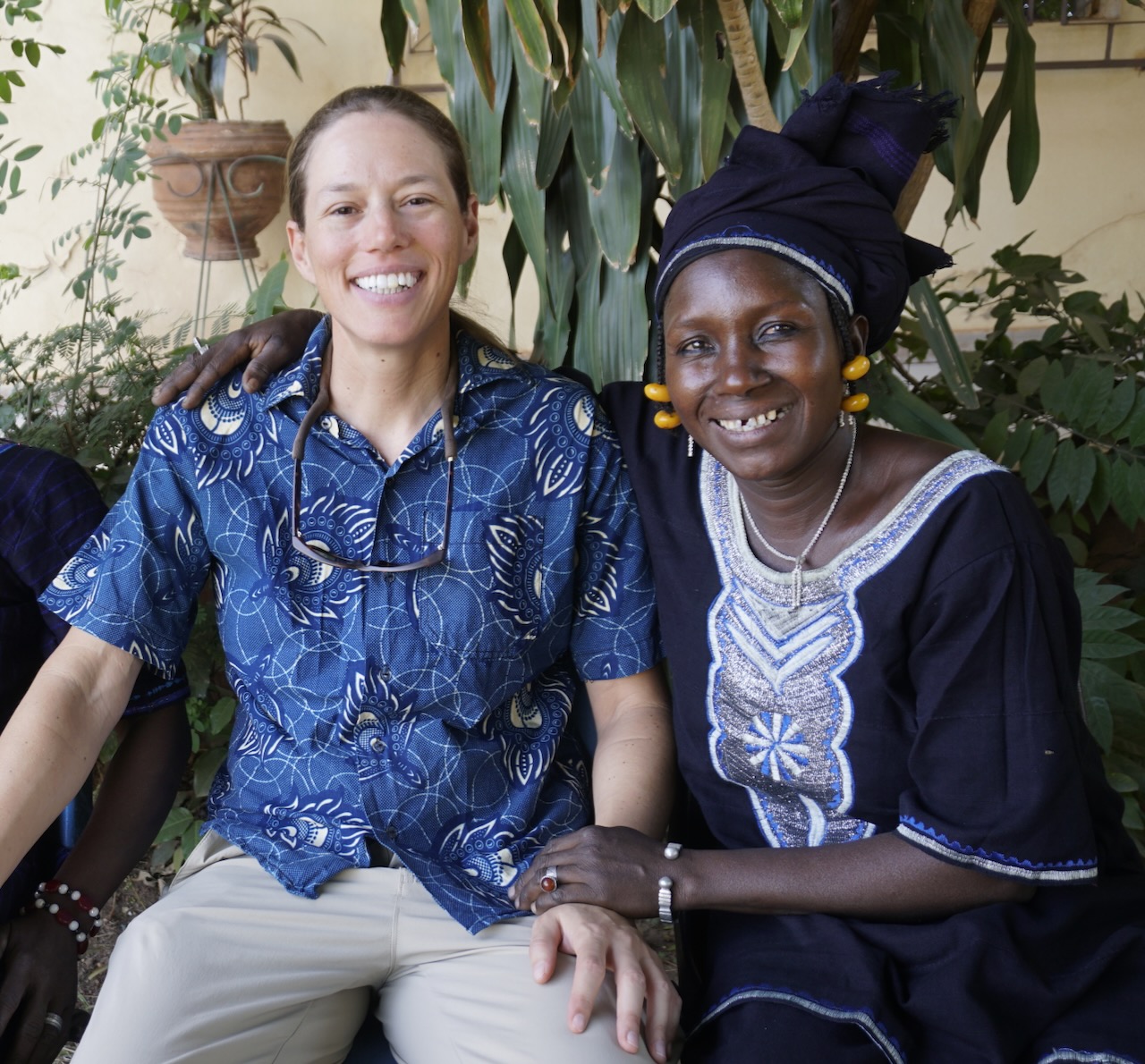
Today we’d like to introduce you to Anna Taft.
Hi Anna, so excited to have you with us today. What can you tell us about your story?
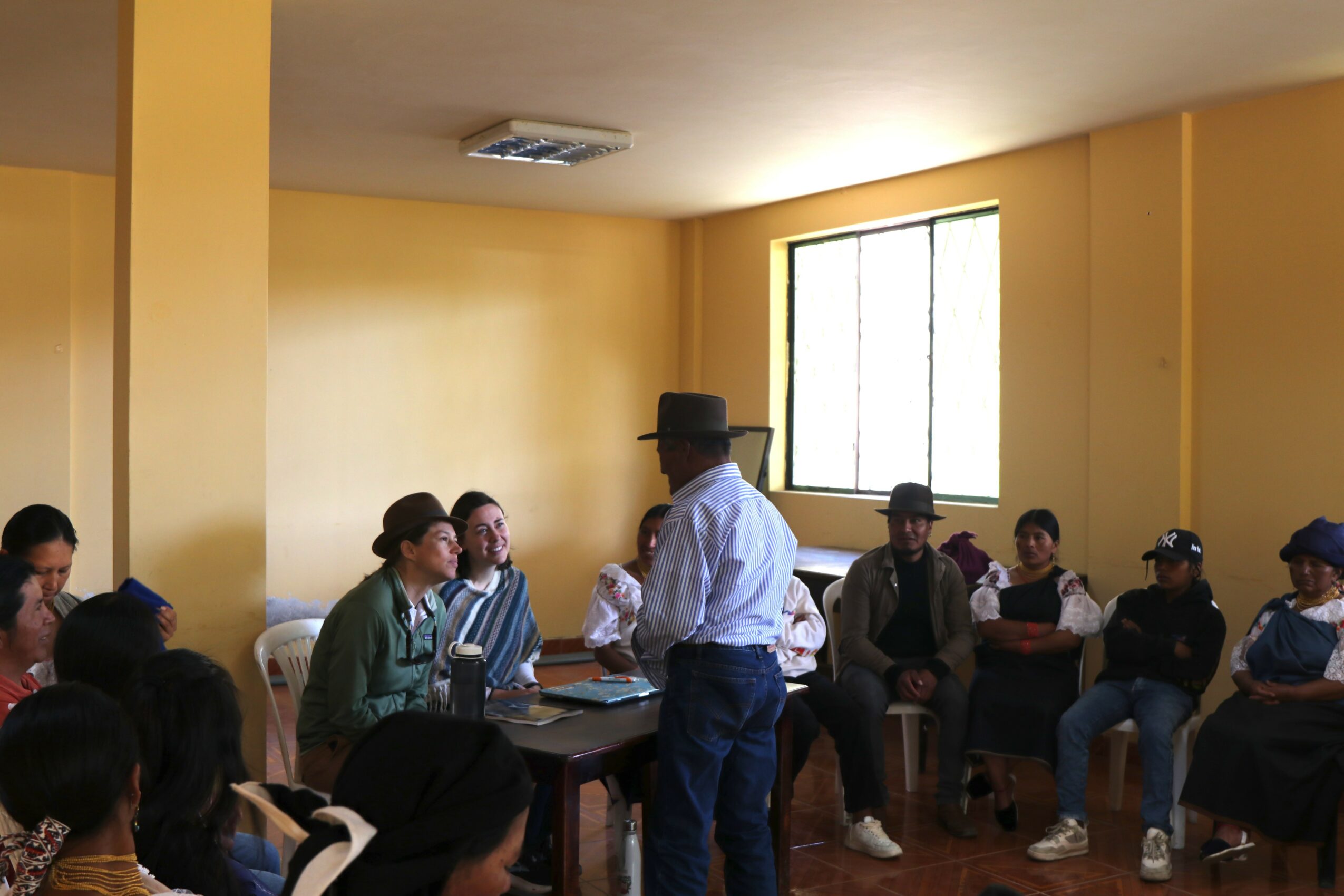
As a privileged teenager from Columbus, Ohio, I had the opportunity to go on a safari in Kenya. Rather than the animals, what captivated my attention was the ethical dilemma of how to be in right relation to people who were so different from me in access to resources and in culture. I encountered, in a close and personal way, both vast inequalities and pluralism of moral systems and values. Feeling uncomfortable as a tourist, I resolved to seek a relationship that seemed more fitting to people who were quite different from me. In order to attempt to learn about the possibilities of such a relationship, after graduating from high school, I signed up as a volunteer to teach in an elementary school in rural Ecuador. While I was there, I developed close relationships with members of the family who hosted me and with friends in the community. Wanting to honor those relationships and be responsible in them, I kept in touch and returned for later visits.
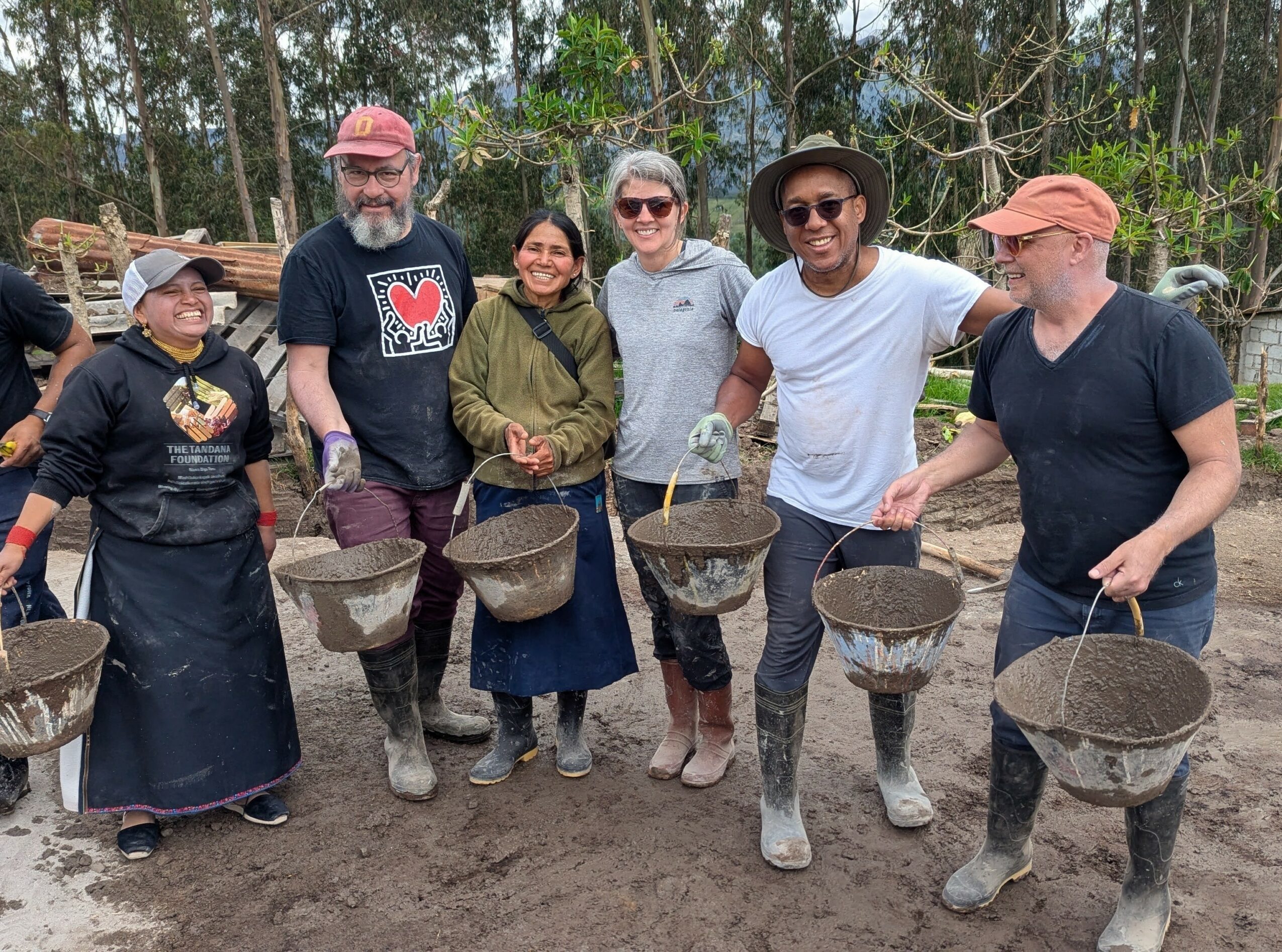
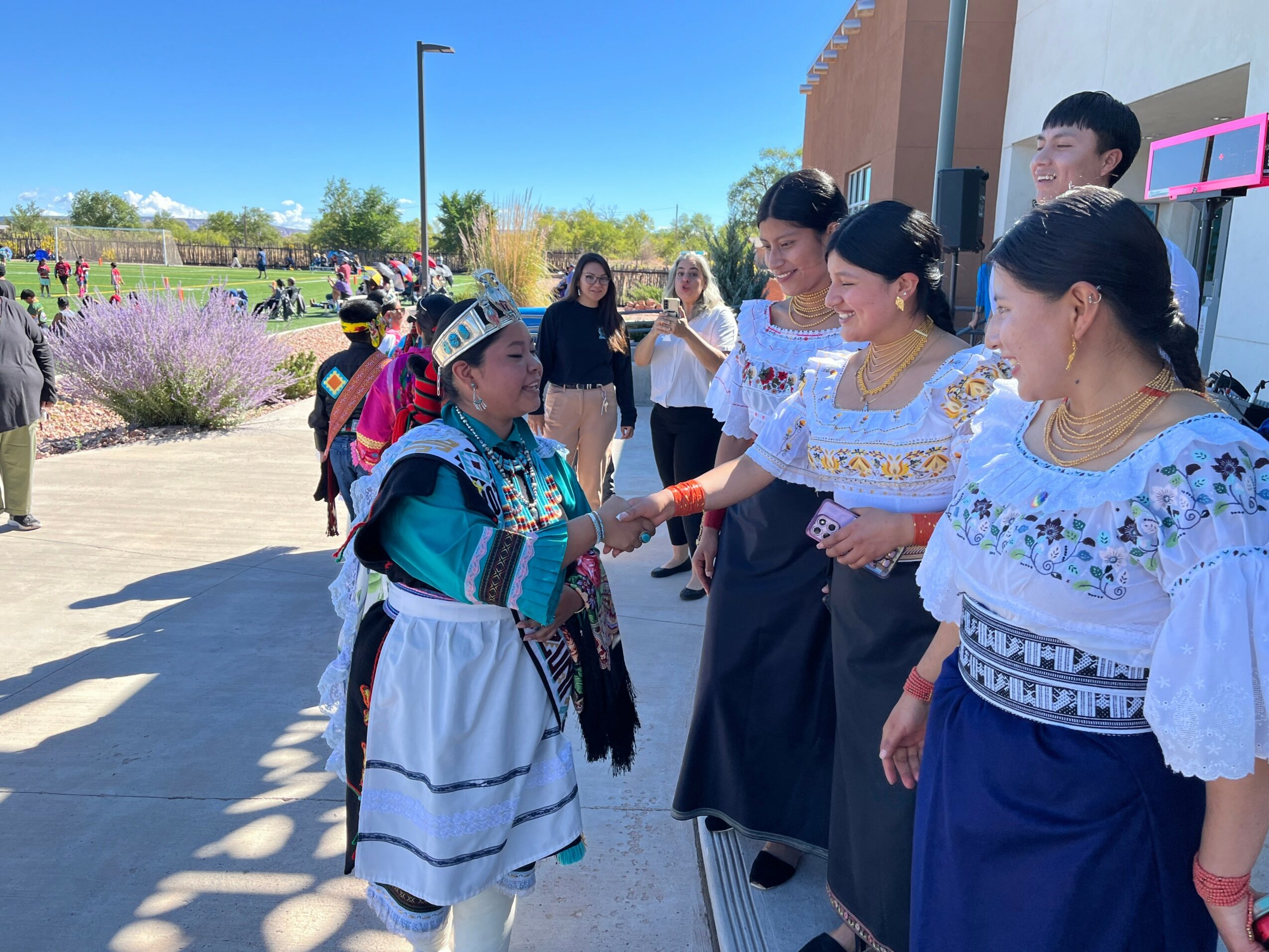
As a teacher and experiential educator, I had several opportunities to arrange joint activities for students from the United States and friends in rural Ecuador and found these interactions to be very positive learning experiences for all involved. At the same time, I saw that the students I had taught when I had first been in Ecuador were taking two very different trajectories. Some were in high school and told me of their plans to go to universities and start their own businesses or become leaders in their region. Others were married and having children, not having had the opportunity to attend secondary school, although they would have liked to. I decided to start The Tandana Foundation to make learning opportunities possible, both intercultural ones where visitors from the United States and local community members could share experiences and institutional ones through scholarships for Ecuadorean students.
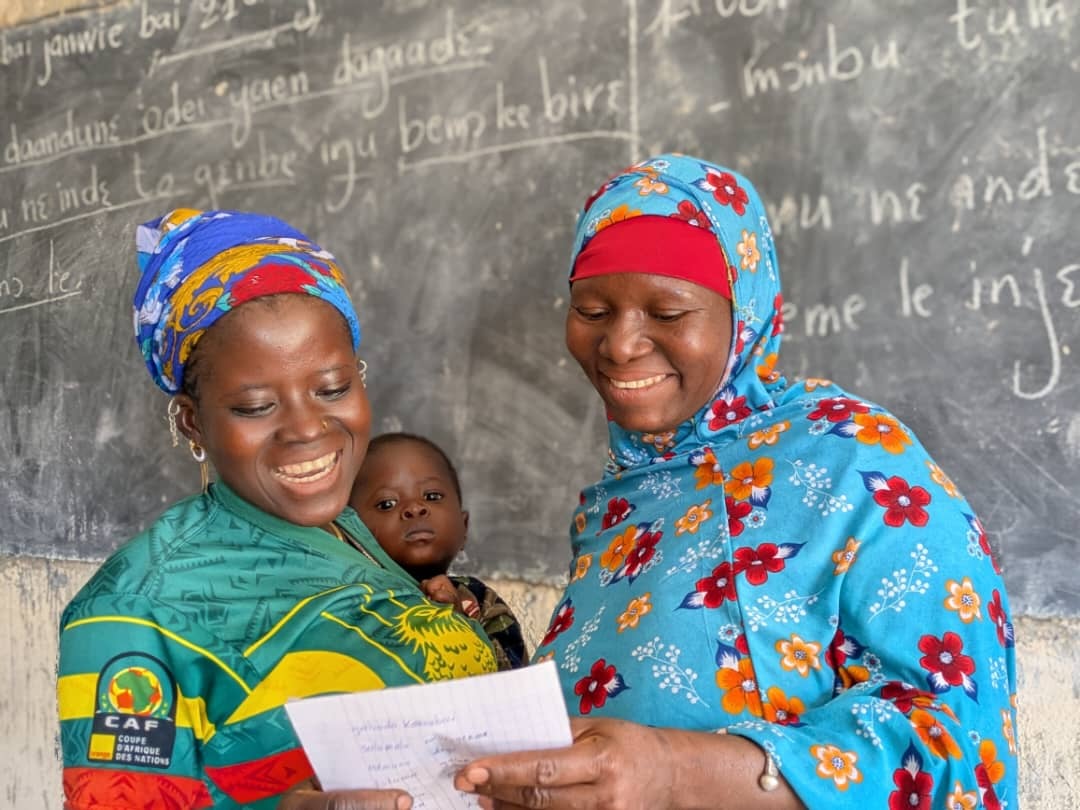
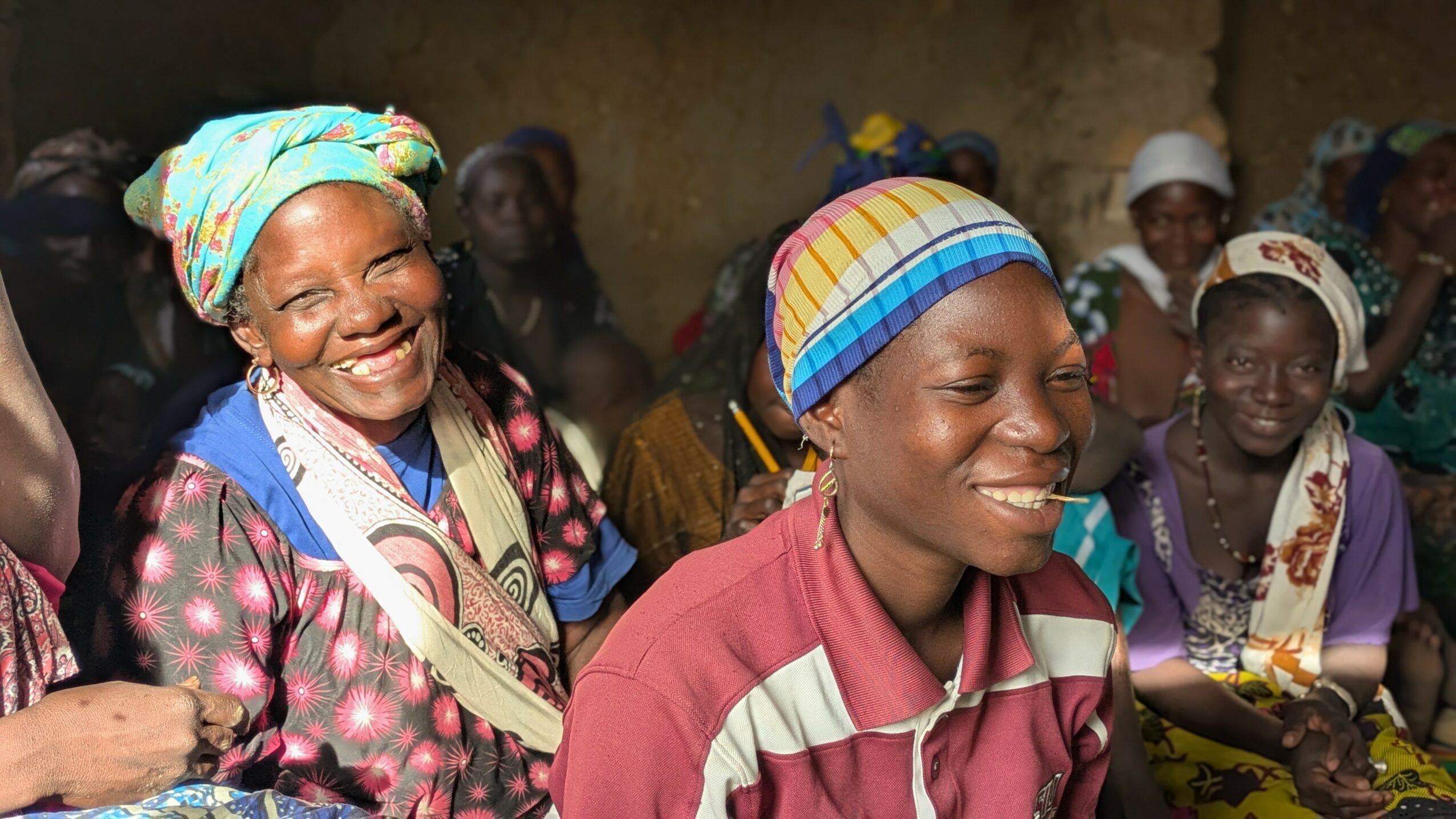
Around the same time, I wanted to learn about another cultural world that was totally unfamiliar to me and decided to go to Mali. Through a friend of a friend, I found a contact in Bandiagara, who invited me to stay with his family. Eventually I became connected with several villages and local leaders and decided to collaborate with them on some of the projects they were determined to undertake. Over time, neighboring communities saw what the first ones were accomplishing in partnership with Tandana and asked for the Foundation’s support for their initiatives as well.
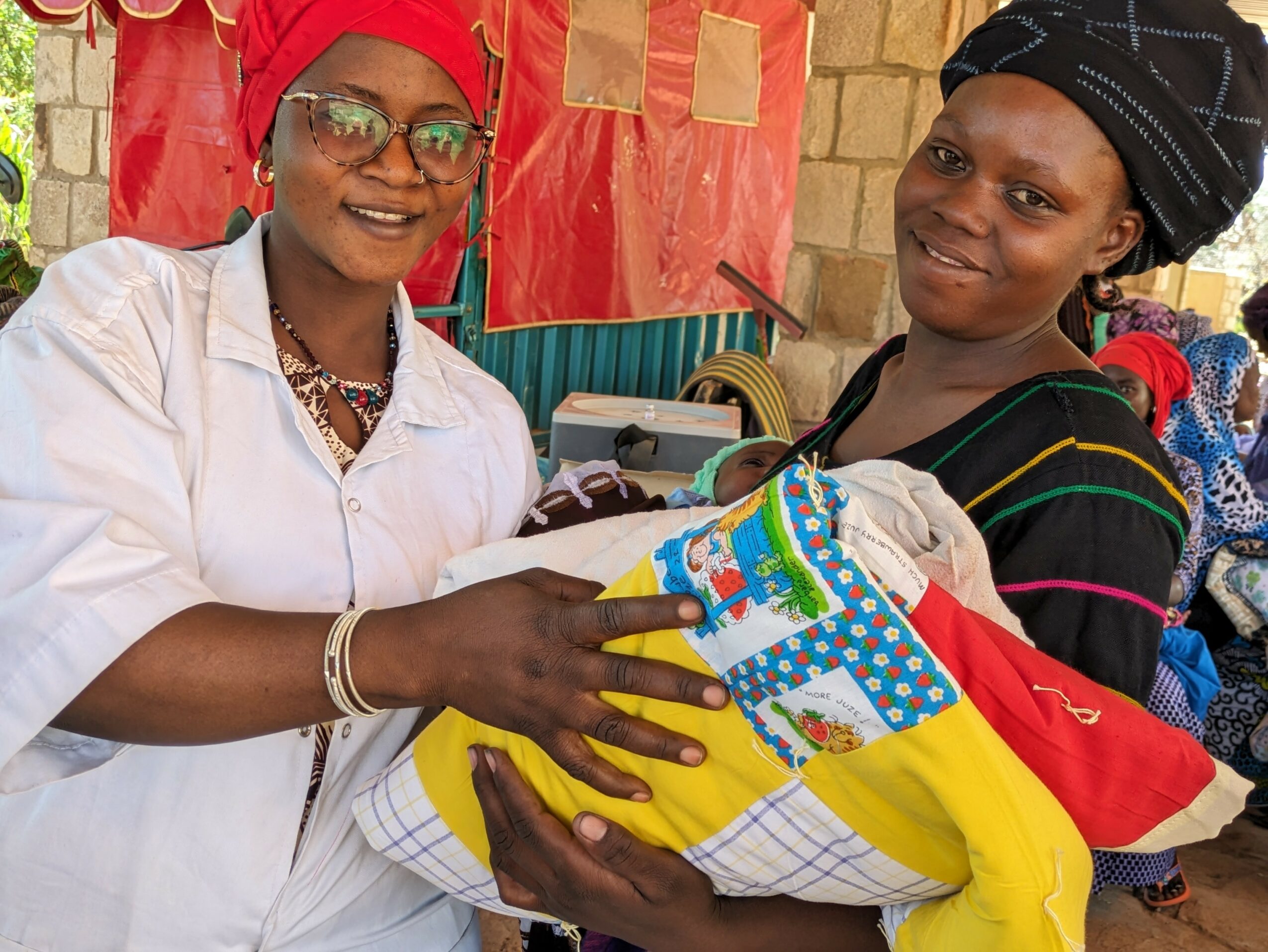
The Tandana Foundation now collaborates with over a hundred communities in both Ecuador and Mali on projects that are their priorities and has reached more than 100,000 people. The initiatives are as varied as the goals of the communities. Wells, grain banks, gardens, Savings for Change micro-credit groups, literacy classes, leadership workshops, support for women’s association enterprises, and support for an environmental association that is protecting forests, reducing the demand for firewood, preventing erosion, and reforesting are examples of some initiatives Tandana has worked with communities in Mali to realize. Scholarships, health care, community centers, school buildings, gardens, water systems, and sports fields are some of the programs and projects that Tandana has partnered with Ecuadorean communities to make possible.
Can you talk to us a bit about the challenges and lessons you’ve learned along the way. Looking back would you say it’s been easy or smooth in retrospect?
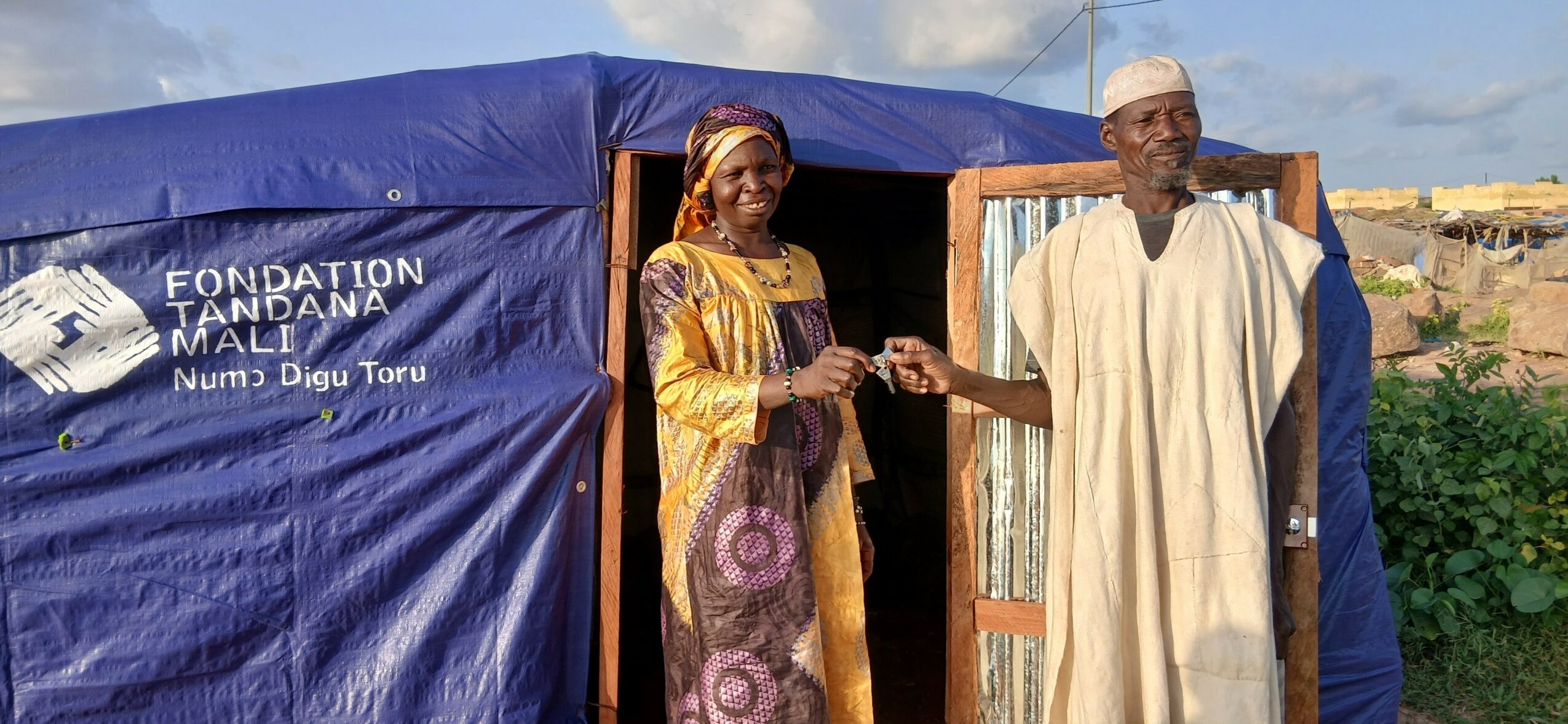
Of course, there have been challenges. For me, learning to manage people was a struggle, as I am naturally more introverted and don’t like conflict. Over the years, I have learned how to manage people well, at the same time as being an inspiring leader. We have also faced challenges due to geopolitical circumstances. For example, since 2012, the region of Mali where we work has been subject to insecurity from terrorist groups and thus unsafe for foreign visitors. We have had to adapt and find other ways to stay in close touch with our team and partners there. We did have to stop working in one village to due to insecurity. This same insecurity has also brought increased need for our support. Thousands of internally displaced families have come to the town of Bandiagara, having fled their villages with nothing. Seeing this great need, we developed a program to provide food, school supplies, soap, and remedial classes so their children can attend school and startup funds for parents to start micro-businesses in their new location. The need is much greater than our funding. Finding funding for all of our programs is always an ongoing challenge as well.
As you know, we’re big fans of you and your work. For our readers who might not be as familiar what can you tell them about what you do?
We are known for our personal, relationship-based approach. Tandana is built on a first-person orientation toward other people in relationship. This stance gives to us and to our friends full human agency, the chance to act in meaningful ways and to participate in live encounters between different people. It allows us to see opportunities for collaborating to make dreams come true, rather than problems that require technical intervention.
This orientation leads to a spirit of sharing, based on simple human values like respect and responsibility. An attitude of respect calls us to honor the ability of community members to define their own priorities and initiate their own projects. It builds confidence among community members, leading them to invest in collaboration with us.
A commitment to responsibility leads us to follow through on our promises, offer ongoing friendship, and expect the same from our local partners. This value brings about complete, successful, and sustainable projects, instead of ones that break down after a year or are left half-finished for decades. Community leaders experience their own effectiveness in achieving their goals, with Tandana complementing what they already have.
I am proud of our commitment to living out our values in practice and our openness to the possibilities that emerge from true dialogue and shared experience. I am also proud that we earned the 2020 Eclipse Integrity Award from the Better Business Bureau of Greater Dayton.
I am the 2020 recipient of the Distinguished Alumni Award from The Wellington School and a 2025 recipient of The International Alliance for Women’s World of Difference Award.
Do you have recommendations for books, apps, blogs, etc?
I find encouragement from On Being and Poetry Unbound podcasts and books by John O’Donohue and David Whyte. Currently Ben Katt, author of The Way Home, is supporting my growth, including through a workshop hosted by the Modern Elder Academy.
I would also like to recommend my book, Climbing Together: Relational Morality and Meaningful Action in Intercultural Community Engagement to others who are interested in learning about a relational approach to positive social change.
Contact Info:
- Website: https://tandanafoundation.org/
- Instagram: https://www.instagram.com/tandanafoundation/
- Facebook: https://www.facebook.com/TheTandanaFoundation/
- LinkedIn: https://www.linkedin.com/in/anna-taft-ba8a4736/
- Youtube: https://www.youtube.com/user/tandanafoundation/videos
- Other: https://annataft.com
Popular
-

The Change-Makers: stories that inspire
-

Take Flight: Lamar Thomas on Building an Inclusive Brand Rooted in Youth, Community, and Purpose
-

Cultivating Inner Clarity: Angel Inspires on Thought, Healing, and Purpose
-

Local Highlighter Series
-

Highlighting Local Gems
-

Hidden Gems: Local Businesses & Creatives You Should Know