



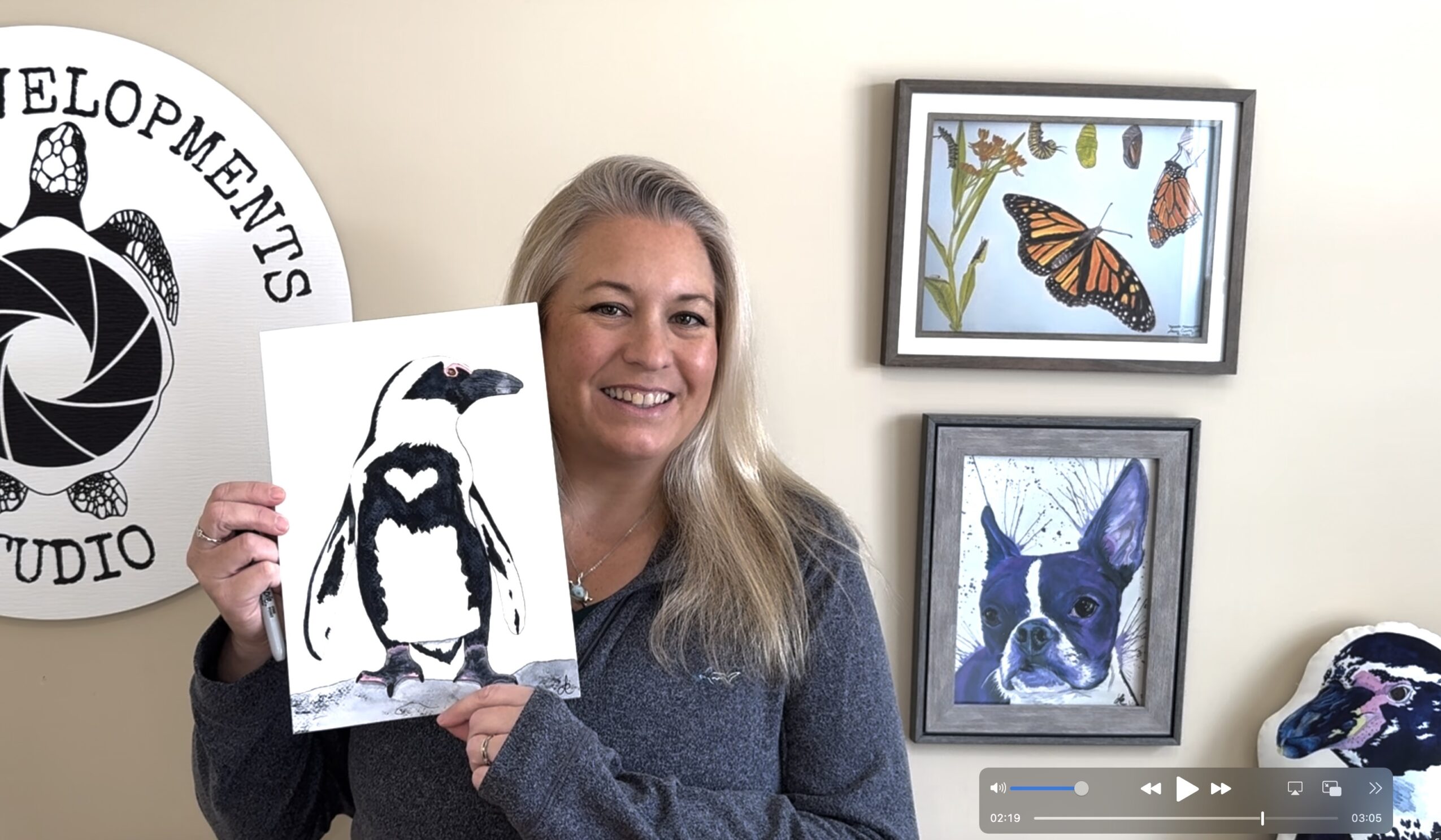
Today we’d like to introduce you to Lauren Connolly.
Hi Lauren, we’d love for you to start by introducing yourself.
Wild Developments Studio began as a personal healing journey before it ever became a business.
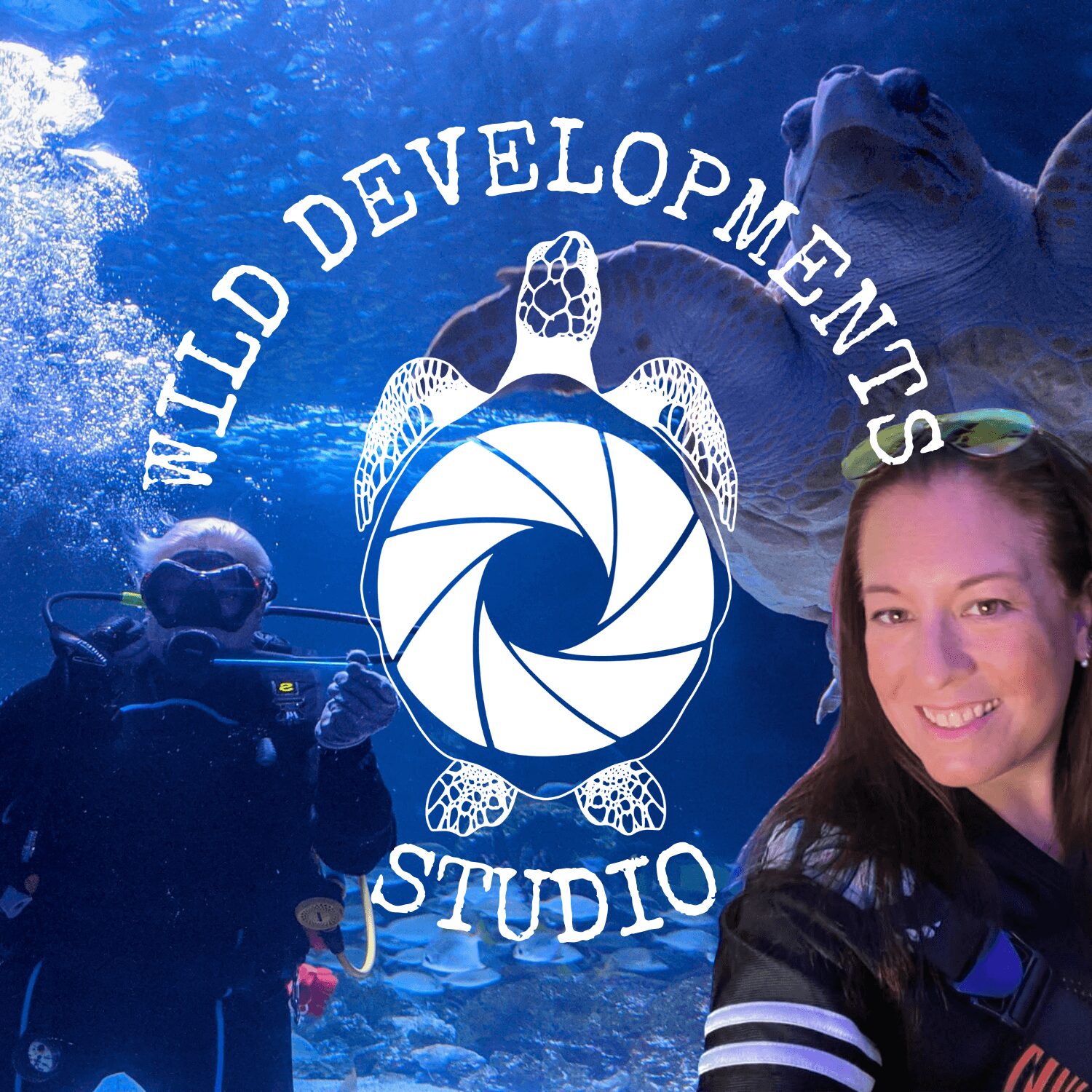
I’ve loved wildlife and art for as long as I can remember. I studied Maritime Studies, became an Open Water S.C.U.B.A. Instructor, certified naturalist and interpretive guide, worked in conservation settings, and spent years photographing and painting the natural world. I’ve always believed that when people truly see something — whether it’s a shark, a salamander, or a quiet sunrise — they’re more likely to care about it.
But like many creatives, I hit burnout. In 2020, I found myself exhausted from hustle culture and disconnected from the very things that once made me feel alive. Art and time in nature became my way back. I started slowing down, nature journaling, painting wildlife again, and paying attention to small seasonal shifts. That reconnection changed everything.
What started as scattered ideas — photography, conservation trips, storytelling — eventually became Wild Developments Studio: a space where art, ecology, and personal renewal intersect.
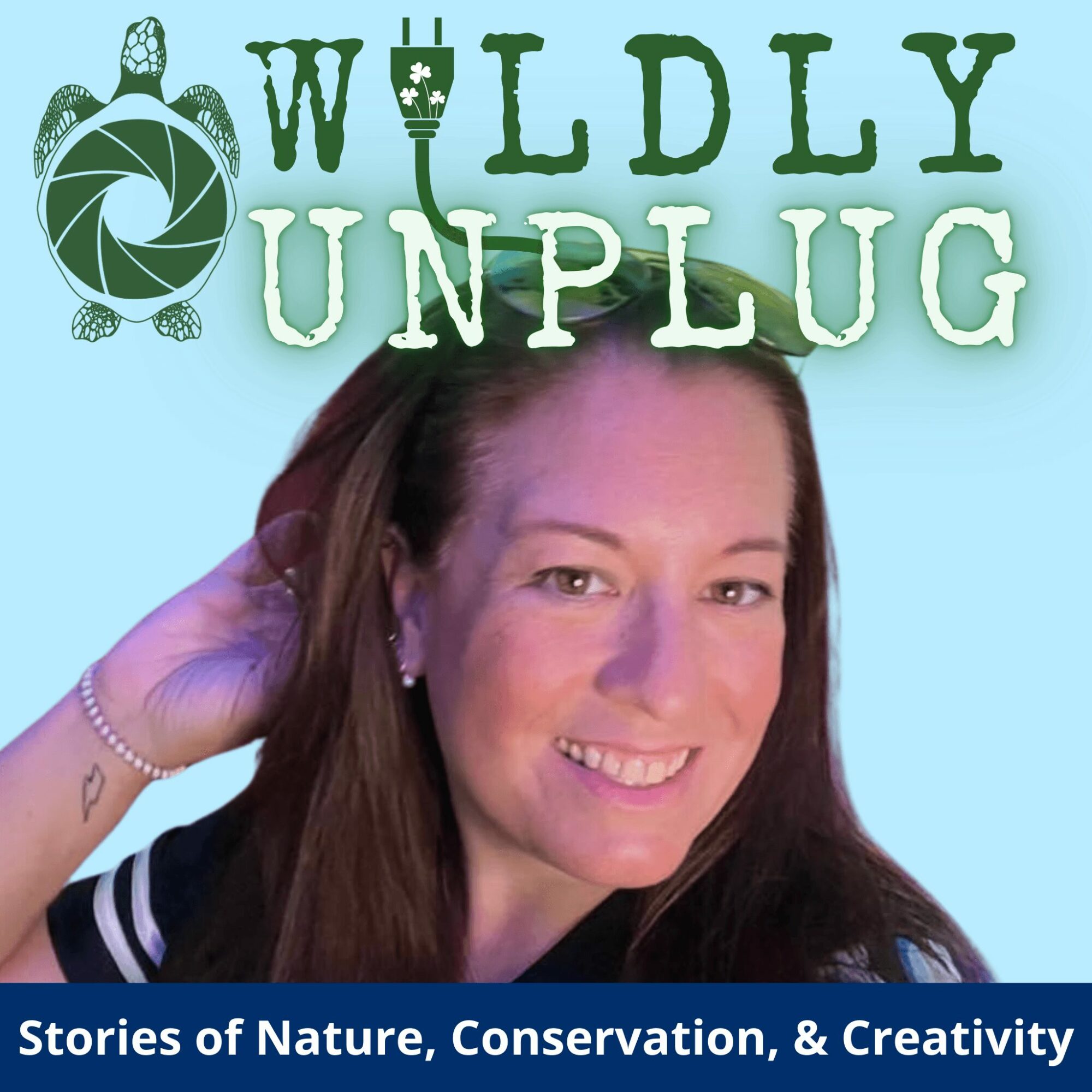
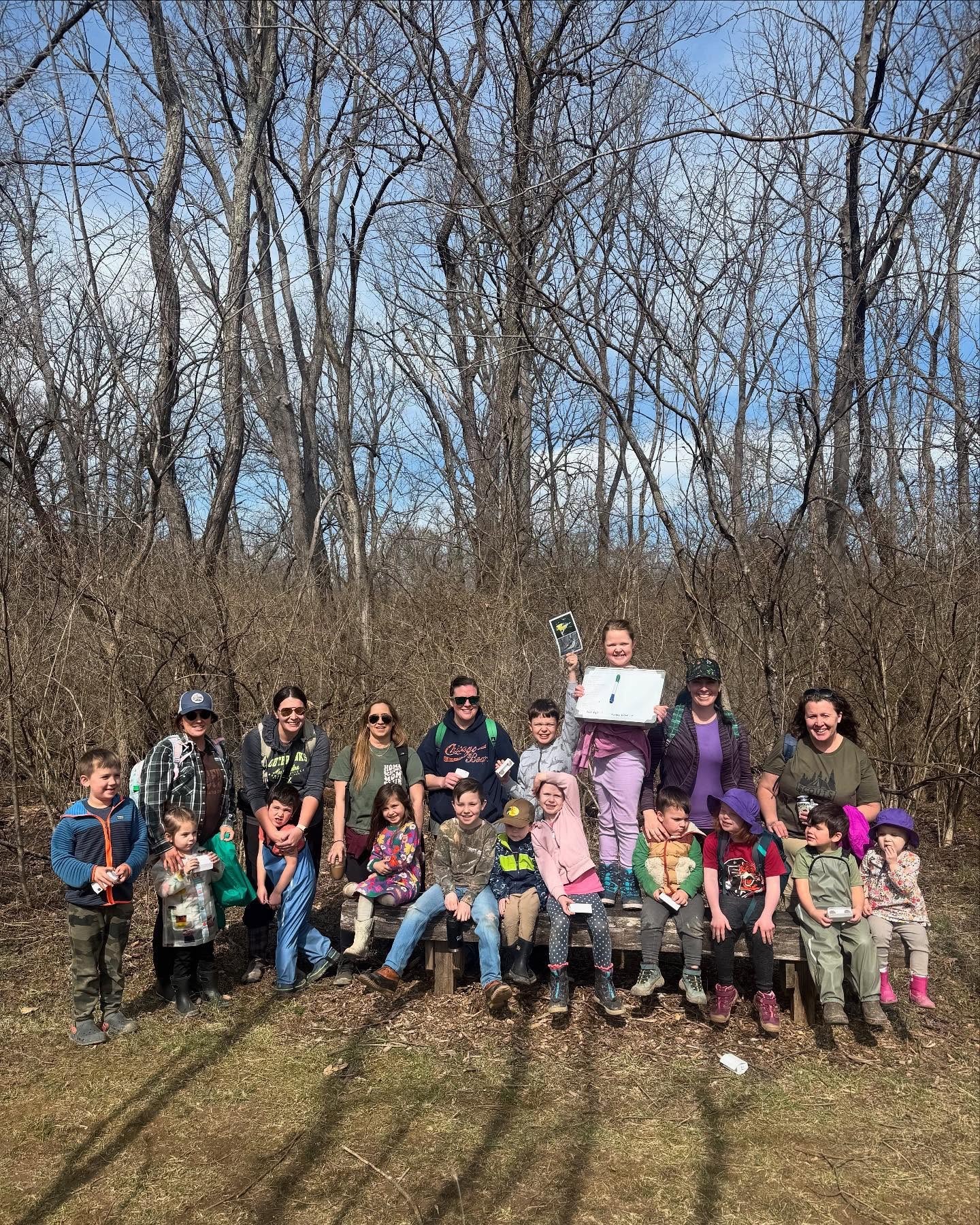
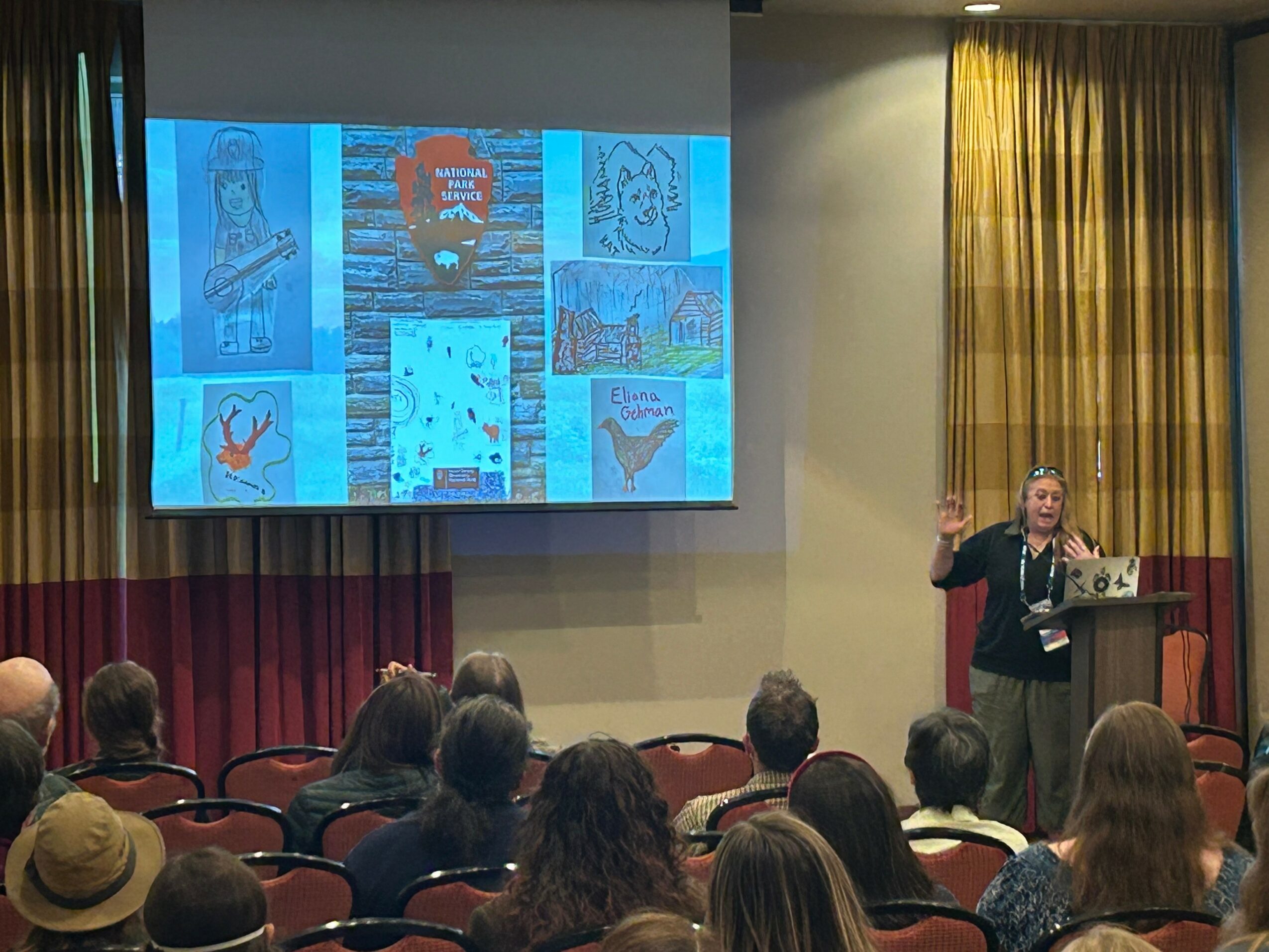
Today, Wild Developments blends watercolor, wildlife photography, filmmaking, podcasting, and immersive experiences that invite people to unplug and reconnect with the natural world. I’ve hosted nature journaling workshops, produced award-winning short films, launched the Wildly Unplug podcast, created wildlife painting tutorials on YouTube @WildDevelopmentsStudio using my own field photography, and recently published a book centered on reconnecting with nature through creativity.
At its core, Wild Developments is about helping people slow down long enough to notice — and remember — that they belong to the natural world, not separate from it.
The journey hasn’t been linear. It’s evolved as I have. But the mission has stayed the same: to tell stories that help people see the wild differently — and maybe see themselves differently too.
I’m sure it wasn’t obstacle-free, but would you say the journey has been fairly smooth so far?
It definitely hasn’t been a straight or smooth road — but in hindsight, I’m grateful for that.
One of the biggest struggles was burnout. I’ve always been driven and mission-focused, especially when it comes to conservation and storytelling. But there was a season where I was saying yes to everything, trying to build multiple ideas at once, and tying my worth to productivity. Eventually, that pace caught up with me.
Wild Developments didn’t emerge fully formed. Before it, I experimented with different brands — photography, coaching, conservation art — trying to figure out how all the pieces of me fit together. It took time (and some missteps) to realize that I didn’t need separate lanes. The art, the biology, the storytelling, the teaching — they were meant to live under one roof.
There have also been very real entrepreneurial challenges — funding creative projects, navigating website and tech issues, learning marketing, relocating, balancing family transitions, and building something meaningful without losing the heart behind it. Creative work can feel vulnerable. You’re not just selling a product; you’re sharing pieces of yourself.
But every struggle refined the mission.
Burnout taught me the importance of slowing down — which is now central to what I teach. Business pivots clarified my message. And challenges forced me to get grounded in why I’m doing this in the first place.
So no, it hasn’t been smooth — but it’s been intentional. And each season has shaped Wild Developments into something more aligned, sustainable, and honest.
Can you tell our readers more about what you do and what you think sets you apart from others?
Wild Developments Studio blends art, ecology, and storytelling.
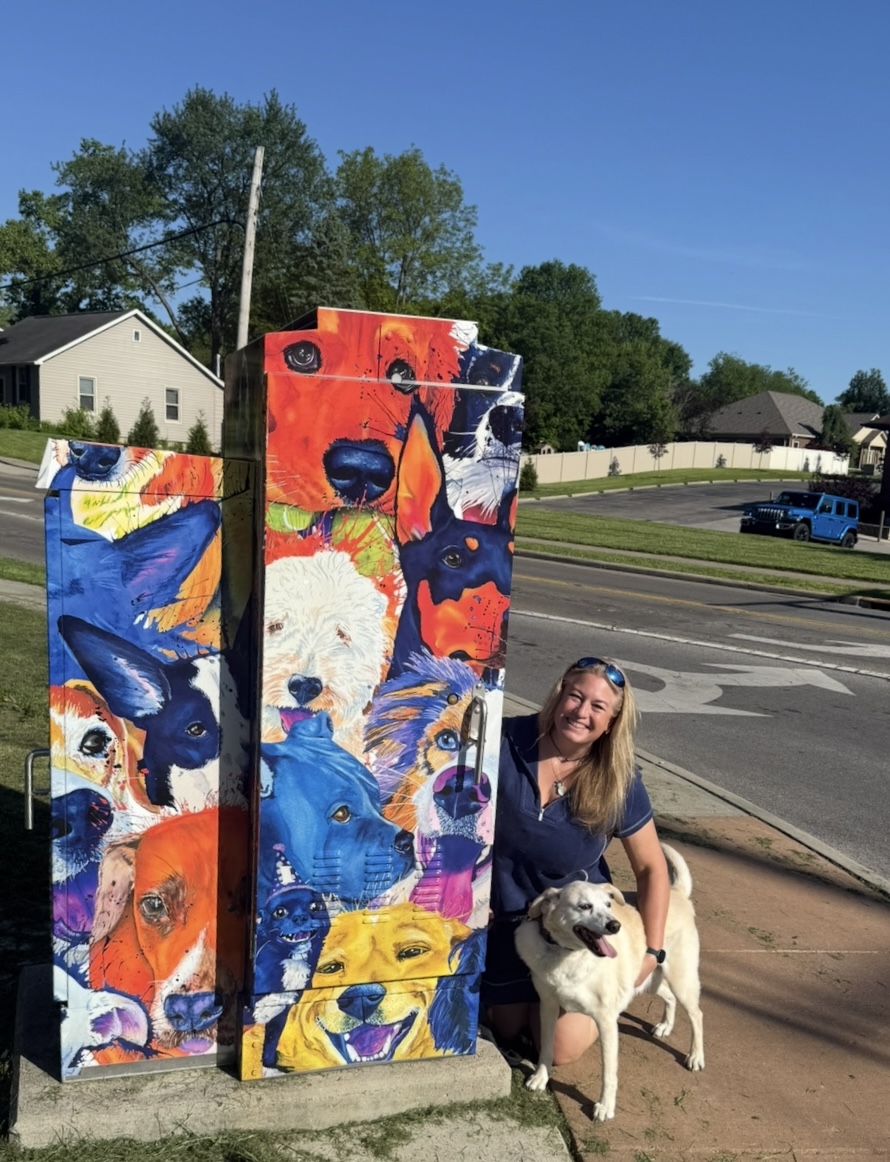
I’m a multidisciplinary artist and conservation advocate specializing in wildlife watercolor, field photography, nature journaling, and immersive creative experiences that help people reconnect with the outdoors. My background in marine biology and interpretive guiding deeply influences my work — I don’t just paint animals, I teach about them. Every brushstroke becomes an opportunity to understand behavior, habitat, and the ecological role of a species.
I’m known for blending education with emotion. Whether it’s a watercolor workshop, a podcast episode, a short documentary, or a beginner-friendly wildlife painting tutorial, the goal is the same: to help people slow down and truly see the natural world.
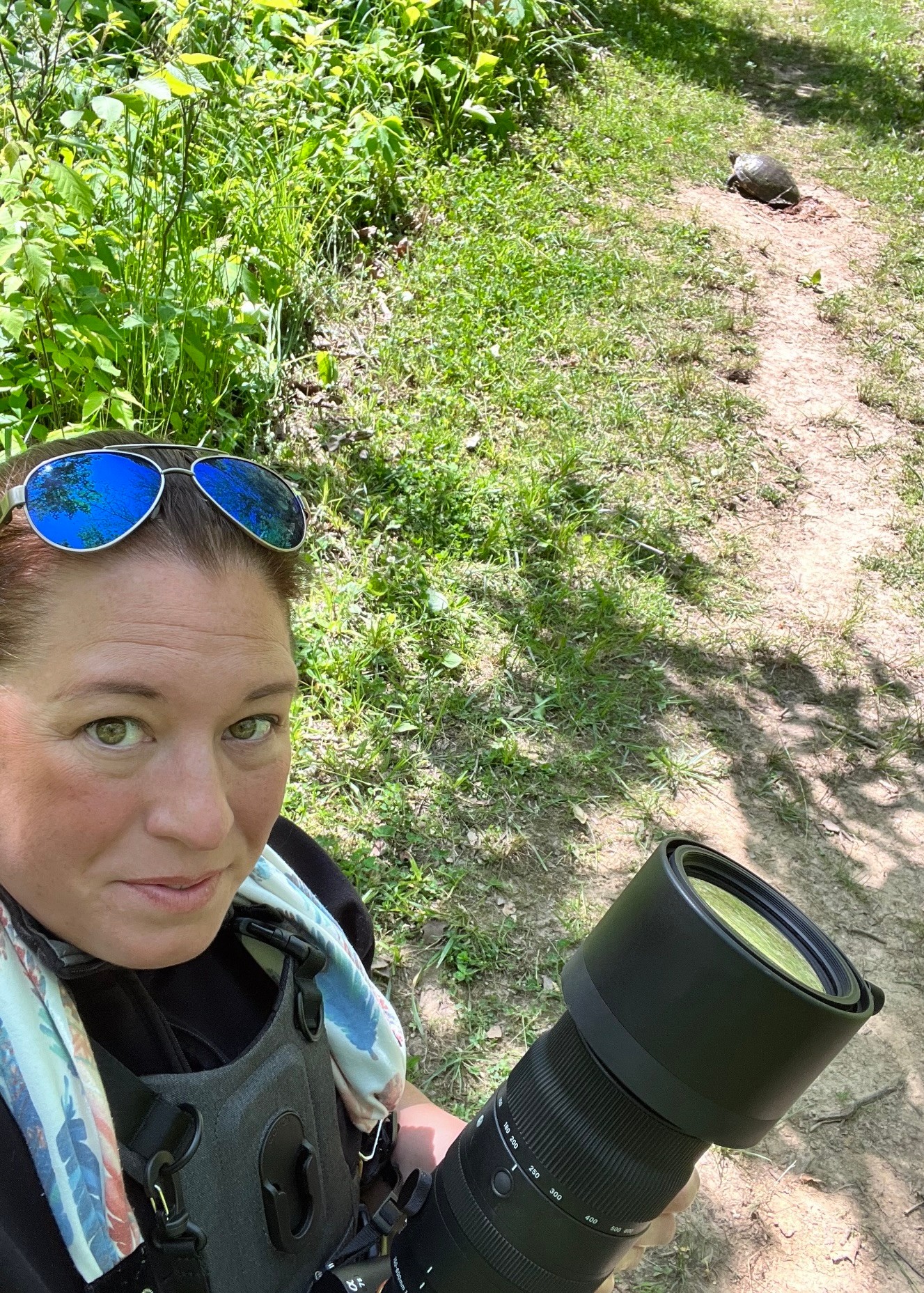
One thing that sets my work apart is that nearly all of my reference material comes from my own field photography. If I’m teaching someone to paint a penguin, a manatee, or a salamander, that image likely came from personal experience. That adds authenticity and a deeper layer of storytelling to the process.
I’m especially proud of how Wild Developments has evolved into more than just art classes. It’s become a platform for connection- helping people step away from hustle culture and reconnect with nature through creativity.
But what I’m most proud of is the impact I hear about from participants and readers — people telling me they’ve started nature journaling for the first time, that they are proud of the art they have created, taken their kids outside more often, or found a sense of calm they didn’t realize they needed.
What sets Wild Developments apart is that it isn’t just about making art. It’s about remembering that we belong to the natural world — and creating experiences that make that truth tangible.
Can you talk to us about how you think about risk?
I don’t see myself as a reckless risk-taker — I see myself as someone willing to take aligned risks.
For me, risk isn’t about thrill-seeking. It’s about listening to the quiet voice that says, “This matters,” even when there’s no guaranteed outcome.
One of the biggest risks I took was stepping away from more traditional, predictable paths to build something that didn’t have a clear blueprint. Wild Developments didn’t fit neatly into one category. It wasn’t just art. It wasn’t just conservation. It wasn’t just education. Choosing to merge all of those passions into one evolving platform meant risking confusion, criticism, and financial uncertainty.
There have also been personal risks — rebuilding community, launching creative projects without knowing if they would resonate, putting deeply personal reflections about burnout and healing into my book and podcast. When you create from a place of authenticity, you risk being misunderstood.
But I’ve learned that the greater risk, for me, would be staying comfortable and disconnected from purpose.
As someone who works in conservation and storytelling, I’m constantly reminded that growth requires movement. Ecosystems adapt. Species migrate. Seasons shift. Risk is part of nature itself.
I’ve come to see risk not as something to avoid, but as something to approach thoughtfully. I ask myself:
Is this aligned with my mission?
Does it serve something bigger than me?
Will I regret not trying?
If the answer points toward growth, even if it’s uncomfortable, I move forward.
Pricing:
- Free E-Book: Wildly Unplug Starter Guidehttps://wilddevelopments.substack.com/p/wildly-unplug-starter-guide
- Free Podcast:https://www.buzzsprout.com/2278247
- Book: $19.99https://www.amazon.com/Wildly-Unplug-Creative-Reconnect-Nature/dp/B0F3V8LRH2/ref=sr_1_1?crid=171GM4HRTXWIA&dib=eyJ2IjoiMSJ9.3quJuLgOYQf08IHazCggicxabiUV3WqQqXt3mZOI7iDGjHj071QN20LucGBJIEps.7NYUehEgq7SItrFLeWqj-VUnc5AoLDRcHl_c0pJrGTM&dib_tag=se&keywords=wildly+unplug+lauren+connolly&qid=1772210391&sprefix=wildly+unplug+lauren+connolly%2Caps%2C113&sr=8-1
- Commissioned Watercolor Painting: Starting at $175https://wilddevelopmentsstudio.com/shop/ols/products/hand-painted-9-x-12-stylized-pet-portrait
Contact Info:
- Website: https://wilddevelopmentsstudio.com
- Instagram: https://www.instagram.com/wilddevelopmentsstudio/
- Facebook: https://www.facebook.com/LaurenConnollyPhotography
- Youtube: https://www.youtube.com/@wilddevelopmentsstudio
- Other: https://wilddevelopments.substack.com/
Popular
-

The Change-Makers: stories that inspire
-

Take Flight: Lamar Thomas on Building an Inclusive Brand Rooted in Youth, Community, and Purpose
-

Cultivating Inner Clarity: Angel Inspires on Thought, Healing, and Purpose
-

Local Highlighter Series
-

Highlighting Local Gems
-

Hidden Gems: Local Businesses & Creatives You Should Know