



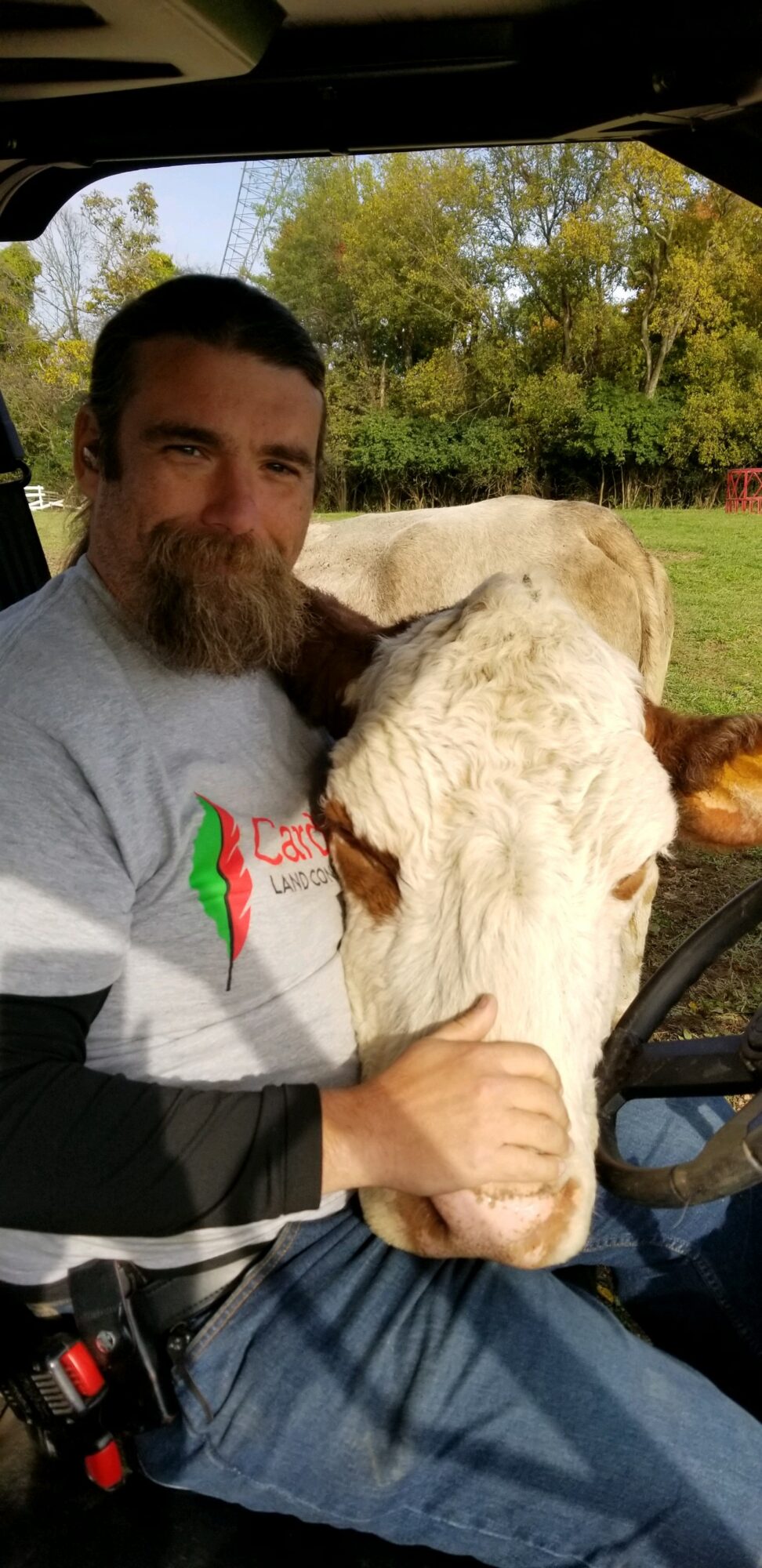
Today we’d like to introduce you to Nick Hartley.
Nick, we appreciate you taking the time to share your story with us today. Where does your story begin?
After many years working in retail, I made the scary decision to go back to college for a degree in sustainable horticulture. It was a complete change of direction, but I knew I wanted a career that felt meaningful and connected to the land. When I graduated, my first opportunity was with Cardinal Land Conservancy a regional non-profit land trust which protects thousands of acres of land had just acquired a 32 acre farm within Cincinnati’s city limits. I was hired to manage the property despite having no agricultural background. What I did have was experience managing projects, balancing priorities, and a deep desire to learn — and our Executive Director Andy Dickerson saw that those qualities were exactly what the farm needed.
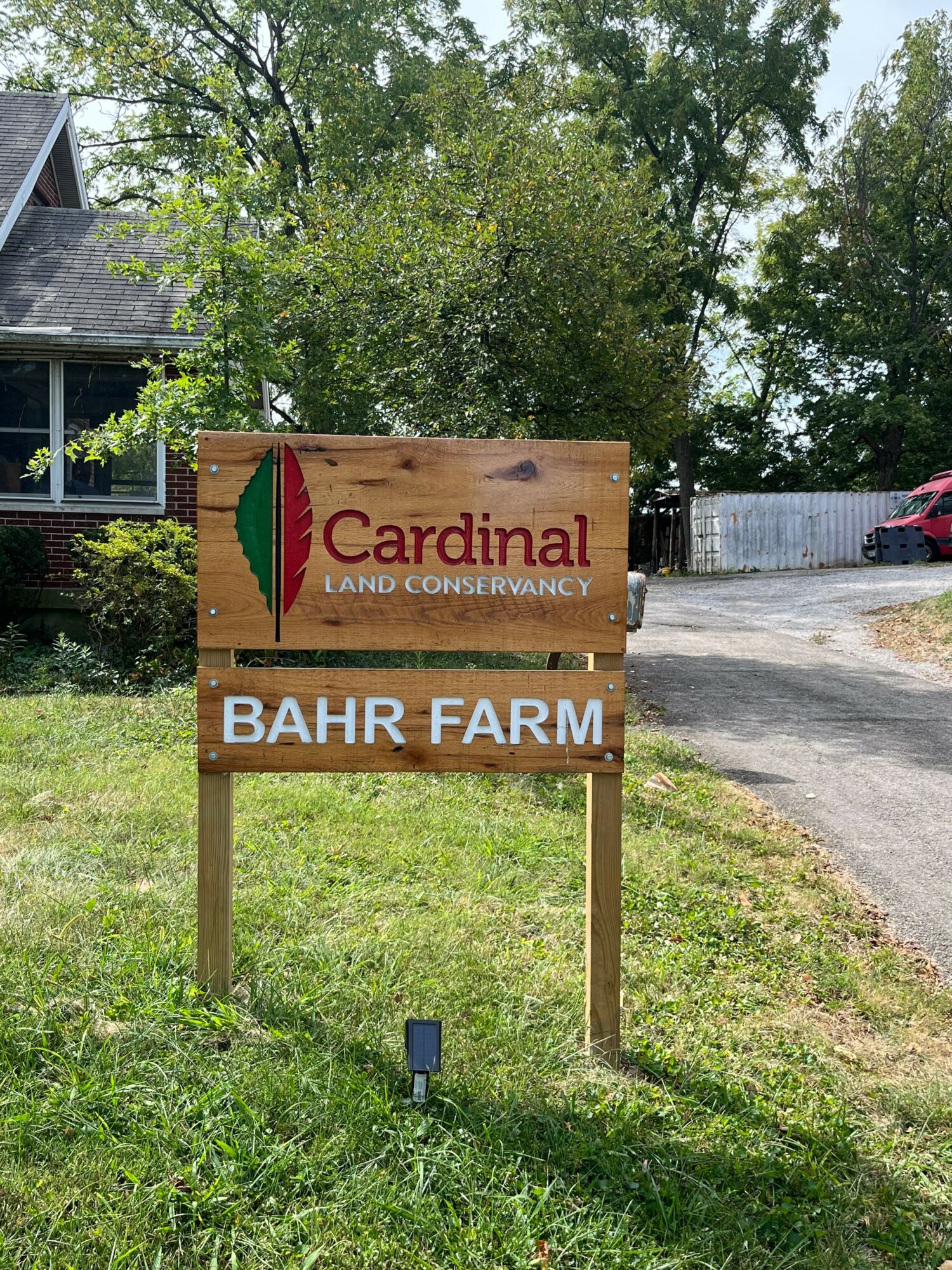
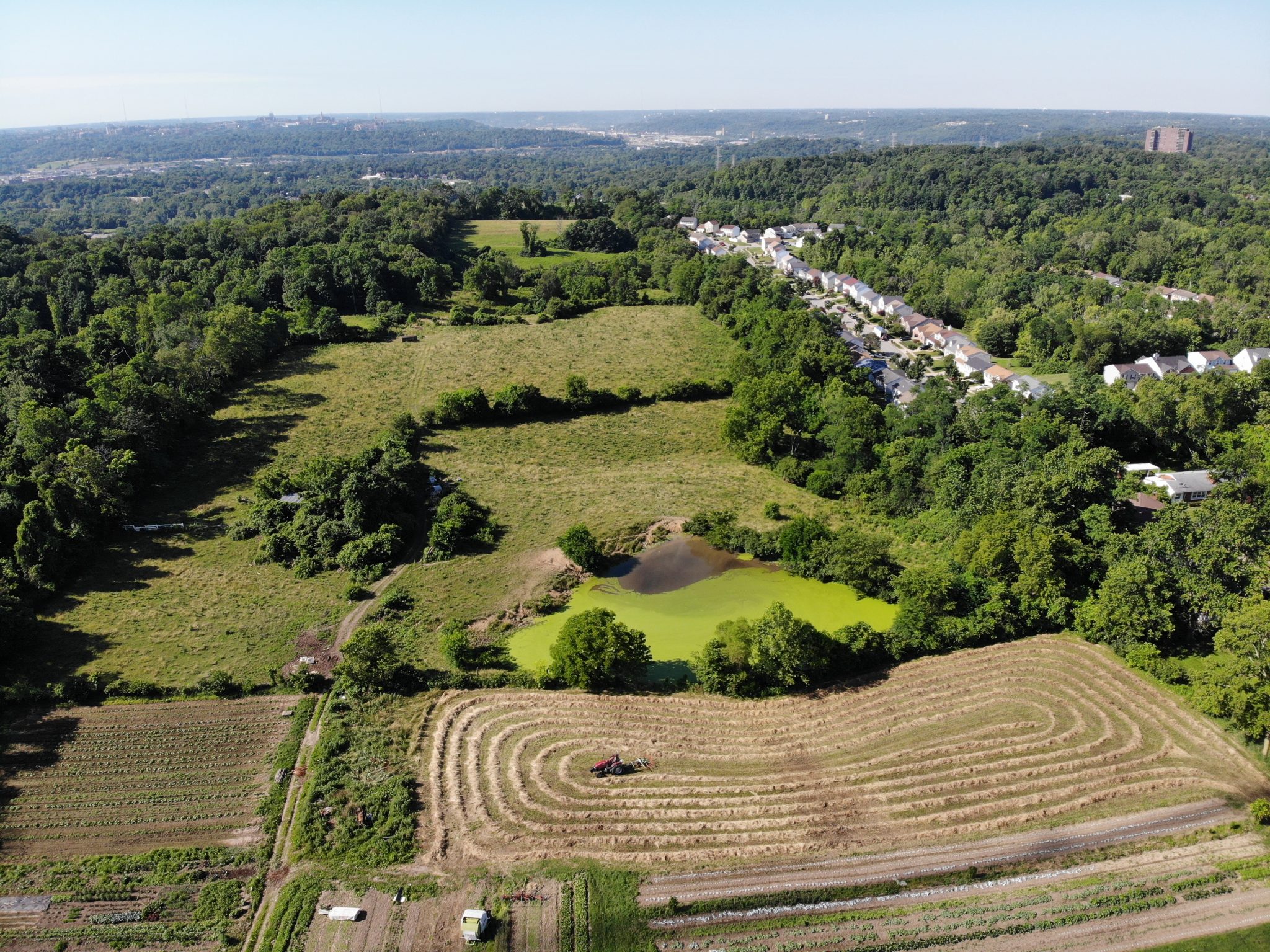
The farm itself is extraordinary. It was donated in 2021 by Dale and Carol Bahr, whose family had farmed the land for three generations. Dale’s grandfather, Frederick Bahr, purchased it in 1916, and the property has records showing it has been farmed since 1804. Dale and Carol understood how vulnerable farmland within urban development can be — large parcels like this are often sold to developers for shopping centers or housing. Their gift ensures that this land will remain a farm forever, protected in perpetuity. I feel immense gratitude for their vision and trust.
Over the past four years, I’ve had the privilege of stewarding this historic landscape. I’ve helped livestock thrive, improved pastures with pollinator friendly plants, and strengthened the infrastructure so the farm can continue operating for generations to come. I’ve also built partnerships throughout the community — connecting with our urban neighbors, local garden clubs, and high school students who are learning about environmental practices and the role farms play in healthier ecosystems. Many of these neighbors might never otherwise experience a working farm, and it’s been meaningful to help bridge that gap.
This outreach is vital. It keeps people connected to the food chain and to the long, unbroken story of this land, which has produced food for more than two centuries. The Bahr Farm is woven into the agricultural fabric of Cincinnati itself.
I am deeply proud to be the steward of this remarkable place. My hope is that my journey encourages others who may be considering a change — even a daunting one — to pursue work that brings them fulfillment and purpose.
Alright, so let’s dig a little deeper into the story – has it been an easy path overall and if not, what were the challenges you’ve had to overcome?
Going to college for the first time as an older adult was not easy. I was working full time with a family — all while taking on a brand-new field of study. There were many late nights, early mornings, and moments of doubt, but I kept reminding myself why I wanted this change.
When I stepped into my role at the farm, I quickly realized how much I still had to learn. I had no real agricultural experience, so suddenly I was figuring out how to manage cattle, care for pastures, build fencing, and handle the day-to-day realities of a working farm. It was intimidating at first, but it pushed me to grow faster than I ever expected.
One of the best surprises along the way has been discovering how close knit and generous the farming community is. Experienced farmers welcomed me in, answered my endless questions, and treated me like someone worth investing in. Their support made all the difference, and it’s something I carry with me now that I have nearly five years of experience myself. I’m proud that I can pay that kindness forward by mentoring others.
Can you tell our readers more about what you do and what you think sets you apart from others?
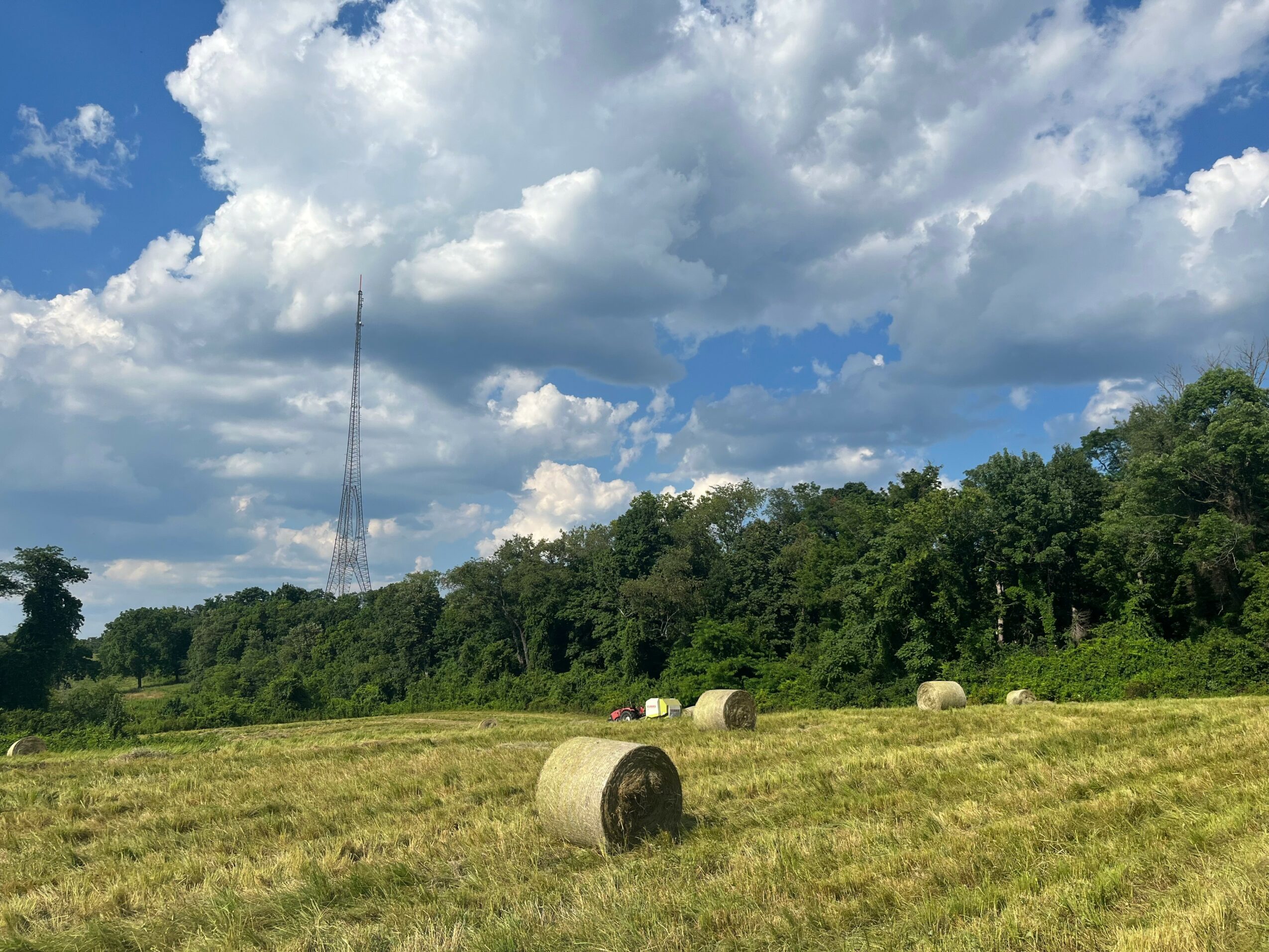
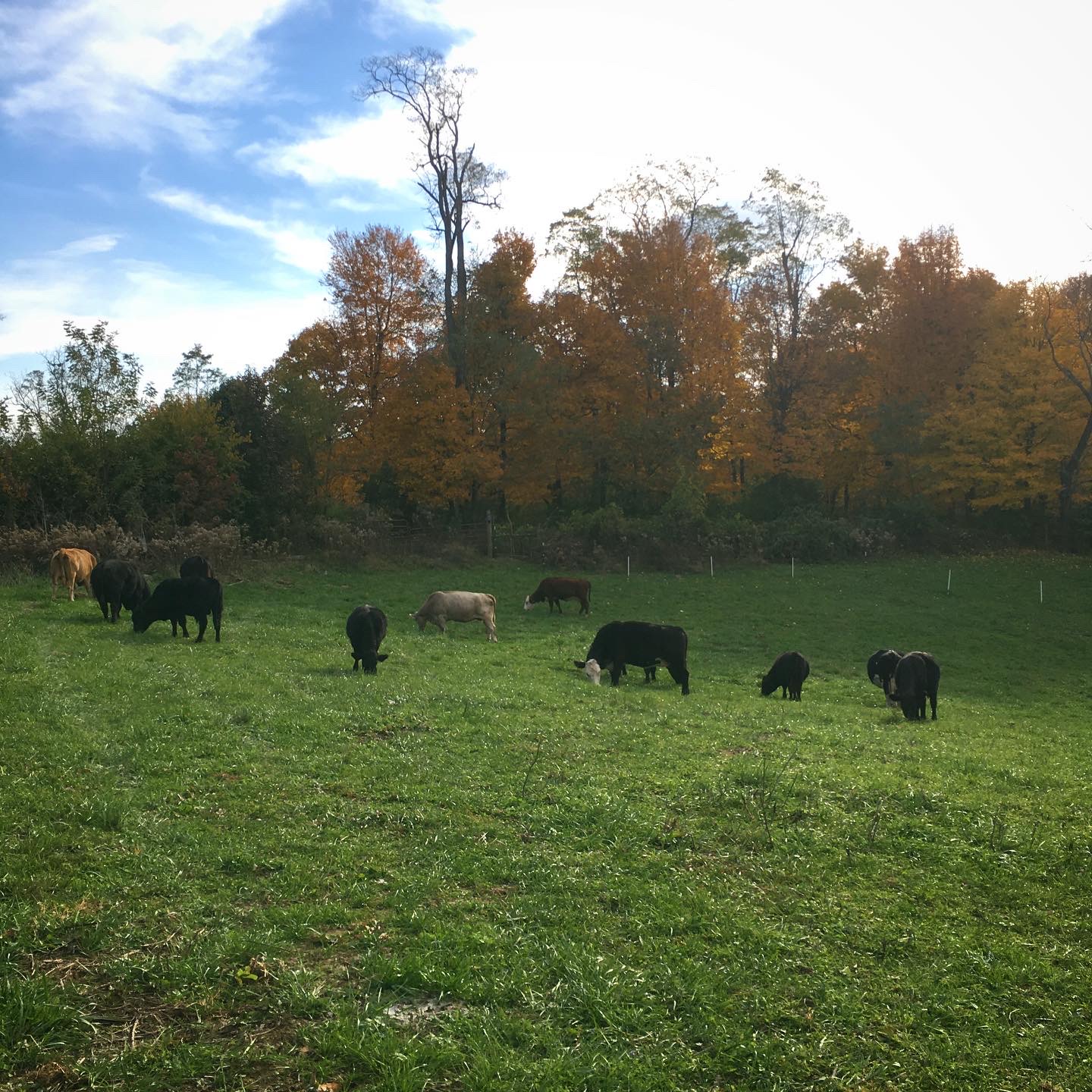
My work centers on raising grass fed cattle using rotational grazing, with a strong focus on demonstrating how warm season native grasses can support climate resilience. We also partner with Our Harvest Cooperative, who have been leasing six acres to grow vegetables on the property for more than a decade. Together, we’re able to showcase how diversified, sustainable agriculture can thrive even within an urban setting.
Much of what I do involves blending the history of a 19th century farm with the needs and realities of the 21st century — improving infrastructure, restoring pastures, and implementing practices that protect soil health, water quality, and biodiversity. The farm has become a demonstration site for environmentally friendly agriculture, showing visitors, students, and community partners what sustainable livestock management looks like in practice.
I’m especially proud of the health and well-being of our cattle. Seeing them thrive on land that has been farmed for more than two centuries is incredibly rewarding, and it reinforces why this work matters.
What’s next?
I plan to continue expanding my knowledge in agriculture so I can better support the farm and serve as a resource for our team and the farming community. We’re very intentional about setting both short‑ and long‑term goals, and several projects are already in motion. In the near term, we’re replacing our decades‑old irrigation system with a modern, efficient setup that will significantly reduce water waste and improve overall sustainability. Looking further ahead, one of our major long‑term projects is the restoration of our historic barn. We’ve been planning this for several years, and in 2022 we partnered with the College of Wooster for a dendrochronology study to determine its age. The results were remarkable — the barn was built in 1809, making it one of the oldest structures in Cincinnati. Preserving it is both a responsibility and an exciting opportunity to honor the farm’s history for future generations.
Contact Info:
- Website: https://www.cardinallandconservancy.org/
- Instagram: https://www.instagram.com/cardinallandconservancy/?hl=en
- Facebook: https://www.facebook.com/CardinalLandConservancy/
- LinkedIn: https://www.linkedin.com/company/cardinal-land-conservancy-inc
- Youtube: https://www.youtube.com/@cardinallandconservancy
Popular
-

Hidden Gems: Local Businesses & Creatives You Should Know
-

The Change-Makers: stories that inspire
-

Take Flight: Lamar Thomas on Building an Inclusive Brand Rooted in Youth, Community, and Purpose
-

Cultivating Inner Clarity: Angel Inspires on Thought, Healing, and Purpose
-

Local Highlighter Series
-

Highlighting Local Gems