



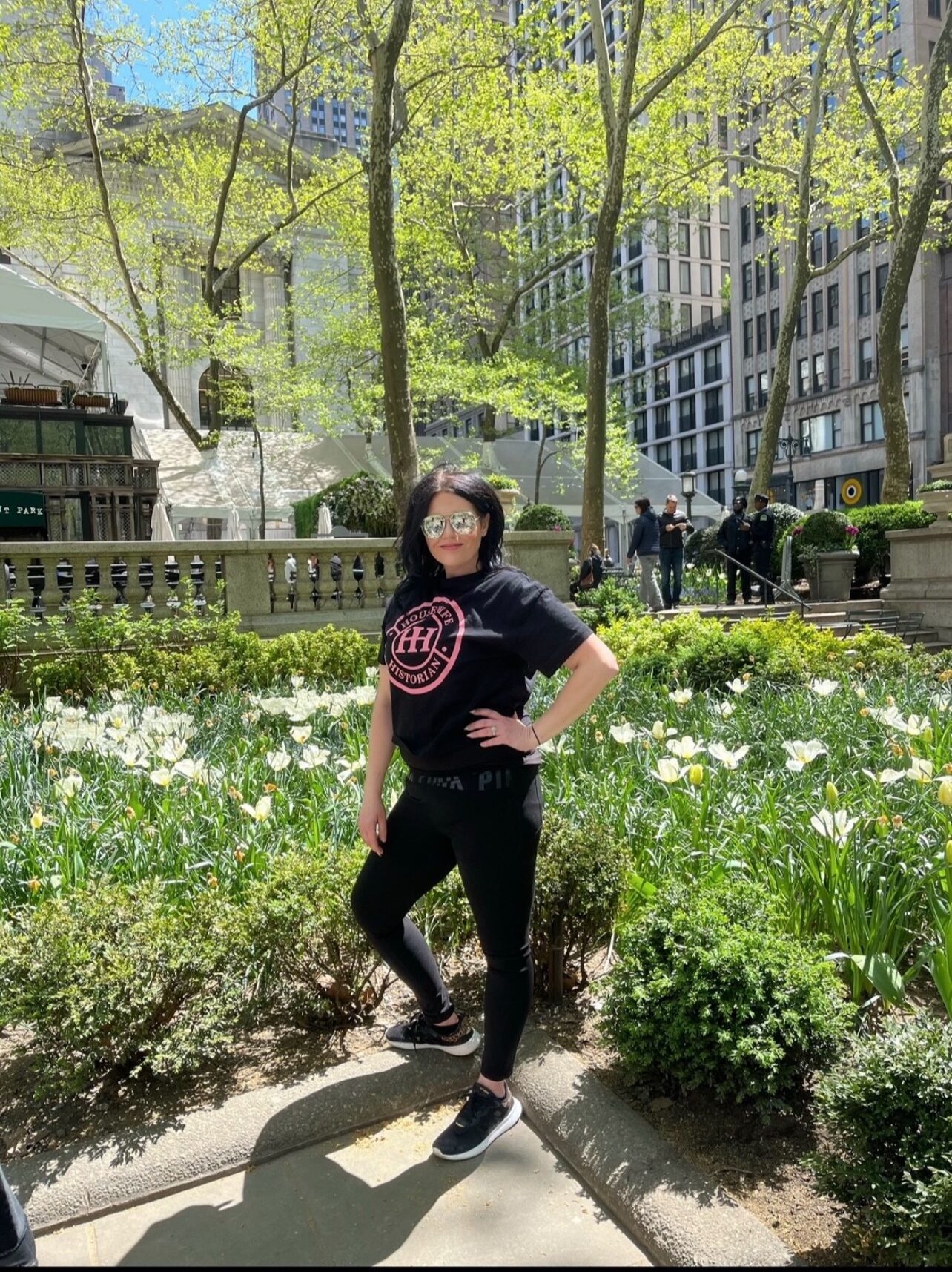
Today we’d like to introduce you to Jessica Lenzi-Bucco.
Hi Jessica, we’re thrilled to have a chance to learn your story today. So, before we get into specifics, maybe you can briefly walk us through how you got to where you are today?
I grew up without a father, and by the time I was 19, my life was forever changed when my mother died by suicide. Losing her at such a young age left me carrying an overwhelming amount of grief, trauma, and unanswered questions. Without the support or tools to process that pain, my mental health deteriorated rapidly. I was struggling with severe depression and untreated mental health issues, which eventually led me down a destructive path of drugs and alcohol as a way to numb what I didn’t know how to face.
My addiction escalated, and in 2014, it culminated in a three-year prison sentence. That period became a turning point in my life. While incarceration was one of the darkest chapters I’ve lived through, it also forced me to confront the patterns, pain, and unresolved trauma that had shaped my choices for so long. I made a decision then that if I ever got the chance to rebuild my life, I would do it differently.
When I returned home from prison, I stayed determined. Recovery was not easy, but I committed to it fully. I focused on healing my mental health, maintaining sobriety, and rebuilding trust — with myself and with others. I knew my lived experience could one day be used to help people who felt as lost and broken as I once did.
In 2020, I earned my Peer Support Certification through the Ohio Board of Mental Health and Addiction Services. That milestone marked the beginning of my work in the recovery community, where I now support individuals navigating both mental health and substance use disorders. I specialize in working with people who have co-occurring, full diagnoses — understanding firsthand how deeply intertwined mental health and addiction truly are.
Today, my work is rooted in empathy, accountability, and hope. I don’t just teach recovery — I live it. My story is proof that even after profound loss, incarceration, and addiction, healing is possible, and a meaningful life in service to others can be built.
We all face challenges, but looking back would you describe it as a relatively smooth road?
Even after doing everything asked of me — serving my sentence, committing to recovery, and building a life rooted in accountability and service — the consequences of my past have never fully disappeared. One of the hardest struggles I’ve had to overcome is stigma. The label of “formerly incarcerated” often follows me into rooms long after people hear the rest of my story. I have experienced people making assumptions about my character, my worth, and my abilities based on a mistake that happened over a decade ago.
That stigma has had real consequences. I have lost jobs, missed out on opportunities, and been quietly passed over despite my qualifications, certifications, and lived experience. There are moments when it feels as though I continue to pay the cost for something I have already taken full responsibility for — a debt that never truly stops being collected. It can be disheartening to know that growth, change, and time don’t always outweigh a criminal record in the eyes of employers or institutions.
Reform is for everyone, but the reality is that our judicial system is deeply flawed. While it claims to be rooted in rehabilitation, the long-term barriers placed on people with criminal backgrounds often do the opposite. A record becomes a lifelong obstacle to stable employment, professional advancement, and financial security, even for those who have demonstrated years of consistency, sobriety, and service to their communities.
I have had to learn resilience on a different level — continuing to show up, advocate for myself, and believe in my value when doors close without explanation. These challenges have not broken me, but they have shaped my purpose. They are part of why I am so passionate about supporting individuals with full diagnoses of mental health and addiction, and why I believe so deeply in second chances that are more than just words. True recovery doesn’t end with sobriety or release from prison — it requires systems that allow people to move forward, not remain permanently defined by their worst moment.
Thanks for sharing that. So, maybe next you can tell us a bit more about your work?
In my professional work, I am best known as a recovery coach who supports women in the earliest and most vulnerable stages of sobriety. Many of the clients I work with are navigating probation, involvement with children services, or the fear of losing custody while trying to rebuild their lives. I understand the pressure and panic that comes with those circumstances, and I approach my work by meeting people exactly where they are — without judgment, shame, or unrealistic expectations.
I am known for being a strong advocate for my clients. That advocacy often means helping them understand systems that feel overwhelming, standing beside them as they learn how to communicate with probation officers or caseworkers, and reminding them that compliance and recovery do not have to come at the cost of dignity. I don’t believe in a one-size-fits-all approach to recovery; I believe in individualized support rooted in honesty, accountability, and compassion.
Beyond my work in recovery, I have also built a significant presence on social media under the name The Housewife Historian. Through that platform, I’ve grown engaged audiences by blending pop culture commentary with real-life conversations about resilience, accountability, and personal growth. My work has been featured on TMZ Live and in Reality Blurb, allowing me to reach people who may never step into a traditional recovery space but still connect with messages about change and self-awareness.
Whether I’m working one-on-one with women in recovery or speaking to thousands online, my goal remains the same: to normalize struggle, challenge stigma, and show that transformation is possible — even when the odds, systems, or public perception say otherwise.
If you had to, what characteristic of yours would you give the most credit to?
The quality that has been most important to my success is authenticity paired with perseverance. I don’t lead from theory — I lead from lived experience. I show up as my full self, with honesty about my past and accountability for my choices, and that authenticity builds trust with the people I serve. My clients know I’m not judging them or talking down to them, because I’ve stood where they’re standing.
Perseverance is just as critical. I’ve had to keep moving forward even when doors closed, opportunities were taken away, or my past was used to define me long after I had changed. Staying committed — to recovery, to growth, and to advocacy — despite setbacks has allowed me to build credibility and impact over time.
Together, authenticity and perseverance allow me to meet people where they are, advocate fiercely on their behalf, and continue doing this work even when the system makes it difficult. They are the foundation of both my personal recovery and my professional success.
Pricing:
- Pricing is on an individual basis. It’s important to identify the clients needs and expectations before formulating a 30, 60, or 90 day program. This gives me the opportunity to get to know a little bit more about the client before starting services.
Contact Info:
- Website: https://beacons.ai/jessicalenzi
- Instagram: https://www.instagram.com/hwhistorian2
- Youtube: https://www.youtube.com/@TheHousewifeHistorian
- Other: https://www.tiktok.com/@hwhistorian2

Popular
-

Hidden Gems: Local Businesses & Creatives You Should Know
-

The Change-Makers: stories that inspire
-

Take Flight: Lamar Thomas on Building an Inclusive Brand Rooted in Youth, Community, and Purpose
-

Cultivating Inner Clarity: Angel Inspires on Thought, Healing, and Purpose
-

Local Highlighter Series
-

Highlighting Local Gems