



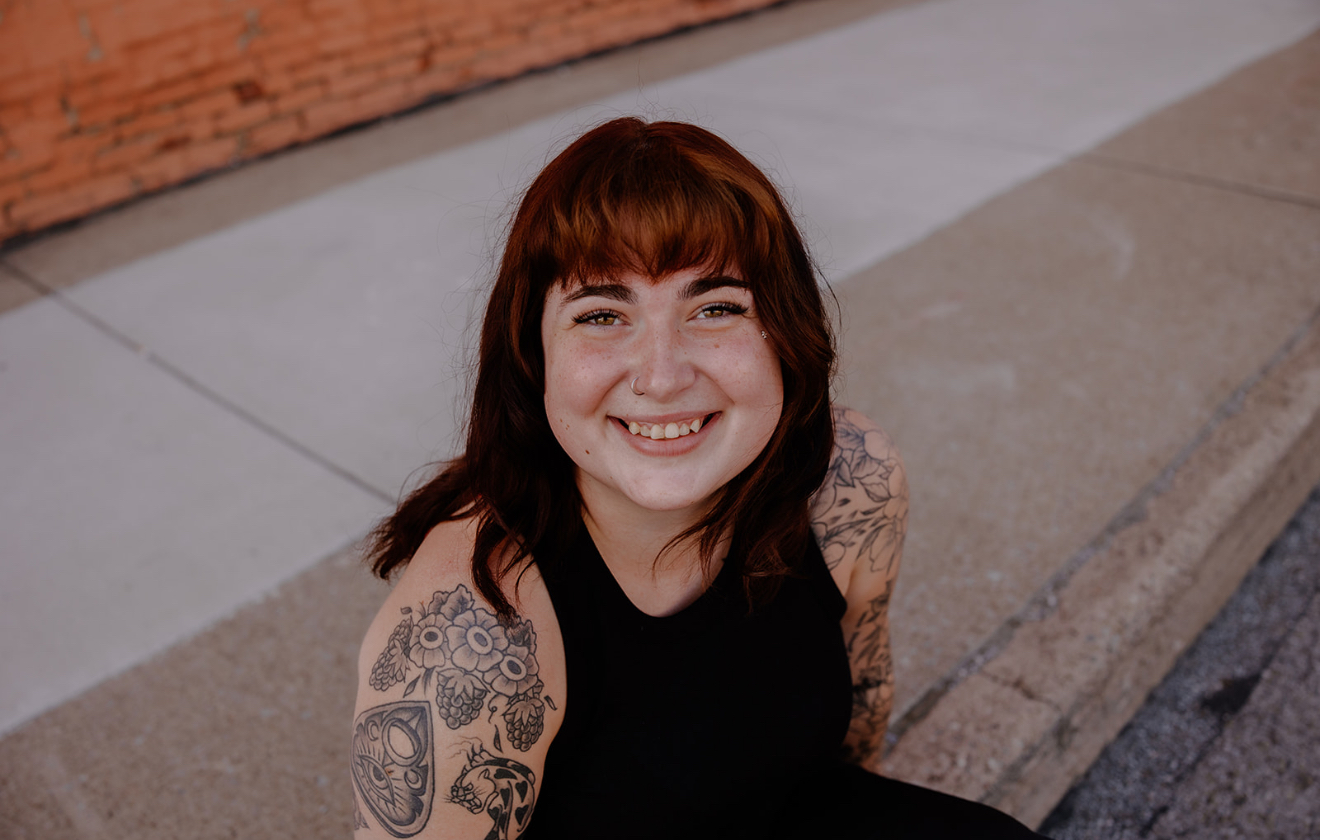
Today we’d like to introduce you to Bryanna Bryan.
Hi Bryanna, please kick things off for us with an introduction to yourself and your story.
My story definitely didn’t start in a way that would make anyone predict I’d become a therapist. I grew up in chaos; there wasn’t safety, structure, or really any adult guidance. By the time I was six, I was already using whatever substances were around me. From about eight to thirteen, my entire world revolved around survival: drugs, violence, and juvenile delinquency. That was the environment I learned to navigate because it was all I knew.
At thirteen, I was charged with trafficking and told I’d probably be locked up until eighteen. I remember realizing that everyone around me had already written me off. I was supposed to be the kid who didn’t make it.
But something in me refused to settle for that storyline. I fought my way out of addiction. I fought my way out of the environment that raised me. I fought for a future no one thought I’d ever have.
And that fight eventually led me to trauma work. Now I sit across from kids, teens, and adults who are living versions of the life I survived. I understand their fear, their anger, their shame; not from textbooks, but from experience. And I get to help them rewrite the stories they were handed, the same way I rewrote mine.
So how did I get here? By refusing to become the statistic I was expected to be and by turning my survival into something that helps other people find their own way out.
Can you talk to us a bit about the challenges and lessons you’ve learned along the way. Looking back would you say it’s been easy or smooth in retrospect?
Not at all , and honestly, I’m grateful it wasn’t smooth, because the hard parts are what shaped the way I show up now. I grew up feeling misunderstood, labeled, and written off. I struggled with addiction and survival at a young age, and there were a lot of moments where people assumed I wouldn’t make it, or that my story was already decided for me.
The hardest part wasn’t the circumstances: it was the shame. Feeling “difficult,” “too much,” or like I didn’t fit the mold everyone else seemed to understand. And then later, stepping into the therapy world, I had to navigate imposter syndrome, stigma, and the pressure to present myself as if I hadn’t lived what I’ve lived.
But those struggles became the backbone of my work. They made me bolder, more direct, and more compassionate. I don’t sugarcoat things: I help people use their anger, their grief, their frustration as fuel. I’m here because I’ve been through it, not in spite of it. And I think that’s why clients feel safe with me: they know I’m not preaching from a distance. I’ve climbed out of the same holes I’m helping them navigate.
Thanks – so what else should our readers know about your work and what you’re currently focused on?
In my work, I’m a trauma therapist who specializes in neurodivergence and some of the most complex, dark, and misunderstood trauma out there. I work with people who have been stigmatized, dismissed, or labeled as ‘too much,’ ‘too intense,’ or ‘too difficult to treat.’ Those are exactly the people I feel called to sit with, because I know what it’s like to be judged instead of understood.
What I’m known for is being a bold, direct therapist. I’m not afraid of intensity, anger, or the stories that make other professionals uncomfortable. I use anger as a tool in the healing process, because for many of my clients, anger is the part of them that kept them alive. I help them turn it into clarity, power, and self-understanding instead of shame.
What sets me apart is that my trauma-informed work isn’t just theoretical. I bring lived experience, deep compassion, and a level of attunement that helps clients feel seen without being tiptoed around. People come to me when they feel like other clinicians haven’t understood them, minimized them, or tried to fit them into a mold that their nervous system simply doesn’t match.
I’m most proud that my clients can show up exactly as they are. Raw, overwhelmed, grieving, angry, hopeful: all of it. They don’t have to mask or shrink in my office. I help them understand themselves in a way they’ve never been understood before, and from there, they start rewriting the story they were taught about who they’re allowed to be.
How can people work with you, collaborate with you or support you?
People can work with me in a few different ways. If you’re in Ohio and looking for therapy, I’m currently accepting new clients for both in‑person and online sessions. I specialize in trauma, neurodivergence, and the kind of complex cases that often get overlooked or misunderstood, so if someone is feeling stuck, overwhelmed, or mislabeled, I’m here for that work. You can reach me directly at (234) 600‑8200 or through our practice website at traumatherapycompany.com, where you can schedule a free 15‑minute consult.
For collaboration, I’m always open to connecting with other clinicians, creators, and community organizations who care about trauma-informed work and reducing stigma. Whether it’s podcast interviews, educational content, trainings, or advocacy projects, I love partnering with people who are pushing mental health conversations forward.
And if someone simply wants to support the work, the easiest way is by sharing my content, engaging with mental-health education, and helping spread resources to people who need them. Every time someone shares a post, normalizes a difficult topic, or challenges a harmful stigma, it makes this work reach further than I ever could alone.
Pricing:
- self pay – $65
- most major insurances accepted
Contact Info:
- Website: traumatherapycompany.com
- Instagram: brythetherapist
- TikTok: @brythetherapist
- Other: https://www.psychologytoday.com/us/therapists/bry-bryan-youngstown-oh/1559623
Popular
-

The Change-Makers: stories that inspire
-

Take Flight: Lamar Thomas on Building an Inclusive Brand Rooted in Youth, Community, and Purpose
-

Cultivating Inner Clarity: Angel Inspires on Thought, Healing, and Purpose
-

Local Highlighter Series
-

Highlighting Local Gems
-

Hidden Gems: Local Businesses & Creatives You Should Know