




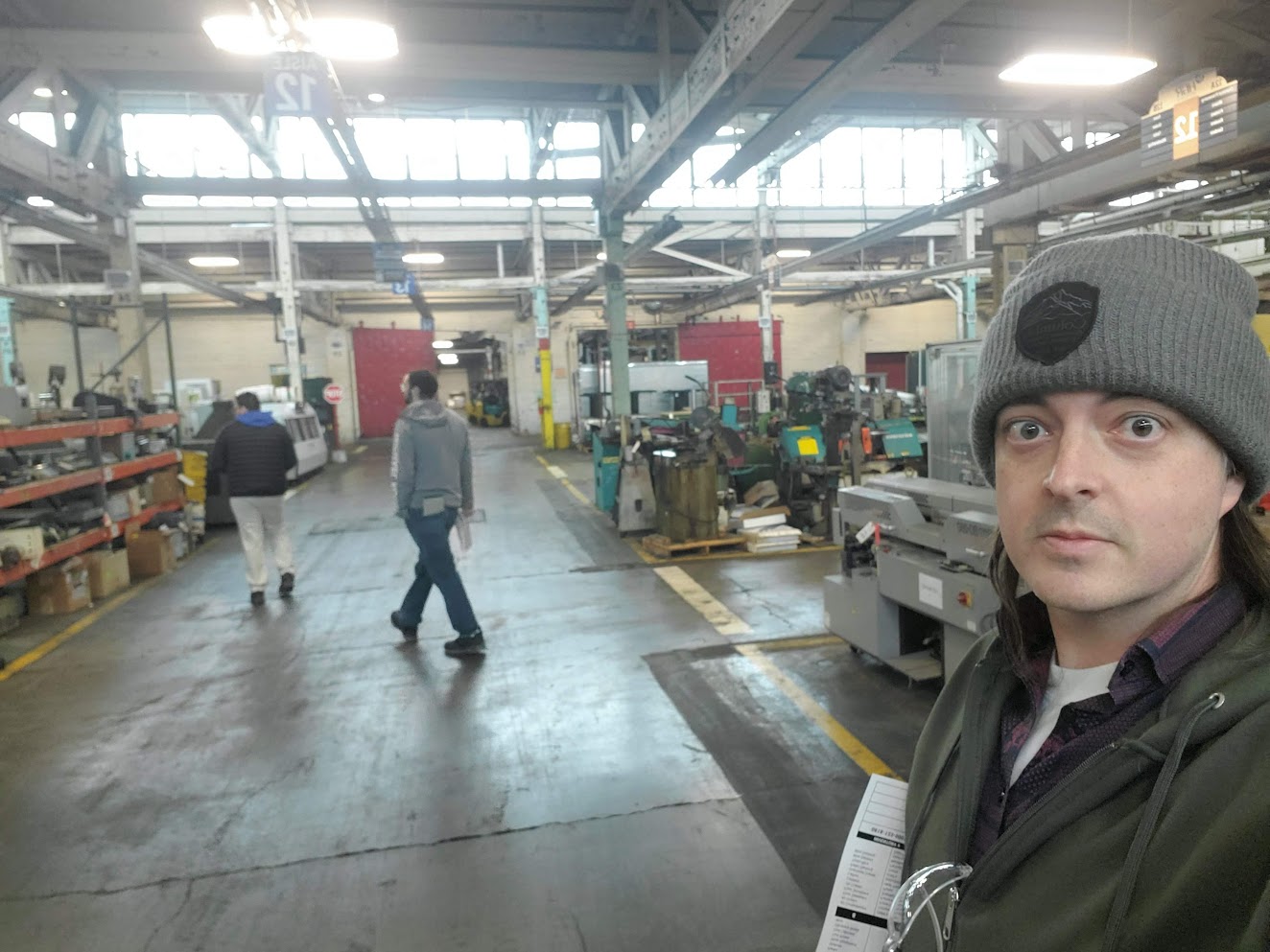
Today we’d like to introduce you to Mitch Robinson.
Hi Mitch, can you start by introducing yourself? We’d love to learn more about how you got to where you are today?
Hi, thank you! Excited to share what I’ve been working toward. I could start wayyyy back with a core memory?
Leopoldo, my first coworker ever, startled me silently over the noise of heavy machinery, waving a “No-Go” sign at me, like “Stop,” or “Watch Out!”
It was afternoon. This job, my first, was loading and unloading the same machine all day in a factory. We created sharp, heavy, expanded steel grating out of fresh, smooth sheet metal. Due to the size of the metal sheets, this was a two-person job.
Leopoldo and I used hand signals due to a language barrier and the high noise level of the stamping machines. He was the primary operator on the controls, and I was on the other side of the equipment, the extra set of hands.
So, during my first week at this first job ever, that dramatic hand signal shook me awake – “Stop?”
*Oh no! What?*
So I kind of looked around, thinking, I wondered if it was meant for me or somebody else, because I was just standing there and waiting for the next piece to finish. But we were the only ones in the area.
Then again, there was nothing to stop doing.
He motioned for me to come up close to my side of the machine. Absolutely. Can do. Done.
What was wrong? I couldn’t really clarify, so I just stayed alert. As the piece finished, we stepped to the unload side and put the new grate on the stack of finished pieces. Everything seemed ok and he motioned to continue.
We pried up the two leading corners of the next sheet and lifted them into the machine. This was hazardous, since a hand could easily be crushed. No guards in place, nothing stopping an accidental early start. So this time I was EXTRA careful wondering if this was the danger he might have been warning me of. I’ll keep it in mind.
Hands all clear, he pressed the button and started the machine, and we stood back to wait. I looked at the piece but made eye contact like “Are we good?” and Leopoldo gave the A-OKAY. But I puzzled for a few seconds about the NO-GO a minute ago.
Ok so in the same area there was also a huge, specialized overhead crane, and operating it was kind of a thrill. If the load was mishandled it was extremely dangerous, and if you didn’t control the travel speed and stopping correctly, the whole load, 3000+ lbs of steel, would begin swinging back and forth from the 20-foot chains suspending the grabber. Feels like a lot of responsibility for a high school kid.
But this day the crane was not in use, and the machine behind me was empty? So..
I checked myself over, I had all my gear. Mandatory blue jeans, earplugs, my dad’s old steel toe boots, long sleeve shirt, cut-proof wrist protectors, thick, long cuff leather gloves, bump cap, and safety glasses.
We unloaded the next finished grates to the stack. Then moved back to prep the next sheet, loaded it, and waited again.
My anxious coworker seemed not to notice I was still looking for clues. Maybe he was avoiding it, maybe he accidentally signaled a false alarm, now he’s playing it off?
Yikes, overthinking and everything. Is this social anxiety? Is it contagious?
Anyways, once it was clear that we weren’t in danger, my heart rate returned to normal, and I settled back into the rhythm.
… bump ka chunk, bump ka chunk, bump ka chunk …
Sometimes it sounded musical. Sadly, more often it was water torture dripping directly onto the surface of my brain.
But that day it wasn’t bad. It was a lullaby. I was used to school hours, but this place started two hours earlier and was 29 minutes from home. To that point, I had seen 5 AM maybe twice in life, both times to kick off vacations. You must also know that 8 hours go really slowly when you’re standing in one place waiting for a machine to chop sheet metal into grates every 20-30 seconds.
‘That 2:30 feeling’ from the old energy drink commercials is real. But it is not unbearable if you just relax and think happy thoughts and don’t look at the second hand, or the minute hand, or definitely the hour hand. Just exist.
“WAVE FOR HELP,” “CUT THROAT,” “INCOMPLETE PASS,” “POINT, POINT, POINT.”
– Leopoldo
It was like he sensed I was feeling ok again and had to keep me on edge, what’s he pointing at? I snapped to attention.
I saw the break tables and an office door. I will just say those dirty break tables looked so great, like an icy glass of lemonade on a desert island. My feet were killing me from the old beat up work boots. Vending machines looked fantastic. Nothing looked dangerous.
We had to hold each piece a bit before it finished to catch it on its way out of the machine, because after the last Bump ka chunk, it goes “bump ka chunk, Chop, BANG,” if you’re not there holding it. You have to catch it on “Chop.” I think it was 25 “bump ka chunks” before each Chop.
The next piece finished and we added it to the stack.
I walked over to his side, “Sorry what’s wrong?”
«Is no good when he see you sitting.»
“Who? Sitting?”
«Boss.» Leopoldo put his hand down on a little inexplicable handrail and pointed back across to my side.
I squinted at a square flaking yellow rail near where I had been standing. Because Elvis was absent, that machine was empty today. The operator rail was just behind my standing spot.
Wait, what’s going on? Did I sit on the handrail? No there was no way to balance, I am sure I had tried. I definitely leaned against it. Is that the problem?
“Oh, the boss doesn’t let us lean on the rail?”
«Si» he closed his eyes and dropped his head.
“Ah. Ok thank you, sorry, …”
But:
A.) What???
Wait a second. I’m standing there staring at this man and I’m now struggling. How could ANYBODY, BOSS or not, care if someone leans, sits, or somersaults for twelve *fully irrelevant,* unavoidable seconds while they’re just wasting time waiting for a machine to finish these parts? I have to physically try to just exist during those 12 seconds, what’s posture in a time like this?
2.) Is leaning sitting? Is sitting wrong?
D.) Does this impact literally anything on the whole entire earth?
No. So Leopoldo must be paranoid?
When is this day over?
I don’t think I can meet up for sports tonight, or probably ever again. These feet are stumps.
Who actually just stands in one place all day? The guards at Buckingham. They’re not wearing my dad’s old shoes. No, I’m pretty sure they must take shifts.
Later on, I actually did get yelled at for leaning on that yellow handrail.
That boss broke through that office door and told me I’m “not paid to sit down, you sit down on breaks.”
Who’s this CCTV psycho? Or is this just factory life?
Looking at that factory as a child I could see so much wrong: hazardous equipment, pointless rules, wasted time, faulty methods and backwards processes, and nobody could do anything about it.
I found out later that an entire career and college degree exist to solve all of these problems, so I became an Industrial Engineer.
I’m sure it wasn’t obstacle-free, but would you say the journey has been fairly smooth so far?
My career started smoothly right out of college: three years helping a factory near Chicago migrate to a new computer system. They let me research and implement improvement methods and even design a new warehouse layout.
When we moved to Ohio, I backfilled for a retiring 40-year veteran engineer in a role carved in stone. I was expected to continue what he’d always done, but I gradually automated portions of the work and took on Environment, Health, and Safety.
I was promoted to Continuous Improvement Engineer, and that’s when things got interesting. My first solo productivity fix generated an additional $1,000 per day. Another project, led by my manager, was even more impressive. We began painting complete vehicle mounting kits together and packing directly off the line. Throughput time dropped from over five days to just one. Turns out this is called One-Piece-Flow, which is a Holy Grail of Lean Manufacturing.
While work was good, things were becoming difficult at home. With all our family out of state, my wife and I managed with three young kids. With our daughter’s disappointing kindergarten experience and my salary barely covering daycare and gas, I left engineering to become a full-time homeschool dad for four years.
Homeschooling was chaotic, rewarding, and unforgettable. Eventually, though, it became mentally difficult to sustain.
We enrolled the kids in a better school, and I started substitute teaching. Then came a recruiting call. A local company needed urgent help scaling processes after an attempted “rapid expansion.” They were months behind on shipments and losing money.
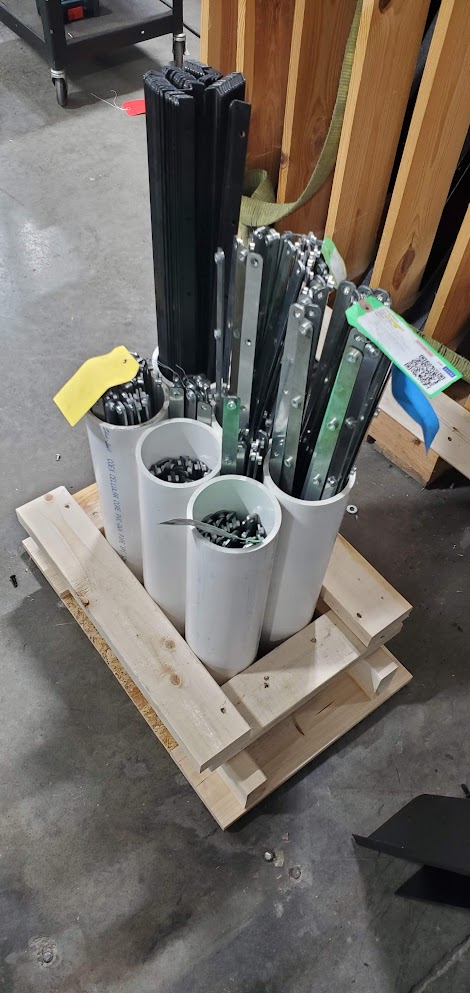
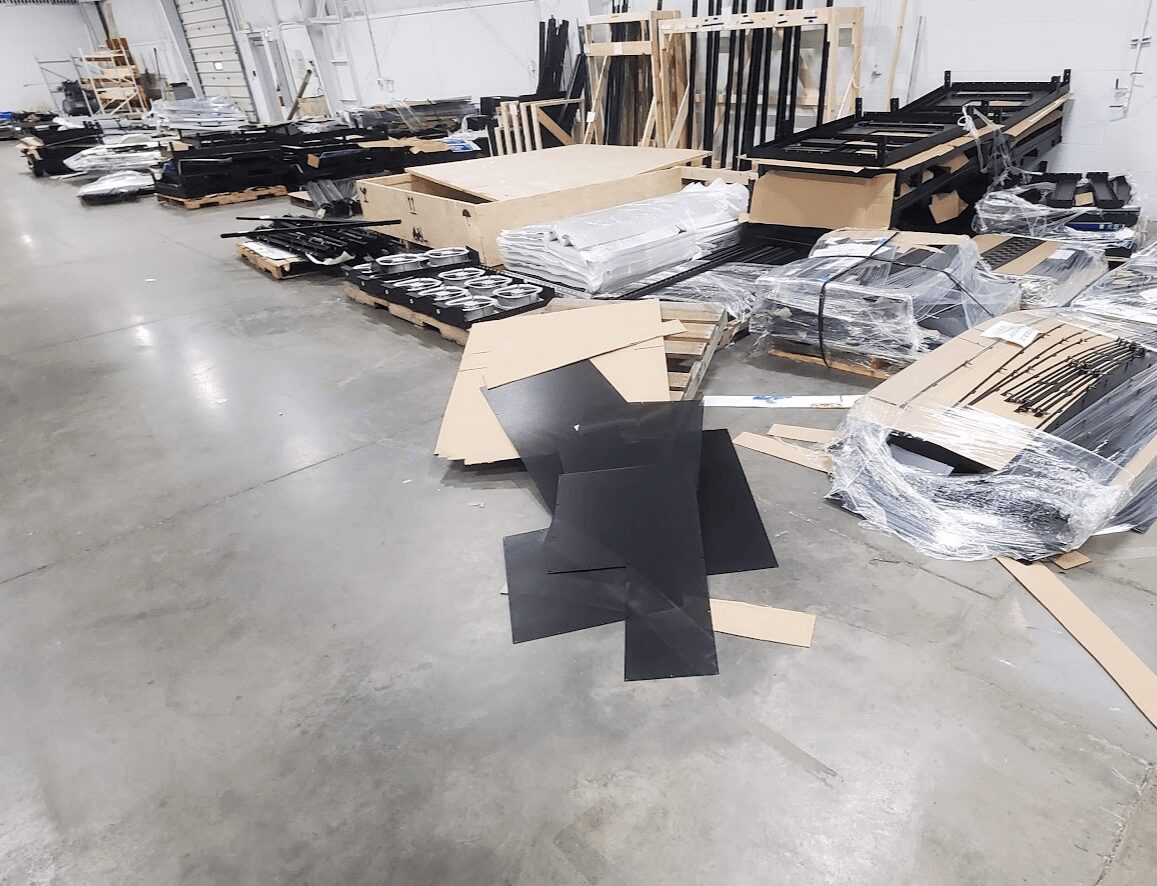
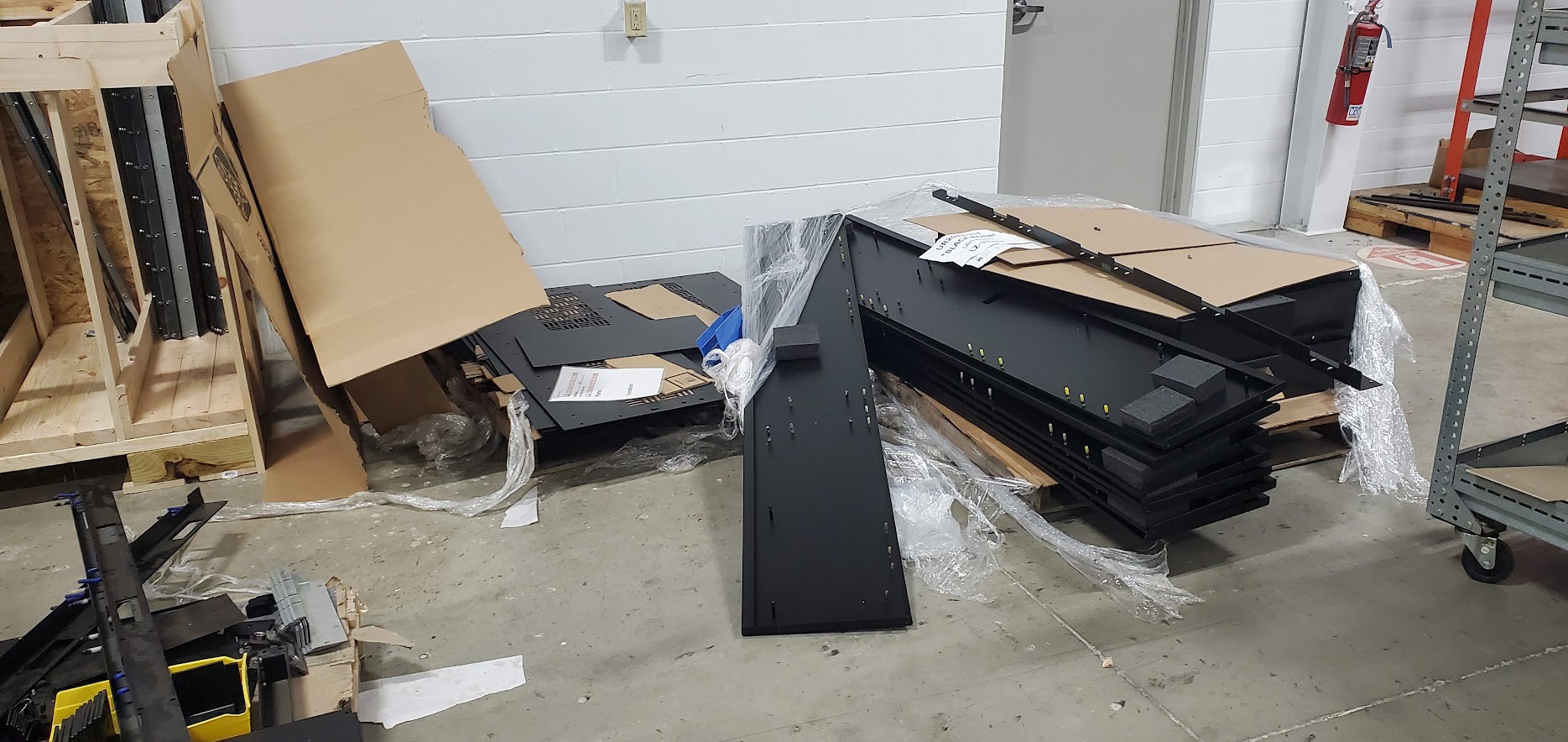
During my interview, which ran over by more than four hours(!), I was encouraged by what I heard but alarmed by what I saw. It looked like someone had dumped two tons of metal on the floor and swept each piece onto the nearest broken pallet. Every once in a while, you’d hear a drill turning a screw. There were 18 assembly employees. Any time all 18 drills weren’t turning, the idle ones represented wasted time. Some waste is inevitable, but a minute of silence meant this place was wasting almost 100 percent of employee time.
It looked hopeless. But I love solving problems.
My first instructions were exciting. “Question everything.” “Make improvements, big and small.” “We have plenty of people who understand electricity. We need people who understand manufacturing.”
I met two great engineering teammates who had been stuck following bad orders from the plant manager. They were looking for new jobs and soon found them. We still talk, and we agree: we can almost call it the good old days. If it weren’t for the constant emergencies, the yelling, and the dysfunction, that job could’ve been a lot of fun.
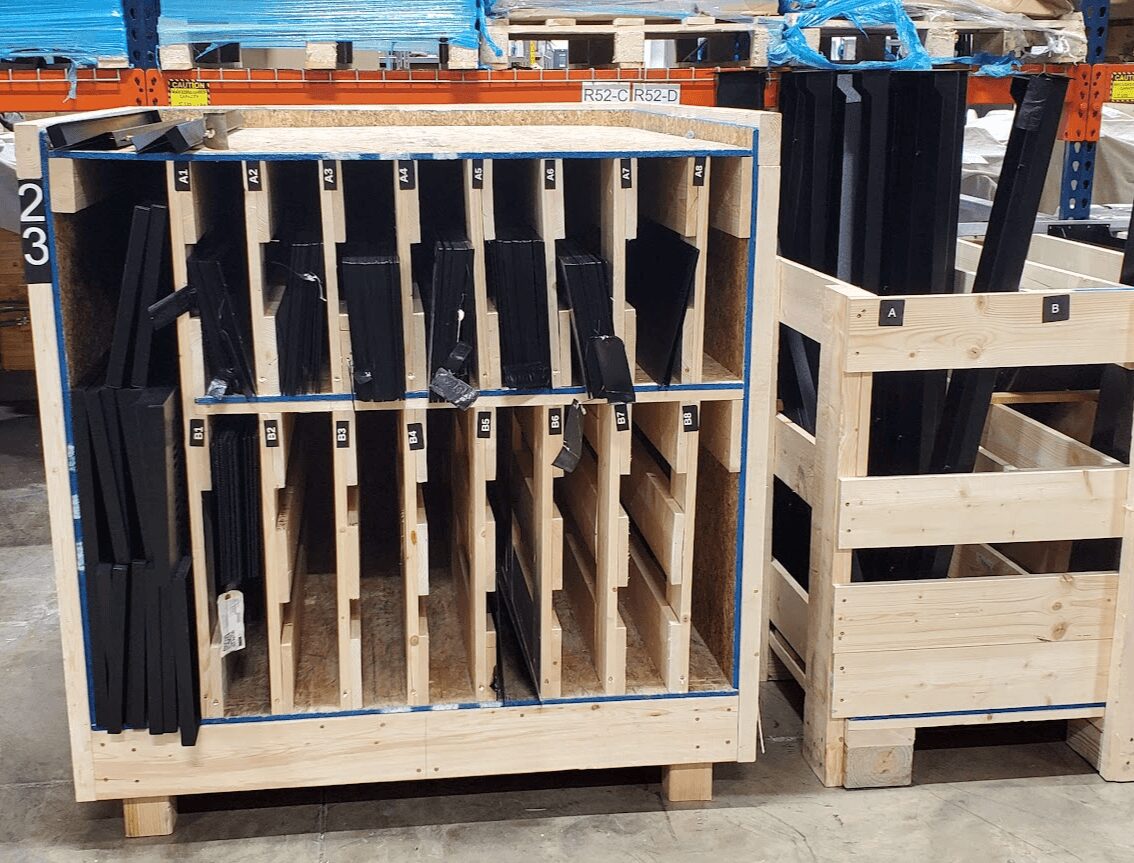
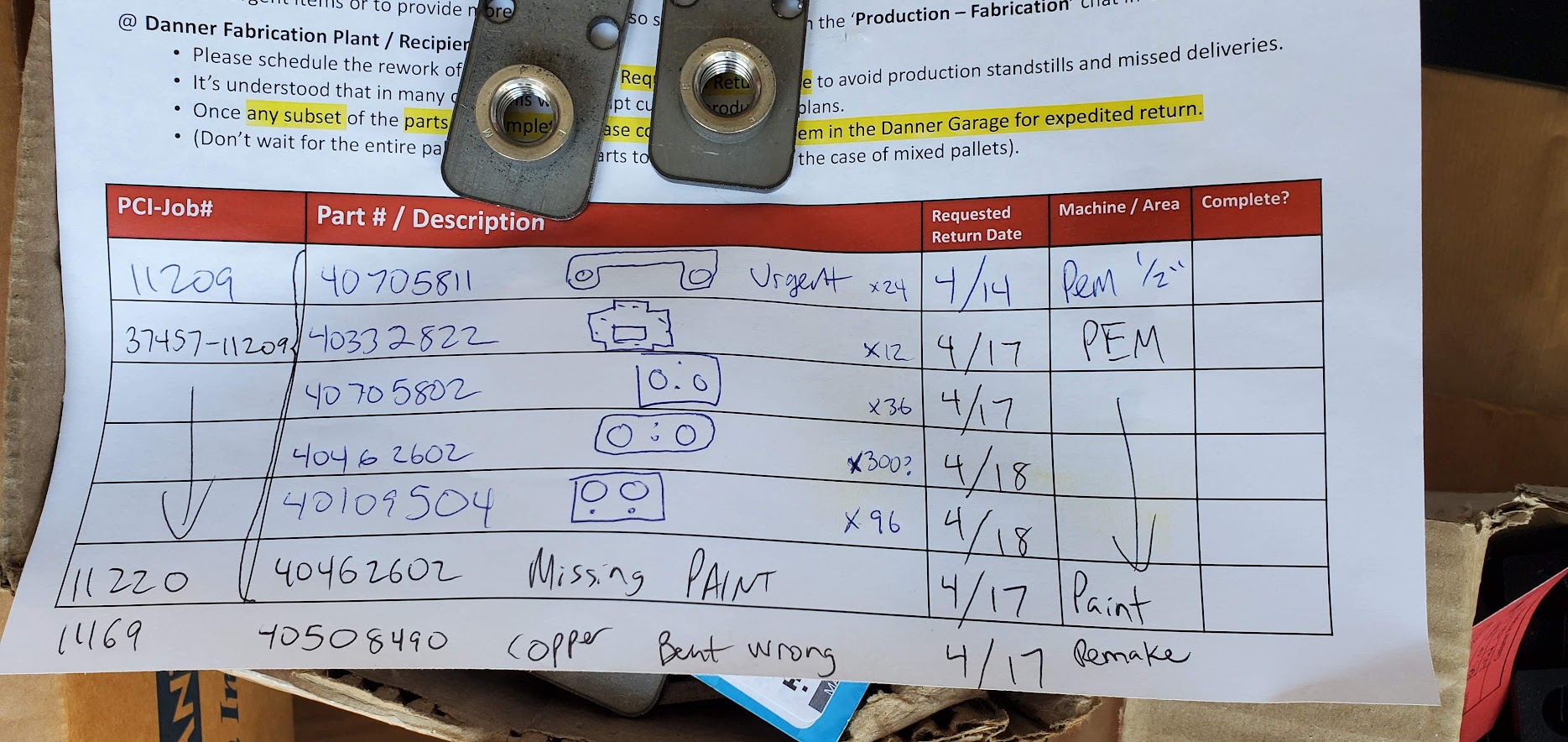
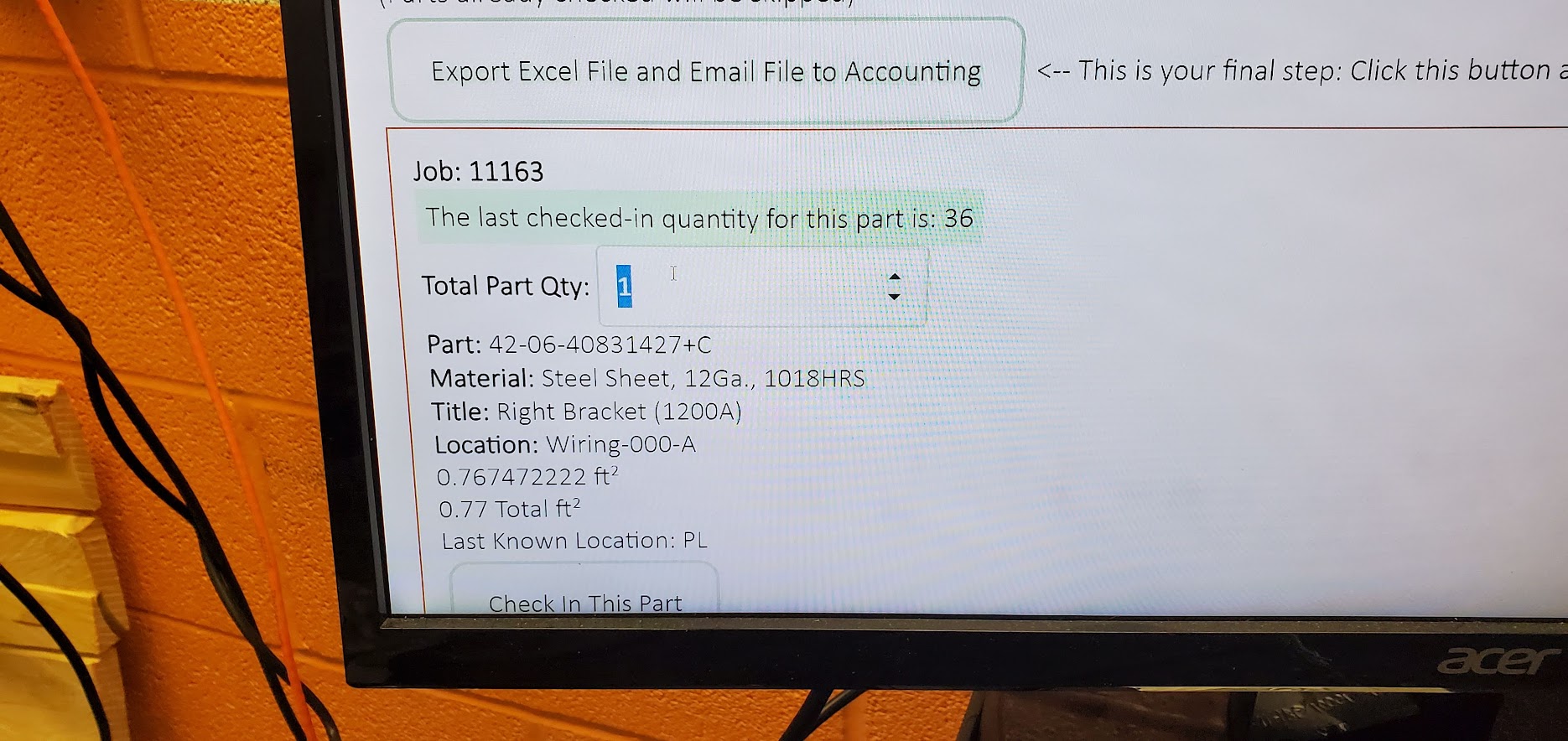
We tackled nagging issues with tracking fabricated and painted parts, improved point-of-use storage, and developed a facility organization system. The IT professional built a fantastic parts database from scratch, packed with innovative functions that helped drive the turnaround.
Staying focused and systematic, we were achieving breakthrough results. Within three months, the company went from negative 6 percent earnings to positive 29 percent, with 45 percent gross profit. The top reasons for success were spelled out in a team email: “Improved organization at Harris” and “Continued wins with painted parts.”
That was validating.
Some recognition, at last.
BUT THEN the plant manager came over to my desk and deleted that email from my computer.
Why? Because he had accidentally forwarded it.
He was supposed to “share your updates with the team” (exec team) but had trouble reading and thought, “share the updates with YOUR team.” Just a slight difference there!
This plant manager saw progress as a distraction from his web of false narratives. He wanted the industrial engineers fighting fires, touching up paint and searching for lost parts, rather than implementing permanent fixes. He had already famously called many problems unfixable and insisted we wait for a million-dollar ERP system before we’d start organizing. Yes, he would always have an excuse if he could just prolong the ERP discussion or milk a broken down machine situation for weeks.
For his own sorry career survival he needed to expand his reach and maximize his control over the company, since he lacks the part of the brain that thinks.
I said, “We’re struggling today because we screwed up yesterday. I’m doing everything I can so we can stop screwing up yesterday.”
Every minute spent on a trivial “time suck” steals from my purpose and prevents forward progress.
This sounds harsh, but I wasn’t being unreasonable.
An example:
His “parts finding” directive was actually insane. Step one: search alone for 30 minutes. Step two: bring in an engineer and search together for another 30. Step three: bring in the assembly lead and search all together for an additional 30.
I remember finding some parts after 76 minutes one day and just wishing for an asteroid to visit.
Whenever I prioritized the factory turnaround over HIS daily emergencies, he portrayed me as insubordinate, which undermined the transformation that was saving the business.
Eventually the misalignment boiled over. I was panic-fired after the accountant assaulted me when I stood up for one of our mistreated receiving associates. A lot of thanks that was. I think that was the hardest time of my life. Losing a job is hard, but losing THAT job in THAT way was really heartbreaking. I always thought Excellence would Overcome Obstacles.
My blood just boiled and I couldn’t sleep for weeks. That man’s empty head somehow convinced the right people that his method of “Fake it till you Break it” was working. I could never understand how that happened.
Never until recently, when a quote changed my understanding. “Heart surgery looks like murder to someone who doesn’t understand the milestones.”
The owners didn’t understand the milestones. Had my actions truly looked malicious? I was saving a life!
The heart surgery was successful. They found the pulse and recently sold for $1 Billion.
I realized some people don’t want to get better. They want to be so deeply rooted in dysfunction that they become indispensable. That was our plant manager. The smallest things can keep somebody relevant. In this case he’s the only one who knows whose cousin’s uncle to text when the fab shop machines start smoking. Beware of people like that. Don’t let them control the whole narrative. Whether they are in power over you or if they are managing teams in a company you own. They are poison.
So yeah, that was really hard. It has taken a while to recover from the toxicity and dysfunction. When I talk about this, I get a PTSD reaction. I was so shellshocked I really felt like I couldn’t do anything about it. I had no money for a lawyer and would not want my name to come up as “social justice fired guy” if I’m trying to build a consulting brand.
But now I get to do fantastic work for people who truly believe improvement makes things better.
In fall 2023, I applied for a few jobs and was recruited for another. I signed a one-month consulting contract at a medical device manufacturer and a three-month contract at a consumer goods company. As wins accumulated, those contracts kept extending, ultimately running 18 months and nearly two years. Both roles were “fractional,” so every week was different in customer balance and project focus.
These first two companies couldn’t have been more unique. My approach at each was entirely different. Both needed help with timing, logistics, and labor balancing. But the medical device manufacturer had added complexity: ISO and validation issues, multiple rework loops, software testing, equipment constraints, random customer quality rejections, and several disruptive management changes.
But for me this was a consultancy on training wheels. I had two contract engineering positions and didn’t need to worry about prospecting or marketing.
While working for those companies, I coordinated with my sister, a talented artist and graphic designer, to create a logo and website. The website has evolved. I’m now finally reviewing analytics and leads to see what works. I can absolutely see how that’s a full-time career.
I’ve also tested pitches door-to-door in industrial parks. It’s funny to see what get traction and what gets threats of violence. Sales, let me tell you, definitely another full-time career!
This summer was my first break in the action. I can’t believe some people start in that phase. I needed the soft launch. Starting cold would’ve been brutal. Building reputation in this business is not like selling candy. I could get 25 great reviews in a weekend if I gave away candy at a festival, but I have had two clients in two years. Meaning I have … 2 reviews.
The lull gives me time to learn more about small business and client management. I am studying marketing and client pipelines, since I didn’t really have a plan for what to do after these contracts.
I applied for a few temporary engineering jobs and worked on my website. I learned how to integrate Google Analytics, Google Ads, and Search Console. Tried a few Meta Ads. Wasted some time and money on LinkedIn.
That is absolutely the hardest part, for me and probably for most entrepreneurs. We know we have something worthwhile, but we’re barely a blip on the radar. I’m literally good at one thing. How do I get into places that let me do the thing? I’m not even a blip on the radar!
This week, I was back in the classroom substitute teaching, and we looked at the textbook map of Ohio. There wasn’t even a dot there for our town. Then I found out that my page is ranked 97th in Google Search for “lean manufacturing consulting.” Makes you feel small.
It really is a long way to the top. You can’t go there directly, but you can always get one step closer.
We’ve been impressed with Mitch Robinson Manufacturing Consulting, but for folks who might not be as familiar, what can you share with them about what you do and what sets you apart from others?
I help manufacturing leaders solve the problems that are costing them millions, and then I help them keep those problems from coming back.
I’m an Industrial Engineer from Purdue University with years of expertise making progressively larger impacts on manufacturing operations.
What sets me apart is that I offer two distinct service models.
The first is Crisis Turnaround, a three month intensive commitment for facilities in crisis.
When your plant is losing money, missing shipments, or dealing with out of control employee turnover, you need someone who can fix it fast. These places are often too busy mopping to turn off the faucet.
I have been there and solved that.
The example from earlier was how I walked into a plant that had been losing money for nine months with 267 percent annual employee turnover. Parts took over ten minutes to find (and remember, sometimes up to 90 minutes).
I introduced an innovative part identification system and standardized material handling. Within three months, the plant went from near collapse to generating $954,000 per week in revenue.
So crisis turnaround is for emergencies, but I also work well in startups where the product or service is brilliant, but scaling creates many gaps that can tank an initiative.
MR Manufacturing has a second model anchored in Growth & Optimization, which can be an ongoing partnership.
And this is where I think I’m doing something REALLY different.
Think about how you handle pest control or uniform service. You don’t project manage these things. You pay monthly because they give you certainty. Your manufacturing processes deserve the same continuous care.
I provide what I call preventative plus reactive problem control. Weekly or monthly focused visits to different operational areas, systematically strengthening your entire facility.
For a medical device manufacturer, I reduced conformal coating quality rejects by 96 percent.
At a consumer goods manufacturer, I cut an assembly process from 92 minutes down to 40, making the product better AND more quickly.
What am I most proud of?
#1
I guarantee my own ROI 100%. So if you’re a business, there’s money coming in and money going out. I guarantee that you’re already spending this money on waste and scrap while missing out on incoming revenue, all things I can prevent and fix. I’ve priced this service so that everyone who hears it could have no reason to object.
This is my way of becoming a blip on the radar. I can prove that with every project and every client so far I’ve seen 2x, 5x, 10x, and one complete turnaround.
#2
I’ve proven you don’t need massive capital investment to generate seven-figure improvements. I focus on creativity before capital, solving problems through quality inputs and outputs, process integration, improved organization and eliminating waste.
What I want businesses to know?
You already pay monthly for pest control and uniform service without expecting ROI. You pay for certainty.
Your manufacturing processes deserve the same certainty.
The manufacturers who can get on board will dominate the next decade. The ones who don’t will keep paying for clean rugs while their hidden inefficiencies eat holes through their profits.
How can people work with you, collaborate with you or support you?
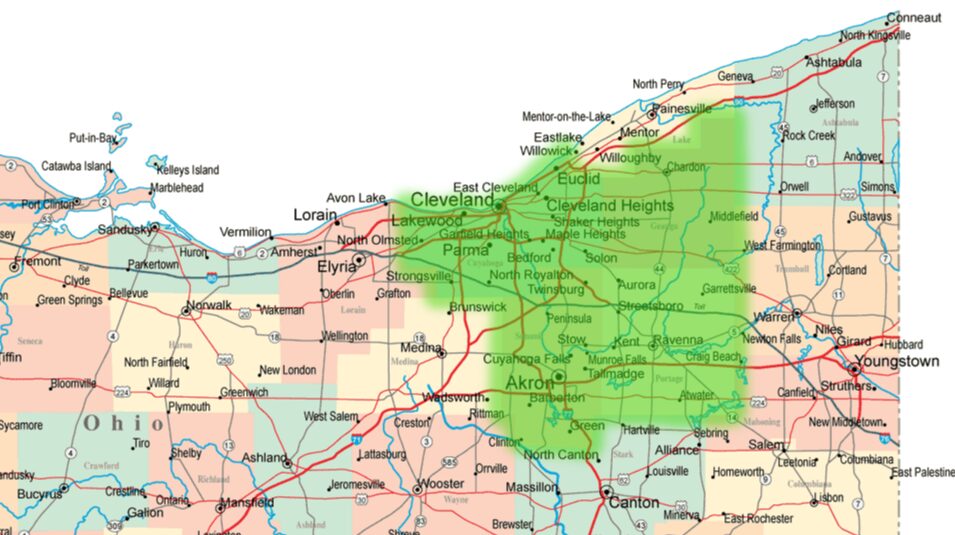
Northeast Ohio Factory owners and directors can reach out to me directly for help or more information.
mitch@mrconsult.ing or 330-732-5744
But that’s only like 32 people.
So I have another innovation.
We all know a friend or a family member who works at a factory, and they complain about this or that.
I’m like Northeast Ohio’s confidential suggestion box.
Say you hate your job because you can’t lean on a yellow handrail. But if you bring it up, your boss will retaliate.
I bring your concerns to management and offer to fix them, without revealing your identity.
If they allow me to fix stuff, you get $50 and they get $50.
anonymous@mrconsult.ing – confidential tip line email
And please visit my website, I just finished it!
Pricing:
- Starting at $2200/mo
Contact Info:
- Website: https://www.mrconsult.ing
- Facebook: https://www.facebook.com/profile.php?id=61572454239824
- LinkedIn: https://linkedin.com/in/mitch-robinson-20a2a86
- Other: https://share.google/ZFhzoewdwxeYL7xLU
Popular
-

Hidden Gems: Local Businesses & Creatives You Should Know
-

The Change-Makers: stories that inspire
-

Portraits of Ohio
-

Take Flight: Lamar Thomas on Building an Inclusive Brand Rooted in Youth, Community, and Purpose
-

Cultivating Inner Clarity: Angel Inspires on Thought, Healing, and Purpose
-

Local Highlighter Series