



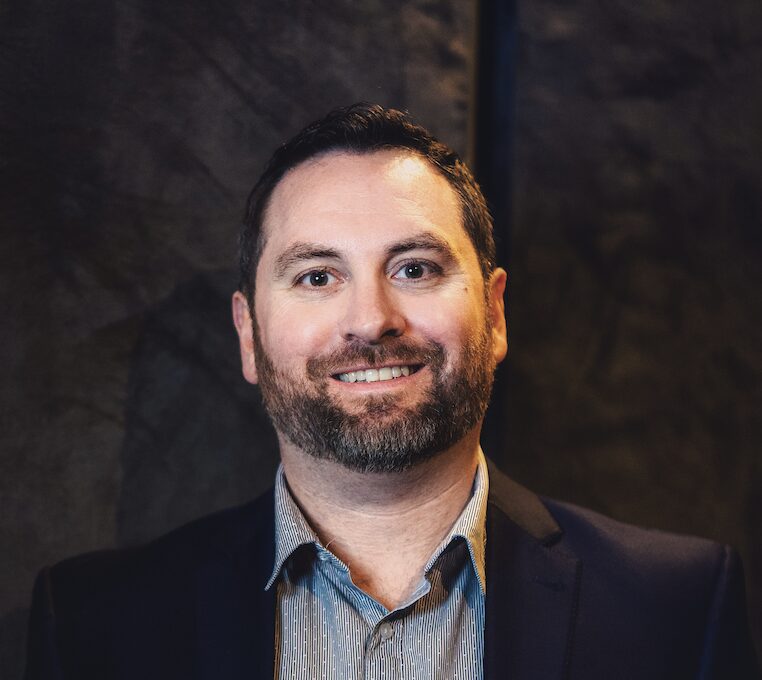
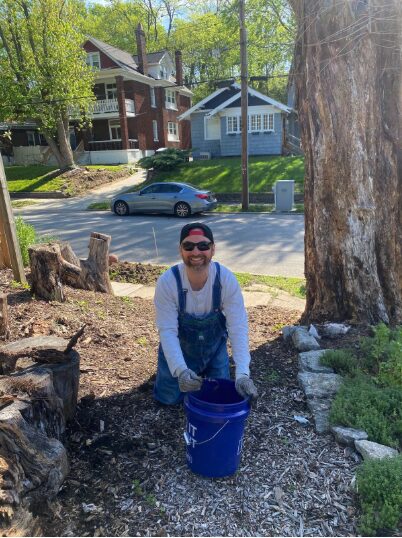
Today we’d like to introduce you to Kevin Mackey.
Alright, so thank you so much for sharing your story and insight with our readers. To kick things off, can you tell us a bit about how you got started?
I started my career as a financial analyst in 2008, at the height of the Great Recession. I learned a lot in a very short period of time, including that I loved to learn about new industries and businesses, but I didn’t want to be a wealth manager. I started my first tech business, Glue, a couple years into my career and have been starting companies and running them since then.
One of those companies, Halcyon Salsa, was pivotal to the creation of the Urban Farming Initiative. In 2018, I founded Halcyon Salsa and began selling at local farmers markets around Cincinnati. During that time, I learned so much about local food businesses, supply chains, and purchasing trends. But when the pandemic hit in 2020 and market distribution went away, I lost my primary means of reaching my customers. I knew something had to change.
It just so happened that during the pandemic, a lot of space opened up – warehouse space, office space, and green space. I figured, why not try to convert these unused spaces into critical elements of a local food supply chain? So that year, the Urban Farming Initiative was incorporated and went through an accelerator to formalize the organizational and business model. Coming out of that, our formal mission became to coordinate circular food networks in neighborhoods and cities by converting unused spaces into thriving urban gardens, farms, and food hubs.
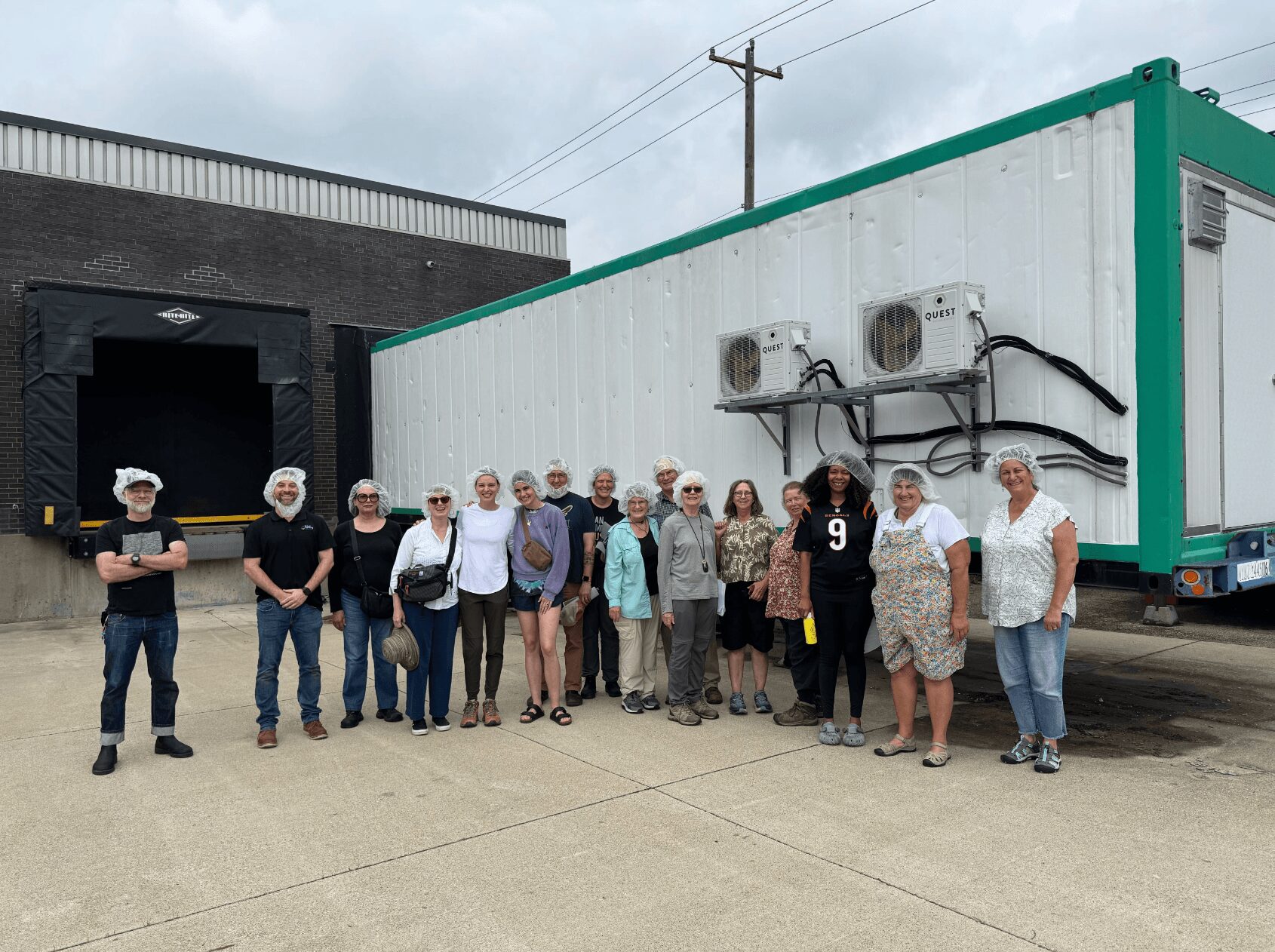
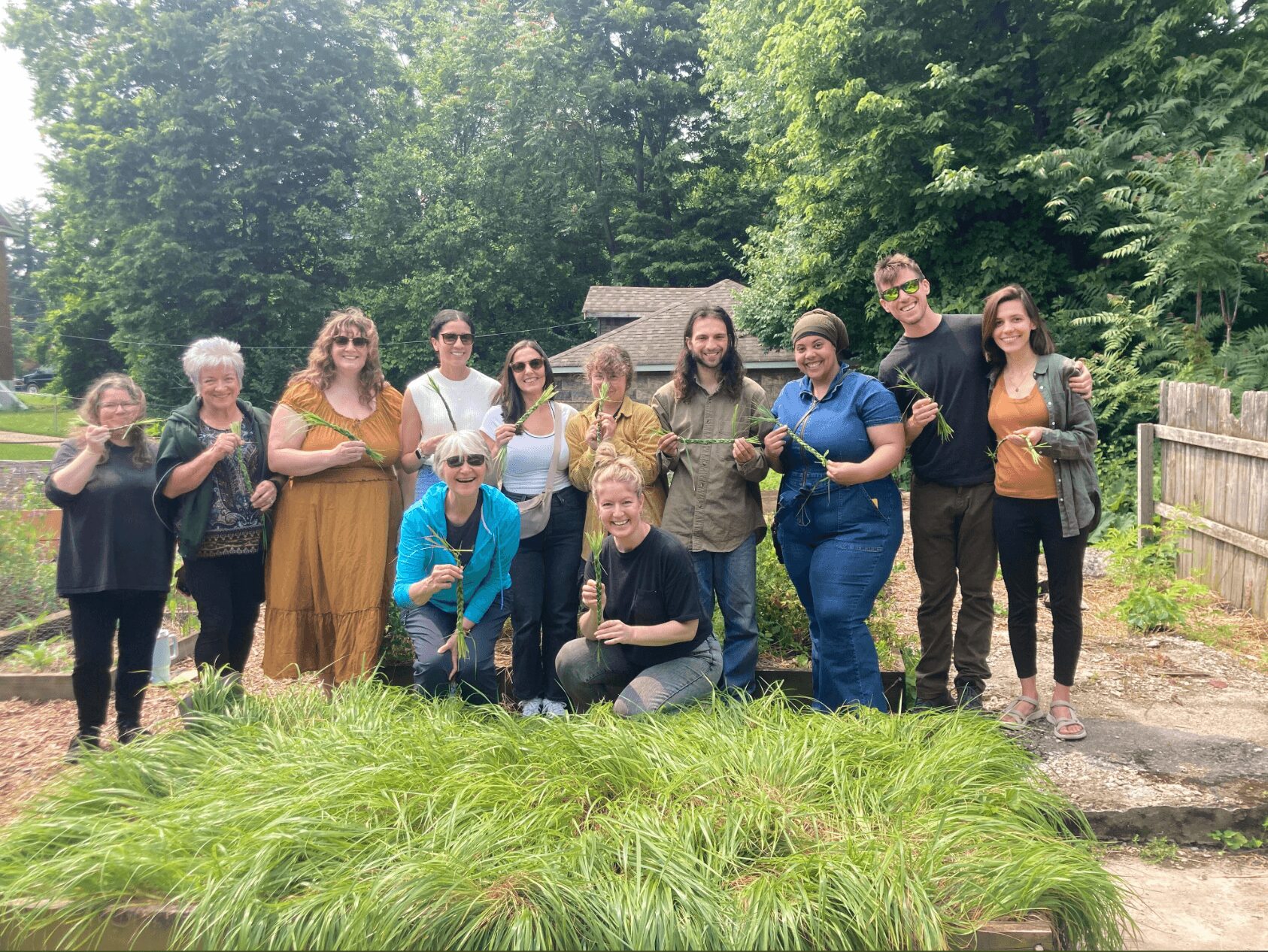
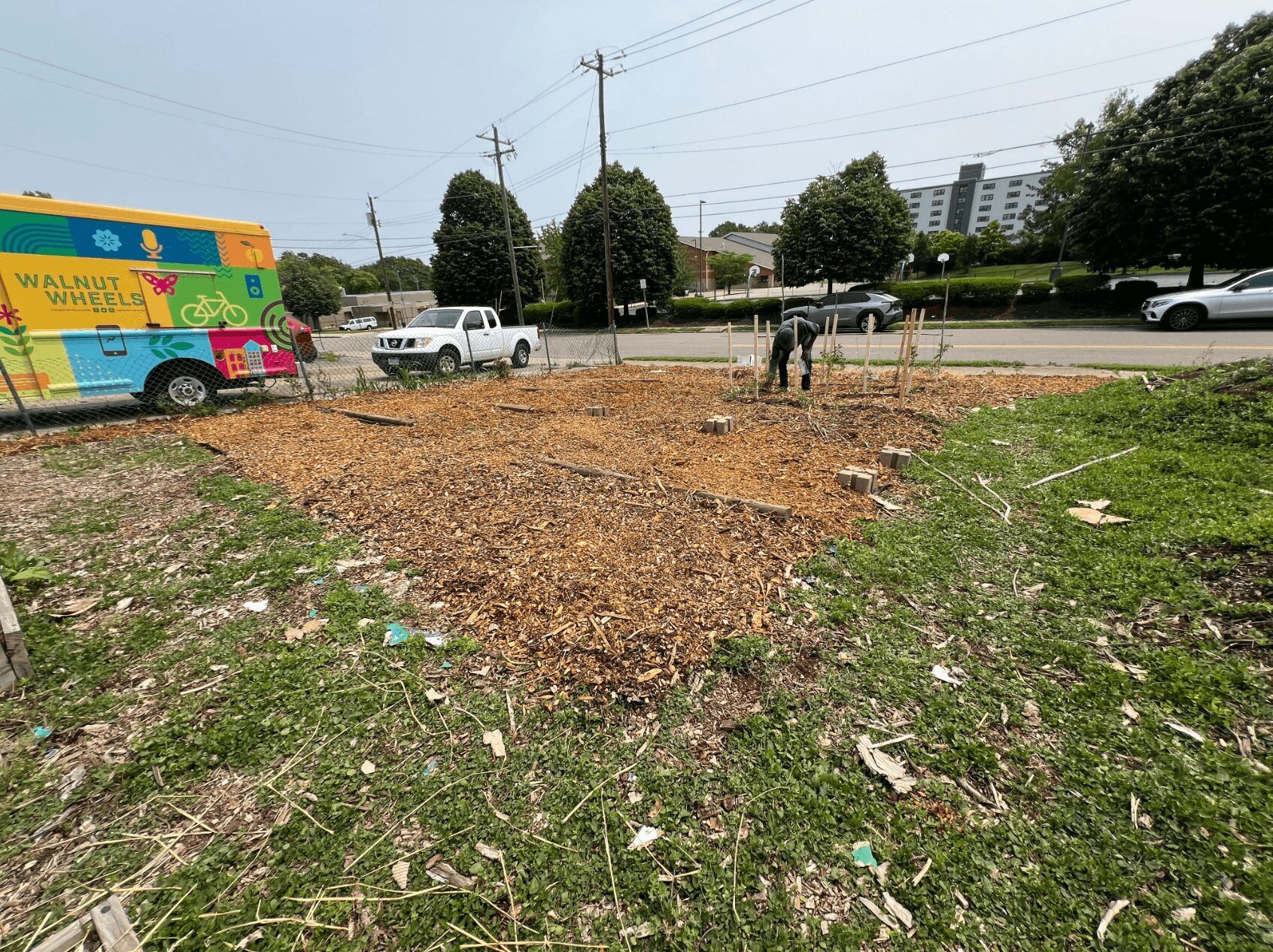
Since 2020, we’ve learned a ton about localized food networks, especially in Southwest Ohio, and we’re prepared to be an active participant in growing our local food capabilities in the years to come. UFI is currently headquartered at the University of Cincinnati’s 1819 Innovation Hub, with gardens in Walnut Hills and a shipping container farm in Winton Hills.
Alright, so let’s dig a little deeper into the story – has it been an easy path overall and if not, what were the challenges you’ve had to overcome?
I’ve started several businesses and the road is never smooth! But that’s why it’s so difficult and rewarding to see your company grow – because you and your team have persevered through insurmountable challenges and found a way to sustain and fly. Sometimes it’s easy to have a vision, but it’s very hard to make it a reality with limited resources and no brand recognition. We have a big vision at UFI, but it can’t be done all at once and it can’t be accomplished without a lot of partners.
On that note, most of our struggles have been financial related. Grants are great to have, but are often slow to apply for and slow to receive. I often say, “money moves way slower than time” in our industry. So funds have to come from other sources as well. Sponsorships generally come with eyeballs and an audience, which when we were starting out was quite limited. So you have to start small, take any traction you can get through hard work and saying yes to opportunities others say no to, and keep building.
As a founder, my biggest challenge has been personally how to grow the organization without being paid, while maintaining my own personal financial obligations. Most grants don’t include money for a founder like me to run and grow their organization, sponsorship dollars aren’t enough for salaries, and most of our projects are scoped to breakeven; so that leaves me with a choice: keep growing, not get paid what I need, and devastate my personal finances to make it happen, or slow down or stop the trajectory of the organization by taking a full-time job that takes me away from UFI on a full-time basis. It’s a push and pull that most entrepreneurs feel, but it’s been particularly acute in this industry/business because we don’t fit cleanly into anyone’s funding bucket right now, but we’re also growing past the point of what I can afford to self fund.
Appreciate you sharing that. What should we know about Urban Farming Initiative?
UFI’s mission is to coordinate circular food networks in neighborhoods and cities by converting unused space into thriving urban gardens, farms, and food hubs. We have a unique model that includes garden maintenance services, food logistics, controlled environment agriculture farming, property management, programming, and product sales.
Our vision of a circular food network includes: growing and harvesting, processing, distribution, consumption (retail or at home), and recycling/composting. Through our analysis of Cincinnati and other similar cities, there are already many organizations, people, and businesses participating in aspects of a circular food network, but they need to be connected. UFI aims to be that connector, as a participant when there are gaps, and as a network collaborator through our logistics applications and services.
Readers should know that our brand and purpose is meant to create economic growth anywhere that people eat – which is everywhere! But our starting point for 2025 and 2026 will be Southwest Ohio. As a food entrepreneur, I value the personal agency provided in being able to create a food product that your family, neighbors, and others love. But food businesses are hard, low margin, and all food entrepreneurs need help. We believe that providing permanent structure in neighborhoods dense with food opportunities, we can help facilitate healthier food options for residents and institutions which are locally created, in turn leading to local jobs and more money kept in local neighborhood economies.
Our mid to long-term goal is to pool institutional contracts for salad spectrum products like lettuces, microgreens, carrots, cucumbers, and peppers from big, local buyers like hospitals, school districts, amusement parks, sports stadiums, colleges and universities, and others. When those “local food” contracts are fulfilled with neighborhood jobs, we are able to keep money in our local economies on an exponential scale, which then turns into a self-reinforcing flywheel effect that makes BIG change beyond food.
Do you have any advice for those looking to network or find a mentor?
My advice for finding a mentor who can be effective for you is to be vulnerable with what you need help with, and then ask clearly and directly for assistance with something tangible. Good mentors are also busy, so if you don’t ask specifically, they may be distracted by something else which could prevent you from getting the most out of them. But as a mentor, I can say that I want to avail myself to mentees as much as they want, I just usually wait for them to invite me into their problems before I make assumptions about what will he helpful for them.
Contact Info:
- Website: https://urbanfarminginitiative.org
- Instagram: https://www.instagram.com/ufi_cincinnati/
- LinkedIn: https://www.linkedin.com/company/urban-farming-initiative
- Youtube: https://www.youtube.com/@UrbanFarmingInitiative
Popular
-

The Change-Makers: stories that inspire
-

Take Flight: Lamar Thomas on Building an Inclusive Brand Rooted in Youth, Community, and Purpose
-

Cultivating Inner Clarity: Angel Inspires on Thought, Healing, and Purpose
-

Local Highlighter Series
-

Highlighting Local Gems
-

Hidden Gems: Local Businesses & Creatives You Should Know