




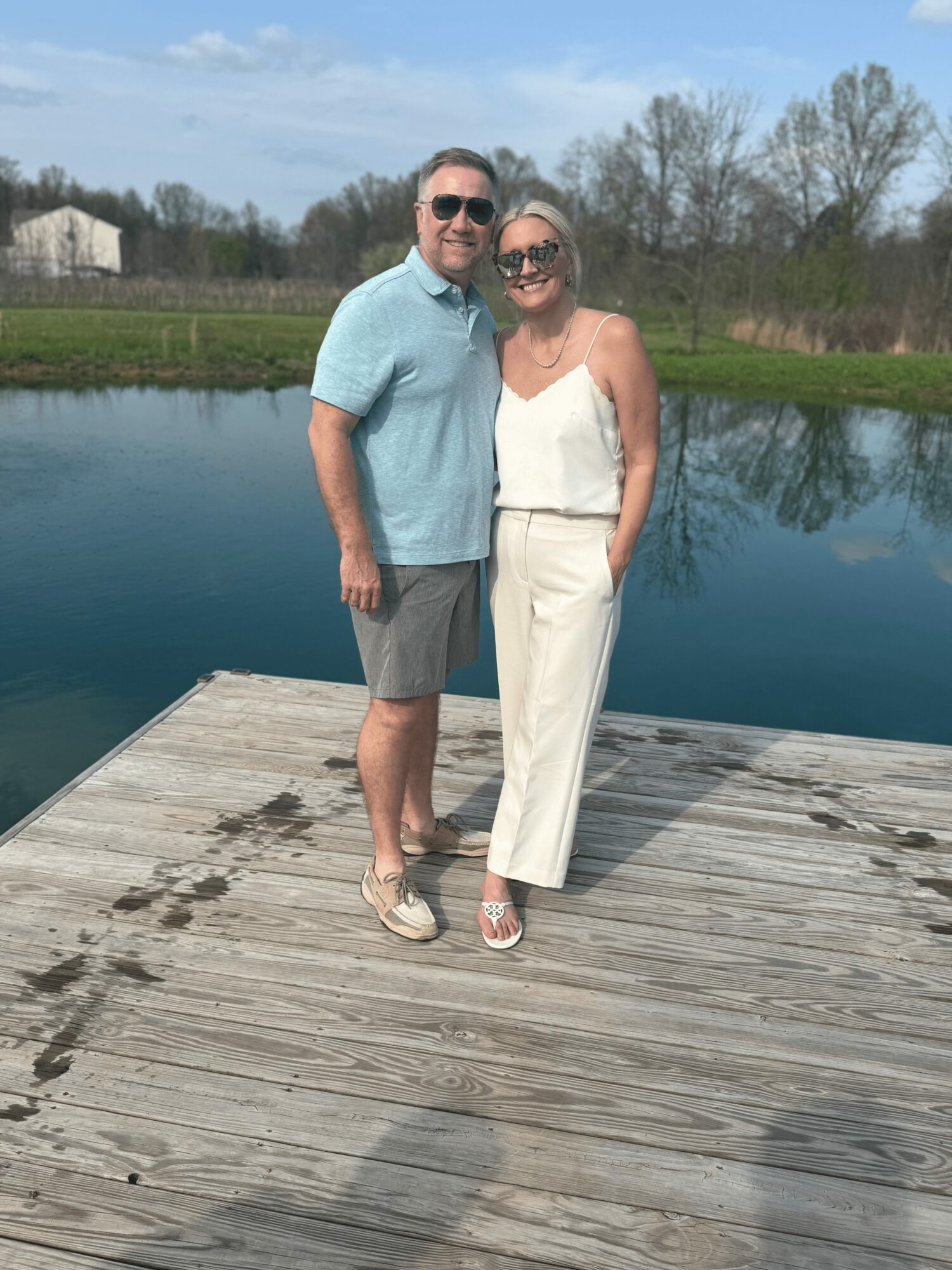
Today we’d like to introduce you to Julie Schmidt.
Hi Julie, we’re thrilled to have a chance to learn your story today. So, before we get into specifics, maybe you can briefly walk us through how you got to where you are today?
It’s an honor to share my journey—one that has been anything but a straight path. It’s been full of unexpected detours, surprising opportunities, and moments of doubt that turned into defining moments.
When I was in high school, I fell in love with journalism, specifically broadcast journalism. We transformed our Drama class into a broadcasting class, delivering live morning news and producing a weekly show. With the help of our teacher, we even wrote the curriculum and had it officially approved as a course by my senior year. The camera never scared me—I knew in my bones this was what I was meant to do. I also loved sports, especially college basketball and football. My dream was to sit at the SportsCenter desk. Thirty years ago, women in sports broadcasting were few and far between—I wanted to be Erin Andrews before there was an Erin Andrews.
I applied to three of the best journalism schools in the country and ultimately chose Ohio University because it was closest to home. But during my freshman year, a political science professor changed everything. After a conversation about my major, he encouraged me to explore political science. I had once dreamed of being a lawyer as a child, and that conversation reignited something in me. As I took more classes, I fell in love with the subject. At the same time, I was wickedly homesick—this was before cell phones, and the 2.5-hour drive home felt like a world away. I remember having to check my email in the computer lab—yes, the computer lab, before the age of smartphones, when email was still a new thing. It was such a treat when I could finally log in and read messages from home, and receiving physical mail was honestly the best part of my day. So, at the end of my sophomore year, I not only changed my major, but I transferred to the University of Cincinnati to study Political Science and Communications, with the ultimate goal of law school.
Around this time, I started working part-time at the company my mom worked for—and it was, without a doubt, the worst job I have ever had. If you’ve never worked in telemarketing, trust me, you’re not missing a thing. It was brutal, but it paid well for a college student. That terrible job led to a promotion, and then another, and another. Suddenly, in my early twenties, I found myself creating a whole new plan.
This was also when I got involved with the Cincinnati Delta Gamma Alumnae Chapter. I remember being incredibly nervous at my first meeting, but the moment I walked in, it felt like home. Many of the women I met that first year are still people I can count on today and in this room. We bonded over weddings, babies, the Reds, and our unique Delta Gamma experiences. What I didn’t realize at the time was that serving on the alumnae board—whether as Collegiate-Alumnae Relations, President, or Special Events Chair—was giving me experience I might never have gotten otherwise. I planned our 75th Anniversary and multiple Founders Day celebrations, and I loved it.
Around the same time, my company moved me into a Client Services role where I took on our corporate event planning. Then, two women in the office I knew got engaged and asked me to help plan their weddings. I jumped at the chance. I loved my company, but it was just a paycheck. Slowly, I built a client base, and just like that—my event planning business was born.
As a wedding planner, every day was different. I could harness my creativity and organizational skills to bring my clients’ dream events to life. I built a company with employees and interns and became the only planner to ever produce two Knot Ohio events back-to-back—something I’m still in awe of today. I even became a regular contributor to the Fox19 morning show, fulfilling a version of my broadcast dreams. I was good at my job and at the top of my game.
But in my 13th year as a wedding planner, everything started to shift. By then, I had four kids, the youngest of whom was allergic to sleep. I noticed small things—parts of the job that didn’t excite me anymore. The long hours, the weekends, the natural wastefulness of the industry. But beyond that, I realized I wasn’t fulfilled by floral arrangements and venue logistics—I wanted to create impact, not just experiences.
So, I took a leap. I shifted my focus to nonprofits and small businesses, helping organizations tell their stories, build relationships, and make a difference. My first nonprofit role was with Beech Acres, a family and parenting organization, where I met Sharon—a woman who unknowingly changed my life. She was unlike anyone I had ever met and introduced me to unbridled empathy. She championed me, and together, we reinvented programs and built new initiatives. Sharon was my sign that I had made the right choice. I’ve worked with many more companies over the years, but none had the quite impact as the first.
11 years ago, we moved to the school district where my husband grew up. It was more rural than I was used to—a small district with all buildings on one campus and a total student population of 1,400 K-12. I knew it was less affluent than the Anderson Township neighborhoods we had just left, but I didn’t fully grasp the reality until one of my son’s new friends came over to visit our home. He walked in, looked around, and said, “WOW! You have STAIRS? I’ve never been in a house that has an UPSTAIRS.”
That moment stopped me in my tracks. It was more than just a comment—it was a wake-up call. I suddenly saw, in stark contrast, the levels of poverty and income inequality that I had been largely shielded from or as a child had been blissfully ignorant of. And in that instant, I understood something deeper about my purpose.
Glennon Doyle writes in Untamed, “The thing that breaks your heart is the very thing you were born to help heal. Every world changer’s work begins with a broken heart.” That moment with my son’s friend broke my heart—and planted a seed, one that I wouldn’t fully recognize until years later.
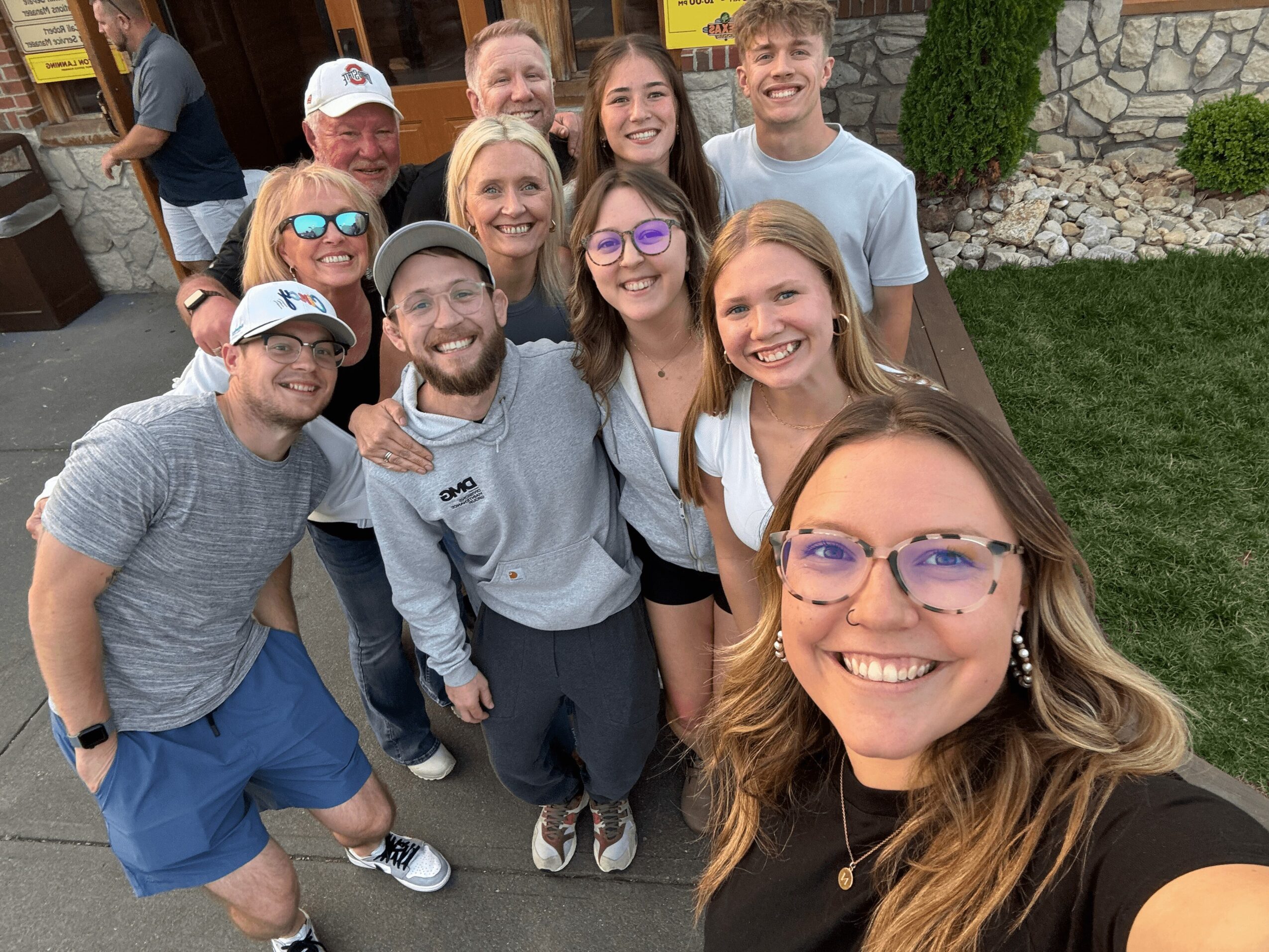
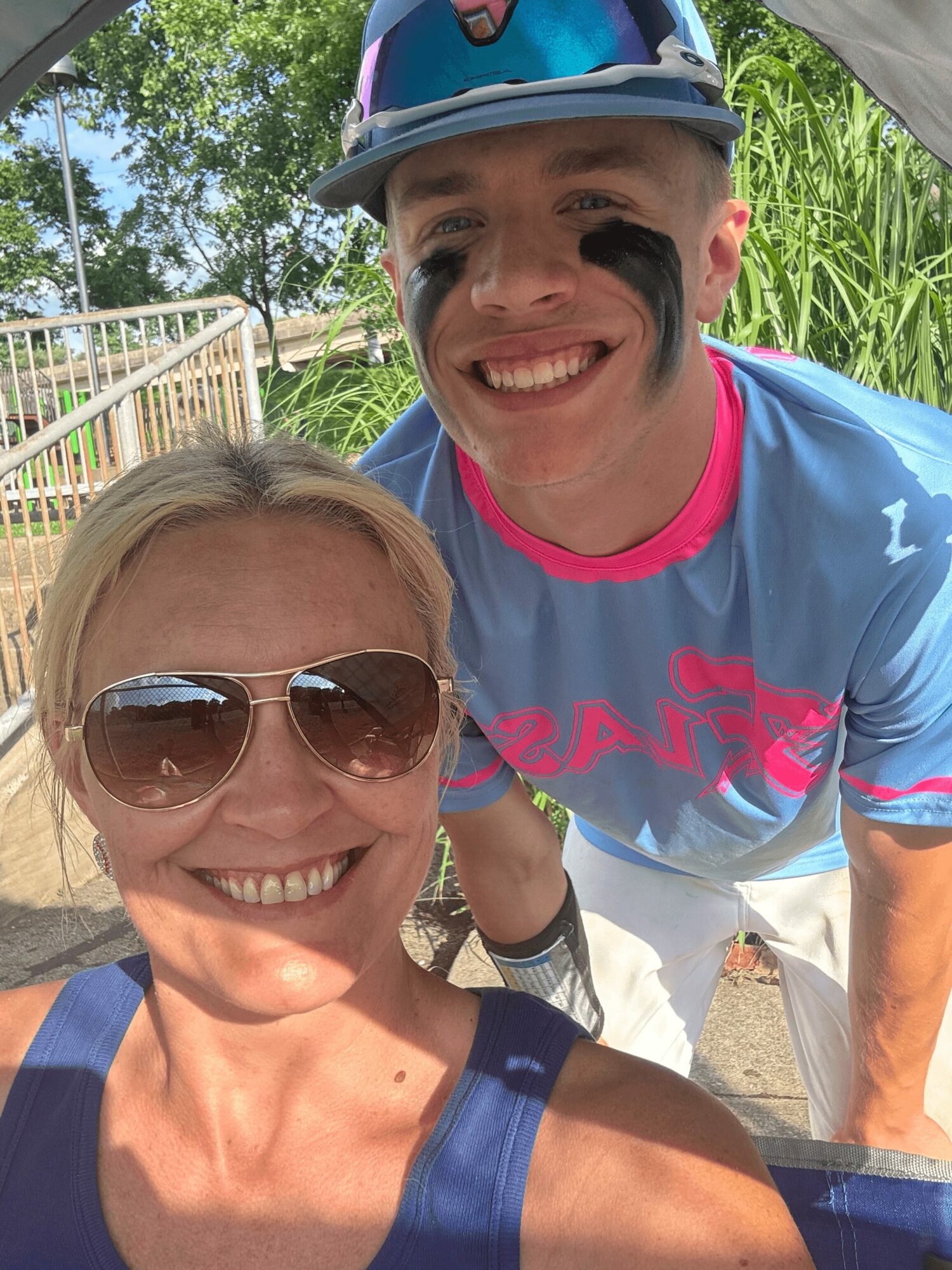
Four kids will keep you busy—we spanned from high school to preschool in our house. Through them, I got to know families all over the district by attending their events, chatting on the sidelines, and showing up for school activities. We got involved—coaching, volunteering, joining committees—but I couldn’t shake the feeling that the town needed more.
I realized that what had broken my heart years before—seeing the realities of poverty in our town—was still pulling at me. That feeling pushed me to rekindle my passion for politics and start researching school funding. What I discovered blew me away. The direct correlation between wealthy districts and “good schools” felt like a fundamental injustice.
So, in 2019, I ran for school board—and won one of three seats.
Then, just three months later, COVID-19 hit.
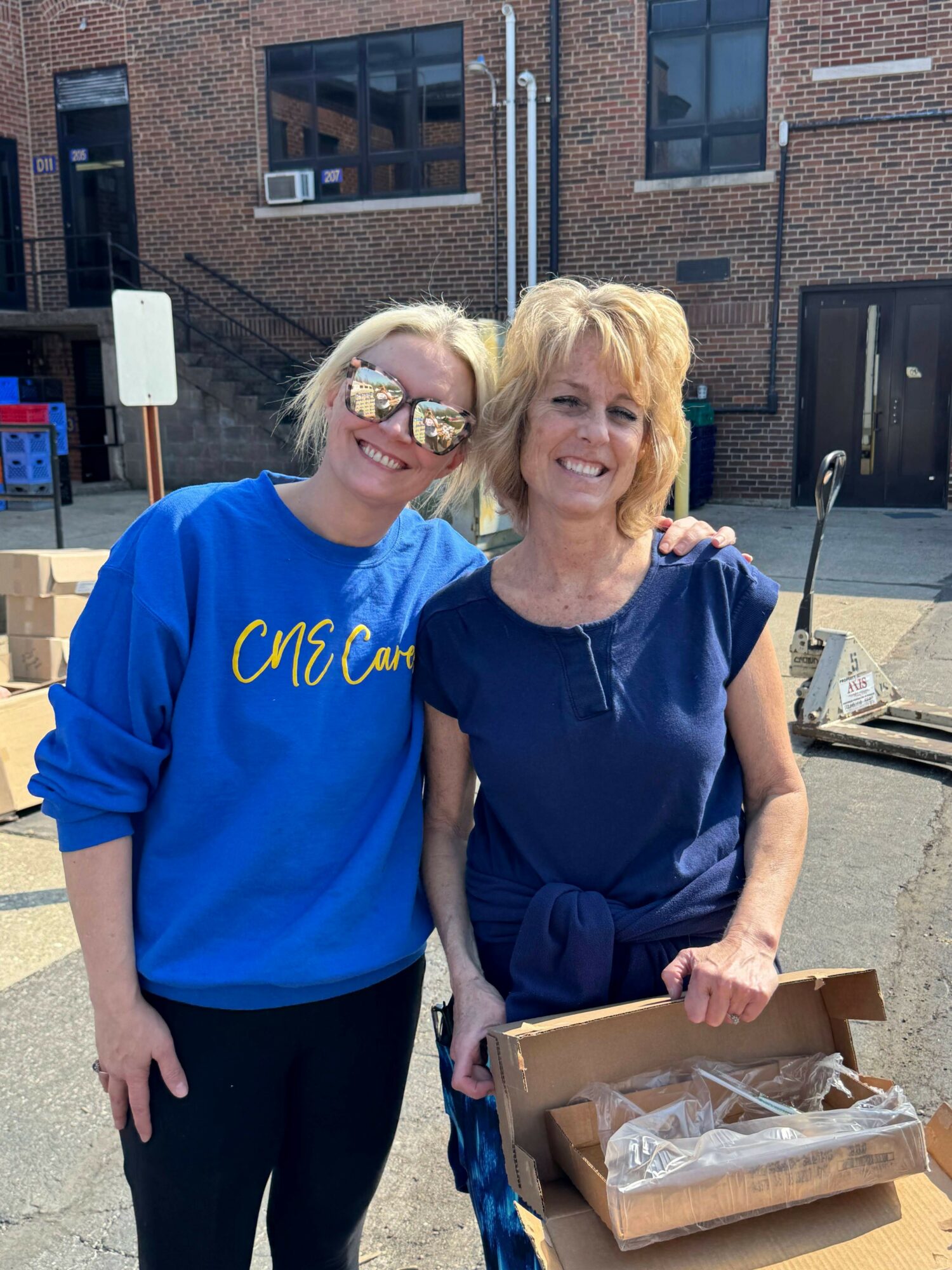
Our district spans 75 square miles, and when our only grocery store closed, we became a food desert. While the schools had a plan to feed students, I worried about the parents and families. What started as volunteers delivering extra toiletries and supplies out of our SUVs quickly grew into a full-scale food pantry.
During COVID, we relied on emergency food boxes, which were always full but rarely practical—like bags of dried lima beans. So, I researched recipes for how to use them and started including recipe cards in the boxes. Did you know you can make tortillas from dried lima beans? Neither did I! That idea—providing full meal kits instead of random pantry items—became the model for what is now CNE Cares. We applied for nonprofit status, moved into an old school building, and built the infrastructure from the ground up.
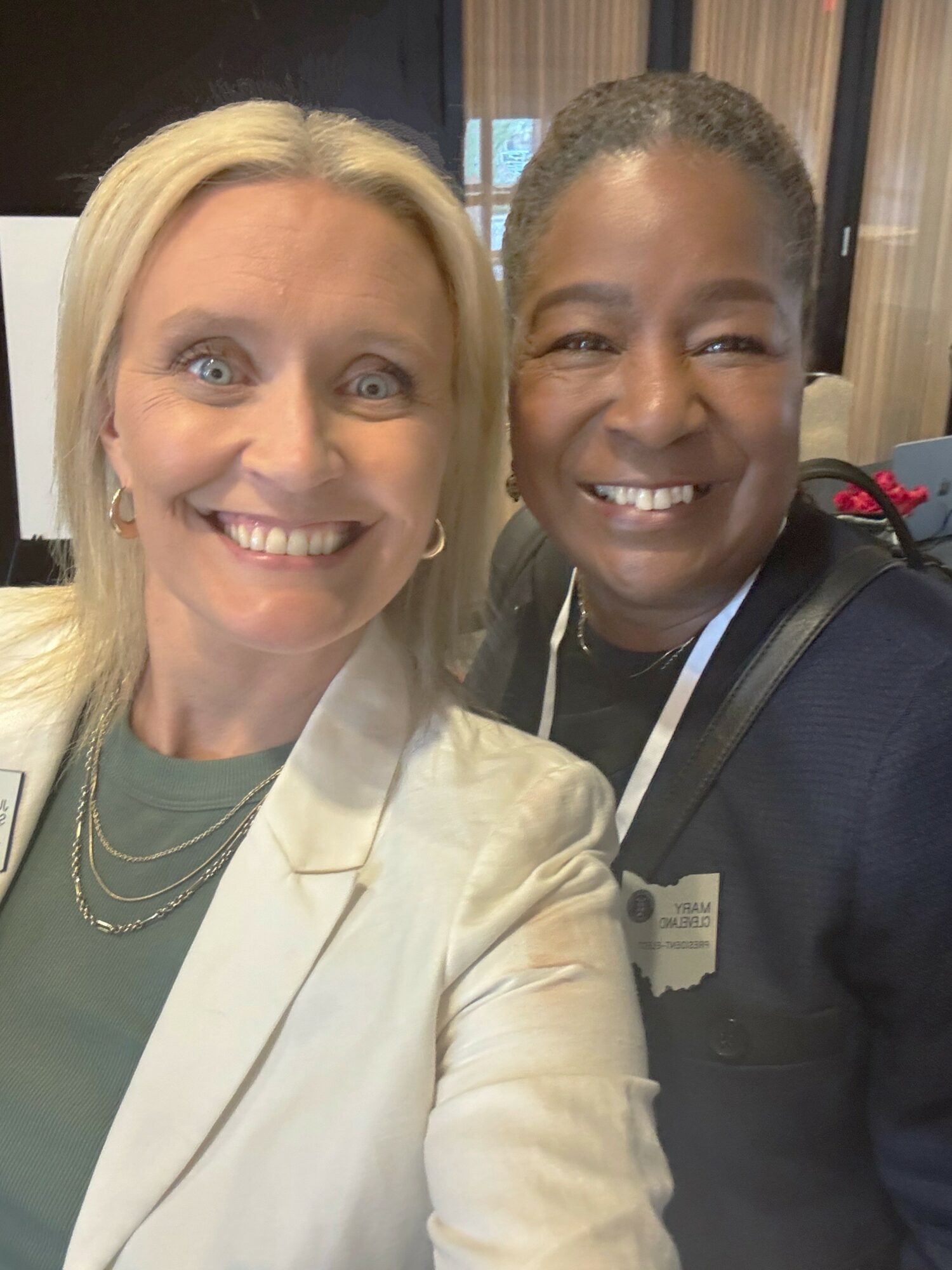
At the same time, my work in education advocacy expanded. I became involved at the state level, working with the Ohio School Boards Association and speaking with lawmakers about education policy and funding. I’ve even been asked to run for state office, but for now, I’m right where I need to be.
The funny thing? Even though I’m not a lawyer, I find myself constantly analyzing laws, policies, and bills—using knowledge I never thought I would. Maybe I still don’t know what I want to be when I grow up. But what I do know is this: Passion isn’t always a lightning bolt moment. It’s a process. It’s the collection of skills, experiences, and values that shape who you are. It’s about saying yes to opportunities that stretch you and no to things that don’t align with your purpose. It’s about being open to evolution, because your passion will grow and change just as you do.
At the heart of it all is connection—whether in business, philanthropy, or community service.
Today, as a school board member, nonprofit founder, and consultant, I realize that every twist and turn in my career has equipped me with tools I didn’t even know I needed. Looking back, I can see that every experience—every job I loved, every role that stretched me, every unexpected turn—was shaping me into the person I was meant to be.
Or, as Dolly Parton says, “Find out who you are and do it on purpose.”
My motto has been – don’t be afraid of the unexpected. Lean into the uncertainty. Take chances. Say yes to the things that scare you. And most importantly, trust that every experience, even the ones that don’t seem to fit, are shaping you into the person you’re meant to become.
Alright, so let’s dig a little deeper into the story – has it been an easy path overall and if not, what were the challenges you’ve had to overcome?
It definitely hasn’t been a smooth road—but it’s been meaningful. I’ll answer this related to my work with CNE Cares. One of the biggest challenges we face is funding. As a 100% volunteer-run organization, we rely entirely on donations, small grants, and community support. Writing grants takes time—something that’s in short supply when you’re hands-on with operations—and as a small organization, it’s tough to compete for larger funding sources.
To make things harder, funding for food pantries is dwindling while SNAP benefits have decreased for many families, meaning more people are turning to us for support, even as resources shrink. It’s a difficult gap to fill, and we’re constantly trying to stretch every dollar.
We also operate using an outdoor service model, which brings challenges during extreme weather—whether it’s rain, heat, or snow, we have to be ready to serve. And in the summer, we partner with UMC Food Ministry to provide summer meals for kids, which is so important—but it also means we’re serving nearly three times the number of families we typically do. It requires more food, more volunteers, and more coordination, often at a time when people are on vacation and donations slow down.
Still, despite the challenges, we keep showing up—because we know how much this matters to the families we serve.
Thanks – so what else should our readers know about CNE Cares?
I’m a former event planner, so organizing, problem-solving, and bringing people together have always been natural to me. When COVID hit, I saw how many families in our community—already living in a food desert—were about to face even greater challenges. Many parents lost jobs or had their hours cut. While our school district did an incredible job providing breakfast and lunch for students, there was still a huge gap in supporting families as a whole.
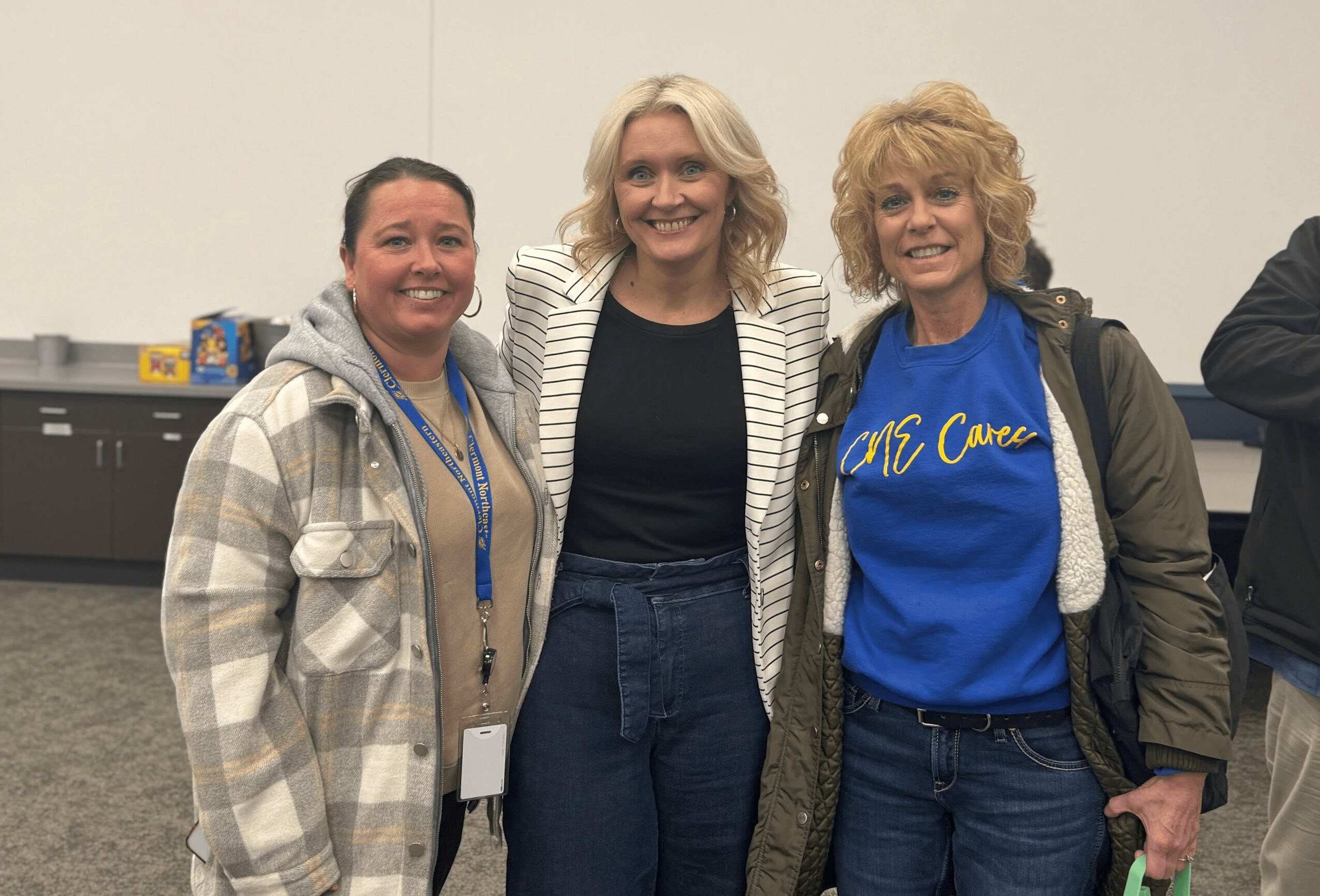
That’s what led me to start CNE Cares at the beginning of the pandemic. We began by filling that gap with food, but quickly evolved into a recipe-based pantry—not just handing out random items, but giving families complete ingredients with simple recipes they can actually use. As a parent myself, I know how stressful it can be to come up with meals, even with a full pantry. I thought, If I feel this way, how must single parents or grandparents raising kids feel—especially those relying on pantry support?
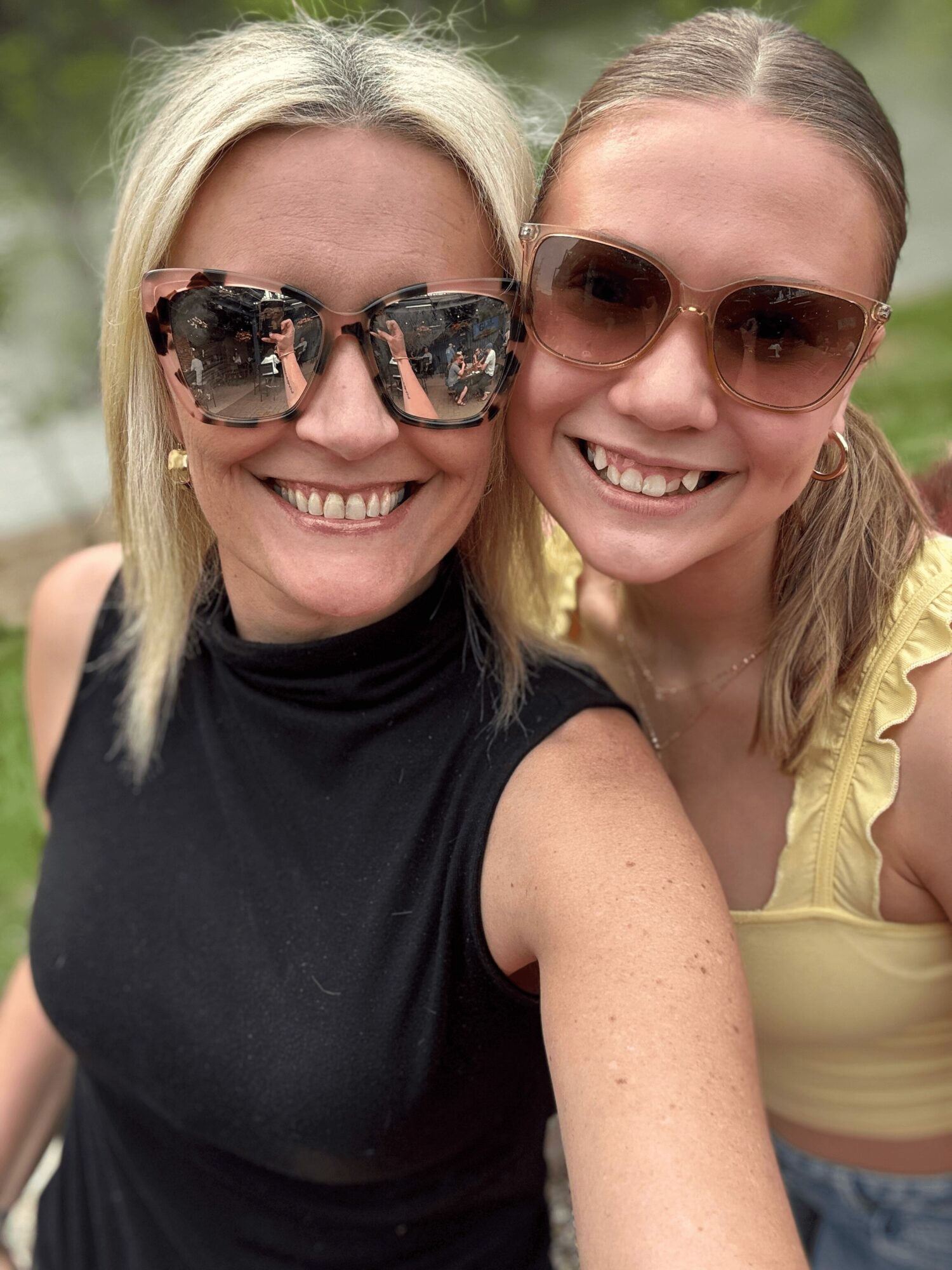
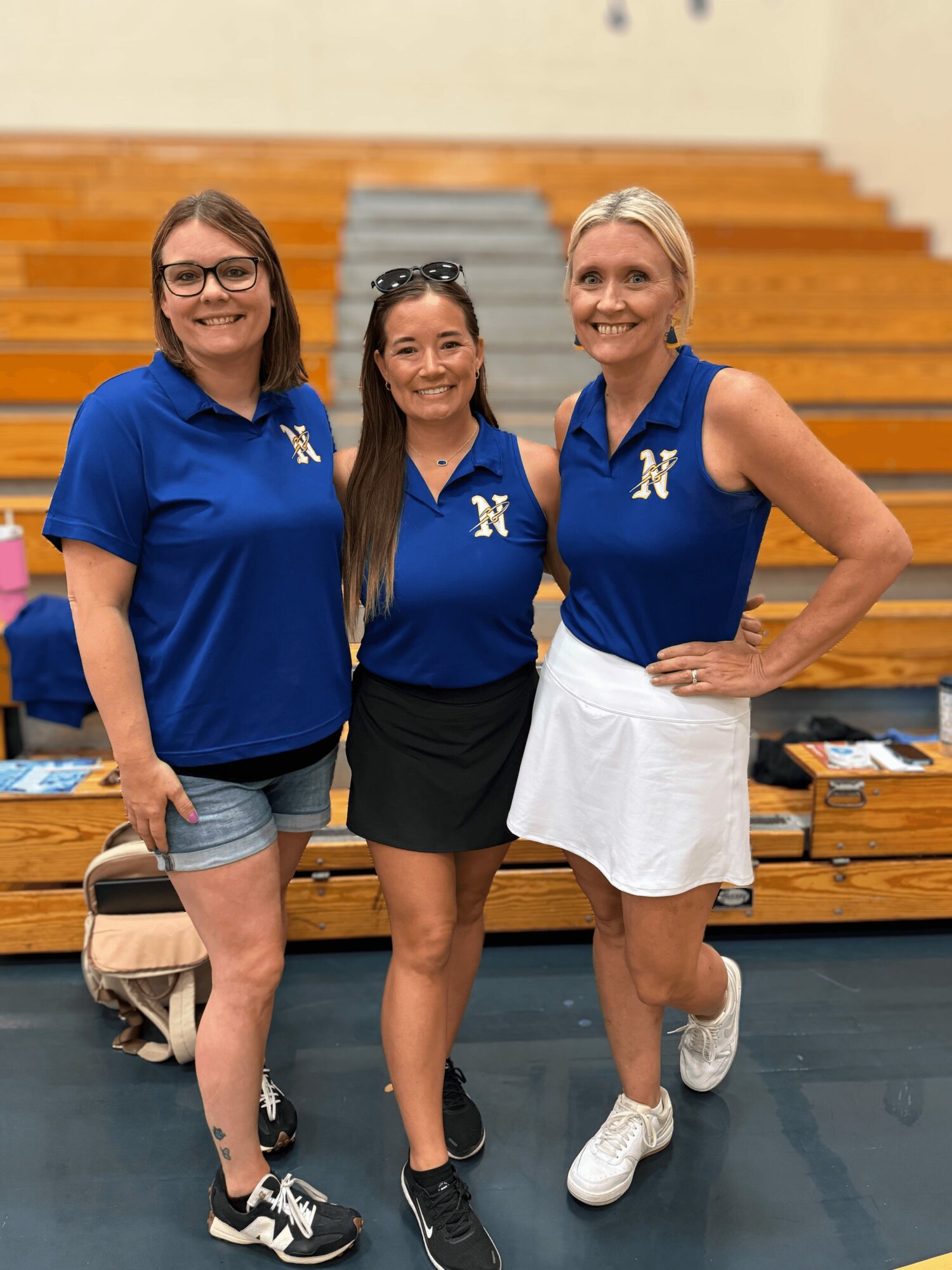
Now, we serve multiple counties with weekend meal packs, school supplies, holiday support, and more. Using my event planning background to manage logistics, organize volunteers, and build partnerships made the transition feel natural. And in addition to running the nonprofit, I serve on our local school board, where I continue to advocate for equity, access, and support for every student and family.
What makes you happy?
What makes me happy is using my skills to create meaningful impact for others. Whether I’m leading a community initiative, advocating for equitable school funding, or helping families through our nonprofit, I feel most fulfilled when I know my work is making a difference. I also genuinely enjoy bringing people together—through events, storytelling, or shared goals—and helping others feel seen, supported, and empowered.
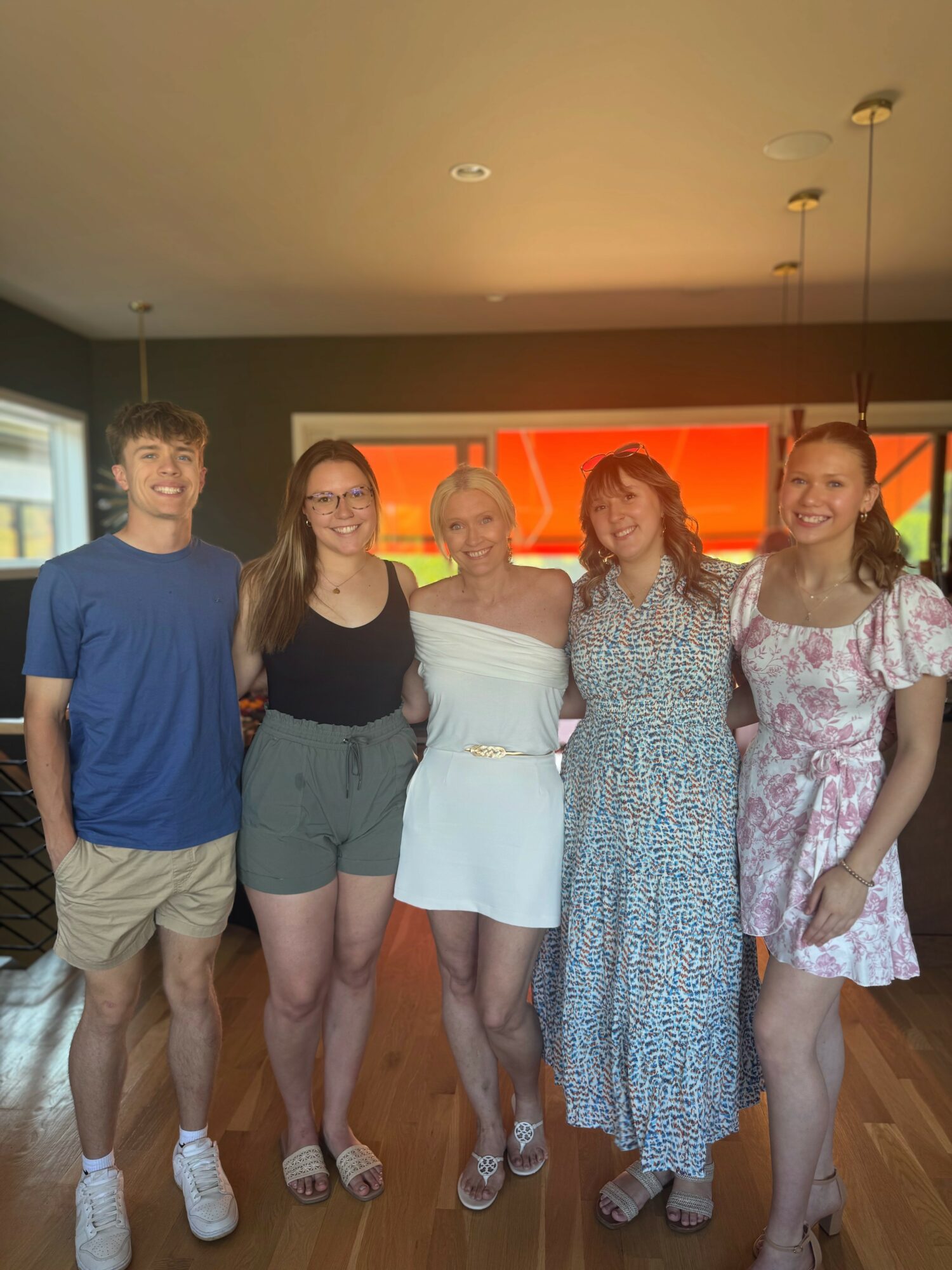
On a personal level, what truly brings me joy is seeing my family thrive. Life is jam-packed—between work, school board responsibilities, and volunteer roles—but watching my kids do the things they love and grow into who they’re meant to be is incredibly rewarding. It’s busy, but it’s full of purpose and heart, and I wouldn’t trade that for anything.
Contact Info:
- Website: https://www.cnecares.org/
- Instagram: https://www.instagram.com/cnecares
- Facebook: https://www.facebook.com/CNECares/
- LinkedIn: https://www.linkedin.com/in/thejulieschmidt/
Popular
-

The Change-Makers: stories that inspire
-

Take Flight: Lamar Thomas on Building an Inclusive Brand Rooted in Youth, Community, and Purpose
-

Cultivating Inner Clarity: Angel Inspires on Thought, Healing, and Purpose
-

Local Highlighter Series
-

Highlighting Local Gems
-

Hidden Gems: Local Businesses & Creatives You Should Know