



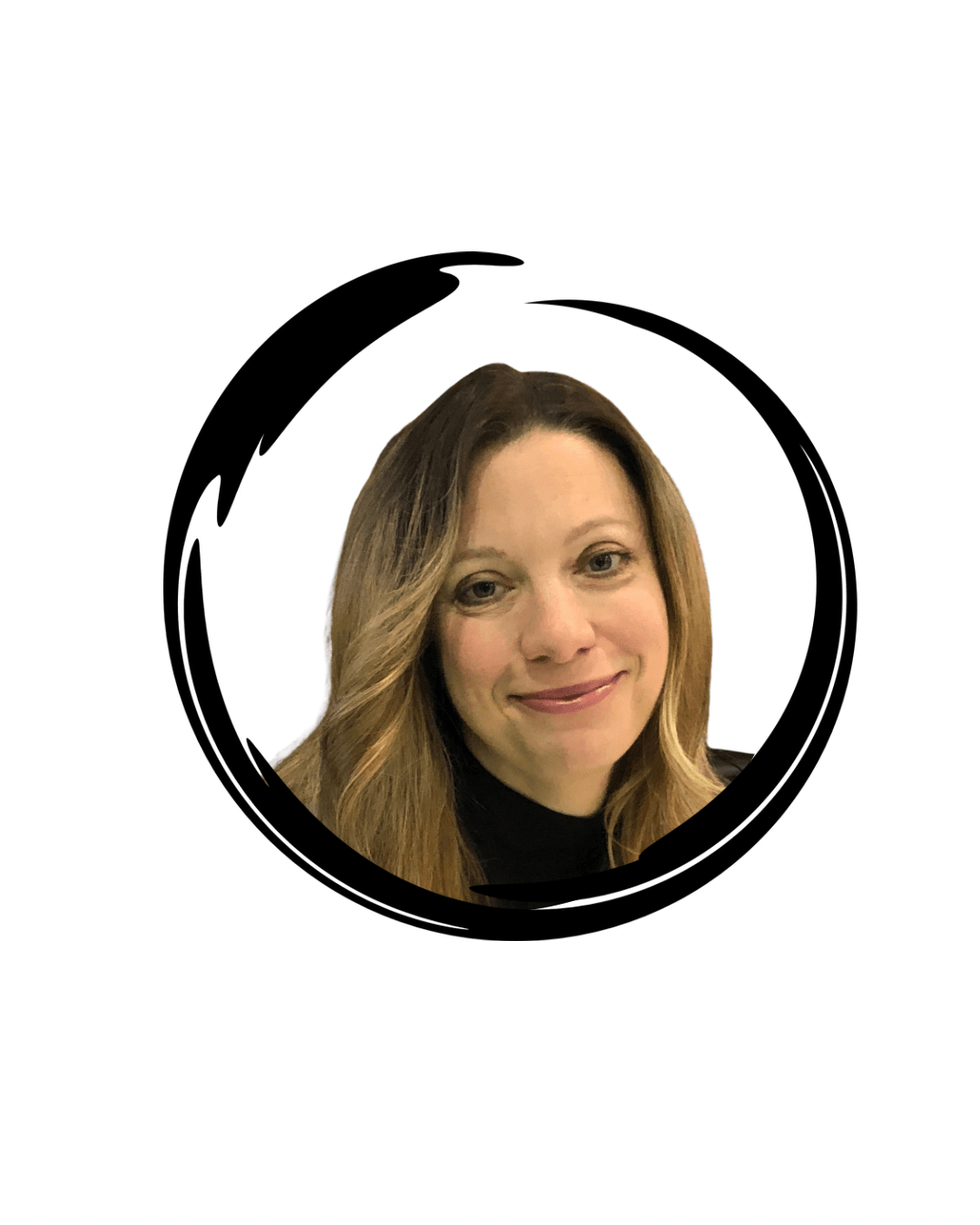
Today we’d like to introduce you to Shannon Ortiz
Hi Shannon, please kick things off for us with an introduction to yourself and your story.
At the time of Craig’s death, I had been a licensed clinical counselor for a decade. Not only that, but suicide prevention was something I was actively involved with not only in my role as Director of Counseling Services at a local University but also at the community level. Losing someone I was so closely connected to was not something I thought would ever happen. These things don’t happen to people like me or families like us. The reality is that suicide doesn’t discriminate and doesn’t care who you are or what you think you know. In the very late hours of August 2nd, 2016 Craig, my husband of 7 years, took his own life. My biggest lesson learned became my daily reality as a young widow raising a 2 and 8-year-old amidst the grief and overwhelming trauma of what happened in our house that night that bled into the wee hours of the following day, weeks, months, and years.
My soul was so shattered that it was impossible to help anyone else but myself and my children from drowning in the weight of what was left of our lives. After 18 months, I stepped down from what I considered my dream job, let my clinical license lapse, and went toward the same darkness that consumed Craig that fateful night. Suicide loss survivors are more likely to go on to take their own lives due to the aftermath that is left behind. It’s not “just” the loss of our loved one, it’s the loss of a support system, it’s the loss of an identity, it’s the loss of a career and financial stability. The layers of loss for those left behind are like those of the earth, they run far and deep with each layer being uniquely hard and difficult to penetrate.
In the darkest moments, I felt like life was unfair. Not unfair because Craig wasn’t here, but unfair because I still was. I was stuck here trying to navigate our basic needs like keeping food, water, and a roof over our heads. Stuck struggling to navigate a mental system I was once a part of, but now seemed to be working against me. Stuck in fight-or-flight mode acting like someone I didn’t even recognize as someone who once was a calm, compassionate helper to everyone around her. Suicide loss changes who you are deep within your soul. Trauma changes your brain and the thoughts that were once inspiring and uplifting to those you served now seem like they were buried with the one you lost.
It’s been 8 years and it’s hard to remember the specific day or time the shift to not only survive but thrive, started to occur. I do know it was because these words were spoken to me by a fellow yogi and well-known trauma therapist in the area. Post-Traumatic Stress Disorder or trauma in general is “not about what’s wrong with you, but what’s happened to you.” Now those words were hers, but spoken by many of the trauma professionals I listened to and learned from after that moment my mind was opened to the idea that I wasn’t broken. My heart and head both opened enough to have hope for healing.
There are a lot of things I did and tried once I was on this treasure hunt for healing. I already had a yoga practice, but it became a more focused healing modality versus my workout of the day. I began a daily practice of breathwork and mindfulness. I switched medications with the help of my prescriber. I shifted to more body-based trauma psychotherapy with EMDR, which has been found to have significant results with those who have been through traumatic events. I transitioned to a different church and started attending regularly. Suicide loss shakes the foundation of your faith with not much help from the messages of some churches, unfortunately. I took a deep dive into every healing modality offered for the mind, body, and soul on my quest for quiet and calm, which was the opposite of what was going on inside of me every day.
By the end of 2018, I was starting to feel more like myself, accept that I would never be the same person I was, and embrace the beauty within the brokenness. Messages like, “God takes broken people like me to help broken people like you” kept falling into my lap per se. Whether it was on my social media feeds, messages in church, or the messengers I would encounter daily, I felt called to do more but kept hanging up the phone. Finally, on a difficult day between Thanksgiving and Christmas when we were running late for church, we were all crying and felt that darkness creeping in once again. The scripture Luke 1:79 w the only words I heard above the hurt, between the tears. “To give light to those who sit in darkness and in the shadow of death, to goud our feet into the way of peace.” Light after Loss was born.
I went home that day, bought those words from the Ohio Secretary of State’s business website, and had faith the rest would follow. On January 1st, I announced I was starting a nonprofit called Light after Loss which would be a trauma-focused support system for suicide loss survivors providing free education, resources, and support services for individuals and families in the aftermath of suicide.
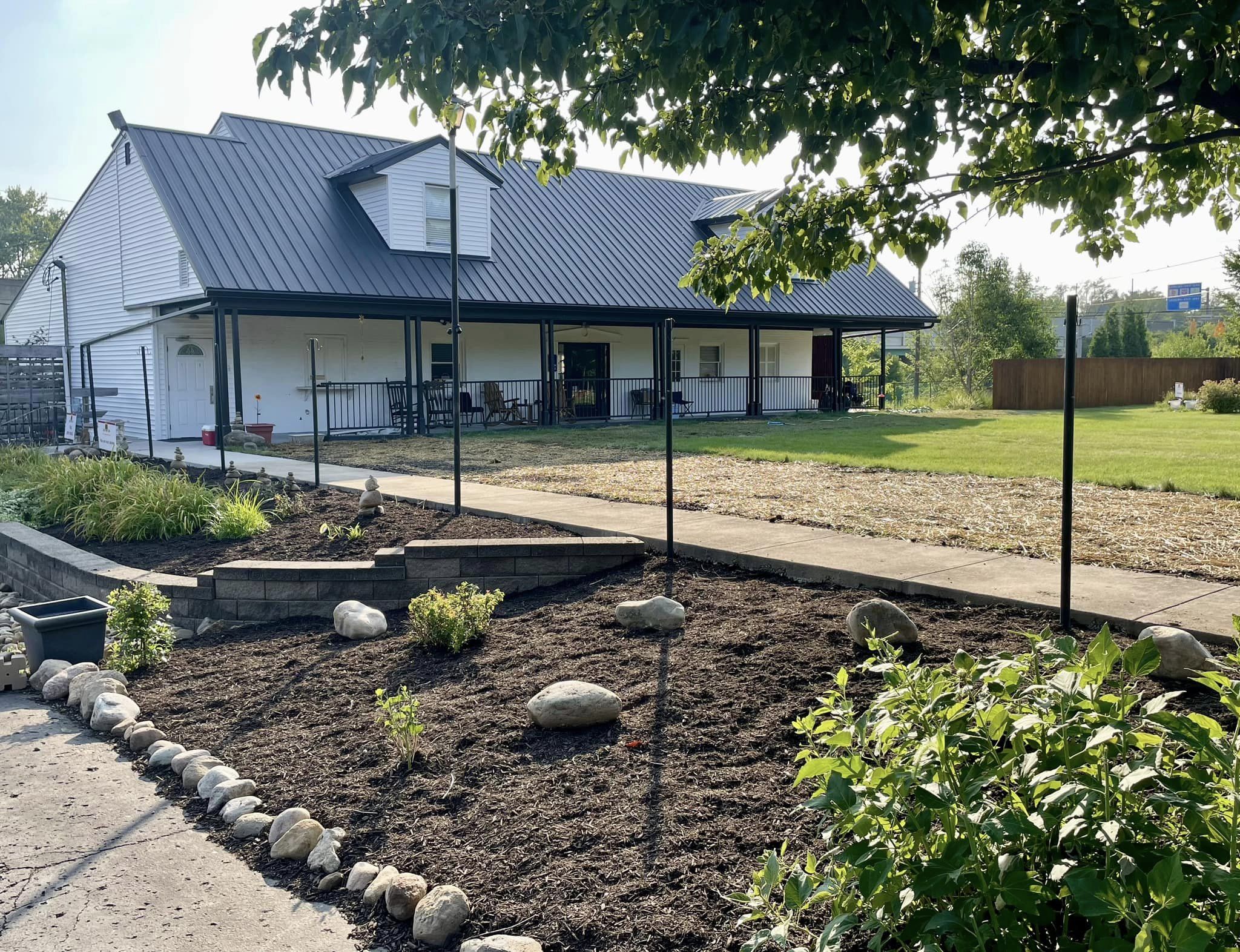
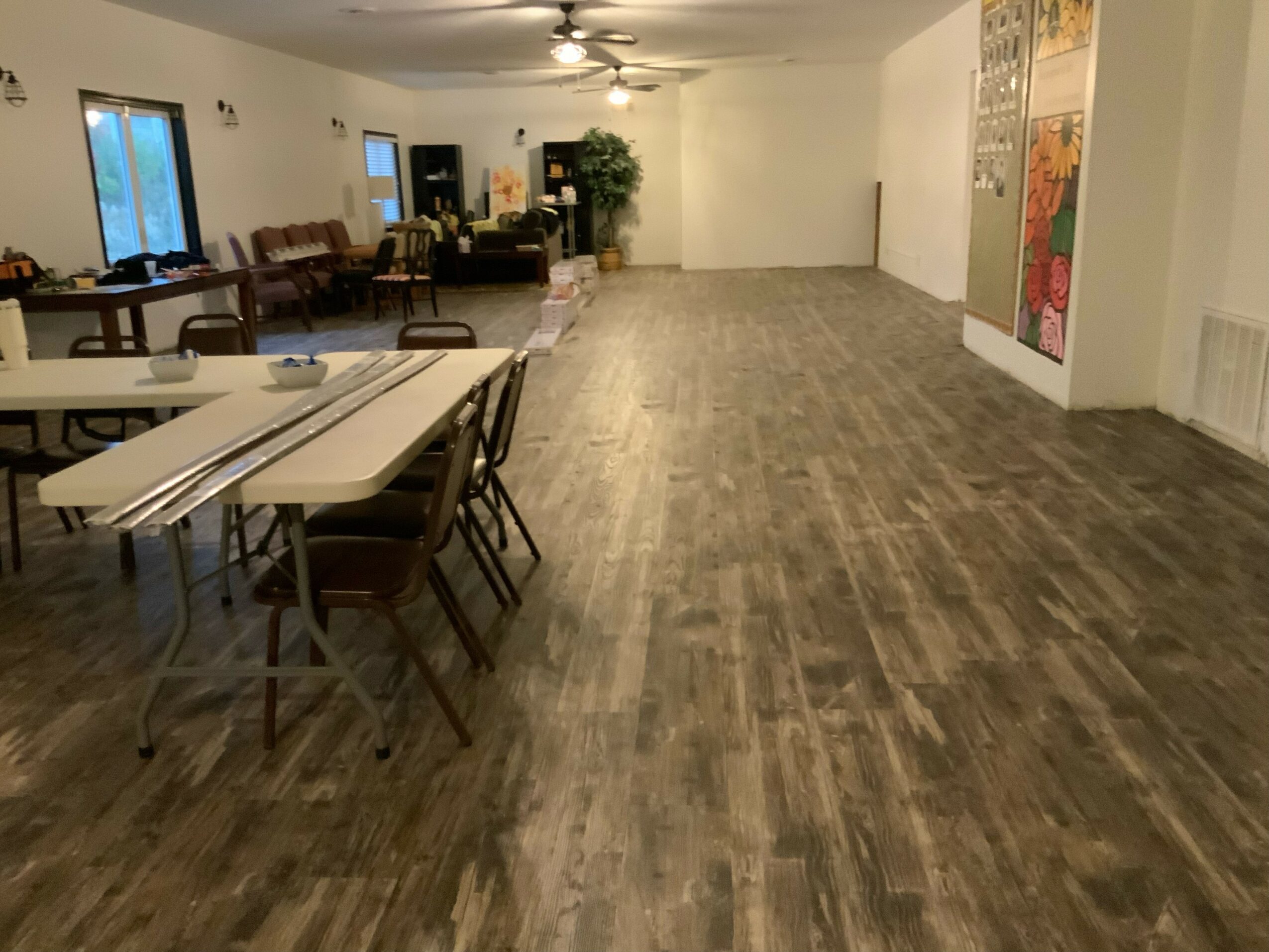
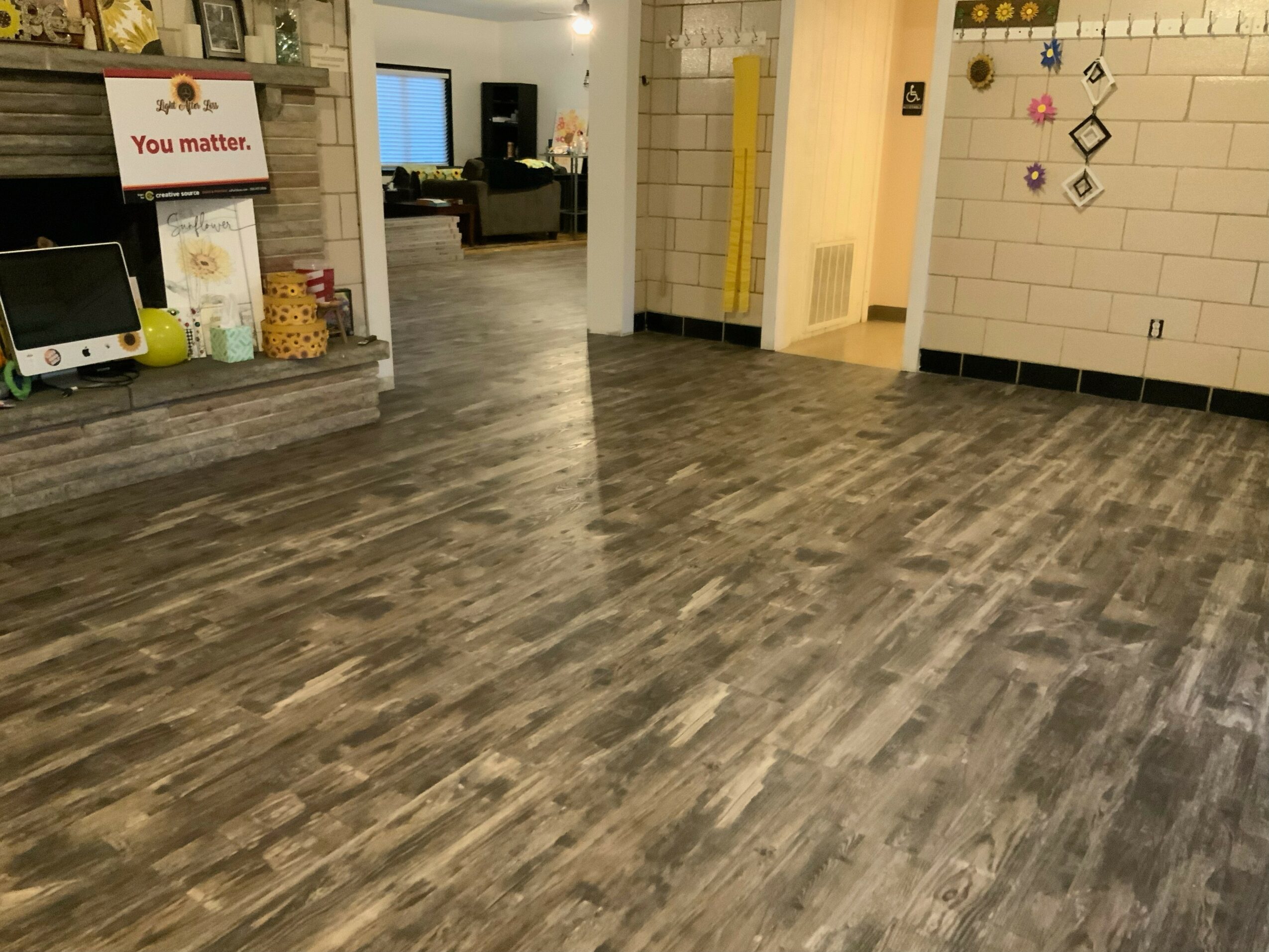
We started with one support group that year, in 2020 the need for us to expand our reach became apparent during the COVID-19 pandemic. In 2021 and 2022, we started adding additional suicide loss support groups to meet the need with a Traumatic Loss Care group finally coming to fruition to serve other types of traumatic losses like overdose, homicide, sudden illnesses, accidents, and of course COVID-19 loss. In 2023, we bought a building naming it The Hope and Healing Center. With the addition of more groups, and still needing to expand, we needed a space to call our own. As we approach our 6th birthday on January 1st, we have 10 support groups which include one in both Carroll and Tuscarawas Counties. We now have 12 support group facilitators who are loss survivors who have taken the time to heal and then help. We have 2 Certified Family Peer Support Specialists who we call Mourning Mentors, and one Bereavement Coordinator who focuses on linking youth and young adults with bereavement care.
As you read this, you may be thinking, “It takes a special person to turn pain into purpose.” If that’s the case, then we’re all special. We can all rise from the ashes and hand water to those still engulfed by the flames. Recovery is real. Hope is alive. Healing is possible. And helping is an honor.
I’m sure it wasn’t obstacle-free, but would you say the journey has been fairly smooth so far?
Saying it hasn’t been a smooth road is probably a large understatement. Despite everything I just said we’ve accomplished since our inception, we’re still struggling to be a thriving nonprofit. Many nonprofits don’t make it to their 5th birthday. Most don’t make it to their 10th. Helping people is what we do best. Securing money for the mission is what we do the worst. Not for the lack of trying I must add. Trying to convince people to talk about something nobody wants to talk about has made it difficult to secure committed and qualified Board members making sure we are a successful sustainable organization. Without that Board backing and support, our foundation might as well be built on sand. There is true concern from those of us who are the boots on the ground that we won’t make it to our 10th birthday. Despite that, we will serve and support survivors every day with the faith of Job and trust that it’s not our plan or our timing. I’ve learned the hard way that life happens when you’re busy making plans.
As you know, we’re big fans of you and your work. For our readers who might not be as familiar what can you tell them about what you do?
As I said in my introduction, I’m a licensed professional clinical counselor in the State of Ohio. I was a teacher before I went on to get my Master’s Degree in Marriage and Family Therapy. Once I left the clinical world, I became a fitness and yoga instructor. Helping and Serving others is a deeply engrained core value. So whatever I’m doing, I’m doing it with a servant’s heart.
Today, I’m acting as the Executive Director for Light after Loss at The Hope and Healing Center. Creating Light after Loss is the hardest thing I’ve ever done that I’m also most thankful for. Next to raising children because I’m still trying to figure that out. Even if we closed our doors at the end of this year, I know we’ve served and supported over 500 individual survivors and their families. Thousands of lives have been impacted in one way or another.
So others often say I have a “unique” perspective being both a clinician and a suicide loss survivor. Unique doesn’t even begin to encompass the journey it has been. That being said, it does set me apart from others. I’ve seen life through both lenses and when put together the whole is greater than the sum of its parts.
What were you like growing up?
I was quiet. Like, really quiet. So much so my first-grade teacher told my mom she didn’t know what my voice sounded like. I’ve always been a curious observer of human behavior. That often surprises people who see me now where I’m public speaking, or a guest on a podcast, etc. I still prefer quiet and am an introvert at heart. It’s how I recharge my battery. Yet in public, especially around people I know, I love to laugh and crack jokes. I even think life’s trials and tribulations have made me funnier. Or at least it’s given me a lot more content anyway. Humor is often my tool to deflect from going deeper when I’m not prepared to do so. I have no issues being vulnerable and sharing my story or soul with hundreds of people, vulnerability is one of my superpowers, but I have to be prepared and in the right headspace to go trotting down the trauma trail and opening wounds without warning.
Contact Info:
- Website: https://lightafterlossstark.org
- Instagram: @shannonthesunflowerlady
- Facebook: @shannonthesunflowerlady
- Twitter: @LaLStark
- Youtube: @lightafterlossstark
Popular
-

Hidden Gems: Local Businesses & Creatives You Should Know
-

The Change-Makers: stories that inspire
-

Take Flight: Lamar Thomas on Building an Inclusive Brand Rooted in Youth, Community, and Purpose
-

Cultivating Inner Clarity: Angel Inspires on Thought, Healing, and Purpose
-

Local Highlighter Series
-

Highlighting Local Gems